
Beijing Unfurls: A Cinematic Journey Through the Heart of the Middle Kingdom
Introduction: The First Breath of a Dynasty
The first thing that hits you is the scent. It's a complex, layered perfume that tells the story of three millennia. It's the dry, ancient dust of sun-baked stone from the Forbidden City, mingling with the sweet, smoky whisper of Peking duck roasting over fruitwood embers. It's the sharp, clean aroma of freshly brewed jasmine tea from a hutong alleyway, cut through with the faint, modern tang of diesel from a passing bus. This is Beijing. It doesn't just greet you; it announces itself, a sensory overture to a city that is both profoundly ancient and fiercely contemporary. You stand at the axis of the world, the historic capital home to the Forbidden City and modern architectural wonders, feeling the weight of history and the pulse of the future in a single, dizzying moment.
Your journey begins not on a wide boulevard, but in the labyrinth. The hutongs, those ancient, narrow alleyways that vein the city, are where Beijing's soul resides. Here, the light falls in slants, painting geometric shadows on grey brick walls. The soundscape is intimate: the clatter of mahjong tiles from a hidden courtyard, the sizzle of scallion pancakes in a street-side wok, the tinny melody from an old radio broadcasting Peking opera. An elderly man in a Mao jacket glides past on a bicycle, its basket full of leeks, utterly unconcerned by your presence. You are a ghost here, observing a rhythm of life that has persisted for centuries, a rhythm that modern skyscrapers circling overhead have not yet managed to silence. This is the city's heartbeat, steady and deep beneath the glossy surface.
Then, you turn a corner, and the scale shifts violently. Before you lies Tiananmen Square, a vast, open plain of stone so immense it seems to bend the horizon. The sky here feels higher. The Monument to the People's Heroes pierces the heavens, and across the way, the vermilion walls and golden roofs of the Forbidden City rise like a dream of imperial power. The air here tastes different—charged with the echoes of proclamations, parades, and whispers of history too immense to fully grasp. You feel microscopic, and yet, connected to a grand narrative. This is the Beijing of emperors and revolutions, of sweeping gestures and world-altering decisions. The transition from the intimate hutong to this monumental plaza is a physical and emotional jolt, a masterclass in the city's dramatic contrasts. It prepares you for the truth: to explore Beijing is to willingly lose your bearings in time, to be simultaneously a subject in an imperial court and a spectator at the cutting edge of the 21st century.
Why Visit Beijing: The Eternal and the Edgy
Why come here? You don't visit Beijing merely to check sites off a list. You come to be enveloped by a living paradox, to feel the thrilling friction where deep tradition grinds against hyper-modern ambition. It is a city that demands to be felt in your bones. You stand on the Great Wall at Mutianyu, your fingers tracing the cool, rough-hewn stone of a battlements, watching the serpentine structure vanish over mist-clad mountains into infinity. The wind carries the silence of ages, a silence so profound you can almost hear the footsteps of Ming Dynasty soldiers. That same evening, you can be sipping a craft cocktail in the shadow of the CCTV Headquarters, the audacious "Big Pants" building, its twisted geometric form glowing like a neon crystal against the night sky. The energy here is electric, pulsing with the ambition of a global superpower.
Beijing is a palimpsest, a city where history is written, rewritten, and written over again. In the 798 Art District, a sprawling complex of decommissioned Bauhaus-style military factories, you witness this literally. On brick walls still marked with Cultural Revolution slogans, bold contemporary art installations scream their commentary. The smell of oil paint and welding metal replaces the old industrial odors. It's a physical metaphor for the city itself: repurposed, reimagined, relentlessly forward-moving, yet never fully erasing what came before. This constant dialogue between past and future is exhausting, exhilarating, and utterly unique. You come to walk along the Spirit Way among giant stone statues of mythical beasts, guarding the tombs of emperors, and then take a high-speed Maglev train that feels like traveling in a silent, science-fiction film. This jarring, beautiful juxtaposition is the core of Beijing's magic. It offers not just sightseeing, but time-travel.
When to Visit: Reading the City's Seasons
Beijing wears its seasons with dramatic flair, each offering a distinct lens through which to view the city. The undisputed champion is autumn, particularly September and October. Imagine the Forbidden City under a sky of impossible, crystalline blue—the *Beijing lan*. The air is dry and cool, carrying the faint, honeyed scent of ripening persimmons from courtyard trees. The ginkgo trees lining the streets transform into rivers of molten gold, their fan-shaped leaves creating a brilliant, crackling carpet. It is the city at its most majestic and photogenic, with comfortable temperatures perfect for long days of walking. Spring (April to early June) is a close second, a season of tender optimism. The willows by the Summer Palace turn a luminous green, and the city's precious peach and magnolia blossoms burst forth in a brief, glorious riot of pink and white. But beware the occasional sandstorm, rolling in from the Gobi like a biblical curtain, tinting the world an eerie orange—a spectacle in its own right, if a gritty one.
Winter is for the intrepid. From December to February, Beijing becomes a monochrome ink painting. The skeletal branches of trees etch calligraphic strokes against a pale sky, and the frozen lakes of the imperial gardens become vast, silent plains of white. The Forbidden City, dusted with snow, is unspeakably beautiful and hauntingly quiet, the crowds thinned to a whisper. You'll huddle in a steamy restaurant over a bubbling hotpot, the experience made all the more rewarding by the bite of the cold outside. Summer, from June to August, is an endurance test of heat and humidity, but it's also vibrant and lush, with long evenings perfect for exploring the buzzing night markets. Each season paints a different face on the city; choose your canvas.
How to Get There: Gateways to the Middle Kingdom
Your passage to Beijing begins at one of its colossal aerial gateways: Beijing Capital International Airport (PEK) or the newer, starfish-shaped Daxing International (PKX). Touching down is an event. The scale is immediately apparent—these are cities within the city, temples of modern transit. From here, the magic of Chinese infrastructure unfolds. The Airport Express train is your sleek, silent chariot into the heart of the metropolis. It glides above and below the urban sprawl, offering vignettes of life: towering apartment complexes, construction cranes sketching new skylines, and glimpses of ancient temple roofs stubbornly holding their ground. Within 30 minutes, you're deposited at Dongzhimen or Caoqiao, hubs where you can seamlessly transfer to Beijing's sprawling, immaculate subway system.
For a more terrestrial adventure, arrive by high-speed rail at Beijing South or West railway stations. These are not stations so much as cathedral-like atriums to velocity. Hundreds of bullet trains, with their futuristic, streamlined noses, arrive and depart with the quiet efficiency of a Swiss watch. Stepping off a train from Shanghai after a four-hour journey covering over 800 miles is a disorienting and impressive experience, a testament to the country's engineered ambition. Once in the city, the subway is your best friend. It's cheap, efficient, and signs are in clear pinyin and English. For shorter trips, hailing a ride via a local app like Didi is straightforward, though nothing beats the visceral experience of a (metered) taxi ride along the 3rd Ring Road, weaving through traffic with a stoic driver who seems to operate on a different, intuitive plane of spatial awareness.
Accommodation: From Imperial Courtyards to Cloud-Piercers
Where you lay your head in Beijing fundamentally shapes your narrative. For the full immersion into history, seek out a authentically restored *siheyuan* (courtyard house) hotel in a preserved hutong. Waking up in one of these is like stepping into a film set. Your room looks onto a central courtyard where a pomegranate tree grows. The early morning sun filters through latticed windows, casting delicate shadows on the brick floor. The silence is profound, broken only by the cooing of pigeons. You can step directly into the alleyway life, buying steamed buns from a street vendor for breakfast. These places are intimate, romantic, and connect you to the old, human-scale Beijing.
For a stark and stunning contrast, ascend to a luxury hotel in the Central Business District or near the Olympic Park. Here, your view is a sea of neon and steel. From your floor-to-ceiling window, you watch the lights of the Guomao towers blink on as dusk falls, and the Dragon's Back—the National Stadium—glows a soft red. The service is flawless, the amenities boundless, and you feel perched at the apex of modern China. For a balanced, convenient stay, the neighborhoods around Wangfujing or the Dongcheng district offer a mix of international chain hotels and boutique properties, placing you within easy walking distance of major sites and subway lines. Your choice is a philosophical one: do you wish to dream of emperors, or of the future?
Things to Do: The Grand Spectacle and the Quiet Moment
To engage with Beijing is to move between scales of experience, from the overwhelmingly grand to the intimately personal. Start with the Forbidden City. Don't just walk through it; feel its intention. Pass under the giant portrait on Tiananmen Gate, cross the vast Meridian Gate courtyard, and let the sequence of palaces unfold. The Hall of Supreme Harmony isn't just a building; it's a statement in wood and stone, its yellow-glazed roof tiles shimmering like liquid gold. Seek out the quieter, eastern galleries where imperial clocks and jade collections whisper of exquisite taste, and find the Coiling Dragon marble ramp behind the Palace of Tranquil Longevity—a masterpiece of sculpture often missed by the crowds.
Then, escape to the Temple of Heaven at dawn. This is where you'll find locals truly living within their heritage. In the park surrounding the temple, life unfolds in a series of graceful rituals: old men writing calligraphy on the pavement with water brushes, groups practicing tai chi with hypnotic slowness, and choirs singing revolutionary songs with startling passion. The Temple itself, with its iconic triple-blue roof representing the heavens, feels more serene, more spiritual than the imperial seat of power. Next, dedicate a day to the Great Wall. Skip the crammed Badaling section for Mutianyu or Jinshanling. The climb is steep, your muscles will burn, but reaching a watchtower and seeing the wall coil over endless, rugged mountains like a stone dragon is a moment of pure, awe-struck triumph. The silence here is a physical presence.
Balance this with an afternoon in the Houhai lake district. Rent a bicycle and pedal along the willow-lined shores, past traditional courtyard homes now housing trendy cafes and bars. As dusk falls, the lanterns light up, reflecting on the dark water, and the area transforms into a lively nightspot. For a dose of the avant-garde, lose yourself in the 798 Art District. Get delightfully disoriented among the giant socialist-era factory halls now filled with provocative installations, chic galleries, and minimalist coffee shops. Finally, seek a moment of pure peace at the Lama Temple (Yonghegong). The scent of sandalwood incense is thick in the air, and the murmured prayers of devotees create a low hum. Before the staggering 26-meter tall statue of the Maitreya Buddha, carved from a single piece of white sandalwood, you'll find a stillness that feels sacred, a quiet heart in the bustling metropolis.
Food and Drink: A Banquet for the Brave
Eating in Beijing is a contact sport, and your willingness to dive in headfirst will be richly rewarded. The undisputed emperor of the table is Peking Duck. The ceremony is part of the feast. The chef presents the whole bird, its skin glistening like lacquered mahogany, before deftly slicing it tableside. You take a thin pancake, smear it with sweet bean sauce, add a few slivers of crisp skin and succulent meat, some julienned scallion and cucumber, and roll it into a parcel. The first bite is a symphony of textures and flavors: crisp, fatty, sweet, savory, fresh. For a more rustic, communal experience, descend into the fiery warmth of a Mongolian hotpot restaurant. You're given a bubbling, divided cauldron of broth—one side mild, the other lethally spicy. You cook paper-thin slices of lamb, triangles of tofu, and handfuls of greens yourself, dipping them into a sesame paste sauce you concoct to your own taste. It's social, delicious, and deeply satisfying.
But the real adventure lies on the street. In the evening, make for a *xiaochi* (small eats) street. Follow your nose through the smoky, fragrant air. Skewers of lamb dusted with cumin and chili sizzle over charcoal. Jianbing, the ultimate Chinese crepe, is crafted before your eyes: a batter spread thin on a griddle, an egg cracked over it, brushed with sauces, sprinkled with cilantro and scallions, wrapped around a crispy wonton, and folded into a perfect portable package. Be brave. Try the *chuanr* (skewers), the steamed buns (*baozi*), the pungent *stinky tofu* (it tastes better than it smells). Wash it down with a local Yanjing beer or a bottle of *binghong cha* (iced black tea). For a nightcap, explore the hidden speakeasies behind unmarked doors in Sanlitun or the traditional *huangjiu* (yellow wine) served warm in tiny ceramic cups in a dimly lit hutong bar. Every meal is a discovery.
Practical Tips: Navigating the Dragon's City
To move through Beijing with grace, a few key tools are essential. First, connectivity: get a local SIM card or an e-SIM with data immediately. Your smartphone becomes your lifeline—for translating menus, mapping hutongs, and, most importantly, for payment. Cash is increasingly obsolete. Set up Alipay or WeChat Pay on your phone; you'll use it for everything from buying a bottle of water to paying for a taxi. Download a VPN *before* you arrive if you wish to access Google, Instagram, or other Western social media and services. The subway app "Beijing Subway" is excellent for route planning. Learn a few basic Mandarin phrases. A sincere "ni hao" (hello) and "xie xie" (thank you) will open doors and smiles. When hailing a taxi, have your destination written in Chinese characters to show the driver.
Comfort is key. The air quality can vary; check an app like IQAir and pack a few N95 masks for poor days. Wear the most comfortable walking shoes you own—you will log miles on hard stone and concrete. Carry a pack of tissues, as public restrooms often don't supply toilet paper. When visiting temples or someone's home, remember the small etiquette of receiving business cards or gifts with both hands. Most of all, pack patience. The crowds at major sites can be overwhelming, and the pace of life is frenetic. Allow yourself to get lost, to wander, to sit on a park bench and simply watch the world go by. The best moments in Beijing often happen between the items on your itinerary.
Suggested Itinerary: Five Days in the Imperial City
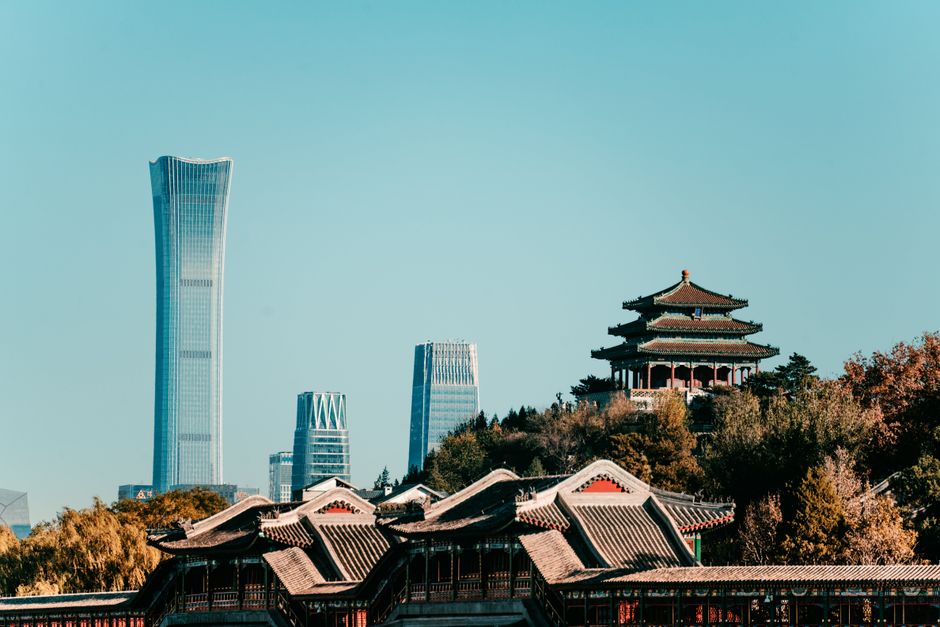
Day 1: The Heart of Power. Morning at Tiananmen Square, feeling its vastness. Spend the entire afternoon exploring the Forbidden City. Exit through the north gate and climb Jingshan Park for that iconic, postcard view of the palace roofs fading into the city haze. Evening Peking Duck feast at a renowned restaurant like Da Dong or a local favorite.
Day 2: From Heaven to the Hutong. Sunrise visit to the Temple of Heaven to witness local life. Afterwards, dive into the labyrinth of the Nanluoguxiang hutong. Explore its shops and cafes, then peel off into the quieter, residential alleys around it. In the afternoon, visit the serene Lama Temple and the Confucius Temple nearby. Evening at the lively Houhai lakes for dinner and drinks by the water.
Day 3: The Great Wall. Dedicated day trip. Book a driver or join a small tour to Mutianyu. Take the cable car up, walk the stunning, restored section, and toboggan down for a thrill. Return to the city exhausted but elated. Enjoy a simple, comforting hotpot dinner to recharge.
Day 4: Art, Olympics & Acrobatics. Morning exploring the industrial-chic 798 Art District. After lunch, head to the Olympic Park to marvel at the Bird's Nest and Water Cube. As evening falls, take in a breathtaking Chinese acrobatics show at the Chaoyang Theatre—a spectacle of human agility and precision.
Day 5: Imperial Leisure & Final Feasts. Journey to the Summer Palace. Spend the day wandering the lakeside walks, climbing Longevity Hill, and marveling at the Marble Boat. Have a lakeside lunch. For your final evening, take on the Wangfujing Snack Street for a street food adventure, or enjoy a refined last meal in a courtyard setting, reflecting on the monumental journey.
Conclusion: The Echo in the Courtyard
Leaving Beijing, you don't just have photographs. You have sensory imprints. The feel of the Great Wall's stone under your palm. The taste of smoky duck skin and sweet bean sauce. The sound of erhu music drifting from a courtyard at dusk. The sight of a futuristic skyline backlit by a dusty, ancient sun. Beijing is not a city that reveals itself easily; it is layered, complex, and often contradictory. It challenges you, overwhelms you, and then rewards you with moments of sublime beauty and profound connection. It is a city that lives in the grand gesture and the minute detail—in the roar of the square and the whisper of the hutong. You came as a visitor, but you leave having touched the narrative thread of a civilization, having walked in the footsteps of both emperors and everyday citizens. The Middle Kingdom gets into your blood, and its echo—the scent of dust and incense, the vision of gold roofs against a blue sky—stays with you long after you've departed its mighty gates.
Frequently Asked Questions
Is Beijing safe for tourists?
Beijing is generally an extremely safe city for tourists, even at night. Violent crime against visitors is rare. The primary concerns are petty scams (like overpriced tours or tea ceremonies) and pickpocketing in crowded areas like markets or the subway. Exercise the same common sense you would in any major global city: keep valuables secure, be wary of overly friendly strangers inviting you for drinks, and use licensed taxis or ride-hailing apps.
How many days do I need to see Beijing properly?
A minimum of four to five full days is essential to scratch the surface of Beijing. This allows you to cover the absolute must-sees: the Forbidden City, the Great Wall (one full day), the Temple of Heaven, and a hutong exploration, with time for one or two other sites like the Summer Palace or 798 Art District. A week would allow for a more relaxed pace, deeper exploration of neighborhoods, and perhaps a day trip to the Ming Tombs.
What is the best way to visit the Great Wall from Beijing?
The best way for most independent travelers is to book a private driver for the day or join a reputable small-group tour. This provides flexibility and ease. For the more adventurous, public buses go to sections like Badaling and Mutianyu, but they require navigating bus stations and can be time-consuming. Avoid the heavily promoted "cheap tours" from your hotel or street touts, as they often include forced shopping stops and rushed wall visits.
Can I visit Beijing if I don't speak any Mandarin?
Absolutely. While knowing a few phrases is helpful and appreciated, you can navigate Beijing with minimal Mandarin. Major tourist sites, subway stations, and signs have clear English pinyin. In restaurants, many have picture menus or plastic food displays you can point to. Translation apps like Google Translate (used with a VPN) or Pleco are invaluable for deciphering menus and signs. People in the service industry at hotels and tourist areas often speak basic English.
What should I pack for a trip to Beijing?
Pack for the season, but essentials always include: supremely comfortable walking shoes, a reusable water bottle (you can boil tap water in your hotel), a power adapter (Type A, C, or I), all necessary medications, a VPN installed on your devices, and a good face mask for potential pollution or dusty days. In spring/autumn, layers are key as temperatures fluctuate. In winter, a heavy coat, hat, and gloves are non-negotiable. In summer, light clothing, sunscreen, and a hat are essential.
Is the Forbidden City really as crowded as they say?
It can be, especially during Chinese national holidays and summer weekends. However, you can strategize. Book your timed-entry ticket online well in advance (they sell out). Arrive right at opening time and head straight to the central halls before the tour groups arrive. Then, explore the less-visited eastern and western wings, which are often significantly quieter. The vastness of the complex means you can almost always find a moment of relative peace away from the main axial path.


No comments:
Post a Comment