
Best Time to Visit Baton Rouge: A Month-by-Month Guide to Perfect Travel
Introduction
Imagine the scent of magnolia blossoms hanging thick in a warm, honeyed breeze. Picture the Mississippi River, a wide, muddy ribbon of history, reflecting a sky that shifts from the bruised purple of a summer thunderstorm to the fiery gold of an autumn sunset. This is Baton Rouge, a city where time doesn't just pass—it performs. The rhythm of life here is conducted by the seasons, a symphony of heat, humidity, celebration, and respite. Choosing the best time to visit Baton Rouge is not merely about checking a weather app; it's about selecting the backdrop for your own Louisiana story. Will it be the frenetic, glittering chaos of Mardi Gras? The serene, sun-dappled quiet of a cypress swamp in late fall? The electric energy of a Saturday night in Death Valley?
This guide is your director's cut, your key to unlocking the city's many moods. We've sifted through the sensory overload to bring you a definitive breakdown of when to go. Our analysis is built on the pillars that define any great journey: the capricious, subtropical climate with its sultry summers and mild winters; the ebb and flow of crowds, from the packed downtown streets during a festival to the peaceful solitude of a garden path; the fluctuation of prices, where a hotel room can triple in cost overnight based on the LSU football schedule; and, most importantly, the soul-stirring calendar of events that gives this city its pulse. From the quiet reverence of a plantation tour to the raucous joy of a crawfish boil, timing is the invisible hand that transforms a good trip into an unforgettable immersion. Let us guide you through the year in Baton Rouge, frame by cinematic frame.
Baton Rouge Weather Overview by Season
Baton Rouge wears its subtropical heart on its sleeve, offering a climate that is less about four distinct seasons and more about variations on a theme of warmth and moisture. Understanding this rhythm is crucial to planning your visit. Spring (March-May) is the city's grand, glorious debut. Temperatures climb gracefully from the 70s into the 80s (°F), with humidity rising in tandem. This is peak bloom time—azaleas explode in riots of pink and white—but also peak rain potential, with frequent, brief afternoon showers that leave the air smelling of damp earth and blossoms. It is lush, vibrant, and alive.
Summer (June-August) is a deep, immersive dive into the Southern experience. Heat is a tangible presence, with highs consistently in the low to mid-90s and heat indices often soaring past 100. Humidity hangs at a dense, tropical 70-80%, making the air feel like a warm, wet blanket. Afternoon thunderstorms are a near-daily catharsis, dramatic and brief, offering momentary relief. This is the season of slowing down, seeking shade, and embracing the siesta. Autumn (September-November) arrives slowly, reluctantly. September is often a continuation of summer's fervor. True relief comes in late October and November, when humidity finally breaks, temperatures settle into the pleasant 60s and 70s, and the air turns crisp and clear. It is the most comfortable season for exploration. Winter (December-February) is mild and fleeting. Daytime highs are typically in the 60s, with nights dipping into the 40s. Hard freezes are rare, and snow is a once-in-a-generation spectacle. Rain is common, but the oppressive humidity is gone, making it a season of cozy sweaters and clear skies, punctuated by sudden, perfect spring-like days.
Month-by-Month Breakdown
January
Weather Snapshot: Highs: 62°F, Lows: 42°F. Rain is likely, with 5-6 rainy days on average. Gray, damp days alternate with brilliantly clear, cool ones. Humidity is low, a welcome respite.
Crowd Levels & Atmosphere: Quiet and local. The holiday frenzy has passed, and the city settles into a slower, reflective pace. Tourist sites are pleasantly uncrowded.
Key Events & Festivals: LSU basketball season is in full swing at the Pete Maravich Assembly Center. The "Fête des Rois" (King's Day) celebrations on January 6th offer a taste of French Catholic tradition.
Hotel Price Ranges: $ - $$. Some of the lowest rates of the year, excluding New Year's weekend.
Best Activities: Explore the Louisiana State Capitol building without the summer heat. Wander the serene paths of the LSU Hilltop Arboretum. Cozy up in a downtown coffee shop with a book. Visit museums like the LSU Museum of Art.
Perfect for: The budget-conscious cultural traveler who prefers quiet museums and historic sites over crowds and festivals.
February
Weather Snapshot: Highs: 66°F, Lows: 46°F. Similar to January, but with slightly more chance of a warm, spring-teasing day. Rain remains a constant companion.
Crowd Levels & Atmosphere: A building crescendo of excitement, culminating in Mardi Gras. The city is divided between quiet normalcy and pockets of utter, glorious chaos.
Key Events & Festivals: MARDI GRAS. While New Orleans is famous, Baton Rouge's parades (like the Spanish Town and Southdowns parades) are legendary for their local, quirky, and accessible charm. The date changes yearly (Feb/March).
Hotel Price Ranges: $$$ - $$$$. Prices skyrocket for parade weekends, especially the weekend before Fat Tuesday. Book a year in advance.
Best Activities: Catching beads and "throws" at a parade. Donning a costume for the famously irreverent Spanish Town Parade. Sampling king cake from local bakeries. Experiencing the family-friendly side of Carnival.
Perfect for: The festive, fun-seeking traveler who wants a slightly less overwhelming Mardi Gras experience.
March
Weather Snapshot: Highs: 73°F, Lows: 53°F. A month of transformation. Early March can be cool, but by month's end, spring is undeniable. Rain frequency increases.
Crowd Levels & Atmosphere: Busy, especially if Mardi Gras falls in March. Spring break brings families. A palpable sense of renewal is in the air.
Key Events & Festivals: St. Patrick's Day parades and block parties. The start of festival season, with events like the Baton Rouge Blues Festival often in late March/early April.
Hotel Price Ranges: $$ - $$$. Fluctuates with spring break and festival dates.
Best Activities: Witnessing the azalea and camellia blooms at the LSU Rural Life Museum or Burden Gardens. Taking a riverboat cruise on the Mississippi. Enjoying al fresco dining as temperatures become ideal.
Perfect for: The garden enthusiast and festival-goer who loves mild weather and vibrant colors.
April
Weather Snapshot: Highs: 80°F, Lows: 60°F. Arguably the most beautiful month. Warm, sunny days, cool evenings, and explosive greenery. Afternoon showers are common but brief.
Crowd Levels & Atmosphere: High. This is peak tourist season alongside fall. The city is buzzing with energy, outdoor events, and visitors.
Key Events & Festivals: The Ponchatoula Strawberry Festival (short drive away). Festival International de Louisiane in Lafayette (a must-do day trip). Easter celebrations and crawfish boils abound.
Hotel Price Ranges: $$$. Consistently high due to the perfect weather and event calendar.
Best Activities: Picnicking in City-Brooks Park. Attending a weekend crawfish boil with locals. Exploring the Bluebonnet Swamp Nature Center. Taking a day trip to nearby plantations like Houmas House or Oak Alley.
Perfect for: The classic tourist seeking the postcard-perfect Southern spring experience.
May
Weather Snapshot: Highs: 87°F, Lows: 68°F. The gateway to summer. Heat and humidity become significant, especially in the latter half. Thunderstorms grow more frequent and intense.
Crowd Levels & Atmosphere: Begins to taper off as schools remain in session and heat increases. A mix of pre-summer energy and languid afternoons.
Key Events & Festivals: LSU graduation brings a surge of families. Bayou Country Superfest (a major country music festival) often occurs Memorial Day weekend, flooding the city with fans.
Hotel Price Ranges: $$ - $$$$. Spikes dramatically for graduation and festival weekends, otherwise moderating.
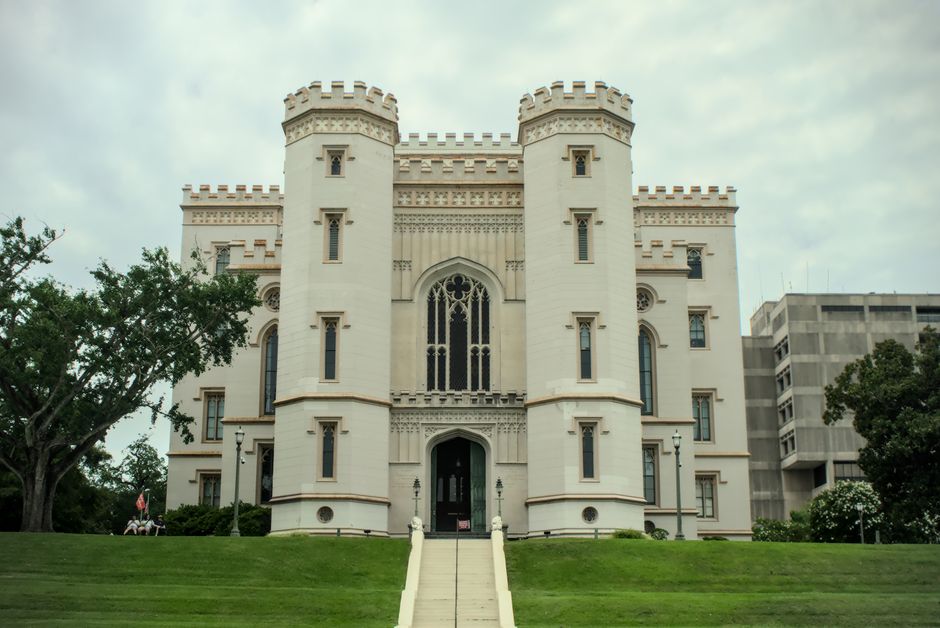
Best Activities: Swamp tours are excellent as wildlife is active. Evening walks along the Mississippi River Levee. Visiting the Old State Capitol before the peak summer heat. Enjoying fresh, local produce at the Red Stick Farmers Market.
Perfect for: The music lover (for Superfest) or the traveler who wants warm weather but wishes to avoid the absolute peak of summer's fury.
June
Weather Snapshot: Highs: 91°F, Lows: 73°F. Full, unabashed summer. Humidity is thick, and heat indices are routinely over 100°F. Afternoon thunderstorms provide a brief, dramatic respite.
Crowd Levels & Atmosphere: Lower. The tourist throngs have left. The pace of life slows to a crawl during the heat of the day. Locals seek air conditioning or water.
Key Events & Festivals: Juneteenth celebrations. "Red Stick Together" events for Pride Month. The start of weekly "Live After Five" downtown concert series.
Hotel Price Ranges: $ - $$. Very affordable, except for occasional conventions.
Best Activities: Embracing the siesta. Visiting air-conditioned havens like the Shaw Center for the Arts or the Louisiana Art & Science Museum. Taking a sunset cruise on the river. Swimming at a local pool or water park.
Perfect for: The budget adventurer who doesn't mind the heat and seeks an authentic, slow-paced local experience.
July
Weather Snapshot: Highs: 93°F, Lows: 75°F. The hottest, most oppressive month. The air is heavy, and the sun is relentless. Scattered thunderstorms are a daily expectation.
Crowd Levels & Atmosphere: Quiet and local. A holiday spike for July 4th, then emptiness. Life happens early in the morning or after dusk.
Key Events & Festivals: Independence Day fireworks over the Mississippi River. "Star Spangled Celebration" on the levee.
Hotel Price Ranges: $ - $$. Rock-bottom prices prevail.
Best Activities: Water-based activities are essential. Consider a tubing trip on the nearby Bogue Chitto River. Exploring the cool, dark interiors of historic buildings. Enjoying the vibrant nightlife in cooled bars and music venues.
Perfect for: The heat-tolerant, budget-focused traveler who plans their days around air conditioning and evening excursions.
August
Weather Snapshot: Highs: 93°F, Lows: 74°F. A carbon copy of July. The heat feels eternal, but there's a subtle shift—the light begins to soften, and the first hint of football is in the air.
Crowd Levels & Atmosphere: Dead quiet, but with a growing undercurrent of anticipation as LSU football preseason begins. The city is in a state of humid hibernation.
Key Events & Festivals: "Back to School" sales dominate. Pre-season football fan events.
Hotel Price Ranges: $ - $$. The last month of deep summer discounts.
Best Activities: Visiting the USS Kidd Veterans Museum. Exploring the Louisiana State Capitol's observation deck (indoors). Binge-eating snowballs (Louisiana's superior version of a snow cone) for relief.
Perfect for: The solo traveler or history buff who wants entire museums to themselves and thrives on a good deal.
September
Weather Snapshot: Highs: 89°F, Lows: 71°F. The long, slow exhale of summer. Heat and humidity remain high, but the extreme peaks lessen. This is peak of the Atlantic hurricane season, bringing anxiety and potential disruption.
Crowd Levels & Atmosphere: A sudden, massive surge with the return of LSU students and the start of football season. The city wakes from its summer slumber with explosive energy.
Key Events & Festivals: LSU FOOTBALL. Game days transform the city into a sea of purple and gold. Tailgating in "Death Valley" is a cultural phenomenon. Labor Day events.
Hotel Price Ranges: $$$ - $$$$$. Football weekends command premium rates, often with multi-night minimums. Non-game weekends are significantly cheaper.
Best Activities: Experiencing a LSU football tailgate—even without a ticket, the atmosphere is electrifying. Watching the team march down "Victory Hill." Enjoying the first marginally cooler evenings.
Perfect for: The college sports fanatic seeking the ultimate SEC football pilgrimage.
October
Weather Snapshot: Highs: 81°F, Lows: 60°F. A glorious reward for enduring summer. Humidity breaks, skies are crystal blue, and temperatures are ideal. The first true cold front may arrive late in the month.
Crowd Levels & Atmosphere: Very high. Second peak tourist season. Football, perfect weather, and festivals make the city feel packed and joyous.
Key Events & Festivals: LSU Football continues. Halloween festivities throughout the city. The Louisiana Renaissance Festival begins in nearby Hammond. "Boo at the Zoo" for families.
Hotel Price Ranges: $$$ - $$$$$. Similar to September, entirely dictated by the football schedule.
Best Activities: Everything outdoors. Swamp tours are sublime. Biking the LSU Lakes path. Attending an outdoor festival. Exploring the historic Highland Road and Garden District on foot.
Perfect for: The outdoor adventurer and festival lover who craves perfect weather and vibrant social scenes.
November
Weather Snapshot: Highs: 72°F, Lows: 51°F. Arguably the most comfortable month. Crisp, dry air, warm days, and cool nights. Fall foliage is subtle but present in sweetgums and cypress trees.
Crowd Levels & Atmosphere: High early in the month (football), tapering off after Thanksgiving. A sense of calm, thankful contentment settles in.
Key Events & Festivals: LSU Football rivalry games. Thanksgiving celebrations. "Celebration in the Oaks" light display in New Orleans begins (easy day trip).
Hotel Price Ranges: $$ - $$$$. Football weekends are expensive; the rest of the month is moderately priced.
Best Activities: Visiting rural pumpkin patches and corn mazes. Taking a scenic drive along the River Road to see plantation homes against autumn skies. Enjoying a bonfire on a cool night.
Perfect for: The traveler seeking ideal weather for sightseeing, photography, and deep exploration without summer's extreme heat.
December
Weather Snapshot: Highs: 64°F, Lows: 45°F. Mild and variable. Can be chilly and rainy or surprisingly warm and sunny. Christmas Day might be spent in a sweater or short sleeves.
Crowd Levels & Atmosphere: Moderate and festive. A blend of holiday shoppers, families returning home, and a generally cheerful mood. Quiets down after New Year's.
Key Events & Festivals: Christmas parades and light displays throughout the city. "A Cajun Christmas" at the Acadian Village in Lafayette. New Year's Eve celebrations on the riverfront.
Hotel Price Ranges: $$ - $$$. Higher around Christmas and New Year's, but generally reasonable.
Best Activities: Viewing holiday lights at the LSU Burden Gardens' "Garden of Lights." Ice skating at the Raising Cane's River Center. Shopping for unique gifts at local boutiques. Enjoying festive, seasonal menus at restaurants.
Perfect for: The traveler looking for a mild, festive holiday getaway with Southern charm and unique Christmas traditions.
Peak vs. Shoulder vs. Off-Season Analysis
Navigating the best time to visit Baton Rouge requires understanding its seasonal tiers. Peak Season (March-May & September-November) offers the coveted trifecta of perfect weather, major events (festivals, football), and a vibrant atmosphere. This is when the city shines brightest, but you pay for the privilege. Hotels are expensive and book up months in advance, especially for football weekends. Crowds are substantial at popular attractions, and reservations are a must for top restaurants. The pros are unbeatable conditions and full access to the cultural calendar; the cons are cost and competition for every experience.
Shoulder Season (February & December) presents a compelling compromise. February is dominated by Mardi Gras, a micro-peak within the shoulder, but December offers mild weather and festive charm without the crushing crowds of fall. Hotel prices are moderate, dipping between holiday spikes. You might encounter cooler, rainier weather, but also enjoy shorter lines and a more relaxed pace. This season is ideal for travelers who prioritize value and a local feel but still want a taste of Baton Rouge's celebratory spirit.
Off-Season (June-August & January) is the domain of the savvy, heat-tolerant traveler. Summer (June-August) is fiercely hot and humid, while January is cool and damp. Tourist crowds vanish, and hotel rates plummet to their lowest points. The pace of life is authentically local—slow and air-conditioned. The key cons are the physical challenge of the summer heat and the potential for hurricane-related disruptions in late summer. However, if you plan your activities for early mornings, late evenings, and indoor venues, you can experience the city's soul without the financial or social friction, making this the ultimate budget and solitude play.
Best Time for Specific Traveler Types
Best for Budget Travelers: Target the deep summer months of July and August. While you'll battle the heat, you'll reap incredible savings on flights and hotels. Embrace the local rhythm: explore air-conditioned museums by day and enjoy the vibrant, affordable nightlife after dark. January (post-New Year's) is another excellent, cooler option.
Best for Honeymooners: The romantic ideal lies in April or late October/early November. April offers the dreamy backdrop of blooming gardens and perfect al fresco dining weather. Autumn provides crisp, clear days ideal for scenic drives along the River Road and cozy evenings. Both periods promise beautiful weather for photos and a generally upscale, relaxed atmosphere.
Best for Families: March (if not Mardi Gras) or October are ideal. Spring break offers pleasant weather for zoo visits, swamp tours, and outdoor exploration. October's flawless weather is perfect for the same, plus Halloween events. Avoid the extreme heat of summer and the adult-oriented chaos of major football or Mardi Gras weekends.
Best for Culture Seekers: Time your visit with the festival calendar. Late March through May brings the Blues Festival, Strawberry Festival, and Festival International. February is essential for Mardi Gras culture. Fall offers a deep dive into the religion of LSU football. These periods immerse you in the living traditions of South Louisiana.
Best for Outdoor Adventurers: Without a doubt, October and November. The mosquito hordes have retreated, humidity is gone, and temperatures are ideal for extended periods outside. This is the prime time for kayaking through cypress swamps, hiking the trails at Bluebonnet Swamp, biking the levee paths, and taking long, scenic drives to nearby state parks without suffering from heat exhaustion.
Money-Saving Timing Strategies
To conquer the budget for your Baton Rouge trip, timing is your greatest weapon. Flight Booking: For peak season travel, book flights 2-3 months in advance. For off-season, you can gamble for last-minute deals, but securing a cheap fare 4-6 weeks out is a safe bet. Use price alerts for Louis Armstrong New Orleans Airport (MSY), the major hub, and consider flying mid-week (Tuesday-Thursday) for significant savings. Hotel Hacks: The single biggest cost variable is the LSU football schedule. Use the university's published calendar to avoid home game weekends at all costs if you're budget-conscious. For summer visits, don't book prepaid rates; many hotels will offer walk-in or last-minute online discounts. Consider staying just outside the downtown core in areas like Perkins Rowe or near the airport for better value.
Flight Price Patterns: Expect peaks around Mardi Gras, major festivals (Bayou Country Superfest), graduation (May), and Christmas. The most consistent low fares are found in January (after the 6th), August, and early September (before football truly kicks off). Local Transportation Tips: Renting a car is almost essential, but you can save by booking it with your flight as a package. Once here, use the free downtown trolley system (the CATS trolley) to navigate the core. For game days, use ride-share apps to get near the stadium, but be prepared for surge pricing; better yet, join the throngs walking from downtown. Parking is plentiful and cheap (or free) in the off-season but becomes scarce and expensive during events.
Festival & Events Calendar
Baton Rouge's heartbeat is its festival calendar, a year-round celebration of culture, music, and food that should anchor your travel plans. The year kicks off with the glittering, chaotic spectacle of Mardi Gras (February/March), a multi-week celebration culminating in parades filled with satire, splendor, and thrown treasures. Spring awakens with the soulful strains of the Baton Rouge Blues Festival (late March/early April), one of the nation's oldest free blues festivals. Shortly after, the culinary scene shines at events like the Ponchatoula Strawberry Festival nearby.
Summer offers weekly rhythms like the Live After Five downtown concert series. But the true juggernaut arrives in the fall: LSU Football (September-November). More than a game, it's a weekly cultural event encompassing elaborate tailgating, the band's pre-game march, and a city-wide transformation. October brings spooky fun with Halloween events and the start of the Louisiana Renaissance Festival. The year winds down with magical holiday light displays (December) like the "Garden of Lights" at Burden Gardens and festive parades. Planning your visit around these events guarantees an immersive experience, but be prepared for inflated prices and crowds—book everything far in advance.
Practical Monthly Packing Guides
Packing for Baton Rouge is an exercise in layering and preparedness for its mercurial climate. Spring (March-May): Pack light layers—breathable short-sleeve shirts, a light sweater or jacket for cool evenings, and a compact, packable rain jacket or umbrella for sudden showers. Comfortable walking shoes are a must for gardens and festivals. Summer (June-August): Embrace moisture-wicking fabrics. Pack multiple changes of lightweight, light-colored clothing, a wide-brimmed hat, high-SPF sunscreen, and a reusable water bottle. A small umbrella serves as both sunshade and rain protector. Include swimwear and sandals. Autumn (September-November): This is the easiest season. Pack jeans, t-shirts, light long-sleeves, and a medium-weight jacket for cooler November evenings. Perfect weather for comfortable sneakers or boots. Winter (December-February): Think in layers. A warm coat, sweaters, long pants, and a scarf are needed for chilly, damp days. But also include a couple of lighter layers, as temperatures can swing dramatically. Waterproof shoes are advisable.
Unexpected Prep: Always, regardless of season, pack insect repellent. Mosquitoes are a fact of life. For summer, a portable fan can be a lifesaver. Cultural Dress Codes: Baton Rouge is generally casual, but for fine dining, "business casual" is appreciated. For a LSU game, wearing the team colors (purple and gold) is the ultimate dress code. For Mardi Gras parades, comfortable shoes you don't mind standing in for hours and a cross-body bag for your caught throws are essential. When visiting historic churches or plantations, modest attire is respectful.
Sample 7-Day Itineraries by Season
Spring Itinerary: Day 1: Arrive, settle, evening stroll on the Levee. Day 2: Immerse in history at the Old State Capitol and Louisiana State Capitol. Day 3: Day trip to Oak Alley Plantation, return for a crawfish boil. Day 4: Explore the LSU campus, including the Rural Life Museum and Mike the Tiger's habitat. Day 5: Attend the Baton Rouge Blues Festival. Day 6: Morning at Bluebonnet Swamp, afternoon garden tour at Burden. Day 7: Farmers market, last-minute souvenir shopping, depart.
Summer Itinerary: Day 1: Arrive, cool off at your hotel pool. Day 2: Morning swamp tour, retreat to air-conditioned Louisiana Art & Science Museum in the afternoon. Day 3: Explore the USS Kidd and the Pentagon Barracks museum complex. Day 4: Day trip to cool off tubing on the Bogue Chitto River. Day 5: Visit the Shaw Center for the Arts, catch an indie film. Day 6: Evening "Live After Five" concert and dinner in downtown. Day 7: Morning coffee at a local shop, depart.
Autumn Itinerary: Day 1: Arrive, feel the game-day energy (if a home game). Day 2: Experience a full LSU football tailgate (even sans ticket). Day 3: Recover with a scenic drive and tour of Houmas House Plantation. Day 4: Kayak tour in the Manchac Swamp. Day 5: Explore the Highland Road Park and Botanical Gardens. Day 6: Dive into culture at the Capitol Park Museum and enjoy dinner on Perkins Rowe. Day 7: Levee bike ride, depart.
Winter Itinerary: Day 1: Arrive, explore downtown holiday decorations. Day 2: Tour the majestic Louisiana State Capitol, visit the Governor's Mansion. Day 3: Day trip to Lafayette's Acadian Village for "A Cajun Christmas." Day 4: Visit the LSU Museum of Art, holiday shopping at local boutiques. Day 5: See the "Garden of Lights" display at Burden. Day 6: Relaxed exploration of the historic Garden District. Day 7: Brunch, depart.
Conclusion
So, when is the best time to visit Baton Rouge? The answer, as in any great story, depends on the protagonist—you. If your heart beats for perfect weather, garden blooms, and vibrant festivals, let spring claim you. If you crave crisp air, outdoor adventure, and the electrifying religion of college football, answer autumn's call. For the budget-minded soul who finds romance in empty streets and the slow, sultry rhythm of a summer evening, the off-season offers a deeply authentic, affordable embrace. And if you seek the unique, chaotic joy of a community-wide costume party, Mardi Gras is your non-negotiable destination.
Weigh your priorities: comfort versus cost, solitude versus spectacle, football versus festivals. Baton Rouge is not a one-season wonder; it is a year-round performer, each month offering a distinct act in its Southern drama. Our final, overarching recommendation for the ideal blend of pleasant weather, rich experiences, and manageable crowds points to the sweet spots of April and October/November. But no matter when your plane lands or your car crosses the Mississippi bridge, Baton Rouge will welcome you with open arms, a full plate, and a story waiting to be lived. Just come prepared—for the heat, the history, the hospitality, and the unforgettable rhythm of Louisiana's capital city.
FAQ - Best Time to Visit Baton Rouge
What is the absolute worst time to visit Baton Rouge weather-wise?
For most travelers, the peak of summer in July and August is the most challenging due to the intense combination of heat (highs in the mid-90s) and oppressive humidity, which can make extensive outdoor exploration uncomfortable and even hazardous without proper hydration and planning. However, for budget travelers who don't mind the heat, it can be the best time for deals.
Is Baton Rouge busy during Mardi Gras, and is it worth it?
Yes, it is extremely busy for the major parade weekends, especially the weekend before Fat Tuesday. Hotels sell out and prices soar. It is absolutely worth it for the unique, community-focused celebration. Baton Rouge's parades, particularly the whimsical Spanish Town Parade, offer a more accessible and locally-flavored Mardi Gras experience compared to New Orleans.
How far in advance should I book a hotel for an LSU football weekend?
As soon as the LSU football schedule is released, typically in the spring. For popular games (Alabama, Florida, Ole Miss), hotels within a 20-mile radius can be fully booked within weeks. Aim to book at least 6-9 months in advance for a home game weekend, and be prepared for mandatory multi-night minimums and significantly inflated rates.
What is hurricane season, and should I avoid visiting then?
Hurricane season runs from June 1 through November 30, with peak activity from mid-August to mid-October. While a direct hit is rare, the threat of tropical storms, heavy rain, and disruption is real. You should not necessarily avoid visiting, but you must purchase travel insurance, monitor forecasts closely, and be mentally prepared for potential itinerary changes or evacuation orders if a storm threatens.
Is Baton Rouge a good winter destination for escaping cold weather?
Yes, but with caveats. Winters are mild compared to the North, with daytime highs often in the 60s. You can comfortably explore outdoors on many days. However, it is not a tropical escape—nights can be chilly (40s), and periods of cold, rainy weather are common. It's perfect for those who find a 60-degree day delightful but not for those seeking beach weather.
What is the best month for avoiding crowds but still having decent weather?
Early December (before the holidays) and late February (if Mardi Gras is in March) are your best bets. You'll encounter mild temperatures, lower hotel prices, and minimal tourist crowds, while still enjoying a festive atmosphere or the pre-spring bloom. May, after graduation and before extreme summer heat, is another good contender.
Are most attractions and restaurants open year-round?
Yes, the major museums, plantations, and restaurants operate year-round. Some outdoor attractions, like certain swamp tour companies or gardens, may have reduced hours or close for maintenance in the deepest winter (January) or during extreme weather. Always check specific operating hours and closures in the week leading up to your visit, especially for smaller businesses.


No comments:
Post a Comment