
Best Time to Visit Budapest: A Month-by-Month Guide to Perfect Travel
Introduction
Imagine the first morning light catching the gold leaf of the Parliament's spires, casting a shimmering path across the slate-gray Danube. Picture steam rising from a hundred thermal pools into a crisp autumn sky, or the electric hum of a ruin bar pulsing through a warm summer night. Budapest is a city of dualities, a place where history and hedonism, grandeur and grit, exist in a breathtaking, ever-changing dance. The secret to unlocking its true soul lies not just in where you go, but profoundly in when you choose to arrive. Timing is the invisible conductor of your Budapest symphony, transforming a simple trip into an unforgettable sensory immersion.
This guide is your key to that perfect timing. We will navigate the city's dramatic seasonal transformations, from the frozen, silent beauty of a winter's day to the vibrant, life-affirming explosion of a spring festival. Choosing the best time to visit Budapest is a deeply personal calculation, a balance of atmospheric desires and practical realities. We have weighed the essential factors: the capricious weather that paints the city in different moods, the ebb and flow of tourist crowds that dictate the rhythm of its streets, the fluctuation of prices that can make luxury accessible, and the spectacular calendar of events that can define your entire experience. Whether you dream of soaking in the Széchenyi Baths under a blanket of snow, wandering through cherry blossoms on Castle Hill, or joining the ecstatic crowds of Sziget Festival, understanding the city's annual cycle is your first step toward a journey that feels less like a visit and more like a revelation. Let us guide you through the year, moment by cinematic moment, to find your perfect window into the Pearl of the Danube.
Budapest Weather Overview by Season
Budapest experiences a continental climate with four distinct, theatrical seasons, each dressing the city in a radically different costume. Spring (March-May) is a season of awakening, a volatile but beautiful transition. Temperatures climb from a chilly 10°C (50°F) in March to a pleasant 22°C (72°F) by May. Rain is frequent, especially in April and May, with occasional thunderstorms that clear the air, leaving it fresh and scented with blooming lilacs. Humidity is moderate. Summer (June-August) is warm to hot, often humid, and bathed in long, glorious sunlight. Average highs sit around 27-29°C (81-84°F), but heatwaves can push thermometers past 35°C (95°F). While generally sunny, brief but intense afternoon thunderstorms are common, providing dramatic relief. This is the season of al fresco living, where the city's energy spills onto terraces and riverbanks.
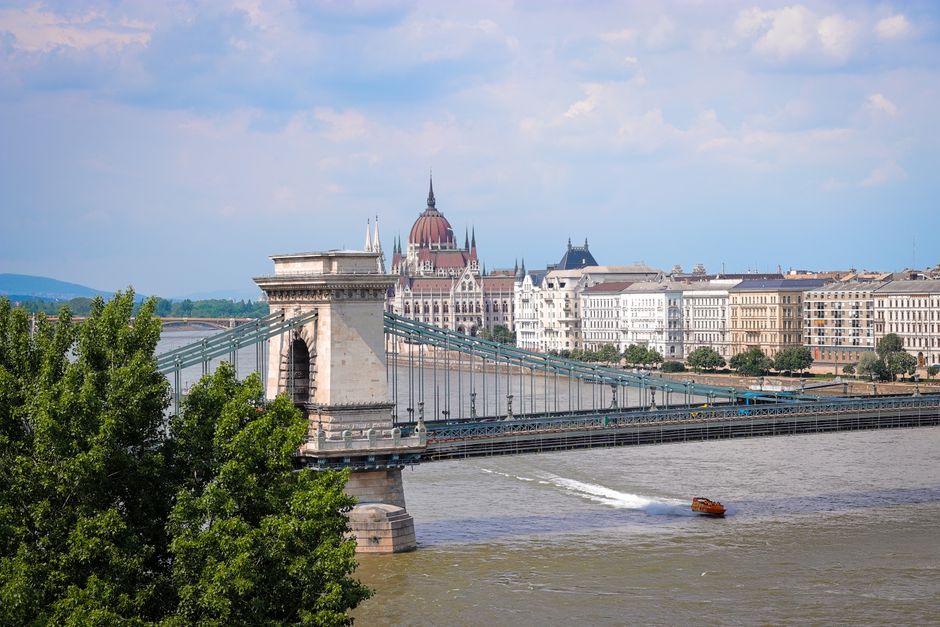
Autumn (September-November) is arguably Budapest's most visually stunning season. September often extends summer's warmth, with highs near 22°C (72°F), but the air turns crisper. October brings a magnificent display of gold and crimson foliage, with temperatures dropping to a cool 15°C (59°F). Rainfall increases steadily, and by November, a damp, misty chill sets in, with highs around 8°C (46°F). Winter (December-February) is cold, often gray, and possesses a stark, silent beauty. Daytime temperatures hover around 2°C (36°F), but can frequently dip below freezing, especially at night. Snowfall is not constant but when it comes, it transforms the city into a fairy tale, dusting the Parliament and Chain Bridge in perfect white. Fog often rolls off the Danube, adding to the mystical atmosphere. Despite the cold, many sunny, crystal-clear days pierce through the gloom.
Month-by-Month Breakdown
January
Weather Snapshot: The heart of winter. Highs: 2°C (36°F), Lows: -3°C (27°F). Overcast skies dominate, with a high probability of frost and occasional snow. Days are short, with a pale, low-hanging sun.
Crowd Levels & Atmosphere: Deep off-season. Tourist numbers are at their annual nadir. The city belongs to locals, moving briskly between warm cafés. The atmosphere is introspective, quiet, and authentically Hungarian.
Key Events & Festivals: New Year's Day Concerts; Budapest Christmas Market (usually runs until first week); National Opera House season in full swing.
Hotel Price Ranges: $ - $$. Exceptional value. Luxury hotels offer rates a fraction of their summer peak.
Best Activities: Soaking in the steaming outdoor pools of the Széchenyi or Gellért Baths while snowflakes melt on your shoulders. Exploring the cavernous Parliament or Hungarian National Museum without queues. Cozying up in historic coffeehouses like the New York Café with a book.
Perfect for: The atmospheric seeker, the budget-conscious traveler, and lovers of winter's stark, romantic beauty and thermal bath culture.
February
Weather Snapshot: Similar to January, slightly less severe. Highs: 4°C (39°F), Lows: -2°C (28°F). Snow is still possible, often creating picturesque scenes. The light begins to linger a touch longer by month's end.
Crowd Levels & Atmosphere: Very quiet, continuing the off-season calm. A sense of anticipation for spring begins to stir in the final weeks.
Key Events & Festivals: Budapest Opera Ball (a major society event); Farsang (Hungarian Carnival season, with masked balls and doughnut-eating).
Hotel Price Ranges: $ - $$. Remains incredibly affordable.
Best Activities: Visiting the caves under Buda Castle, where the temperature is constant and cool. Attending a classical concert in a historic church for warmth and culture. Walking across the Chain Bridge in a cold, clear wind for breathtaking, crowd-free views.
Perfect for: Culture vultures taking advantage of the performing arts season, and travelers seeking profound tranquility and intimacy with the city.
March
Weather Snapshot: The unpredictable beginning of spring. Highs: 10°C (50°F), Lows: 1°C (34°F). A mix of chilly, rainy days and surprisingly warm, sunny afternoons. "March comes in like a lion…" is a fitting adage here.
Crowd Levels & Atmosphere: Light. The tourist tide is still out, but you'll notice the first small groups. Locals emerge from hibernation, filling outdoor terraces on sunny days.
Key Events & Festivals: Budapest Spring Festival (a major arts festival spanning classical music, opera, and dance); March 15th National Day (patriotic celebrations).
Hotel Price Ranges: $$ - $$$. Prices begin a slow, steady climb from their winter lows.
Best Activities: Witnessing the city shake off winter at the Spring Festival events. Hiking up Gellért Hill for panoramic views as the first green buds appear. Exploring the Great Market Hall for seasonal spring produce.
Perfect for: Arts enthusiasts and travelers who enjoy the energy of change and don't mind packing for multiple weather possibilities.
April
Weather Snapshot: True spring arrives, but with frequent showers. Highs: 16°C (61°F), Lows: 6°C (43°F). The famous "April showers" bring life to the city's parks, which explode in color with tulips and magnolias.
Crowd Levels & Atmosphere: Moderate and growing. Easter brings a significant spike of European visitors. The city feels lively, rejuvenated, and fragrant.
Key Events & Festivals: Easter Markets and celebrations (decorated eggs, crafts, festive foods); Continued Budapest Spring Festival events.
Hotel Price Ranges: $$ - $$$. Easter week commands premium prices; other times are more reasonable.
Best Activities: Strolling through Margaret Island as it bursts into bloom. Visiting the Easter markets at Vörösmarty Square for traditional crafts. Taking a river cruise to see the cityscape framed by spring greenery.
Perfect for: Garden lovers, photographers, and families enjoying the Easter holidays with festive activities.
May
Weather Snapshot: Glorious and mild. Highs: 22°C (72°F), Lows: 11°C (52°F). Long, sunny days with comfortable temperatures. Evenings are pleasantly cool. Rain is still possible but less frequent.
Crowd Levels & Atmosphere: Busy. The shoulder season is in full swing. Streets and cafés are animated, and the outdoor dining scene thrives. A palpable sense of joy fills the air.
Key Events & Festivals: Budapest100 (a weekend celebrating the city's architectural heritage with open buildings); Formula 1 Hungarian Grand Prix (in nearby Mogyoród).
Hotel Price Ranges: $$$ - $$$$. Prices are firmly in shoulder/high-season range, especially on weekends and around events.
Best Activities: Picnicking on the ramparts of the Fisherman's Bastion. Renting a bicycle and cycling along the Danube embankment. Enjoying a sunset drink at a rooftop bar like the 360 Bar, feeling the warmth of the sun on your skin.
Perfect for: Almost everyone. Ideal for sightseeing, outdoor exploration, and experiencing the city's vibrant social life in perfect weather.
June
Weather Snapshot: The gateway to summer. Highs: 26°C (79°F), Lows: 15°C (59°F). Warm, sunny, and generally delightful. Humidity starts to rise, and the occasional summer thunderstorm rolls through, dramatic and brief.
Crowd Levels & Atmosphere: Very busy. The tourist season is officially booming. Major sights have queues, and the city buzzes with international energy. The long evenings are magical and full of life.
Key Events & Festivals: Budapest Pride; SZIN Festival (pop music); The start of the open-air cinema and festival season.
Hotel Price Ranges: $$$ - $$$$. High-season pricing is in effect. Early booking is essential.
Best Activities: Taking a night cruise on the Danube to see the city lit up. Exploring the ruin bars of the Jewish Quarter in the balmy open air. Attending an open-air concert or film at Margaret Island.
Perfect for: Nightlife lovers, LGBTQ+ travelers celebrating Pride, and those who thrive on high-energy urban atmospheres.
July
Weather Snapshot: Peak summer heat. Highs: 29°C (84°F), Lows: 17°C (63°F). Hot, often humid days with intense sunshine. Afternoon thunderstorms provide temporary relief. The city can feel sultry and slow in the midday heat.
Crowd Levels & Atmosphere: Peak crowds. This is the busiest month. The heat amplifies the crowded feeling at major attractions. The pace shifts to a southern European rhythm—active in mornings and late evenings.
Key Events & Festivals: The heart of the summer festival season; Danube Carnival (world music and dance); Busójárás (Summer version in Buda).
Hotel Price Ranges: $$$$ - Peak prices. Demand is at its highest.
Best Activities: Escaping the heat at the Palatinus Strand outdoor lido on Margaret Island. Visiting the caves of Buda, naturally cool. Enjoying a gelato while people-watching on the bustling Váci Street, preferably in the shade.
Perfect for: Festival-goers, sun-worshippers who don't mind crowds, and travelers who plan their days around the thermal baths and lidos.
August
Weather Snapshot: Similar to July—hot and humid. Highs: 28°C (82°F), Lows: 16°C (61°F). The heat can be relentless, though the occasional cool front brings respite. Evenings remain warm and inviting.
Crowd Levels & Atmosphere: Extremely busy, but with a slight dip in the final week as European holidays end. The city pulses with a festive, holiday energy.
Key Events & Festivals: Sziget Festival (one of Europe's largest music and cultural festivals, drawing hundreds of thousands); Budapest Summer Festival (open-air theatre and opera on Margaret Island).
Hotel Price Ranges: $$$$ - Remains at peak, especially during Sziget. Book a year in advance for that period.
Best Activities: If not at Sziget, enjoy the city's other open-air stages. Take a day trip to Lake Balaton to swim and cool off. Experience the vibrant nightlife, as the warm air makes everything feel like a party.
Perfect for: Music festival fanatics (specifically for Sziget), and travelers who love the electric buzz of a city in full summer swing.
September
Weather Snapshot: The golden month. Highs: 22°C (72°F), Lows: 12°C (54°F). Early September often feels like summer, but the air becomes crisper, drier, and more comfortable as the month progresses. Rainfall is moderate.
Crowd Levels & Atmosphere: Busy but manageable. The summer crowds dissipate significantly after the first week, leaving a more relaxed yet still vibrant atmosphere. Perfect sightseeing weather returns.
Key Events & Festivals: Budapest Wine Festival (on the grounds of Buda Castle); Budapest Design Week; Jewish Cultural Festival.
Hotel Price Ranges: $$$ - $$$$. Prices begin to soften from the August peak, especially later in the month.
Best Activities: Attending the Wine Festival with panoramic views. Taking long walks through the City Park as the leaves begin to turn. Enjoying terrace dining without the intense summer heat.
Perfect for: Food and wine connoisseurs, mature travelers, and anyone seeking the ideal balance of great weather and fewer crowds.
October
Weather Snapshot: The heart of autumn. Highs: 15°C (59°F), Lows: 6°C (43°F). Crisp, cool air and spectacular foliage in shades of gold and red. Rainy days become more frequent, often accompanied by a mist that shrouds the city in mystery.
Crowd Levels & Atmosphere: Light to moderate. The shoulder season returns. The mood turns introspective and romantic, perfect for cozy explorations.
Key Events & Festivals: Café Budapest Contemporary Arts Festival; Halloween celebrations at ruin bars and clubs.
Hotel Price Ranges: $$ - $$$. Very good value returns, with many deals available.
Best Activities: Hiking in the Buda Hills amidst a canopy of autumn colors. Visiting the thermal baths to soak in warm water while cool air nips at your face. Exploring museums like the House of Terror or the Hospital in the Rock without queues.
Perfect for: Photographers, romantics, hikers, and travelers who appreciate moody, atmospheric cities and great value.
November
Weather Snapshot: The gateway to winter. Highs: 8°C (46°F), Lows: 2°C (36°F). Gray, damp, and chilly. The last leaves fall, and the city prepares for winter. Frosty mornings are common, and the first snowflakes can appear.
Crowd Levels & Atmosphere: Quiet. A deep sense of calm returns. Locals retreat to warm interiors, and the tourist presence is minimal. It's a time for reflection and indoor culture.
Key Events & Festivals: All Saints' Day (November 1st, cemeteries are beautifully decorated with candles); Budapest Christmas Fair preparation begins late month.
Hotel Price Ranges: $ - $$. Off-season prices are back, offering tremendous value.
Best Activities: Visiting the illuminated Kerepesi Cemetery on All Saints' Day for a moving cultural experience. Coffeeshop hopping and indulging in rich Hungarian pastries. Getting a head start on Christmas shopping at local design boutiques.
Perfect for: Budget travelers, contemplative souls, and those who find beauty in melancholy and intimate urban experiences.
December
Weather Snapshot: Cold and wintry. Highs: 3°C (37°F), Lows: -1°C (30°F). Short days and long nights. Snow is a strong possibility, creating a picture-postcard scene, especially around the Christmas markets. When it's clear, the light is sharp and beautiful.
Crowd Levels & Atmosphere: Busy with a specific festive crowd. The Christmas markets draw visitors from across Europe. The atmosphere is magical, convivial, and focused on holiday cheer.
Key Events & Festivals: Budapest Christmas Fair at Vörösmarty Square and St. Stephen's Basilica; New Year's Eve celebrations with fireworks over the Danube.
Hotel Price Ranges: $$$ - $$$$. Prices surge for the festive period, especially around Christmas and New Year's Eve. Book months in advance.
Best Activities: Sipping mulled wine and tasting kürtőskalács (chimney cake) at the sparkling Christmas markets. Ice skating in front of the Vajdahunyad Castle. Attending a festive concert of Handel's Messiah or a Christmas opera.
Perfect for: Holiday enthusiasts, couples on a romantic winter getaway, and families seeking a traditional European Christmas market experience.
Peak vs. Shoulder vs. Off-Season Analysis
Choosing the best time to visit Budapest often comes down to understanding the trade-offs between three distinct travel seasons. Peak Season (June-August) offers the quintessential summer experience: long, sun-drenched days, a full calendar of festivals, and an electric, vibrant atmosphere where the city feels fully alive and open. However, this comes at a cost—literally. Hotel rates are at their zenith, flights are most expensive, and the iconic sights, from the Parliament to the baths, are shared with thick crowds, requiring patience and pre-booking for everything. The heat can also be oppressive, turning sightseeing into a sweaty endurance test. Shoulder Seasons (April-May & September-October) represent the golden mean for many. The weather is frequently ideal—mild, pleasant, and perfect for walking. Crowds are manageable, allowing for a more relaxed pace and spontaneous discoveries. Prices, while not off-season cheap, are more reasonable. The natural backdrop is stunning, with spring blooms or autumn foliage. The primary con is unpredictability; April and October can deliver chilly rain, but they also offer some of the city's most beautiful, moody moments.
Off-Season (November-March, excluding December holidays) is Budapest's secret weapon. This is when you'll find the deepest discounts on flights and accommodation, often allowing you to stay in five-star splendor on a three-star budget. The city sheds its tourist skin, revealing an authentic, local rhythm. You can have the Fisherman's Bastion virtually to yourself on a frosty morning or contemplate masterpieces in the National Gallery in silence. The cons are the weather—cold, often gray, with limited daylight—and some seasonal closures, especially in gardens and outdoor lidos. However, for many, the trade-off is more than worth it. The thermal baths become otherworldly in the cold, the café culture reaches its peak coziness, and the experience feels intensely personal. Ultimately, the best time to visit Budapest depends on your personal currency: is it sunshine and festivals, or value and atmosphere?
Best Time for Specific Traveler Types
Best for Budget Travelers: The deep off-season months of January, February, and November are your allies. Flight and hotel prices plummet, and even luxury experiences become accessible. You'll save not just on lodging but on entrance fees (with fewer queues) and daily expenses, as you're more likely to frequent local haunts.
Best for Honeymooners: For a romantic balance of beauty, comfort, and intimacy, target the late spring (May) or early autumn (September). The weather is dreamy for strolls along the Danube, the crowds are thinner than in summer, and the city is dressed in blossoms or golden hues. Outdoor dining and river cruises are perfect, creating a effortlessly romantic backdrop.
Best for Families: Late May, June, or early September offer the most family-friendly conditions. The weather is reliably warm but not scorching, perfect for exploring parks, Margaret Island's playgrounds, and the Zoo. The days are long, and major attractions are fully operational without the crushing peak-August crowds.
Best for Culture Seekers: March and October are prime. March hosts the prestigious Budapest Spring Festival, a city-wide celebration of high arts. October's Café Budapest festival focuses on contemporary, cutting-edge works. In both, you'll engage with the city's intellectual and artistic pulse alongside locals, away from the main tourist throngs.
Best for Outdoor Adventurers: May, June, September, and October provide the best conditions for hiking in the Buda Hills, cycling along the river, or kayaking on the Danube. Temperatures are comfortable for physical activity, and the natural scenery—whether lush green or fiery autumn—is at its most inspiring.
Money-Saving Timing Strategies
Mastering the art of timing can make a Budapest trip remarkably affordable. First, when to book: For peak summer travel, book flights 4-6 months in advance to lock in the best rates. For shoulder and off-season, a 2-3 month window is often sufficient, but keep an eye for flash sales. Flight price patterns are predictable: they soar from June through August, dip slightly in September, and hit their lowest points from January through March and again in November. Mid-week travel (Tuesday-Wednesday) is consistently cheaper than weekends.
Hotel hacks are crucial. Use the off-season to your advantage; many luxury hotels offer "winter packages" that include spa access. Consider apartments in residential districts like the Palace District (Terézváros) or Újlipótváros for more space and a local feel, often at better rates. Booking directly with the hotel a few months out can sometimes yield a better rate or a free upgrade, especially if you email them politely. Local transportation tips: Upon arrival, buy a Budapest Card if you plan to museum-hop, as it includes transport. Otherwise, a simple 72-hour or weekly travel pass on the BKK network is incredibly cost-effective. Walk as much as possible—the city is wonderfully walkable, and you'll discover hidden gems. For sightseeing, many churches and sights have free hours on national holidays or specific weekdays; research these in advance. Dine where the locals do: venture a few streets away from the Danube or Váci Street to find authentic restaurants with much lower prices. Finally, the thermal baths are a must, but go in the afternoon; morning tickets are often more expensive, and you can stay until closing.
Festival & Events Calendar
Budapest's event calendar is a powerful magnet, capable of defining your trip or influencing when to avoid the crowds. The year begins with the refined Budapest Spring Festival (March), a city-wide celebration of classical music, opera, and dance in prestigious venues. Easter (April) brings charming markets to Vörösmarty Square and the Basilica, full of handicrafts and festive food. Summer is a non-stop carnival: Sziget Festival (August) transforms Óbuda Island into a global village of music and art, massively impacting city-wide crowds and prices. The Budapest Summer Festival offers open-air opera and theatre on Margaret Island, while the Danube Carnival fills streets with world music and dance.
Autumn appeals to connoisseurs. The Budapest Wine Festival (September) on Castle Hill is a bacchanalian feast with panoramic views. Café Budapest Contemporary Arts Festival (October) pushes boundaries with avant-garde performances. Winter is dominated by the magical Budapest Christmas Fair (late Nov-Dec), where the aroma of mulled wine and chimney cake fills the air around the Basilica and Vörösmarty Square. New Year's Eve sees spectacular fireworks over the Danube. Planning around these events is key: if you crave them, book accommodation far in advance. If you seek tranquility, check dates and avoid the city during Sziget and the Christmas market peak weekends.
Practical Monthly Packing Guides
Packing for Budapest is about preparing for its continental mood swings. Winter (Dec-Feb): Think layers. A thermal base layer, warm sweaters, a heavy, insulated coat, waterproof boots with good grip for icy cobblestones, a scarf, gloves, and a warm hat are non-negotiable. An umbrella is wise for sleet. For the baths, pack a sturdy swimsuit and a microfibre robe for the dash back inside. Spring (Mar-May): The most challenging season. Pack for all possibilities: a lightweight waterproof jacket, layers (t-shirts, long sleeves, a medium-weight sweater or fleece), comfortable walking shoes that can handle rain, and an umbrella. Include a sunhat and sunglasses for the surprisingly warm, bright days.
Summer (Jun-Aug): Light, breathable clothing—linen, cotton. Shorts, sundresses, t-shirts. A sunhat, high-SPF sunscreen, and sunglasses are crucial. However, always pack a light sweater or pashmina for overly air-conditioned interiors and cooler evenings. A compact umbrella or rain jacket for sudden thunderstorms. Comfortable sandals and walking shoes. Your swimsuit is a daily essential. Autumn (Sep-Nov): Mirror spring's layered approach. A medium-weight coat, sweaters, long pants, and a warm scarf. Waterproof shoes or boots for October and November's dampness. As the season progresses, add gloves and a hat. For all seasons, include a modest outfit for visiting churches (covering shoulders and knees) and smart-casual wear for fine dining or the opera. A power adapter (European Type C/F) and a portable power bank for long days of photography are universal musts.
Sample 7-Day Itineraries by Season
Spring Itinerary (April/May): Day 1-2: Castle District exploration (Buda Castle, Matthias Church, Fisherman's Bastion). Day 3: Parliament tour, walk along the Danube to Shoes on the Danube, explore the Jewish Quarter. Day 4: Morning at the Great Market Hall, afternoon relaxing in City Park (Vajdahunyad Castle, Széchenyi Baths). Day 5: Day trip to the Danube Bend (Szentendre, Visegrád). Day 6: Hike on Gellért Hill for views, visit the Cave Church, evening at a ruin bar. Day 7: Margaret Island by bike, farewell dinner in the Palace District.
Summer Itinerary (July): Day 1-2: Major sights early to beat heat/crowds (Parliament, St. Stephen's Basilica), afternoons at Palatinus Strand lido. Day 3: Explore the Jewish Quarter & ruin bars by day, night Danube cruise. Day 4: Day trip to Lake Balaton for swimming. Day 5: Hospital in the Rock (cool underground), evening open-air concert or cinema. Day 6: Gellért Baths in the morning, shopping and café hopping, evening festival event. Day 7: Relaxed morning at the Zoo or Botanical Garden, last-minute souvenir shopping.
Autumn Itinerary (October): Day 1-2: Immersive museum days (House of Terror, Hungarian National Museum, Museum of Fine Arts). Day 3: Hike in the Buda Hills for foliage, cogwheel railway down. Day 4: Thermal bath morning (Rudas with rooftop pool), afternoon exploring the Gellért Hill caves. Day 5: Coffeehouse tour (New York, Gerbeaud, Central), evening at a wine bar. Day 6: Day trip to Gödöllő to visit the Royal Palace. Day 7: Art Nouveau architecture walk in Pest, visit the Postal Savings Bank.
Winter Itinerary (January): Day 1-2: Indoor cultural deep-dive (Parliament, Hungarian National Gallery, Opera House tour). Day 3: Morning at Széchenyi Baths in the steam, afternoon at the New York Café. Day 4: Explore the caves under Buda Castle, cozy dinner in a cellar restaurant. Day 5: Day trip to Eger (wine cellars, Baroque architecture). Day 6: Market visit (Great Market Hall), design boutique shopping, evening classical concert. Day 7: Walk across Chain Bridge in the crisp air, final views from Castle Hill.
Conclusion
Budapest is not a city of a single season, but a chameleon that rewards the thoughtful traveler all year round. The quest for the best time to visit Budapest is, in truth, a search for the version of the city that speaks most deeply to your soul. Do you yearn for the electric, sun-drenched energy of summer, where life is lived on terraces and at festivals, despite the crowds? Or does the promise of autumn's golden light and crisp air, perfect for contemplative walks through falling leaves, call to you more strongly? Perhaps the profound value and silent, steam-wreathed beauty of winter, where you can have historic palaces almost to yourself, is your ideal. Maybe it's the hopeful, blossoming renewal of spring, with its cultural festivals and perfect sightseeing temperatures.
For the ultimate balance of pleasant weather, manageable crowds, and vibrant activity, the months of May, June, September, and early October stand out as the most consistently rewarding. Yet, do not dismiss the edges of the year. They hold their own unique magic. Let your priorities—budget, climate tolerance, crowd aversion, or specific events—guide your hand. Whenever you choose to come, Budapest will meet you with its grand architecture, healing waters, rich history, and indomitable spirit. Book your journey, pack your bags for the season, and prepare to step into your own personal film set on the banks of the Danube.
FAQ - Best Time to Visit Budapest
What is the absolute best month to visit Budapest?
While subjective, late May and September are widely considered the sweet spots. They offer near-perfect weather—warm, sunny days and cool evenings—alongside vibrant city life, but without the intense crowds and peak prices of July and August. You get the best of all worlds: ideal conditions for sightseeing, dining outdoors, and enjoying cultural events.
Is Budapest worth visiting in the winter?
Absolutely, if you are prepared for the cold. Winter reveals a different, deeply atmospheric side of the city. Soaking in the thermal baths surrounded by steam and snow is a magical experience, the Christmas markets are enchanting, and you'll find incredible deals on hotels and flights. It's perfect for travelers who prioritize value, cozy atmospheres, and avoiding crowds over beach weather.
When is the cheapest time to fly to Budapest?
The most affordable airfares are typically found during the deep off-season: January, February, and November. Prices are also low in early March and late October. Be flexible with your travel dates, aim for mid-week flights (Tuesday to Thursday), and set up price alerts for the best deals during these periods.
How crowded is Budapest in the summer?
Budapest is very crowded from mid-June through August, with peak congestion in July and during the Sziget Festival in August. Major attractions like the Parliament, baths, and Castle Hill have long queues, and popular restaurants require reservations. While the atmosphere is fantastic, be prepared for waits and a higher-energy, more hectic pace of travel.
What should I pack for a spring trip to Budapest?
Spring is unpredictable. Pack layers! Include t-shirts, long-sleeve tops, a medium-weight sweater or fleece, and a waterproof, windproof jacket. Comfortable, waterproof walking shoes are essential. Also pack an umbrella, sunglasses, and a sunhat, as you may experience all four seasons in a single week. The key is versatility.
Is October too cold to visit Budapest?
October is not too cold, but it is firmly autumn. Daytime temperatures are cool and pleasant (around 15°C/59°F), perfect for walking, but evenings are chilly. You'll need a warm coat, scarf, and layers. The foliage is spectacular, and the cultural scene is active. It's an excellent time for travelers who enjoy crisp weather and fewer tourists.
Are things closed in Budapest during the off-season?
Major museums, restaurants, and attractions remain open year-round. However, some seasonal closures apply: the outdoor lidos (like Palatinus Strand) close from September to May, the gardens of the Royal Palace are less vibrant, and some outdoor tour boats may not operate in deepest winter. The thermal baths, however, are open and wonderful all year.


No comments:
Post a Comment