
Best Time to Visit Copenhagen: A Cinematic Journey Through the City of Light and Shadow
Introduction: The Rhythm of a City
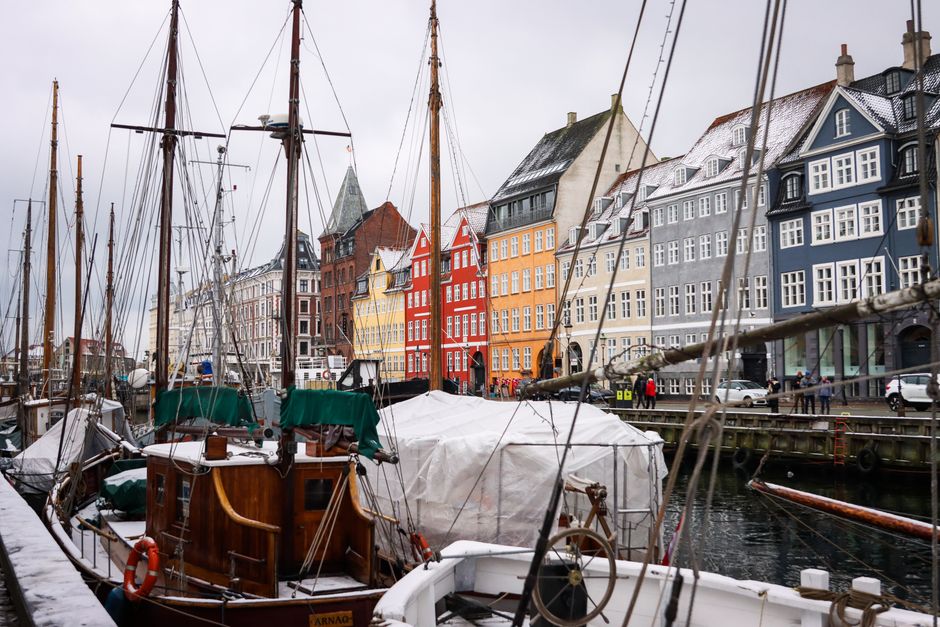
Imagine the city not as a static postcard, but as a living, breathing entity that changes its costume with the seasons. The best time to visit Copenhagen is not a date on a calendar; it is a feeling you chase. It is the electric buzz of a summer street festival, the profound quiet of a snow-dusted Nyhavn at twilight, the crisp, golden light of autumn filtering through the leaves of Tivoli Gardens, or the first, fragile blush of cherry blossoms along the lakes. Timing is the alchemist that transforms a simple trip into a story you will tell for years. Copenhagen's magic is dualistic—it is both vibrant and serene, modern and historic, buzzing with life and deeply committed to *hygge*, that untranslatable sense of cozy contentment. This guide is your key to unlocking these seasonal personas. We have distilled the essence of each month, weighing the dance between weather patterns and the human tide of crowds, the symphony of cultural events against the practicalities of price. We have listened to the rhythm of the city, from the whirring of countless bicycles in the summer sun to the soft crunch of boots on winter frost. Whether you seek the midnight sun or the candlelit warmth of a café in a storm, understanding this rhythm is the first step to crafting your perfect Copenhagen narrative. Your journey begins with a single question: what version of this Nordic capital do you wish to meet? The answer will guide you to your own best time to visit Copenhagen, a moment where the city's soul aligns perfectly with your own travel dreams.
Copenhagen Weather Overview by Season
Copenhagen's maritime climate is a study in gentle transitions, rarely extreme but always expressive. Spring (March-May) is a slow awakening. March begins chilly (avg. 1-6°C), often grey, with a biting wind, but by May, the city basks in 15°C highs under skies of brilliant blue. Rainfall is moderate but frequent, with April showers bringing the iconic blossoms. Humidity is low, making the crisp air feel fresh. Summer (June-August) is a golden, fleeting dream. Temperatures are mild and pleasant, averaging 18-22°C, with occasional heatwaves pushing past 25°C. Days are long—famously so, with up to 17.5 hours of daylight in June. Rain is sporadic, often just a brief, refreshing afternoon shower. Humidity remains comfortable, a rarity for a coastal city. This is Copenhagen at its most vibrant and alive. Autumn (September-November) is a masterpiece of color and decay. September can feel like a second summer (17°C), but by November, the chill sets in (2-7°C). Rainfall increases steadily, with October and November being the wettest months. Mists roll in from the harbor, and the humidity carries a damp, earthy scent. The light turns golden, casting long shadows. Winter (December-February) is dark, cold, and utterly enchanting. Temperatures hover around freezing (0-4°C highs, dipping to -1°C lows), with occasional cold snaps. Snow is not a constant but transforms the city when it falls. Daylight is scarce, with just 7 hours in December, but this is compensated by the omnipresent glow of candles in every window, creating a world of intimate, cozy light. The wind is the true factor, a sharp Baltic breeze that demands proper layers.
Month-by-Month Breakdown: The City's Twelve Faces
January
Weather Snapshot: High: 3°C / Low: -1°C. Grey skies dominate, with a high probability of rain or sleet. Short days (7-8 hours of daylight).
Crowd Levels: Very low. The tourist tide has receded, leaving the city to its residents. Museums and cafes are peaceful.
Key Events: Post-New Year calm. Restaurant Week offers fine dining at reduced prices.
Hotel Price Range: $ - $$. Exceptional deals are available.
Best Activities: Embrace the *hygge*. Cozy up in candlelit cafes like the historic La Glace. Visit the National Museum or the Glyptoteket without crowds. Brave the cold for a bracing walk along the deserted, atmospheric Nyhavn. Enjoy the lingering Christmas decor until early January.
Perfect for: The introspective traveler, the urban explorer seeking authenticity, and the budget-conscious culture vulture.
February
Weather Snapshot: High: 3°C / Low: -2°C. The coldest month. Expect frost, possible snow flurries, and a persistent, damp chill.
Crowd Levels: Low. A quiet month, punctuated by winter break for local families in late February.
Key Events: Copenhagen Light Festival illuminates the city with stunning light art installations on buildings and in parks, fighting the darkness with creativity.
Hotel Price Range: $ - $$. Still very affordable.
Best Activities: Follow the Light Festival trail. Go ice-skating at Frederiksberg Runddel or the outdoor rink at Kongens Nytorv. Warm up in the tropical greenhouses of the Botanical Garden. Indulge in a long, multi-course New Nordic meal.
Perfect for: Romantics seeking a cozy, candlelit escape and photographers chasing the unique beauty of winter light.
March
Weather Snapshot: High: 6°C / Low: 1°C. Unpredictable. Can be sunny and crisp or wet and windy. Daylight increases noticeably.
Crowd Levels: Low to moderate. The first signs of tourist life appear, especially around Easter.
Key Events: CPH:DOX, a major international documentary film festival, draws a cultural crowd.
Hotel Price Range: $ - $$. Prices begin a slow, steady climb.
Best Activities: Witness the city's awakening. Visit the deer park in Dyrehaven. Explore the design districts of Vesterbro and Nørrebro. If Easter falls in March, experience traditional Danish Easter lunches and decorations.
Perfect for: The optimistic traveler who doesn't mind a bit of mud and wind for the reward of having the city largely to themselves.
April
Weather Snapshot: High: 11°C / Low: 3°C. True spring arrives, but with frequent, light showers. "Aprilskift" (April shift) is real—sunshine and showers in rapid succession.
Crowd Levels: Moderate. Easter holidays bring a surge. The latter half sees a steady increase.
Key Events: The iconic cherry blossoms around Bispebjerg Cemetery and Langelinie bloom (typically mid-to-late April).
Hotel Price Range: $$ - $$$. Prices rise with demand.
Best Activities: The quintessential Copenhagen activity: a picnic under the cherry blossoms. Visit Tivoli Gardens as it opens for its summer season (early April), adorned with Easter decorations. Cycle the city as the bike paths become vibrant again.
Perfect for: Nature lovers, photographers, and families enjoying the Easter break.
May
Weather Snapshot: High: 16°C / Low: 8°C. Glorious. Long, bright days, mild temperatures, and lush greenery. The most pleasant spring month.
Crowd Levels: Moderate to high. A popular month as European travelers descend.
Key Events: Copenhagen Carnival fills the streets of Nørrebro with vibrant costumes and samba rhythms. Distortion Festival, a massive street and club party, takes over neighborhoods.
Hotel Price Range: $$$. Demand is strong; book early.
Best Activities: Outdoor dining becomes a joy. Take a canal tour from Nyhavn. Visit the open-air museum, Frilandsmuseet. Bike the coastline to the Little Mermaid and beyond. Enjoy the festive, energetic atmosphere.
Perfect for: Festival-goers, cyclists, and anyone wanting to experience Copenhagen's vibrant street life in perfect weather.
June
Weather Snapshot: High: 20°C / Low: 12°C. Summer begins. Days are incredibly long, with light lingering past 10 PM. Rainfall is low.
Crowd Levels: High. Peak tourist season commences.
Key Events: Midsummer's Eve (Sankt Hans Aften) on June 23rd, celebrated with bonfires on beaches and songs. Copenhagen Jazz Festival starts late June.
Hotel Price Range: $$$ - $$$$. Peak prices.
Best Activities: Experience the magic of the white nights. Join a locals' Midsummer bonfire at Svanemøllen Beach or Refshaleøen. Have a late-night picnic in the King's Garden. Watch the city pulse with life until the small hours.
Perfect for: Sun-seekers, night owls, and those who want to be in the heart of the summer action.
July
Weather Snapshot: High: 22°C / Low: 14°C. The warmest month. Generally sunny and dry, perfect for outdoor living.
Crowd Levels: Very high. The city is at its busiest, with international tourists and Danes on holiday.
Key Events: The world-renowned Copenhagen Jazz Festival takes over the city with hundreds of free and ticketed concerts in streets, squares, and clubs.
Hotel Price Range: $$$$. Book many months in advance.
Best Activities: Live and breathe jazz. Swim in the clean harbor baths at Islands Brygge or Kalvebod Bølge. Take a day trip to the Louisiana Museum of Modern Art and enjoy its sculpture garden by the sea. Dine at a street food market like Reffen.
Perfect for: Music lovers, families on summer vacation, and urban beach enthusiasts.
August
Weather Snapshot: High: 21°C / Low: 14°C. Summer's last stand. Can be beautifully warm, but also prone to occasional rain showers.
Crowd Levels: High, easing slightly by the end of the month as local schools restart.
Key Events: Copenhagen Cooking & Food Festival, a paradise for foodies. Pride Copenhagen fills the city with color and celebration.
Hotel Price Range: $$$ - $$$$. Prices remain high but may dip late-month.
Best Activities: Immerse yourself in New Nordic cuisine at food festival events. Join the Pride parade. Enjoy the last of the long evenings at a rooftop bar. Visit the free-town of Christiania on a sunny day.
Perfect for: Foodies, LGBTQ+ travelers, and those wanting to squeeze every last drop from summer.
September
Weather Snapshot: High: 17°C / Low: 11°C. "Golden September" is often stunning—clear, mild, and less humid. Evenings begin to cool.
Crowd Levels: Moderate. The summer crowds dissipate, leaving a more relaxed atmosphere.
Key Events: Copenhagen Blues Festival. The cultural season kicks off with new exhibitions and theater premieres.
Hotel Price Range: $$ - $$$. A noticeable drop from August, offering better value.
Best Activities: Ideal cycling weather. Explore the vineyards of Saltholm or take a bike tour of Amager. Visit the castles of North Zealand (Helsingør, Fredensborg). Enjoy al fresco dining without the summer rush.
Perfect for: Active travelers, cyclists, and those seeking a balance of good weather and manageable crowds.
October
Weather Snapshot: High: 12°C / Low: 7°C. Autumn in full swing. Increasingly damp, windy, and grey, but punctuated by glorious golden days.
Crowd Levels: Low to moderate. A steady trickle of tourists.
Key Events: Copenhagen's Halloween culture grows. Kulturnatten (Night of Culture) in mid-October offers one ticket for access to hundreds of museums, churches, and institutions after dark.
Hotel Price Range: $$. Good value returns.
Best Activities: Experience Kulturnatten—a unique, magical night. Hunt for autumn colors in the parks like Frederiksberg Have. Cozy up in a *hyggekrog* (cozy nook) with a book and a coffee. Visit the art galleries.
Perfect for: Culture enthusiasts, students, and travelers who find beauty in melancholy and mist.
November
Weather Snapshot: High: 7°C / Low: 3°C. Dark, wet, and chilly. The rainiest month. Daylight shrinks to about 8 hours.
Crowd Levels: Low, until the very end of the month.
Key Events: Tivoli Gardens transforms into a spectacular Christmas wonderland in mid-November. CPH PIX film festival.
Hotel Price Range: $ - $$. Very affordable outside the Christmas market dates.
Best Activities: The main event is Tivoli Christmas. Experience the millions of lights, festive rides, and gløgg (mulled wine). Visit the Christmas markets that start popping up. Museum-hop to stay dry and inspired.
Perfect for: Christmas fanatics, film buffs, and travelers seeking a magical, festive city break on a budget.
December
Weather Snapshot: High: 4°C / Low: 0°C. Cold and dark, but illuminated by Christmas lights. Chance of picturesque snow.
Crowd Levels: Moderate to high in the first three weeks (Christmas markets), very busy around Christmas/New Year.
Key Events: Christmas markets throughout the city. New Year's Eve fireworks over the harbor.
Hotel Price Range: $$ - $$$$. Expensive over Christmas and New Year, moderate earlier in the month.
Best Activities: Shop for Danish design Christmas gifts. Skate on the ice rinks. Enjoy a traditional *julefrokost* (Christmas lunch). Celebrate New Year's Eve with locals at the Parliament square or along the lakes.
Perfect for: Families seeking Christmas magic, couples on a romantic festive getaway, and celebrants of the New Year.
Peak vs. Shoulder vs. Off-Season Analysis
Choosing the best time to visit Copenhagen often comes down to a strategic choice between three distinct travel seasons, each with its own calculus of cost, crowd, and character. Peak Season (June-August) offers the city in its full, glorious bloom. Pros: Guaranteed mild weather, endless daylight, the full roster of major festivals (Jazz, Pride, Food), and an electrifying, joyful atmosphere. Everything is open and operating at full capacity. Cons: This comes at a premium. Accommodation prices skyrocket, often requiring booking six months ahead. Crowds are dense at major attractions, restaurants require reservations days in advance, and a sense of peaceful local life can be elusive. Shoulder Seasons (April-May & September-October) are the connoisseur's choice. Pros: You strike a remarkable balance. Weather in May and September is often superb—warm enough for outdoor activities but without summer's intensity. Crowds are manageable, prices for flights and hotels drop significantly (20-40%), and you experience a more authentic rhythm of city life. The light in these months is particularly beautiful for photography. Cons: Some weather unpredictability (especially in April and October), and not all summer-specific activities (like harbor swimming) are fully operational at the edges. Off-Season (November-March) is for the bold and the cozy. Pros: This is the realm of deep value and profound atmosphere. Hotel deals are exceptional, museums and restaurants are peaceful, and you experience the true Danish *hygge*. The Christmas period (Nov-Dec) is a magical exception with its own festive crowds. Cons: The challenges are real: short, often grey days, cold weather, and some smaller attractions or cafes may have reduced hours. This season rewards indoor pursuits and a love for moody, cinematic urban landscapes. Your priority—sunshine and festivity, value and authenticity, or cozy charm and budget—will clearly point you to your ideal season.
Best Time for Specific Traveler Types
Best for Budget Travelers: Target the deep off-season: January through March (excluding late Feb school break). This is when flight and hotel prices plummet. While the weather is challenging, the city's cultural offerings—museums, galleries, cozy cafes—are all in full swing and blissfully crowd-free. You'll live like a local, not a tourist. Best for Honeymooners: For classic romance, choose late May or September. You'll have pleasant weather for strolls through Tivoli or along Nyhavn, alfresco dining, and fewer crowds for intimate moments. For a uniquely Nordic, cozy romance, early December is magical, with Christmas lights creating a fairy-tale backdrop perfect for hand-in-hand exploration of markets. Best for Families: Late June through July is ideal. The weather is reliably good for outdoor adventures, every attraction is open, and the long days are forgiving for young travelers' schedules. Harbor baths, park playgrounds, and Tivoli's summer program provide endless entertainment. Best for Culture Seekers: Look to the shoulder and off-season. October for Kulturnatten, November for CPH PIX film festival, March for CPH:DOX. You'll engage with the city's contemporary arts scene alongside locals, without the summer festival overwhelm. Best for Outdoor Adventurers: June and September are prime. These months offer the best combination of long daylight, comfortable temperatures, and dry-ish conditions for extensive cycling, kayaking the canals, hiking in the surrounding forests, or taking day trips to the coast and cliffs of Møns Klint or the Swedish wilderness across the Øresund.
Money-Saving Timing Strategies
Mastering the timing of your bookings is as crucial as choosing your travel dates for the best time to visit Copenhagen on a budget. Flight Hacks: The golden rule is to avoid booking flights for peak summer (July) and Christmas. The cheapest months to fly are typically January, February, November (pre-Christmas), and March. Use flight comparison tools and set alerts; prices often dip slightly on Tuesdays and Wednesdays. Consider flying into nearby airports like Malmö (Sweden) via the Copenhagen airport and taking a short train ride across the iconic Øresund Bridge. Hotel & Accommodation: For summer travel, book your hotel at least 4-6 months in advance to secure a reasonable rate. For other seasons, 2-3 months is sufficient. Look for last-minute deals in the off-season (Jan-Mar), but don't rely on them for popular events like the Christmas market opening. Consider alternative neighborhoods like Nørrebro or Vesterbro for better value than the inner city or Nyhavn. Hotel prices often drop Sunday-Thursday. Local Transportation: Upon arrival, the Copenhagen Card can be a major saver if you plan to visit many paid attractions; it includes unlimited public transport. Otherwise, the City Pass is great for transport alone. Remember, Copenhagen is a cycling city—renting a bike is often cheaper than multi-day transit passes and is the ultimate local experience. Walking is, of course, free and the best way to discover hidden gems. Dining & Experiences: Eat like a local: have a cheap, delicious lunch at a *smørrebrød* shop or a food market (Reffen, Torvehallerne). Fine dining is more affordable during Restaurant Week in January. Many museums have one free evening or day a week—plan your itinerary around these. In summer, forgo expensive boat tours and simply take the efficient and scenic public harbor bus (route 991/992).
Festival & Events Calendar
Copenhagen's event calendar is a powerful magnet, dramatically shaping the city's energy and your visit. Planning around—or deliberately for—these events defines the best time to visit Copenhagen for many. Winter/Spring: The year begins with Restaurant Week (Jan), a gastronomic bargain. Copenhagen Light Festival (Feb) bathes the city in art. CPH:DOX (Mar) brings compelling documentaries. Easter sees Tivoli's charming seasonal decorations. Late Spring/Summer: This is the high festival season. The Copenhagen Carnival and Distortion (May/June) unleash street party energy. Midsummer's Eve (June 23) is a magical, traditional night of bonfires. The crown jewel is the Copenhagen Jazz Festival (July), with over a thousand concerts. Copenhagen Pride (Aug) is a massive, colorful celebration, followed by the Copenhagen Cooking & Food Festival (Aug). Autumn/Winter: The cultural pace remains strong with the Copenhagen Blues Festival (Sept). Kulturnatten (Oct) is a one-night cultural open house not to be missed. CPH PIX (Nov) caters to film lovers. From mid-November, the entire city pivots to Christmas, with Tivoli's Christmas Market and dozens of others creating a month-long festive wonderland. Key Consideration: Major summer festivals (Jazz, Pride) make the city busier and more expensive but are experiences in themselves. Shoulder-season events like Kulturnatten offer incredible cultural density without the peak-season crowds and prices.
Practical Monthly Packing Guides
Packing for Copenhagen is about strategic layering and embracing the concept of *hygge*. Regardless of season, a waterproof, wind-resistant jacket with a hood is non-negotiable. Comfortable, waterproof walking shoes are your best friend. Winter (Dec-Feb): Think thermal base layers, a warm mid-layer (fleece or wool sweater), and a heavy coat. A warm hat, scarf, gloves, and thick socks are essential. Pack indoor clothes for cozy cafes. An umbrella is often futile against the wind; a good hood is better. Spring (Mar-May): Layers are key. Pack long-sleeve tops, a light sweater or two, and a medium-weight jacket. A packable down vest is versatile. A light scarf and a beanie for chilly mornings. Waterproof shoes or boots for April showers. Sunglasses become useful by May. Summer (Jun-Aug): Pack light, breathable clothing—t-shirts, light trousers, dresses. But always include a light sweater or cardigan and a light waterproof layer for unexpected showers or cooler evenings. Sunglasses, sunscreen, and a sun hat are vital. Swimwear for the harbor baths. Comfortable sandals or sneakers. Autumn (Sep-Nov): Reverse your spring strategy. Bring warmer layers: sweaters, a warm coat (increasingly necessary in Nov), a hat, and gloves by late autumn. Waterproof footwear is crucial. A sturdy umbrella might see more use. Year-Round: A reusable water bottle, a power adapter (Type K), and a sense of casual, understated style. Danes dress smart-casual; you'll rarely need formal wear unless for a specific fine-dining reservation. Ultimately, pack for comfort and versatility to enjoy the city in all its moods.
Sample 7-Day Itineraries by Season
Spring Itinerary (Late April/May): Day 1: Arrival, stroll Nyhavn, dinner in the Latin Quarter. Day 2: Morning at Rosenborg Castle, afternoon picnic under cherry blossoms at Bispebjerg. Day 3: Day trip to Kronborg Castle (Helsingør) and Louisiana Museum. Day 4: Explore the design shops of Strøget and Illums Bolighus, visit Designmuseum Danmark. Day 5: Rent bikes, cycle the Green Path to Frederiksberg Gardens, visit Carlsberg Byen. Day 6: Tivoli Gardens (open from early April). Day 7: Freetown Christiania, Refshaleøen for street food, departure.
Summer Itinerary (July): Day 1: Arrival, canal tour from Nyhavn. Day 2: Morning at The Round Tower & Strøget, afternoon Jazz Festival concerts in streets. Day 3: Swim at Islands Brygge Harbour Bath, evening jazz at a club. Day 4: Day trip to the Viking Ship Museum in Roskilde. Day 5: Visit the Torvehallerne food market, explore Nørrebro, assistentens Cemetery. Day 6: Tivoli Gardens for rides and evening ambiance. Day 7: Relax at Amager Beach Park, final New Nordic meal, departure.
Autumn Itinerary (October): Day 1: Arrival, *hygge* café experience in Vesterbro. Day 2: National Museum of Denmark, afternoon walk in Frederiksberg Have. Day 3: Experience Kulturnatten (if dates align) or visit Glyptoteket and Christiansborg Palace. Day 4: Day trip to the forests and cliffs of Møns Klint (a longer trip, but stunning in autumn). Day 5: Explore Christiania, lunch at Reffen (if open), kayak the canals. Day 6: Art day: Statens Museum for Kunst (SMK) and nearby Hirschsprung Collection. Day 7: Last-minute shopping in Illum, departure.
Winter Itinerary (December): Day 1: Arrival, evening at Tivoli Christmas Market. Day 2: Christmas shopping at Illums Bolighus and the Hein Christmas shop. Day 3: Visit Rosenborg Castle to see the Crown Jewels, afternoon at the Nyhavn Christmas market. Day 4: Day trip to Malmö, Sweden (Christmas markets differ). Day 5: Museum day: SMK or the Danish Architecture Center. Day 6: Ice-skating at Frederiksberg Runddel, cozy dinner. Day 7: A final gløgg at a market, departure.
Conclusion: Finding Your Copenhagen Moment
So, when is the best time to visit Copenhagen? The answer, as we have seen, is beautifully plural. There is no single perfect month, only the perfect month for you. If your soul yearns for sunlight, vibrant street life, and the euphoria of festivals under the midnight sun, then the high summer months of June and July are your calling, despite the premium price and company. If you seek the golden mean—excellent weather, rich cultural offerings, and the space to breathe—then the shoulder months of May and September offer a near-perfect symphony of elements. For the budget-savvy traveler who finds romance in rain-streaked windows, the profound quiet of a museum hall, and the authentic glow of candlelit *hygge*, the winter months from January to March are a secret treasure. And for those who dream of a fairy-tale city dusted with the magic of Christmas, late November through December is pure enchantment. Copenhagen is a city of contrasts, and its true character is revealed across the full spectrum of its seasons. Listen to what you want most from your journey: festivity or peace, sunshine or coziness, luxury or value. Let that priority be your guide. Whenever you choose to come, this city of bicycles, design, and warm light will be waiting, ready to offer you its own unique version of a perfect welcome.
FAQ - Best Time to Visit Copenhagen
What is the absolute worst time to visit Copenhagen?
There is no objectively "worst" time, as each season has its charm. However, if you dislike cold, dark, and wet weather, late November (excluding Christmas markets) and January can be challenging. Conversely, if you hate crowds and high prices, peak July might be your least favorite. It's more about what you want to avoid.
Is Copenhagen worth visiting in the winter?
Absolutely, if you approach it correctly. Winter reveals Copenhagen's soul of *hygge*. While days are short and cold, the city compensates with incredible coziness, festive lights (especially in December), lower prices, and empty museums. It's perfect for a romantic, culinary, or cultural city break, not for sunbathing.
When is the warmest month in Copenhagen?
July is typically the warmest month, with average high temperatures around 22°C (72°F). However, "warm" in Copenhagen is relative; heatwaves can push temperatures into the high 20s°C (80s°F), but it's rarely hot and humid like southern Europe.
How far in advance should I book a trip for summer?
For the best selection and prices on flights and hotels during the peak summer season (June-August), you should aim to book at least 4 to 6 months in advance. For popular festivals like the Jazz Festival in July, booking 6+ months ahead is advisable.
What is the "shoulder season" and why is it recommended?
The shoulder seasons are the periods just outside peak summer: April-May and September-October. They are highly recommended because they offer an excellent balance: pleasant (though less predictable) weather, significantly fewer crowds, lower prices than summer, and a more relaxed, local atmosphere while still having plenty to see and do.
Does it rain a lot in Copenhagen?
Yes, but not in torrential downpours. Copenhagen has a maritime climate with frequent, light showers spread throughout the year. The wettest months are typically October, November, and August. Always pack a waterproof layer, regardless of the season.
When can I see the cherry blossoms in Copenhagen?
The famous cherry blossoms usually reach full bloom in mid-to-late April, depending on the spring temperatures. The most famous spots are the paths around Bispebjerg Cemetery and Langelinie Park. It's a fleeting, beautiful spectacle that draws both locals and visitors.


No comments:
Post a Comment