
Best Time to Visit Dubrovnik: A Month-by-Month Guide to Perfect Travel
Introduction
Imagine standing atop the ancient, sun-warmed stones of the city walls, the Adriatic a canvas of impossible blue stretching to the horizon. Now, picture that same vista under a soft, pewter sky, the sea a moody slate, the terracotta roofs glistening with rain. This is the magic of timing. Choosing the best time to visit Dubrovnik is not merely checking a weather chart; it is selecting the lens through which you will experience this Adriatic Pearl. A good trip becomes an unforgettable one when you align your rhythm with the city's own seasonal heartbeat. In the peak of summer, Dubrovnik thrums with vibrant, chaotic energy, its marble streets echoing with a dozen languages. In the deep quiet of winter, you can hear the whisper of history in the empty Stradun, the city returning to its soulful, contemplative self. This guide is your key to that alignment. We have distilled the essence of each month, weighing the crucial factors that define a journey: the caress of the sun and the surprise of a summer storm, the density of the crowds that can make you feel part of a festival or an intruder in a museum, the swing of prices that dictates the length of your stay, and the pulse of local festivals that offer a true taste of Dalmatian life. Your perfect Dubrovnik awaits—a city that is never the same, yet always magnificent.
Dubrovnik Weather Overview by Season
Dubrovnik basks in a classic Mediterranean climate, a symphony of sun-drenched summers and mild, wet winters conducted by the Adriatic Sea. Spring (April-June) is a gentle awakening. Temperatures climb from a pleasant 15°C (59°F) in April to a warm 25°C (77°F) by June. Rainfall decreases steadily, leaving the landscape lush and fragrant, though the sea retains a winter chill, warming slowly. Humidity is comfortable, perfect for exploration. Summer (July-August) is the grand crescendo: hot, dry, and brilliantly sunny. Daytime highs consistently reach 28-30°C (82-86°F), with the sun's intensity amplified by the stone city. Rainfall is rare, a brief, dramatic thunderstorm at most. The sea becomes a warm, inviting bath. This is also when humidity can peak, making the midday heat palpable. Autumn (September-November) is a golden, mellow decrescendo. September rivals summer for warmth but with softer light. By November, temperatures cool to 15°C (59°F), and the famous *Jugo* wind can bring periods of rain and choppy seas, though sunny days remain frequent. Winter (December-March) is mild but volatile. Daytime temperatures hover around 10-12°C (50-54°F), rarely dipping below freezing. This is the rainy season, with frequent showers and the possibility of the fierce *Bura* wind, but it's also punctuated by stretches of crisp, dazzlingly clear weather that make the light seem almost liquid.
Month-by-Month Breakdown
January
Weather Snapshot: High: 12°C (54°F), Low: 5°C (41°F). Rain likely, with 8-10 rainy days. Crisp, clear days possible between fronts.
Crowd Levels & Atmosphere: Deep off-season. The city belongs to locals. The Stradun is serene, cafes are intimate, and you'll have the walls almost to yourself. A time for quiet contemplation.
Key Events & Festivals: Dubrovnik Winter Festival continues through early January. Feast of St. Blaise (Sveti Vlaho), the city's patron saint, on February 3rd, sees preparations begin.
Hotel Price Ranges: $ - $$. Exceptional value. Many boutique hotels offer deep discounts and special winter packages.
Best Activities: Walk the city walls without jostling. Cozy up in a *konoba* (tavern) with a glass of local wine. Visit museums at your leisure. Day trip to Mostar or Kotor with fewer tourists.
Perfect for: The Solitary Wanderer and the Budget-Conscious Culture Vulture.
February
Weather Snapshot: High: 12°C (54°F), Low: 5°C (41°F). Similar to January; rain and wind possible, but lengthening days bring more sun.
Crowd Levels & Atmosphere: Very quiet, but with a buzz of local life. The city feels authentic and unhurried. A great month for engaging with residents.
Key Events & Festivals: The spectacular Feast of St. Blaise (February 3rd). A UNESCO-listed event with processions, costumes, and traditional celebrations filling the streets with proud local fervor.
Hotel Price Ranges: $ - $$. Rock-bottom prices persist. Ideal for a long, affordable stay.
Best Activities: Immerse yourself in the St. Blaise festivities. Enjoy empty photo opportunities. Take a cable car ride for stunning, crowd-free panoramic views. Read in a palace courtyard.
Perfect for: The Authentic Experience Seeker and the Photographer.
March
Weather Snapshot: High: 14°C (57°F), Low: 7°C (45°F). Unpredictable. Can be windy and showery, but warm, sunny spells become more frequent, hinting at spring.
Crowd Levels & Atmosphere: Still very quiet. The first tentative tour groups may appear late in the month, but the pace remains slow. A transitional, hopeful mood.
Key Events & Festivals: The Dubrovnik Half Marathon often takes place in late March or early April, adding a burst of energy.
Hotel Price Ranges: $ - $$. Excellent value continues. Some seasonal hotels may still be closed.
Best Activities: Hike Mount Srđ for wildflowers. Explore the island of Lokrum as it greens. Visit the Trsteno Arboretum as it begins to bloom. Enjoy art galleries in peace.
Perfect for: The Early Bird Hiker and the Peaceful Traveler.
April
Weather Snapshot: High: 17°C (63°F), Low: 10°C (50°F). A true spring turning point. Days are pleasantly warm, evenings cool. Rain showers still occur but are less frequent.
Crowd Levels & Atmosphere: Shoulder season begins. Crowds are manageable, a mix of savvy travelers and early vacationers. The city feels alive but not overwhelmed.
Key Events & Festivals: Easter celebrations (dates vary) are beautiful, with religious processions and local traditions. The Dubrovnik Music Festival begins its concert series.
Hotel Price Ranges: $$ - $$$. Prices begin their ascent but remain reasonable compared to peak season.
Best Activities: Kayak around the city walls in calm seas. Day trip to the Elafiti Islands as services resume. Sit at outdoor cafes without the summer crush. Walk the entire length of the Stradun comfortably.
Perfect for: The Active Explorer and the Culture Enthusiast.
May
Weather Snapshot: High: 22°C (72°F), Low: 14°C (57°F). Glorious. Warm, sunny days and balmy evenings. The sea starts to become swimmable for the brave. Nature is in full bloom.
Crowd Levels & Atmosphere: Busy and vibrant. The tourist season is in full swing, but not at its peak intensity. A fantastic, energetic atmosphere.
Key Events & Festivals: The Dubrovnik FestiWine event showcases regional wines. Numerous small concerts and cultural events pop up across the city.
Hotel Price Ranges: $$$ - $$$$. Prices are high, reflecting the premium weather. Early booking is essential.
Best Activities: Swim at the Buža Bar cliffs. Take a boat tour to the Blue Cave. Explore the Lovrijenac Fortress without extreme heat. Enjoy long, light-filled evenings.
Perfect for: The All-Rounder and the Romantic Getaway seeker.
June
Weather Snapshot: High: 26°C (79°F), Low: 18°C (64°F). Summer arrives. Consistently hot and sunny, with very little rain. The sea is warm and inviting. Ideal beach weather.
Crowd Levels & Atmosphere: Peak season crowds arrive. The city is bustling, lively, and full of energy. Restaurants are buzzing, and the streets are packed from mid-morning to late evening.
Key Events & Festivals: The Dubrovnik Summer Festival (from July 10th) preparations are in full swing. Midsummer's Eve (June 23rd) is celebrated with bonfires on some beaches.
Hotel Price Ranges: $$$$ - Peak prices. Demand is extremely high. Book many months in advance.
Best Activities: Island hopping to Šipan, Lopud, and Koločep. Sunset sailing tours. Attending early summer concerts in historic venues. Diving in the crystal-clear sea.
Perfect for: The Sun Worshipper and the Social Butterfly.
July
Weather Snapshot: High: 29°C (84°F), Low: 21°C (70°F). Hot, dry, and brilliant. The sun is intense, and the stone city radiates heat. Evenings are warm and sultry. Sea is like a bath.
Crowd Levels & Atmosphere: The zenith of the tourist season. Crowds are at their maximum, especially when cruise ships are in port. The atmosphere is electric, chaotic, and expensive.
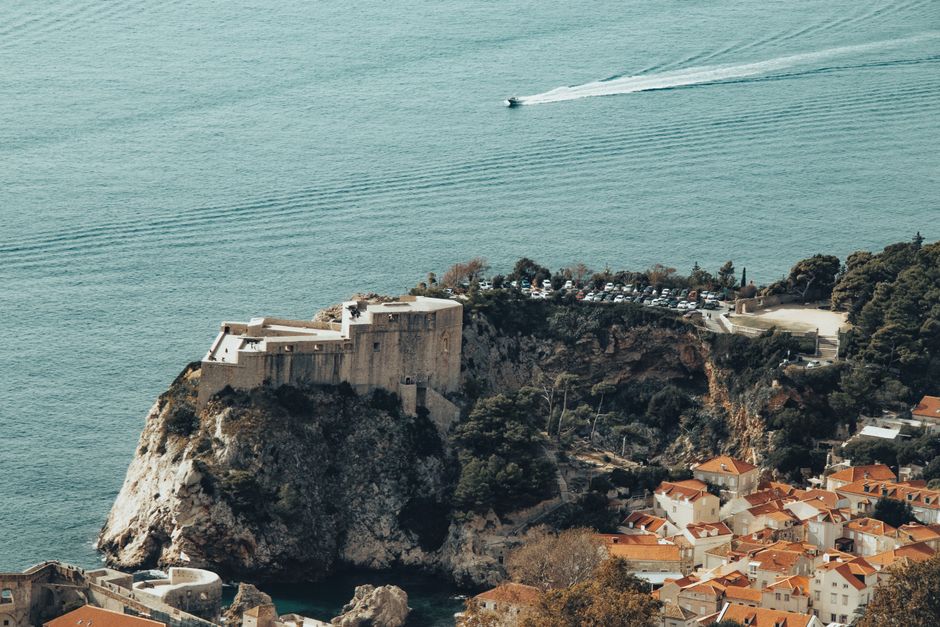
Key Events & Festivals: The world-renowned Dubrovnik Summer Festival (July 10 – August 25). Open-air theatre, classical music, and dance performances in stunning locations like Lovrijenac Fortress.
Hotel Price Ranges: $$$$ - The highest prices of the year. Last-minute deals are virtually non-existent.
Best Activities: Attend a Summer Festival play under the stars. Swim early in the morning or late afternoon to avoid crowds. Escape to the secluded beach of Šunj on Lopud. Take a day trip to Montenegro.
Perfect for: The Festival Lover and the High-Energy Traveler.
August
Weather Snapshot: High: 30°C (86°F), Low: 21°C (70°F). The hottest month. Heat can be stifling, especially within the city walls. The *Maestral* wind offers afternoon relief. Risk of brief, intense thunderstorms.
Crowd Levels & Atmosphere: Extremely crowded, augmented by European holidaymakers. The city pulses with a frenetic energy. Reservations for everything are mandatory.
Key Events & Festivals: The Summer Festival continues. Assumption of Mary (August 15) is a public holiday with local significance. Late-August sees the beginning of the Dubrovnik Film Festival.
Hotel Price Ranges: $$$$ - Peak prices continue. Air conditioning is not a luxury but a necessity.
Best Activities: Embrace the siesta; explore in the early morning and late evening. Boat trips to find secluded coves. Enjoy the vibrant nightlife. Visit the War Photography Museum for a sobering contrast.
Perfect for: The Heat-Seeker and the Night Owl.
September
Weather Snapshot: High: 26°C (79°F), Low: 18°C (64°F). Arguably the best month. Summer warmth persists, but the fierce heat abates. The sea is at its warmest. Evenings are comfortably cool.
Crowd Levels & Atmosphere: Crowds thin significantly after the first week. A more relaxed, sophisticated vibe returns. The pace is perfect—lively but not frantic.
Key Events & Festivals: The Dubrovnik Film Festival. The Good Food Festival showcases Dalmatian cuisine. Grape harvest begins in the surrounding countryside.
Hotel Price Ranges: $$$ - $$$$. Prices begin to drop, especially later in the month, offering better value for premium weather.
Best Activities: Swimming and snorkeling in the warm, calm sea. Wine tasting in the Konavle region. Hiking the trails around the city. Enjoying long, golden-hour dinners on terraces.
Perfect for: The Discerning Traveler and the Food & Wine Connoisseur.
October
Weather Snapshot: High: 21°C (70°F), Low: 13°C (55°F). A golden, mellow month. Days are warm and sunny, but nights are noticeably cooler. Increased chance of rain, especially late in the month.
Crowd Levels & Atmosphere: Shoulder season returns. Tour groups are fewer, and independent travelers dominate. The city settles into a calm, contented rhythm.
Key Events & Festivals: Dubrovnik Good Food Festival often extends into October. Local markets are abundant with autumn produce like figs, grapes, and olives.
Hotel Price Ranges: $$ - $$$. Very attractive prices for the pleasant conditions. Many hotels offer special autumn rates.
Best Activities: Coastal walks like the path from Dubrovnik to Cavtat. Visiting Mljet National Park for autumn colors. Olive oil tasting tours. Photography in the soft, angled light.
Perfect for: The Walker and the Landscape Photographer.
November
Weather Snapshot: High: 16°C (61°F), Low: 9°C (48°F). Autumn's end. Weather becomes unpredictable—you can have stunning sunny days or periods of rain and wind. The sea is cooling rapidly.
Crowd Levels & Atmosphere: Quiet and local. A contemplative mood descends. Many seasonal businesses start to close, but the core of the city remains open and welcoming.
Key Events & Festivals: All Saints' Day (November 1) is observed solemnly. The cultural scene moves indoors with theatre and concert seasons beginning.
Hotel Price Ranges: $ - $$. Off-season prices return, offering great value for a cultural stay.
Best Activities: Explore the Rector's Palace and other museums in depth. Take a cooking class. Enjoy the city's cafes and bookshops. Day trip to Ston for oysters and its famous walls.
Perfect for: The Introspective Traveler and the History Buff.
December
Weather Snapshot: High: 13°C (55°F), Low: 6°C (43°F). Mild but potentially wet and windy. However, crisp, clear days with brilliant blue skies are common and magical. Snow is extremely rare.
Crowd Levels & Atmosphere: A mix of off-season quiet and festive cheer. The Christmas market brings a cozy, twinkling atmosphere to the Stradun, attracting visitors but not overwhelming crowds.
Key Events & Festivals: The Dubrovnik Winter Festival (Advent). Christmas markets, lights, ice skating, and concerts create a fairytale setting within the ancient walls.
Hotel Price Ranges: $ - $$. Very good value, though prices may spike slightly around Christmas and New Year's Eve.
Best Activities: Experience the Christmas market with mulled wine. Listen to choir concerts in churches. Walk the walls in the clear winter light. Celebrate New Year's Eve with fireworks over the Old Port.
Perfect for: The Festive Spirit Seeker and the Couple looking for a romantic winter escape.
Peak vs. Shoulder vs. Off-Season Analysis
Understanding these three distinct seasons is the cornerstone of planning the best time to visit Dubrovnik for your needs. Peak Season (June-August) is the city in its full, glorious, and chaotic splendor. Pros: Guaranteed hot, sunny weather; warm sea for swimming; all attractions, tours, and restaurants are open; vibrant nightlife; world-class festivals like the Summer Festival. Cons: Extreme crowds, especially from cruise ships; highest prices for flights and accommodation (often double or triple off-season rates); intense midday heat; need to book everything months in advance; a less authentic, more tourist-centric experience. Shoulder Seasons (April-May & September-October) offer the golden mean. Pros: Excellent, pleasant weather with comfortable temperatures; significantly fewer crowds than summer; lower prices on flights and hotels; sea warm enough for swimming, especially in September; more opportunities to interact with locals; ideal conditions for active pursuits like hiking and kayaking. Cons: Some seasonal businesses (especially on islands) may have limited hours or be closed at the very edges of the season; weather can be slightly less predictable, with a chance of rain. Off-Season (November-March) reveals Dubrovnik's soul. Pros: Minimal crowds and a truly local atmosphere; lowest prices across the board, allowing for longer stays and upgrades; no need for reservations; you can experience major sites in contemplative solitude; unique festivals like St. Blaise and the Winter Festival. Cons: Cooler, wetter, and windier weather; the sea is too cold for swimming; many beach clubs, boat tours, and island services are suspended; some hotels and restaurants close for renovation or a break.
Best Time for Specific Traveler Types
Best for Budget Travelers: November through March (excluding Christmas/New Year's week). This is when you'll find flight and accommodation deals that make this premium destination astonishingly affordable. You trade swimming for savings and gain an authentic, crowd-free cultural experience. Best for Honeymooners: Late May or Late September. These sweet spots offer the perfect romantic recipe: glorious, warm weather ideal for sunset sails and cliff-side dinners, a serene atmosphere without peak-season bustle, and a sea warm enough for a swim. The light is soft, the prices are lower than in high summer, and you'll have space to create intimate memories. Best for Families: June or Early September. School holidays align with fantastic weather. June offers slightly smaller crowds before the August crush, while early September provides a more relaxed vibe with a still-warm sea. Both periods ensure all family-friendly attractions, beaches, and boat trips are fully operational. Best for Culture Seekers: February or July. February for the deeply traditional, local Feast of St. Blaise. July for the internationally acclaimed Dubrovnik Summer Festival, where Shakespeare is performed in a medieval fortress. For a blend, choose April or October for comfortable exploration of museums and historical sites. Best for Outdoor Adventurers: April-May and September-October. These months provide ideal temperatures for hiking Mount Srđ, kayaking around Lokrum, biking the Konavle valley, or sailing the Elafiti Islands. The landscape is either blooming or golden, and the trails and seas are peaceful, allowing you to fully immerse in the stunning Adriatic scenery.
Money-Saving Timing Strategies
To experience the Pearl of the Adriatic without plundering your treasury, timing is your most powerful tool. First, when to book: For peak summer travel, book flights and hotels 4-6 months in advance to secure the best rates before they skyrocket. For shoulder and off-season, a 2-3 month lead time is usually sufficient to find great deals. Use flight comparison tools and set alerts; prices often dip slightly on Tuesday and Wednesday departures. Hotel Hacks: In the off-season, don't just book online—email smaller boutique hotels directly and inquire about a "long stay" discount or a last-minute offer for a multi-night booking. Many offer free cancellation, so you can rebook if prices drop. Consider staying in Lapad or Ploče, just outside the city walls, for significantly better value and a more residential feel, with excellent bus connections. Flight Price Patterns: The most expensive months to fly are July and August. The cheapest are typically January, February, November, and early December. Shoulder months like May and October offer a good balance of reasonable fares and good weather. Local Transportation Tips: The Dubrovnik Card is a superb investment, especially in peak season. It includes bus transportation (saving you from expensive taxis) and entry to major walls and museums. If you visit in shoulder/off-season, walking is a pleasure, and the local Libertas bus service is reliable and affordable. For day trips, consider group tours or renting a car outside the peak summer months when rental prices are lower and parking less impossible.
Festival & Events Calendar
Dubrovnik's calendar is punctuated by events that can define your visit, offering either a vibrant highlight or a reason to plan around crowds. Feast of St. Blaise (Sveti Vlaho) – February 3: The city's most important day. A UNESCO intangible cultural heritage event featuring grand processions in historic costumes, Mass, and traditional celebrations. The city fills with locals and a festive, authentic spirit—book accommodation early if you wish to attend. Dubrovnik Summer Festival – July 10 to August 25: A world-class cultural extravaganza. For six weeks, the city's historic squares, fortresses, and palaces become stages for drama, ballet, and classical music. It's a magical experience but coincides with peak crowds and prices. Dubrovnik Winter Festival (Advent) – December: The Stradun transforms into a festive wonderland with Christmas markets, an ice rink, light displays, and concerts. It's charming and atmospheric, drawing visitors but not overwhelming the city. Dubrovnik Good Food Festival – September/October: A celebration of Dalmatian gastronomy with special menus, workshops, and events across the city's restaurants and konobas. A delicious reason to visit in the shoulder season. Other Notable Events: The Dubrovnik Half Marathon (Spring) adds a buzz of athletic energy. The Dubrovnik Film Festival (Late August) attracts regional cinema. Smaller music and arts festivals dot the shoulder seasons. When planning, remember that major festivals like St. Blaise and the Summer Festival will make the city busier and accommodations pricier and scarcer, so plan and book accordingly.
Practical Monthly Packing Guides
Packing for Dubrovnik is an exercise in layering and preparedness for microclimates—the sunny seafront versus the cool, stone alleyways. Spring (April-May): Pack light layers: t-shirts, long-sleeve shirts, a light sweater or fleece, and a waterproof windbreaker. Comfortable walking shoes are essential. A swimsuit for the brave or for hotel pools. A sunhat and sunglasses become increasingly important. Summer (June-August): Think light, breathable fabrics—linen, cotton. Plenty of shorts, t-shirts, sundresses. A wide-brimmed hat, high-SPF sunscreen, and sunglasses are non-negotiable. A light cover-up for evenings and for entering churches (shoulders and knees should be covered). Sturdy sandals and swimwear. A compact umbrella for the occasional surprise thunderstorm. Autumn (September-November): Similar to spring but in reverse. Layers are key: t-shirts, light sweaters, a medium-weight jacket. In late October and November, pack a warmer coat, scarf, and a sturdy, waterproof jacket for rain. Swimsuit for early autumn. Comfortable, closed-toe walking shoes. Winter (December-March): Pack for cool, damp weather: warm sweaters, a waterproof and windproof coat, gloves, a scarf, and a hat. Thermal layers can be useful. Comfortable, waterproof boots for walking on wet stone streets. An umbrella is essential. Also pack some lighter layers for the inevitable crisp, sunny days that will have you shedding your coat by noon. Year-Round: A reusable water bottle, a power adapter, and a small daypack for explorations.
Sample 7-Day Itineraries by Season
Spring Itinerary (April/May): Day 1-2: Acclimatize in the Old Town. Walk the walls early, visit the Rector's Palace, wander the Stradun. Day 3: Active day: Kayak around the city walls and to Lokrum Island for a picnic. Day 4: Day trip to the Elafiti Islands (Šipan, Lopud, Koločep) for hiking and quiet beaches. Day 5: Rent a car and explore the Konavle valley south of the city for wine tasting and a traditional lunch. Day 6: Ferry to Mljet National Park for a day of cycling and visiting the monastery on the island. Day 7: Relax in Lapad, visit the Gruž market, and enjoy a farewell dinner in a konoba. Summer Itinerary (July/August): Day 1-2: Embrace the energy but strategize: visit major sites like the City Walls at opening time (7 AM or 8 AM). Book a sunset sailing tour for the evening. Day 3: Pre-book a boat tour to the Blue Cave and the Elaphiti Islands for swimming. Day 4: Escape the midday heat with a trip to the War Photography Museum or the cool interior of the Dominican Monastery. Attend a Dubrovnik Summer Festival performance in the evening. Day 5: Take the cable car up Mount Srđ for sunset views and dinner. Day 6: Day trip to Montenegro (Kotor Bay) with a pre-arranged tour. Day 7: Reserve a day at a beach club in Lapad or Banje for a final swim and cocktail. Autumn Itinerary (September/October): Day 1-3: Similar to spring, with a focus on outdoor dining and enjoying the warm sea. Day 4: Food and wine focus: join a cooking class or a guided food tour of the Old Town. Day 5: Hike the trail from Dubrovnik to the charming town of Cavtat along the coast, and return by boat. Day 6: Visit the Trsteno Arboretum and the oyster beds in Ston for a seafood feast. Day 7: Leisure day for last-minute shopping, visiting the Good Food Festival events, or simply relaxing. Winter Itinerary (December/January): Day 1-3: Deep dive into history and culture. Visit all the museums, churches, and palaces at a leisurely pace. Enjoy long coffee breaks in cafes. Day 4: Day trip to Mostar in Bosnia & Herzegovina (check visa requirements). Day 5: Explore the local markets, take a cooking class, and enjoy the festive lights of the Winter Festival or the quiet streets post-holidays. Day 6: Walk the City Walls in the clear winter light—it will be bracing but unforgettable. Day 7: Take the cable car up Mount Srđ (if operating) for panoramic views without the summer haze, followed by a cozy dinner.
Conclusion
So, when is the best time to visit Dubrovnik? The answer, beautifully, depends on the story you wish to live. If your dream is of azure seas and sun-kissed stones, of vibrant energy and open-air theatre, then the peak of summer, for all its crowds, is your calling—just come prepared. If you seek the golden mean, where pleasant weather, manageable crowds, and good value converge, aim for the shoulder months of May, June, September, or October; these are arguably the most balanced and satisfying times for a first visit. But if you yearn to hear the city's heartbeat, to walk its marble streets in contemplative solitude, and to engage with its living culture and deep history, then the quiet, soulful winter months offer a reward unlike any other. Ultimately, Dubrovnik is a city of layers, both in its stone and in its seasons. There is no single "best" time, only the best time for you. Whether framed by the brilliant blue of July or the moody greys of February, the Pearl of the Adriatic retains its luminous, captivating power. Choose your season, pack your bags, and prepare to write your own chapter in this ancient city's endless story.
FAQ - Best Time to Visit Dubrovnik
What is the absolute best month to visit Dubrovnik for perfect weather and fewer crowds?
For the ideal balance, target late September. The summer heat has softened to a warm, pleasant temperature, the Adriatic Sea is at its warmest from months of summer sun, and the overwhelming crowds of July and August have dissipated. You'll enjoy long, sunny days perfect for both beach time and exploration, with a more relaxed, local atmosphere and slightly lower prices than peak season.
Is Dubrovnik worth visiting in the winter?
Absolutely, if your priorities are authenticity, value, and cultural immersion over swimming and sunbathing. Winter reveals a different, deeply atmospheric Dubrovnik. You can wander the historic sites in peaceful solitude, experience unique festivals like the Feast of St. Blaise, and enjoy dramatically lower prices. While you'll need to pack for cool, wet weather, you'll also be rewarded with crisp, clear days of stunning beauty.
When is the cheapest time to fly and stay in Dubrovnik?
The most affordable period is during the off-season, from November through March (excluding the Christmas and New Year's period). Flight prices can drop significantly, and hotel rates are often 50% or less than their summer peaks. January and February typically offer the very best deals, allowing budget travelers to experience luxury accommodations at hostellerie prices.
How crowded is Dubrovnik in July and August?
It is extremely crowded. The combination of international tourists, European school holidays, and daily cruise ship arrivals (often multiple ships at once) can make the walled Old City feel congested, especially between 10 AM and 4 PM. Key attractions like the City Walls and Stradun will be packed. To enjoy this time, you must adopt a strategy: visit major sites at opening time, book everything in advance, and embrace the vibrant, festive chaos.
Can you swim in the sea in Dubrovnik in May or October?
In May, the sea is warming up but is still cool, typically around 18-20°C (64-68°F). It's swimmable for the hardy, but most will find it bracing. By October, the sea is cooling down from its peak warmth but is often still pleasant, around 21-22°C (70-72°F) in early October. Late October becomes chillier. The best months for comfortably warm swimming are June through September.
What is the rainiest month in Dubrovnik?
The late autumn and winter months see the most precipitation. November is typically the wettest month, with a higher probability of prolonged rainy periods and the humid *Jugo* wind. December and January also see significant rainfall. However, it's rarely constant; rainy days are often interspersed with clear, sunny ones.
Is everything open in Dubrovnik during the shoulder and off-seasons?
In the shoulder seasons (April-May, Sept-Oct), virtually everything is open, though some island services may run reduced schedules at the very beginning or end. In the off-season (Nov-March), the core attractions in the Old Town (walls, museums, key restaurants) remain open. However, many beach clubs, seasonal boat tours, and businesses on the Elafiti Islands close or operate on a very limited basis. Always check specific opening hours for tours and restaurants in advance during this time.


No comments:
Post a Comment