
Best Time to Visit Madrid: A Month-by-Month Guide to Perfect Travel
Introduction: The Rhythm of the Sun
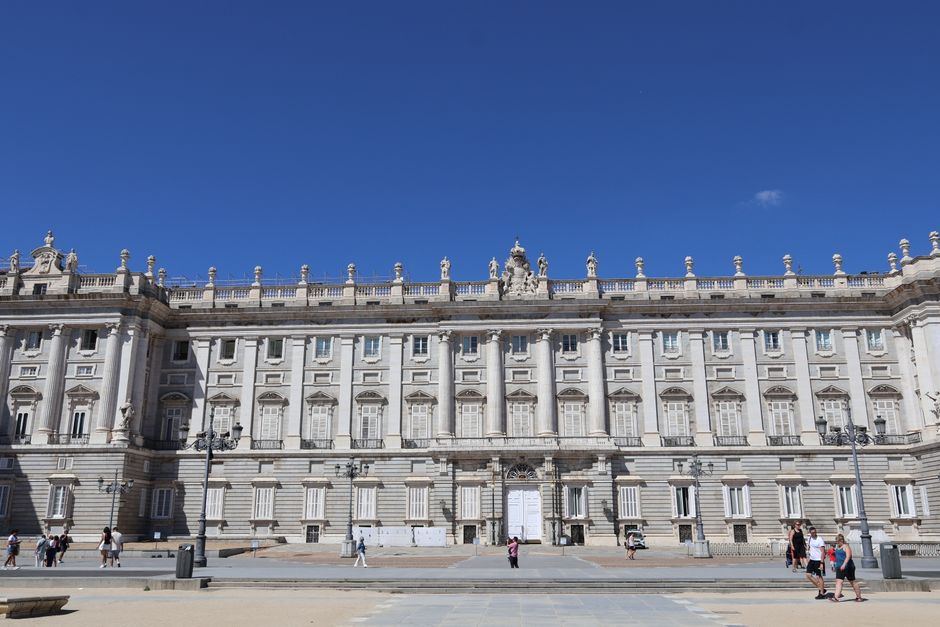
Madrid is not a static postcard; it is a living, breathing organism that changes its skin with the sun. To ask for the best time to visit Madrid is to ask when you wish to meet its soul. Will it be under the sharp, crystalline light of a winter morning, where the spires of the Royal Palace cut a silhouette against a deep blue sky? Or in the languid, golden haze of a summer evening, when the scent of jasmine and sizzling garlic hangs heavy in the air of a plaza? Timing is the invisible director of your Spanish drama, transforming a simple trip into an unforgettable immersion. It dictates the rhythm of your days, the warmth of the stone beneath your feet, the density of the crowd in the Prado, and the price of your rooftop gin and tonic. This guide is your compass through Madrid's seasons. We have weighed the crucial factors: the capricious dance of its continental weather, from frosty mornings to blistering afternoons; the ebb and flow of tourist tides that can make a stroll through Plaza Mayor feel either intimate or overwhelming; the fluctuating price tags on flights and hotels that can stretch or constrain your budget; and, most importantly, the city's vibrant calendar of festivals and events—the fiery passion of San Isidro, the solemn processions of Semana Santa, the non-stop revelry of Veranos de la Villa. Choosing your moment is the first, and most important, step in writing your own Madrid story.
Madrid Weather Overview by Season
Madrid's climate is a study in extremes, a true continental heart beating on a high plateau. Forget the gentle Mediterranean; here, seasons announce themselves with conviction. Spring (March-May) is a glorious awakening. Days stretch from a crisp 10°C (50°F) in March to a blissful 22°C (72°F) in May, with occasional, brief showers that paint the Retiro's gardens in electric green. Humidity is low, the air feels fresh and charged. Summer (June-August) is an unapologetic blaze. The sun reigns supreme, with average highs soaring to 32°C (90°F) and frequently spiking above 35°C (95°F). Rainfall is a rare, dramatic guest. Nights offer little relief, with lows around 19°C (66°F). It's dry, intense, and demands respect. Autumn (September-November) is Madrid's second spring, a golden, melancholic masterpiece. September is still summery, but by November, temperatures cool to a brisk 12°C (54°F). October brings the highest chance of rain, soft and persistent. The light turns painterly, casting long shadows and gilding the city in amber. Winter (December-February) is cold and crisp. Daytime highs hover around a chilly 10°C (50°F), but nights can plunge to 0°C (32°F), with occasional frosts. Snow is a magical, fleeting rarity. The air is dry, the sky often a perfect, cloudless blue—a stark, beautiful contrast to the warm glow of tapas bars.
Month-by-Month Breakdown
January
Weather: High 10°C / Low 2°C. Crisp, cold, and often sunny. Rain is infrequent, frost is common at dawn.
Crowds & Atmosphere: Post-holiday calm. The city belongs to the Madrileños. Streets are quiet, museums are empty, the pace is slow and local.
Key Events: Reyes Magos (Three Kings Parade) on January 5th—a spectacular, family-friendly parade with candy thrown from floats. Madrid's major winter sales (Rebajas) begin.
Hotel Prices: $ - $$. Exceptional value. Luxury hotels offer significant discounts.
Best Activities: Cozy art marathons in the Prado, Thyssen, and Reina Sofía without queues. Sipping hot chocolate with churros at San Ginés. Enjoying the clear winter light on a stroll through the Habsburg Madrid.
Perfect for: Culture vultures and budget-conscious travelers who prefer authenticity over warmth.
February
Weather: High 12°C / Low 3°C. Similar to January, with slightly longer days. The coldest month, but the sun is strengthening.
Crowds & Atmosphere: Still very quiet, barring one major event. A month of indoor cultural pursuits and local life.
Key Events: Madrid's Carnival! A burst of color, costumes, and parades (particularly in the city center) before Lent, offering a vibrant contrast to the winter chill.
Hotel Prices: $ - $$. Remains low. Great for last-minute getaways.
Best Activities: Exploring the Royal Palace in peace. Visiting the Sunday El Rastro flea market without suffocating crowds. Enjoying long, leisurely lunches in traditional tabernas.
Perfect for: Couples seeking a romantic, uncrowded city break and festival enthusiasts.
March
Weather: High 16°C / Low 5°C. The first whisper of spring. Days can be wonderfully warm, but nights are cold and occasional late frosts possible.
Crowds & Atmosphere: A noticeable shift. Tourist numbers begin to climb, especially towards the end of the month and during Easter.
Key Events: Semana Santa (Holy Week). While more subdued than in Andalusia, processions in neighborhoods like San Isidro and Jesús de Medinaceli are profoundly moving and draw crowds.
Hotel Prices: $$ - $$$. Prices rise sharply during Holy Week. Book many months in advance for that period.
Best Activities: Witnessing Semana Santa processions. Day trips to Toledo or Segovia in pleasant weather. Seeing the almond trees blossom in the Casa de Campo park.
Perfect for: Travelers interested in religious tradition and the dramatic start of spring.
April
Weather: High 18°C / Low 7°C. True spring arrives. Days are mild and sunny, perfect for outdoor cafes. Evenings require a light jacket. Showers are possible but brief.
Crowds & Atmosphere: High season begins. The city is buzzing with energy, sidewalk terraces are packed, and a festive air pervades.
Key Events: Feria de Abril de Madrid—a week-long Andalusian-style fair in the Casa de Campo, with flamenco dresses, casetas, and sherry. Book Day (Día del Libro) on April 23rd, with stalls lining the Paseo de Recoletos.
Hotel Prices: $$$. Consistently high. Early booking is essential.
Best Activities: Picnicking in Retiro Park under blooming rose gardens. Attending the Feria de Abril. Browsing books on Paseo de Recoletos.
Perfect for: Social butterflies and lovers of festive, outdoor street life.
May
Weather: High 22°C / Low 11°C. Arguably the most perfect month. Warm, sunny days and balmy, gentle evenings. The light is exquisite.
Crowds & Atmosphere: Peak season. The city is at its most vibrant and crowded. Reservations for everything are a must.
Key Events: The month of San Isidro, Madrid's patron saint. Weeks of concerts, open-air dances (verbenas), and bullfights. The San Isidro Festival (around May 15th) is the highlight, with locals in traditional dress.
Hotel Prices: $$$ - $$$$. At their annual peak. Expect to pay premium rates.
Best Activities: Joining the locals at the Pradera de San Isidro for the verbena. Rooftop bar hopping at sunset. Exploring the Sabatini Gardens in full bloom.
Perfect for: Travelers who want the full, energetic, traditional Madrid experience, crowds be damned.
June
Weather: High 28°C / Low 16°C. Summer's gate opens. Days are long, hot, and dry. The sun sets after 9:30 PM, fueling the city's legendary nightlife.
Crowds & Atmosphere: Still very busy, but the intensity of May eases slightly as schools are still in session in parts of Europe. The atmosphere is electric with anticipation for summer.
Key Events: Orgullo (Madrid Pride) at the end of the month—one of the world's largest LGBTQ+ celebrations, a week of concerts, parties, and a massive parade.
Hotel Prices: $$$. High, especially during Pride weekend.
Best Activities: Late-night tapas crawls in La Latina. Open-air cinema and concerts. Enjoying the long twilight from the Templo de Debod.
Perfect for: Night owls, LGBTQ+ travelers, and those who thrive on long, sun-drenched days.
July
Weather: High 32°C / Low 19°C. The heat is serious. The sun is a force. Midday streets can feel deserted as locals seek shade. Nights are warm.
Crowds & Atmosphere: A mix. International tourists are abundant, but many Madrileños escape the city. The vibe is more international than local.
Key Events: Veranos de la Villa—a city-wide summer festival with free and ticketed concerts, theater, and film screenings in iconic plazas. Neighborhood verbenas (festivals).
Hotel Prices: $$$. Still high, but you may find deals in late July.
Best Activities: Visiting air-conditioned museums in the afternoon. Swimming at public pools like Canal. Attending open-air concerts in the cool of the evening.
Perfect for: Festival-goers and heat-tolerant travelers with a good siesta strategy.
August
Weather: High 32°C / Low 19°C. The pinnacle of heat. Temperatures can soar above 35°C (95°F). The air is dry and still.
Crowds & Atmosphere: Madrid empties. Many small shops and restaurants close as locals go on holiday. Tourist crowds are present but thinner. The city feels sleepy, surreal.
Key Events: The continuation of Veranos de la Villa. The city's own low-key celebrations on August 15th (Virgen de la Paloma).
Hotel Prices: $$ - $$$. Can be variable, with some discounts as demand dips mid-month.
Best Activities: Early morning visits to major sights. Day trips to the mountains (Navacerrada). Enjoying the rare tranquility of the city's plazas in the evening.
Perfect for: Travelers who don't mind the heat and enjoy a quieter, more local (if shuttered) vibe.
September
Weather: High 26°C / Low 14°C. The summer's fever breaks. Warm, pleasant days and cool, comfortable nights. The light turns golden. Perfection returns.
Crowds & Atmosphere: The city comes back to life. Locals return, businesses reopen. Tourist numbers are still healthy but less frantic than spring. An ideal balance.
Key Events: La Mercè celebrations in nearby Barcelona can draw some away. Madrid's own cultural calendar restarts with galleries and theaters opening their new seasons.
Hotel Prices: $$ - $$$. Shoulder season begins. Good value can be found, especially late in the month.
Best Activities: Hiking in the nearby Sierra de Guadarrama. Outdoor terrace dining in perfect comfort. Exploring the city's diverse neighborhoods on foot.
Perfect for: Almost everyone. The sweet spot for weather, crowds, and atmosphere.
October
Weather: High 19°C / Low 9°C. True autumn. Days are mild, nights are crisp. The highest chance of rain, often in soft, moody showers. The city is painted in ochre and gold.
Crowds & Atmosphere: Shoulder season. Crowds thin significantly. The pace is relaxed, intellectual, and cozy.
Key Events: Fiesta de la Trashumancia (Sheep Herding Festival)—a quirky event where hundreds of sheep are herded through the city center. Madrid International Film Festival.
Hotel Prices: $$. Excellent value returns. Great deals on mid-range and luxury accommodations.
Best Activities: Visiting the Retiro to see the fall foliage. Museum hopping. Enjoying castañas (roasted chestnuts) from street vendors. Cozy wine bar crawls.
Perfect for: Photographers, romantics, and travelers seeking a more contemplative Madrid.
November
Weather: High 12°C / Low 5°C. Late autumn edges into winter. Gray skies are more common, and a chill settles in. A month for interiors.
Crowds & Atmosphere: Low season (except for the long weekend around November 1st). Very few tourists. The city feels authentic and subdued.
Key Events: All Saints' Day (November 1st), a public holiday where families visit cemeteries. Jazz Festival begins, offering world-class performances in intimate venues.
Hotel Prices: $ - $$. Some of the lowest rates of the year.
Best Activities: Attending jazz concerts. Exploring Madrid's historic cafes like Café Gijón. Visiting the Sorolla Museum, whose sun-drenched paintings defy the gray outside.
Perfect for: Budget travelers, jazz aficionados, and those who love a moody, literary atmosphere.
December
Weather: High 10°C / Low 3°C. Cold and often bright. The Christmas spirit warms the chill. The smell of roasted nuts and mulled wine fills the air.
Crowds & Atmosphere: Builds from quiet to bustling as the month progresses. Locals are out shopping and socializing. A festive, magical atmosphere takes over.
Key Events: Christmas Markets (Plaza Mayor, Plaza de España). El Gordo (The Fat One) lottery draw on December 22nd—a national event. New Year's Eve (Nochevieja) at Puerta del Sol, eating 12 grapes at midnight.
Hotel Prices: $$ - $$$. Rates climb towards Christmas and New Year's. Book early for the holidays.
Best Activities: Browsing the sparkling Christmas markets. Seeing the spectacular lights on Gran Vía. Indulging in a festive menu del día in a traditional restaurant.
Perfect for: Families and anyone who loves the sparkle and tradition of a European Christmas.
Peak vs. Shoulder vs. Off-Season Analysis
Navigating Madrid's seasons is a classic travel trade-off. Peak Season (April-June, September) offers the quintessential Madrid experience: flawless weather, every festival in full swing, and an electric, vibrant atmosphere. The city is alive, but you pay for it. Hotels are at their most expensive, flights are pricier, and you'll be sharing the Prado's masterpieces with a crowd. Reservations are non-negotiable. The Shoulder Seasons (March, October, early November) are the connoisseur's choice. You sacrifice a few degrees of perfect warmth for immense gains in comfort and value. Crowds are manageable, prices drop significantly, and the weather is still highly agreeable—crisp autumn light or the first blush of spring. This is the best time to visit Madrid for those who prioritize a balanced experience. The Off-Season (December-February, excluding holidays, plus August) reveals Madrid's authentic, local heartbeat. Costs are at their lowest, allowing for luxury on a budget. You'll have museums and palaces almost to yourself. The cons are real: cold weather (though often sunny) and a quieter, sometimes shuttered city (especially in August). Some outdoor experiences are off the table, but the cultural offerings are undiminished. It's a time for cozy introspection, for feeling like a temporary local rather than a tourist.
Best Time for Specific Traveler Types
Best for Budget Travelers: November, January, and February (avoiding holiday weeks). This is when flight and hotel deals are plentiful, and you can experience Madrid's world-class culture without the premium price tag. Best for Honeymooners: Late May or Late September. You capture the sublime weather and romantic atmosphere of peak season—perfect for rooftop cocktails and evening strolls—with slightly fewer crowds than mid-summer or festival-packed May. Best for Families: June or September. The weather is ideal for outdoor exploration, the days are long, and the city is lively but not overwhelming. You avoid the extreme heat of July/August and the higher prices of Easter break. Best for Culture Seekers: October or February. These months offer the perfect storm: thin crowds in museums, the start of the concert/theater season, and a more intellectual, local vibe. You can engage deeply with the art and city life. Best for Outdoor Adventurers: April, May, or September. Pleasant temperatures are perfect for hiking in the nearby Sierra de Guadarrama, cycling in Casa de Campo, or simply walking for miles through the city's diverse neighborhoods without weather-related fatigue.
Money-Saving Timing Strategies
To conquer Madrid on a budget, timing is your greatest weapon. Flight Booking: For peak season, book international flights 3-4 months in advance. For shoulder/off-season, 1-2 months is often sufficient. Use price alerts and be flexible with mid-week travel (Tuesdays and Wednesdays are often cheapest). Hotel Hacks: Embrace the off-season. A four-star hotel in November can cost the same as a basic hostel in May. Consider apartments in residential neighborhoods like Chamberí or Argüelles for longer stays. Prices plummet for last-minute bookings in August, but selection is limited. Flight Price Patterns: Expect peaks around Easter, San Isidro (mid-May), and Pride (late June). The sweet spots are the first two weeks of June (before Pride), all of September after the first week, and late October. Local Transportation Tips: The Madrid Tourist Travel Pass is rarely worth it. Get a reusable Multi Card and load 10-journey Metro/bus tickets (€12.20). Walk—Madrid's core is incredibly walkable. For day trips, book Renfe train tickets well in advance for the best price. Dining savings are universal: embrace the menú del día (fixed-price lunch) for a massive, delicious, and affordable meal.
Festival & Events Calendar
Madrid's calendar is a fiery tapestry of tradition and celebration, profoundly shaping the city's rhythm. Plan to join or avoid these major threads. January: The magical Reyes Magos parade on the 5th kicks off the year. February/March: Carnival brings costume-filled fun, while Semana Santa (dates vary) offers solemn, dramatic processions—book everything far ahead. April: The Feria de Abril transplants Seville to Madrid for a week of flamenco and festivity. May: The month of San Isidro (peak around the 15th) is Madrid's soul laid bare with traditional dress, street parties, and bullfights. It's the busiest festival period. June: Orgullo (Madrid Pride) transforms the city into a global party of inclusivity and joy, centered in Chueca. July & August: Veranos de la Villa offers a summer-long cultural feast of free and ticketed events in iconic plazas. October: The whimsical Fiesta de la Trashumancia sees sheep herded through the city center. December: The month builds towards Christmas, with markets, spectacular light displays, and the iconic Nochevieja (New Year's Eve) grape-eating ritual in Puerta del Sol. Aligning your visit with an event can define your trip, but ensure you book accommodations exceptionally early.
Practical Monthly Packing Guides
Packing for Madrid is about layering and adapting to its dramatic shifts. Winter (Dec-Feb): Think chic warmth. A quality, insulated coat, warm sweaters, scarves, gloves, and a hat are essential. Comfortable, waterproof boots for occasional rain. Indoors are warmly heated, so layers are key. Spring (Mar-May): The most unpredictable. Pack a light jacket, a medium-weight sweater, long pants, and a mix of short and long-sleeve tops. A compact umbrella is a wise companion. Comfortable walking shoes are non-negotiable. Summer (Jun-Aug): Lightweight, breathable fabrics (linen, cotton). Sun protection is critical: a wide-brimmed hat, high-SPF sunscreen, and sunglasses. A light shawl for overly air-conditioned interiors. Comfortable sandals and walking shoes. Autumn (Sep-Nov): Similar to spring but in reverse. Layers are again your friend—a trench coat, light sweaters, jeans. An umbrella is more crucial in October. Cultural Note: Madrileños dress smartly, even casually. Avoid overly touristy athleisure when dining out or visiting nicer establishments. For churches, have a shawl or scarf to cover shoulders.
Sample 7-Day Itineraries by Season
Spring Itinerary: Day 1-2: Habsburg & Bourbon Madrid (Plaza Mayor, Royal Palace, Almudena). Day 3: Art Triangle (Prado in AM, Retiro Park picnic, Reina Sofía in PM). Day 4: Day trip to Toledo. Day 5: Local Life (El Rastro market, tapas crawl in La Latina). Day 6: Attend Feria de Abril or explore Chamberí. Day 7: Debod Temple, Gran Vía, farewell flamenco show. Summer Itinerary: Day 1-2: Major indoor sights in the cool morning (Royal Palace, Cathedral). Enjoy long siestas. Evenings: Rooftop bars and open-air Veranos de la Villa concerts. Day 3: Day trip to Segovia. Day 4: Morning at Thyssen Museum, afternoon pool time. Day 5: Explore Malasaña and Chueca, evening Pride or neighborhood verbena. Day 6: Mercado de San Miguel, evening tapas. Day 7: Templo de Debod at sunset. Autumn Itinerary: Day 1-2: Deep dive into the Prado and Reina Sofía. Day 3: Day trip to El Escorial monastery. Day 4: Literary Madrid (historic cafes, Barrio de las Letras). Day 5: Fall colors in Retiro, row a boat. Day 6: Explore Salamanca district, upscale shopping. Day 7: Sorolla Museum, cozy wine tasting. Winter Itinerary: Day 1-2: Museum focus (Prado, Thyssen, Archaeological Museum). Day 3: Royal Palace & Christmas markets (if in Dec). Day 4: Day trip to Ávila. Day 5: Explore Lavapiés and the Reina Sofía. Day 6: Cozy café hopping, bookshops. Day 7: Hot chocolate at San Ginés, last-minute shopping.
Conclusion: Your Madrid Moment Awaits
So, when is the best time to visit Madrid? The answer lies in the reflection of your own desires in the city's seasonal mirrors. If your dream is painted in the vibrant colors of festivals, buzzing terraces, and guaranteed sunshine, surrender to the glorious chaos of May or June. If you seek the golden mean—excellent weather, rich culture, and manageable crowds—let the gentle shoulders of April or September embrace you. And if your heart yearns for an authentic, introspective encounter with the city's soul, where you can hear the echo of your footsteps in the Plaza Mayor and discuss art in near-empty galleries, then the crisp, clear winter months are your undiscovered Madrid. There is no single best time, only the best time for you. Madrid is eternally compelling, its spirit constant beneath the changing light. Choose your season, pack your bags, and step into the rhythm of the sun. Your perfect Madrid story is waiting to be lived.
FAQ - Best Time to Visit Madrid
What is the absolute worst time to visit Madrid?
For most travelers, the peak of summer in late July and August is the most challenging. The intense, dry heat can be oppressive, limiting daytime exploration, and many local businesses close as residents flee the city, diminishing the authentic atmosphere. However, if you have a high heat tolerance and plan a museum-and-pool-centric trip, it can work.
Is Madrid worth visiting in the winter?
Absolutely. While cold, Madrid's winters are often sunny and dry. The lack of crowds is a huge advantage, offering intimate access to world-class museums and monuments. The festive spirit in December is magical, and the value for money is unbeatable. Pack warmly and embrace the cozy, local vibe.
When is the cheapest month to fly and stay in Madrid?
The cheapest months are typically November (excluding the Nov 1st weekend), January, and February. During this period, you'll find the lowest airfares and hotel rates. August can also offer deals, but the experience is very different due to the heat and closures.
How many days are enough to see Madrid properly?
A minimum of four full days is recommended to cover the essential highlights: the major art museums, the Royal Palace, historic neighborhoods, and a day trip (like Toledo or Segovia). A week allows for a deeper, more relaxed exploration of different barrios and multiple cultural experiences.
What month has the best weather with the fewest crowds?
Late September and early October consistently offer this ideal balance. The summer heat has faded into pleasant, warm days and cool evenings, while the peak tourist tides of spring and early summer have receded. It's the sweet spot for comfort and accessibility.
Is it safe to visit Madrid during the hot summer months?
Yes, it is safe, but it requires smart planning. Stay hydrated, wear sun protection, and avoid strenuous outdoor activity during the peak heat hours (1 PM - 6 PM). Embrace the local schedule: sightsee in the morning, enjoy a long lunch and siesta indoors, and resume activities in the cooler evening.
When should I book hotels for a visit during San Isidro or Pride?
For these major festivals, you should book your accommodation at least 4-6 months in advance, if not more. Hotels in central locations fill up quickly and prices skyrocket as the dates approach. Early booking is the single most important factor for a stress-free festival visit.


No comments:
Post a Comment