
Best Time to Visit Mostar: A Month-by-Month Guide to Perfect Travel
Introduction
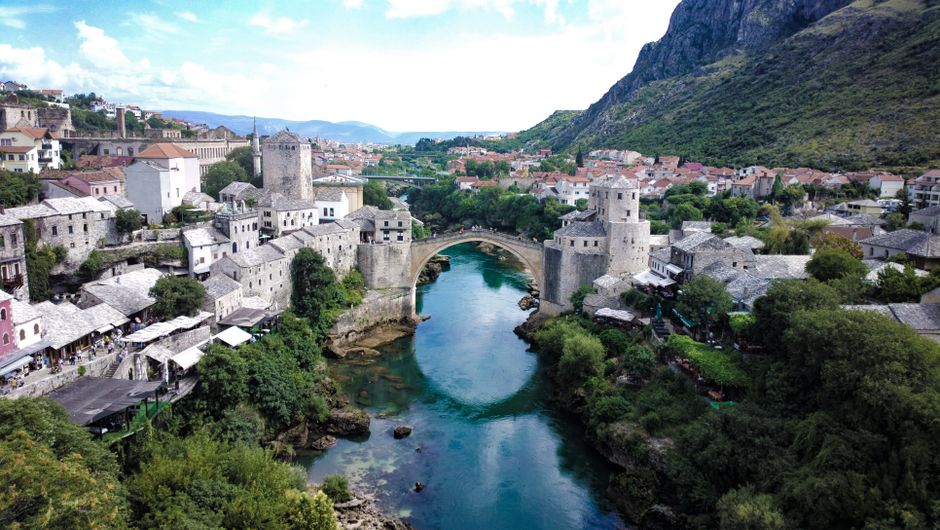
Imagine the first morning light striking the ancient, pale stone of Stari Most, the Old Bridge, turning it to gold. Below, the Neretva River flows, a ribbon of impossible emerald green cutting through the heart of the city. This is Mostar, a place where history is etched into every cobblestone and where the very air feels thick with stories. But this city is a chameleon, its soul shifting with the seasons. The best time to visit Mostar isn't just about checking a box; it's about choosing the version of the city you wish to meet. Will it be the vibrant, sun-drenched stage of summer, alive with the clatter of cafe life and the thunderous applause for bridge divers? Or the misty, introspective character of autumn, when the scent of roasting chestnuts fills the Ottoman bazaar and the surrounding mountains blaze with color? Perhaps it's the quiet, almost secretive winter version, where snow dusts minarets and you can have the bridge's arch all to yourself, a silent witness to centuries.
Timing transforms a good trip into an unforgettable symphony of experiences. This guide is your conductor's score. We've weighed the crucial factors: the capricious Balkan weather that can swing from Mediterranean warmth to Dinaric Alpine chill; the ebb and flow of crowds that can turn the Stari Most from a monument into a thoroughfare; the fluctuation of prices that dictates whether you stay in a boutique konak or a cozy guesthouse; and the pulse of local life, measured in festivals, religious celebrations, and the simple rhythm of daily coffee. Mostar is more than a destination; it's a feeling. It's the chill of the river spray on a July afternoon, the warmth of a wood-fired stove in a January kafana, the sound of the muezzin's call echoing off rain-slicked stones in April. Your journey begins not when you arrive, but the moment you decide when to go. Let us guide you to your perfect moment in this timeless city, where East and West have forever met on a bridge over luminous green waters.
Mostar Weather Overview by Season
Mostar's climate is a dramatic dance between Mediterranean and continental influences, shaped by the Neretva River canyon and the surrounding mountains. Spring (April-May) is a season of awakening. Temperatures climb steadily from a crisp 10°C (50°F) to a pleasant 22°C (72°F). Rain is frequent but brief, painting the city in lush greens and filling the air with the scent of blooming linden trees. It's a time of renewal, though the river retains its winter chill. Summer (June-August) is hot, dry, and brilliant. The sun reigns supreme, with highs soaring to 32°C (90°F) and often beyond. The sky is a relentless blue, and the famous Neretva green seems to intensify under its gaze. Humidity is low, but the stone streets radiate heat, making the river's edge a coveted refuge. This is peak tourist season, vibrant and energetic.
Autumn (September-November) is arguably the most cinematic season. September extends summer's grace, but by October, a golden, mellow light bathes the city. Temperatures slide from a warm 25°C (77°F) to a cool 12°C (54°F). Rainfall increases, often arriving as dramatic afternoon showers that clean the ancient stones and bring a smoky, petrichor scent to the air. The hillsides erupt in fiery hues. Winter (December-March) is cold, damp, and profoundly atmospheric. Daytime highs hover around 6-8°C (43-46°F), but nights can dip below freezing. Snow is rare in the city center but frequently crowns the surrounding peaks, creating a stunning backdrop. The famous bora wind can whip through the canyon, adding a biting edge. This is the season for intimacy, for cozy cafes, and for seeing Mostar wrapped in scarves of mist.
Month-by-Month Breakdown
January
Weather Snapshot: High: 7°C (45°F) | Low: 0°C (32°F) | Rain: High probability, often as cold drizzle or sleet.
Crowd Levels & Atmosphere: Deep off-season. You'll share the cobblestones with locals going about their daily lives. The atmosphere is quiet, introspective, and authentically Bosnian. The tourist bustle is a distant memory.
Key Events & Festivals: Orthodox Christmas (Jan 7) and New Year's celebrations extend into early January. The city is decorated with lights, and a subdued, family-oriented festive mood lingers.
Hotel Price Ranges: $ - $$. Exceptional value. Many smaller guesthouses may close, but open hotels offer deep discounts.
Best Activities: Philosophical walks across the empty Stari Most. Cozying up in a traditional kafana with strong coffee and rakija. Visiting museums like the Museum of War and Genocide Victims without queues. Day trips to nearby Blagaj Tekke, which is hauntingly beautiful in the winter mist.
Perfect for: The solitary traveler, the history buff seeking reflection, the photographer chasing moody, people-free shots.
February
Weather Snapshot: High: 8°C (46°F) | Low: -1°C (30°F) | Rain: Still high, with a chance of snow flurries dusting the rooftops.
Crowd Levels & Atmosphere: The quietest month. A time of hibernation. You experience Mostar at its most raw and real, with smoke from wood stoves scenting the chilly air. The river runs high and fast, a torrent of green-grey.
Key Events & Festivals: Minimal. The focus is on indoor life. You might catch small pre-Lenten gatherings or local art exhibitions.
Hotel Price Ranges: $ - $$. Rock-bottom prices persist. Booking last-minute is often possible.
Best Activities: Exploring the Kriva Ćuprija (Crooked Bridge) and the Old Bazaar without a single souvenir seller calling out. Enjoying a slow, multi-course Bosnian meal in a tucked-away restaurant. Feeling the city's resilient pulse away from the tourism facade.
Perfect for: The budget-conscious adventurer, the writer or artist seeking inspiration, travelers who prefer authenticity over convenience.
March
Weather Snapshot: High: 12°C (54°F) | Low: 3°C (37°F) | Rain: Moderate to high. "April showers" arrive early, but sunny days begin to appear.
Crowd Levels & Atmosphere: The very first stirrings of the tourist season. Weekends might see small groups, but weekdays remain quiet. Locals start emerging onto cafe terraces on sunny afternoons.
Key Events & Festivals: International Women's Day (Mar 8) is widely observed. The city starts to wake up, but no major festivals occur.
Hotel Price Ranges: $ - $$. Prices remain low but begin a very gradual creep towards the end of the month.
Best Activities: Hiking in the surrounding hills as the first wildflowers bloom. Witnessing the powerful spectacle of the Neretva in full spring flow. Visiting the Koski Mehmed-Pasha Mosque and climbing its minaret for panoramic views without waiting.
Perfect for: The early-season hiker, the traveler who enjoys having one foot in winter's quiet and one in spring's promise.
April
Weather Snapshot: High: 17°C (63°F) | Low: 7°C (45°F) | Rain: Moderate, often in short, intense bursts followed by brilliant sunshine.
Crowd Levels & Atmosphere: Shoulder season begins in earnest. Steady streams of day-trippers from Dubrovnik and Split appear, but they largely dissipate by late afternoon. The city feels alive, hopeful, and freshly washed.
Key Events & Festivals: Easter (both Catholic and Orthodox, often in April) is a significant religious observance. The city is peaceful, with church bells and mosque calls marking the holy days.
Hotel Price Ranges: $$ - $$$. Good value can still be found, but prices are noticeably higher than in winter, especially around Easter.
Best Activities: Walking tours in the pleasant, cool weather. Visiting the historic Turkish House (Bišćevića Ćošak) and admiring its Ottoman architecture. Sitting by the river with a book, enjoying the sun without the summer heat.
Perfect for: The culture seeker, the photographer (ideal light), travelers wanting good weather without peak crowds.
May
Weather Snapshot: High: 22°C (72°F) | Low: 11°C (52°F) | Rain: Low to moderate. Long, glorious sunny days become the norm.
Crowd Levels & Atmosphere: The sweet spot. Tourist numbers are healthy but not overwhelming. The city is in full bloom, with flowers cascading from balconies. The energy is optimistic and vibrant.
Key Events & Festivals: Mostar Spring Festival, featuring open-air concerts, theater, and art installations throughout the city. The vibe is youthful and creative.
Hotel Price Ranges: $$ - $$$. Solid shoulder-season pricing. Book at least a month in advance for the best selection.
Best Activities: Everything. This is prime time for exploring the Old Town, hiking to the Hum Hill fortress for sunset, taking a day trip to the Kravice Waterfalls (which are full from spring melt), and enjoying al fresco dining in the bazaar.
Perfect for: Almost everyone. First-time visitors, couples, outdoor enthusiasts, and culture lovers will all find May ideal.
June
Weather Snapshot: High: 27°C (81°F) | Low: 15°C (59°F) | Rain: Low. The sun is strong, and the sky is a deep, cloudless blue.
Crowd Levels & Atmosphere: The beginning of the peak season. Crowds are substantial, especially around the bridge. The air hums with a dozen languages. The famous divers start their practice jumps, drawing daily audiences.
Key Events & Festivals: The Red Bull Cliff Diving series sometimes holds a event here, drawing huge crowds. The Stari Most diving tradition becomes a daily spectacle.
Hotel Price Ranges: $$$ - $$$$. Prices are at their annual peak. Availability becomes tight; booking well in advance is crucial.
Best Activities: Watching the brave divers leap from the bridge. Swimming in the refreshing (but cold) Neretva at designated spots. Taking a guided tour to understand the complex history. Evening walks when the heat subsides and the bridge is illuminated.
Perfect for: The sun-seeker, the social traveler who feeds off energy, families starting summer holidays.
July
Weather Snapshot: High: 31°C (88°F) | Low: 18°C (64°F) | Rain: Very low. Hot, dry, and sometimes scorching.
Crowd Levels & Atmosphere: Peak of the peak. The Old Town can feel like a bustling, open-air museum. Lines form, terraces are packed, and the famous bridge is a constant parade. The atmosphere is electric, festive, and intense.
Key Events & Festivals: Mostar Summer Festival, with nightly concerts, folklore performances, and cultural events. The city doesn't sleep; it pulses with music and life long into the warm nights.
Hotel Price Ranges: $$$$ - Peak pricing. Last-minute bookings are expensive and limited.
Best Activities: Experiencing the festival energy. Finding a shaded cafe early in the day to people-watch. Visiting attractions early in the morning or late in the afternoon to avoid the worst crowds and heat. Day trips to the cooler, Adriatic coast.
Perfect for: Festival-goers, travelers who thrive in busy environments, groups of friends.
August
Weather Snapshot: High: 32°C (90°F) | Low: 18°C (64°F) | Rain: Very low. The heat is relentless, often climbing above 35°C (95°F).
Crowd Levels & Atmosphere: Similarly packed to July, with a mix of international tourists and regional visitors. The pace is slower due to the heat, with a languid, siesta-like feel in the early afternoons.
Key Events & Festivals: The Summer Festival continues. Traditional diving competitions are often held, where members of the local diving club showcase their skill.
Hotel Price Ranges: $$$$ - Still at peak. No relief until late in the month.
Best Activities: Embracing the slow pace. Swimming and picnicking along the Neretva. Exploring the early morning markets. Enjoying late-night dinners when the temperature finally becomes pleasant.
Perfect for: Sun worshippers (with high heat tolerance), night owls, travelers on a broader Balkan summer tour.
September
Weather Snapshot: High: 25°C (77°F) | Low: 14°C (57°F) | Rain: Low to moderate. The heat breaks, replaced by a golden, gentle warmth.
Crowd Levels & Atmosphere: The crowds thin dramatically after the first week. A sense of calm returns. The light is softer, the days are still long, and the city exhales. Many consider this the absolute best time to visit Mostar.
Key Events & Festivals: Mostar Film Festival. The city's intellectual and artistic side comes to the fore with screenings and discussions.
Hotel Price Ranges: $$$ - $$$. Prices drop from their August highs, offering better value for still-excellent weather.
Best Activities: All outdoor activities are sublime: hiking, kayaking on the Neretva, exploring the Blagaj Tekke and Počitelj fortress. Dining outdoors is perfectly comfortable. The water is warm enough for a final swim.
Perfect for: The discerning traveler, couples, outdoor adventurers, photographers, and foodies.
October
Weather Snapshot: High: 18°C (64°F) | Low: 9°C (48°F) | Rain: Moderate to high. Crisp air, vibrant fall foliage, and moody skies.
Crowd Levels & Atmosphere: Shoulder season returns. Tourists are few, mostly independent travelers. The atmosphere is autumnal, poetic, and introspective. The smell of wood smoke returns.
Key Events & Festivals: Harvest festivals in the surrounding villages. You might find local markets overflowing with grapes, apples, and pumpkins.
Hotel Price Ranges: $$ - $$$. Very good deals become available again. Spontaneity is possible.
Best Activities: Scenic drives through the Herzegovina countryside, awash in red and gold. Visiting wineries for the grape harvest. Cozying up in a bookshop cafe during a rain shower. Capturing the stunning contrast of fall colors against the city's pale stone and green river.
Perfect for: The romantic traveler, the wine enthusiast, the landscape photographer, those seeking peace and beauty.
November
Weather Snapshot: High: 12°C (54°F) | Low: 5°C (41°F) | Rain: High. Days are short, grey, and damp. Winter announces its approach.
Crowd Levels & Atmosphere: Very quiet, bordering on off-season. The city turns inward. It's a time for contemplation, for conversations with locals, for feeling the weight and resilience of history.
Key Events & Festivals: All Saints' Day (Nov 1) is observed. The pace of life slows further as the year winds down.
Hotel Price Ranges: $ - $$. Excellent value returns. Many hotels offer special rates.
Best Activities: Visiting war photo exhibitions and the Sniper Tower for a profound historical understanding. Enjoying long, hearty meals of bosanski lonac (Bosnian pot) or klepe (dumplings). Reading in your hotel room with a view of the rain-streaked bridge.
Perfect for: The contemplative soul, the history deep-diver, the budget traveler, the culinary explorer.
December
Weather Snapshot: High: 8°C (46°F) | Low: 2°C (36°F) | Rain: High, with a chance of snow on higher ground.
Crowd Levels & Atmosphere: A small spike occurs around the holidays, but it's still quiet compared to summer. The city dresses in Christmas lights and decorations, creating a charming, festive, and slightly melancholic ambiance.
Key Events & Festivals: Christmas markets spring up, selling mulled wine, crafts, and local treats. Both Catholic (Dec 25) and Orthodox (Jan 7) Christmas are celebrated, extending the festive season.
Hotel Price Ranges: $$ - $$$ (higher around Christmas and New Year's). Good value except for the holiday weeks.
Best Activities: Experiencing a Balkan Christmas market. Ice skating if a temporary rink is set up. Enjoying the festive lights reflecting in the wet cobblestones and the river. It's a unique, less-commercialized holiday experience.
Perfect for: The traveler seeking a unique holiday destination, couples on a romantic winter getaway, those who love festive atmospheres without overwhelming crowds.
Peak vs. Shoulder vs. Off-Season Analysis
Choosing the best time to visit Mostar often comes down to a strategic choice between three distinct travel seasons: Peak, Shoulder, and Off-Season. Each offers a radically different version of the city, with clear trade-offs in cost, crowds, and overall experience. The Peak Season (June-August) is Mostar in high definition. The weather is guaranteed to be sunny and hot, perfect for river swims and late-night strolls. Every festival is in full swing, the days are long, and the energy is palpable. However, this comes at a premium. Accommodation prices hit their zenith, often doubling or tripling off-season rates. The iconic Stari Most and the narrow lanes of the Old Bazaar become congested, making quiet contemplation impossible. You'll need to book flights and hotels months in advance, and even a simple cafe table requires patience. This season is for those who prioritize perfect weather and vibrant energy above all else, and who are willing to pay for it in both money and personal space.
The Shoulder Seasons (April-May & September-October) are widely regarded as the golden mean for the best time to visit Mostar. You are greeted with very good, often excellent weather—warm enough for outdoor activities but without the exhausting heat. The crowds are manageable, allowing you to actually see the bridge's architecture, not just the people on it. Prices for flights and hotels are reasonable, offering good value. Nature is at its most spectacular, whether it's spring blossoms or autumn foliage. The trade-off? You surrender the absolute certainty of blue skies (a passing shower is possible) and the frenetic festival schedule of July. The Off-Season (November-March) is for the connoisseur of atmosphere and the champion of value. This is when you see Mostar's soul, stripped of its tourist veneer. You can have profound moments of solitude on the bridge, engage meaningfully with locals, and feel the weight of history in the damp, quiet air. Prices are at their absolute lowest, allowing for longer stays or upgrades. The cons are significant: cold, wet weather that can limit outdoor exploration, some attractions may have reduced hours, and the lack of that vibrant, sunny cafe culture. It's a trade of comfort and convenience for authenticity and introspection. Your priority—be it weather, budget, or crowd-free photos—will clearly point you to your ideal season.
Best Time for Specific Traveler Types
Best for Budget Travelers: Your window is the Off-Season, specifically November, February, and early March. During these months, hostels and guesthouses offer rock-bottom prices, and you can often negotiate last-minute deals at smaller hotels. Flights into nearby cities like Dubrovnik or Split are cheapest. Dining in local, non-touristy restaurants becomes very affordable. You trade sunshine for savings, but the cultural experience is rich and unfiltered.
Best for Honeymooners: Romance blooms in the Shoulder Seasons. Late May or late September are perfect. The weather is dreamy—warm enough for evening walks along the illuminated river, but cool enough for cozy embraces. The crowds are thin, allowing for private moments on the famous bridges and in secluded courtyard restaurants. The golden light of September is particularly photogenic and romantic, creating unforgettable memories without the stress of peak-season bustle.
Best for Families: Aim for the very beginning or end of the school holidays to balance good weather with manageable crowds. Early June or late August are ideal. The weather is reliably sunny for swimming and day trips (like to the Kravice Waterfalls), but the intense July crowds have either not yet arrived or have begun to dissipate. Attractions are accessible, and the pace is slightly slower, making it easier to navigate with children.
Best for Culture Seekers: Your best time to visit Mostar is when the city itself becomes a stage. July for the Summer Festival's concerts and performances, or September for the intellectual vibe of the Film Festival. Alternatively, visit during religious holidays like Easter (April) to witness deep-rooted traditions. These periods offer a layer of living culture atop the historical one.
Best for Outdoor Adventurers: For hiking, kayaking, and exploring the dramatic Herzegovinian landscape, the months of May, June, and September are unbeatable. The temperatures are perfect for strenuous activity—not too hot, not too cold. The trails are dry, the rivers are inviting (if bracing), and the natural scenery, from waterfalls to mountain vistas, is at its most vibrant and accessible.
Money-Saving Timing Strategies
Mastering the timing of your bookings is the single most effective way to save money on a trip to Mostar. For flights, the golden rule is to avoid the European summer rush. Look for tickets into nearby airports like Sarajevo, Dubrovnik, or Split during the deep off-season (Jan-Feb) or late autumn (Oct-Nov). Use flight comparison tools and set alerts; prices often dip slightly on Tuesday and Wednesday. Be flexible by a day or two on either side of your target date—this can yield significant savings. For accommodation, the strategy is two-fold: book very early or be very spontaneous. For a summer visit, book your hotel or apartment at least 4-6 months in advance to lock in the best rates before they skyrocket. For an off-season trip, you can often book just a week or even days before arrival, as hotels lower prices to fill rooms. Consider staying in a guesthouse or apartment in the newer part of town, a short walk from the Old Bridge; prices are lower, and you'll experience a more residential area.
Once on the ground, timing your daily activities saves both money and sanity. Eat like a local: have your main meal at lunch when many restaurants offer a "meni" (set menu) at a fraction of the evening à la carte price. Fill up on delicious, cheap burek from bakeries for breakfast. Drink the excellent and affordable local coffee, wine, and beer instead of imported brands. For transportation, if you're arriving via Dubrovnik or Split, consider taking a bus instead of a private transfer; they are reliable, scenic, and very inexpensive. Within Mostar, everything is walkable. If you do day trips, group tours can be cost-effective, but for multiple people, a hired local driver for the day can offer flexibility and value. Finally, many of Mostar's profound experiences are free: walking across the Stari Most at sunrise, exploring the winding bazaar, watching the divers, and hiking up to the Hum Hill cross for a panoramic view. By strategically timing your travel and daily rhythm, you can experience the magic of Mostar without straining your wallet.
Festival & Events Calendar
Mostar's cultural heartbeat is measured in festivals, which can define the atmosphere of your visit. Planning your trip around these events can elevate your experience, but be aware they also draw crowds. The season kicks off with the Mostar Spring Festival (May). This city-wide celebration of arts transforms streets, squares, and galleries into stages for music, theater, and visual art. It's a time of creative energy and perfect weather. The undisputed highlight is the Mostar Summer Festival (July). For weeks, the city pulses with nightly open-air concerts ranging from classical to rock, traditional folklore performances showcasing mesmerizing kolo dances, and theatrical productions. The Old Bridge itself becomes a backdrop for spectacles. It's exhilarating but coincides with peak tourist density.
As the heat breaks, the Mostar Film Festival (September) offers a more cerebral vibe. Focusing on regional and independent cinema, it attracts directors, actors, and film enthusiasts for screenings and discussions in historic venues. It's a fantastic way to engage with contemporary Balkan culture. In winter, the focus shifts to traditions. The Christmas Markets (December), though smaller than Central European counterparts, bring festive charm with wooden huts selling handicrafts, warm rakija, and local sweets. The city twinkles with lights. Religious holidays like Easter (April) and Orthodox Christmas (January 7) are observed with quiet reverence, offering a glimpse into the spiritual fabric of the city. For the adventurous, the occasional Red Bull Cliff Diving event (often June) turns the Stari Most into a global sporting stage, drawing a massive, youthful crowd. Aligning your visit with a festival can provide a unforgettable thematic layer to your journey, but always book accommodation far in advance if you do.
Practical Monthly Packing Guides
Packing for Mostar requires an understanding of its mercurial weather and cultural context. Regardless of season, start with comfortable, broken-in walking shoes—the cobblestones are unforgiving. For the shoulder and summer months (April-September), think in layers. Pack light, breathable clothing (linen, cotton), a sun hat, and high-SPF sunscreen for the fierce sun. However, always include a light sweater or jacket for cooler evenings, especially near the river, and a compact, packable rain jacket for unexpected showers. A swimsuit is essential for a brave dip in the Neretva. For the off-season (October-March), warmth and waterproofing are key. A quality, insulated waterproof jacket is non-negotiable. Pack thermal layers, a warm hat, gloves, and a scarf. Waterproof boots with good grip will save you on slick stones. An umbrella is useful, but be prepared for wind.
Beyond weather, consider cultural respect. When visiting mosques (like the Koski Mehmed-Pasha Mosque), women should carry a light scarf to cover their heads, and both men and women should have clothing that covers shoulders and knees. A lightweight long skirt or trousers and a shawl easily solve this. For evenings out, smart-casual attire is appreciated in nicer restaurants. Other essentials: a universal power adapter (Bosnia uses Type C/F plugs, 230V), a reusable water bottle (tap water is safe to drink), and a small daypack for explorations. A good camera is a must, and for winter, consider a silica gel packet in your bag to combat moisture. Packing strategically for Mostar's dual climate—Mediterranean sun and Balkan chill—ensures you're comfortable whether you're basking on a bridge or taking refuge in a cozy kafana.
Sample 7-Day Itineraries by Season
Spring (April/May) Itinerary: This itinerary embraces renewal and outdoor exploration. Day 1: Arrive, settle, and take an evening stroll across the Stari Most. Day 2: Deep dive into history with a guided walking tour of the Old Town and a visit to the War Photo Exhibition. Day 3: Day trip to the stunning source of the Buna River at the Blagaj Tekke (Dervish monastery) and the Ottoman fortress-town of Počitelj. Day 4: Active day hiking to the Fortica fortress above the city for panoramic views, followed by a relaxing afternoon in a cafe. Day 5: Journey to the magnificent Kravice Waterfalls; if brave, take a swim in the turquoise pools. Day 6: Explore local markets, visit the Turkish House museum, and take a cooking class to learn how to make ćevapi or baklava. Day 7: Final morning at Hum Hill for a bird's-eye view of the city before departure.
Summer (July) Itinerary: This plan works with the heat and crowds. Day 1: Arrive in the evening, enjoy the cooler air and the illuminated bridge. Day 2: Get up at dawn to photograph the empty Old Town, then retreat during the midday heat for a museum visit or a long lunch. Attend a Summer Festival event in the evening. Day 3: Day trip to the Adriatic Coast (Neum or Makarska) for swimming and seafood. Day 4: Focus on water: take a kayak or rafting tour on the Neretva River in the morning, then find a shaded spot to watch the bridge divers in the afternoon. Day 5: Visit the nearby village of Medjugorje (a major Catholic pilgrimage site) or explore the vineyards of Herzegovina. Day 6: Explore the less-visited parts of town, like the Spanish Square and the Partisan Memorial Cemetery. Enjoy a final festive dinner. Day 7: Last-minute souvenir shopping in the bazaar before leaving.
Autumn (October) Itinerary: A journey of colors, cuisine, and culture. Day 1: Arrive and immerse in the autumnal atmosphere with a walk through the Old Bazaar. Day 2: Rent a car and take a scenic drive through the Herzegovina wine region (Čitluk, Međugorje), visiting wineries for tastings of Blatina and Žilavka. Day 3: Explore the historic sites of Blagaj and Počitelj in the gorgeous fall light. Day 4: Attend a local harvest festival if timing aligns, or visit the Džemal Bijedić Museum. Cozy up in a traditional restaurant for a slow, hearty dinner. Day 5: Day of reflection: visit the Sniper Tower and the Museum of War and Genocide Victims, followed by a peaceful walk in a city park. Day 6: Take a photography-focused walk, capturing the fall foliage against stone architecture. Enjoy a coffee while reading Andrić or other regional authors. Day 7: Depart, perhaps with a bottle of local wine or rakija.
Winter (December) Itinerary: An intimate, cozy, and reflective visit. Day 1: Arrive, check into a hotel with a fireplace or a view of the bridge. Evening walk to see the Christmas lights. Day 2: Visit the key historical sites (Old Bridge, mosques, churches) without crowds. Warm up with frequent coffee breaks. Day 3: Day trip to Sarajevo via the scenic train or bus, experiencing another facet of Bosnian culture and history. Day 4: Explore the indoor museums: the Museum of Herzegovina, the Turkish House. Browse the Christmas market in the evening. Day 5: Take a guided tour focused on the siege and history of the 1990s, gaining a deep understanding of the city's resilience. Day 6: Indulge in a spa day at a local hotel or simply spend a day reading and writing in various cafes, sampling different types of Bosnian coffee. Day 7: A final, quiet morning on the bridge before heading to the airport.
Conclusion
So, when is the best time to visit Mostar? The answer, as you've seen, is beautifully complex. It lives in the golden, crowd-free light of a September afternoon. It whispers in the misty silence of a January dawn on the Stari Most. It cheers in the festive roar of a July night under the stars. Your perfect time is a reflection of your travel soul. If your priority is flawless weather and vibrant energy, and you don't mind sharing the stage, claim a spot in early summer. If you seek the sublime balance of good conditions, manageable crowds, and fair prices, set your sights on the shoulder months of May or September—they are, for many, the undisputed champions. If your heart yearns for raw authenticity, profound solitude, and the deepest value, then embrace the introspective beauty of winter.
Mostar is not a city that can be rushed or merely checked off a list. It is a city to be felt. It asks you to slow down, to sit by its emerald river, to listen to the call to prayer mix with church bells, to touch the warm stone worn smooth by centuries of footsteps. No matter when you choose to go, you will be met by a place of staggering beauty and resilient spirit. Let the seasons guide you, but let your own priorities be the final compass. Book your journey, walk across that iconic arch, and discover which version of Mostar was waiting for you all along. Your bridge across time awaits.
FAQ - Best Time to Visit Mostar
What is the absolute best month to visit Mostar?
For the ideal balance of excellent weather, manageable crowds, and vibrant local life, late May and late September are consistently ranked the best months. You avoid the intense heat and peak tourist density of July-August while still enjoying long, sunny days perfect for all activities, from hiking to cafe-sitting.
Is Mostar worth visiting in the winter?
Absolutely, but for a specific type of traveler. Winter (Nov-Feb) offers a deeply atmospheric, crowd-free, and affordable experience. You'll see Mostar's historic core in a moody, authentic light. However, you must be prepared for cold, wet weather, some reduced hours at attractions, and a quieter, more introspective vibe compared to the bustling summer season.
When is the worst time to visit Mostar in terms of crowds?
The peak of the tourist season in mid-July and August brings the largest crowds. The Old Bridge and bazaar can become extremely congested, wait times for restaurants are


No comments:
Post a Comment