
Best Time to Visit York: A Month-by-Month Guide to Perfect Travel
Introduction
Imagine standing atop the ancient Roman walls as dawn breaks, the first golden light catching the spine of the Minster's central tower, turning its limestone to honey. Now picture that same vista under a cloak of winter frost, or framed by the fiery leaves of autumn, or softened by the gentle blush of spring blossom. York is a city that wears time not as a linear path, but as a layered, living tapestry. Choosing the best time to visit York is not merely about checking a calendar; it is about deciding which layer of its soul you wish to commune with. A summer's day brings the city to vibrant, bustling life, the Shambles thronged with laughter. An autumn evening wraps it in a misty, mysterious silence, perfect for ghostly whispers down snickelways. This guide is your key to unlocking these seasonal transformations. We have distilled the essence of York's year, weighing the dance of light and weather, the ebb and flow of crowds from serene to celebratory, the fluctuation of prices from budget-friendly to premium, and the unique heartbeat of its annual festivals. Your journey through the Viking city, the medieval marvel, the Georgian gem, begins with a single, crucial choice: when. Let us illuminate that path, turning a good trip into an utterly unforgettable immersion into the timeless heart of England.
York Weather Overview by Season
York's climate is temperate maritime, meaning it rarely experiences extremes, but is masterfully changeable, with weather that can shift within an hour. Spring (March-May) is a season of awakening, with average highs climbing from 10°C (50°F) to 16°C (61°F). Nights remain crisp. Showers are frequent but fleeting, often giving way to brilliant sunshine, with April being particularly prone to sudden, dramatic downpours. Humidity is moderate. Summer (June-August) is the warmest and most stable period, with highs averaging 19-21°C (66-70°F), though occasional heatwaves can push temperatures above 25°C (77°F). Days are long, with light lingering past 9:30 PM. Rainfall is lower but can arrive in heavy, thundery bursts. Autumn (September-November) is a spectacle of decay and beauty. Temperatures cool steadily from 18°C (64°F) to 9°C (48°F). This is the season of mists and mellow fruitfulness, with mornings often shrouded in fog that burns off to reveal stunning blue skies. Rainfall increases, particularly in October and November. Winter (December-February) is cold and damp, with highs of 6-8°C (43-46°F) and lows dipping to 1-2°C (34-36°F). Frost and occasional snow dust the Minster's towers, but prolonged snow is rare. Days are short, and a persistent, damp chill can seep into the bones, making warm pubs especially inviting.
Month-by-Month Breakdown
January
Weather Snapshot: High: 6°C (43°F), Low: 1°C (34°F). Rain is likely on 15-18 days. Grey skies dominate, with brief, brittle sunlight. Pack for cold, damp conditions. Crowd Levels: Very low. The tourist tide has fully receded. You'll have the Minster's Undercroft and the city walls largely to yourself, creating an intimate, contemplative atmosphere. Key Events: The York Ice Trail sees stunning ice sculptures placed around the city centre. York's pantomime season runs into early January, a boisterous British tradition. Hotel Prices: $ - $$. Exceptional value. Many hotels offer winter getaway deals. Best Activities: Cosy pub crawls in historic taverns like the Black Swan or Ye Olde Starre Inne. Exploring the York Castle Museum and JORVIK Viking Centre without queues. Walking the misty, empty walls at dusk. Perfect for: The introspective traveler and the budget-conscious history buff who thrives on atmosphere over sunshine.
February
Weather Snapshot: High: 7°C (45°F), Low: 1°C (34°F). Similar to January, but days slowly lengthen. Expect rain, sleet, or the rare magical snowfall. Crowd Levels: Low. A quiet month, punctuated by half-term school holidays which bring a brief, modest influx of families. Key Events: York's Food and Drink Festival often has winter-themed events. Valentine's Day sees special dinners and ghost tours for couples. Hotel Prices: $ - $$. Remains very affordable outside of half-term week. Best Activities: Visiting the York Art Gallery or the Treasurer's House. Enjoying a traditional afternoon tea in a warm, elegant setting. Taking a romantic, lantern-lit ghost walk through the damp, echoing streets. Perfect for: Couples seeking a romantic, fireside retreat and lovers of Gothic, moody ambiance.
March
Weather Snapshot: High: 10°C (50°F), Low: 3°C (37°F). A capricious month. Blustery winds, sudden showers, and glorious sunny spells all vie for dominance. Spring tentatively arrives. Crowd Levels: Low to Medium. Begins quiet but builds towards Easter, which can fall in March or April, bringing a significant surge. Key Events: The York Literature Festival attracts authors and bibliophiles. The beginning of the York Racecourse season. Hotel Prices: $$ - $$$. Rates climb sharply during Easter holidays. Best Activities: Witnessing daffodils bloom along the River Ouse. Day trips to nearby Castle Howard as its grounds awaken. Exploring the Shambles Market without the peak-season crush. Perfect for: The optimistic traveler who enjoys the drama of changing seasons and doesn't mind packing for every contingency.
April
Weather Snapshot: High: 13°C (55°F), Low: 4°C (39°F). "April showers" are real and can be dramatic. Intervals of warm, bright sunshine make the city sparkle. Layers are essential. Crowd Levels: High during Easter holidays, then dropping to medium. A busy period for families. Key Events: Major Easter celebrations at York Minster. The York Chocolate Festival celebrates the city's sweet heritage. Hotel Prices: $$$ - $$$$. Peak pricing around Easter. Best Activities: Strolling through the Museum Gardens as magnolias bloom. Taking a river cruise on the Ouse as life returns to the banks. Visiting the York Dungeon for a theatrical, indoor thrill. Perfect for: Families on school holidays and travelers energized by the vibrant, renewing spirit of spring.
May
Weather Snapshot: High: 16°C (61°F), Low: 7°C (45°F). Often glorious. Days are longer, sunnier, and warmer. The landscape is lush and green. Evenings are pleasantly cool. Crowd Levels: Medium to High. Builds steadily towards the late May bank holidays, which are very busy. Key Events: The York Early Music Festival often begins in late May. The York Races on the Knavesmire draw crowds. Hotel Prices: $$ - $$$. Higher on bank holiday weekends. Best Activities: Walking the complete circuit of the city walls in perfect conditions. Picnicking in Dean's Park with the Minster as your backdrop. Day cycling along the river paths to Bishopthorpe Palace. Perfect for: Garden enthusiasts, outdoor explorers, and those seeking the ideal balance of good weather and manageable crowds before summer peak.
June
Weather Snapshot: High: 19°C (66°F), Low: 10°C (50°F). Summer arrives. Long, light-filled days. Generally pleasant and dry, though not immune to the occasional rainy spell. Crowd Levels: High. Schools are still in session, but tourism is in full swing. The city feels lively and energetic. Key Events: The York Festival of Ideas fills the city with talks and performances. The St. William's College Christmas Market is a quirky, summer "Yule" event. Hotel Prices: $$$. Firmly in peak season pricing. Advance booking is crucial. Best Activities: Climbing the Central Tower of York Minster for breathtaking views over the sun-drenched city. Punting on the River Ouse. Enjoying open-air theatre in the Museum Gardens. Perfect for: First-time visitors wanting the classic, postcard-perfect York experience with maximum daylight for exploration.
July
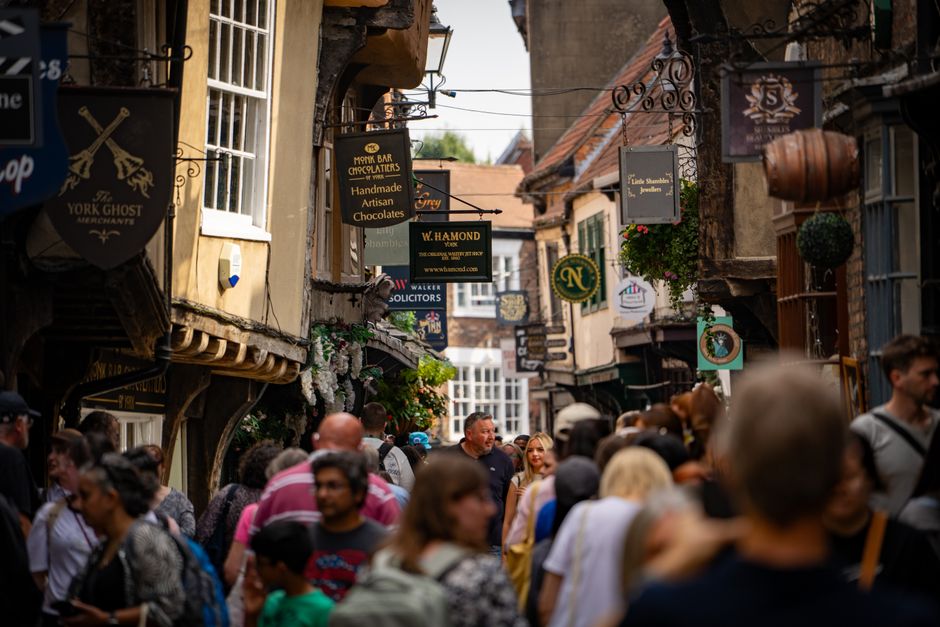
Weather Snapshot: High: 21°C (70°F), Low: 12°C (54°F). The warmest month. Days can be hot, evenings balmy. The city basks in sunshine, though humidity can rise. Crowd Levels: Very High. Peak tourist season. The Shambles can be shoulder-to-shoulder, and queues for major attractions are longest. Key Events: The Great Yorkshire Show brings the countryside to town. The York Mystery Plays, a monumental medieval cycle, may be performed in select years. Hotel Prices: $$$ - $$$$. At their annual peak. Last-minute deals are rare. Best Activities: Escaping the midday crowds in the cool, serene Treasury of the Minster. Taking a day trip to the North York Moors or the coast. Enjoying a sunset drink at a riverside pub. Perfect for: Festival-goers, sun-seekers, and those who thrive on the buzz and energy of a city in full summer swing.
August
Weather Snapshot: High: 21°C (70°F), Low: 12°C (54°F). Similar to July, but with a higher chance of occasional heavy, thundery rain. School holidays mean family-focused energy. Crowd Levels: Very High. The busiest month. A vibrant, international atmosphere, but patience is required at popular sites. Key Events: The York Food and Drink Festival often begins in late August. The Ebor Festival at York Racecourse is a major social and sporting highlight. Hotel Prices: $$$$. Consistently at the top tier. Best Activities: Exploring lesser-known gems like the Barley Hall or the Richard III Experience. Taking a guided walking tour in the evening when crowds thin. Indulging in street food from the many festival stalls. Perfect for: Families with school-age children and travelers who don't mind crowds in exchange for a festive, event-packed calendar.
September
Weather Snapshot: High: 18°C (64°F), Low: 9°C (48°F). A golden month. The air softens, light turns mellow, and nights become crisper. Early September often feels like an extension of summer. Crowd Levels: High to Medium. Remains busy until schools return, then tapers off beautifully into a more relaxed pace. Key Events: The York Food and Drink Festival is in full swing. The York Mediale digital arts festival occurs biennially. Hotel Prices: $$ - $$$. Prices begin to drop after the first week, offering better value. Best Activities: Witnessing the harvest in the countryside. Enjoying alfresco dining without the summer heat. Photography walks to capture the changing light on historic stone. Perfect for: Foodies and photographers, and those seeking summer's warmth with autumn's emerging tranquility.
October
Weather Snapshot: High: 13°C (55°F), Low: 6°C (43°F). Autumn in full glory. Crisp, bright days alternate with damp, misty ones. Spectacular foliage transforms the city. Crowd Levels: Medium. A pleasant lull before the Christmas build-up. A mature, relaxed tourist demographic. Key Events: York's world-famous Halloween festivities, with enhanced ghost walks and spooky events. The Illuminating York festival often lights up buildings. Hotel Prices: $$. Excellent value returns. Best Activities: Getting lost in the fallen leaves of Museum Gardens. Cozying up in a bookshop on Stonegate. Taking a spine-tingling ghost tour that feels utterly authentic in the autumn gloom. Perfect for: Halloween enthusiasts, leaf-peepers, and travelers who adore atmospheric, moody landscapes.
November
Weather Snapshot: High: 9°C (48°F), Low: 3°C (37°F). The gateway to winter. Days are short, grey, and damp. Fog is common, wrapping the Minster in mystery. Bonfire Night (Nov 5th) brings fireworks. Crowd Levels: Low to Medium. Quiet until the spectacular St. Nicholas Fair Christmas market opens in mid-late November, drawing crowds. Key Events: The launch of St. Nicholas Fair, one of Europe's best Christmas markets. Remembrance Sunday services at the Minster. Hotel Prices: $$ - $$$. Affordable except for weekends during the Christmas market. Best Activities: Early Christmas shopping in the unique indie shops. Warming up with mulled wine and roasted chestnuts at the festive market. Visiting museums on a rainy afternoon. Perfect for: Christmas market lovers and travelers seeking a festive, wintry atmosphere without the deep cold of December.
December
Weather Snapshot: High: 7°C (45°F), Low: 2°C (36°F). Cold, dark, and potentially frosty. The possibility of a picturesque Christmas snowfall adds magic. Crowd Levels: Very High. The Christmas market makes York a major destination. Weekends are exceptionally crowded, weekdays are busy but manageable. Key Events: St. Nicholas Fair runs throughout. Carol services and the Christmas concert at York Minster. New Year's Eve celebrations. Hotel Prices: $$$ - $$$$. Premium prices, especially for weekends and dates close to Christmas. Best Activities: Experiencing the festive lights and aromas of the Christmas market. Ice skating at the temporary rink. Attending a candlelit carol service in the majestic Minster. Perfect for: The ultimate festive season traveler, eager to immerse in Dickensian Christmas charm, regardless of the cold and crowds.
Peak vs. Shoulder vs. Off-Season Analysis
Understanding York's seasonal rhythms is the key to crafting your ideal trip. Peak Season (June-August, December for Christmas): This is York in high definition. Pros include the best (and most stable) weather in summer, incredibly long days, and the full roster of events and open-air activities. The city buzzes with infectious energy. The cons are significant: premium prices for flights and hotels, dense crowds that can make navigating narrow streets like the Shambles a chore, and long queues for major attractions. Advance booking for everything is non-negotiable. Shoulder Season (April-May, September-October): Arguably the sweet spot for the best time to visit York for many. Spring shoulder (Apr-May) offers blooming beauty and rising temperatures; autumn shoulder (Sep-Oct) provides golden light, harvest festivals, and spectacular foliage. Crowds are manageable, prices are moderate, and the weather, while changeable, often delivers stunning days. You experience a more authentic pace of life alongside the tourism. Off-Season (November, January-March): This is York for connoisseurs of atmosphere and value. Pros are profound: you'll have historic sites nearly to yourself, hotel rates plummet, and the city's medieval character feels most palpable in the winter mists and frosts. The cons are the short, often grey days, colder weather, and some smaller attractions may have reduced hours. However, the rewards—like standing alone in the vastness of the Minster nave or hearing your own footsteps on the ancient walls—are unparalleled for the right traveler.
Best Time for Specific Traveler Types
Best for Budget Travelers: January and February. Flight and accommodation deals are plentiful, and you can experience York's iconic sights without the peak-season premium. Embrace the cozy, indoor charm of museums and historic pubs. Best for Honeymooners: Late May or late September. These periods offer the perfect romantic cocktail: lovely weather for strolls along the river, fewer crowds for intimate moments, beautiful natural backdrops of blossom or autumn color, and a sophisticated, relaxed atmosphere in restaurants. Best for Families: April (Easter) or late July/August. School holidays dictate timing. Easter offers potential for better weather than summer and fascinating historical activities. Summer provides long days for exploration, open-air events, and day trips to nearby attractions, though requires crowd management. Best for Culture Seekers: October or February. October brings the Illuminating York festival and unparalleled Gothic atmosphere. February hosts the York Literature Festival and the Ice Trail sculpture event. Both months offer a deep, thoughtful engagement with York's artistic and historic soul away from the distraction of peak crowds. Best for Outdoor Adventurers: May or September. These months provide the optimal blend of pleasant, reliable weather and sufficient daylight for extensive walking, cycling, or hiking on the city walls, along the rivers, and into the surrounding Yorkshire countryside, all without the intense heat or crowds of high summer.
Money-Saving Timing Strategies
To maximize your budget for the best time to visit York, timing is everything. Flights: The cheapest months to fly into nearby airports (Manchester, Leeds) are typically January, February, and November (excluding half-term and Christmas market weekends). Book at least 3-4 months in advance for summer travel, and be flexible with mid-week travel (Tuesdays and Wednesdays are often cheapest). Hotels: The single biggest saving is achieved by visiting off-peak. Utilize price comparison sites and look for direct booking discounts. Consider staying just outside the city walls in neighborhoods like South Bank or Clifton; you'll get more space for your money and it's a short, scenic walk in. Many central hotels offer Sunday night discounts when business travelers leave. Local Transport: York is a supremely walkable city. Save money by avoiding taxis; everything within the walls is within a 20-minute walk. If you arrive by train, the station is a 5-minute walk from the city centre. For day trips, book train tickets in advance for the best fares. Attractions: Invest in a York Pass if you plan to visit multiple paid attractions quickly. Alternatively, focus on the city's incredible free offerings: walking the walls, exploring the Minster's exterior and Chapter House (free), visiting the York Art Gallery (free for permanent collection), and wandering the Museum Gardens.
Festival & Events Calendar
York's calendar is a vibrant tapestry of tradition and innovation, profoundly affecting the best time to visit York for event-lovers. Spring: The York Literature Festival (March) fills the city with literary giants. Easter brings solemn services and family activities at the Minster. The York Chocolate Festival (April) celebrates the city's confectionery history. Summer: The York Early Music Festival (July) offers exquisite concerts in historic venues. The Great Yorkshire Show (July) is a spectacular agricultural show. The Ebor Festival at the Racecourse (August) is a highlight of the social season. Autumn: The York Food and Drink Festival (Sept) is a month-long feast for the senses. Halloween (Oct) transforms the city into the world's most authentic spooky destination. The Illuminating York festival (Oct) bathes buildings in stunning light art. Winter: The legendary St. Nicholas Fair Christmas Market (mid-Nov to Dec) is an unmissable festive wonderland. New Year's Eve sees celebrations and fireworks. Planning around these events can define your trip; book accommodation far in advance for festival periods, as the city fills quickly and prices soar.
Practical Monthly Packing Guides
Packing for York means preparing for changeable conditions, regardless of season. Spring (Mar-May): The mantra is layers. Pack a waterproof jacket, a warm fleece or sweater, comfortable walking shoes (waterproof is ideal), a scarf, and an umbrella. Include t-shirts for sunny spells. Summer (Jun-Aug): Lightweight clothing, sunglasses, and sunscreen are essential. However, always pack a light jacket or cardigan for cooler evenings and a compact raincoat for sudden showers. Comfortable, broken-in walking shoes are non-negotiable. Autumn (Sep-Nov): As temperatures drop, think warmth. A medium-weight coat, sweaters, long trousers, and sturdy, waterproof footwear. A warm hat and gloves become useful from October onwards. An umbrella is a must. Winter (Dec-Feb): Pack for cold, damp conditions. A warm, waterproof coat, thermal layers, a thick sweater, a scarf, hat, and gloves are crucial. Waterproof boots with good grip are essential for frosty or wet cobblestones. Year-Round Essentials: A comfortable day bag, a reusable water bottle, a power adapter, and a good camera. For cultural sites like York Minster, modest dress is appreciated (covering shoulders and knees), though not always strictly enforced.
Sample 7-Day Itineraries by Season
Spring Itinerary: Day 1: Arrive, walk the walls from Bootham Bar to Monk Bar. Day 2: York Minster (interior and tower climb), Dean's Park picnic. Day 3: JORVIK Viking Centre, explore the Shambles and Stonegate. Day 4: Day trip to Castle Howard's gardens. Day 5: York Castle Museum, Clifford's Tower, River Ouse cruise. Day 6: National Railway Museum, afternoon in Museum Gardens. Day 7: Market shopping, farewell. Summer Itinerary: Day 1: Arrive, evening ghost walk. Day 2: Early Minster visit, afternoon punting on the Ouse. Day 3: Full-day trip to the North York Moors or Whitby coast. Day 4: York's Chocolate Story, shopping in the Shambles Market. Day 5: York Art Gallery, walk to the Yorkshire Museum. Day 6: Day at York Racecourse (if racing) or explore Bishopthorpe Palace. Day 7: Leisurely final walk, depart. Autumn Itinerary: Day 1: Arrive, explore the Shambles in the autumn dusk. Day 2: York Minster, focus on the stained glass in low light. Day 3: Full-day trip to the Yorkshire Sculpture Park or Fountains Abbey. Day 4: York Castle Museum, cozy pub lunch. Day 5: Illuminating York event or extended ghost tour. Day 6: Treasurer's House, afternoon tea. Day 7: Walk the walls for final foliage views, depart. Winter Itinerary: Day 1: Arrive, immerse in the Christmas Market (Nov-Dec) or enjoy a quiet city walk (Jan-Feb). Day 2: York Minster, attend a carol service if possible. Day 3: JORVIK Viking Centre and the nearby Barley Hall. Day 4: York Castle Museum (including festive Kirkgate). Day 5: Day trip to the market town of Harrogate for its baths and tea rooms. Day 6: National Railway Museum, evening at a traditional pub. Day 7: Final market visits or museum, depart.
Conclusion
So, when is the absolute best time to visit York? The truth is, there is no single answer—only the perfect answer for you. If your dream is of long, sun-drenched days and vibrant festival energy, then target the peak of summer, armed with patience and advance bookings. If you seek the golden mean of good weather, manageable crowds, and fair prices, set your sights on the serene shoulders of May or September. And if your heart yearns for the soul-stirring atmosphere of a medieval city in winter, where history whispers from every foggy lane and value is unparalleled, then embrace the off-season magic of January or February. York is not a city that closes with the summer sun; it simply changes its costume, offering a different but equally compelling performance with each season. Whether framed by cherry blossom, summer green, autumn gold, or winter frost, its iconic skyline—the Minster soaring above the Roman walls—retains its power to awe. Consider your priorities: budget, weather tolerance, crowd aversion, and desired activities. Let this guide be your compass. Then, step through the stone arch of Micklegate Bar, and let York work its timeless magic on you.
FAQ - Best Time to Visit York
What is the absolute worst time to visit York in terms of crowds?
The busiest periods are the last two weeks of December (for the Christmas market), the Easter school holidays, and the summer school holidays from late July through August. During these times, the city centre, especially the Shambles and the market area, can be extremely congested, and queues for major attractions are at their longest.
Is York worth visiting in the winter, or will everything be closed?
York is absolutely worth visiting in winter. While some smaller, independent shops or cafes may have reduced hours in January and February, all major attractions like York Minster, the JORVIK Viking Centre, and the museums remain open. The lack of crowds and the profound atmospheric beauty of the frosty, misty city offer a unique and deeply authentic experience.
When is the best time to visit York for good weather?
The most reliably pleasant weather occurs from late May through early September. July and August are the warmest months with the longest days, but also carry a higher chance of crowds. June and September often provide an excellent balance of good weather and slightly fewer tourists.
What month is best for seeing the York Christmas markets?
The famous St. Nicholas Fair typically opens in mid-November and runs until just after Christmas. For the best experience with slightly smaller crowds, aim for a weekday in late November or early December before the schools break up. Evenings are magical but very busy.
When is the cheapest time to fly and stay in York?
The most affordable time for flights and accommodation is during the off-season: January, February, and early November (excluding the Christmas market launch weekend). You will find significant discounts on hotels and fewer tourists, making it the best time to visit York for budget-conscious travelers.
Is there a time of year to avoid due to rain?
York can experience rain in any month. However, statistically, October and November tend to be the wettest months, while April is known for its sharp, frequent showers. There is no guaranteed dry period, so always pack a waterproof layer regardless of when you visit.
What is the best time for families with young children?
For optimal conditions, late May or early June is ideal. The weather is usually good, the days are long, and it falls before the peak summer holiday crowds and prices hit. Alternatively, the October half-term break offers fun Halloween activities and fewer crowds than summer, though with cooler, damper weather.


No comments:
Post a Comment