
Brussels: A Tapestry of Light, Stone, and Chocolate in the Heart of Europe
Introduction
The first time you see the Grand-Place, it hits you like a cinematic reveal. You've been winding through a labyrinth of narrow, cobbled lanes, the air thick with the scent of warm waffles and damp stone. Shop windows glimmer with pralines stacked like jewels. The murmur of a dozen languages—French, Dutch, English, Arabic—forms a low, urban hum. Then, you step through a shadowed archway, and the world opens up. The square explodes in a symphony of gold-leaf and Gothic grandeur. The Hôtel de Ville's spire pierces a moody Belgian sky, while the guildhouses stand shoulder-to-shoulder, their ornate facades telling silent stories of medieval wealth and rivalry. This is Brussels, not just a city, but a living, breathing stage set where history collides with the surreal, where the weight of European politics is balanced by the delicate crunch of a gaufre.
Brussels is a city of layers, a palimpsest where you must read between the lines. It is the de facto capital of the European Union, a nexus of power where serious men and women in sharp suits debate the continent's future in sleek, glass temples. Yet, just a five-minute walk away, you'll find the irreverent grin of the Manneken Pis, a tiny bronze statue of a urinating boy, dressed in one of his thousand whimsical costumes. This juxtaposition is the city's heartbeat. One moment you're beneath the colossal, shimmering atoms of the Atomium, a relic of a hopeful, atomic-age future. The next, you're in the Marolles district, rummaging through flea markets where the air smells of old wood and possibility, hearing the distinctive Bruxellois dialect echo off 19th-century facades.
To travel through Brussels is to engage all your senses. You taste it in the bitter tang of a perfectly pulled Trappist beer and the sudden, sweet burst of a speculoos spread. You touch it in the smooth, worn cobblestones of the Sablon and the cool, art-nouveau ironwork of a Victor Horta staircase. You hear it in the clatter of trams over rails and the sudden, profound silence inside the Cathedral of St. Michael and St. Gudula. The city doesn't reveal itself all at once. It whispers from the comic-strip murals splashed across blind walls, inviting you on a treasure hunt for Tintin, Snowy, and the Smurfs. It winks at you from the surreal, lip-shaped couches in a classic estaminet (tavern). Brussels is complex, sometimes stubbornly bureaucratic in feel, but beneath that lies a profound warmth, a wry sense of humor, and a creative soul that treasures the beautiful, the bizarre, and the delicious in equal measure.
Why Visit Brussels?
You visit Brussels not for a single, monolithic attraction, but for an experience—a rich, sometimes contradictory tapestry of culture that you can't find anywhere else. This is where the dream of a united Europe is painstakingly built in the corridors of the Berlaymont, while just across the Parc du Cinquantenaire, museums overflow with artifacts from a thousand years of disparate kingdoms and bloody conflicts. You come to witness this fascinating tension firsthand, to sit in a café and overhear conversations that might just be shaping laws for half a billion people. The weight of this modern-day empire gives the city a palpable gravity, an energy of importance that vibrates through its European Quarter.
But the true magic of Brussels lies in its defiant celebration of the whimsical and the artistic against this backdrop of sober power. It is the birthplace of Art Nouveau, and the ghost of architect Victor Horta is everywhere. You'll find it in the swirling, organic lines of the Horta Museum, where light floods through stained glass onto mosaic floors, making the very building feel alive. It's in the comic book, the bande dessinée, elevated here to the Ninth Art. The Belgian Centre for Comic Strip Art is a temple to this form, but the city itself is the real gallery, with over fifty massive murals of beloved characters adorning buildings, turning a simple stroll into an open-air exhibition. Where else can you turn a corner and be greeted by a five-story tall Lucky Luke or a mischievous Nero?
Ultimately, you visit for the sheer, unadulterated joy of indulgence. Brussels is a city that understands pleasure. It is the world capital of chocolate, with over 2,000 chocolatiers crafting edible art that melts at body temperature, releasing complex notes of cocoa, vanilla, and spice. It is the holy land of beer, with more distinct varieties than any other nation, each served in its own sacred glassware designed to enhance the aroma and flavor. It is the home of the crispy, pearl-sugared Brussels waffle and the golden, twice-fried perfection of frites with mayonnaise. In Brussels, culture isn't just observed in museums; it is consumed, savored, and celebrated at a café table, in a chocolate shop, in the convivial noise of a centuries-old tavern. It is a city that feeds both the mind and the senses.
When to Visit
Brussels wears the seasons with distinct flair, each offering a different lens through which to view the city. The undisputed cinematic highlight is late July, during the Ommegang historical pageant. For two evenings, the Grand-Place is transported back to 1549. The square becomes a floodlit stage for a procession of over 1,400 participants in velvet and ermine, knights on horseback, flag throwers, and crossbowmen. The thunder of drums, the blare of heralds' trumpets, and the torchlight flickering on gilded facades create a moment of pure, breathtaking time travel. It's a spectacle that feels both impossibly grand and intimately magical.
For a warmer, sweeter spectacle, visit in mid-August when the Grand-Place undergoes another transformation for the Flower Carpet. Over half a million vibrant begonias are meticulously arranged into a stunning, intricate tapestry covering nearly the entire square. Viewed from the balcony of the Town Hall, the geometric and floral designs are a breathtaking burst of color against the grey stone, a fragrant, living masterpiece that lasts only a few days. Spring (April-May) and early autumn (September-October) are perhaps the most balanced times for a visit. The weather is mild, ideal for long walks through the parks like the Bois de la Cambre, and the tourist crowds are thinner. The light in autumn is particularly beautiful, casting a golden glow on the Art Nouveau facades of Ixelles.
Winter, particularly from late November through December, is when Brussels becomes a fairy tale. The city hosts one of Europe's finest Christmas markets, centered around the Bourse and the Grand-Place. The air is scented with mulled wine (vin chaud), roasted chestnuts, and cinnamon. Hundreds of wooden chalets sell crafts, and a glittering light show dances across the buildings of the Grand-Place. An ice rink appears, and the sound of skates scraping and laughter ringing out makes the cold feel festive and inviting. While short days and drizzle are common, the city's cozy interiors—its cafés, taverns, and restaurants—become even more welcoming, perfect for holing up with a strong beer and a hearty stew.
How to Get There
Your arrival in Brussels is likely to be a study in modern efficiency. Brussels Airport (BRU), located in Zaventem about 12km northeast of the city center, is a major European hub. The moment you step off the plane, you're greeted by sleek signage in French and Dutch. The most cinematic entry is by train. The airport has its own station directly beneath the terminal. Within 20 minutes, a double-decker Intercity train whisks you into the heart of the city, arriving at Brussels Central Station (Bruxelles-Central). This journey is your first taste of the Belgian landscape—neat suburbs giving way to sudden, surprising glimpses of the EU's glass citadels and then the historic core.
For budget airlines, Brussels South Charleroi Airport (CRL) is a common destination, though it's about an hour south by shuttle bus. The bus ride offers a more gradual immersion, passing through the rolling, green hills of Wallonia before the urban sprawl of Brussels rises on the horizon. If you're arriving from elsewhere in Europe, the train is a glorious option. Brussels' three main stations—Midi, Central, and Nord—are connected by high-speed rail lines like the Thalys and Eurostar. Pulling into Brussels-Midi on the Eurostar from London, having shot under the Channel, feels like a feat of modern engineering. The station itself is a bustling, slightly chaotic monument to transit, a gateway where you're immediately swept into the city's multilingual flow.
Once in the city, your feet are your best tool for exploration. The historic center is compact and walkable, with surprises around every corner. For longer distances, the STIB/MIVB network of trams, buses, and metros is comprehensive and reliable. The trams, in particular, offer a wonderful, rattling, above-ground tour of the city's neighborhoods. Taxis are available but expensive. For a truly unique perspective, consider a bike from the city's Villo! sharing scheme, though be prepared for cobblestones and assertive local drivers. The key is to move as the Brusseleirs do: with purpose, but with an eye ready to be caught by a stunning facade or a charming café terrace.
Accommodation
Where you lay your head in Brussels shapes your entire experience. For the full immersion, a stay in the historic center, within the pentagon of the old city walls, is unbeatable. Here, you can tumble out of your hotel and be at the Manneken Pis in two minutes or watch the Grand-Place light up at night from your window. The hotels here range from grand, old-world establishments with marble lobbies and crystal chandeliers to quirky, family-run boutiques tucked above chocolate shops. The soundtrack is the constant, lively hum of tourists and street performers, fading to a gentle murmur in the small hours. It's convenient, but can feel a bit like living in a permanent, beautiful spectacle.
For a more authentic, residential vibe with a bohemian twist, the Saint-Géry/Saint-Catherine area is perfect. Centered around a former market hall now housing trendy bars, this neighborhood is a maze of cobbled streets flanked by 17th-century houses. You're steps from the fresh seafood restaurants lining the Place Sainte-Catherine, a short walk from the Grand-Place, yet surrounded by a local, artsy energy. The hotels here tend to be design-forward, converting old warehouses or townhouses into sleek spaces with exposed brick and modern art. At night, the area pulses with a cool, laid-back nightlife.
If your visit is focused on the EU institutions or you simply prefer a more serene, upscale atmosphere, the European Quarter and the adjacent Louise and Sablon districts offer a different pace. The architecture shifts from Gothic to Neoclassical and Beaux-Arts. The streets are wider, leafier, and quieter. This is the domain of luxury hotels, chic apartment rentals, and elegant townhouse B&Bs. You'll be near the superb antique shops of the Sablon, the high-end boutiques of Avenue Louise, and the imposing museums of the Cinquantenaire. It feels more refined, more "grown-up," and offers a peaceful retreat after a day of sightseeing, with excellent metro connections back to the center.
Things to Do
Begin your odyssey at the Grand-Place. Don't just look—stand in the center and slowly rotate. Let your eye travel up the 96-meter spire of the Town Hall, follow the gilded statues on the Maison du Roi (King's House), now the City Museum, and decipher the symbols on the guildhouses: the boat for the boatmen, the fox for the haberdashers. Visit early in the morning when the square is empty and bathed in soft light, and again at night when the buildings are theatrically illuminated. From here, let the city's dualities guide you. Pay your respects to the cheeky Manneken Pis, then walk up the hill to the serene Cathedral of St. Michael and St. Gudula. Sit in its vast, Gothic interior and let the stillness wash over you, a stark contrast to the playful chaos just minutes away.
Dedicate an afternoon to the surreal and the artistic. Journey to Heysel to witness the Atomium, the iconic remnant of the 1958 World's Fair. Take the elevator up through one of the connecting tubes to the top sphere for a panoramic, if slightly dizzying, view of the city. The interior is a wonderfully preserved time capsule of 1950s futurism. Back in the center, embark on a comic strip mural hunt. Pick up a map from the tourist office and wander the streets, discovering larger-than-life renderings of Tintin, the Smurfs, and lesser-known Belgian heroes. It turns the city into a playful, interactive graphic novel. For the pinnacle of this art form, visit the Belgian Comic Strip Center, housed in a magnificent Horta-designed former department store, where the history and artistry of the bande dessinée are celebrated with reverence.
No visit is complete without delving into the city's markets. On the Place du Grand Sablon, browse the elegant weekend antique market, where dealers sell silver, vintage maps, and art objects under green awnings. It's a scene of quiet, refined commerce. For a completely different sensory experience, descend to the Place du Jeu de Balle in the Marolles for the daily flea market. Here, from dawn, tables are piled high with everything from broken typewriters and old postcards to stunning Art Deco lamps and vintage lace. The air is filled with the sounds of haggling in the local dialect. It's messy, vibrant, and utterly absorbing—a treasure hunter's paradise. End such a day with a contemplative walk through the Parc du Cinquantenaire, under its colossal triumphal arch, and reflect on a city that holds so many worlds within its borders.
Food and Drink
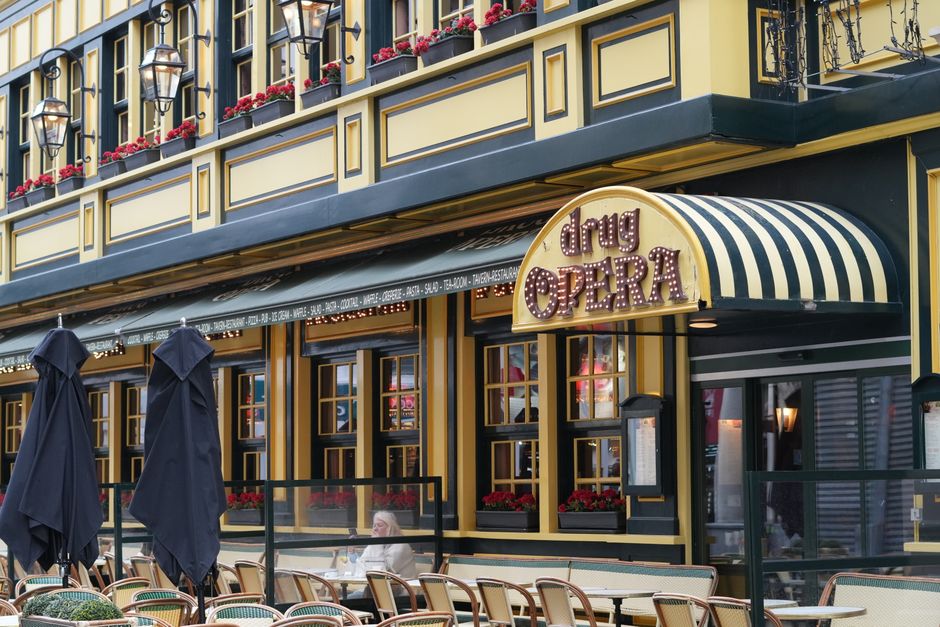
To eat in Brussels is to participate in a beloved ritual. Let's start with the street food symphony. Follow the sweet, yeasty scent to a gaufre stand. You must choose: the Brussels waffle, rectangular, light, and crispy with deep pockets, typically dusted with powdered sugar; or the Liège waffle, oval, denser, and caramelized from pearl sugar baked into the dough. Both are transcendent. Then, locate a proper frituur (fry shop). Watch as the vendor dips a metal basket of fresh-cut potatoes into bubbling oil not once, but twice, achieving an impossible golden crispness. The paper cone handed to you is warm, the fries steaming. The essential topping is andalouse or a simple, creamy mayonnaise. Eat them standing up, in the drizzle, for the full effect.
For a sit-down meal, embrace the classics. Moules-frites (mussels and fries) is a national obsession. A towering pot of tender, briny mussels steamed in white wine with celery and onion, accompanied by that mountain of fries, is a simple, perfect meal. In winter, seek out carbonnade flamande, a rich, sweet-sour beef stew slow-cooked with dark beer and served with bread to mop up every drop. Or try chicons au gratin (Belgian endive wrapped in ham and smothered in cheese sauce). These dishes are served in traditional estaminets—often wood-paneled, with checkered tablecloths and a stunning array of beer glasses hanging from the ceiling.
And then, there are the twin pillars of Belgian bliss: chocolate and beer. Chocolate shopping is an art. Step into the hallowed halls of master chocolatiers like Neuhaus, Pierre Marcolini, or Mary. The displays are minimalist and elegant, each praline a tiny sculpture. Let the staff guide you through single-origin bars or ganache-filled creations. As for beer, forget everything you know about pint glasses. Here, each brew has its own vessel: a chalice for a Trappist ale like Westmalle, a wide bowl for a fruity lambic, a tall, slender glass for a pilsner. Visit a temple like A la Mort Subite ("Sudden Death") for a gueuze, a spontaneously fermented beer that is tart, complex, and uniquely Brussels. The first sip might surprise you; the second will make you a believer. In Brussels, every meal, every snack, every drink is an event.
Practical Tips
Brussels operates on its own unique frequency. First, the language: the city is officially bilingual French and Dutch, but French is dominant in street life. A polite "Bonjour" or "Bonsoir" when entering a shop goes a very long way. Most people in the tourist industry speak excellent English, but attempting a few basic French phrases is a sign of respect. The city is generally safe, but exercise standard big-city caution in major train stations like Gare du Midi at night and be aware of pickpockets in crowded tourist areas. Tipping is not obligatory as service is included, but rounding up the bill or leaving a few euros for good service is appreciated.
Getting around is straightforward with a MOBIB card, a rechargeable plastic card you can use on all trams, buses, and metros. You can buy them at stations and load single journeys or 24/48/72-hour passes. For the center, walking is best. Wear comfortable, sturdy shoes—the cobblestones are picturesque but unforgiving. While credit cards are widely accepted, many smaller cafes, market stalls, and some museums prefer cash (Euros). It's wise to have some on hand. Brussels weather is famously changeable; a compact umbrella or a waterproof layer is essential year-round, even on a sunny morning. The light rain can arrive and depart as quickly as a thought.
Finally, pace yourself. The beauty of Brussels is in the details: the hidden courtyard, the unexpected mural, the quiet corner of a park. Don't try to rush from EU institution to major museum to major square. Build in time to sit at a café with a coffee or a beer and simply watch the city pass by. The most authentic Brussels moments often happen when you're not ticking off a list, but when you're present, listening to the murmur of the city, and letting its layered charm reveal itself slowly, one perfect chocolate, one stunning facade, one friendly smile at a time.
Suggested Itinerary
Day 1: The Historic Heart & Culinary Initiation. Start at the Grand-Place. Visit the Maison du Roi (City Museum) for context. See the Manneken Pis, then walk up to the Royal Palace (if open in summer) and the panoramic view from the Mont des Arts. Have lunch at a classic estaminet near the Grand-Place, trying carbonnade or a simple omelette. Spend the afternoon on a chocolate tour, visiting at least three top chocolatiers for tastings. As evening falls, take a guided tour (or a self-guided walk) to see the Grand-Place and other monuments illuminated. Dine on moules-frites in the Saint-Géry area.
Day 2: Art, Surrealism & Markets. Morning at the Belgian Comic Strip Center. Then, walk to the Sablon, browse the antique market (weekends) or the chocolate shops, and visit the beautiful Notre-Dame du Sablon church. Have a waffle from a street stand for a late-morning snack. In the afternoon, head to the Marolles via the elevator at the Place de la Justice for the flea market at Place du Jeu de Balle. Explore the vintage shops along Rue Blaes. Later, travel by tram to the Atomium. Explore the spheres and the surrounding Parc d'Osseghem. For dinner, explore the trendy, multicultural eateries around Rue Dansaert or Sainte-Catherine.
Day 3: EU, Art Nouveau & Personal Exploration. Take the metro to Schuman. Walk through the European Quarter, seeing the Berlaymont and the European Parliament hemicycle (book a visit in advance if interested). Walk or tram to the Parc du Cinquantenaire, visit the AutoWorld or Art & History Museum, and walk under the grand arch. In the afternoon, choose your passion: dive deep into Old Masters at the Royal Museums of Fine Arts, or take a dedicated Art Nouveau walk in Ixelles to see the Horta Museum and other stunning townhouses. For your final evening, savor a multi-course dinner paired with Belgian beers at a renowned restaurant, or join a beer tasting tour in the city center to sample the incredible variety.
Conclusion
Brussels stays with you. It's not the postcard-perfect, instantly lovable city that some European capitals are. It's more complex, more demanding of your attention. It asks you to look closer, to wander without a firm destination, to taste something unfamiliar. You'll leave with memories not of a single iconic monument, but of a collage of sensations: the cold, smooth weight of a praline in your hand; the echoing, hollow sound inside the Atomium's spheres; the warm, malty aroma of a Trappist ale; the visual cacophony of the Grand-Place at dusk, every guildhouse telling a different story in stone and gold leaf.
This is a city that proudly wears its contradictions as a badge of honor. It is both the capital of Europe and a collection of fiercely independent villages. It is home to supreme bureaucratic logic and the gloriously illogical Manneken Pis. It treasures centuries-old lace and the cutting-edge lines of comic art. To experience Brussels is to understand that beauty and importance can come in many forms—from a Gothic spire to a swirl of chocolate ganache, from a debate in the European Parliament to a heated discussion over fries in a local frituur. It is a city that feeds you, challenges you, and ultimately, charms you with its wry, understated confidence. You come as a visitor, but you leave feeling like you've been let in on a wonderful, delicious secret.
Frequently Asked Questions
Is Brussels a good city for English speakers to visit?
Absolutely. While the official languages are French and Dutch, Brussels is an incredibly international city, largely due to the presence of the EU and NATO. English is widely spoken, especially in hotels, restaurants, museums, and tourist areas. Menus and signs are almost always in multiple languages. You can navigate the city perfectly comfortably with English, though learning a few basic French phrases like "Bonjour" (hello) and "Merci" (thank you) is always appreciated as a courtesy.
What is the difference between Brussels waffles and Belgian waffles I get at home?
The "Belgian waffle" served internationally is usually a version of the Brussels waffle, but the authentic experience is different. A true Brussels waffle is rectangular, light, and airy with deep pockets, and is typically eaten with just a dusting of powdered sugar. The Liège waffle, also Belgian, is denser, oval, and has chunks of pearl sugar caramelized into the dough, making it sweeter. In Brussels, you'll find both, but they are often simpler and less loaded with toppings than their overseas counterparts.
How many days do I need to see Brussels properly?
We recommend a minimum of three full days to get a genuine feel for Brussels. This allows one day for the historic center and major sights, one day for exploring distinct neighborhoods like the Marolles and Sablon or a trip to the Atomium, and one day to delve into a specific interest like EU institutions, Art Nouveau, or the comic strip trail. With more time, you can take excellent day trips to cities like Ghent, Bruges, or Antwerp, all less than an hour away by train.
Is Brussels just a city for business and politics, or is it fun for tourists?
Brussels is immensely fun for tourists! While its business and political side is significant, the city's soul is in its vibrant café culture, its unparalleled food and drink scene, its incredible art and architecture, and its quirky, playful spirit exemplified by the comic strip murals and festive traditions. From cozy beer tastings in ancient taverns to browsing eclectic flea markets and attending spectacular events like the Ommegang pageant, Brussels offers a deeply engaging and enjoyable tourist experience far beyond boardrooms.
What should I know about the "Brussels" in Illinois, USA?
This is a fun point of confusion! Brussels, Illinois, is a small, charming village in the Midwestern United States, located along the scenic Great River Road in Calhoun County. It was founded by Belgian immigrants in the 19th century, which is how it got its name. While it shares a namesake with the European capital, the two are worlds apart in scale and atmosphere. The Illinois Brussels offers a quiet, rural American experience focused on river views, orchards, and a tight-knit community, a fascinating contrast to the bustling, cosmopolitan capital of Belgium.
Is it worth going inside the Atomium, or is seeing it from outside enough?
It is absolutely worth going inside. While the exterior is the iconic photo opportunity, the interior is a fascinating time capsule of 1950s futurism and offers spectacular views. You take elevators through the connecting tubes to various spheres, which house historical exhibitions about the 1958 World's Fair and modern design displays. The top sphere provides a unique 360-degree panorama of Brussels. The experience of being inside the structure is surreal and memorable, adding depth to what might otherwise be just a curious landmark.


No comments:
Post a Comment