
The Fire and the Flow: A Cinematic Journey Through Changsha
Introduction: The City That Never Sleeps, But Dreams in Color
The first thing that hits you is the scent. It's a complex, aromatic wave that rolls over you the moment you step out into the Hunan night—charred chili oil, star anise, the sweet-sour tang of fermenting douchi, and underneath it all, the damp, fertile smell of the Xiang River. This is the olfactory overture to Changsha, a city that doesn't just welcome you; it immerses you, body and soul. As the capital of Hunan province, Changsha is often billed as the heart of China's media and entertainment machine, a glittering engine of pop culture. But to label it merely a factory of fame is to miss its ancient, fiery soul. This is a city of profound contrasts, where neon skyscrapers pierce the same sky once watched over by the solemn eaves of the Yuelu Academy, and where the frenetic beat of a KTV bar shares a street with the serene, tea-scented silence of a thousand-year-old temple.
My own journey began on the Orange Isle, that slender, leaf-shaped island dividing the mighty Xiang River. Standing there at dusk, I felt the city's dual pulse. To the east, the futuristic skyline of Furong District shimmered like a cascade of diamonds, a testament to the city's relentless, modern ambition. To the west, the gentle slopes of Yuelu Mountain were silhouetted against a peach-blossom sky, guarding secrets and scholars' whispers from the Song Dynasty. The river itself was a ribbon of molten mercury, reflecting both worlds, carrying the past and the future in its steady, southward flow. In that moment, Changsha revealed itself not as a destination, but as a living dialogue—between fire and water, history and hyper-modernity, profound scholarship and unapologetic pleasure.
This is a city built on resilience. It has been razed by war and fire countless times, most famously during World War II, yet each time it has risen, phoenix-like, with an even fiercer appetite for life. That appetite is palpable on Pozi Street, where the night market erupts in a cacophony of sizzling woks, shouted orders, and laughter that bubbles up like spring water. It's in the determined brows of students cycling through the hallowed grounds of Hunan University, and in the ecstatic screams from the rollercoasters of World Window. Changsha doesn't just move; it vibrates. It thrums with a creative energy that has given the world everything from revolutionary thinkers to viral TV shows. To travel here is to plug yourself directly into that current. You come not to observe, but to participate—to taste the fire, feel the flow, and let the city's relentless, joyful spirit rewrite your own rhythm.
Why Visit Changsha: More Than a Media Metropolis
So, why Changsha? In a nation of iconic destinations—the Great Wall, the Terracotta Army, the skylines of Shanghai—what makes this central Chinese city a necessary pilgrimage? The answer lies in its beautiful, chaotic authenticity. While it proudly wears its crown as China's "Entertainment Capital," home to broadcasting giants like Hunan TV that shape the nation's pop culture, this is merely the glossy surface. Peel it back, and you find a city deeply in love with the art of living well. Changsha offers a raw, unfiltered, and deeply sensory experience of contemporary China, one unburdened by the overwhelming tourist scripts of more famous hubs.
You visit for the contrast. Where else can you spend a morning tracing the calligraphy of philosophers in the very halls where Zhu Xi once lectured, and an afternoon watching a live studio audience scream for their favorite idol in a space-age broadcast complex? You can hike a sacred mountain shrouded in morning mist, and by nightfall, be dancing in a cloud of dry ice in a club designed like a lunar colony. This seamless, unselfconscious blend creates a travel experience that is both intellectually stimulating and viscerally exciting. It's a city that honors its history without being mummified by it, and chases the future without losing its flavorful soul.
Ultimately, you come for the fire—both literal and metaphorical. The famous Hunan cuisine is a baptism by chili, a thrilling challenge for the palate that speaks of the locals' bold and straightforward character. But the fire is also in the spirit: in the passionate debates in tea houses, the fiery determination of its innovators, and the warm, generous hospitality that makes a stranger feel like a guest of honor. Changsha doesn't just show you things; it makes you feel things. It's intense, it's loud, it's deliciously overwhelming, and it leaves a permanent, spicy imprint on your memory.
When to Visit: Timing the Rhythm of the Xiang
Choosing your moment in Changsha is like selecting the right filter for a film—each season paints the city in a dramatically different light, altering its mood and rhythm. The undisputed golden hour is autumn (September to November). Imagine this: the stifling summer heat has dissipated, leaving a crisp, golden clarity in the air. The gingko trees lining Yuelu Mountain turn into cascades of brilliant yellow, and the ancient pavilions stand sharp against deep blue skies. The humidity drops, making exploration a joy, whether you're navigating bustling streets or hiking forested paths. This is when Changsha is at its most cinematically picturesque, comfortable, and inviting.
Spring (March to May) is a close contender, a season of soft-focus rebirth. The city sheds its winter gray as cherry and peach blossoms erupt in pastel explosions, particularly beautiful in the university campuses and parks. The occasional drizzle only enhances the poetic atmosphere, misting the river and mountains with a dreamlike quality. However, be prepared for rapidly changing weather and the infamous "plum rain" period in late spring, which can bring prolonged showers.
I experienced Changsha in the thick of summer (June to August), and it is an intense, sensory-loaded epic. The heat and humidity are formidable, pressing on you like a warm, wet blanket. Yet, this is when the city's night life truly ignites. The heat drives everyone out after dark, transforming riverwalks and food streets into vibrant, communal parties that last until dawn. It's exhausting but exhilarating. Winter (December to February) is chilly, damp, and often overcast, with rare but magical dustings of snow on the ancient rooftops. The crowds thin, revealing a more contemplative, local pace of life, perfect for cozying up in steamy restaurants and exploring museums without the queues.
How to Get There: Gateways to the Heart of Hunan
Reaching this central Chinese hub is a testament to the nation's engineering prowess. Changsha is exceptionally well-connected, a major transit nexus that makes arrival part of the adventure. The primary gateway is Changsha Huanghua International Airport (CSX), a sleek, modern portal with a growing network of domestic and international flights. Touching down here, you're immediately funneled into efficiency; the Maglev train connection to the city is a futuristic whisper, gliding you towards downtown at breathtaking speed, a fitting prelude to Changsha's modern face.
For many, the true cinematic entry is by high-speed rail. Stepping into the vast, echoing hall of Changsha South Railway Station is like walking onto the set of a sci-fi film. Hundreds of silver-nosed trains arrive and depart with a silent, powerful grace. From here, you're within a 3-hour radius of a staggering array of China: Guangzhou to the south, Shanghai to the east, Beijing to the north. The journey itself is a visual treat—watching the urban canyons of Shenzhen melt into the endless green rice paddies and karst mountains of Hunan countryside, before you're plunged back into the urban energy of Changsha.
Once within the city, the tapestry unfolds. The metro system is clean, intuitive, and expanding rapidly, its stations often featuring stunning public art. But to truly feel the city's pulse, you must surrender to its surface-level chaos. Hail a taxi and hold on as your driver navigates with a blend of fearless aggression and zen-like calm. Or, for the ultimate immersion, ride an electric scooter through the tangled backstreets, the wind carrying smells of frying dough and laundry soap, your path shared with grandmothers carrying shopping bags and delivery riders balancing towers of packages. The journey in Changsha never really ends; it just changes form.
Accommodation: From Ancient Lanes to Neon Towers
Where you lay your head in Changsha fundamentally shapes your narrative. The city offers a spectrum of stays, each a different lens on its personality. For the modern epicenter, plant yourself in the Furong or Wuyi Square districts. Here, glass-and-steel towers house international luxury brands, their lobbies smelling of polished marble and expensive perfume. From your 40th-floor window, you command a panoramic view of the city's dazzling light show, the river a black velvet ribbon studded with reflected gold. It's the choice for those who want to be in the eye of the storm, with instant access to high-end malls, flagship stores, and pulsating nightlife.
For a more intimate, textured experience, seek out the quieter, culture-rich embrace of the Yuelu District. Charming boutique hotels and guesthouses nestle in the leafy streets near Hunan University and Yuelu Mountain. Waking up here, you're greeted by birdsong and the distant chime of a temple bell rather than traffic. The air is fresher, the pace gentler. You can stroll to ancient sites with a morning tea in hand, feeling more like a scholar than a tourist. This area connects you to Changsha's philosophical heart.
My most memorable stay, however, was in a design hotel tucked into a revitalized old quarter near the river. The building was a modern concrete sculpture, but inside, the décor paid homage to Hunan's printing heritage with artistic woodblock prints. One evening, I got lost in the labyrinth of huotong (alleyways) behind it, where life played out in raw, beautiful vignettes: old men playing xiangqi under a single bulb, the sound of a child practicing the violin floating from an open window, the scent of a family's dinner wafting through the air. It was a perfect metaphor for Changsha itself—a contemporary shell protecting, and drawing life from, a vibrant, ancient core.
Things to Do: The Director's Cut of Changsha
To experience Changsha is to move between worlds. Begin your script with Yuelu Mountain and Academy. Ascend the forested paths, where sunlight filters through bamboo groves and centuries-old trees. The Yuelu Academy, one of China's four great ancient academies, sits in a serene hollow. Touch the cool, worn stone of the lecture halls, and you can almost hear the debates of Neo-Confucian scholars echoing. For a panoramic climax, continue to the summit at Lushan Temple, where the entire city sprawls beneath you, a breathtaking vista of human endeavor framed by winding rivers.
Descend from the scholarly heights and cross the river to the Orange Isle (Juzizhou). This slender park is the city's green lung and its symbolic centerpiece. Rent a bicycle and glide down tree-lined avenues, or walk to its southern tip to stand before the monumental Youth Mao Zedong Statue, his stone hair swept back as if by the winds of history. The island is especially magical at night, when the city lights dance on the water. Then, dive into the neon-drenched chaos of Pozi Street and Taiping Street. This is sensory filmmaking at its best: a dizzying montage of sizzling street food stalls, hawkers' cries, glowing lanterns, and the irresistible pull of something delicious on every corner.
For a change of scene, explore the Mawangdui Han Dynasty Tombs exhibit at the Hunan Provincial Museum. The star is the incredibly preserved 2,100-year-old body of Xin Zhui, a noblewoman whose story is as captivating as it is mysterious. The artifacts—silken robes, lacquerware, detailed texts—are a stunning time capsule. Later, embrace the city's modern alter ego at Meixi Lake International Culture & Arts Centre, a breathtaking architectural symphony of flowing curves and glass designed by Zaha Hadid. It looks like a crashed alien starship made of pearl, and houses world-class performances. End your day on the Xiang River Walk as the sun sets. Join locals flying kites, practicing tai chi, or simply watching the nightly light show that bathes the skyscrapers in a kaleidoscope of color, the city's final, spectacular scene of the day.
Food and Drink: A Symphony of Fire and Fermentation
Eating in Changsha is not a passive act; it is the main event, a thrilling, often tear-inducing adventure for the palate. This is the holy land of Hunan cuisine, known for its xiang flavor profile: savory, aromatic, and fiercely, unapologetically spicy. The chili is not a garnish here; it's a foundational element, a philosophy. Your initiation must begin with Chou Doufu (Stinky Tofu). Heed the smell—a potent, funky aroma that announces itself a block away. Bite through the crisp, blackened exterior into the creamy, fermented center, drenched in chili sauce and pickled vegetables. The contrast is a masterpiece of culinary audacity.
Then, meet the king: Mao's Braised Pork (Hongshao Rou). Chairman Mao's favorite dish is a sublime paradox—rich, fatty pork belly stewed in soy sauce, rice wine, and sugar, with just a hint of chili to cut through the sweetness. It's melt-in-your-mouth history. For a true local ritual, seek out a hot pot restaurant specializing in mala (numbing and spicy) broth. Plunge thinly sliced meats, fresh vegetables, and river fish into the bubbling, oil-slicked cauldron. The numbing Sichuan peppercorns create a buzzing sensation on your lips, a unique thrill that keeps you reaching for more.
Wash it all down with local brews. Jiu (baijiu) is the traditional spirit, a fiery grain alcohol for the brave. More accessible is a bottle of cold Snow Beer, the perfect foil to the heat. And don't miss the tea culture. Visit a quiet chaguan (tea house) for a ceremony, or simply observe the locals carrying giant jars of tea infused with seeds, beans, and fruits—a refreshing, slightly sweet daily antidote to the spice. Every meal in Changsha is a story, a challenge, and a celebration, leaving you with a lingering warmth that has nothing to do with the chilies and everything to do with the city's passionate heart.
Practical Tips: Navigating the Set Like a Local
To move through Changsha seamlessly, a few key pieces of direction are essential. First, conquer the digital landscape: download WeChat and set up its wallet function, and have the MetroChangsha app ready. Mobile payments are ubiquitous, from five-star restaurants to a granny selling you a scallion pancake on the street. Cash is increasingly obsolete. For translation, Pleco or Baidu Translate will be your lifeline when menus lack pictures.
Embrace the public transport. The metro is efficient, cheap, and signs are in English. For shorter trips, Didi (China's Uber) is reliable. When crossing streets, do so with confident, predictable movement—traffic flows like a river around consistent objects. Pack for the season, but always include comfortable walking shoes and a stomach-friendly remedy; the spice can be a shock to the system. While Mandarin is the official language, learning a few phrases of the local Xiang dialect, like a cheerful "Hao chi!" (Delicious!), will earn you beaming smiles. Most importantly, bring an adventurous spirit and a flexible schedule. The best moments here are often the unscripted ones: the unexpected conversation, the hidden alleyway restaurant, the spontaneous festival you stumble upon.
Suggested Itinerary: A Four-Day Blockbuster
Day 1: The Scholar's Gaze & The Neon Kiss. Morning on Yuelu Mountain, exploring the Academy and Lushan Temple. Lunch on a local campus canteen for authentic flavor. Afternoon at the Hunan Provincial Museum, communing with the Han Dynasty. Evening descent into the culinary theater of Pozi Street for a street food feast, followed by a stroll along the illuminated Xiang River.
Day 2: The Island & The Icons. Morning on Orange Isle, cycling or walking to the Mao statue. Cross to the east bank for a visit to the historic Tianxin Pavilion, remnants of the old city wall. Afternoon dedicated to shopping and people-watching around Wuyi Square and Huangxing Road Walking Street. As night falls, experience the city's entertainment might—catch a live show at Hunan TV if you can, or simply enjoy the dazzling architecture of the broadcast complex.
Day 3: The Future & The Fire. Morning at the awe-inspiring Meixi Lake International Culture & Arts Centre. Explore its galleries or simply admire its architecture. Afternoon venture to the Kaifu Temple area for a more local, less-touristy vibe. As evening approaches, embark on the ultimate Hunan culinary adventure: a mala hot pot dinner. Let the numbing spice be your guide.
Day 4: The Local's Rhythm. Wander the historic huotong near the river, away from major sights. Visit a local tea market. Find a park and join the locals in ballroom dancing, badminton, or card games. For your final meal, seek out a renowned restaurant for a proper sit-down feast featuring the classics: Mao's Braised Pork, steamed fish head with chilies, and a plate of stir-fried wild greens. Depart with the taste of fire and the memory of flow.
Conclusion: The Fade Out, But Not The End
My last evening in Changsha found me back on the riverbank, a different spot this time. The night show had ended, and the crowds had dissipated. The skyscrapers still glittered, but now with a quieter, more constant light. The river was dark, a silent witness. I realized then that Changsha's magic isn't just in its dramatic contrasts or its fiery food. It's in its palpable will—a collective, indefatigable drive to create, enjoy, and move forward, all while carrying the profound weight of its history with a light, almost joyful, step.
It is a city that teaches you to appreciate the beauty in intensity, to find serenity within chaos, and to understand that depth and fun are not mutually exclusive. You leave with your senses recalibrated: your tongue remembering the kick of chili, your ears tuned to the unique melody of the Xiang dialect, your eyes accustomed to a landscape where pagodas and glass towers share the same skyline. Changsha doesn't give you postcard-perfect moments so much as it gives you a vibrant, messy, and utterly compelling story—one that you, having tasted its fire and ridden its flow, are now a part of. It's a story that stays with you, calling you back for a sequel.
Frequently Asked Questions About Changsha
Is Changsha very polluted?
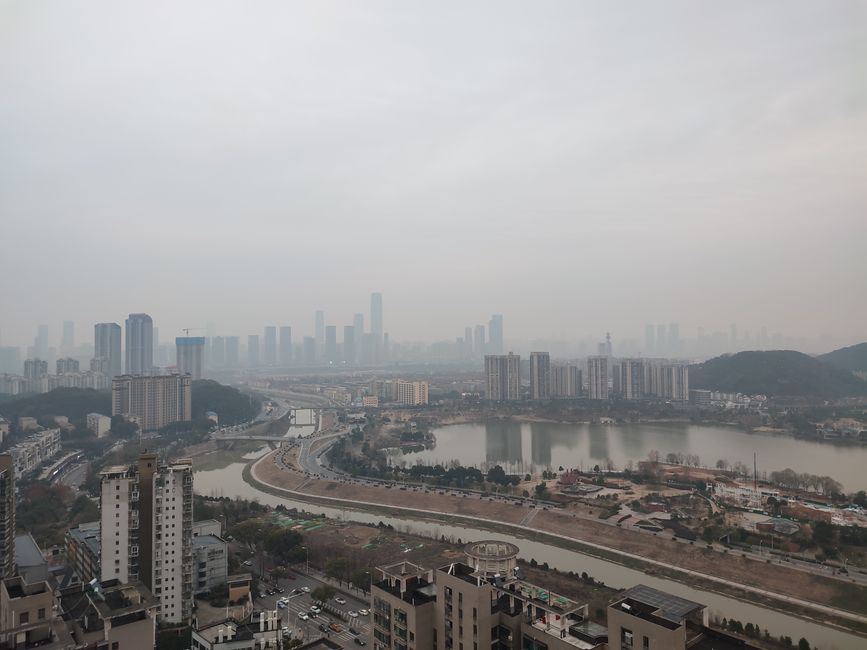
Like many rapidly developing Chinese cities, Changsha has faced air quality challenges. However, significant efforts in recent years have led to marked improvement. The air is generally cleaner than in many northern Chinese industrial hubs, especially after rains. The areas around Yuelu Mountain and the river tend to feel fresher. It's wise to check a real-time air quality index app during your visit, but don't expect the oppressive smog of decades past.
How spicy is the food really? Can I survive if I have a low tolerance?
The reputation is earned—Hunan cuisine is seriously spicy. The heat comes from fresh chilies, chili oil, and pickled peppers, creating a penetrating, lingering burn. However, all is not lost. You can politely request "wei la" (a little spicy) or "bu la" (not spicy), though some dishes' identity is tied to the heat. Focus on milder classics like Mao's Braised Pork or steamed dishes. White rice and sweet, cold drinks are your best allies to counteract the spice.
Is Changsha a good destination for English-speaking travelers?
Changsha is less internationally tourist-oriented than Beijing or Shanghai, so English proficiency among the general public is limited. However, in major hotels, upscale restaurants, tourist attractions (like the museum), and the metro system, you'll find essential English signage and some English-speaking staff. Having a translation app and a good sense of adventure is key. Locals are incredibly helpful and will often go out of their way to assist you, even through gestures.
What's the best way to experience Changsha's famous media and entertainment culture?
To feel the pulse of "Happy China," try to attend a live taping of a Hunan TV show (tickets can sometimes be arranged through your hotel or local contacts). Simply visiting the area around the Hunan Broadcasting System building in the evening is an experience—it's a hub of energy. Alternatively, spend an evening in a high-end KTV (karaoke) lounge, a pastime the city excels at, or catch a first-run movie in one of the massive, state-of-the-art multiplexes.
Are there good day trips from Changsha?
Absolutely. The most famous is a trip to the breathtaking Zhangjiajie National Forest Park (the inspiration for Avatar's Hallelujah Mountains), accessible by high-speed rail in about 2-3 hours. Closer by, the ancient town of Fenghuang (Phoenix Ancient Town), about 4 hours by road, offers stunning riverside Ming and Qing dynasty architecture. For a shorter trip, the Shaoshan village, birthplace of Mao Zedong, is about an hour away and provides deep historical context.
Is it safe to walk around Changsha at night?
Changsha is generally a very safe city, even late into the night. Areas like Pozi Street, the riverwalks, and major shopping districts are bustling with people and well-lit until the early hours. As in any major city worldwide, exercise standard precautions: be aware of your surroundings in quieter alleyways, keep valuables secure, and use licensed taxis or ride-hailing apps for long late-night journeys.


No comments:
Post a Comment