
Hanoi: Where Time Whispers and Traffic Roars
Introduction: The First Breath of Chaos
The first thing that hits you is the sound. A relentless, symphonic cacophony of a million motorbike horns, a ceaseless beeping that is less aggression and more a language of presence, a sonar pulse navigating the flow. Then, the smell—a complex, intoxicating bouquet of frangipani blossoms, rich pho broth simmering for hours, exhaust fumes, and the faint, earthy dampness of the ancient lakes. This is Hanoi, the capital of Vietnam, not a city you simply visit, but one you absorb through your pores. It's a place where the past is not preserved behind glass but lives in the cracks of the sidewalk, in the silent gaze of a grandmother in a conical hat, in the faded French colonial yellow of a crumbling villa now housing a bustling coffee shop. To walk through Hanoi is to move through layers of time, each one vibrant, chaotic, and profoundly beautiful.
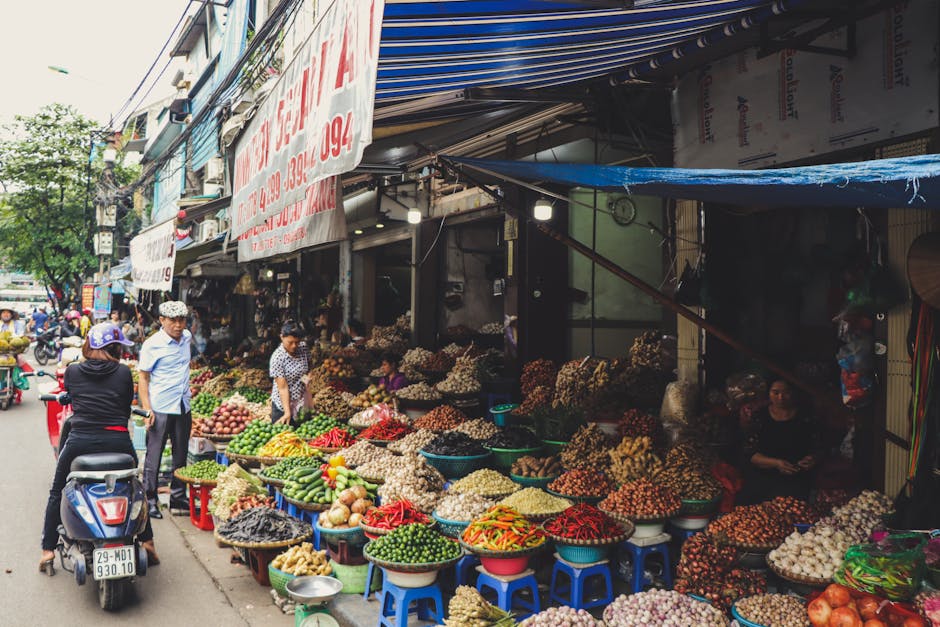
Your cinematic journey begins at dawn at Hoan Kiem Lake, the city's tranquil heart. Mist clings to the water's surface as elderly locals practice Tai Chi with a slow, fluid grace, their movements a stark, beautiful contrast to the kinetic energy about to erupt. The red-painted bridge, The Huc, leading to the Ngoc Son Temple, seems to glow in the soft morning light. This is Hanoi's gentle face, a moment of collective breath before the day's drama unfolds. But turn any corner, and the scene shifts. The Old Quarter, a maze of 36 streets each historically dedicated to a specific craft, is a sensory overload in the best possible way. On Hang Ma Street, paper votives for the dead—glittering motorbikes, suits of money, iPads—flutter like surreal leaves. The clang of blacksmiths on Hang Bac (Silver Street) provides a percussive soundtrack. Every inch of sidewalk is a stage: a woman sells steaming banh mi from a bicycle basket, a barber gives a haircut on a plastic stool, and a group of men huddle over tiny plastic tables, lost in clouds of cigarette smoke and intense games of Chinese chess.
Hanoi doesn't just show you its history; it lets you wear it. The weight of centuries is in the water-stained stones of the Imperial Citadel of Thang Long, a UNESCO site whispering of dynastic power. The solemn, profound silence of the Ho Chi Minh Mausoleum complex speaks of a more recent, revolutionary past. Yet, this gravity is perpetually lightened by the irrepressible spirit of its people—the infectious laughter of students, the entrepreneurial hustle of a street vendor, the gentle curiosity in the eyes of a cafe owner as you struggle with chopsticks. Hanoi is a city of beautiful contradictions: serene and frenetic, ancient and rapidly modernizing, solemn and joyfully loud. It asks for your full attention, rewards your curiosity, and, long after you've left, its echoes—the taste of egg coffee, the image of a tree growing through a French balcony, the specific melody of its traffic—will play on a loop in your memory.
Why Visit Hanoi: The Soul of a Nation
Why Hanoi? Because it is the keeper of Vietnam's soul. While Ho Chi Minh City pulses with futuristic ambition, Hanoi is the scholarly, poetic, and sometimes stubborn elder, holding the nation's stories in its weathered hands. It's a city that reveals itself not in grand, sweeping monuments alone, but in microscopic, daily rituals. You come here to witness a way of life that has woven modernity into a rich, ancient tapestry without unraveling its core. The essence of Vietnamese culture—respect for ancestors, the importance of community, the celebration of food as art and communion—is performed here on every street corner with an unselfconscious authenticity that is increasingly rare in the world.
You visit for the palpable sense of history that feels alive. This isn't a museum city; it's a living archive. In the Temple of Literature, Vietnam's first university, you walk among stone stelae resting on tortoise backs, inscribed with the names of scholars from nearly a millennium ago. You can almost hear the rustle of silk robes and the murmured recitations of Confucian texts. Just outside its walls, modern students in crisp white ao dai gather for graduation photos, creating a poignant continuity that spans a thousand years. This layering is everywhere: a sleek, Japanese-style coffee shop housed in a French villa, a traditional water puppet theater using ancient art to tell contemporary jokes. Hanoi offers the profound satisfaction of connection—to a long, complex, and resilient narrative.
Ultimately, you visit for the raw, unfiltered humanity. The city's magic is in its daily theater. It's in the "bia hoi" corner, where you squat on a tiny plastic stool, clinking glasses of fresh, dirt-cheap draft beer with off-duty motorbike taxi drivers and visiting academics alike. It's in the shared smile with a street food vendor when you successfully order a bowl of bun cha by pointing. It's in the unexpected quiet of a hidden courtyard pagoda, a secret pocket of incense and calm amidst the roaring storm of scooters. Hanoi challenges, enchants, and embraces. It gives you stories you couldn't have imagined, tastes you'll crave forever, and a new rhythm for your heart—one that beats to the syncopated tempo of a city forever in motion, yet eternally rooted.
When to Visit: Reading Hanoi's Seasons
Hanoi wears its seasons distinctly, each offering a different filter through which to experience the city. Choosing when to go is like choosing the genre of your cinematic adventure.
Spring (February to April) is arguably the most beautiful and poetic time. The lingering chill of winter dissipates, replaced by a gentle warmth and occasional light drizzle. The city erupts in color as flowers bloom, especially during the Tet Festival (late January/early February), when peach blossoms and kumquat trees adorn every home and shop. The air is festive, though be warned: Tet is a family time, and many businesses close as locals return to their hometowns. It's a unique cultural window, but plan for limited services.
Autumn (September to November) is Hanoi's beloved season, and for good reason. The weather is near-perfect: sunny days with clear, blue skies, cool, dry breezes, and a golden, honeyed light that bathes the French Quarter in a particularly romantic glow. This is the ideal time for long, aimless walks around the West Lake, sipping coffee on a balcony, and enjoying street food without sweating profusely. It's the peak season for a reason, so expect more tourists and book accommodations well in advance.
Summer (May to August) is intense. Heat and humidity descend with a palpable weight, punctuated by sudden, torrential downpours that flood streets within minutes, only to be steamed away by the sun an hour later. It's chaotic, vibrant, and demands a slower pace. Embrace the rhythm: explore museums and temples in the morning, retreat for a long, iced-coffee-fueled siesta in the afternoon, and emerge when the city does in the cooler, electric evenings.
Winter (December to January) can be surprisingly cold and damp, a persistent, grey chill that seeps into your bones. Pack a proper jacket. But this season has its own charm: the iconic dish of pho tastes even more comforting, the coffee shops feel cozier, and you'll see locals bundled in puffy jackets and face masks against the cool air—a sight that contradicts tropical expectations. It's a more subdued, local-feeling Hanoi.
How to Get There: Gateways to the Grand Theatre
Your journey to Hanoi begins at Noi Bai International Airport (HAN), located about 45 minutes to an hour from the city center. It's a modern, efficient gateway that immediately introduces you to Vietnamese efficiency. Upon exiting baggage claim, you're greeted by the familiar hum of negotiation. For your transfer, you have several cinematic options. The most reliable and hassle-free for a first-timer is to book a private car or van through your hotel. It's a seamless transition, watching the urban sprawl gradually condense into the dense, thrilling chaos of the city.
For the more adventurous and budget-conscious, the official airport taxi queue is your next best bet. Insist on using the meter (or agree on a firm price of around 300,000-350,000 VND to the Old Quarter before getting in). The drive itself is an introductory scene: you'll pass vast rice paddies giving way to new industrial zones, then finally cross the iconic red-painted Nhat Tan Bridge over the Red River, offering your first panoramic glimpse of the city ahead.
The true immersion, however, begins with the humble bus. Public bus #86 runs from the airport to the Hanoi Railway Station, right near the Old Quarter, for a mere 45,000 VND. It's slow, it's crowded, but it's a raw, real slice of local life from minute one. For the ultimate "arrival scene," consider arriving by train. The Reunification Express from Ho Chi Minh City is a legendary, two-day journey up the coast, culminating at the grand, colonial-era Hanoi Railway Station. Stepping off that train, you feel you've earned your place in the city's narrative.
Accommodation: Your Stage in the City
Where you stay in Hanoi dramatically shapes your experience. The city offers a spectrum of lodgings, from historic grand hotels to hidden family-run guesthouses.
For your first act, base yourself in or around the Old Quarter. This is the beating heart, the sensory epicenter. Here, you'll find a dense concentration of boutique hotels and hostels, often tucked away in narrow, tall tube houses. Waking up here means stepping directly onto the stage: the morning market sounds, the scent of breakfast being prepared on every corner, the immediate accessibility to street food and shops. It's chaotic, exhilarating, and never sleeps. Look for places with balconies overlooking the street theatre below—your private box seat to the greatest show on earth.
For a slightly more refined, yet still central, experience, the French Quarter (south of Hoan Kiem Lake) offers a different ambiance. This area is characterized by wide, tree-lined boulevards, grand colonial villas, government buildings, and upscale boutiques. The hotels here often occupy beautifully restored French mansions, offering a sense of old-world elegance and quiet. It's a short, pleasant walk to the chaos of the Old Quarter, but you return to an oasis of relative calm. This is the neighborhood for history buffs and those who appreciate architectural grandeur.
For longer stays or a more residential feel, the areas around West Lake and Tay Ho are popular with expats and offer a more relaxed, suburban vibe. You'll find modern serviced apartments, international restaurants, and lakeside cafes perfect for jogging or cycling. It's quieter, but you'll rely more on taxis or Grab bikes to reach the central tourist core. For a truly unique and serene experience, consider a homestay in one of the ancient villages now absorbed into the city, like Nhat Tan flower village, where you can sleep amidst peach blossom gardens.
Things to Do: The City's Greatest Scenes
Hanoi's narrative unfolds through its activities. Don't just sightsee; participate.
Begin with the Old Quarter Wander. Ditch the map. Get lost in the labyrinth of 36 Streets. Let your senses guide you: follow the smell of leather on Hang Quat, the sound of clinking ceramics on Hang Chieu, the vibrant silks on Hang Gai. This is pure, immersive cinema. Stop for an egg coffee at a hidden cafe on the second floor of a crumbling building, watching the world flow like a river below.
Pay your respects at the Ho Chi Minh Mausoleum Complex. The experience is one of solemn, almost surreal, orderliness. File silently past the preserved body of "Uncle Ho" in the stark, granite mausoleum, then explore the surrounding grounds: his modest stilt house, the magnificent Presidential Palace, and the unique One Pillar Pagoda, resembling a lotus blossom rising from the water. It's a crucial chapter in understanding modern Vietnam.
Seek wisdom at the Temple of Literature. This sanctuary of stone and greenery, dedicated to Confucius and scholars, is a haven of tranquility. Wander the five courtyards, find your birth year's animal on the stone tortoises, and watch calligraphers at the entrance paint poetic blessings on red paper. It's a place that inspires quiet reflection.
Embrace the water at West Lake and Tran Quoc Pagoda. Rent a bicycle and circle the vast West Lake, stopping at lakeside cafes for a fresh coconut. Visit Tran Quoc Pagoda, the city's oldest, its red pagoda beautifully contrasting with the blue lake, especially at sunset. For a more intimate water experience, take a cyclo ride around Hoan Kiem Lake at dusk when the city lights reflect on the water and the pace slows to a gentle roll.
Immerse yourself in art and history. The Vietnam Museum of Ethnology (a taxi ride away) is a world-class museum showcasing the country's diverse ethnic groups with stunning indoor and outdoor exhibits. The Hoa Lo Prison Museum ("Hanoi Hilton") offers a sobering, complex look at the colonial and wartime past from a Vietnamese perspective. For contemporary art, seek out the galleries in the French Quarter.
End a day with a quintessential Hanoi performance: Water Puppetry at the Thang Long Theatre. This ancient art form, born in the rice paddies of the Red River Delta, is a delightful spectacle of music, myth, and splashing water. Lacquered wooden puppets dance, fight, and fly across a liquid stage, telling folk tales with humor and charm. It's a magical, must-see finale to any day.
Food and Drink: The Culinary Symphony
Eating in Hanoi is the main event, a continuous, delicious plotline. The city is the undisputed culinary capital of Vietnam, the birthplace of iconic dishes that have conquered the world.
Your pilgrimage starts with Pho. Forget what you've had elsewhere. Hanoi pho is a cleaner, purer symphony. The broth, simmered for hours with beef bones and charred ginger and onion, is clear, fragrant, and profound. It's served with just rice noodles and slices of beef (Pho Bo) or chicken (Pho Ga), accompanied by fresh herbs, lime, and chili. Try it at a legendary spot like Pho Thin or Pho Gia Truyen, sitting on plastic stools, elbow-to-elbow with locals at 7 AM.
Then, there's Bun Cha. Grilled, savory pork patties and slices of belly served in a bowl of sweet, tangy, fish-sauce-based broth with a side of rice vermicelli and a mountain of fresh herbs. It's a DIY feast, a perfect balance of smoky, sweet, sour, and fresh. Anthony Bourdain famously shared this with President Obama in Hanoi, and you can eat at the same humble spot.
Don't miss Banh Mi. The Vietnamese baguette, a legacy of French colonialism, is crisper, airier. Stuffed with pate, cold cuts, cilantro, cucumber, pickled daikon, and chili, it's a perfect fusion. Grab one from a street cart for an on-the-go masterpiece. For something uniquely Hanoian, seek out Cha Ca. This turmeric-marinated fish, fried tableside with dill and spring onions, served with noodles and peanuts, is so iconic it has its own street named after it: Cha Ca Street.
And then, the coffee. Hanoi's coffee culture is a religion. Ca Phe Sua Da (iced coffee with sweet condensed milk) is the classic. But the revelation is Ca Phe Trung—egg coffee. A creamy, meringue-like froth of whipped egg yolk, sugar, and robusta coffee, served hot or cold. It's like a tiramisu in a cup. Sip it at Cafe Giang, where it was invented, or in any of the city's myriad hidden cafes, often accessed through narrow alleyways and up multiple flights of stairs.
Practical Tips: Navigating the Script
Crossing the Street: This is your survival skill. Don't hesitate, don't run. Step off the curb with purpose, walk at a slow, steady pace, and maintain eye contact with oncoming drivers. They will flow around you like water around a stone. Trust the process.
Money: The Vietnamese Dong (VND) comes in bewilderingly large denominations. Carry a mix of cash (for street food and small shops) and cards (for hotels and nicer restaurants). ATMs are widespread. Always check your change carefully.
Bargaining: Expected in markets and with street vendors (not in fixed-price shops or restaurants). Be polite, smile, and be prepared to walk away. The goal is a fair price, not the absolute lowest.
Transport: Download the Grab app (Southeast Asia's Uber) for bikes and cars. It's cheap, efficient, and eliminates price negotiation. For short trips, a xe om (motorbike taxi) is a thrilling, authentic experience—just agree on the price first.
Health: Drink only bottled or filtered water. Eat at busy street stalls where the turnover is high. Pack stomach remedies just in case. The humidity can be draining, so stay hydrated.
Respect: Dress modestly when visiting temples and pagodas (cover shoulders and knees). Remove your shoes when entering someone's home or certain shops. A few basic Vietnamese phrases (Xin Chao - hello, Cam on - thank you) go a very long way.
Suggested Itinerary: A Four-Day Epic
Day 1: The Heartbeat of the Old Quarter. Morning at Hoan Kiem Lake and Ngoc Son Temple. Get lost in the Old Quarter, exploring the different craft streets. Lunch on Bun Cha. Afternoon visit to the Hoa Lo Prison Museum for historical context. Evening Water Puppet show, followed by a street food dinner tour to dive headfirst into the culinary scene.
Day 2: History & Refinement. Early morning visit to the Ho Chi Minh Mausoleum complex (note: closed Mon/Fri and afternoons). Walk to the nearby Temple of Literature. Afternoon exploring the elegant French Quarter, St. Joseph's Cathedral, and boutique shopping. Sunset drinks at a rooftop bar overlooking the lake. Dinner at a restaurant specializing in Cha Ca.
Day 3: Culture & Local Life. Take a Grab bike to the Vietnam Museum of Ethnology for a deep dive into the country's cultural diversity. After lunch, visit the serene Tran Quoc Pagoda on West Lake. Rent a bicycle or take a leisurely walk around part of the lake. In the late afternoon, experience the train street (if accessible) or find a hidden coffee shop for egg coffee. Enjoy a farewell dinner at a more upscale Vietnamese restaurant.
Day 4: Deeper Exploration or Day Trip. Option A: Explore the Imperial Citadel of Thang Long and the nearby Vietnam Military History Museum. Option B (Highly recommended): Take a day trip to the ethereal beauty of Halong Bay or the less-crowded Ninh Binh province (known as "Halong Bay on Land"), with its stunning riverine landscapes and ancient temples.
Conclusion: The Echo That Remains
Leaving Hanoi, you don't feel like you've checked off a destination. You feel like you've left a piece of yourself behind, tangled in the roots of a banyan tree by the lake, dissolved in the last sip of sweet, strong coffee, carried away on the perpetual river of motorbikes. The city's initial assault on your senses transforms into a kind of addictive rhythm, a chaotic harmony you begin to understand and even miss. Hanoi teaches you to find profound stillness in the middle of a roaring intersection, to discover exquisite beauty in the worn and weathered, to value the connection forged over a shared bowl of soup on a sidewalk.
It is more than the capital of Vietnam; it is the keeper of the nation's memory and the engine of its contemporary spirit. It is a city that refuses to be a mere backdrop; it is a demanding, generous, unforgettable co-star in your travel story. You will carry its soundtrack—the beep-beep-beep, the sizzle of the grill, the whisper of the lake—and its taste, the umami of fish sauce, the bitterness of robusta, the sweetness of condensed milk. Hanoi doesn't just stay with you; it becomes a part of your sensory vocabulary, a vivid, beautiful, and complex dream you once lived, and will forever long to revisit.
Frequently Asked Questions About Hanoi
Is Hanoi safe for tourists?Hanoi is generally very safe for tourists, even solo travelers. Violent crime is rare. The primary concerns are petty theft (keep bags secure, especially in crowded areas) and traffic safety. Be extremely vigilant when walking and crossing streets. Scams can occur, particularly with taxi drivers not using meters, so using the Grab app is highly recommended for transparent pricing.
What should I pack for a trip to Hanoi?Pack light, breathable clothing for the heat and humidity, but include a light sweater or jacket for air-conditioned spaces and the cooler winter months. Comfortable walking shoes are non-negotiable. Include modest clothing that covers shoulders and knees for temple visits. Essentials include sunscreen, a hat, insect repellent, a reusable water bottle with a filter, a universal power adapter, and any personal medications. A small backpack for daily excursions is very useful.
Do I need a visa to visit Vietnam?Visa requirements vary greatly by nationality. Many European and Asian countries enjoy visa-free stays for periods ranging from 14 to 90 days. Citizens of the US, Canada, Australia, and others typically require a visa. You can often obtain an e-Visa (single-entry, 90 days) online through the official government portal, or arrange a visa approval letter for a visa on arrival. Always check the latest requirements with the Vietnamese embassy or a reliable visa service well in advance of your trip.
How do I get around within Hanoi?Walking is the best way to explore the compact Old Quarter and lake areas. For longer distances, use the Grab app for motorbike taxis (xe om) or cars—it's affordable and avoids haggling. Traditional taxis are available (use reputable companies like Mai Linh or Taxi Group) but insist on the meter. Cyclos (pedicabs) are a scenic, slow option for short tourist routes, but agree on a price beforehand. The public bus system is extensive and incredibly cheap, but can be challenging for non-Vietnamese speakers.
Is Hanoi suitable for families with children?Yes, with some planning. Hanoi is incredibly stimulating for children, full of colors, interesting foods, and unique experiences like water puppet shows. However, the chaotic traffic, noise, and intense crowds can be overwhelming. Choose accommodation with a pool or quiet space for downtime. Stick to pedestrian-friendly areas, use Grab cars instead of bikes for transport, and embrace early dinners before the late-night street food crowds descend. Many museums and attractions are child-friendly.
What is the local etiquette I should be aware of?Always use both hands when giving or receiving something, especially money or a business card. Avoid public displays of affection. Do not touch anyone's head, as it is considered the spiritual center. When visiting homes or pagodas, remove your shoes. It's polite to return a smile. While bargaining is expected in markets, do so with a smile and good humor—it's a social interaction, not a confrontation. Learning a few basic Vietnamese phrases is greatly appreciated.
Can I drink the tap water in Hanoi?No, you should not drink the tap water. Always drink bottled water, which is widely available and inexpensive. Many hotels and guesthouses provide complimentary bottled water daily. Use bottled water for brushing your teeth as well. When eating at street stalls, avoid ice unless you are sure it's made from purified water (many places now use bagged, factory-made ice which is safe). Stick to peeled fruits and cooked foods to minimize any risk of stomach issues.


No comments:
Post a Comment