
Hoi An: A Lantern-Lit Dream on the Thu Bon River
Introduction
The first time you see Hoi An, it feels less like arriving in a town and more like stepping into a watercolor painting that has bled, gloriously, into reality. The journey ends, the engine noise fades, and a profound, golden silence descends. This is a place where time has not so much stopped as it has agreed to meander, to flow with the gentle current of the Thu Bon River. The air is thick with the scent of frangipani and river silt, of woodsmoke from a distant kitchen and the faint, sweet perfume of incense escaping from a hidden family altar. You hear the soft clatter of wooden clogs on ancient flagstones, the murmur of bargaining in the market, the rhythmic dip of an oar as a sampan glides by. This is Hoi An, Vietnam, a UNESCO World Heritage site that is not a museum, but a living, breathing poem.
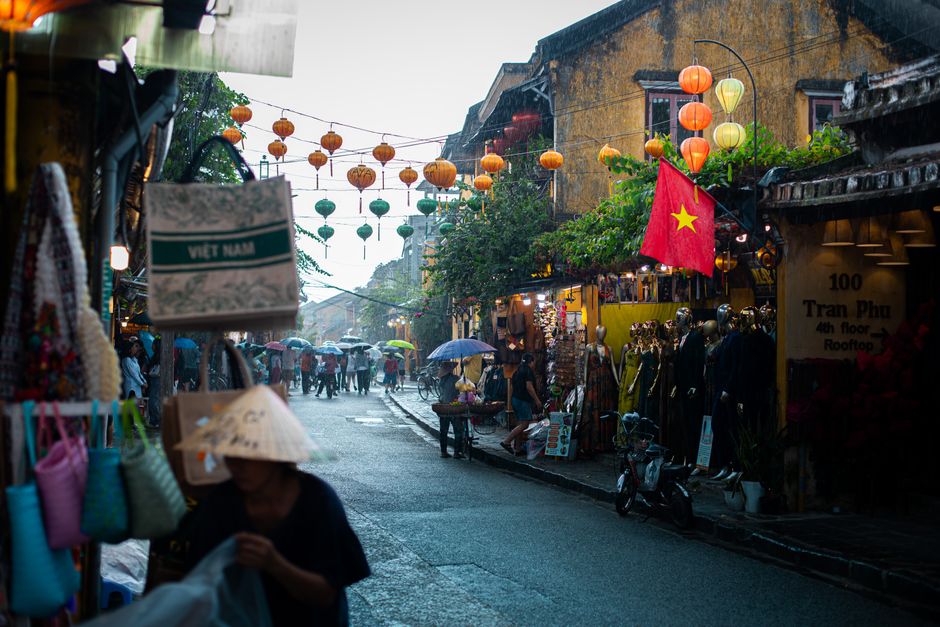
Imagine a town painted entirely in the warm, sun-bleached palette of a colonial dream: walls of ochre yellow, shutters of faded turquoise, roofs of terracotta tile furred with moss. Silk lanterns, in every conceivable hue from crimson to saffron to jade, hang like ripe, luminous fruit from every porch and alleyway. By day, they are cheerful ornaments. But as dusk approaches, they begin to glow from within, transforming the streets into a constellation of soft, dancing light. The Thu Bon River becomes a mirror for this spectacle, doubling the magic until the world seems to dissolve into a shimmering dreamscape. This is the iconic postcard, the cinematic moment you've been promised. But Hoi An's soul is deeper, woven into the very fabric of its weathered timbers and the quiet smiles of its people.
For centuries, this was a bustling international port, a crucible where Vietnamese, Chinese, Japanese, and European cultures met and mingled. You can read this history in the architecture: the ornate, tile-roofed Chinese assembly halls with their coils of incense smoke; the elegant Japanese Covered Bridge with its guardian temple; the French-colonial villas with their shuttered windows and airy balconies. It's a story told in the food, a unique fusion born of global trade, and in the faces of the artisans who still craft custom silk suits and leather shoes with a patience that feels utterly foreign to the modern world. To visit Hoi An is to engage all your senses. You will feel the cool, smooth texture of ancient wood under your fingertips, taste the explosive freshness of herbs in a bowl of Cao Lau, and be lulled to sleep by the rhythmic chorus of geckos. It is an immersion, not just a visit. It is a feeling you will carry with you long after the lanterns have dimmed.
Why Visit Hoi An?
Why does Hoi An, Vietnam, cast such a powerful spell? In a country famed for its frenetic energy and dramatic landscapes, Hoi An offers a different tempo: the profound beauty of stillness. It is a sanctuary for the senses and the spirit. Unlike many heritage sites that feel preserved under glass, Hoi An pulses with life. Yes, you come for the iconic lantern town with yellow walls and riverside charm, but you stay for the intangible magic that seeps into your bones. It's a place that reminds you how to wander without a destination, to appreciate craft over convenience, and to find joy in simple, beautiful moments.
For the romantic, it is arguably the most enchanting town in Southeast Asia. There is no more potent symbol of this than the monthly Lantern Festival. On the 14th day of each lunar month, the town switches off its electric lights, and the river becomes a canvas for hope. You can purchase a small paper lotus lantern, light its candle, and set it afloat on the water. As you watch your tiny vessel join a flotilla of flickering wishes drifting downstream, you participate in a centuries-old ritual of releasing troubles and welcoming good fortune. It's a moment of collective, silent poetry that connects you to every other soul on the riverbank.
For the culturally curious, Hoi An is a living museum of craftsmanship. This is a town where you can commission a bespoke wardrobe in 24 hours. Master tailors, with tape measures draped around their necks, will guide you through bolts of sumptuous silk and fine linen. Cobblers will trace your feet on paper and create shoes that fit like a second skin. The legacy of artisanship is everywhere, from the intricate wood carvings in the old houses to the women who still weave the iconic "Hoi An" baskets on the outskirts of town. To engage with these crafts is to connect with a lineage of skill that modern mass production has all but erased elsewhere. You don't just buy a souvenir; you become part of a story.
When to Visit
Timing your visit to Hoi An is about chasing the light and avoiding the flood. The town experiences two distinct seasons, each painting it in a different character. The dry season, from February to July, is widely considered the ideal window. These months gift you with long, sun-drenched days, low humidity, and calm, blue skies—perfect for cycling through the rice paddies, lounging on nearby An Bang Beach, and exploring the ancient town without breaking a sweat. The temperatures are warm but pleasant, especially in the spring months of February to April, when the light is particularly soft and golden, making the yellow walls seem to glow from within.
The wet season, from August to January, is a more dramatic, temperamental affair. The heat and humidity peak, and the sky can switch from brilliant sunshine to a torrential downpour in minutes. But this season has its own fierce beauty. The rains wash the streets clean, deepen the green of the surrounding countryside, and often clear out the crowds, leaving you with a more intimate experience. The critical period to watch is October and November, when Hoi An can experience significant flooding. While the town is remarkably resilient—with raised walkways and a community that treats flooding as a routine event—it can disrupt travel plans and limit access to some areas. However, seeing the lanterns reflected in flooded streets is an unforgettable, if surreal, sight. For a balance of good weather and manageable crowds, aim for the shoulder months of February or late July.
How to Get There
Your journey to the lantern-lit dream of Hoi An, Vietnam, typically begins in the air. The nearest major airport is Da Nang International Airport (DAD), a modern and well-connected gateway about 30 kilometers north. Da Nang receives direct flights from major Southeast Asian hubs like Bangkok, Singapore, and Kuala Lumpur, as well as domestic flights from Hanoi and Ho Chi Minh City. As your plane descends, you might catch a glimpse of the Marble Mountains and the sprawling coastline before touching down.
From Da Nang airport, the final leg of your journey is a short but scenic 45-minute transfer. The most convenient option is to pre-book a private car or taxi, which will cost a reasonable fixed rate. As you leave the urban sprawl of Da Nang behind, the scenery transforms. You'll pass the majestic Marble Mountains, then roll through villages and endless emerald-green rice paddies, with the distant silhouette of the Annamite Mountains framing the horizon. For the adventurous, local buses run this route for a few dollars, offering a truly authentic immersion into local life. Some travelers also choose to base themselves in Da Nang and make a day trip to Hoi An, but this is a profound disservice to the experience. Hoi An's magic is most potent in the early morning and after the day-trippers have left. To feel its true heartbeat, you must stay within its gentle embrace overnight.
Accommodation
Where you lay your head in Hoi An is integral to the story of your visit. The town offers a spectrum of stays, from riverside boutique hotels to family-run homestays in the surrounding countryside. For first-time visitors who want to be in the thick of the atmospheric magic, staying within or just on the outskirts of the Ancient Town is key. Here, you'll find beautifully restored heritage properties—former merchant houses with inner courtyards, wooden balconies overlooking lantern-strung streets, and pools that feel like secret gardens. Waking up to the sound of the town stirring, and being able to step directly into its quiet morning streets before the crowds arrive, is a privilege worth the splurge.
For a more serene and spacious experience, consider the peaceful lanes along the Thu Bon River, just a 5-10 minute walk from the central core. These villas and smaller hotels often have stunning river views and offer a tranquil retreat after a day of exploration. If you crave a blend of culture and coast, the nearby An Bang Beach area is a fantastic choice. A short bicycle or taxi ride from town, this stretch of sand is lined with stylish bungalows, chic resorts, and fantastic beachfront bars. You can spend your mornings exploring the ancient streets and your afternoons swimming in the sea—the perfect duality. For the ultimate immersive experience, a homestay in the Cam Thanh coconut palm village or the Tra Que vegetable village puts you right in the heart of local life. You'll sleep in a simple but comfortable room, share meals with a Vietnamese family, and learn firsthand about their daily rhythms and traditions.
Things to Do
In Hoi An, the greatest activity is often simply to be. To wander. To get deliciously lost in the maze of back alleys where laundry hangs like colorful banners and old men play checkers in the shade. Start your day at dawn. The streets, still cool and damp, belong to the locals: women in conical hats setting up market stalls, shopkeepers sweeping their thresholds, the scent of freshly baked bread mingling with coffee. Have a strong Vietnamese *ca phe sua da* at a streetside stall and watch the town wake up. Then, purchase a ticket for the Hoi An Ancient Town, which grants you entry to a selection of five heritage sites. This is your key to stepping inside history.
Make the iconic Japanese Covered Bridge your first landmark. Feel the worn stone underfoot and admire the intricate carvings of monkeys and dogs, the guardians of the bridge. Explore the atmospheric assembly halls, like the Fujian Assembly Hall, a riot of color and intricate statuary dedicated to the sea goddess Mazu. Step into a preserved merchant house, such as Tan Ky House, and run your hand over the centuries-old wood, marveling at the blend of Vietnamese, Chinese, and Japanese architectural elements. The past here is not behind glass; it's in the very air you breathe.
But Hoi An's canvas extends far beyond its yellow walls. Rent a bicycle—the quintessential mode of transport—and pedal into the countryside. Within minutes, you're in another world. The soundtrack changes to the buzz of insects and the splash of water wheels. Cycle through the water coconut palm forests of Cam Thanh, where you can take a thrilling basket boat ride through the narrow, green waterways. Visit the Tra Que vegetable village, where farmers still use traditional methods to grow the fragrant herbs that define Hoi An's cuisine. You can even join a cooking class here, harvesting your own ingredients before learning to craft the perfect fresh spring roll.
As afternoon wanes, make your way to An Bang or Cua Dai Beach. Feel the warm South China Sea on your skin and watch fishing boats bob on the horizon from a bamboo beach bar. Return to town as the light turns golden. This is the time for tailoring consultations, for browsing the vibrant Central Market, and for finding the perfect spot by the river to witness the daily alchemy of sunset. When darkness falls, the lanterns ignite. Take a sunset boat ride on the Thu Bon, a mere 20-minute journey that offers the most breathtaking perspective of the lantern town. From the water, with the soft lapping of waves against the hull, Hoi An looks like a dream floating on the surface of the night.
Food and Drink
To eat in Hoi An is to understand its soul. The cuisine here is a direct legacy of its port history, featuring dishes you simply cannot find anywhere else in Vietnam with the same authenticity. The king of this culinary kingdom is Cao Lau. This dish is Hoi An in a bowl: thick, chewy noodles made with water from a specific ancient well in town, topped with slices of juicy barbecue pork, crispy croutons, fresh herbs, and bean sprouts, all brought together with a light, savory broth. Each component tells a story of local specificity. Then there's White Rose Dumplings (*Banh Bao Vac*), delicate shrimp-filled dumplings shaped like roses, made by a single family who guards the recipe. They are a work of edible art, steamed to translucent perfection and dusted with crispy shallots.
Your culinary adventure must include the bustling Central Market. In the morning, head to the food hall upstairs. Pull up a tiny plastic stool and point to what looks good. Try the Mi Quang, another regional noodle dish with turmeric-infused broth, or a Banh Mi from the legendary Banh Mi Phuong, made famous by Anthony Bourdain—a symphony of pate, cold cuts, and pickled vegetables in a crusty baguette. As evening falls, the riverfront transforms into a street food paradise. Grills smoke with sizzling seafood, and vendors call out their specialties. Don't miss Banh Xeo, a crispy, savory turmeric crepe filled with shrimp and bean sprouts, which you wrap in rice paper and herbs and dip in a tangy sauce. Wash it all down with a glass of fresh sugarcane juice or a local beer. For coffee lovers, the unique Egg Coffee (*Ca Phe Trung*)—a rich, sweet, custard-like foam atop strong coffee—is a must-try decadence.
Practical Tips
Navigating Hoi An's charm is easier with a few insider notes. First, the Ancient Town Entrance Ticket. You'll need to purchase one (a modest fee) to enter the core heritage area and to visit any of the ticketed old houses, assembly halls, or museums. It's valid for your entire stay and covers five sites, so keep it safe. While the town is very walkable, cyclos (pedicabs) and bicycles are wonderful for tired feet or exploring further afield; agree on a price beforehand. For tailoring, do your research: bring clear photos or samples of what you want, allow time for multiple fittings, and don't be afraid to be very specific about adjustments. Quality varies, so read recent reviews.
Bargaining is expected in markets and with most street vendors (but not in fixed-price shops or restaurants). Do so with a smile and good humor—it's part of the interaction. Carry small denominations of Vietnamese Dong, as many small vendors won't accept large bills. While English is widely spoken in tourist areas, learning a few basic Vietnamese phrases like Xin Chao (hello) and Cam On (thank you) will be warmly appreciated. Finally, respect the culture. Dress modestly when entering temples or pagodas (covering shoulders and knees), and always ask permission before taking close-up portraits of people, especially the elderly or market vendors.
Suggested Itinerary
Day 1: Immersion in the Ancient Heart. Arrive and settle into your accommodation. Spend the late afternoon on a leisurely, disorienting wander through the Ancient Town's lanes, letting your senses guide you. As the sun sets, find a riverside café. After dark, experience the lantern magic with a short boat ride on the Thu Bon River, followed by a street food dinner at the night market.
Day 2: Heritage & Craftsmanship. Rise early to see the town in its peaceful morning state. Use your heritage ticket to visit the Japanese Covered Bridge, an Assembly Hall of your choice, and a merchant house. In the afternoon, embark on your tailoring or shoemaking adventure with a consultation. Later, cycle to An Bang Beach for a swim and a sunset cocktail at a beach bar before returning for a dinner of Cao Lau or White Rose dumplings.
Day 3: Countryside & Culture. Take a morning bicycle or scooter tour into the countryside. Visit the Tra Que vegetable village, perhaps joining a cooking class, and glide through the water coconut palms of Cam Thanh in a basket boat. Return to town for a final fitting of your custom clothing. Spend your last evening soaking in the atmosphere, perhaps catching the Lantern Festival if your timing aligns, and enjoying a special farewell dinner.
Day 4: Departure or Extension. For those with more time, consider a day trip to the imperial city of Hue, the Marble Mountains, or the stunning My Son Sanctuary, the ancient Hindu temple ruins of the Champa Kingdom located a short drive away.
Conclusion
Leaving Hoi An, Vietnam, is a gentle ache. You carry with you the scent of tailor's chalk and night-blooming jasmine, the memory of lantern light dancing on dark water, the taste of herbs picked just moments before they hit your bowl. It is a place that operates on a human scale, where beauty is not a spectacle to be viewed but an environment to be lived within. The lantern town with yellow walls and riverside charm is the postcard, but the true souvenir is the quiet recalibration of your spirit. Hoi An teaches you to appreciate slowness, to find wonder in craftsmanship, and to understand that the most powerful memories are often woven from the simplest threads: a shared smile with a vendor, the cool relief of a breeze on a hot day, the collective, hopeful silence as a thousand paper wishes float down a river under a velvet sky. It is not just a destination on a map; it is a state of mind, a golden, lantern-lit dream you'll long to return to, again and again.
Frequently Asked Questions
Is Hoi An too touristy?
Hoi An is undoubtedly popular, and the central Ancient Town can be crowded during the day with tour groups. However, its magic is resilient. By staying overnight, you reclaim the town in the early mornings and evenings after the day-trippers leave. Venturing just a few blocks from the main streets or into the surrounding countryside instantly immerses you in authentic, tranquil Vietnamese life.
How many days do I need in Hoi An?
A minimum of two full days is essential to experience the town's dual character: one day to explore the Ancient Town and its heritage sites, and another to bicycle into the surrounding countryside and visit the beach. Three to four days is ideal, allowing time for tailoring, a cooking class, day trips, and simply soaking up the atmosphere at a leisurely pace.
Is Hoi An good for families?
Absolutely. Hoi An is safe, walkable, and offers engaging activities for all ages. Kids love the boat rides, bicycle trips through rice paddies, basket boat adventures in the coconut palms, and the sheer magic of the lanterns. The food is also generally kid-friendly, with plenty of noodle and rice dishes.
What should I get tailored in Hoi An?
The classics are always a great choice: a silk dress, a linen suit, a winter coat, or a casual shirt. Bring photos or a sample garment you love for the tailor to replicate. For shoes, leather ankle boots, loafers, or sandals are popular. Remember to factor in time for at least two or three fittings for the best results.
Can I use US dollars or credit cards in Hoi An?
While some larger hotels and high-end shops may accept US dollars or credit cards, the local currency, Vietnamese Dong (VND), is king, especially in markets, with street food vendors, and in small shops. ATMs are widely available. It's best to carry a mix of cash (in small denominations) and a card for backup.
Is it easy to get to the beach from Hoi An?
Yes, very easy. An Bang Beach is about a 10-15 minute bicycle or taxi ride from the Ancient Town. The path is flat and scenic, passing through rice fields. Taxis and ride-hailing apps like Grab are also readily available and inexpensive for the short trip.


No comments:
Post a Comment