
Huizhou: Where Ancient Rivers Whisper to a Modern Sea
Introduction
The first thing you notice is the scent—a complex, layered perfume that hangs in the humid air. It's the damp, mineral breath of ancient stone, the sweet, heavy fragrance of osmanthus blossoms, and a distant, briny whisper from the South China Sea. This is the olfactory overture to Huizhou, a city that refuses to be defined by a single note. You arrive expecting one story, perhaps that of a growing industrial center in the Pearl River Delta region, a cog in the mighty machine of Guangdong province. But Huizhou, with the quiet confidence of a scholar-poet, unfolds a different, more profound narrative. It is a place where time flows like the Dongjiang River: sometimes a rushing, modern current, and other times a meandering, ancient stream pooling around mossy stones.
Let your mind's eye paint the scene. To the east, the jagged, emerald-green silhouettes of the Luofu Mountain range pierce the mist, their peaks often shrouded in clouds that look like torn silk. These are not just mountains; they are one of the birthplaces of Taoism in southern China, their slopes dotted with temples that seem to grow organically from the rock, where the incense smoke curls as patiently as the centuries. Now, pan your gaze west, to the coastline. Here, the South China Sea crashes against golden arcs of sand like Xunliao Bay and the delicate, island-studded embrace of the Daya Bay. The air here tastes of salt and freedom, a stark contrast to the mountain's contemplative stillness.
And in between these natural bookends lies the living heart of the city—a tapestry woven with threads of history, industry, and daily life. You can walk through the old streets of Huizhou's ancient city, where the cobblestones are worn smooth by a thousand years of footsteps, and the white-walled, black-tiled Hui-style houses lean close, sharing secrets. Then, a short drive away, you're amidst the gleaming, geometric landscapes of a 21st-century economic powerhouse, a silent testament to the region's relentless drive. This duality isn't a conflict; it's a conversation. It's the echo of a Tang dynasty poet's verse bouncing off the glass facade of a new tech hub. The city doesn't ask you to choose between its past and its future; it invites you to stand at the intersection and feel the vibrant hum of both.
I remember sitting on a worn stone step by the West Lake, a landscape that has inspired painters for a millennium. Willow fronds dipped into the jade-green water, tracing lazy circles. An old man practiced tai chi with a slowness that felt like a counter-melody to the city' distant pulse. Then, from a pocket, a smartphone chirped a modern tune. He didn't miss a beat, flowing from 'White Crane Spreads Its Wings' into a casual conversation. That moment, so perfectly unscripted, captured Huizhou's essence: a deep, unbroken connection to a refined, artistic heritage, seamlessly integrated with the rhythm of now. This is not a museum piece; it's a living, breathing, evolving entity. To travel to Huizhou is to engage in this layered dialogue, to discover that the most compelling destinations are often those that hold multiple truths in a single, breathtaking glance.
Why Visit Huizhou?
Why Huizhou? In a region dotted with megacities shouting their achievements from towering skylines, Huizhou offers a compelling, nuanced whisper. It is the antidote to the monolithic travel experience. Here, you are not a passive spectator but an active participant in a journey that spans spiritual peaks, historical waterways, and serene coastlines, all within the framework of a dynamic modern China. You visit not to check a famous landmark off a list, but to feel the gradient shift from profound tranquility to buzzing vitality, often within the span of a single day.
For the soul-seeker, the Luofu Mountains offer a sanctuary. Hiking its trails is a pilgrimage through dappled light and echoing silence, broken only by the chime of a temple bell or the rush of a hidden waterfall. You can visit the Chongxu Temple, a foundational site of Taoist alchemy, and feel the weight of centuries of contemplation seep into your bones. It's a place to breathe deeply, to let the mist cleanse more than just your skin. Contrast this with the visceral, bodily joy of the coast. Sinking your feet into the warm, golden sand of Xunliao Bay, feeling the South China Sea's cool embrace, and watching fishing boats bob on a horizon painted with spectacular sunsets provides a pure, elemental release. Huizhou gives you both the mountain's introspection and the sea's exuberance.
Then there's the unique narrative of coexistence. Witnessing Huizhou's evolution as a growing industrial center in the Pearl River Delta region isn't about touring factories; it's about understanding the living texture of contemporary China. You see it in the efficient new high-speed rail stations, in the vibrant night markets where workers and families mingle over sizzling street food, and in the palpable sense of aspiration that hums in newer districts. This modern energy doesn't obliterate the past; it engages with it. You'll find beautifully preserved ancient villages like Jinxiu Village, where ancestral halls stand with solemn grace, mere kilometers from innovative business parks. This juxtaposition is Huizhou's core curriculum. It teaches you that progress and preservation can be parallel paths, and that a city can honor its poetry while writing its next, ambitious chapter. You come for the landscapes, but you leave with a deeper, more complex understanding of a culture in motion.
When to Visit
Timing your visit to Huizhou is like choosing the filter for your experience; each season paints the city in a distinctly different light, appealing to different senses and desires. There is no single "perfect" time, only the perfect time for the journey you wish to have.
For most, the sweet spot arrives in the shoulder seasons of autumn (October to November) and spring (March to April). Autumn is Huizhou's crowning glory. The oppressive summer humidity lifts, leaving behind a sky of impossible, crystalline blue. The air is crisp and cool, ideal for hiking the Luofu Mountains, where the foliage begins to turn with hints of gold and russet. The light during these months is a photographer's dream—soft, golden, and long, casting the ancient walls of the old town and the temple eaves in a warm, nostalgic glow. Spring brings a different magic: a rebirth. The city explodes in color as flowers bloom, particularly the intoxicating osmanthus. Gentle rains freshen the air, and everything feels lush and vibrant. Temperatures in both seasons are mild, making extensive exploration a pleasure.
Summer (May to September) is for the heat-tolerant and sea-seekers. The climate becomes hot and wet, with sudden, dramatic thunderstorms that roll in from the coast, cleansing the air with a powerful, petrichor scent. This is the prime time to embrace Huizhou's coastal identity. The beaches are lively, the water is warm, and the tropical feel is at its peak. Just be prepared for high humidity and the occasional typhoon warning. Winter (December to February) is mild and often overlooked, but it holds a quiet charm. While the mountains can be chilly and misty, the city itself rarely sees extreme cold. It's a season for intimate exploration—wandering the ancient streets without crowds, enjoying hotpot meals with locals, and seeing the West Lake under a moody, atmospheric sky. The lack of tourist bustle allows for a more authentic, peaceful connection with the city's daily rhythm.
How to Get There
Reaching Huizhou is a testament to its connected, modern identity within the Pearl River Delta. You will likely enter its orbit through one of the region's major international gateways. The most common is Shenzhen Bao'an International Airport (SZX), a massive, futuristic hub just over an hour's drive south. Stepping out, you're immediately in the thick of the Delta's energy. From here, the most efficient transfer is by pre-booked private car or taxi, offering a direct, door-to-door journey north into Huizhou's waiting embrace. Alternatively, Guangzhou Baiyun International Airport (CAN) to the west offers similar options, with a slightly longer transfer time of about two hours by road.
For those already in China, the high-speed rail network is your sleek, silver key. Huizhou is served by several stations, primarily Huizhou South Railway Station. Bullet trains from Guangzhou, Shenzhen, Hong Kong, and even further afield like Xiamen, glide into the station with whisper-quiet efficiency. The journey from Shenzhen North Station, for instance, takes roughly 30 minutes—just enough time to watch the urban sprawl give way to green hills and waterways. It's not just transport; it's a transition scene. Within Huizhou, a network of buses, taxis, and ride-hailing apps like Didi will ferry you between districts. For the ultimate local immersion, rent a bicycle and explore the trails around the West Lake, where your pace slows to the rhythm of lapping water and rustling leaves.
Accommodation
Your choice of bed in Huizhou is more than a place to sleep; it's a choice of which facet of the city you wish to wake up to. The spectrum is wonderfully broad, catering to every travel persona.
For the history-immersed soul, seek out a characteristic guesthouse within or near the old town. These are often renovated traditional houses, with courtyards where you can sip tea under the stars, wooden beams overhead, and the soft, comforting smell of aged wood. Waking up here, you step directly into a living postcard, with morning market sounds as your alarm. At the other end of the spectrum, the coastal areas of Xunliao Bay and Daya Bay offer a plethora of resorts and modern hotels. Imagine throwing open your curtains to an uninterrupted panorama of the South China Sea, with a private balcony for your sunrise coffee. These properties often feature pools, spa facilities, and direct beach access, catering to a desire for leisure and oceanic vistas.
In the city center and newer urban districts, you'll find the familiar comfort and convenience of international and domestic business hotel chains. These are perfect hubs for the practical traveler, offering seamless connectivity, modern amenities, and easy access to transportation nodes and the city's burgeoning dining scenes. For a truly unique experience, consider a stay near or within the Luofu Mountain scenic area. Options range from simple, family-run hostels at the base to more serene, temple-adjacent lodgings. Falling asleep to the sound of cicadas and waking to the chants of monks is a balm for the urban psyche. Wherever you lay your head, you are choosing the soundtrack and the first glimpse of your Huizhou morning.
Things to Do
Huizhou's activities are a symphony in three movements: mountain, water, and memory. Begin your ascent with the Luofu Mountains. This isn't merely a hike; it's a walk through a sacred text written in rock, stream, and architecture. Take the cable car partway up to save your knees, then wander the forest paths. Seek out the Chongxu Temple, its red pillars and swooping eaves a stark contrast against the green cliff face. Breathe in the sandalwood incense, feel the cool stone under your palms, and if you're lucky, listen to the low, resonant chanting that seems to vibrate from the mountain itself. Find the flying waterfalls, like the Bai Shui Men, where the water cascades down in a roaring, misty veil. The higher you climb, the more the modern world fades, replaced by a profound, ancient peace.
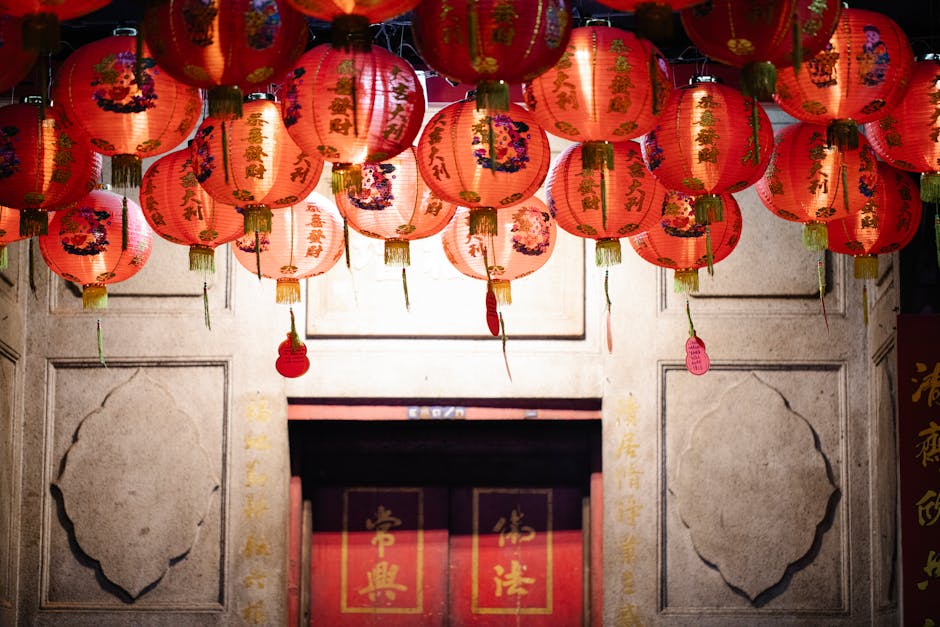
Descend from the spiritual heights to the poetic waters of Huizhou West Lake. This is no ordinary lake; it's a classical Chinese garden on a grand, civic scale. Rent a paddle boat and navigate its nine linked bridges, each with a lyrical name like "Lotus-Fragrance Bridge." Glide past pavilions where locals play cards, and willow trees that trail their fingers in the water. Visit the Sutra Printing Pavilion on the islet, a quiet repository of history. As dusk falls, the lake transforms. The bridges and pagodas are lit, casting shimmering reflections that look like liquid gold. Join the locals for a leisurely evening stroll—this is where the community's heart beats slow and steady.
Then, let the current of history pull you to the Ancient City of Huizhou. Enter through the old gate and feel the centuries press in. Meander through the maze of Jinxiu Street and Beimen Street, where Hui-style architecture reigns: white walls stained by time, elegant horse-head gables silhouetted against the sky, and intricately carved wooden doors. Pop into a tiny shop selling traditional paper cuttings or brush pens. This is a living district, not a frozen museum. The smell of lunch cooking wafts from courtyards, and the clatter of mahjong tiles provides the soundtrack. For a deeper dive, visit the Huizhou Museum to contextualize the artifacts and stories you've been walking amongst.
Finally, surrender to the call of the sea. A trip to Xunliao Bay is a necessary exhale. Sink your toes into its fine, platinum sand, often hailed as one of the finest in the region. The water is clear and inviting. You can try jet-skiing, or simply float and watch the paragliders paint colorful arcs in the sky. As evening approaches, claim a spot at a beachfront seafood shack. The day's catch—squid, prawns, fish—is grilled over open flames, the scent mingling with the salty air. As the sun dips below the horizon, setting the sky and sea ablaze in oranges and purples, you'll understand Huizhou's final, glorious gift: the sublime peace of a boundless horizon.
Food and Drink
To eat in Huizhou is to take a delicious crash course in its geography and history—a cuisine born from mountain foraged ingredients, river-fed bounty, and coastal harvests, all with a distinctive Hakka influence. The flavors are bold, hearty, and deeply satisfying. Your culinary pilgrimage must begin with the undisputed king: Huizhou Salt-Baked Chicken. Forget everything you know about baked chicken. This is an alchemical process. A whole chicken is stuffed with medicinal herbs, swaddled in oiled paper, and then buried in a bed of scorching-hot salt. The result is nothing short of miraculous. The meat, torn steaming from the bone, is impossibly succulent, perfumed with a subtle, savory fragrance, and encased in a skin that is taut, golden, and flavorful. It's a dish that demands to be eaten with your hands, a tactile, juicy celebration.
Next, embrace the river with Dongjiang Tofu. Made with the pristine waters of the Dongjiang River, this tofu has a reputation for exceptional delicacy and a faint, sweet aftertaste. It's often served braised in a clay pot, its porous interior soaking up a savory sauce, or simply steamed with a drizzle of soy and scallions to let its pure flavor shine. From the coast, the bounty arrives on your plate sizzling. At the beach shacks of Xunliao Bay, point to the live prawns, scallops, or whole fish, and watch them be transformed over fierce charcoal flames, seasoned with nothing more than garlic, ginger, and a splash of soy—a testament to absolute freshness.
Don't miss the Hakka staples. Yong Tau Foo here is an art form: tofu, bitter melon, and peppers are carefully slit and stuffed with a savory paste of minced fish and pork, then braised to tender perfection. For a unique texture, seek out Abacus Beads, a dish made from chewy, gnocchi-like dough pieces shaped like abacus beads, stir-fried with mushrooms, minced meat, and crunchy vegetables. Wash it all down with local tea from the Luofu Mountains or a cold bottle of Zhujiang beer. Every meal here is a story—of the land, the water, and a people who know how to honor both.
Practical Tips
Navigating Huizhou smoothly requires a few local insights. First, language: While Mandarin is universally understood, the local dialect is a variant of Hakka. Having a translation app (like Pleco or Google Translate) downloaded for offline use is invaluable, especially in older markets or villages. A few key phrases like "xièxie" (thank you) and "duōshǎo qián?" (how much?) go a long way. For currency, cash is still king in small shops and street stalls, though WeChat Pay and Alipay are ubiquitous in larger establishments. Ensure you have a functioning mobile payment method set up or carry sufficient RMB.
Getting around within the city is straightforward. Ride-hailing apps like Didi are reliable and affordable. For public transport, city buses are extensive but can be challenging without Chinese reading skills; have your destination written in Chinese characters to show the driver. Taxis are plentiful, but insist on using the meter ("dǎ biǎo"). When visiting temples or traditional homes, remember etiquette: dress modestly, speak softly, and always ask permission before taking photos of people. A small tip for a particularly insightful temple keeper is a gracious gesture. Finally, embrace the pace. Huizhou has a slower rhythm than Shenzhen or Guangzhou. Allow time to get lost in the old town, to linger over a pot of tea, to let the mountain mist settle on your skin. The best moments here are often the unplanned pauses.
Suggested Itinerary
Day 1: The Ancient Pulse & Poetic Waters. Morning: Dive straight into history at the Huizhou Ancient City. Get lost on Jinxiu Street, explore the ancestral halls, and soak in the atmosphere. Lunch on Salt-Baked Chicken at a local eatery. Afternoon: Wander the serene pathways of Huizhou West Lake. Visit the Sutra Printing Pavilion and take a leisurely boat ride. Evening: Enjoy a lakeside dinner and witness the magical illumination of the bridges at dusk.
Day 2: Sacred Peaks & Spiritual Mist. Full Day: Dedicate yourself to the Luofu Mountains. Take an early transport to the scenic area. Use the cable car to ascend, then hike to key sites like Chongxu Temple and Bai Shui Men Waterfall. Have a simple vegetarian lunch at a temple or pack snacks. Breathe in the profound tranquility. Evening: Return to the city, perhaps treating your muscles to a traditional foot massage—a blissful end to an active day.
Day 3: Golden Sands & Salty Horizons. Morning: Journey to the coast. Arrive at Xunliao Bay and feel the shift in energy. Claim your spot on the vast, soft beach. Swim, sunbathe, or try a water sport. Afternoon: Explore the coastal rock formations or simply continue your beachside relaxation. Evening: The grand finale. Feast on the freshest seafood at a beachfront restaurant as you watch one of the South China Sea's legendary sunsets paint the world in fire.
Day 4: Modern Threads & Departure. Morning: Acknowledge the city's contemporary face. Visit a local market in a newer district to see daily life in motion, or take a stroll through a modern park. Alternatively, use this time to revisit a favorite spot from earlier days. Afternoon: Final souvenir shopping—perhaps some local tea or preserved olives—before your departure transfer to the airport or high-speed rail station, carrying the layered memories of mountain, lake, and sea.
Conclusion
Leaving Huizhou, you don't just carry photographs; you carry sensations. The cool, smooth touch of a temple stone worn by countless hands. The taste of salt on your lips from both sea spray and the legendary chicken. The soundscape—a layered composition of temple bells, lapping lake water, bustling market chatter, and the distant, hopeful hum of industry. Huizhou defies simple categorization. It is a city that has mastered the art of balance, holding its profound past and its dynamic present in a graceful, ongoing dialogue. It shows you that a growing industrial center in the Pearl River Delta region can also be a guardian of ancient poetry, a custodian of sacred mountains, and a steward of pristine coasts.
It reminds you that the most rewarding journeys are those that challenge your expectations. You came perhaps knowing one fact, and you leave with a feeling—a complex, beautiful feeling of having been welcomed into a place that is entirely itself. Huizhou doesn't shout for your attention; it earns your reverence. It is the quiet, confident counterpoint to the region's megacities, a essential chapter in the story of southern China. When the memory of its misty peaks or its golden sunset begins to call you back, you'll understand: you didn't just visit a destination. You experienced a harmonious, living paradox, and it has left its gentle, indelible mark on you.
Frequently Asked Questions (FAQ)
Is Huizhou just an industrial city?
Not at all. While it is a significant and growing industrial center in the Pearl River Delta region, that is only one facet of its identity. Huizhou is equally defined by its stunning natural beauty, including the sacred Luofu Mountains, the poetic West Lake, and the beautiful beaches of Xunliao Bay, alongside a deeply preserved historical old town. The industry is part of its modern narrative, but not its sole definition.
How many days do I need to see Huizhou properly?
We recommend a minimum of 3 to 4 full days to experience the essential contrasts of Huizhou. This allows one day for the ancient city and West Lake, one full day for exploring the Luofu Mountains, and one day to relax at the coast. An extra day provides breathing room for deeper exploration or simply soaking in the local atmosphere at a leisurely pace.
Is Huizhou suitable for family travel?
Absolutely. Huizhou offers diverse activities that cater to all ages. Children will love the open spaces of the West Lake for boat rides, the beach at Xunliao Bay for building sandcastles and swimming, and the cable car ride up the Luofu Mountains. The food is generally family-friendly, and the city is safe and welcoming.
What is the must-try food I cannot miss?
Without a doubt, you must try the Huizhou Salt-Baked Chicken. It is the city's most famous culinary icon and a unique gastronomic experience. The process of baking the chicken in a bed of hot salt results in incredibly juicy, fragrant meat that is unlike any other chicken dish you've tasted.
Can I visit Huizhou as a day trip from Shenzhen?
Technically yes, thanks to the high-speed rail link (about 30-40 minutes), but it would be a rushed and incomplete experience. You would only scratch the surface of one district. To truly appreciate the journey from mountain to sea and feel the city's rhythm, an overnight stay is strongly advised.
What should I pack for a trip to Huizhou?
Pack for variety. Include comfortable walking shoes for the old town and mountain trails, swimwear and sandals for the beach, and a light jacket for cooler mountain mists or air-conditioned spaces. Don't forget sunscreen, a hat, and insect repellent. A reusable water bottle and a power bank for your phone are also practical additions.


No comments:
Post a Comment