
Jeju City: Where Volcanic Dreams Meet the Azure Sea
Introduction: The Pulse of the Island
The first thing that hits you is the air. It carries a scent you can't quite place—a briny whisper from the Korea Strait, a hint of sweet tangerine from a roadside stall, and beneath it all, the deep, mineral breath of ancient lava. This is the air of Jeju City, the vibrant, beating heart of South Korea's island of fantasy. You step out of the airport, and the city doesn't roar; it hums. A low, steady rhythm of waves crashing against the black basalt coastline, the gentle whir of countless scooters, the murmur of a thousand conversations in a dialect softer than the mainland's. You are not just arriving at a destination; you are being absorbed into an atmosphere.
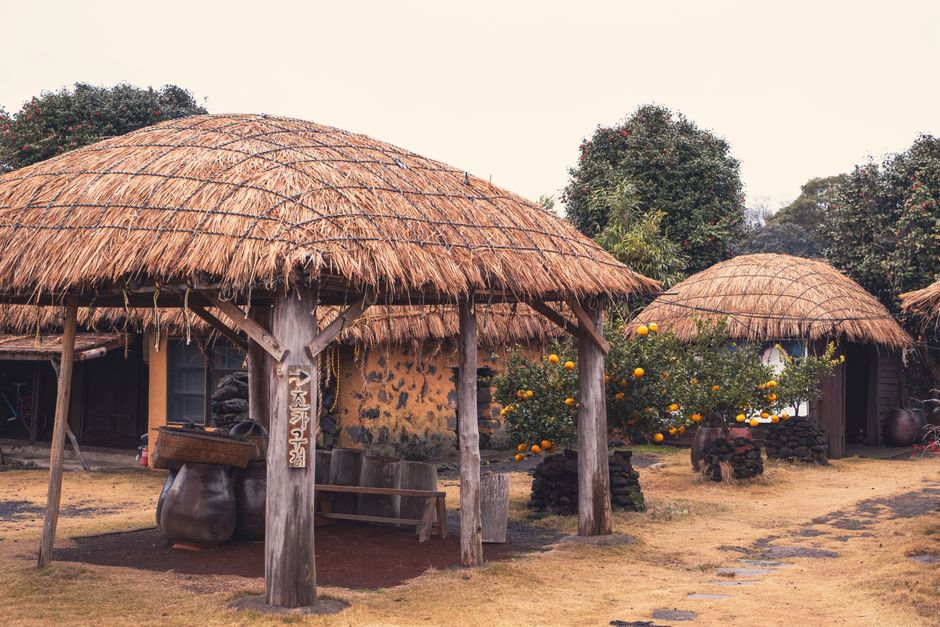
Jeju City, the largest urban center on this volcanic island, is a masterful contradiction. It is your gateway to the raw, untamed nature that Jeju is famed for—the Hallasan Mountain looming like a silent, green god in the distance, the craters, the lava tubes, the waterfalls that thunder in the island's south. Yet, the city itself is a dynamic tapestry of modern Korean life woven with threads of profound myth. Here, glass-fronted department stores cast reflections on traditional tteumbang (stone walls), and the neon glow of Dongmun Market competes with the soft, setting sun over Yongduam, the Dragon Head Rock. This is not a place you merely visit; it's a place you feel in your bones.
I remember my first evening, wandering the maze of streets in the old town near Jeju Mokgwana. The light was a liquid gold, pouring down narrow alleys and illuminating the textured, volcanic stone of old walls. I passed a tiny shop where an halmeoni (grandmother) was painstakingly shaping harubang—the iconic, stern-faced lava stone grandfather statues that are the island's guardians. Her hands, gnarled and strong, moved with a ritualistic grace. A few blocks away, the scene exploded into color and sound at the arcade-filled streets of Tapdong, where teenagers laughed over claw machines and the giant, cantilevered Tapdong Seaside Stage hosted a free concert, the music swallowed by the vast, dark ocean. This seamless dance between the sacred and the spirited, the ancient and the electric, is the essence of Jeju City.
It is a city built on stories. Every rock formation has a legend, often tragic and beautiful, born from the island's unique matriarchal history of the haenyeo, the sea-diving women. The city serves as the perfect prologue and epilogue to your island adventures. It's where you gear up for hikes and where you return, sun-weary and salt-crusted, to feast and reminisce. It's urban, yes, but with the windows always open to the sea wind, a constant reminder that wilderness is just a short bus ride away. To know Jeju Island, you must first listen to the pulse of its capital.
Why Visit: The Allure of the Dual City
Why choose Jeju City over a direct plunge into the island's rural idyll? Because it offers a nuanced, complete portrait of Jeju's soul. This is where the island's identity is in constant, vibrant negotiation. You come for the contrast, for the ability to sip a meticulously crafted pour-over coffee in a minimalist cafe and, twenty minutes later, stand on a cliffside watching haenyeo in neoprene suits plunge into churning turquoise waters to harvest sea urchin with nothing but their held breath. This duality is intoxicating.
As the administrative and transport hub, Jeju City provides a practical, comfortable base with an authenticity that purpose-built resorts lack. You live alongside Jeju residents. You shop in their markets, queue at their favorite black pork BBQ joints, and jog along their breathtaking coastal paths at dawn. The city grants you access to a cultural vibrancy that quieter towns cannot sustain—from the National Museum of Jeju, where millennia of isolated history unfold, to the immersive digital art exhibits that now occupy repurposed industrial spaces, showcasing Korea's forward-looking creativity.
Furthermore, Jeju City is the unrivaled culinary capital of the island. While the south has its fresh seafood and the pastures produce fine beef, the city concentrates every flavor of Jeju into a dizzying, delicious radius. The famed Jeju black pork, the abalone, the buckwheat, the hallabong oranges—they all converge here, transformed by street vendors, family-run eateries decades old, and innovative chefs putting a modern twist on island classics. Your taste buds will embark on their own adventure. Ultimately, Jeju City connects you. It connects you to the island's past through its preserved sites, to its present through its dynamic streets, and to its natural wonders through its unparalleled accessibility. It is the comprehensive, compelling first and last chapter of your Jeju story.
When to Visit: The Island's Changing Moods
Jeju City wears the seasons like distinct costumes, each offering a radically different experience. Your ideal time depends on the atmosphere you wish to inhabit.
Spring (April to June) is sheer magic. The city shakes off the winter chill, and the roads leading out to the countryside become tunnels of blooming cherry blossoms and vibrant canola flowers. The air is soft, perfect for cycling the coastal paths or hiking the lower slopes of Hallasan. This is peak season for a reason—the light is cinematic, the colors are vivid, and outdoor cafes buzz with life. Book well in advance.
Summer (July to August) transforms Jeju City into a vibrant, humid, festive hub. The sea becomes swimmable, and the city's fountains are full of laughing children. This is the season of festivals, from beachside music events to cultural celebrations. Be prepared for higher prices, crowds, and the occasional typhoon brushing the coast, bringing dramatic, lashing rains that clear to impossibly fresh skies. The energy is palpable, electric, and soaked in sunshine.
Autumn (September to November) is my personal favorite. The typhoon season passes, leaving behind crystal-clear air and a gentle warmth. The crowds thin, the pace relaxes, and the landscape erupts in fiery hues of red and gold, especially in the nearby Hallasan National Park. The light in October is a photographer's dream—long, golden, and sharp. It's the perfect season for long, contemplative walks along the Olle trails that skirt the city's edges and for enjoying the harvest bounty in the markets.
Winter (December to March) reveals a quieter, more introspective Jeju City. Hallasan is often crowned with snow, creating a stunning backdrop. The wind has a bite, and you'll see locals bundled up against the coastal gusts. But the city feels authentic and local. Cafes become cozy sanctuaries, and steaming bowls of seafood stew (jeonbokjuk) taste like salvation. It's the best time for budget travelers and those seeking a stark, beautiful, wind-swept landscape, though some outdoor attractions may have reduced hours.
How to Get There: Crossing the Blue Threshold
Your journey to Jeju City is part of the adventure. The vast majority of visitors arrive via Jeju International Airport (CJU), a modern and surprisingly aesthetic gateway. It's one of the busiest routes in the world, with constant flights from Seoul (Gimpo and Incheon), Busan, Daegu, and other major Korean cities. The flight from Seoul is a brief, beautiful hop—barely an hour—often offering aerial views of the island's perfect volcanic cone as you descend. The airport itself is seamlessly connected to the city; a taxi ride to most hotels in the city center takes less than 15 minutes and is affordable.
For a more romantic and gradual arrival, consider the ferry. Overnight ferries from ports like Mokpo or Wando provide a slow travel experience. You fall asleep to the rumble of engines and wake at dawn to the sight of Jeju's cliffs materializing from the mist. It's a cinematic entrance that harkens back to older ways of travel. The ferry terminal is located at the city's port, depositing you right into the historic heart of the old town.
Once you've landed, navigating Jeju City is straightforward. The city is very walkable in its core areas. For longer trips, an efficient and extensive public bus system radiates from the Jeju Intercity Bus Terminal, connecting you to every corner of the island. Taxis are plentiful and relatively inexpensive. For ultimate freedom, consider renting a car (international license required). The feeling of driving along coastal roads with the windows down, the map discarded, following only your whims and the sea's call, is an essential Jeju freedom. Just be prepared for occasional traffic around major sights.
Accommodation: From Stone Walls to Sea Views
Where you lay your head in Jeju City shapes your narrative. The city caters to every traveler's fantasy.
For those seeking luxury and panoramic views, the high-rise hotels clustered along the Tapdong and Iho coastal areas are your stage. Waking up to a floor-to-ceiling window framing the endless blue of the Korea Strait, with Yongduam Rock in the foreground, is an unforgettable experience. These hotels offer world-class amenities, multiple dining options, and easy access to the waterfront promenade.
The historic city center, near Gwandeokjeong Pavilion, offers a different charm. Here, you'll find smaller boutique hotels and guesthouses (minbak) often converted from traditional homes. The walls might be of volcanic stone, the courtyard might have a pomegranate tree, and the breakfast might be homemade. Staying here, you are immersed in the daily rhythm of the old city, steps away from Dongmun Market's nocturnal energy and silent, centuries-old administrative buildings.
For a truly unique and social experience, seek out a designer hostel or a pension in the Samdo or Yongdam areas. These are often run by young Jeju locals or mainlanders who fell in love with the island. They are hubs of insider information, with owners who will mark up your map with secret beaches and the best jjimdak (braised chicken) spot. The vibe is creative, communal, and perfectly aligned with the island's independent spirit.
My most memorable stay was in a minimalist hanok-inspired guesthouse near Sarabong Park. Each morning, I slid open my paper-lined door to a small rock garden still damp with dew. The owner would leave a thermos of hallabong tea and a note about the day's weather on the maru (wooden porch). It was a sanctuary of quiet amidst the city's hum, a reminder that traditional Korean serenity is still alive and well in Jeju City's backstreets.
Things to Do: The City's Symphony of Experiences
Jeju City is not a checklist; it's a collection of sensations. Begin with the coastal walk from Iho Tewoo Beach to Yongduam Rock. Feel the crunch of black and red volcanic sand underfoot at Iho, watch the windsurfers slice through the waves, and follow the paved path as it curves past fishing boats bobbing in turquoise water. The climax is Yongduam itself. Up close, the Dragon Head Rock is a magnificent, tortured sculpture forged by lava and sea. Time your visit for sunset, when the rock turns into a stark black silhouette against a tangerine sky, and the sound of the waves crashing through its "mouth" is primal and powerful.
Dive into the sensory overload of Dongmun Traditional Market. This is not a passive experience. You are a participant in a vibrant, noisy, fragrant theater. Navigate narrow aisles piled high with glistening, unfamiliar seafood—still wriggling octopus, spiny sea urchins, mountains of dried anchovies. The smell is of salt, fermentation, and frying oil. Must-try street foods include the hotteok (a sweet, stuffed pancake), abalone skewers grilled to order, and the iconic "Mojito" of Jeju—a hallabong juice served in its own hollowed-out fruit. At night, the market's outdoor section transforms into a packed food tent alley, where you squeeze onto plastic stools and feast among locals.
For history, the Jeju Mokgwana complex is a serene journey back to the Joseon Dynasty. This was the island's government headquarters. Walking through the restored wooden pavilions and courtyards, you can almost hear the rustle of officials' robes. Nearby, Gwandeokjeong Pavilion, the oldest building on Jeju, stands with elegant simplicity. It's a place for quiet reflection, often with only the sound of the wind chimes hanging from its eaves.
Then, shift gears entirely at the Tapdong Seaside Complex. This area is a fascinating monument to 1990s Korean retro-futurism. The giant, spaceship-like concrete stage juts out over the ocean, often hosting events. The surrounding area is a delightful chaos of arcades, karaoke rooms (noraebang), and quirky cafes. It's lively, unpretentious, and full of local families and couples on dates. For a more curated cultural hit, the Jeju National Museum provides essential context, with exhibits on the island's volcanic formation, the tragic April 3rd Uprising, and the unique culture of the haenyeo.
Finally, take a short taxi ride to the Haenyeo Museum and the adjacent Seongsan Ilchulbong (Sunrise Peak) area. While the peak itself is in Seogwipo, the museum and the nearby coastline offer a profound understanding of the women free-divers. You can sometimes see them preparing for a dive or selling their catch at a small stall. It's a humbling encounter with a disappearing way of life defined by incredible strength and resilience.
Food and Drink: A Feast Forged from Fire and Sea
To eat in Jeju City is to understand the island's geography and history on a visceral level. The cuisine is robust, simple, and deeply connected to the land and sea. You cannot leave without tasting Heuk Dwaeji (black pork). This isn't just pork; it's a cultural icon. The pigs are bred on the island, and their meat is richer, more flavorful. The quintessential experience is grilling it yourself at a dedicated BBQ restaurant. The thick, marbled strips sizzle on a dome-shaped grill, the fat dripping down to create smoke that perfumes your clothes. You wrap a piece in a fresh lettuce leaf with a smear of fermented bean paste, a sliver of raw garlic, and perhaps a roasted chili. The first bite is a symphony of smoke, fat, sweetness, and heat.
The sea provides the other pillar of Jeju cuisine. Jeonbokjuk (abalone porridge) is a creamy, comforting, and luxurious dish, often eaten for breakfast or as a restorative. The abalone, harvested by haenyeo, is minced and simmered with rice until it reaches a perfect, velvety consistency. For something bolder, seek out Modeum Hoe (assorted raw fish). A platter arrives, a mosaic of translucent slices of fish, chewy octopus, and sweet shrimp, all served with a fiery chili paste (cho-gochujang). The accompanying mulhoe is a cold, spicy soup made from the fish leftovers, a refreshing and fiery counterpart.
Wash it all down with local drinks. Hallabong juice is everywhere—fresh, sweet, and tangy. The local Omegisul (Jeju barley liquor) is clear and potent, often served in a hollowed-out hallabong. And the coffee culture is thriving. Jeju grows its own coffee beans, and the city is dotted with stylish cafes, many with stunning ocean views or hidden in converted hanok. Sitting in one, sipping a Jeju latte, and watching the world go by is a cherished pastime. Don't miss the local barley tea (boricha), served free everywhere; it has a toasty, comforting flavor that ties the whole culinary experience together.
Practical Tips: Navigating with Island Ease
A few pieces of practical wisdom will smooth your path in Jeju City. First, cash is still king in many smaller eateries, market stalls, and for taxi fares. While cards are widely accepted in hotels and larger restaurants, always carry some Korean Won. Second, while basic English is understood at the airport and major hotels, learning a few Korean phrases (annyeonghaseyo for hello, kamsahamnida for thank you) will earn you warm smiles and better service. A translation app is invaluable for menus.
Transportation: Download KakaoMap or Naver Map apps—they are far more accurate than Google Maps in Korea and provide real-time bus information. If you rent a car, drive defensively; scooters are ubiquitous and sometimes unpredictable. For buses, you can use a T-money card (rechargeable transit card from Seoul) or cash. Always tap on and off. Weather is famously changeable. The saying "Jeju has three kinds of weather: sunshine, wind, and rain, often all in one day" is true. Pack layers, a sturdy windbreaker, and a compact umbrella regardless of the season.
Finally, embrace the island pace. Things can move a little slower, and schedules can be fluid. A closed shop might just mean the owner decided to go fishing. This isn't inefficiency; it's a different relationship with time. Go with it. The greatest discoveries often happen when your meticulously planned itinerary falls apart, and you find yourself sharing a table with strangers at a market food stall, clinking soju glasses as the night deepens.
Suggested Itinerary: Four Days in the Island's Heart
Day 1: Arrival & Coastal Immersion. Land, settle into your accommodation, and shake off travel fatigue with the coastal walk from Iho Beach to Yongduam Rock for sunset. For dinner, dive into Dongmun Market's food alley. Let the sounds, smells, and energy of Jeju City wash over you.
Day 2: History & Modern Pulse. Morning visit to the serene Jeju Mokgwana and Gwandeokjeong Pavilion. Follow with a deep dive into the Jeju National Museum for historical context. In the afternoon, explore the quirky, retro-futuristic Tapdong area. Have a coffee in a seaside cafe, try the arcades, and enjoy a casual dinner of seafood noodles (kalguksu) nearby.
Day 3: Haenyeo Culture & Black Pork Feast. Take a morning bus or taxi to the Haenyeo Museum to learn about the diving women. Afterwards, explore the nearby coastline. Return to the city in the late afternoon for the ultimate Jeju BBQ experience at a renowned black pork restaurant in the city center. End the night with a stroll along the lit-up Tapdong promenade.
Day 4: Market Deep Dive & Departure. Spend your final morning exploring Dongmun Market in daylight. Shop for souvenirs: hallabong chocolate, local green tea, or a small harubang figurine. Have a final bowl of abalone porridge for lunch. Depending on your flight, squeeze in one last visit to a viewpoint like Sarabong Park for a panoramic farewell look at the city, the sea, and the distant peak of Hallasan before heading to the airport.
Conclusion: The Echo of the Island
Leaving Jeju City, you don't just carry photographs. You carry sensations: the feel of porous lava stone under your palm, the taste of salt and grilled pork fat on your tongue, the sound of wind and waves as a constant soundtrack. The city, often seen as a mere transit point, reveals itself to be the essential narrator of the Jeju story. It holds the tension between the wild volcanic earth and the orderly human world, between deep tradition and pulsing modernity. It is here that you are initiated into the island's mysteries and where you come to make sense of them all.
Jeju City stays with you. It's the memory of that golden hour light on stone walls, the stern yet comforting gaze of a harubang in a quiet alley, the profound respect felt watching a haenyeo emerge from the sea. It's a city that doesn't shout but hums a compelling, ancient tune. It invites you to slow down, to look closer, to taste deeper, and to feel the living pulse of an island born from fire and shaped by the relentless, loving sea. Your adventure on the Island of the Gods begins and ends here, in its vibrant, welcoming, and unforgettable capital.
Frequently Asked Questions
Is Jeju City just a busy airport hub, or is it worth spending time in?
Absolutely spend time there. While it's the logistical heart, Jeju City is a fascinating destination in its own right. It offers a unique blend of historic sites like Jeju Mokgwana, vibrant markets (Dongmun), stunning coastal scenery (Yongduam Rock), and the best concentration of Jeju's culinary scene. It provides the cultural context and urban energy that complements the island's natural wonders.
What is the must-eat food in Jeju City I shouldn't miss?
You cannot leave without trying Jeju Black Pork BBQ (Heuk Dwaeji). The experience of grilling the rich, marbled meat yourself is iconic. Equally important is fresh seafood, especially abalone porridge (Jeonbokjuk) or a platter of assorted raw fish (Modeum Hoe). For a quick snack, grab a hotteok (sweet pancake) from Dongmun Market.
Do I need to rent a car to explore Jeju City and the island from there?
Not for the city itself, which is very walkable and has good local buses/taxis. However, to comfortably explore the wider island (like Seongsan Ilchulbong, Hallasan, or the southern waterfalls) at your own pace, renting a car is highly recommended. If you prefer not to drive, the intercity bus system from Jeju City's bus terminal is extensive and efficient.
What's the best area to stay in for a first-time visitor?
For convenience and views, the Tapdong/Iho coast area near Yongduam Rock is excellent, with many hotels and easy coastal access. For more local character and proximity to markets and history, the old city center near Jeju Mokgwana and Dongmun Market is ideal. Both areas are well-connected for further exploration.
Can I experience haenyeo (female divers) culture directly in Jeju City?
While the main haenyeo diving demonstrations are in places like Seogwipo, you can deeply engage with their culture in Jeju City. Visit the Haenyeo Museum (a short trip from the city) and you may see haenyeo preparing their gear or selling catch along the nearby coast. Their presence and history are woven into the city's identity.
How many days should I allocate to Jeju City on my island trip?
I recommend at least 2 full days to experience Jeju City properly without feeling rushed. This allows time for historic sites, market exploration, coastal walks, and indulging in the food scene. Many visitors use it as a 3-4 night base for day trips around the island, which is a perfect strategy.
Is Jeju City suitable for families traveling with children?
Yes, it's very family-friendly. The coastal walks are flat and stroller-friendly, the beaches like Iho are safe for play, and the Tapdong area has arcades and open spaces. The markets are exciting for kids (with unique street food), and the stories of dragons and harubang statues capture young imaginations. Many restaurants are welcoming to families.


No comments:
Post a Comment