
Jinan: Where a Thousand Springs Whisper Ancient Secrets
Introduction: The First Gush of Wonder
The sound reaches you first, a liquid murmur beneath the city's modern hum. It's not the honk of a taxi or the chatter of a crowd, but a persistent, gentle bubbling, the sound of the earth itself exhaling. This is Jinan, the capital of Shandong province, and before you see its skyline, you hear its soul. The city doesn't just have water; it is born from it, cradled by it, defined by the ceaseless ascent of crystal-clear artesian springs from the deep limestone bedrock. To arrive in Jinan is to step into a living geohydrological poem.
Imagine a city where water isn't merely a resource but a resident artist, carving its signature everywhere. I remember my first morning, walking through the mist that clung to the weeping willows along the Daming Lake. The air tasted clean, faintly mineral, carrying the damp scent of wet stone and lotus leaves. Elderly men, their movements a slow-motion tai chi, dipped porcelain cups into a spring-fed stream, drinking a millennia-old ritual with their morning tea. Here, the boundary between the urban and the elemental blurs. One moment you're navigating a bustling shopping street, the next you're halted by the spectacle of Baotu Spring—the "Number One Spring under Heaven"—erupting in three powerful, roiling columns of aquamarine, its force palpable in the spray that kisses your face. The water isn't just for viewing; it's a character in the city's daily drama, flowing through open canals, pooling in serene lakes, and giving the very air a shimmering, refreshed quality.
Jinan is a city of profound juxtaposition. It carries the weight of history—a cradle of Longshan culture, a strategic hub for millennia, a city name-dropped by the great poet Du Fu—yet it pulses with the vibrant, entrepreneurial energy of modern Shandong. You can trace your fingers over the moss-slick stones of a Tang Dynasty pavilion in the afternoon and by evening be sipping craft beer in a neon-lit loft overlooking the same ancient waterway. This duality is its magic. The springs are the constant, the eternal thread stitching together dynasties, from the Qi and Lu kingdoms through to today's soaring metropolis. They are the reason for the city's lush, almost melancholic beauty, the reason its willows weep so gracefully, and the source of a local temperament that is both refreshingly direct and deeply poetic. To visit Jinan is not just to see another Chinese city; it is to undergo a sensory recalibration, to understand a place that has built its identity not around walls or gates, but around the sacred, unstoppable welling-up of life itself.
Why Visit Jinan: More Than a Stop on the Map
Many travelers rocket past Jinan on the high-speed rail, a blur between Beijing and Shanghai, or see it merely as the gateway to the sacred Mount Tai. To do so is to miss one of China's most uniquely characterful urban experiences. Jinan offers a rare trifecta: unparalleled natural hydro-geology woven into the city fabric, a rich historical tapestry that feels immediate and accessible, and the authentic, unpretentious flavor of Shandong life. This isn't a museum city frozen in time; it's a living, breathing entity where nature's wonder is the central infrastructure.
You come for the springs, yes. The sheer number is staggering—over 700 named artesian springs, each with its own personality. Some, like the thunderous Baotu, are celebrities. Others, like the serene Black Tiger Spring, where water gushes from three stone tiger heads into a pool where locals fill giant plastic jugs, are the lifeblood of the community. This intimate, daily interaction with a natural wonder is Jinan's greatest gift. You'll witness a communion between people and place that has continued unbroken for centuries. It's in the grandmother washing vegetables in the cool spring runoff, the calligrapher using the spring water to grind his ink, the children laughing as they dangle their feet in the constant 18°C (64°F) flow. This connection fosters a cityscape of exceptional grace. Daming Lake, a vast mirror formed entirely from spring water, is not on the city's edge; it is its liquid heart, fringed with reed beds, arched bridges, and pavilions that seem to float. The city's famous willows, their tendrils trailing in the water, are not mere trees; they are liquid-green sculptures, pruned by time and moisture into perfect, weeping forms.
Beyond the water, Jinan offers a palpable sense of history without the oppressive crowds of more famous ancient capitals. You can wander the winding, cobbled lanes of the Furong Street snack district and feel the echoes of old merchant life, or stand before the Four Gates Pagoda, China's oldest surviving stone pagoda, in a quiet hillside grove with only the wind for company. Jinan is for the traveler who craves depth over checklist tourism, who finds magic in the quiet moments—a cup of tea brewed with spring water, a conversation with a park-goer, the mesmerizing sight of koi drifting over sun-dappled spring vents in a courtyard you stumbled upon by chance. It is a city that doesn't shout its wonders; it whispers them, in the language of bubbling water and rustling willow leaves.
When to Visit: Timing the City's Liquid Rhythm
Jinan's personality shifts dramatically with the seasons, each painting the City of Springs with a different palette and tempo. The undisputed champion, the season that transforms Jinan into a scene from a classical ink wash painting, is spring (April to early June). This is when the willows explode in a frenzy of tender green, the peonies in Baotu Spring Park burst into voluptuous blooms of pink and white, and the air is soft and fragrant. The springs themselves seem especially vigorous, fed by melting snows from the surrounding mountains. The temperatures are sublime, perfect for long, ambling walks. It's busy, but the crowds are infused with a festive, floral energy.
Autumn (September to October) is Jinan's other masterpiece. The humidity of summer dissipates, replaced by crisp, blue-sky days and golden light. The willows turn a brilliant yellow, and their fallen leaves create a gilded carpet along the water's edge. Daming Lake becomes a reflection of fiery maples and deep green pines. It's an ideal time for photography and for enjoying the parks in contemplative solitude. Summer (July-August) is hot, humid, and lush—the lotus flowers on Daming Lake are a spectacular sight, their pink and white heads rising majestically from vast fields of green. While the heat can be intense, the spring-water areas remain cool oases. Winter has its own stark magic. When temperatures plunge, the springs create ethereal landscapes of mist that shrouds pavilions and bridges, and the constant 18°C water meeting cold air can create delicate, swirling vapors over the spring pools, a ghostly and beautiful sight. While some deciduous trees are bare, the evergreens and stone architecture stand out starkly and beautifully. The crowds are thin, offering a more intimate, if chillier, experience.
How to Get There: Pathways to the Springs
Reaching Jinan is a testament to China's modern connectivity, yet the final approach always hints at the natural wonder awaiting. The city is a major hub in the country's high-speed rail network. Jinan East Railway Station is your most likely gateway, a sleek, sprawling complex where bullet trains from Beijing (90 minutes), Shanghai (3 hours), Qingdao (2.5 hours), and countless other cities glide to a stop. The station itself is a journey into efficiency, and a taxi or metro ride from here will plunge you into the older city core within half an hour. Jinan Yaoqiang International Airport (TNA) serves domestic flights from most major Chinese cities and some international connections across Asia. The airport is about 40 kilometers northeast of the city center, connected by a comfortable airport shuttle bus or taxi.
Once within the city, a delightful mix of transport unfolds. The metro system is expanding rapidly and is excellent for covering longer distances. But to truly feel Jinan, you must walk. The core spring area—encompassing Baotu Spring, Daming Lake, and the connecting canal—is best explored on foot, allowing for spontaneous detours down alleyways following the sound of water. Shared bicycles, both docked and free-floating, are ubiquitous and perfect for cruising along the spring-fed moats. For a truly cinematic experience, take a taxi-boat on the city's waterways. You can hire a small, covered boat at Daming Lake for a serene tour of its islands, or even find boats that navigate the canals, offering a unique, low-slung perspective of the city gliding by, the stone banks so close you could almost touch them. It's a gentle, rhythmic way to travel, perfectly in tune with Jinan's liquid heart.
Accommodation: From Historic Courtyards to Lakeside Views
Where you stay in Jinan can profoundly shape your experience. For immersion in the historic atmosphere, seek out a traditional courtyard hotel (siheyuan) in the lanes near Furong Street or south of Daming Lake. These are often beautifully restored Ming or Qing Dynasty homes, with rooms arranged around a central courtyard where a miniature rock garden or a single, gracefully pruned tree sits. Waking up here is magical; the noise of the city is muted, replaced by birdsong and the distant trickle of water. You'll sleep on heated *kang* beds (in winter), sip tea in a private garden, and feel a direct connection to the city's architectural past.
For those who prefer modern comforts with iconic views, the area around Daming Lake offers several upscale international hotels. Imagine floor-to-ceiling windows framing a panoramic vista of the lake's expanse, the pagodas and islands perfectly composed like a living painting. At night, when the lake and its surrounding structures are artfully lit, the view is unforgettable. The city center, around Quancheng Square, provides a wide range of business and mid-range hotels, placing you at the nexus of shopping, dining, and metro lines. For a quieter, more residential feel, look at accommodations near Qianfo Mountain (Thousand Buddha Mountain). You'll trade immediate spring access for hillside serenity, breathtaking city views, and easy access to forested hiking trails dotted with ancient Buddhist carvings. No matter your choice, prioritize being within walking or short cycling distance of the spring cluster—this is where Jinan's magic is most concentrated and best experienced at the slow, meandering pace it deserves.
Things to Do: The City's Liquid Itinerary
Your days in Jinan will flow as easily as its springs, from one watery wonder to the next. Start your pilgrimage at the legendary Baotu Spring Park. This isn't just a park; it's a sanctuary built around a hydrological celebrity. Pay your respects at the source: the Baotu Spring itself, housed in a elegant pavilion with a distinctive double-eaved roof. Watch, mesmerized, as the water churns and boils from three main vents, its force creating a perpetual, rolling swell on the surface. The sound is a deep, powerful churn. Spend hours here exploring the dozens of other named springs within the park's walls, each with its own pool and personality—some still and reflective, others gently effervescent. Visit the memorial hall of Li Qingzhao, the Song Dynasty poetess who was born here and whose verse often mirrored the clarity and melancholy of flowing water.
From Baotu, follow the liberated spring water as it flows north via the Zhou Family's Moat (Yuxuan River). This open canal, lined with stone banks and shaded by willows, is a public artery of joy. Locals gather here to chat, play chess, and fill containers with the drinking-quality water. Walk its length, feeling part of the daily rhythm, until it empties into the vast, serene expanse of Daming Lake. Rent a small boat or join a lake cruise to fully appreciate its scale. Glide past lotus pads (spectacular in summer), under marble bridges, and around little islands topped with pavilions. Disembark at Lixia Island to climb the ancient, leaning Haoran Pavilion for a 360-degree view of water, city, and distant mountains.
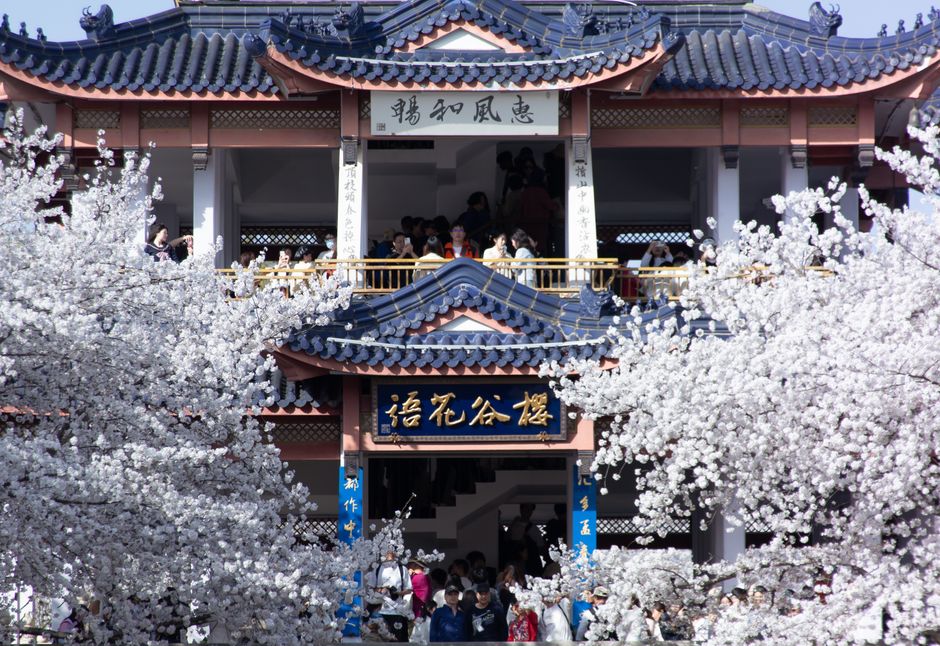
For a different perspective, head to the Black Tiger Spring area. Here, the water roars from the mouths of three stone tiger heads into a wide pool, a more muscular, untamed spectacle than Baotu. Join the line of locals with their jerry cans—this is some of the best drinking water in the city, cold and sweet. Then, take the path up to Liberation Pavilion on the old city wall for a commanding view of the modern city skyline across the river. To balance the water with rock, spend an afternoon at Qianfo Mountain. The hike up is gentle, winding past ancient, moss-covered Buddhist statues carved directly into the cliff face. From the summit, the reward is breathtaking: the entire city of Jinan laid out below, with Daming Lake a silver disc and the springs invisible but ever-present, the lifeblood you now understand.
Delve into history at the Shandong Provincial Museum, a colossal, modern institution that tells the story of the region from prehistoric Longshan black-pottery culture to Confucian philosophy. Don't miss the Four Gates Pagoda, a short drive from the city center. Its simple, square, stone structure from the Sui Dynasty (581-618 AD) radiates a profound peace. Finally, as dusk falls, lose yourself in the sensory carnival of Furong Street and Qushuiting Street. These ancient, restored commercial streets are now foodie paradises. The air thickens with the smells of sizzling oil, cumin, and sweet sauces. Follow the neon lights, the sizzle of griddles, and the laughter, and let your curiosity guide you from stall to stall.
Food and Drink: A Taste of Springs and Fire
Shandong cuisine (Lu Cai), one of China's eight great culinary traditions, finds a distinctive expression in Jinan. The food here is bold, savory, and unpretentious, a reflection of the northern Chinese palate, yet it carries a subtle sweetness and freshness credited to the exceptional water used in its preparation. You must begin with the city's most famous dish: Sweet and Sour Carp from the Yellow River. Served whole, the fish is scored so it fries into a dramatic, curled shape, then smothered in a glossy, amber sauce that perfectly balances vinegar and sugar. The skin is crackling-crisp, the flesh beneath moist and flaky. It's a performance and a feast.
Street food is king for exploration. On a cool evening, join the queue for a bowl of Jinan-style Mutton Soup. The broth, simmered for hours and clarified to a milky white, is rich and deeply comforting, fragrant with star anise and served with tender shreds of meat and a fistful of chopped coriander. For a handheld delight, seek out Jianbing, but the local version is often thicker and heartier than its Tianjin cousin, slathered in a savory bean sauce and stuffed with crisp wonton crackers. Don't miss Tangcu Li Ji—crispy, bite-sized pork pieces in a similar sweet-and-sour sauce, irresistible and moreish. And for the truly adventurous, Ba Si Dihua is a textural wonder: a hot, sweet syrup is poured over a steaming, custardy sweet potato, creating instant, hair-thin candy strands.
To drink, the answer is simple: spring water tea. In the parks, teahouses allow you to select your leaves and brew your pot with water drawn directly from the source. The difference is palpable—the tea brews clearer, smoother, with a rounded mouthfeel and no harshness. It's a ritual of pure terroir. For something stronger, sample local Shandong beer like Tsingtao, or the fiery baijiu for which the province is also known. But the true essence of Jinan is in that cup of tea, a direct liquid link to the force that created the city.
Practical Tips: Navigating the City of Springs
Cash & Cards: While mobile payments (WeChat Pay/Alipay) are ubiquitous, have some cash for small street vendors and older establishments. International cards are accepted in high-end hotels and some department stores, but don't rely on them exclusively.
Spring Water Etiquette: The spring water in designated drinking areas like Black Tiger Spring is safe and delicious. Bring a reusable bottle to fill up—it's the ultimate local souvenir. However, do not swim or wash your feet in the springs or their feeder streams; they are protected cultural relics and sources of drinking water.
Comfortable Footwear: This cannot be overstated. Jinan is a walking city. You'll be on your feet for hours on stone paths, cobbles, and park trails. Choose shoes with excellent support and cushioning.
Language: English is not widely spoken outside major hotels and tourist attractions. Learn a few basic Mandarin phrases. Having your destination written in Chinese characters on your phone is invaluable for taxi drivers. Translation apps are your best friend.
Park Passes: Consider a combined ticket for the main scenic areas (Baotu Spring, Daming Lake, etc.), which can offer savings if you plan to visit multiple sites. Most parks are very affordable.
Weather Preparedness: Summers are hot and humid—pack breathable clothing, a hat, and sunscreen. Winters are cold and dry—thermal layers, a warm coat, and gloves are essential. Spring and autumn are mild but can have sudden temperature shifts; layering is key.
Suggested Itinerary: Three Days in the Spring City
Day 1: The Heart of the Springs. Morning at Baotu Spring Park. Immerse yourself, don't rush. Watch the main spring, explore the quieter corners, visit Li Qingzhao's memorial. Have a simple lunch in the park or at a nearby noodle shop. In the afternoon, walk the Zhou Family's Moat north to Daming Lake. Take a boat cruise on the lake, visit Lixia Island. As evening falls, wander the food stalls of Furong Street for a dinner of adventurous snacks.
Day 2: History, Heights, and Local Life. Start at the Black Tiger Spring, experience the local water-filling ritual. Walk up to the Liberation Pavilion for city views. Then, take a taxi to the Shandong Provincial Museum for a deep dive into regional history (allow 2-3 hours). In the late afternoon, hike up Qianfo Mountain. Time your descent to catch the sunset over the city, watching the lights begin to twinkle. For dinner, seek out a proper restaurant for the iconic Sweet and Sour Yellow River Carp.
Day 3: Deep Dives & Departure. Choose your adventure based on interest. Option A: Take a half-day trip to the serene, ancient Four Gates Pagoda and the adjacent, stunningly carved Thousand Buddha Cliff. Option B: Explore the older residential *hutong* lanes south of Daming Lake, finding hidden courtyards and local markets. Option C: Indulge in a leisurely morning at a teahouse by a lesser-known spring, journaling and soaking in the atmosphere. Have a final lunch of Jinan dumplings or savory pancakes before departing. This itinerary balances iconic sights with local immersion, leaving you with a profound sense of Jinan's liquid soul.
Conclusion: The Eternal Flow
Leaving Jinan, you carry a new sensory memory. It's not just the images of roiling springs or misty lakes, but the sound—that constant, gentle, life-affirming murmur that undercuts the urban silence. Jinan teaches a quiet lesson in resilience and constancy. Empires rose and fell, dynasties changed names, modern towers pierced the sky, but the springs never ceased. They are the city's pulse, its original clock, its reason for being. In a world of frantic change, there is profound comfort in a place where you can still cup your hands and drink water that has journeyed from the depths of time. Jinan is more than a destination; it's a reminder of nature's gentle, unstoppable power to shape culture, beauty, and daily life. It is the City of Springs, where every drop tells a story, and every visitor leaves a little more refreshed, a little more connected to the elemental poetry of our world.
Frequently Asked Questions About Jinan
Is the spring water in Jinan really safe to drink straight from the source?
Yes, in the designated drinking areas like Black Tiger Spring, the water is not only safe but celebrated as some of the finest in China. It emerges from deep limestone aquifers, naturally filtered and mineral-rich. You'll see locals filling large containers daily. It's cool, sweet, and a quintessential Jinan experience—just use the provided public dippers or your own clean bottle.
What makes Jinan different from other historical Chinese cities like Xi'an or Suzhou?
While Xi'an is defined by its monumental walls and terracotta army, and Suzhou by its classical gardens and canals, Jinan's identity is fundamentally geological. Its history and urban layout are direct consequences of the springs. The integration of these powerful natural features into the very heart of the modern city creates a unique blend where awe-inspiring nature is part of the daily commute, not a separate attraction.
Is two days enough to see Jinan?
Two full days will allow you to see the core highlights: Baotu Spring, Daming Lake, Qianfo Mountain, and a taste of the old streets. You'll get a strong feel for the city. However, three days is ideal to add a deeper historical element (like the Provincial Museum or a trip to the Four Gates Pagoda) and to wander without a strict schedule, which is when Jinan's slower, watery charm truly reveals itself.
What is the one thing I shouldn't miss in Jinan?
Beyond the obvious (Baotu Spring), the absolute must-do is the walk along the Zhou Family's Moat from Baotu Spring to Daming Lake. This is where you witness the living relationship between the people and the water. It's a vibrant, communal space that perfectly encapsulates why Jinan is called the "City of Springs." It's the connective tissue that turns individual sights into a coherent story.
Is Jinan suitable for family travel with young children?
Absolutely. The parks are spacious, stroller-friendly in main areas, and full of visual wonders that captivate children—the erupting springs, colorful koi fish, boat rides on the lake, and gentle hikes up Qianfo Mountain. The street food offers familiar, tasty options like skewers and pancakes. It's a safe, engaging city that combines natural spectacle with easy exploration.
What should I buy as a souvenir from Jinan?
Look for items connected to the local culture: black pottery from nearby Longshan, known for its eggshell-thin delicacy; intricate paper-cuts; or locally produced aromatic vinegar. The best edible souvenir is Jinan's fragrant, high-quality dried dates or walnut cakes. For a truly unique memento, bring home a bottle filled with spring water from Black Tiger Spring (though it's best consumed fresh!).


No comments:
Post a Comment