
Kobe: A Symphony of Mountains, Sea, and Resilience
Introduction
The first thing you notice is the light. It spills across the Rokko mountain range, gilding the slopes before cascading down to the deep blue of Osaka Bay, where it fractures into a million diamond shards on the water. This is Kobe, a city cradled between earth and ocean, a place where geography dictates destiny. You arrive not just in a city, but in a feeling—a crisp, maritime breeze carrying whispers of distant ports, the faint, earthy scent of cedar from the hills, and the low, resonant hum of a metropolis that has stared into the abyss and chosen to rebuild with grace.
My own introduction was cinematic, unfolding from the glass capsule of the Shin-Kobe Ropeway as it ascended silently into the evening. Below, the city grid ignited, a meticulous tapestry of light stitching together neighborhoods, tracing the curve of the harbor, and illuminating the skeletal, red-trussed arch of the Akashi Kaikyo Bridge, a distant necklace of pearls flung across the night. Kobe reveals itself in layers, a palimpsest of history and modernity. It is a city of contrasts: the sharp, clean lines of its post-1995 earthquake rebirth sitting comfortably beside the weathered brick and cobblestone of its foreign settlement; the reverent silence of ancient shrines a short walk from the lively clatter of sake breweries; the primal, sizzling allure of its world-famous beef alongside the delicate brine of just-caught seafood.
To walk through Kobe is to walk through a story of resilience. The Great Hanshin Earthquake of 1995 is not a hidden chapter; it is part of the city's sinew and bone. You feel it in the wide, open spaces designed as firebreaks, in the subtle, wave-like architecture that suggests movement rather than rigid defiance, and most palpably, in the spirit of its people. There's a profound appreciation for the ephemeral here, a collective understanding that beauty and stability are to be cherished, not assumed. This awareness infuses every experience, from the meticulous preparation of a meal to the quiet enjoyment of a mountain vista.
Kobe is often described as Japan's most cosmopolitan city, and it is—a legacy of its history as one of the first ports to open to international trade in the 19th century. But its soul is not found in mere internationalism. It's found in the synthesis. It's in the jazz bar in Kitano, where the notes of a saxophone blend with the chime of a temple bell. It's in the Italianate villa with a perfectly manicured Japanese garden. It's in the way the city doesn't just sit between mountain and sea, but actively converses with both, offering you the choice between a cable car ride to a celestial night view and a waterfront stroll past gleaming museums and bustling markets. Kobe doesn't shout; it murmurs an invitation, asking you to lean in, to taste, to look closer, and to feel the steady, resilient pulse of a city that has truly learned how to live.
Why Visit Kobe
Why Kobe? In a nation brimming with iconic destinations, Kobe offers a different rhythm, a more intimate and nuanced melody. You don't come here to be overwhelmed by neon and crowds; you come to be engaged by texture and flavor. You visit for the singular sensation of tasting a piece of culinary legend—Kobe beef—in the very city where the Tajima cattle are raised with a care bordering on reverence. The first bite is not just a meal; it's an event, a buttery, umami-rich dissolution that redefines your understanding of steak. But to reduce Kobe to beef alone is to miss the full composition. This is a city for the connoisseur, the flâneur, the person who finds joy in the curated experience.
You visit for the breathtaking, almost theatrical, contrast of its landscapes. Within an hour, you can transition from the chic, European-flavored cafes of the Harborland district, watching massive container ships glide silently into port, to the deep, hushed forests of Mount Rokko, where the only sound is the crunch of gravel underfoot and the distant call of a crow. This accessibility to profound natural beauty, paired with urban sophistication, is rare and intoxicating. The panoramic night view from Mount Rokko or Mount Maya, officially designated as a "Three-Star Night View" and one of Japan's three major panoramas, is a soul-stirring spectacle. Seeing the city lights shimmer like a fallen galaxy against the dark velvet of the bay is a memory that etches itself onto your consciousness.
You visit for its palpable history of cultural exchange. The Kitano-cho district, with its preserved Ijinkan (foreign merchants' homes), tells a story of Meiji-era ambition and cross-cultural curiosity. Wandering these streets, past homes in Tudor, French Colonial, and Victorian styles, feels like stepping onto a film set for a period drama. Yet, it's authentically Kobe. Similarly, Nankinmachi (Kobe's Chinatown) pulses with energy, its red and gold gates framing a delicious chaos of steam, sizzle, and the irresistible aroma of pork buns and spicy noodles. Kobe allows you to travel the world within a few square miles, all filtered through a uniquely Japanese lens of order and aesthetic grace.
Ultimately, you visit for the atmosphere. There's a relaxed, almost maritime openness to the people, a legacy of its port town heritage. The pace is manageable, the streets are clean and walkable, and there's an underlying sense of civic pride that is both warm and inspiring. Kobe is a city that has faced its deepest trauma and chosen to rebuild not with grim determination, but with beauty, creativity, and a zest for the good life. It invites you to share in that hard-won joy.
When to Visit
Kobe is a city of seasons, each painting the landscape in a distinct palette and offering a unique emotional tenor. Choosing when to go depends on the symphony you wish to hear.
Spring (March-May): This is Kobe in pastels. Cherry blossoms (sakura) erupt along the Nunobiki Herb Garden slopes and the banks of the Ikuta River in early April, transforming the city into a fleeting dream of pink. The air is soft, carrying the scent of blooms and fresh earth. It's a time for hanami (flower-viewing) picnics in Sorakuen Garden, where the weeping cherries drape over tranquil ponds. The weather is sublime—cool mornings giving way to gentle, sunny afternoons—perfect for long walks through the historic districts. It is, understandably, popular, so a slight buzz of tourism animates the streets.
Summer (June-August): Kobe's summer is humid and vibrant, a season of festivals and fire. The maritime location offers some respite with evening breezes along the harbor. This is the time for the Kobe Matsuri in May, a lively celebration of the city's rebirth, and the breathtaking Kobe Luminarie in December, a light festival born from the earthquake's aftermath. Summer nights on Mount Rokko are cool and celestial, a perfect escape from the lowland warmth. Be prepared for sudden, dramatic rain showers that arrive like a curtain being drawn and just as quickly withdrawn, leaving the city glistening.
Autumn (September-November): If spring is a sonnet, autumn is a rich, cello-heavy concerto. The maple trees in gardens like Sorakuen and around the Ikuta Shrine ignite in crimsons, golds, and ambers. The light turns golden and slanted, casting long, dramatic shadows on the brick buildings of Kitano. The air crisps, carrying the smoky aroma of roasting chestnuts from street vendors. It's the ideal season for hiking the Nunobiki trails or visiting the sake breweries in the Nada district, as this is when the new brewing season begins, and the atmosphere is charged with tradition and anticipation.
Winter (December-February): Winter is quiet, clear, and profoundly beautiful. While snowfall is light in the city center, the peaks of Rokko are often dusted white, creating a stunning backdrop. The lack of humidity makes for piercingly blue skies and the most spectacular, crystal-clear views from the mountain observatories. The Kobe Luminarie (early December) is a winter highlight—a monumental installation of lights dedicated to hope and memory, drawing silent, awe-struck crowds through illuminated arches. It's a season for cozying up in a tiny, steam-filled ramen shop in Motomachi or savoring a hot sake after a bracing walk along the harbor.
How to Get There
Arriving in Kobe feels effortless, a seamless integration into Japan's legendary transit web. The city is a central node in the Keihanshin metropolitan area, making access a study in efficiency.
By Air: The nearest major international gateway is Kansai International Airport (KIX), located on an artificial island in Osaka Bay. From KIX, the journey to Kobe is part of the adventure. The fastest and most dramatic route is via the high-speed ferry. For about 30 minutes, you skim across the bay, the salt spray misting the windows, with sweeping views of the airport's futuristic architecture, the industrial coastline, and finally, Kobe's mountain-framed harbor coming into view. It's an arrival by sea, perfectly setting the stage. Alternatively, the sleek Limited Express train connects KIX to Sannomiya Station in about 65 minutes via the Kobe-Awaji-Naruto Expressway route. Osaka's Itami Airport (ITM), primarily for domestic flights, is closer and offers a convenient limousine bus service to Sannomiya Station in roughly 30 minutes.
By Train: This is where you feel the pulse of Japanese precision. If you're coming from Tokyo, the Tokaido-Sanyo Shinkansen bullet train will whisk you to Shin-Kobe Station in about 2.5 hours. Emerging from the shinkansen's calm, capsule-like interior into the spacious, mountain-backed Shin-Kobe Station is a statement: you have arrived in a city of modern ambition. From Osaka or Kyoto, the journey is a simple, frequent commute. The JR Tokaido-Sanyo Line connects Osaka Station to Kobe's Sannomiya Station in just 20 minutes, while the private Hankyu and Hanshin lines offer similarly quick and efficient services. Sannomiya Station is the bustling, multi-level heart of Kobe, a labyrinth of shops, eateries, and connecting lines from which the entire city unfurls.
By Sea: For a truly iconic approach, consider the ferry from Osaka's Universal Studios Japan port or Awaji Island. Sailing into Kobe Port, with the towering Port Tower and the distinctive architecture of the Maritime Museum coming into focus, allows you to see the city as generations of traders and travelers first saw it: as a welcoming gateway nestled between imposing green mountains and the open sea.
Accommodation
Kobe's accommodation scene is a reflection of the city itself: diverse, sophisticated, and offering something for every sensibility, from the historically immersive to the cutting-edge modern.
For those who wish to be at the epicenter of the action, Sannomiya is your base. This is the transit and commercial hub, a vibrant, 24-hour district where salarymen, shoppers, and travelers converge. Here, you'll find everything from internationally renowned business hotels—efficient, clean, and remarkably well-appointed—to stylish boutique properties. Staying here means you're never more than a few steps from a subterranean restaurant alley, a department store, or a train to anywhere. The energy is palpable, a constant hum of urban life.
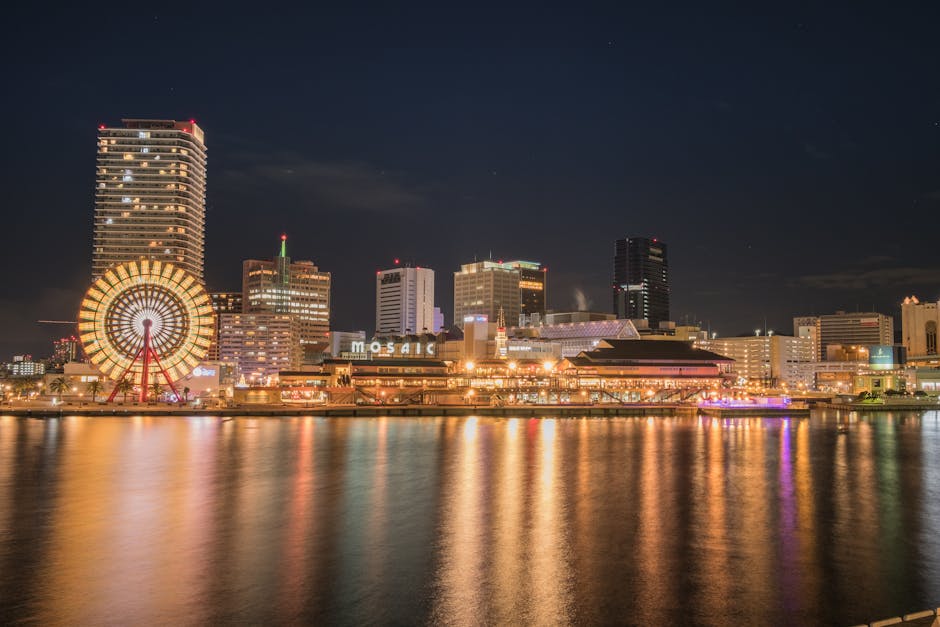
For a more atmospheric, leisurely stay, the Harborland area is sublime. Waking up to floor-to-ceiling windows overlooking the port, with giant cranes moving like silent dinosaurs and cruise ships docking at the pier, is unforgettable. This area is home to higher-end hotels, many with spectacular rooftop bars overlooking the bay and the glittering Kobe Bridge. Evenings here are magical; after the day-trippers leave, you have the waterfront promenades, the glowing Ferris wheel, and the gentle lap of water largely to yourself. It feels both connected and peacefully remote.
For a taste of old-world Kobe, seek out a ryokan (traditional inn) in the Arima Onsen district, nestled in the mountains north of the city. This is one of Japan's oldest hot spring towns, accessible via a scenic cable car and train ride. A night here is a total immersion: sleeping on futons on tatami mats, wearing a yukata robe, and soaking in mineral-rich waters that have soothed travelers for centuries. The hospitality is deeply personal, and the multi-course kaiseki dinner, often featuring local mountain vegetables and river fish, is a culinary event. It's the perfect yin to Kobe's urban yang.
Budget-conscious travelers and backpackers will find friendly hostels and guesthouses in areas like Nunobiki or near Shin-Kobe Station, often with stunning mountain views. For a uniquely local experience, consider a small, family-run business hotel in the Motomachi or Fukiai areas, where you'll start your day with the sounds of neighborhood life and the aroma of coffee from a decades-old kissaten (coffee shop).
Things to Do
Kobe's narrative unfolds across its hills, along its waterfront, and within its distinct neighborhoods. To experience it is to move between these worlds.
Begin with the waterfront. The Harborland district is a postcard of urban renewal. Stroll along Meriken Park, where the jagged, metal-and-glass shapes of the Kobe Port Tower and the Maritime Museum (resembling the sails of a ship) create a stunning architectural ballet. Touch the preserved remnants of the 1995 earthquake's damaged port pilings—a sobering and powerful monument to the earth's force. As dusk falls, the entire area transforms. The Port Tower glows crimson, the Kobe Harborland umie MOSAIC complex twinkles with fairy lights, and the giant Ferris wheel becomes a slow-turning wheel of color against the indigo sky. A dinner cruise on the bay offers the full cinematic panorama: the mountains as a dark silhouette, the city as a tapestry of light, and the Akashi Bridge strung like a constellation in the distance.
Then, ascend. The Nunobiki area, literally at the back of Sannomiya Station, is a world apart. A short, steep walk or a ride on the Shin-Kobe Ropeway takes you into a realm of misty cliffs and roaring water. The Nunobiki Waterfalls, a series of four cascades, were once considered sacred and featured in classical poetry. The sound of the water crashing into the pools below is a constant, thunderous white noise that washes away the city's buzz. The adjacent Herb Garden is a sensory delight, with terraces of fragrant lavender, rosemary, and sage blooming in season. At the top, the ropeway station offers panoramic views and a foot-onsen where you can soak your feet in hot spring water while gazing out over the metropolis below—a quintessential Kobe juxtaposition.
For history and culture, wander the streets of Kitano-cho. Each Ijinkan (former foreign merchant's home) has its own personality: the pale green Weathercock House, the half-timbered Moegi House, the imposing English House. Stepping inside is a journey back to the Meiji and Taisho eras, filled with antique furniture, stained glass, and stories of a pioneering international community. A short walk away, the Ikuta Shrine offers a serene counterpoint. One of Japan's oldest Shinto shrines, its simple, elegant structures stand amidst a quiet forest in the middle of the city, a spiritual anchor that has witnessed centuries of Kobe's history.
No visit is complete without exploring Nankinmachi (Kobe's Chinatown). Pass through the vibrant paifang gates and surrender to the sensory overload. Steam billows from bamboo baskets holding pork buns (butaman), skewers sizzle on grills, and the air is thick with the aromas of five-spice and chili oil. It's a place to graze—try a crispy sesame ball, a plate of juicy xiaolongbao, or a hearty bowl of tantanmen noodles. The energy is infectious, joyful, and utterly delicious.
Finally, take the train to the Nada district for a sake pilgrimage. The "Nada Gogo" (Five Villages of Nada) produce nearly 30% of Japan's sake, thanks to the perfect combination of Miyamizu (a local mineral-rich water) and high-quality rice. Tour the cavernous storehouses of breweries like Hakutsuru or Kikumasamune, where the cool, damp air smells sweetly of fermenting rice koji. The tasting sessions are enlightening, revealing the delicate spectrum of flavors—from dry and crisp to rich and fruity—in this revered beverage.
Food and Drink
Kobe is a pilgrimage site for the palate. It begins, of course, with the king: Kobe Beef. To eat it here is to understand its mythos. The meat, from Tajima cattle massaged and fed a special diet, is marbled with a fine, snowflake-like pattern of fat. At a proper teppanyaki restaurant, the chef becomes a performer, grilling the steak on a hot iron plate with theatrical precision. The first bite is an experience of sublime texture—it literally melts, releasing an intense, buttery, deeply savory flavor that requires a moment of silent appreciation. It is decadent, yes, but also a profound expression of culinary craft.
But Kobe's table is far more diverse. As a port city, its seafood is exceptional. Visit the Kobe City Market (Nada Fish Market) early in the morning for the freshest catch, or enjoy a kaisendon (seafood rice bowl) piled high with glistening tuna, sweet shrimp, and uni sea urchin at a sushi counter in Motomachi. Akashiyaki is a must-try local specialty: delicate, fluffy octopus dumplings, slightly softer than Osaka's takoyaki, dipped into a warm, dashi-based broth. The contrast of the cool, creamy dumpling and the hot, savory broth is magical.
The international heritage shines through in its yoshoku (Western-inspired Japanese cuisine) and bakeries. Kobe is famous for its pan (bread), a legacy of foreign influence. Bakeries throughout the city sell delicate, fluffy rolls and pastries. Don't miss the opportunity to try a "Kobe Pudding," a rich, caramel-topped custard that is a local obsession. For drinking, the aforementioned Nada sake is the star. Enjoy it chilled in a tiny glass at a brewery, or warm in a traditional izakaya alongside small plates. Kobe also has a thriving coffee culture, with elegant kissaten serving meticulously hand-dripped brews in serene, wood-paneled settings—a perfect pause in your explorations.
Practical Tips
Getting Around: Kobe's city center is wonderfully walkable, but its hills and spread-out attractions make its public transport essential. Purchase a day pass for the City Loop bus, a retro-styled bus that stops at all major tourist sites. The subway and the private Hankyu, Hanshin, and JR lines are impeccably connected. For a unique experience, rent a bicycle and cruise the dedicated paths along the waterfront from Harborland to Suma Beach.
Money: While credit cards are accepted in major hotels, department stores, and upscale restaurants, cash is still king in smaller eateries, markets, temples, and ryokans. Have yen on hand. ATMs at 7-Eleven (7Bank) and Japan Post Offices are the most reliable for international cards.
Etiquette: Kobe is cosmopolitan and welcoming, but observing basic Japanese manners is appreciated. Speak quietly on public transport, don't eat while walking (except in designated food areas like Nankinmachi), and always line up orderly. When visiting temples and shrines, perform the ritual purification at the chozuya (water pavilion) by washing your hands and mouth. A slight bow when saying thank you (arigatou gozaimasu) goes a long way.
Connectivity: Free Wi-Fi is available in major stations, tourist information centers, and many cafes, but for seamless navigation and translation, consider renting a pocket Wi-Fi device or purchasing a Japanese SIM card for your phone upon arrival at the airport.
Earthquake Preparedness: While the chance is small, Japan is seismically active. Familiarize yourself with your hotel's emergency exits. If you feel a quake, stay calm, move away from windows, and take cover under a sturdy table. The city's infrastructure is now among the most earthquake-resistant in the world, a testament to its hard-learned lessons.
Suggested Itinerary
Day 1: The Lay of the Land. Arrive at Sannomiya Station, drop your bags, and immediately head to the Shin-Kobe Ropeway. Let the aerial view orient you. Explore the Nunobiki Herb Garden and feel the spray from the waterfalls. Descend and wander the historic Kitano-cho district, choosing one or two Ijinkan to tour. As evening falls, make your way to Harborland. Watch the sunset from Meriken Park, see the lights come on, and enjoy your first unforgettable Kobe beef dinner at a teppanyaki restaurant with a harbor view.
Day 2: Culture, Sake, and Chinatown. Start your day with the serene atmosphere of Ikuta Shrine. Then, take a short train ride to the Nada district for a late morning sake brewery tour and tasting. Return to the city center for lunch in the bustling, sensory-packed lanes of Nankinmachi—graze on multiple small dishes. Spend your afternoon delving into Kobe's modern history at the Kobe Earthquake Memorial Museum, a moving and educational experience. In the evening, explore the izakaya alleys near Sannomiya Station for a casual dinner and drinks with the locals.
Day 3: Choose Your Adventure. Option A (The Mountain): Take the cable car and train to Arima Onsen. Spend the day soaking in the legendary golden (kinsen) and silver (ginsen) hot springs, exploring the quaint town streets, and enjoying a traditional kaiseki lunch. Return to Kobe feeling utterly renewed. Option B (The Sea & Art): Explore the waterfront museums in Harborland, like the Kawasaki Good Times World or the Kobe Anpanman Children's Museum for families. Take a short train to Suma for a stroll on the beach and a visit to the Suma Aquarium. Conclude your trip with a final panoramic night view, perhaps from the rooftop bar of a Harborland hotel, reflecting on the city's majestic duality.
Conclusion
Leaving Kobe, you don't just carry souvenirs; you carry a new sensory template. The memory of that first, melting bite of beef. The cool, mineral scent of the mountain forest after rain. The profound silence at the earthquake memorial, contrasted with the joyful din of Nankinmachi. The feeling of warm onsen water on your skin under a canopy of autumn leaves in Arima. Kobe teaches you that resilience is not just about standing strong, but about bending gracefully, about incorporating the scars into a new and more beautiful design. It is a city that celebrates synthesis—of land and sea, of East and West, of trauma and triumph, of exquisite tradition and bold modernity.
It whispers rather than shouts, asking for a curious and attentive traveler. It rewards those who look beyond the famous brand name to discover the quiet garden, the hidden waterfall, the small brewery, and the warm smile of a shopkeeper. Kobe is more than a destination; it's a mood, a flavor, a lesson in living well. It's the light on the water at dusk, holding the promise of another serene, delicious, and deeply moving tomorrow. You depart not just having seen a city, but having felt its steady, resilient, and wonderfully generous heartbeat.
Frequently Asked Questions (FAQ)
Is Kobe worth visiting if I only have one day from Osaka or Kyoto?
Absolutely. A day trip allows you to experience Kobe's unique essence. Focus on a key combination: take the ropeway to the Nunobiki Herb Gardens for the iconic view, explore the Kitano-cho district for its international history, savor a Kobe beef lunch, and immerse yourself in the lively atmosphere of Nankinmachi (Chinatown). You'll get a powerful taste of the city's mountains, history, cuisine, and culture in a compact, efficient journey.
How expensive is it to eat authentic Kobe beef in Kobe itself?
Authentic, certified Kobe beef is a premium experience. At a proper teppanyaki restaurant, a set lunch course can start from around 8,000 to 15,000 yen per person, while dinner courses typically range from 15,000 to over 30,000 yen. For a more accessible taste, many restaurants offer Kobe beef skewers, burgers, or small steak cuts in the 2,000-5,000 yen range. Remember, you are paying for a globally protected, meticulously produced ingredient at its source.
What is the best way to experience Arima Onsen from Kobe city center?
The journey is part of the charm. From Sannomiya Station, take the Shintetsu Line to Arima Onsen Station. For a spectacular scenic route, first take the Rokko Cable Car from Rokko Station to Mount Rokko, then transfer to the Rokko-Arima Ropeway, which glides over the mountain ridge offering breathtaking views before a final bus connection down into Arima. This "Rokko Mountain Course" turns transit into a highlight.
Is Kobe a good destination for families with children?
Yes, Kobe is very family-friendly. Children will love the Harborland area with its Ferris wheel and open spaces, the Anpanman Children's Museum (dedicated to a beloved cartoon character), and the Suma Aquarium. The ropeway rides are exciting, and the Nunobiki Herb Garden is colorful and engaging. The city's compact layout and efficient public transport make navigating with kids relatively stress-free.
How do I visit the Akashi Kaikyo Bridge?
The bridge has a dedicated museum and walkway called the "Maiko Marine Promenade." Take the JR Sanyo Line from Sannomiya to Maiko Station (about 20 minutes). From there, it's a short walk to the bridge's exhibition center. You can take an elevator up to a glass-enclosed observatory walkway under the bridge's roadway, offering a unique, thrilling perspective looking straight down at the water 47 meters below.
What is a unique souvenir to bring back from Kobe?
Beyond the typical snacks, seek out something tied to local craft. Consider a bottle of premium Nada sake from a brewery, some "Sorakuen" brand sake kasu (sake lees) used for cooking, or elegant leather goods from one of Kobe's fine leather workshops—a lesser-known but historic local industry. For something sweet, the famous Kobe Pudding or Castella sponge cake from a long-established confectionery in Motomachi are perfect edible gifts.


No comments:
Post a Comment