
Where Stone Meets Sea: A Cinematic Journey into the Heart of Kotor, Montenegro
Introduction: The First Glimpse
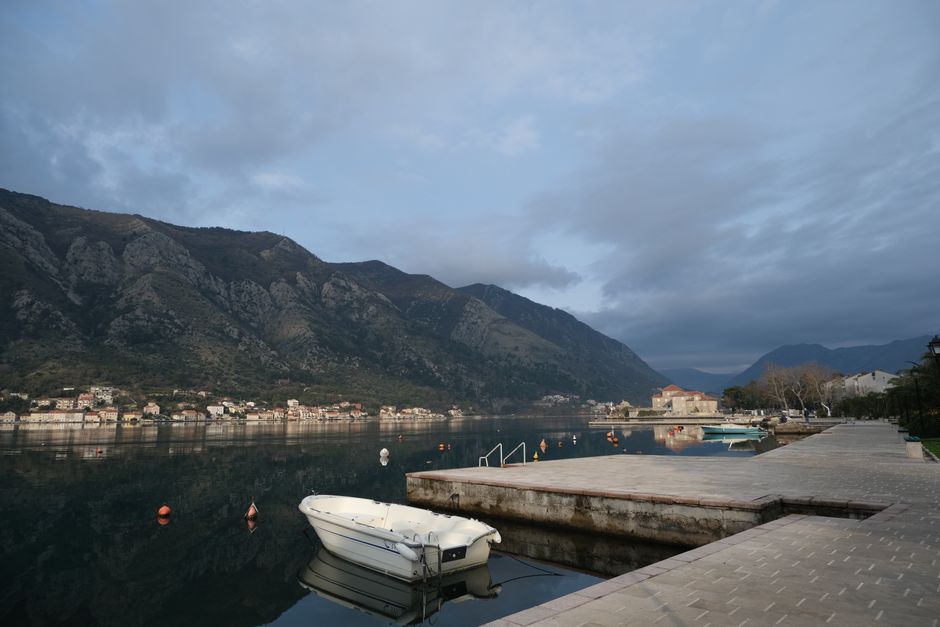
The road from Tivat winds like a ribbon along the edge of the world, the Adriatic a sheet of hammered silver on your left. Then, as you round a final bend, it appears. It feels less like a destination and more like a revelation. Kotor, Montenegro, is not merely a town; it is a dramatic collision of elements, a masterpiece painted by giants. Imagine a deep, fjord-like bay, the Boka Kotorska, so profoundly blue it seems to swallow the sky. At its innermost sanctum, cradled by sheer, grey limestone cliffs that rise with impossible verticality, clings a labyrinth of terracotta roofs and church spires. Encircling it all, snaking up the mountain face in a defiant, serpentine line, are the ancient city walls. This is your first sight of Kotor—a bay town with medieval walls and mountain backdrop that steals the breath and silences the mind.
Cross the stone bridge over the shallow moat, pass through the Sea Gate, and the 21st century dissolves. The sound of your footsteps changes instantly, from the dull thud of modern pavement to the resonant click-clack on centuries-old, polished *kaldrma*—the smooth, white limestone cobbles worn concave by a millennium of pilgrims, merchants, and invaders. The air is cool and carries a unique perfume: the salty tang of the Adriatic, the damp, earthy scent of ancient stone, the sweet aroma of jasmine spilling from hidden courtyards, and the faint, comforting smell of woodsmoke from a konoba's hearth.
Sunlight filters down in narrow shafts, illuminating motes of dust dancing in the stillness. You hear the distant clang of a church bell, its tone deep and melancholic, echoing off the close walls. A cat, as much a resident as any human, stretches on a warm windowsill. You are not just visiting a place; you are stepping into a living, breathing storybook. Every archway, every worn step, every faded crest carved above a doorway whispers of Venetian dukes, Byzantine emperors, and hardy Montenegrin sailors. Kotor does not announce its beauty; it envelops you in it, layer by stone layer, inviting you to lose yourself in its maze and, in doing so, perhaps find something you didn't know you were seeking.
Why Visit Kotor: More Than a Postcard
You might come for the iconic photograph, the one of the bay framed by mountains. But you will stay for the feeling. Kotor, Montenegro, offers a rare alchemy of grandeur and intimacy. The scale is epic, cinematic—the kind of landscape that makes you feel wonderfully small. Yet, within the walled city, the experience is profoundly personal. There are no wide boulevards here, only a cat's cradle of alleys so narrow you can touch both walls. This intimacy forces a slower pace, a deeper observation.
This is a place for the romantic, the historian, the adventurer, and the contemplative soul. For the romantic, it's the golden-hour light bathing the stone facades in honeyed warmth, the secret gardens, the serenade of evening music from a tucked-away square. For the historian, it's an open-air museum spanning Roman, Byzantine, Venetian, and Austro-Hungarian rule, with architecture that tells a complex, layered tale. For the adventurer, it's the call of the serpentine path up the Fortress of San Giovanni, a thigh-burning, soul-stirring climb that rewards with a view that will be etched in your memory forever. And for the contemplative, it's the profound sense of timelessness that settles over the city after the day-tripper crowds have departed, when the shadows lengthen and the ancient stones seem to speak.
Unlike some polished, museum-like old towns, Kotor thrums with authentic life. Laundry flutters from wrought-iron balconies above designer boutiques. Old men in flat caps play endless games of chess in shaded corners. The buzz of a scooter delivering goods competes with the chatter from a café where locals debate over tiny cups of Turkish coffee. You visit not to see a preserved relic, but to witness a community that has adapted its extraordinary shell to modern life, creating a vibrant, palpable energy that is utterly captivating.
When to Visit: Chasing the Perfect Light
Kotor wears different masks with each season, and choosing when to go shapes your entire narrative. The peak summer months (July-August) are a symphony of heat and energy. The bay is alive with yachts and laughter, café tables spill onto every square, and the nights are warm and long. But this is when the city breathes most heavily with visitors; the narrow streets can pulse with crowds, especially when cruise ships disgorge their passengers. The light is fierce and bright, bleaching the stone and making the climb up the walls a midday marathon best avoided.
For a truly cinematic experience, aim for the shoulder seasons. Late spring (May-June) is pure magic. The mountains are still crowned with snow, providing a stunning white contrast to the verdant slopes and blue bay. The weather is warm but not oppressive, ideal for hiking and exploration. The air is scented with blooming bougainvillea and lemon blossoms. Autumn (September-October) is equally sublime. The sea retains its summer warmth, the summer crowds have ebbed, and the light takes on a golden, painterly quality, perfect for photography. The grape harvest infuses the region with a festive atmosphere.
Winter (November-March) is for the intrepid and those seeking profound solitude. The tourist veneer vanishes entirely. You might have the city walls almost to yourself, with dramatic, cloud-wreathed mountains as your companion. The air is crisp, wood stoves glow in taverns, and the experience feels raw and authentic. Some businesses close, but those that remain open welcome you like family. It's a time for quiet reflection, for seeing the stark, beautiful bones of the city without adornment.
How to Get There: The Approach
Your journey to Kotor is part of the adventure. Most international flights land at either Tivat (TIV) or Podgorica (TGD) airports. Tivat is the more dramatic and convenient option, a mere 15-minute drive along the breathtaking coast. As your plane descends, you'll get a stunning aerial preview of the winding bay. Podgorica is about a 90-minute drive through Montenegro's rugged interior, a journey of mountain passes and river valleys that showcases the country's wild heart.
Many visitors arrive via the stunning Adriatic Highway from Dubrovnik, Croatia—a two-hour drive that is arguably one of Europe's most beautiful road trips. The route traces the coastline, offering dizzying views of the sea and islands, before crossing the border and introducing you to the vast, awe-inspiring expanse of the Boka Kotorska. Coming by sea is perhaps the most historic approach. The bay has welcomed ships for millennia. Today, arriving by yacht or even a small cruise ship, you replicate the awe-inspiring entrance of ancient mariners, watching the fortress walls grow larger and more imposing with each nautical mile.
Once in Kotor, abandon the car. The Old Town is a pedestrian sanctuary. Parking is available outside the walls, but the true discovery begins when you lock the vehicle and continue on foot, with your suitcase wheels rumbling over the ancient cobbles towards your stay within the stone embrace of the city.
Accommodation: Sleeping Within the Story
Where you lay your head in Kotor is not just about a bed; it's about choosing your character in the city's ongoing play. For the full immersive experience, stay within the walls of the Old Town. Here, heritage houses have been lovingly converted into boutique hotels and guesthouses. Your room might be in a 300-year-old palazzo, with stone walls three feet thick, wooden beams overhead, and a window that opens onto a tiny, bustling alley. You fall asleep to the distant sound of laughter from a restaurant courtyard and wake to the bells of St. Tryphon's Cathedral. The downside? The charming cobbles can be noisy late into the evening, and navigating luggage can be a challenge—a small price for poetry.
Just outside the Sea Gate, in the districts of Škaljari and Dobrota, you'll find a wealth of modern apartments and hotels, many with that priceless commodity: a balcony overlooking the bay. Waking up to a cup of coffee with a direct view of the sun illuminating the mountain faces is a daily gift. These areas offer easier parking and a slightly quieter night, while being only a two-minute stroll from the ancient gates.
For the ultimate in luxury and panorama, consider the hillside villas and hotels perched on the roads that snake above the bay. From these eagle's nests, you look down upon the entire theatrical scene—the town, the walls, the winding bay—framed by your infinity pool. It's a retreat from the bustle, a place to absorb the grandeur in private. Finally, for a truly local feel, seek out a homestay in one of the smaller villages around the bay, like Perast or Prčanj. Your commute becomes a daily scenic drive or boat ride, and you experience the gentle rhythm of Montenegrin life away from the central stage.
Things to Do: The Script of Exploration
The greatest activity in Kotor is simply to be. To wander without a map, to let your curiosity be your guide. Get deliberately lost in the maze of streets with names like "Street of the Armourers" or "Alley of the Kiss." You'll stumble upon quiet squares, medieval wells, and hidden Orthodox chapels glowing with the light of votive candles. But when you're ready for directed adventure, the city offers chapters of unforgettable experiences.
The centerpiece is the climb to the Fortress of San Giovanni, the Castle of St. John. This is not a casual stroll; it's a 1,350-step pilgrimage up the mountain face, following the line of the defensive walls. You start in the damp coolness of the lower city, passing through ancient gates. As you ascend, the view unfolds like a slow-motion film reel. The red roofs of the Old Town become a neat mosaic. The bay reveals its full, winding, serpentine shape, a brilliant blue slash between the mountains. Your legs burn, your heart pounds, but with each step, the world expands. Reaching the fortress at 280 meters above sea level, you are rewarded with a vista that is pure, unadulterated majesty. It's a perspective that explains Kotor's strategic importance and its timeless allure.
Back on sea level, dedicate time to the monuments. The Cathedral of Saint Tryphon is the city's sacred heart. Its twin Romanesque towers are Kotor's signature skyline. Inside, the air is cool and smells of incense and old stone. The intricately carved stone altar screen is a masterpiece, and the small museum holds relics that speak of the city's deep Catholic heritage. Just as important is the Maritime Museum of Montenegro, housed in the elegant Grgurina Palace. Its rooms tell the poignant story of Kotor's seafaring soul—of brave captains, long voyages, and the economic engine that built this city. Model ships, navigational instruments, and portraits of stern-faced admirals make the history tangible.
To understand the bay, you must get on the water. A short, inexpensive boat ride from Kotor's harbour takes you to the two iconic islets: Our Lady of the Rocks and Sveti Đorđe. The former is a man-made island, a legend born from a vow and centuries of sailors adding a rock after each successful voyage. Its blue-domed church is a baroque treasure trove of silver votive plates and a stunning altarpiece by Tiepolo. The latter is a natural island, home to a Benedictine monastery and a cypress tree graveyard, offering a moody, contemplative counterpoint.
Finally, explore beyond the walls. A short drive around the bay brings you to the achingly beautiful village of Perast, a frozen moment of Baroque elegance. Or, for the adventurous, take the serpentine road up Mount Lovćen, into the black mountains that give Montenegro its name, for a view from the other side of the world.
Food and Drink: A Feast for the Senses
Montenegrin cuisine is a hearty, flavorful reflection of its geography—a marriage of Mediterranean seafood and robust mountain fare. In Kotor, your culinary day might begin with a *burek*, a flaky phyllo pastry pie filled with cheese or meat, bought from a small bakery for a few coins, eaten on a sunny bench by the bay.
Lunch is an event. Find a *konoba*, a traditional tavern, often tucked in a cellar or courtyard. The air is rich with the scent of grilled meat and woodsmoke. Start with local cheeses like *njeguški sir*, a smoky, hard cheese, and *pršut*, air-dried ham that rivals its Italian cousin. For the main act, you must try *crni rižot* (black risotto), made with cuttlefish ink, a dramatic, briny dish that stains your lips and satisfies your soul. *Brodet* is a rich, garlicky fish stew, perfect for mopping up with crusty bread. From the mountains comes *kacamak*, a comforting porridge of potatoes and cornmeal, often served with kajmak (clotted cream) and grilled meats.
Wash it down with Vranac, Montenegro's signature red wine, a deep, dry, and fruity companion to the hearty dishes. For white, try Krstač or Žilavka. Be sure to sample the local spirits: *rakija*, a fierce fruit brandy offered as a welcome, and *loza*, a grappa-like drink. End your meal with a slice of *kotor cake*, a dense, almond-based dessert that is the city's sweet signature.
Dining in Kotor is as much about atmosphere as food. A table on the square by the Cathedral, under the stars, with the illuminated walls soaring above you, turns a simple meal into a memory. Or, seek out a restaurant on the waterfront outside the walls, where you can dine to the gentle lap of waves against the stone quay.
Practical Tips: Navigating the Dream
The currency is the Euro (€), even though Montenegro is not in the EU. Cash is king in small shops and konobas, though cards are widely accepted in hotels and larger restaurants. Montenegrin is the language, but you'll find English widely spoken in tourist areas. Learning a few basic phrases (*hvala* for thank you, *dobar dan* for good day) is always appreciated.
Wear sturdy, comfortable shoes with grip. The polished cobbles are beautiful but treacherously slick, especially when wet, and the climb to the fortress demands proper footwear. The sun can be intense; a hat, sunglasses, and sunscreen are essential, even on the water where reflection amplifies the rays.
Be mindful of cruise ship schedules. If possible, plan your exploration of the Old Town for early morning or late afternoon when day-trippers are fewer. The city reclaims its magic in these quieter hours. Tipping is customary; rounding up the bill or leaving 5-10% for good service is standard. Finally, embrace the pace. Things may move slower than you're used to. A coffee is for sipping and watching the world go by. A meal is to be lingered over. This is not inefficiency; it's the local philosophy. Surrender to it.
Suggested Itinerary: A Four-Day Epic
Day 1: Arrival and Immersion. Enter the Old Town through the Sea Gate. Drop your bags and immediately get lost. Wander the alleys, find the Cats' Square, and soak in the atmosphere. Have a late lunch at a konoba. In the evening, take a leisurely stroll along the bayfront, watching the lights come on and reflect on the still water. Dine in a square, absorbing the nocturnal energy.
Day 2: Heights and Depths. Rise early and conquer the Fortress of San Giovanni climb, beating the heat and the crowds. Spend the afternoon exploring the cultural gems: St. Tryphon's Cathedral and the Maritime Museum. Later, reward your efforts with a boat trip to Our Lady of the Rocks and Sveti Đorđe islets. Enjoy a seafood dinner by the water.
Day 3: Beyond the Walls. Rent a car or hire a driver for a bay circumnavigation. Visit the stunning village of Perast. Continue to the sleepy village of Prčanj. Drive up the serpentine "Kotor Serpentine" road to the Krstac pass or higher to Lovćen for a breathtaking panoramic view of the bay from above. Have a rustic mountain lunch in Njeguši village, famous for its pršut and cheese.
Day 4: Local Rhythms and Farewells. Visit the daily green market outside the walls for a taste of local life. Pick up picnic supplies. Take a short hike to the Gurdic Spring, a fortified gate on the south side of town, for a different perspective. Enjoy a final, long coffee in your favorite spot, perhaps the Kampana Square. For your last dinner, splurge on a hillside restaurant with a view, to see Kotor, Montenegro, spread out below you like the treasure it is.
Conclusion: The Stone's Echo
Leaving Kotor is a gentle wrench. As you pass back through the Sea Gate, the modern world rushes in with the sound of traffic. But you carry something with you. The memory of cool stone under your fingertips, the taste of briny black risotto, the burn in your calves from the climb, and the dizzying, triumphant view from the fortress. Kotor, Montenegro, is not a place you simply see; it's a place you feel in your bones. It is a testament to human resilience and artistry, a community that has carved its life into a cliff face and thrived for a thousand years.
It reminds you that the most beautiful places are often those where nature and history have engaged in a dramatic, eternal dance. You came as a visitor, but you leave with the sense that a part of you will always be there, wandering those ancient alleys, looking up at the mountains, listening for the echo of the church bells across the blue, blue bay. It is a story you have now become a part of, and its final scene is not a goodbye, but a quiet promise to return.
Frequently Asked Questions
Is Kotor, Montenegro, too crowded with tourists?
Kotor can be busy, particularly during the peak summer months when cruise ships are in port. However, the crowds are highly concentrated in the middle of the day and within the main arteries of the Old Town. By staying within or near the city, you can experience the magical early mornings and evenings when the streets are quiet. Venturing just a few alleys away from the main squares often leads to peaceful solitude.
How difficult is the climb to the Fortress of San Giovanni?
The climb is challenging but manageable for anyone of average fitness. It involves approximately 1,350 uneven stone steps with a significant elevation gain. The key is to take it slow, wear proper shoes, bring plenty of water, and start early in the morning to avoid the midday sun. The view from the top is more than worth the effort, and you can turn back at any of several rest points for still-impressive vistas.
Is Kotor a good destination for a longer stay, or is it just a day-trip spot?
While many visit Kotor as a day trip, it makes a fantastic base for a longer stay of 3-5 days. This allows you to deeply explore the atmospheric Old Town, complete the fortress climb at a relaxed pace, take boat trips on the bay, visit nearby villages like Perast, and even take day trips to other Montenegrin highlights like Budva, Sveti Stefan, or Lovćen National Park. The longer you stay, the more you uncover its layered charm.
What is the local food like, and are there good options for vegetarians?
Montenegrin cuisine is meat and seafood heavy, but vegetarians can absolutely eat well. Look for dishes like *njoki* (gnocchi), *priganice* (fried dough balls often served with cheese or honey), various grilled vegetable plates, local cheeses, and salads like *šopska salata*. Many restaurants are accustomed to dietary requests. The black risotto is a seafood dish, but always confirm ingredients.
Is it better to stay inside the Old Town or outside the walls?
This depends on your priorities. Staying inside the walls offers ultimate immersion and charm—you are in the heart of the historic maze. However, rooms can be smaller, noise from evening restaurants may carry, and accessing your accommodation with luggage can be tricky. Staying just outside the walls (in Škaljari or Dobrota) often provides more space, easier parking, stunning bay views from balconies, and is only a 2-5 minute walk to the gates, offering a blend of convenience and atmosphere.
Do I need to rent a car to enjoy Kotor and the surrounding area?
Not for exploring Kotor itself, which is best on foot. However, to truly explore the Bay of Kotor and inland Montenegro at your own pace, a rental car is highly recommended. The coastal and mountain roads are spectacular drives. Alternatively, local buses connect the bay towns reliably, and taxis or organized tours are available for specific day trips.


No comments:
Post a Comment