
La Paz: A City in the Sky, A Heart in the Clouds
Introduction
The first thing you notice is the air. It's thin, crisp, a sharp intake that feels like breathing in shards of ice and ancient dust. Your lungs protest, a gentle reminder that you are not on solid ground but suspended in it. La Paz, the world's highest administrative capital, doesn't greet you; it tests you. The city unfolds not outward, but downward, a dizzying, chaotic, magnificent bowl carved into the Andean altiplano. From the high-altitude plains of El Alto at over 4,000 meters, the metropolis cascades into a canyon, a torrent of terracotta roofs, gleaming glass, and winding streets that plunge a thousand meters to the lush, lower valleys. To arrive here is to step into a living topographic map, a city that defies gravity and expectation in a single, breathtaking glance.
Your taxi from the airport plunges down the canyon wall, and the city rises to meet you. The sound is a symphony of controlled pandemonium: the persistent beep of minibus horns, the distant hum of a cable car gliding silently overhead, the murmur of Aymara and Spanish weaving through the market stalls. The smell is a complex tapestry—woodsmoke from a street vendor's grill, the earthy scent of dried coca leaves, the faint tang of diesel, and the sweet, floral note of freshly baked marraquetas. Light in La Paz has a unique quality, a brilliant, unfiltered intensity that sharpens every color, from the vibrant pollera skirts of the cholitas to the deep blue of the endless sky.
This is not a city of postcard-perfect colonial facades alone, though they exist in charming pockets. La Paz is raw, real, and vibrantly alive. It's a place where centuries-old indigenous traditions walk confidently alongside modern urban life. You'll see a young woman in a bowler hat and layered skirts, a smartphone in her hand, haggling for textiles in a market that has existed since before the Spanish arrived. You'll witness shamans performing blessings on a sidewalk while businesspeople in suits stride past. This friction, this beautiful, unapologetic juxtaposition, is the city's heartbeat. La Paz doesn't just sit in the Andes; it is of the Andes—resilient, formidable, and stunningly beautiful. To explore it is to embark on a visceral, sensory journey that challenges your body, expands your mind, and imprints itself on your soul with the force of the high-altitude sun.
Why Visit La Paz
You visit Paris for romance, Rome for history, Tokyo for futurism. You come to La Paz for transformation. This city is not a passive backdrop; it is an active participant in your journey. It demands your engagement, rewards your curiosity, and forever alters your perspective on what a city can be. The primary draw is its sheer, mind-bending topography. There is no other urban landscape like it on Earth. The Mi Teleférico cable car system, a network of bright-colored lines crisscrossing the sky, isn't just public transport; it's the ultimate sightseeing tour. As you glide in a glass bubble from canyon rim to city center, you float over a mosaic of urban life—schoolyards, market awnings, labyrinthine alleyways—all laid bare beneath you. It offers a god's-eye view of human ingenuity clinging to a mountainside.
Beyond the spectacle, La Paz is a cultural powerhouse. It is the beating heart of Bolivia's indigenous identity. The resurgence and pride of the Aymara and Quechua cultures are palpable everywhere. The cholitas, indigenous Aymara women, are icons of this cultural reclamation. Their elegant, traditional dress—bowler hats, shawls, and voluminous skirts—is a statement of identity, not a costume. Witnessing their confidence, from presiding over market stalls to wrestling in the famous Cholita Wrestling matches, is to witness a profound social revolution. The city's markets, like the sprawling Mercado de las Brujas (Witches' Market), are not mere shopping destinations but portals into a spiritual worldview, where dried llama fetuses are sold for offerings to Pachamama (Mother Earth) and herbal remedies sit alongside smartphone cases.
Finally, La Paz is a gateway. It is the pulsating urban launchpad for some of South America's most legendary adventures: the salt flats of Uyuni, the death-defying Road of Death cycling, the mystical ruins of Tiwanaku. But in its own right, it is the adventure. It's the thrill of navigating its chaotic streets, the warmth found in a shared cup of api on a cold morning, the awe of looking up from a colonial courtyard to see a cable car sliding silently across a cerulean sky. You visit to feel alive, in every sense of the word.
When to Visit
La Paz operates on two primary seasons: the dry season and the wet season, with the shoulder months offering their own unique charm. The dry season, from May to October, is widely considered the best time to visit. These are the months of endless, crystalline blue skies. Days are sunny and surprisingly warm in the sun, though the thin air means the moment you step into shade, the temperature plummets. Nights are cold, often dipping below freezing, especially in June and July. This is the perfect weather for clear cable car views, strenuous hiking, and exploring without the slick of rain on steep cobblestones. However, this is also peak tourist season, so expect more crowds at major sites.
The wet season, from November to March, brings warmer temperatures but daily, often intense, afternoon thunderstorms. The rain can transform the dusty altiplano into a green carpet and washes the city in a fresh, clean light. Clouds, however, can obscure the magnificent mountain views, and hiking trails become muddy. The upside is a more local, less crowded experience, and the city takes on a dramatic, moody atmosphere. The most magical time, in my opinion, is the shoulder months of April and late October. You catch the tail end of one season and the beginning of another—perhaps a late rain shower followed by a brilliant sunset. The light is soft, the pace is slower, and you feel a sense of seasonal transition in the air.
Always remember: altitude trumps season. No matter when you come, the high elevation of La Paz is the dominant climatic factor. The sun is intensely strong, and the air is always dry. Packing layers is not a suggestion; it's a survival strategy. A warm jacket for the evening is essential year-round.
How to Get There
Your journey to the roof of the world begins at El Alto International Airport (LPB). Perched on the altiplano at a staggering 4,061 meters, it's one of the highest commercial airports on the planet. The landing itself is a thrill—views of endless brown plains and the sudden, gaping maw of the canyon that holds La Paz. International flights connect through hubs like Lima, Bogotá, Santiago, and Miami. Upon arrival, take it slow. Your body needs to acclimate. Drink water immediately and avoid heavy exertion.
The ride from the airport to the city center is an unforgettable introduction. Official taxis are available just outside arrivals. As you leave the terminal, the vast, flat expanse of El Alto stretches out, a city of its own with its own fierce identity. Then, within minutes, the ground falls away. The driver will begin the serpentine descent down the canyon wall, and the entire universe of La Paz will spill out below you. It's a cinematic entry that no film can truly capture. The journey takes about 30 to 45 minutes depending on traffic, which in La Paz is a chaotic ballet of minibuses, taxis, and pedestrians.
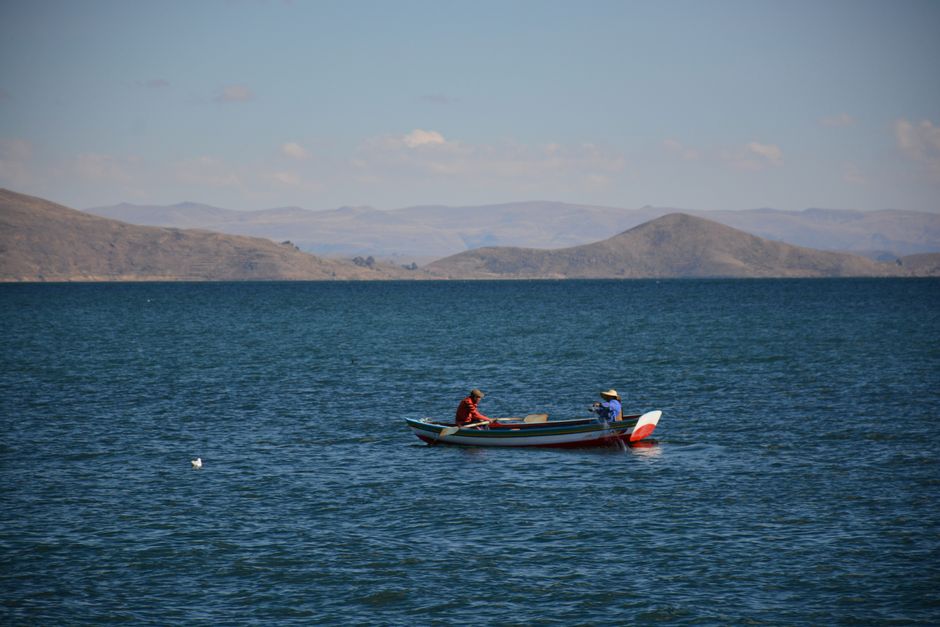
You can also arrive by bus from within Bolivia. The journey from Copacabana on Lake Titicaca is particularly scenic, winding through high-altitude landscapes before the dramatic reveal of the city. Bus terminals are in the less-touristy outskirts, so be prepared for a taxi ride to your final destination. However you arrive, that first glimpse—the sudden, overwhelming scale of the city in its geological cradle—is a moment that will stay with you forever.
Accommodation
Where you stay in La Paz is intrinsically linked to the experience you seek, dictated by the city's dramatic verticality. For first-time visitors and those wanting to be in the thick of the action, the neighborhoods of Sopocachi and the city center (Centro) are ideal. Sopocachi is a lively, bohemian district brimming with trendy cafes, art galleries, and some of the city's best restaurants. It's at a mid-level altitude, offering a good balance between accessibility and a slightly easier climate for acclimatization. Here you'll find chic boutique hotels housed in elegant old mansions, their courtyards filled with geraniums, offering a serene escape from the bustling streets outside.
The historic center, around Calle Sagárnaga and the San Francisco Church, is the tourist epicenter. This is the place for colonial charm and immediate access to the witches' markets, artisan shops, and tour agencies. Accommodation here ranges from basic hostels popular with backpackers to beautifully restored hotels where you can sleep within walls that have witnessed centuries of history. Be prepared for more noise, more steep hills, and an exhilarating, constant buzz of activity right outside your door.
For a truly unique and more tranquil experience, consider staying in the lower, southern zone of Zona Sur, like the neighborhood of Calacoto. This is where the city's wealthy reside, and the altitude is a much more comfortable 3,200 meters. The air is thicker, the streets are tree-lined, and the pace is more relaxed. You'll find modern apartment rentals and upscale hotels here. The trade-off is distance from the historic core—a 20-30 minute taxi or cable car ride away. My personal recommendation? Start your stay in Sopocachi or the center to immerse yourself, then perhaps retreat to Zona Sur for a night or two of deeper sleep and easier breathing as you fully acclimate.
Things to Do
To experience La Paz is to engage with it from every angle—from its streets to its sky. Begin with the Mi Teleférico. Don't just take one line; make a journey of it. Buy a rechargeable card and spend an afternoon riding the network. The Red Line to El Alto offers the most dramatic transition from the urban canyon to the vast, open plain. The Yellow Line glides over the heart of the city, giving you an intimate, floating view of daily life. As you disembark at various stations, explore the neighborhoods you find. It's the most efficient, breathtaking, and uniquely Paceño way to understand the city's geography.
Descend into the labyrinth of the markets. The Mercado de las Brujas on Calle Jiménez is a must, but go beyond the tourist-facing stalls. Wander deeper into the Mercado Negro or the sprawling Rodriguez Market. Here, you'll find everything from bolts of vibrant fabric and dried potatoes to car parts and mystical ingredients. The energy is overwhelming and addictive. Engage respectfully with the vendors, many of whom are cholitas whose faces tell stories of resilience. For a more curated shopping experience, the Calle de las Brujas and Sagárnaga are lined with shops selling exquisite alpaca sweaters, intricate silver jewelry, and colorful textiles.
Seek out the city's plazas. The Plaza Murillo, flanked by the Presidential Palace and Cathedral, is the political heart. Sit on a bench and watch the world go by, with pigeons fluttering around statues of forgotten heroes. For a more local vibe, find Plaza Alonso de Mendoza, a sun-drenched square perfect for people-watching. For culture, the Museo Nacional de Arte in a stunning colonial palace showcases Bolivia's artistic heritage, while the fascinating Museo de la Coca offers a balanced look at the sacred leaf's complex history.
As evening falls, take a taxi up to the miradores (viewpoints). The Killi Killi viewpoint offers a panoramic, 360-degree vista of the entire city basin, spectacular at sunset as a million lights begin to twinkle in the deepening blue. For a truly local experience, seek out a peña folkloric music club. In a dimly lit room, fueled by a hearty plato paceño and a cold Paceña beer, let the powerful sounds of charangos, zampoñas (panpipes), and haunting vocals wash over you. It's a rhythmic, soulful connection to the Andean spirit.
Food and Drink
Paceño cuisine is hearty, flavorful, and designed to fortify you against the altitude. Your culinary initiation should be at a local market stall for breakfast. Seek out a woman selling api and pastel. Api is a warm, thick drink made from purple corn, cinnamon, and cloves—sweet, fragrant, and deeply comforting. It's paired with a pastel, a fried pastry filled with cheese, a perfect combination of sweet and savory to start your day. For lunch, you must try plato paceño, the city's signature dish: a generous plate of boiled corn, broad beans, a hefty chunk of cheese, and a baked potato, often topped with a slice of grilled beef. It's simple, satisfying, and deeply rooted in the land.
Street food is an adventure. Sizzling on grills you'll find anticuchos—skewers of marinated beef heart, tender and smoky, served with a spicy peanut sauce and a boiled potato. Salteñas, Bolivia's answer to empanadas, are a mid-morning ritual. These baked pastries are filled with a juicy, slightly sweet stew of meat, potatoes, peas, and an olive, and eating one without spilling the delicious broth is a skill to be mastered. For a more upscale experience, Sopocachi's restaurants offer Novo-Andean cuisine, creatively fusing traditional ingredients like quinoa, llama, and Amazonian fruits with modern techniques. Llama steak is lean, tender, and a must-try.
To drink, the ubiquitous Paceña beer is crisp and refreshing. For the brave, there's singani, a clear brandy distilled from Muscat of Alexandria grapes, best enjoyed in a chuflay cocktail with ginger ale and lime. And of course, there is coca. Coca tea (mate de coca) is offered everywhere and is a genuine help for alleviating mild altitude sickness symptoms. Sipping this mild, grassy tea is a daily ritual, a moment of pause, and a connection to a ancient Andean tradition.
Practical Tips
Altitude Sickness (Soroche): This is the most critical factor. Do not underestimate it. Spend your first 24-48 hours taking it very easy. Walk slowly, drink copious amounts of water (3-4 liters a day), avoid alcohol and heavy foods initially, and drink coca tea. Many hotels offer oxygen if needed. Listen to your body. If symptoms become severe (extreme shortness of breath, confusion), seek medical attention immediately.
Safety: La Paz is generally safe for travelers who use common sense. Be vigilant in crowded markets and on public transport for pickpockets. Keep valuables out of sight. Avoid walking alone in unfamiliar areas at night, especially in El Alto. Use registered radio taxis or ride-hailing apps rather than hailing cabs off the street after dark.
Money: The local currency is the Boliviano (BOB). ATMs are widely available, and credit cards are accepted in nicer hotels and restaurants, but always carry cash for markets, street food, and taxis. Small bills are very useful.
Getting Around: The cable car is your best friend. It's cheap, efficient, and safe. For shorter trips, radio taxis are inexpensive—always ensure they use a meter or agree on a price beforehand. The local minibuses (micros or trufis) are an adventure for the intrepid but can be confusing for newcomers.
Language: Spanish is the official language. While some people in tourist areas speak basic English, learning a few key Spanish phrases (hello, thank you, how much) will go a very long way and is appreciated. Aymara and Quechua are also widely spoken.
Suggested Itinerary
Day 1: Acclimatize and Ascend. Land, take a taxi to your hotel, and do nothing strenuous. In the afternoon, take a gentle stroll around the Sopocachi neighborhood. Find a café, sip coca tea, and people-watch. As the sun sets, take a short taxi to the Killi Killi viewpoint for your first panoramic view of the city lights. Have a light, early dinner nearby.
Day 2: Sky and Street Level. After a market breakfast of api, head to a Teleférico station. Ride the Yellow Line across the city center, then transfer to the Red Line up to El Alto. Feel the altitude change and wander the perimeter of the station for a view back down into the bowl. Return and explore the historic center on foot: visit the San Francisco Church, wander the witches' market on Calle Jiménez, and browse the artisan stalls on Calle Sagárnaga. Enjoy a salteña for a snack.
Day 3: Culture and Cuisine. Visit the Museo Nacional de Arte or the Museo de la Coca in the morning. For lunch, seek out a local spot for a hearty plato paceño. In the afternoon, dive deeper into the Rodriguez Market or visit the fascinating Mercado de las Brujas with a more informed eye. In the evening, book a table at a peña in Sopocachi for dinner and a show of folkloric music.
Day 4: Choose Your Adventure. Option A (Adrenaline): Book a mountain biking trip down the infamous "Death Road" (Yungas Road) – a world-class, thrilling experience. Option B (Culture): Take a half-day tour to the pre-Incan ruins of Tiwanaku, a UNESCO site about an hour and a half away. Option C (Local Life): Explore the southern, greener zones of the city via the new cable car lines, have lunch in Calacoto, and visit the tranquil Parque Urbano Central.
Day 5: Souvenirs and Farewells. Use your final morning for last-minute shopping for alpaca goods or silver. Have a long, leisurely lunch reflecting on your journey. Perhaps take one last cable car ride on a line you haven't tried, saying goodbye to the city from the air, just as you first saw it.
Conclusion
Leaving La Paz feels like waking from a vivid, intense dream. The thin air, the cacophony of sounds, the kaleidoscope of colors—they linger in your senses long after you've descended to lower altitudes. This city does not offer easy comfort; it offers profound experience. It challenges your preconceptions of order and beauty, presenting instead a magnificent, chaotic organism that thrives in the most improbable of settings. You will leave with lungs that have learned to work harder, legs that have conquered its punishing hills, and a mind expanded by its resilient spirit.
La Paz is more than a destination; it's a revelation. It shows you the power of cultural endurance, the audacity of human settlement, and the raw, untamed beauty of life lived at the top of the world. It is humbling and exhilarating in equal measure. You may come for the altitude record or the iconic photos, but you will leave with a piece of the city's fierce, indomitable heart forever woven into your own. It is, quite simply, unforgettable.
Frequently Asked Questions (FAQ)
Is La Paz safe for solo travelers?
Yes, La Paz is generally safe for solo travelers who exercise standard precautions. Stick to well-populated areas, especially at night, use registered taxis, be vigilant with your belongings in crowded markets, and avoid flashing expensive electronics. Staying in recommended neighborhoods like Sopocachi or the center near main plazas is advised. Many hostels and tour groups also provide great opportunities to meet other travelers.
How many days do I need to properly experience La Paz?
A minimum of three full days is recommended to acclimate and see the highlights. This allows one day for gentle acclimatization, one for exploring the city center and markets, and one for a major activity like the Death Road, Tiwanaku, or extensive cable car exploration. Five days would provide a more relaxed and comprehensive experience, allowing you to delve deeper into different neighborhoods and culture.
Can I drink the tap water in La Paz?
It is not recommended to drink tap water in La Paz. Stick to bottled water, which is inexpensive and widely available. Many hotels and hostels provide large water jugs for guests. Use bottled water for brushing your teeth as well to avoid any potential stomach issues that could be exacerbated by the altitude.
What should I pack for the high altitude?
Pack layers! Essential items include a warm jacket, fleece, long-sleeve shirts, a hat and gloves for cold mornings/evenings, and sunscreen and sunglasses for the intense sun. Sturdy, comfortable walking shoes are a must for the steep, uneven streets. Also consider bringing lip balm, moisturizer for the dry air, and any personal altitude medication (consult your doctor).
Do I need to speak Spanish to visit La Paz?
While not strictly necessary, knowing basic Spanish will significantly enhance your experience. English is not widely spoken outside the tourist industry. Learning phrases for greetings, ordering food, asking for prices, and directions will help you connect with locals, navigate more easily, and is a sign of respect. A translation app can be a helpful backup.
Is it worth taking the cable car if I'm afraid of heights?
The Mi Teleférico is incredibly smooth, stable, and feels very secure. The cabins are enclosed. While the heights are significant, the experience is less jarring than a swaying gondola at a ski resort. If you have a severe phobia, you might skip it, but for mild unease, it's worth trying a short line (like the Yellow or White) as the unique perspective it offers on the city is unparalleled and a core part of the La Paz experience.


No comments:
Post a Comment