
Lhasa: A Pilgrimage to the Sun-Drenched Soul of Tibet
Introduction: The First Breath of Thin Air
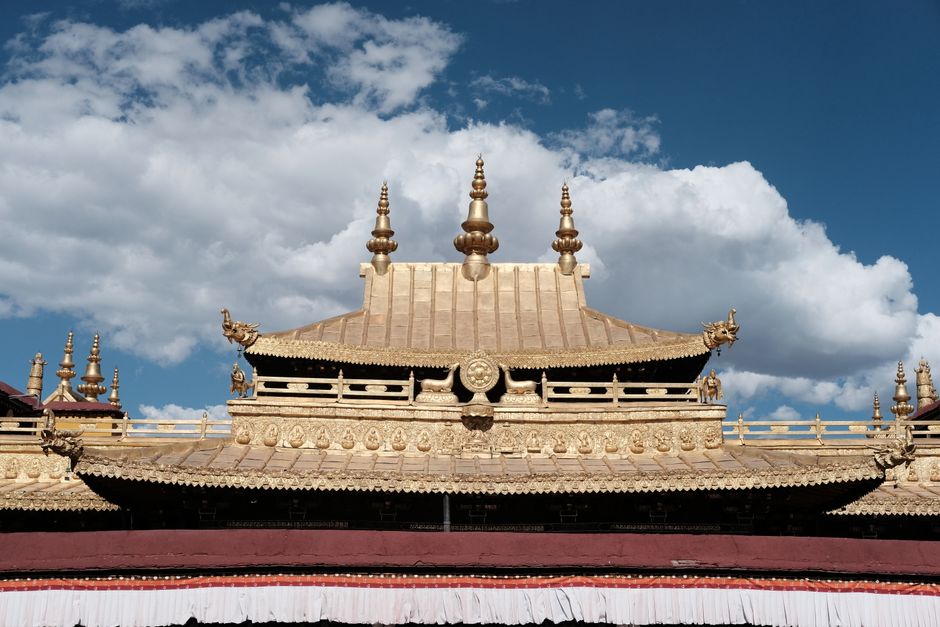
The first thing you notice is the light. It is not the gentle, diffused light of lower altitudes, but a brilliant, searing, almost liquid gold that pours from an impossibly blue sky. It paints the whitewashed stone of the mountains in sharp relief and makes the gilded temple roofs burn like captured suns. This is your introduction to Lhasa, a city that doesn't just sit on a map but floats at 3,656 meters, cradled by the mighty Himalayas. The air is thin, crisp, carrying the faint scent of juniper smoke and old, sun-warmed stone. Your heart beats a little faster, a primal drum reminding you that you have ascended to a place apart.
Lhasa is more than a destination; it is a state of being. For over a millennium, it has been the spiritual and administrative heart of Tibet, a beacon drawing pilgrims from across the high plateau. They come, as you do, not merely as tourists but as seekers, drawn by the gravitational pull of the Jokhang Temple and the awe-inspiring fortress of the Potala Palace. The city's name itself means "Place of the Gods," and from the moment you step into the swirling, prayer-chanted vortex of Barkhor Square, you feel the truth of it. This is a city where the sacred and the mundane intertwine like the threads of a mandala. Monks in maroon robes glide past market stalls selling bright plastic wares; the hypnotic rhythm of hand-turned prayer wheels mixes with the chatter of commerce; and the devout measure the city's circumference with their bodies in full-length prostrations, their faith as tangible as the cobblestones beneath their palms.
To walk through Lhasa is to move through layers of time and devotion. The soundscape is a constant, low hum of mantra—Om Mani Padme Hum—whispered, chanted, spun on wheels, and etched into stone. It's in the clatter of yak butter tea being churned, in the rustle of silk brocade, in the silence that somehow persists even amidst the bustle. You feel the texture of the city: the smooth, worn wood of ancient temple thresholds, polished by countless footsteps; the cool, metallic touch of a thousand butter lamps; the gritty dust of the high desert carried on a breeze that still tastes of snow from distant peaks.
Coming to Lhasa requires a surrender. You surrender your preconceptions, your pace, and, initially, your breath. It asks for a quiet mind and open eyes. It is a cinematic experience in the truest sense—every corner offers a frame worthy of a photograph, every scene is steeped in narrative, and the protagonist is your own perception, shifting and deepening with each passing hour. This is not a city you simply see; it is a city you feel in your bones, a profound encounter with a culture that has gazed at the heavens from the rooftop of the world for centuries.
Why Visit Lhasa: The Call of the High Plateau
Why journey to the ends of the earth, to a city where the air is thin and the culture profoundly different? The answer lies not in a checklist of sights, but in the transformative experience Lhasa offers. You visit to witness a living faith that sculpts the landscape of daily life. In the West, the sacred is often compartmentalized; in Lhasa, it is the very air people breathe. You see it in the elderly pilgrim's weathered hands spinning a prayer wheel, in the families prostrating together at the Jokhang, in the endless streams of people circling holy sites at dawn. This visible, unwavering devotion is humbling and deeply moving, offering a perspective on purpose and community that is increasingly rare.
You come for the architectural majesty that defies both geography and imagination. The Potala Palace is not just a building; it is a mountain upon a mountain, a 13-story fortress of stone and soul that dominates the skyline. Seeing its white and red walls rise against the stark peaks is an image that etches itself permanently into your memory. It is a monument to human will and spiritual aspiration, containing within its thousand rooms the history of a nation. Similarly, the three great monastic universities of Sera, Drepung, and Ganden are not mere museums but vibrant centers of learning, where the thrilling, cacophonous debates of monks are a daily spectacle of intellectual fervor.
Finally, you visit Lhasa to connect with a people whose resilience and warmth are as powerful as their landscape. The Tibetan smile is genuine, often touched with a gentle curiosity. Sharing a bowl of butter tea in a humble family-run restaurant, or receiving a shy "Tashi Delek" (greetings and good luck) from a child, breaks down any barriers of language or culture. You leave not just with photographs of stunning scenery, but with a felt sense of a unique human spirit, forged in high altitude and ancient wisdom. Lhasa changes you. It slows your internal clock, expands your understanding of spirituality, and leaves you with a quiet, persistent awe for a world that operates on a different, more profound frequency.
When to Visit: Chasing the Sun and Avoiding the Crowds
Timing your pilgrimage to Lhasa is crucial, dictated less by personal whim and more by the twin deities of climate and altitude. The city enjoys over 3,000 hours of sunshine annually, earning its title "City of Sunlight," but its high-mountain desert climate brings extreme variations.
The undisputed golden windows are April to early June and September to October. During these shoulder seasons, you are gifted with the perfect triad: mild, manageable temperatures (daytime highs of 15-20°C/59-68°F), clear, dazzling skies that frame the mountains in perfect detail, and relatively thinner crowds. Spring sees the plateau begin to stir—wildflowers tentatively dot the valleys, and festivals like Saga Dawa, celebrating Buddha's birth, enlightenment, and parinirvana, infuse the city with heightened spiritual energy. Autumn is arguably even more spectacular. The air is crystal-clear, the light is a painter's dream, casting long, dramatic shadows, and the harvest season brings a palpable sense of contentment. It is the ideal time for trekking in the surrounding valleys and for photography, when every hue of the Potala's walls and the temple gold seems intensified.
July and August bring the warmest weather and the bulk of domestic tourism. While days can be pleasantly warm, this is also the rainy season, with brief but intense afternoon showers. The upside is lush, green scenery; the downside is larger crowds and the potential for clouded mountain views. Winter (November to March) is for the intrepid. Days can be sunny and surprisingly pleasant, but temperatures plummet below freezing at night. Many smaller guesthouses close, and travel to remote areas can be difficult. However, the rewards are immense: you'll have iconic sites almost to yourself, the low-angle winter light is magical, and you can witness Tibetan New Year (Losar) in February or March, a riot of color, ritual, and masked dances. Regardless of when you go, remember: the sun is fierce at this altitude. A wide-brimmed hat, high-SPF sunscreen, and lip balm are non-negotiable companions, even on chilly days.
How to Get There: The Ascent to the Rooftop
The journey to Lhasa is part of the adventure, a gradual or sudden ascent to the clouds that requires careful planning. The most dramatic entry is by rail on the Qinghai-Tibet Railway. Boarding the train in Xining, you embark on a 21-hour cinematic masterpiece. You watch the world transform outside your window: from grasslands to the haunting beauty of the salt flats of Kekexili, past herds of Tibetan antelope, and finally, the breathtaking crossing of the Tanggula Pass at 5,072 meters—the highest railway point in the world. The train is equipped with oxygen outlets at each seat and a doctor on board, helping your body acclimatize gradually. It's a communal, awe-inspiring experience, shared with Tibetan families, monks, and fellow travelers, all united by the spectacle unfolding beyond the glass.
For those with less time, flying into Lhasa Gonggar Airport is the swift alternative. The flight itself is staggering, offering jaw-dropping views of the Himalayan giants, including Everest on a clear day. The sudden arrival at high altitude, however, is a shock to the system. You disembark into thin air, and acclimatization must begin immediately. Flights connect through major Chinese cities like Chengdu, Beijing, and Kathmandu (Nepal).
For the ultimate road trip, the friendship highways from Nepal or Chengdu offer an epic overland journey. These are long, arduous, but unimaginably beautiful routes, traversing high passes, deep gorges, and timeless landscapes. They require a private vehicle, a guide, and ample time, but reward you with a profound sense of arrival. Critical Note: All travelers to Tibet require a Tibet Travel Permit, which cannot be obtained independently. You must book your tour through a licensed travel agency who will arrange the permit, a guide, and a private vehicle for all your movements. This is not a suggestion but a strict governmental requirement for foreign and independent Taiwanese passport holders.
Accommodation: From Humble Homestays to Heritage Hotels
Where you rest your head in Lhasa is more than a logistical choice; it's a choice of atmosphere and immersion. The city offers a spectrum from the authentically traditional to modern comfort, all tinged with the unique character of the plateau.
For deep cultural immersion, seek out a traditional Tibetan guesthouse in the Old City, particularly in the Barkhor area. These are often family-run operations in centuries-old buildings with thick stone walls, wooden pillars, and painted lintels. Rooms are simple—sometimes sharing bathrooms—but brimming with character. You might sleep under hand-woven blankets, wake to the sound of pilgrims circling below your window, and share breakfast of tsampa and butter tea with other travelers in a cozy common room warmed by a stove. The hospitality is genuine, and the connection to the daily rhythm of the Old City is unparalleled.
On the other end of the spectrum, Lhasa now boasts several international-standard hotels that prioritize comfort and oxygen. These establishments often have oxygen-enriched rooms or 24-hour oxygen supply, a genuine blessing for those struggling with altitude. They offer familiar amenities, spacious rooms, and reliable heating—a luxury during the cold winters. While they may lack the traditional charm, they provide a crucial sanctuary for recovery and respite.
The most captivating options are the boutique heritage hotels that masterfully blend both worlds. Imagine a meticulously restored nobleman's house or monastery, where original murals adorn the walls, antique Tibetan furniture fills the rooms, and modern en-suite bathrooms have been seamlessly integrated. Courtyards are filled with potted flowers, rooftop terraces offer staggering views of the Potala, and the service is attentive yet infused with Tibetan grace. Staying in such a place feels like being a guest in a living museum, where every detail tells a story. No matter your choice, book well in advance, especially during peak seasons, and prioritize location—being within walking distance of the Jokhang and Barkhor will exponentially enrich your experience.
Things to Do: The Heartbeat of the Holy City
To experience Lhasa is to engage in its rituals, both grand and intimate. Your days will be spent moving between awe-inspiring monuments and the vibrant flow of daily devotion.
Begin at the soul of the city: the Jokhang Temple. Founded in the 7th century, this is the most sacred site in Tibetan Buddhism. Join the stream of pilgrims at dawn. Feel the smooth, sun-warmed stones of the Barkhor Square underfoot, worn into undulating waves by millions of circumambulations. Inside, the air is thick with the smoky perfume of yak butter lamps and the murmur of prayers. Pilgrims press offerings of butter and money against ancient statues, their faces illuminated by faith in the dim, golden light. The central statue of Jowo Shakyamuni Buddha is breathtaking, a serene presence that has drawn devotees for over 1,300 years. It is an overwhelming, sensory-rich experience that connects you directly to the living heart of Tibet.
Then, turn your gaze upward to the Potala Palace, the spiritual and administrative center of Tibet for centuries. The climb up its long, zigzagging stairway is a pilgrimage in itself, each step a battle with the altitude that makes the eventual arrival more meaningful. Inside, you move through a labyrinth of chapels, tombs, and audience halls. The air is cool and still, heavy with history. You'll see the jewel-encrusted tombs of past Dalai Lamas, intricate thangka paintings that seem to glow in the dark, and countless statues gazing into eternity. From the rooftop, the view across Lhasa is a king's panorama, a reward for the ascent.
For a vibrant spectacle, time your visit to Sera Monastery for the afternoon debates. In a shaded courtyard, hundreds of monks in maroon robes gather. The scene is one of controlled, intellectual chaos. A monk poses a philosophical question with a loud clap of his hands and a dramatic stamp, his challenger responding with fervent logic. It's a physical, theatrical, and utterly captivating display of Buddhist dialectics. The sound—a roaring chorus of claps, retorts, and laughter—is unforgettable.
Venture beyond the city to the Drepung Monastery, once the largest monastery in the world, clinging to the side of a mountain like a whitewashed cascade. Its scale is staggering, a city within a city. Get wonderfully lost in its narrow alleyways between monastic dwellings, peeking into tiny chapels and sharing the path with young novice monks at play. For a quieter, more contemplative experience, visit the Nechung Monastery, the traditional seat of the Tibetan State Oracle, where the atmosphere is palpably mysterious and intense.
Finally, dedicate time simply to kora—the act of circumambulation. Walk the Lingkhor, the ancient pilgrim path that circles the entire city. It takes you past chortens (stupas), rock carvings, and through local neighborhoods, offering a slice of life away from the tourist centers. It is a moving meditation, a way to physically connect with the sacred geography of Lhasa, step by mindful step.
Food and Drink: Sustenance for the Soul and Body
Tibetan cuisine is a direct reflection of its environment: hearty, simple, and designed to fuel the body against the high, cold climate. It is an essential part of the Lhasa experience, a world away from the delicate flavors of East Asia.
Your day should start with a bowl of tsampa. This roasted barley flour is the staple of the Tibetan diet. You'll be given a bowl of the flour, a lump of butter, and some cheese curds. Pour in salty butter tea and mix it with your fingers into a doughy paste. It's an acquired texture, but profoundly warming and energy-packed—the true breakfast of champions on the roof of the world. Yak butter tea itself is the ubiquitous drink. Salty, oily, and rich, it's an antidote to the dry cold and a constant gesture of hospitality. Don't think of it as tea; think of it as a savory, liquid meal.
For lunch or dinner, seek out thukpa, a hearty noodle soup brimming with vegetables and chunks of yak meat. It's comfort in a bowl. Thenthuk is a similar dish with hand-pulled noodles, thicker and more rustic. Momos are the beloved Tibetan dumpling, steamed or fried, filled with minced yak, vegetables, or cheese. Dipped in a spicy tomato-based sauce, they are utterly addictive. For a more substantial meal, try shakam (dried yak meat) or a beef and potato curry served with rice.
Don't miss the local Lhasa beer, a crisp, refreshing lager that pairs surprisingly well with the hearty food. Sweet tea houses are also social hubs. Here, you can join locals sipping glasses of milky, sweet tea, playing pool or mahjong, and soaking in the convivial atmosphere. For a unique treat, sample chang, the local barley beer, a cloudy, slightly sour fermented drink often served in wooden bowls. Dining in Lhasa is not about gourmet refinement; it's about earthy, honest flavors that connect you to the land and its people. Be adventurous, follow your nose into busy local joints, and accept that invitation to share a pot of butter tea—it's where the real connections are made.
Practical Tips: Navigating the High Altitude and Culture
A successful trip to Lhasa hinges on respecting both your body and the local culture. Acclimatization is non-negotiable. Plan at least two full, slow days in Lhasa upon arrival. Walk slowly, drink copious amounts of water (3-4 liters daily), avoid alcohol for the first 48 hours, and listen to your body. Headaches are common; severe symptoms like breathlessness at rest or confusion require immediate medical attention. Many hotels offer oxygen canisters for rent—don't hesitate to use one if needed.
Cultural sensitivity is paramount. Always circumambulate sacred sites (stupas, temples, mountains) in a clockwise direction. Do not point your feet at people or altars. When entering temples, remove your hat and sunglasses. Photography inside chapels is almost always prohibited; always ask your guide. It is deeply disrespectful to photograph people, especially pilgrims, without explicit permission—a smile and a gesture are universal languages. Dress modestly, covering shoulders and knees when visiting monasteries.
Packing smart is crucial. Bring layered clothing—temperatures swing wildly between sun and shade. A down jacket, thermal layers, a wide-brimmed sun hat, high-SPF sunscreen, lip balm with SPF, and quality sunglasses are essential. Sturdy, broken-in walking shoes are your best friend on the uneven stone streets. Bring any prescription medications and consider including Diamox (acetazolamide) for altitude, but consult your doctor first. Finally, carry small bills (RMB) for market purchases, temple donations, and tea house stops. A smile, patience, and an open mind are the most important items in your luggage.
Suggested Itinerary: A Five-Day Pilgrimage
Day 1: Arrival and Acclimatization. Land in Lhasa. Transfer to your hotel. Do nothing strenuous. Take a short, gentle walk around your neighborhood. Hydrate relentlessly. Enjoy a simple dinner and rest early, letting your body begin its adjustment to the altitude.
Day 2: The Soul of the City (Old Lhasa). Morning visit to the Jokhang Temple. Immerse yourself in its smoky, devotional atmosphere. Afterwards, join the pilgrims on the Barkhor Circuit, circling the temple with the flow, observing the fascinating market stalls. In the afternoon, visit the Ramoche Temple, Jokhang's sister temple, for a quieter experience. End the day on the rooftop of a Barkhor café, sipping sweet tea and watching the human river flow below as the sun sets.
Day 3: The Palace and the Debates. Morning dedicated to the Potala Palace. Book your timed ticket in advance and tackle the stairs slowly. Spend 2-3 hours exploring its halls and chapels. After lunch and a rest, drive to Sera Monastery for the 3 PM monk debates. Witness this incredible intellectual spectacle. Explore the monastery's chapels and colleges afterwards.
Day 4: Monastic Giants and Local Life. Journey to Drepung Monastery in the morning. Explore its vast complex, visiting the main assembly hall and getting lost in its monastic quarters. Return to Lhasa for lunch. In the afternoon, visit the Norbulingka, the former summer palace of the Dalai Lamas, a more relaxed park-like setting with beautiful gardens and pavilions. Later, walk a section of the Lingkhor pilgrim path to see local life.
Day 5: Departure or Deeper Exploration. Depending on your schedule and acclimatization, you can depart Lhasa. If time allows, take a day trip to Ganden Monastery, perched spectacularly on a ridge, offering breathtaking hikes along the kora path with panoramic views of the Kyichu Valley. It's a fitting, majestic farewell to the spiritual landscape of Lhasa.
Conclusion: The Echo of Mantra
Leaving Lhasa, you carry more than souvenirs. You carry the sensory imprint of a place that operates on a different plane. The taste of butter tea lingers, a memory of shared hospitality. The sound of prayer wheels spinning in the wind becomes a quiet soundtrack in your mind. The image of the Potala, bathed in that otherworldly golden light, is now a permanent fixture in your mental gallery of wonders.
Lhasa does not offer easy answers, but it poses profound questions about faith, resilience, and our place in a vast, beautiful world. It strips away the non-essential, reminding you of the power of simple devotion, of community, and of standing humbly before history and nature. You descend from the rooftop of the world physically lighter from the thin air, but spiritually heavier, enriched by an encounter that is as much internal as it is external. The city of sunlight leaves a warm, enduring glow within, a quiet echo of Om Mani Padme Hum that calls you back, long after you've returned to the world below.
Frequently Asked Questions About Lhasa
Is it difficult to get a permit to visit Lhasa?
Yes, foreign and independent Taiwanese travelers cannot obtain a Tibet Travel Permit on their own. You must book a tour through a licensed travel agency in China or Tibet who will arrange the permit, a guide, and private transportation for the duration of your stay. This process can take several weeks, so plan and book well in advance of your intended travel dates.
How serious is altitude sickness, and how can I prevent it?
Altitude sickness is a genuine medical concern at Lhasa's 3,656-meter elevation. Prevention is key: ascend gradually if possible (the train helps), rest for 24-48 hours upon arrival, drink 3-4 liters of water daily, avoid alcohol and strenuous activity initially, and eat light, carbohydrate-rich meals. Medications like Diamox can aid acclimatization but consult a doctor. Listen to your body; severe symptoms require immediate descent or medical oxygen.
What should I absolutely not miss in Lhasa?
Three experiences are essential: witnessing the devout atmosphere inside the Jokhang Temple at dawn, exploring the awe-inspiring chambers of the Potala Palace, and observing the lively monk debates at Sera Monastery in the afternoon. These represent the spiritual, historical, and intellectual pillars of Tibetan culture in Lhasa.
Is it okay to take photos of the pilgrims?
No, it is generally considered intrusive and disrespectful to photograph people, especially pilgrims engaged in prayer or prostration, without their explicit permission. Always ask first with a gesture and a smile. Photography inside temple chapels is almost always strictly prohibited to preserve the sanctity of the space.
What is the food like, and will I find options for vegetarians?
Tibetan cuisine is hearty, based on barley, yak meat, and dairy. While meat is common, vegetarian options are available, such as vegetable thukpa (noodle soup), vegetable momos (dumplings), and stir-fried greens. Tsampa (barley flour) is vegetarian. Be clear with your guide or restaurant staff by saying "I don't eat meat" and point to vegetable dishes.
How should I dress when visiting temples and monasteries?
Dress modestly and respectfully. Cover your shoulders and knees. Avoid sleeveless tops, short skirts, or shorts. Hats and sunglasses should be removed before entering temple chapels. Comfortable, slip-on shoes are useful as you may need to remove them in certain areas. Layers are best for adjusting to temperature changes between sunny courtyards and cool, dark interiors.
Can I travel independently around Lhasa once I'm there?
While you can explore the Barkhor area and Old City on foot independently, regulations require you to be accompanied by your guide and use your pre-arranged private vehicle for travel to all official tourist sites (like the Potala, Sera, Drepung) and for any travel outside the city center. Your guide will facilitate entry and provide cultural context.


No comments:
Post a Comment