
The Monaco Mirage: A Cinematic Journey into the World's Most Opulent Principality
Introduction: The First Glimpse
The first sight of Monaco is not something you see so much as you feel it. The helicopter banks sharply over the cerulean expanse of the Mediterranean, and suddenly, it's there: a tiny, impossible kingdom clinging to the cliffs like a jeweled brooch on a gown of azure silk. The sunlight catches the honey-colored stone of the Prince's Palace, glints off the mirrored façade of a skyscraper, and traces the sinuous curves of the Grand Prix circuit snaking through the city. The roar of the engines fades into a hum, replaced by the whisper of the sea far below and the palpable, electric thrum of immense wealth. This is not just a place you visit; it is a stage, a dream, a meticulously curated spectacle of luxury where every vista feels like a scene from a film you've always wanted to star in.
Monaco, the world's second-smallest sovereign state, is a paradox of epic proportions. It is a land of ancient Grimaldi princes and modern billionaires, of quiet, shaded medieval alleyways and the deafening, petrol-scented roar of Formula 1 engines. To call it a city-state feels insufficient. It is a sovereign microcosm, a bubble of tax-haven tranquility and high-stakes glamour, pressed between the rugged cliffs of the French Riviera and the endless blue of the sea. As you descend, the scale becomes apparent. You could walk across its entirety in an afternoon, yet within its two square kilometers, it packs a density of drama, history, and opulence that larger nations can only envy. The air itself smells different here—a crisp blend of salt spray, blooming bougainvillea, and the subtle, expensive scent of perfume and polished leather.
Stepping onto the ground, the cinematic quality intensifies. The light in Monaco has a particular clarity, sharp and golden, that makes every color hyper-real. The emerald green of perfectly manicured topiaries in the Casino Square, the blinding white of mega-yachts in Port Hercules, the vibrant pinks and purples of flowers cascading from every balcony—it's a visual symphony conducted with an unlimited budget. You are immediately aware of being a player on this stage, even if just as a supporting character. The gentle clink of china from a seafront café, the soft rustle of a designer dress, the low murmur of conversations in a dozen languages discussing art, deals, and the next regatta—this is the soundtrack. This is the capital of Monaco, not just in a political sense, but as the undisputed capital of a certain kind of aspirational living. To come here is to step into a world where fantasy and reality are deliberately, and delightfully, blurred.
Why Visit Monaco: The Allure of the Mirage
Why does this tiny speck on the map exert such a powerful gravitational pull? It's not for the faint of wallet, certainly, but its appeal transcends mere wealth. Monaco offers the visitor a chance to live, for a day or a week, in a state of heightened reality. It is the world's most exclusive theme park, where the rides are supercars, the attractions are palaces and casinos, and the entire environment is engineered for sensory delight. You come not to see a museum, but to inhabit a living, breathing monument to human ambition and aesthetic perfection.
There is a thrilling friction in Monaco between its deep, storied past and its relentless pursuit of the future. In the morning, you can stand in the Palace courtyard and watch the centuries-old ritual of the Changing of the Guard, the soldiers' uniforms crisp against the ancient cobblestones. By afternoon, you can be marveling at the futuristic architecture of the Odeon Tower or the daring engineering of the land reclamation projects steadily expanding the coastline. This duality is intoxicating. It's a place that reveres tradition—the Grimaldi dynasty has ruled for over 700 years—while simultaneously writing the playbook for 21st-century luxury. You visit to witness this ballet of old and new, to feel the weight of history in the stone of the cathedral and the buzz of the imminent future in the air of the harbor.
Ultimately, Monaco sells a dream, and it delivers it with flawless stagecraft. It is safe, immaculately clean, and breathtakingly beautiful. Whether you're sipping a coffee while watching a parade of Ferraris and Lamborghinis, or hiking up to the Exotic Garden for a vista that will steal your breath, you are participating in a collective fantasy. You come to people-watch the global elite, to feel the adrenaline of the Grand Prix circuit under your feet, to try your luck (however modestly) in the hallowed halls of the Casino de Monte-Carlo, and to simply bask in the glow of a place that has decided, unequivocally, to be extraordinary. It is an exercise in aspiration, a masterclass in style, and an unforgettable immersion into a world where every detail is designed to dazzle.
When to Visit: Chasing the Riviera Sun
Timing your pilgrimage to Monaco is crucial, as the principality wears different, though always elegant, garments through the seasons. The crown jewel of the calendar, and the moment the tiny state erupts into a global spectacle, is late May. This is when the streets you walk transform into the Formula 1 Grand Prix circuit. For four days, the air vibrates with a primal roar, the smell of high-octane fuel and champagne mixes uniquely, and every hotel balcony and restaurant table becomes a coveted theater seat. It is the ultimate immersive experience, but it comes with a price—sky-high rates, intense crowds, and a need for bookings made a year in advance. It is less a visit and more an assault on the senses, in the most thrilling way possible.
For a more classical Monaco experience, aim for the shoulder seasons of late April to early June, and September to October. Here, you find the Riviera's sweet spot. The sun is warm and generous, the Mediterranean is inviting for a swim, and the crowds are manageable. The light is soft, perfect for long lunches on terraces and leisurely strolls through the Jardin Exotique. This is when you can truly appreciate the architecture, the gardens, and the pace of local life that continues beneath the tourist sheen. Spring brings a riot of blossoms, while autumn offers a mellower, golden-hued atmosphere and the excitement of the Yacht Show.
Winter, from November to March, reveals a quieter, more refined Monaco. The Christmas decorations are tastefully extravagant, and the climate remains mild compared to northern Europe. While you may trade beach time for café time, you'll experience the principality more as a resident might—enjoying uncrowded museums, lower accommodation rates, and a chance to see the genuine community that exists within the glamour. The summer months of July and August are fiercely hot and packed with tourists, turning the narrow streets of Monte-Carlo into a slow-moving river of people. Whenever you choose, remember: in Monaco, there is no true "off-season," only variations on a theme of luxury.
How to Get There: Arriving in Style
Your approach to Monaco sets the tone for your entire visit. The most dramatic and undoubtedly cinematic entry is by helicopter. A seven-minute flight from Nice Côte d'Azur Airport skims the coastline, offering that breathtaking, bird's-eye view of the principality before landing directly on the cliffside helipad. The whir of the blades, the sudden drop into the port, and the immediate sense of arrival is worth every euro. It is the ultimate statement that your Monaco experience has begun.
For most, the journey begins at Nice Côte d'Azur, the region's major international hub. From here, a pre-booked private transfer in a sleek sedan is the most seamless option, whisking you along the Basse Corniche coastal road with the sea sparkling beside you. It's comfortable, direct, and lets you start living the fantasy immediately. Alternatively, the regional train from Nice to Monaco is a charming and incredibly scenic option. The line clings to the cliffs, darting in and out of tunnels, with sudden, stunning vistas of villages and sea. The Monaco-Monte Carlo station itself is an unexpected delight—clean, efficient, and a short elevator ride from the heart of the action.
If you're driving, prepare for a thrilling, winding descent. The three Corniche roads offer varying levels of drama and views. The Moyenne Corniche offers the best balance, winding through picturesque villages like Èze. Once in Monaco, navigating by car is challenging due to tunnels, complex one-way systems, and scarce, expensive parking. My advice? Arrive by your chosen grand method, then abandon the car. Monaco is a walker's paradise, connected by an ingenious network of public elevators and escalators that climb its steep hills. To explore the wider Riviera, the train is your best friend. The act of arriving is part of the Monaco story—choose your prologue wisely.
Accommodation: Sleeping in the Lap of Legend
Choosing where to stay in Monaco is less about finding a room and more about selecting a character for your stay. This is where you fully immerse yourself in the narrative. At the pinnacle sits the Hôtel de Paris Monte-Carlo, an institution since 1864. Stepping into its marble lobby is like walking onto the set of a classic film. The scent of aged wood, fresh flowers, and wealth hangs in the air. Its legendary bar, Le Bar Américain, is dimly lit and hushed, the walls seemingly whispering tales of princes, stars, and high-rollers. Staying here is to become part of that continuity, if only for a night.
For a more contemporary, art-infused fantasy, the Hotel Hermitage offers Belle Époque grandeur on the outside and modern elegance within. Its winter garden, a stunning glass-domed atrium designed by Gustave Eiffel, is a place to take breakfast under a canopy of light and wrought iron, feeling like a character in a novel. Then there's the Monte-Carlo Bay Hotel & Resort, with its lagoon, private beach club, and more relaxed, resort-like atmosphere. It offers a different kind of luxury—spacious, sunny, and focused on the sea.
But the true magic often lies in the smaller, boutique establishments tucked into the quieter lanes of La Condamine or near the palace. Here, family-run hotels offer terraces with jaw-dropping views of the port, where you can have a morning coffee to the sound of clinking rigging and seabirds. These places provide a sense of intimacy, a glimpse of a Monaco that feels more lived-in. Whichever you choose, expect impeccable service, astonishing attention to detail, and a price tag that reflects the privilege. Your hotel in Monaco isn't just a base; it's your sanctuary and your stage within the larger theater of the principality.
Things to Do: The Principality's Greatest Hits
Monaco's activities are a curated list of exquisite experiences. Begin in Monaco-Ville, the ancient rock upon which the principality was founded. Wander the narrow, pedestrian streets of this medieval village, a world away from the glass towers of Monte-Carlo. The climax is the Prince's Palace. Standing in the main courtyard, you can almost hear the echoes of centuries of Grimaldi history. At 11:55 AM sharp, join the crowd for the daily Changing of the Guard—a precise, charming ceremony that feels both quaint and deeply symbolic of this nation's enduring sovereignty.
A short walk leads to the Cathédrale de Monaco, a serene Romanesque-Byzantine masterpiece where Prince Rainier and Princess Grace are interred. The air is cool and smells of incense and old stone. From here, descend to the Musée Océanographique de Monaco, a temple to the sea built dramatically into the cliff face by Prince Albert I. Its aquariums are mesmerizing, a kaleidoscope of color and life, but it's the building itself, with its views from the rooftop terrace, that will haunt you.
No visit is complete without paying homage to Monte-Carlo. The Casino de Monte-Carlo is not merely a gambling hall; it's a monument to Belle Époque extravagance. Even if you don't place a bet, you must walk through its atrium (morning visits are for tourists) to gawk at the opulence: the gilded ceilings, the massive crystal chandeliers, the frescoes. The atmosphere is one of hushed, concentrated fortune. Outside, the Café de Paris is the world's best stage for people and supercar watching. Order a coffee, sit back, and watch the silent, gleaming ballet of automotive exotica circle the square.
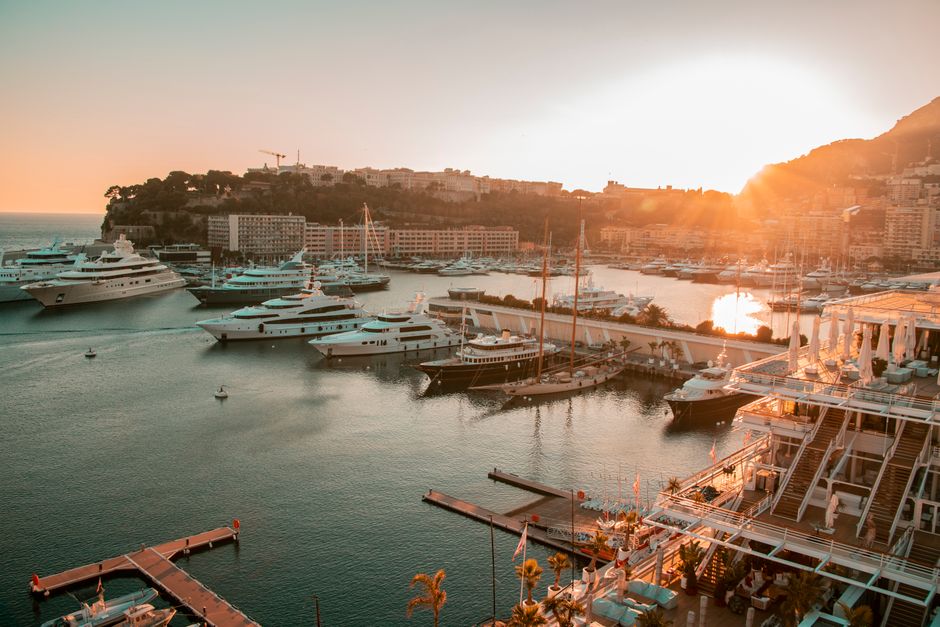
For a change of pace, lose yourself in the Jardin Exotique, a stunning collection of succulents and cacti perched on a cliff, offering vertiginous views of the principality. Or, take the scenic walk from Monte-Carlo to the neighboring French village of Cap d'Ail along the coastal path—a reminder of the stunning natural beauty that frames this man-made wonder. In the evening, descend to Port Hercules. By day, it's a forest of masts; by night, it transforms into a glittering spectacle. The yachts are illuminated like floating palaces, their decks hosting a world of discreet luxury. Strolling the quay, feeling the cool night air and hearing the gentle lap of water against hulls, is the perfect, peaceful finale to a day of sensory overload.
Food and Drink: A Taste of the Good Life
Dining in Monaco is theater, and every meal feels like an event. The principality boasts the highest density of Michelin stars per capita in the world, temples of gastronomy where chefs perform alchemy with local ingredients. At Louis XV-Alain Ducasse in the Hôtel de Paris, you dine under a frescoed ceiling, tasting dishes that are as much about the history of the Mediterranean as they are about flavor. It's an experience that engages all the senses, a slow, luxurious ritual.
But the soul of Monegasque cuisine is often found in simpler places. Seek out the backstreets of La Condamine for lunch. The Marché de la Condamine, the covered market, is a hive of activity. Here, you can join locals at communal tables for socca—a simple, addictive chickpea pancake, crispy at the edges and soft in the middle, seasoned with nothing but pepper and olive oil. Pair it with a glass of crisp Provençal rosé. It's a humble, delicious, and utterly authentic counterpoint to the Michelin extravagance. Another classic is barbagiuan, a fried pastry turnover filled with Swiss chard, ricotta, and sometimes rice, a savory bite of tradition.
For drinks, follow the golden hour light. Aperitif is a sacred rite. The rooftop terrace of the Hotel Hermitage offers panoramic views with your champagne cocktail. For a more local vibe, a small bar in the old town will serve you a pastis as the setting sun paints the palace walls in gold. And you must, at least once, have a drink at the Hôtel de Paris's Le Bar Américain. The lighting is low, the piano music soft, and the ghosts of Hollywood legends seem to linger in the leather banquettes. Sip your perfectly mixed cocktail slowly; you're not just drinking, you're absorbing an era. In Monaco, every bite and every sip comes with a side of ambiance you won't find anywhere else.
Practical Tips: Navigating the Dream
To move through Monaco with ease, embrace its vertical logic. The principality is built on a steep hillside, but a genius network of public, free elevators and escalators (look for signs for "Ascenseurs Publics") connects the different levels—from the port to the casino, from the station to the old town. Using them is a quintessential local hack that saves your calves and your time. Comfortable, elegant shoes are your best friend; the terrain is unforgiving to impractical footwear.
The official currency is the Euro, but in many high-end establishments, credit cards are the de facto currency. While French is the official language, English is widely spoken in the hospitality and service sectors. A polite "Bonjour" or "Merci" is always appreciated. Monaco is arguably the safest country on earth, with police and CCTV cameras omnipresent. This allows for a wonderful sense of security for late-night strolls. Dress code is an unspoken but important language. During the day, smart casual reigns—think tailored shorts, linen shirts, elegant sundresses. For evening, especially at the casino or fine dining restaurants, men will need a jacket and smart shoes. You dress not just for comfort, but to participate in the aesthetic of the place.
Finally, manage your budget expectations. Monaco is expensive. A simple coffee in Casino Square can cost a small fortune. To balance this, enjoy the free pleasures: the stunning public gardens, the changing of the guard, the window-shopping, the breathtaking views from every corner. Buy a sandwich and eat it on a bench overlooking the sea. The glamour is free to absorb; participating in it is where the cost lies. Plan accordingly, and you can enjoy the fantasy at your own pace.
Suggested Itinerary: Three Days on the Rock
Day 1: The Rock and the Roll (of History). Morning: Start at the Prince's Palace for the Changing of the Guard. Explore the palace state apartments if open. Wander the quiet streets of Monaco-Ville, visit the Cathedral, and feel the history. Lunch: Grab socca at the Marché de la Condamine. Afternoon: Immerse yourself in the Musée Océanographique. Be sure to go to the rooftop terrace. Late Afternoon: Walk through the Jardin Exotique for stunning views as the light softens. Evening: Dine in a traditional Monegasque restaurant in the old town, perhaps trying the stockfish (brandade de morue) specialty.
Day 2: The Glitter of Monte-Carlo. Morning: Take the scenic walk or elevator to Monte-Carlo. Visit the Casino square (exterior) and the Café de Paris for a coffee and world-class people-watching. Tour the Opera House and the casino's atrium (morning visiting hours). Afternoon: Indulge in a long, luxurious lunch at a Michelin-starred restaurant or a chic brasserie. Then, explore the designer boutiques of the Carré d'Or or relax at the Larvotto Beach, Monaco's artificial but beautiful stretch of sand. Evening: Dress up. Have an aperitif at a rooftop bar, then try your luck (or just absorb the atmosphere) inside the Casino gaming rooms. Finish with a nightcap at Le Bar Américain.
Day 3: Ports, Gardens, and Farewells. Morning: Explore Port Hercules. Admire the yachts, and visit the Naval Museum if interested. Take a short boat tour from the port for a unique perspective of the coastline. Afternoon: Choose your adventure: either a hike along the coastal path into France, or a visit to the serene Japanese Garden near Larvotto. Do some last-minute souvenir shopping for local treats like Monégasque biscuits or perfume. Evening: Enjoy a final stroll along the port as the yachts light up. Have a farewell dinner at a port-side restaurant, watching the water and reflecting on your time inside the mirage.
Conclusion: The Mirage Endures
Leaving Monaco feels like waking from a particularly vivid and luxurious dream. As the train pulls out of the station, diving into the tunnel that separates the principality from France, the sensory overload begins to soften into memory. The roar of the engines fades to a hum, the glitter settles into a golden glow in your mind's eye. You realize Monaco's greatest trick is not its wealth or its glamour, but its ability to make the fantastical feel tangible, if only temporarily. It proves that a place can be both a museum of aristocratic history and a cutting-edge prototype for modern luxury.
You may not have arrived on a mega-yacht or broken the bank at baccarat, but you walked the same cobblestones as Grace Kelly, felt the same sea breeze as generations of explorers and dreamers, and witnessed a society operating at a pitch of perfectionism that is both awe-inspiring and slightly surreal. Monaco doesn't ask for your skepticism; it disarms it with sheer, unabashed spectacle. It stays with you not as a list of sights seen, but as a feeling—a reminder that places of pure, unadulterated wonder still exist, clinging defiantly and brilliantly to their slice of the coast. The mirage, you understand as you depart, is entirely real.
Frequently Asked Questions
Is Monaco only for the super-rich?
While Monaco is a playground for the wealthy, it is absolutely accessible to visitors with varying budgets. You can enjoy its stunning public gardens, historic sites like the Prince's Palace courtyard, breathtaking views, and the general atmosphere of glamour for free. Smart planning—like staying in nearby French towns, using public transport, and choosing local eateries over Michelin-starred ones—can make a trip here a realistic and unforgettable experience.
Do I need a passport to visit Monaco from France?
No, you do not. Monaco is a sovereign principality, but it has an open border with France as part of a customs and monetary union. There are no border checks or passport controls when traveling between the two countries. However, you should always carry your passport or a valid EU ID card with you as a form of identification, especially for hotel check-ins.
What is the best way to get around Monaco itself?
Walking is the best and most enjoyable way to explore the compact principality. To conquer its steep hills, make extensive use of the excellent, free public elevator and escalator system that connects different districts. The local bus service is efficient and affordable, and for a splurge or late-night travel, taxis are available but can be expensive and in high demand.
Can I visit the Casino de Monte-Carlo if I don't gamble?
Absolutely. The casino is a major tourist attraction. During the morning hours, the gaming rooms are open for paid tours where you can admire the spectacular Belle Époque architecture, frescoes, and chandeliers without gambling. In the afternoon and evening, entry to the main gaming rooms requires a ticket purchase (which includes a small gaming credit) and a strict dress code (jacket for men).
What should I pack for a trip to Monaco?
Pack smart, elegant casual wear for daytime—linen, tailored shorts, polos, sundresses, and comfortable yet stylish walking shoes are essential. For evenings, especially if planning to visit the casino or finer restaurants, men will need a collared shirt, smart trousers, and a jacket (sometimes required). Women should pack cocktail dresses or elegant separates. Always bring a swimsuit, sunscreen, and sunglasses.
Is one day enough to see Monaco?
One day is enough to see the major highlights at a brisk pace: the Palace in Monaco-Ville, the Casino square in Monte-Carlo, and a stroll through the port. However, to truly appreciate the different facets of the principality—its museums, gardens, and atmosphere—and to avoid feeling rushed, two to three days is ideal. This allows time to relax, people-watch, and soak in the unique ambiance.


No comments:
Post a Comment