
Delhi Unbound: A Cinematic Journey Through India's Eternal Capital
Introduction: The City of Djinns and Dreams
The first thing that hits you is the air. It's not just warm; it's a living, breathing entity, thick with the scent of diesel, dust, marigolds, and frying spices. It carries the murmur of twenty million voices, the blare of a thousand horns, and the distant, haunting call to prayer from a minaret you cannot yet see. This is New Delhi, or more accurately, just Delhi—a city that doesn't merely exist but performs, a grand, chaotic, magnificent stage where history is not a chapter in a book but the very pavement beneath your feet. To arrive here is to step into a film where you are both spectator and protagonist, navigating a plot written over a thousand years.
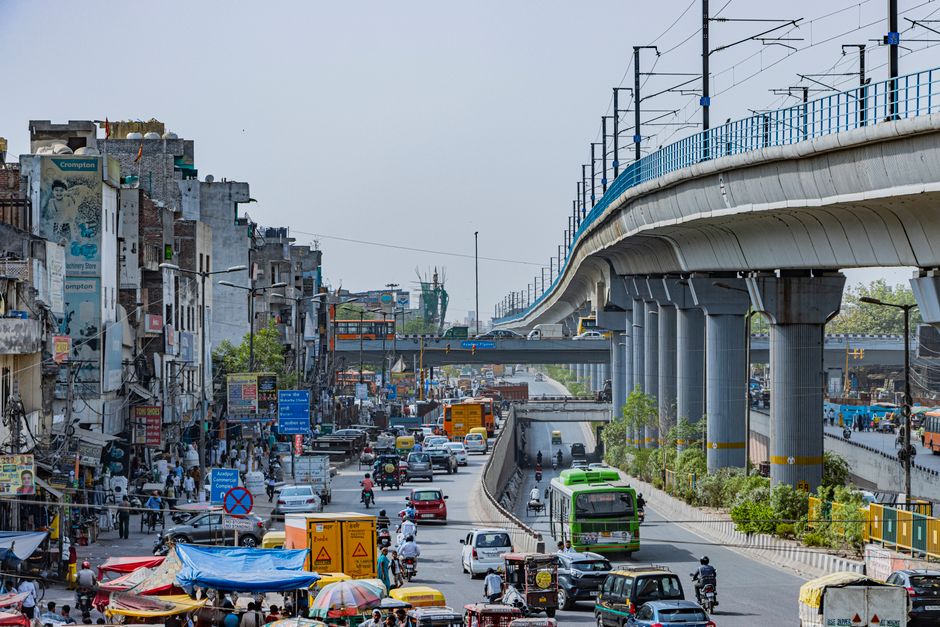
As your car weaves through the anarchic ballet of traffic—where auto-rickshaws dart like manic insects, sacred cows amble with divine nonchalance, and motorcycles carry entire families—the city reveals itself in layers. One moment you're passing the soaring, pristine white arch of India Gate, a monument to silence and sacrifice under a wide, imperial sky. The next, you're swallowed by the labyrinthine lanes of Old Delhi, where the Mughal Empire still echoes in the calligraphy of crumbling havelis and the air is sweet with the smell of jalebis bubbling in hot ghee. This is the essential duality of the capital of India: it is both New and Old, a planned garden city of wide boulevards built by the British Raj, and the ancient, pulsating heart of Shahjahanabad, the walled city of the Mughals. It is a palimpsest, where every era—from the mighty Tughlaqs and the opulent Mughals to the colonial British and the modern, thrusting republic—has inscribed its story in stone, brick, and ambition.
I remember my first evening, standing at the threshold of the Jama Masjid, the largest mosque in India. The sun was a dying ember, staining the red sandstone and white marble in hues of orange and rose. Below, the human river of Chandni Chowk flowed unabated, a symphony of honking, haggling, and hymns. I felt a profound sense of temporal whiplash, a dizzying connection to the countless souls who had stood in that exact spot over centuries, each with their own hopes and despairs. Delhi does this to you. It is overwhelming, yes. It is loud, crowded, and often challenging. But it is also deeply, irresistibly generous. It offers not just sights, but sensations. It asks for your patience and rewards you with epiphanies hidden in a crowded galley, in the serene smile of a lotus in a Mughal garden, or in the sudden, quiet perfection of a cup of masala chai sipped from a clay kulhad at a roadside stall. This is not a city you simply visit; it is a city you experience, you endure, and ultimately, you love in all its maddening, magnificent glory.
Why Visit: The Soul of a Subcontinent
Why journey to this maelstrom? Because to understand India, you must first grapple with its capital. New Delhi is the nation's political, cultural, and historical nerve center—a microcosm where the entire subcontinent's diversity collides and coalesces. It is a city that teaches you to see beauty in contrast and harmony in chaos. You come here to witness history not as a static exhibit, but as a living continuum. Where else can you see a 13th-century minaret, the Qutub Minar, sharing the skyline with the sleek glass facades of Gurugram's corporate towers? Where else can you walk from the serene, geometric gardens of Lodhi Tomb, whispering of 15th-century Afghan kings, straight into the contemporary art galleries and chic cafes of a modern urban village?
You visit for the sheer, unadulterated spectacle of human existence. The ghats at the Yamuna river at dawn, thronged with devotees. The intellectual fervor of the coffee houses in Connaught Place. The dazzling, opulent boutiques of Hauz Khas Village, set beside a medieval reservoir. Delhi is a city of profound spirituality, home to the sublime Bahá'í Lotus Temple, the Sikh sanctity of Gurdwara Bangla Sahib, and the ancient Hindu resonance of the Yogmaya Temple. It is also a city of worldly pleasures, of legendary food trails, bustling markets, and a nightlife that pulses with youthful energy.
Ultimately, you visit New Delhi to be transformed. It strips away your preconceptions and demands engagement. It will challenge your senses, expand your palate, and recalibrate your understanding of time and scale. The kindness you encounter in the smile of a stranger who guides you when you're lost, the profound peace found in the middle of a bustling shrine, the taste of a perfect paratha in a decades-old shop—these are the fragments that assemble into an unforgettable mosaic. You leave not with just photographs, but with stories etched into your memory, a piece of its relentless, vibrant soul forever a part of you.
When to Visit: Chasing the Golden Hours
Choosing your moment in Delhi is crucial, as the city wears dramatically different costumes with each season. The cinematic quality of your experience hinges on the weather. The undisputed best time to visit is during the winter months, from October to early March. This is when Delhi dons its most forgiving attire. The days are sunny and pleasantly cool, perfect for long walks through historical complexes. The nights are crisp, often requiring a light jacket. This period is punctuated with festivals: the luminous magic of Diwali in October or November, when the entire city becomes a galaxy of diyas and fairy lights, and the patriotic fervor of Republic Day on January 26th, with its spectacular parade. The fog, however, can descend in December and January, wrapping monuments in a mysterious, ethereal shroud, though it can disrupt flight and train schedules.
Avoid the scorching summer (April to June) unless you have a high tolerance for extreme heat. The sun is a fierce, blinding orb, and temperatures routinely soar above 40°C (104°F), with the concrete jungle amplifying the furnace-like effect. The air shimmers with heat haze, and outdoor exploration becomes a test of endurance, best confined to early mornings and air-conditioned havens.
The monsoon (July to September) brings its own dramatic narrative. The city, parched and dusty, is reborn. The rains arrive with theatrical thunderclaps, washing the streets clean and releasing the petrichor—the sweet, earthy smell of rain on dry soil—that is pure intoxication. Lush greenery erupts everywhere. While the humidity is high and sudden downpours can flood streets, there's a raw, romantic beauty to seeing the Mughal monuments glistening under grey skies, with fewer tourists to share the view. It's a season for poets and photographers, offering a moody, verdant, and deeply atmospheric Delhi.
How to Get There: Gateways to the Grand Stage
Arriving in New Delhi is a streamlined affair, befitting its status as a global and national hub. Most international travelers will enter through the Indira Gandhi International Airport (DEL). Terminal 3 is a modern, sprawling facility that offers a fitting first taste of India's scale. Upon exiting baggage claim, you're met with the famous Delhi wall of sound and smell. For your transfer, I highly recommend pre-booking a reputable taxi or hotel car. The official pre-paid taxi booth inside the terminal is a safe and reliable alternative—you pay a fixed fare at the counter and receive a receipt for the driver. The Delhi Metro's Airport Express Line is a fantastic, swift, and cheap option connecting Terminal 3 to the city center (New Delhi Railway Station) in under 20 minutes, a surreal journey from urban chaos to serene efficiency.
India's vast railway network converges here, making train travel a profoundly cultural experience in itself. The New Delhi Railway Station is a spectacle of humanity, a constant, swirling epic of arrivals and departures. Arriving by train, especially on a long-distance route like the Rajdhani Express, drops you right into the beating heart of the city's daily drama. For regional travel, excellent bus services and domestic flights connect Delhi to every corner of the country. Within the city, embrace the Metro—it's clean, efficient, and a lifeline. Auto-rickshaws and cycle-rickshaws are essential for last-mile connectivity and immersion, but always agree on a fare (or insist on the meter) before riding. Ride-hailing apps like Uber and Ola are also widely used and convenient.
Accommodation: From Palaces to Bohemian Havens
Where you rest your head in Delhi can define your experience. The city offers a staggering range, from opulent reminders of the Raj to quirky artistic enclaves. For a taste of sheer, unapologetic grandeur, the imperial hotels of Lutyens' Delhi are unparalleled. Staying at The Imperial on Janpath is like stepping into a living museum of Art Deco elegance, with its palm-lined drive and history-soaked corridors. The Taj Mahal Hotel on Mansingh Road offers sublime service and proximity to India Gate. These are not just hotels; they are landmarks, offering a serene, polished sanctuary from the city's frenzy.
For a more intimate, heritage experience, seek out the boutique haveli hotels in Old Delhi or South Delhi. Converted from old mansions, these places ooze character, with courtyards, traditional frescoes, and personalized service. They place you in the heart of residential neighborhoods, letting you wake up to the sounds of local life rather than traffic. Areas like Hauz Khas Village and Greater Kailash are dotted with chic, design-forward guesthouses and B&Bs, popular with a younger, creative crowd. They sit alongside trendy cafes and boutiques, offering a vibrant, contemporary Delhi experience.
Backpackers and budget travelers flock to the bustling lanes of Paharganj, near the New Delhi Railway Station. It's a sensory overload—a cacophony of cheap hotels, traveler cafes, and shops selling everything from embroidered tunics to singing bowls. It's gritty, chaotic, and utterly alive, perfect for those who want to be in the thick of it and meet fellow wanderers. For families or those seeking space, the diplomatic enclaves of Chanakyapuri or the leafy suburbs of Saket offer serviced apartments and quieter chain hotels. Your choice of abode becomes your base camp for exploration, each neighborhood offering a radically different lens through which to view the city.
Things to Do: The Director's Cut of Delhi
To experience Delhi is to move between worlds. Start in the Old City. Enter the Red Fort at sunrise; feel the weight of history in its vast courtyards and imagine the Peacock Throne once glittering here. Then, plunge into Chandni Chowk. Hire a cycle-rickshaw for a rollercoaster ride through its specialized galis (lanes)—Kinari Bazaar for glittering wedding finery, Khari Baoli for mountains of spices, the fragrant lane of the flower sellers. Your destination: the Jama Masjid. Climb its southern minaret (for a small fee) for a breathtaking, dizzying panorama of the old city's chaotic mosaic.
In contrast, the New Delhi of the British Raj speaks a language of symmetry and power. Take a contemplative walk down the Rajpath from India Gate to the Rashtrapati Bhavan (the President's House), especially at dusk when the buildings are floodlit. Visit Humayun's Tomb, the magnificent garden tomb that was the precursor to the Taj Mahal. Its perfect proportions and serene channels of water offer a moment of profound peace. Then, journey further south to the Qutub Minar complex. Stand beneath the world's tallest brick minaret, a tower of victory begun in 1199, and run your hands over the intricate carvings of the nearby Iron Pillar that has defied rust for over 1600 years.
But Delhi is more than its monuments. Seek its green lungs and creative hearts. Spend an afternoon in the Lodhi Gardens, where 15th-century tombs are integrated into a beautiful public park, a favorite spot for morning walkers and courting couples. Explore the ruins and boutiques of Hauz Khas Village, culminating at the medieval tank (reservoir) at sunset, with parrots shrieking in the canopy. For art, the Kiran Nadar Museum or the India Habitat Centre offer cutting-edge exhibitions. For a spiritual experience, visit the Gurdwara Bangla Sahib. Partake in the langar (community kitchen), a humbling lesson in equality and service, regardless of your faith. Every activity in Delhi is layered—a historical visit becomes a culinary adventure, a market exploration turns into a spiritual encounter.
Food and Drink: A Symphony for the Senses
Delhi's culinary landscape is its truest democracy, where a billionaire and a student might queue side-by-side for the same legendary plate. This is a city built on appetite. Begin in Old Delhi, where Mughlai cuisine reigns supreme. Follow the aroma of sizzling kebabs to Gali Kababian in Jama Masjid area. Bite into a tender, smoky seekh kebab at legendary joints like Al Jawahar or Karim's, where recipes date back to the royal kitchens. Don't miss the butter-drenched flakiness of a roomali roti or the rich, fragrant depths of a mutton nihari, a slow-cooked stew best eaten for breakfast.
For street food that will redefine your palate, embark on a guided tour. The chaos is part of the flavor. Savor the crisp, tangy explosion of a pani puri—a hollow crisp ball filled with spiced water and potato. Try the sweet and savory chole bhature, a combination of spicy chickpeas with deep-fried bread. Cool down with a sweet, creamy glass of lassi or the rose-flavored milk, rabri falooda. In the upscale colonies of South Delhi, the scene shifts to chic cafes, international fine dining, and innovative Indian fusion. Areas like Khan Market and Defence Colony are lined with restaurants offering everything from regional Indian thalis to global cuisine.
No day in Delhi is complete without the ritual of chai. It's the city's social lubricant, consumed at every hour. Join office workers at a roadside tapri (tea stall) for a small, potent cup of masala chai, boiled with ginger, cardamom, and plenty of sugar, served in a disposable clay kulhad that imparts an earthy flavor. For something stronger, the city's bar scene is vibrant, from the colonial-era elegance of The Imperial's 1911 Bar to the rooftop lounges in Connaught Place with views of the illuminated Parliament. But the real magic is in the street-side feast—an unending, delicious, and deeply affordable banquet that is the soul of Delhi.
Practical Tips: Navigating the Narrative
To thrive in Delhi's epic, a little preparation goes a long way. Dress modestly to respect local sensibilities and minimize unwanted attention; covering shoulders and knees is advisable, especially at religious sites (scarves are invaluable). Bargain fiercely but with a smile in markets, except in fixed-price stores. Start at half the quoted price and meet in the middle. Traffic is legendary; always factor in at least 30-60 minutes more than you think you'll need for any cross-city journey. Use the Metro for speed and sanity.
Health-wise, drink only bottled or purified water. Be cautious with street food; opt for stalls with high turnover and cooked-to-order items. Carry hand sanitizer. While English is widely spoken in tourist areas, learning a few Hindi phrases like "Namaste" (hello), "Shukriya" (thank you), and "Kitna hua?" (how much?) will earn you warm smiles. Be prepared for stares, especially outside central areas—it's usually curiosity, not hostility. Finally, protect your peace. The city's intensity can be draining. Schedule quiet moments in gardens, museums, or your hotel. Accept the chaos as part of the story, and you'll discover an underlying rhythm, a method to the magnificent madness.
Suggested Itinerary: A Four-Day Epic
Day 1: The Mughal Crown & The Old City Chaos. Start early at the majestic Red Fort. Spend the late morning diving into the sensory overload of Chandni Chowk by cycle-rickshaw. Visit the Jama Masjid, then have a legendary lunch at Karim's. In the afternoon, explore the serene Raj Ghat (Mahatma Gandhi's memorial) on the Yamuna banks. As evening falls, witness the sound and light show at the Red Fort (if running) or enjoy a heritage walk through the lantern-lit lanes of Old Delhi.
Day 2: Colonial Grandeur & Spiritual Serenity. Begin at Humayun's Tomb, a vision in red sandstone and white marble. Move on to the India Gate and take a stroll down the Rajpath. After lunch in Connaught Place, visit the stunning Bahá'í Lotus Temple, a place for silent meditation. Later, experience the profound humility and community of the langar at Gurdwara Bangla Sahib. End the day with dinner and people-watching in the colonial charm of Khan Market.
Day 3: Minarets, Markets & Bohemian Rhapsody. Head south to the Qutub Minar complex. Then, explore the designer boutiques and handicraft emporiums of Delhi Haat or the upscale shops of Santushti. In the afternoon, get lost in the ruins, art galleries, and cafes of Hauz Khas Village, staying for sunset by the medieval tank. Enjoy a sophisticated dinner at one of the village's rooftop restaurants.
Day 4: Arts, Crafts & Personal Exploration. Dedicate the morning to the National Museum or the National Gallery of Modern Art for a dose of culture. Alternatively, embark on a specialized shopping spree in Dilli Haat or the state emporiums on Baba Kharak Singh Marg. Use your final afternoon to revisit a favorite spot, explore the Lodhi Gardens, or take a food tour through Old Delhi's galis. Conclude with a farewell feast, perhaps a luxurious Indian tasting menu in a fine-dining restaurant, reflecting on the epic journey.
Conclusion: The City That Never Leaves You
To leave New Delhi is to feel a peculiar emptiness, as if the constant soundtrack of your being has suddenly been muted. The city, for all its demands, imprints itself upon you. You will miss the adrenaline, the colors, the unexpected moments of profound beauty found in the midst of utter bedlam. You will crave the taste of that specific street-side chai, the cool touch of marble under your feet in a silent tomb, the vibrant shock of a pink sari against a sun-bleached sandstone wall. Delhi is not an easy city. It is a demanding, passionate, and complex character in the story of your travels. It will test your patience, overwhelm your senses, and challenge your comfort zone. But in doing so, it will also open your eyes, expand your heart, and redefine your understanding of what a city can be. It is the capital of India not just in name, but in spirit—a roaring, weeping, laughing, praying, ever-evolving testament to human resilience and splendor. You don't just see Delhi. You feel it, long after you've gone, a ghost of spice and sound and history that forever calls you back.
Frequently Asked Questions
Is New Delhi safe for solo travelers, especially women?
New Delhi requires vigilance, particularly for women. While millions travel safely, it's important to take precautions. Dress conservatively, avoid isolated areas at night, use reputable taxi services or ride-hailing apps (check license plates), and be assertive with unwanted attention. Joining group tours for certain activities can enhance both safety and enjoyment. Trust your instincts; if a situation feels uncomfortable, remove yourself from it.
How should I handle the notorious Delhi belly?
Stick to bottled water (even for brushing teeth) and avoid ice in drinks. Eat at busy, reputable-looking food stalls where turnover is high. Opt for fully cooked, piping-hot food. Peel fruits yourself. Carry probiotics and rehydration salts. Most pharmacies are well-stocked with remedies if needed. Allow your stomach a few days to adjust to the new cuisine and environment.
What is the best way to get around the city?
The Delhi Metro is the fastest, most efficient, and affordable way to cover long distances. For last-mile connectivity and immersion, auto-rickshaws are iconic—always agree on a fare or insist on the meter before starting your journey. Ride-hailing apps like Uber and Ola are reliable and convenient. For a unique Old Delhi experience, nothing beats a cycle-rickshaw ride through the narrow galis.
Can I see the Taj Mahal on a day trip from Delhi?
Absolutely. Agra, home to the Taj Mahal, is about a 3-4 hour drive or a 2-hour train ride (on the faster Gatimaan Express) from Delhi. Numerous guided day tours are available, though it's a very long day. For a more relaxed experience, consider an overnight stay in Agra to see the Taj at sunrise, which is highly recommended.
How much should I budget for a day in Delhi?
Delhi caters to all budgets. A budget traveler can survive on $25-35 a day using hostels, street food, and public transport. A mid-range traveler might spend $70-100 on a comfortable hotel, restaurant meals, and some taxi rides. A luxury experience, with 5-star hotels and fine dining, can easily exceed $250+ per day. Entrance fees to monuments are generally very reasonable.
What is one thing I absolutely shouldn't miss in Delhi?
Beyond the major monuments, do not miss the experience of walking through Chandni Chowk in Old Delhi at sunset. The transformation of light, the cacophony reaching a fever pitch, the smells of food and incense intensifying—it is the raw, unfiltered heartbeat of the city, an immersive spectacle you will never forget.


No comments:
Post a Comment