
The Rose-Red City: A Cinematic Journey into the Heart of Petra
Introduction: The Whispering Canyon
The first sound you notice is the silence. It's a dense, textured quiet, broken only by the scuff of your boots on worn stone and the distant, melodic call of a Bedouin guide to his donkey. Then, you enter the Siq. The world narrows to a slit of sky, a ribbon of blue far above, framed by towering walls of sandstone that rise like the sides of a colossal, unfinished cathedral. The stone is not grey or brown, but a living tapestry of color—streaks of ochre, swirls of crimson, veins of black and white, all glowing with an inner fire as the morning sun climbs higher. The air is cool and smells of ancient dust, crushed sage, and the faint, metallic scent of water seeping through the rock. You walk, and with every step, the canyon walls seem to press closer, whispering three-thousand-year-old secrets in a language of wind and eroded stone.
This is the prelude. The Siq, a 1.2-kilometer-long natural geological fault, is the only processional path to the heart of Petra. It was carved deeper by flash floods and polished by time, and walking it is an act of cinematic suspense. You round a final, gentle curve, and there, framed perfectly in the shadowy gap, is a sliver of it: a façade of impossible elegance. You quicken your pace, the slit of light widens, and then, all at once, the Treasury (Al-Khazneh) reveals itself in full, breathtaking glory. The shock is physical. Your breath catches. The sheer scale, the exquisite detail of the Corinthian columns and funerary urns carved directly from the living rock face, the way it glows with a soft, rose-gold light—it feels less like discovering a building and more like witnessing a mirage made solid.
This is Petra, the ancient Nabataean capital hidden in the mountains of Wadi Musa, Jordan. It is not merely an archaeological site; it is an experience that engages every sense, a place where history is not read but felt in the sun-warmed stone under your palm and seen in the play of light and shadow across a canyon at dusk. For centuries, it was lost to the Western world, known only to the local Bedouin tribes, until Swiss explorer Johann Ludwig Burckhardt tricked his way in in 1812. Today, it stands as a UNESCO World Heritage Site and one of the New Seven Wonders of the World, but no title can prepare you for its visceral impact. Petra is a city of tombs, temples, and theaters, all hewn from the multi-hued sandstone cliffs. It is a testament to the ingenuity of the Nabataeans, a nomadic Arab tribe who mastered water engineering and controlled the incense trade routes, transforming this hidden valley into a thriving metropolis. To visit Petra is to step into the frame of an epic film, where you are both the audience and the protagonist, exploring a landscape that feels at once profoundly ancient and thrillingly alive.
Why Visit: More Than a Monument
Why journey to this remote desert valley? Because Petra defies the passive nature of most tourism. It demands your participation. You don't just see Petra; you traverse it, climb it, and feel its immensity in the ache of your muscles at the end of a long, glorious day. The iconic Treasury is merely the opening scene. Beyond it lies a sprawling city of wonders: a Roman-style theatre carved into a hillside, holding the echoes of ancient performances; the Street of Facades, a cliff wall studded with the ornate entrances to Nabataean tombs; and the sheer, exhausting, soul-stirring climb up 800 rock-cut steps to the Monastery (Ad-Deir), a monument even more massive than the Treasury, standing in majestic isolation atop the world.
The magic of Petra (Wadi Musa), Jordan, lies in its layers. It is an archaeological marvel, yes, but it is also a profound cultural encounter. The Bedouin communities, who once lived in the caves of Petra, now act as its guardians and guides. Their vibrant presence—selling handmade jewelry, offering tea in makeshift caveside shops, riding horses through the dust—adds a layer of living humanity to the ancient stones. Sharing a sweet, scalding glass of sage tea with a Bedouin woman, her face etched with stories as deep as the canyon walls, is as much a part of the Petra experience as the monuments themselves. It's a place that challenges your perspective on time, connecting you to the flow of civilizations, trade, and human spirit across millennia. You leave not just with photographs, but with the scent of desert herbs on your clothes, the taste of dust on your lips, and the humbling sense of your own small, wonderful place in a vast, beautiful history.
When to Visit: Chasing the Perfect Light
Timing your pilgrimage to Petra is about chasing light and avoiding extremes. The cinematic drama of the place is utterly dependent on the sun's angle. The spring months (March to May) and autumn (September to November) offer the goldilocks zone of climate. Days are warm and sunny, perfect for hiking, while nights are crisp and cool. In spring, if the rains have been kind, you might witness the impossible: delicate wildflowers and green grasses sprouting from cracks in the rose-red stone, a fleeting miracle of life in the desert.
Summer (June to August) in Wadi Musa is fiercely hot. The sun in the enclosed canyon can be punishing, and the sheer physical exertion required to explore becomes a significant challenge. If you brave it, you must start at dawn, retreat during the midday furnace, and return for the late afternoon glow. Winter (December to February) brings cold days and often freezing nights, with a chance of rain and even rare snow—a stunning, surreal sight against the pink stone. Crowds are generally thinner from November to February, excluding the Christmas and New Year rush. For the ultimate cinematic moment, plan to be at the Treasury viewpoint for sunrise, when the façade is bathed in a soft, private light, or for the nightly "Petra by Night" event (held Mondays, Wednesdays, and Thursdays), where the Siq and Treasury are illuminated by over 1,500 candles, creating a scene of pure, silent magic under a blanket of stars.
How to Get There: The Road to the Rose City
Your journey to Petra (Wadi Musa), Jordan, typically begins in the capital, Amman. Queen Alia International Airport (AMM) is the main gateway. From Amman, you have several options, each with its own rhythm. The most flexible is renting a car. The drive south on the Desert Highway takes about 3 hours, a starkly beautiful route through rolling, arid landscapes that sets the stage for what's to come. It allows for stops at other wonders like the Dead Sea or Wadi Rum along the way.
For those not driving, regular JETT tourist buses depart from Amman's Abdali station, offering a comfortable, direct, and affordable journey to Wadi Musa town. Private drivers and taxis can also be hired for a more personalized, though pricier, trip. Many visitors incorporate Petra into a longer Jordan tour, arriving from the coastal city of Aqaba (a 2-hour drive) or after a stay in the surreal desertscape of Wadi Rum (about 1.5 hours away). Once in Wadi Musa, the town is built on a steep hillside overlooking the entrance to the archaeological site. Most hotels are within walking distance or a short taxi ride from the Visitor Center, which is your literal and figurative gateway to the ancient city. Arriving the night before your first exploration is highly recommended, allowing you to rest and begin your adventure at dawn.
Accommodation: From Caves to Luxury
Wadi Musa offers a surprising spectrum of places to rest your head after a day of epic exploration. Your choice depends on whether you seek modern comfort steeped in views or a more rustic, immersive experience. At the higher end, several luxury hotels are carved into the cliffsides opposite the Petra entrance, offering staggering, panoramic views of the valley below. Waking up to a sunrise over the mountains that hide the ancient city, sipping coffee on your balcony as the light paints the rocks, is an unforgettable prologue to your day. These hotels often feature beautiful stone architecture, pools to soothe tired limbs, and restaurants serving both international and local fare.
Mid-range and budget options abound in the town itself, from comfortable, clean hotels to simple guesthouses. Many are family-run, offering genuine Jordanian hospitality and home-cooked meals. For the truly adventurous, there is an option that connects you directly to Petra's past: sleeping in a cave. Some local Bedouin families offer basic but unforgettable cave stays within the Petra Archaeological Park boundaries themselves. Falling asleep in a space carved by ancient hands, with only the stars and profound silence for company, is an experience that transcends ordinary tourism. Wherever you stay, the common thread is the warmth of Jordanian welcome. You are not just a visitor; you are a guest, and you will be treated as such, with endless cups of tea and stories shared freely.
Things to Do: The Epic Unfolds
To experience Petra is to embark on a series of ever-more rewarding treks. Your ticket, valid for one, two, or three days, is your passport to this lost world. The journey begins at the Visitor Center. I recommend hiring one of the official guides at the gate for your first few hours. Their knowledge brings the stones to life, pointing out ancient camel caravans etched into the Siq walls, hidden water channels, and weathered deities. The reveal of the Treasury is your first act. Spend time here, watching the light change, before moving deeper into the city.
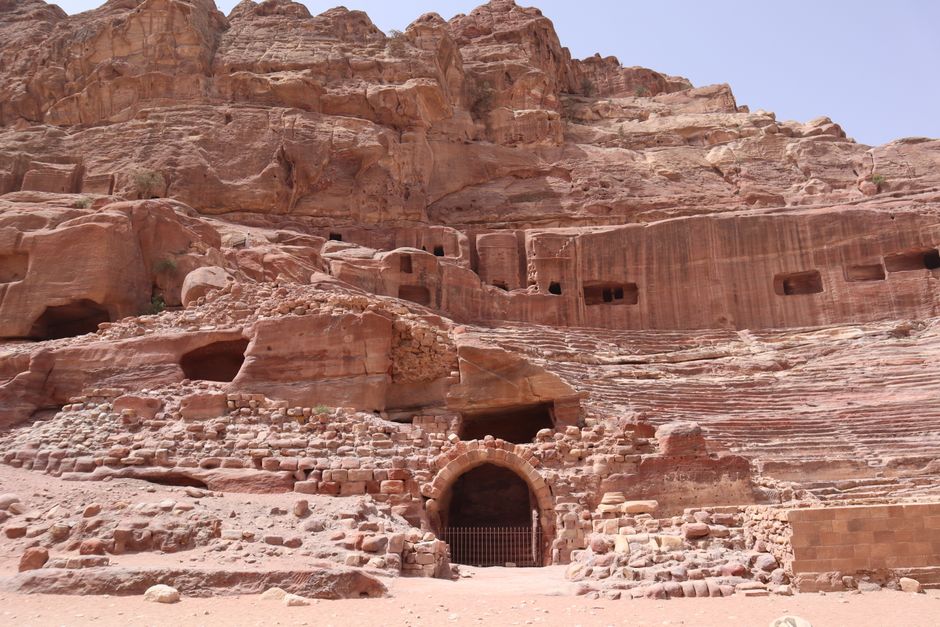
The main path opens into the Outer Siq, leading to the vast, sun-baked expanse of the Street of Facades and the towering, 7,000-seat Theatre. Continue onward to the Colonnaded Street, where the remains of Nabataean and Roman shops line the way, leading to the grand Qasr al-Bint temple. This is the heart of the ancient city center. But Petra's true wonders require ascent. To the right, a strenuous but manageable climb leads to the High Place of Sacrifice, offering a bird's-eye view of the entire city and sacrificial altars that chill the soul. The other, more famous climb is to the Monastery.
The path to the Monastery (Ad-Deir) is a pilgrimage in itself. The 800 steps, worn smooth by centuries of feet, wind up the mountain flank, past stunning viewpoints and small stalls where Bedouin children sell cold drinks. Donkeys are available for hire, but the slow, steady climb on foot allows you to absorb the scale. And then, you emerge. The Monastery is colossal, its doorway so vast it swallows the figures standing before it. The sense of achievement and awe is overwhelming. Sit at the cave café opposite, order a sweet mint lemonade, and simply behold it as the afternoon light sets it ablaze in gold and rose.
Beyond these highlights, seek out quieter trails. The hike to the viewpoint above the Treasury (the "Al-Khubtha Trail") gives you that iconic top-down photo. For solitude, explore the tombs on the way to the Garden Temple. And do not miss "Petra by Night." Walking the Siq illuminated only by flickering candlelight in paper bags, the path a river of gold, to sit in silence before the candlelit Treasury while a Bedouin plays a haunting melody on the rebab is a moment of pure, cinematic enchantment you will carry forever.
Food and Drink: Flavors of the Desert
Exploring Petra builds a powerful appetite, and Jordanian cuisine is a hearty, flavorful reward. The culinary scene in Wadi Musa ranges from simple local eateries to hotel restaurants with international menus. Your day should start with a classic Jordanian breakfast: fresh, warm pita bread, creamy labneh (strained yogurt), zatar (a thyme and sesame spice mix), olive oil, olives, and sliced tomatoes and cucumbers. It's fuel for the miles ahead.
For lunch inside Petra, you have two main options. The Basin Restaurant, near the Museum, offers a large buffet of hot and cold dishes in a sit-down setting. More atmospheric are the small, simple stalls run by Bedouin families scattered throughout the site. Sitting on a cushion in a cave or under a canopy, you'll be served a "Bedouin lunch"—perhaps a plate of hummus, ful medames (stewed fava beans), salad, and bread, all washed down with sweet black tea. It's simple, delicious, and authentic. Back in Wadi Musa for dinner, you must try the national dish, Mansaf. Lamb is cooked in a fermented dried yogurt sauce called jameed and served over rice with flatbread—a rich, celebratory flavor. Maqluba ("upside-down"), a casserole of rice, vegetables, and chicken or lamb, is another comforting staple. End your meal with a puff of shisha (flavored tobacco) and a glass of scalding sweet sage tea or strong, cardamom-scented Arabic coffee, the traditional gesture of hospitality. Remember, alcohol is available in many hotels but less so in local restaurants.
Practical Tips: Navigating the Ancient City
A little preparation transforms your Petra experience from good to sublime. First, footwear is sacred. Wear the most comfortable, broken-in hiking shoes or trainers you own. The terrain is uneven, rocky, and involves a lot of steps. Dress in breathable, light layers—covering shoulders and knees is respectful, and it also protects from the sun. A wide-brimmed hat, high-SPF sunscreen, and sunglasses are non-negotiable. Carry more water than you think you need; there are vendors, but it's vital to stay hydrated. A small backpack for water, snacks, and a light jacket for cooler evenings is perfect.
Cash (Jordanian Dinars - JOD) is king for small purchases from stalls, for tips, and for hiring guides or donkeys inside the site. While there are ATMs in Wadi Musa, having dinars on hand is essential. Be prepared to negotiate prices for souvenirs, horse rides at the entrance (included in your ticket for the last stretch, but a tip is expected), and donkey/horse/camel rides inside the site. Do so with a smile—it's part of the cultural exchange. Respect the site: don't climb on fragile structures or litter. Finally, pace yourself. Petra is vast. A two-day ticket is the minimum to see the highlights without utter exhaustion. Listen to your body, take breaks in the shade, and let the wonder, not just the itinerary, guide your pace.
Suggested Itinerary: A Three-Day Epic
Day 1: The Grand Introduction. Arrive in Wadi Musa the night before. At dawn, enter the Siq and witness the Treasury in the soft morning light. Hire a guide for 2-3 hours to walk the main trail, learning the history of the Street of Facades, the Theatre, the Colonnaded Street, and Qasr al-Bint. Have lunch at the Basin Restaurant. In the afternoon, take on the climb to the High Place of Sacrifice, descending via the Wadi Farasa trail past the Garden Tomb and Roman Soldier Tomb—a quieter, stunning route. Exit, rest at your hotel, and return for the magical "Petra by Night" experience.
Day 2: The Ascent to the Monastery. Return to the site, perhaps taking the alternative, quieter Al-Madras trail if open. Focus on the climb to the Monastery. Take it slow, enjoy the views, and spend significant time at the top absorbing the majesty. On your way back down, explore the alternative path past the Lion Triclinium. Have a simple Bedouin lunch in a cave. Spend your late afternoon revisiting a favorite spot or exploring the Royal Tombs opposite the Theatre, which glow magnificently in the sunset light.
Day 3: Depth and Detail. Use your third day to go deeper. Hike the Al-Khubtha Trail for the breathtaking view down onto the Treasury. Visit the Petra Museum near the Visitor Center to contextualize all you've seen with amazing artifacts. Explore the less-visited Byzantine Church with its beautiful mosaic floors. Or, simply find a quiet spot among the tombs, sketch, write, or just be present, listening to the echoes of the ancient city without the rush. This is the day the site truly becomes yours.
Conclusion: The Stone in Your Pocket
You will leave Petra (Wadi Musa), Jordan, changed. The scale of human achievement set against the relentless beauty of nature creates a humbling perspective that lingers long after the desert dust has been washed from your clothes. It's in the small, sensory memories: the cool touch of a tomb wall, the taste of sweet tea shared with a stranger, the sound of flute music echoing in a canyon at dusk, the crushing, wonderful silence of the Monastery at the top of the world. Petra is not a place you simply check off a list. It seeps into you. You may, as I did, find a small, rose-colored stone in your pocket weeks later, a tangible piece of the magic. It serves as a reminder that some places on this earth still hold profound mystery and awe. It reminds you that you walked the Siq, touched the carved rose-red walls, and for a brief, glorious moment, were part of a story thousands of years in the telling. The lost city is found, and in finding it, you find a piece of the eternal.
Frequently Asked Questions
How many days do I need to see Petra properly?While you can see the Treasury and walk the main street in one exhausting day, to truly appreciate Petra's scale and beauty, a minimum of two full days is highly recommended. A three-day ticket allows for a more relaxed pace, time for major hikes like the Monastery and High Place of Sacrifice, and the chance to explore quieter corners without feeling rushed.
Is Petra safe for solo travelers, including women?Jordan is widely regarded as a very safe and welcoming country for all travelers. Petra and Wadi Musa are used to international visitors. As a solo traveler, especially a woman, exercising standard global caution is wise—be aware of your surroundings, dress modestly, and avoid isolated areas after dark. The local Bedouin and Jordanian people are generally incredibly hospitable and respectful.
What should I wear when visiting Petra?Comfort and respect are key. Prioritize sturdy, broken-in hiking shoes. Wear lightweight, breathable clothing that covers your shoulders and knees to protect from the sun and align with local customs. A wide-brimmed hat, sunglasses, and a scarf (which can be useful for sun or dust) are excellent additions. Layers are ideal as temperatures can swing from cool mornings to hot afternoons.
How physically difficult is it to explore Petra?Petra involves a significant amount of walking on uneven, sandy, and rocky terrain. The main trail from the Visitor Center to the city center is a gradual downhill (and uphill on the return) of several kilometers. The climbs to the major sites like the Monastery (800 steps) and the High Place of Sacrifice are strenuous. While donkeys, camels, and horse carts are available for hire for some routes, a basic level of fitness and mobility is required to fully enjoy the site.
Is the "Petra by Night" show worth it?Absolutely, for the atmosphere. It is not a historical tour but a sensory experience. Walking the Siq by candlelight is uniquely magical, and sitting in silence before the candlelit Treasury under a starry sky, listening to traditional music, is profoundly moving. Manage expectations: it can be crowded and is a simple, short ceremony, but the overall effect is unforgettable for most visitors.
Can I visit Petra as a day trip from Amman or Aqaba?It is physically possible but not advisable. The drive from Amman is about 3 hours each way, and from Aqaba about 2 hours. This would leave you only 4-6 hours in Petra, which is enough for a frantic, superficial visit to the main trail, missing the hikes and atmosphere. The exhaustion of the long drive after a day of hiking is also significant. Staying at least one night in Wadi Musa is strongly recommended.
What is the best way to avoid the biggest crowds?The most effective strategy is to enter the site as soon as it opens at 6:00 AM. You will have the Siq and Treasury almost to yourself for a precious hour. Most large tour groups arrive between 9:30 AM and 11:00 AM. Head to the deeper parts of the site (like the Monastery) in the early afternoon when many day-trippers are leaving. Visiting outside peak season (spring/autumn) and on weekdays also helps.


No comments:
Post a Comment