
Reykjavik: Where Fire Meets Ice and the Sky Dances
Introduction: A City of Elemental Whispers
The first breath of Reykjavik air hits you like a revelation. It's not just cold; it's a crisp, clean, almost electric chill that seems to scrub your lungs clean of city grime and familiar worries. You smell the faint, briny tang of the North Atlantic, carried on a wind that has swept over volcanic plains and ancient glaciers. Before you even see the city, you hear it: the low, resonant hum of geothermal energy coursing beneath your feet, a primordial heartbeat from the earth itself. This is your arrival in Reykjavik, Iceland—not just a destination, but a sensory awakening at the edge of the habitable world.
From the air, the landscape is a stark, beautiful monochrome—swirls of black basalt, white snow, and steely grey ocean. Then, a splash of color emerges: a cluster of corrugated iron roofs painted in cheerful reds, blues, and greens, huddled against the vastness like a determined, artistic outpost. This is Reykjavik, the world's northernmost capital, a city of just over 130,000 souls who have built a vibrant, quirky metropolis in a land that feels both young and eternally ancient. The streets hum not with frantic urgency, but with a calm, creative energy. You notice it in the thoughtful design of a coffee shop, the bold stroke of a mural on a warehouse wall, the melodic lilt of the Icelandic language—a tongue closer to the Old Norse of the Vikings than any other.
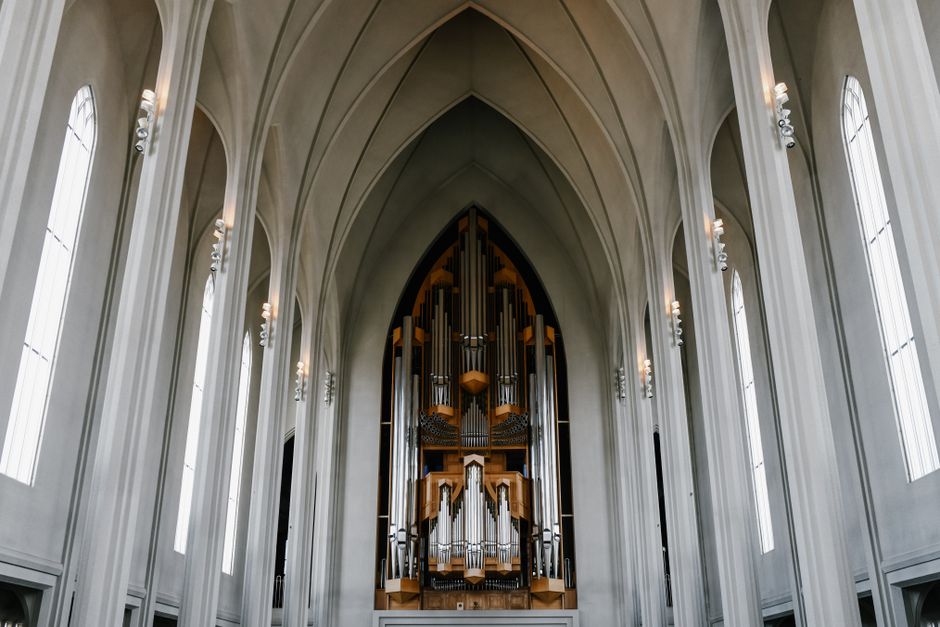
Walking down Laugavegur, the main shopping street, the cinematic quality of the place unfolds. The architecture is a whimsical blend of functional Scandinavian minimalism and playful rebellion. Hallgrímskirkja, the city's iconic church, towers over all, its concrete columns soaring like petrified basalt lava flows, a monument to both faith and geological force. From its observation deck, the view is a breathtaking panorama: a Lego-block cityscape set against a backdrop of endless sea and, on the horizon, the majestic, snow-dusted peaks of the Esja mountain range. In the harbor, the Sun Voyager sculpture—a skeletal, Viking-style dreamboat of stainless steel—points not to the past, but toward the endless possibilities of the open ocean and the midnight sun. Reykjavik doesn't just sit in its landscape; it converses with it, a human-scale dialogue with the sublime and the untamed.
This is an artsy Nordic town where creativity is the natural response to the long, dark winters. Galleries nestle beside geothermal pools, and poets are as revered as rock stars. The light here is a character in itself. In early March, it's a magical, slanted gold, lingering longer each day, casting long, dramatic shadows and painting the city in a perpetual, ethereal twilight. And when darkness finally falls, if the clouds part and solar activity stirs, the real magic begins. The sky itself becomes a canvas for the aurora borealis—the Northern Lights. They are not merely seen; they are felt. A faint, greenish glow on the horizon that builds into swirling curtains of emerald, violet, and rose, dancing in a silent, cosmic ballet that renders you utterly speechless, a humble witness to the universe's grandeur. This is the promise of Reykjavik: a journey that recalibrates your senses, challenges your scale, and leaves an indelible, luminous mark on your soul.
Why Visit: The Call of the North
Why journey to this remote island in the North Atlantic? The answer lies not in a checklist of attractions, but in a profound shift of perspective. Reykjavik offers an antidote to the ordinary, a place where nature's drama is the main event and human life is a fascinating, resilient subplot. You come here to feel small in the best possible way—to stand before forces that humble and inspire. The city is your perfect, comfortable basecamp for the sublime, a place where you can sip a meticulously crafted latte after hiking a moss-covered lava field, or enjoy a world-class meal before venturing out to chase the celestial spectacle of the Northern Lights.
It's a city of captivating contrasts. You can soak in the 40°C (104°F) geothermal waters of the Blue Lagoon or a local pool while snow dusts your hair. You can explore cutting-edge design in minimalist boutiques and then drive thirty minutes to stand between the tectonic plates of North America and Eurasia at Þingvellir National Park. The cultural heartbeat is strong and unique. Icelanders have a deep, almost mystical connection to their sagas and folklore, believing in hidden elves and trolls, which translates into a rich literary and artistic scene. Music is everywhere—from the symphonic post-rock of Sigur Rós to the pulsing beats in downtown clubs that don't get started until well past midnight.
Ultimately, you visit Reykjavik for the experience of being in a place that feels authentically, unapologetically itself. There's no pretense. The weather changes in an instant, the landscape is raw and powerful, and the people are refreshingly genuine. It's a city that encourages introspection and adventure in equal measure. You'll leave not just with photos, but with stories: of the taste of fresh-baked rye bread dug hot from the ground, of the sound of silence on a windswept cliff, of the feeling of warm water on your skin under a cold, starry sky. Reykjavik doesn't just give you a vacation; it gives you a new lens through which to see the world.
When to Visit: Chasing the Light (and the Darkness)
Choosing when to visit Reykjavik is essentially choosing your adventure, as each season paints the city in a radically different light—literally. There is no "bad" time, only different versions of Icelandic magic.
The Midnight Sun (June-August): Summer is a celebration of endless daylight. The sun barely dips below the horizon, casting a soft, golden glow throughout the night. This is the time for boundless energy—hiking, whale watching, and exploring the Highlands are at their peak. The city is lively, festivals abound, and the mood is euphoric. The trade-off? No Northern Lights, higher prices, and more tourists. You trade the cosmic dance for the sun's perpetual, gentle embrace.
The Aurora Season (September-March): This is the time for dramatic skies and celestial wonders. From September, the nights grow longer, providing the dark canvas needed for the Northern Lights. Early March is a particularly sweet spot: you still have a strong chance of catching the aurora, but the days are lengthening rapidly, offering 10-12 hours of that exquisite, low-angled daylight for exploration. The crowds are thinner, and there's a cozy, introspective atmosphere in the city. The weather is volatile—you might experience sunshine, blizzard, and calm in a single afternoon—but that's part of the thrill.
Shoulder Seasons (April-May & September-October): These months offer a beautiful balance. In spring, the snow melts, flowers bloom, and the land reawakens with a vibrant green. In autumn, the landscapes are set ablaze with fiery hues. You'll find decent daylight, fewer visitors, and lower prices, with a chance at either midnight sun or auroras depending on the month's edge.
My personal recommendation? Target early March. You stand with one foot in winter's mystery and one in spring's promise. The memory of standing on the Grotta island lighthouse path, feeling the cold nip at my cheeks while the heavens swirled above in silent, green waves, is one I will carry forever. The city, meanwhile, is cozy and vibrant, its colorful houses a cheerful defiance against the lingering chill.
How to Get There: The Journey to the Edge
Your cinematic journey to Reykjavik begins in the air. Keflavík International Airport (KEF) is Iceland's main gateway, located about a 50-minute drive southwest of the city. The approach is unforgettable; if you're lucky enough to have a window seat, you'll gaze down upon a fractured coastline, glittering glaciers, and volcanic craters—a preview of the epic landscapes to come. The airport itself is modern, efficient, and feels like an extension of the Icelandic aesthetic: sleek, clean, and functional.
Upon landing, the transition to Reykjavik is seamless. The most cost-effective and reliable way to reach the city is via the Flybus or Gray Line Airport Express. These coach services meet every flight, whisking you from the terminal to the BSI bus terminal in Reykjavik. Many services even offer a handy "hotel transfer" option for a small extra fee, dropping you directly at your accommodation door. As you drive along the Reykjanesbraut highway, the landscape is a mesmerizing, barren expanse of moss-covered lava fields, reminiscent of a primordial planet. It's a stark and beautiful introduction.
For ultimate freedom, renting a car at the airport is highly recommended, especially if you plan to explore beyond the capital. The roads are well-maintained, and driving yourself allows for spontaneous stops along the way—perhaps at the Blue Lagoon, which is conveniently located between the airport and Reykjavik. Imagine starting your trip by soaking in milky-blue geothermal waters, jet lag melting away as steam rises around you. Whether you choose the communal shuttle or the private wheel, the journey from Keflavík to Reykjavik is not just a transfer; it's the first act of your Icelandic saga, a slow reveal of the island's raw, breathtaking character.
Accommodation: From Design Havens to Cozy Nests
Where you rest your head in Reykjavik is more than just a bed; it's an immersion into Icelandic style and hospitality. The city offers a spectrum of stays, each with its own personality.
For those seeking design-forward luxury with a story, the ION City Hotel or Canopy by Hilton are standouts. ION City, nestled in a historic building, blends sleek Nordic design with local artwork and a fantastic location. Canopy buzzes with youthful energy, offering complimentary bikes and a rooftop bar with stunning views. These hotels feel like extensions of Reykjavik's creative soul—think recycled materials, geothermal heating, and a strong sense of place.
The heart of the city beats strongest in the Midborg (city center). Here, you'll find charming guesthouses and boutique hotels like Kvosin Downtown Hotel, with its stylish apartment-style suites, or Alda Hotel, known for its cool vibe and fantastic restaurant. Staying here means you're steps away from Laugavegur's shops, cafes, and nightlife. Waking up and stepping directly into the colorful, cobblestoned streets is a joy. I remember the simple pleasure of rolling out of bed at my downtown guesthouse, following the smell of fresh coffee to a local bakery, and watching the city slowly come to life from a corner window.
For a more residential, quiet feel, look to the 101 Reykjavik neighborhood or the area near the Old Harbour. The harbor area is particularly cinematic, with views of fishing boats bobbing beside sleek whale-watching vessels, and the sound of seagulls as your morning alarm. Here, options like the Marina Hotel offer a nautical charm. For budget-conscious travelers, excellent hostels like KEX Hostel provide a social, vibrant atmosphere in a converted biscuit factory, with a legendary bar and live music. No matter your choice, prioritize a place that offers blackout curtains for the summer midnight sun, and perhaps a wake-up call for the Northern Lights in winter. Your accommodation in Reykjavik is your sanctuary between adventures.
Things to Do: The City and Its Magic
Reykjavik is a city best experienced by wandering, with your senses wide open. Start your pilgrimage at Hallgrímskirkja. Pay the small fee to ascend the tower. As the elevator doors open, you're met with a panoramic vista that will steal your breath. The city sprawls below in a mosaic of colorful rooftops, leading your eye to the endless Atlantic. It's the perfect orientation.
From there, lose yourself. Stroll down Skólavörðustígur and Laugavegur, not just to shop (though the unique woolens, ceramics, and design goods are tempting), but to feel the city's pulse. Pop into a tiny record store, admire a street mural, and smell the divine aroma from a local bakery. Make your way to the Harpa Concert Hall, a masterpiece of architecture. Its honeycombed glass facade reflects the sea and sky, constantly changing with the light. Inside, the play of light on the geometric walls is mesmerizing. Catch a show if you can, or simply wander its public spaces, feeling the acoustic brilliance of the place.
The Old Harbour is a hub of activity. This is your launch point for adventures: whale watching tours where you might see humpbacks breach against a backdrop of mountains, or ferry rides to the serene Viðey Island. Just a short walk away, the Sun Voyager sculpture awaits. It's not a Viking ship, as many think, but a dream vessel—a symbol of hope, discovery, and freedom. Sitting on the adjacent bench, watching the light change over Mount Esja, is a moment of pure, simple peace.
But to truly live like a local, you must embrace the pool culture. Skip the expensive spas for a day and head to Laugardalslaug, the city's largest geothermal pool. The ritual is simple: strip naked, shower thoroughly (Icelanders are serious about pool hygiene), and then step into a wonderland of hot pots, steam rooms, and lap pools. Soaking in a 42°C hot pot as a light drizzle falls, chatting with locals about the weather, is a quintessential Reykjavik experience. It's where the city's social and geothermal hearts beat as one.
For culture, dive into the National Museum of Iceland for a profound journey through the nation's saga, or the whimsical Phallological Museum for something truly unique. As evening falls, Reykjavik's legendary nightlife begins. It's a marathon, not a sprint. Start with a "rúntur" (a round of bars), perhaps with a craft beer at Micro Bar or a cocktail at Apótek. The clubs don't fill until after midnight, and the energy is infectious, fueled by the famous Icelandic reserve melting away in the dark.
Finally, no trip is complete without a day trip. The Golden Circle (Þingvellir, Geysir, Gullfoss) is a classic for a reason—the sheer power of Gullfoss waterfall will leave you drenched in spray and awe. For a more dramatic coastline, drive the South Shore towards the waterfalls of Seljalandsfoss and Skógafoss and the black sand beach of Reynisfjara. Remember, in Reykjavik, the adventure is both within the city limits and just beyond the next mountain.
Food and Drink: A Taste of the Land and Sea
Icelandic cuisine is a thrilling narrative of survival, innovation, and profound connection to the environment. In Reykjavik, this story is told in Michelin-starred restaurants, cozy cafes, and bustling food halls. Forget any notions of bland food; prepare for a culinary adventure.
Start your day like a local with a strong coffee and a kleina (a twisted, cardamom-scented doughnut) or a skyr parfait. Skyr, the thick, protein-rich dairy product, is a staple—try it with berries and granola. For lunch, follow the crowds to the Grandi Mathöll or Hlemmur Mathöll food halls. Here, you can graze on everything from succulent lobster rolls to authentic Vietnamese pho, reflecting Reykjavik's growing cosmopolitan palate. Don't miss trying a lamb hot dog from the iconic Bæjarins Beztu Pylsur stand. With crispy onions, raw onions, sweet mustard, and remoulade, it's a perfect, delicious mess.
Dinner is where chefs showcase Iceland's incredible produce. The mantra is "fresh and local." You'll taste the pure, cold waters in the Arctic char and the langoustine. You'll savor the free-range, grass-fed Icelandic lamb, whose flavor is deeply influenced by the wild herbs of the highlands. In winter, you might encounter kjötsúpa, a hearty lamb soup that is the very definition of comfort. For the adventurous, traditional foods like hákarl (fermented shark) are available, often chased with a shot of brennivín (caraway schnapps). A more accessible treat is rúgbrauð, dark, sweet rye bread often baked underground using geothermal heat.
To drink, the craft beer scene is exploding. After a 74-year prohibition on beer, Icelanders have embraced brewing with passion. Sample a pale ale from Einstök or a stout from Borg. For something stronger, Reyka vodka, distilled with lava-rock filtered water and geothermal energy, is sublimely smooth. Dining in Reykjavik is an event. At a place like Dill or Matur og Drykkur, the meal becomes a story of the island itself—each plate a beautifully composed landscape, each flavor a note of wind, sea, and fire. It's cuisine not just as sustenance, but as art and geography.
Practical Tips: Navigating the Elemental City
A smooth trip to Reykjavik hinges on a few key practicalities. First, currency: Iceland uses the Icelandic króna (ISK). Credit and debit cards are used for absolutely everything, even the smallest coffee or public toilet fee. Seriously, you can go your entire trip without seeing physical cash. Just ensure your card has a PIN for unattended petrol pumps.
Weather is not a small talk topic here; it's the main event. The key is layers. A waterproof and windproof outer shell is non-negotiable. Underneath, wear thermal layers, a fleece, and sturdy, waterproof boots with good grip. The wind can be fierce, so a hat that won't blow away and gloves are essential, even in summer. The Icelandic saying "þetta reddast" (it will all work out) applies to weather—be flexible with your plans.
Getting around central Reykjavik is easy on foot. For longer trips, the Strætó bus system is reliable. If you're venturing out of the city, a rental car is ideal. Book it well in advance, especially in summer. Driving requires caution: respect speed limits, never stop in the middle of the road for photos (use pull-outs), and be prepared for sudden weather changes and sheep on the roads.
Budgeting: Reykjavik is expensive. A main course at a mid-range restaurant can easily cost 4,500-7,000 ISK. Save money by shopping at Bonus or Krónan supermarkets for picnic supplies, using the public pools (~1,000 ISK), and enjoying free sights like Harpa and city walks. Tipping is not expected or customary. Lastly, respect the fragile nature. Stay on marked paths, don't walk on moss (it takes decades to grow), and leave no trace. This land is revered, and as a visitor, you are a guest in its powerful, beautiful presence.
Suggested Itinerary: Four Days in the Capital of Cool
This four-day itinerary blends iconic sights with local immersion, leaving room for the spontaneous magic Reykjavik does so well.
Day 1: Arrival & First Impressions. Land at KEF, pick up your rental car or board the Flybus. Consider a pre-booked soak at the Blue Lagoon to unwind. Check into your Reykjavik accommodation. Take an evening stroll to shake off travel fatigue. Walk to the Old Harbour, see the Sun Voyager at sunset (or late twilight in winter), and grab a casual dinner at a food hall. Early to bed to adjust.
Day 2: The Heart of the City. Start with the view from Hallgrímskirkja. Wander down Skólavörðustígur for coffee and a kleina. Explore Laugavegur, popping into shops and galleries. Visit Harpa Concert Hall to admire its architecture. For lunch, try a famous hot dog. In the afternoon, choose between the National Museum or a relaxing soak at Laugardalslaug geothermal pool. For dinner, book a table at a nice seafood restaurant. If it's winter, check the aurora forecast for a potential late-night chase.
Day 3: The Golden Circle. A full-day road trip. Drive to Þingvellir National Park, walking between the continents. Continue to the Geysir geothermal area to watch Strokkur erupt every 5-10 minutes. Feel the mist from the mighty Gullfoss waterfall on your face. On your return to Reykjavik, stop at the Friðheimar greenhouse for a unique tomato-themed lunch (book ahead). Back in the city, enjoy a relaxed evening and perhaps sample some local craft beers.
Day 4: Sea & Departure. Choose your adventure based on season. In summer, take a morning whale watching tour from the Old Harbour. In winter, visit the Perlan museum to see a man-made ice cave and learn about natural wonders. Use your final afternoon for last-minute souvenir shopping on Laugavegur or a visit to the cozy Reykjavik Art Museum. Enjoy one last geothermal soak before your evening flight or extending your journey into the Icelandic countryside. This itinerary gives you a rich taste of Reykjavik's urban charm and its breathtaking natural context.
Conclusion: The Echo of the North
Leaving Reykjavik is never a clean break. Pieces of it cling to you—the smell of sulfur and sea on your sweater, the memory of crystalline light, the feeling of profound quiet under a swirling green sky. It's a city that changes you subtly but permanently. It recalibrates your sense of scale, reminding you of both the resilience of human creativity and the humbling, magnificent power of the natural world. You came as a visitor but leave feeling like you've been let in on a secret: that at the edge of the map, life is lived with more color, more creativity, and more connection to the elements.
Reykjavik, Iceland, is more than a destination; it's a state of mind. It's the courage to build a colorful town on a volcanic rock, to swim outdoors in winter, to believe in elves and astrophysics with equal fervor. It's the warmth of a community pool on a cold day and the cold thrill of a glacier on a summer's hike. As your plane lifts off from Keflavík, looking down once more on that dramatic, fractured landscape, you realize you're not just taking photos and souvenirs home. You're taking the spirit of *þetta reddast*—the quiet confidence that things will work out. You're carrying the light of the north within you, a luminous reminder of a place where fire meets ice, and the sky, on the best nights, dances just for you.
Frequently Asked Questions
Is Reykjavik worth visiting, or should I just use it as a base for the rest of Iceland?
Reykjavik is absolutely worth dedicating time to explore. While it's a perfect base for day trips, the city itself has a unique, artsy, and vibrant culture that is distinct from the raw nature outside it. The combination of world-class cuisine, cutting-edge design, rich history, and a charming, walkable downtown offers a deeply rewarding urban experience that complements the natural wonders.
What is the best way to see the Northern Lights in Reykjavik?
The best way is to join a guided Northern Lights tour from the city. Operators use expert forecasters and know where to go to find clear patches of sky, increasing your chances significantly. You can also self-drive to dark spots outside the city lights, like Grótta lighthouse, but you must monitor aurora and cloud cover forecasts (vedur.is) vigilantly. Remember, sightings are never guaranteed and require patience, darkness, and solar activity.
Is Reykjavik really as expensive as everyone says?
Yes, Iceland is one of the most expensive countries in the world. Dining out, alcohol, and rental cars are particularly pricey. However, you can manage costs by staying in guesthouses or hostels with kitchen facilities, shopping at budget supermarkets like Bonus, enjoying the inexpensive public geothermal pools, and focusing on free activities like hiking and exploring the city's colorful streets and harbors.
Do I need to speak Icelandic to get by in Reykjavik?
Not at all. English is widely and fluently spoken by virtually everyone in Reykjavik, from children to seniors. You will have no trouble communicating in shops, restaurants, or on tours. Icelanders appreciate visitors who make a small effort with greetings like "takk" (thank you) or "bless" (goodbye), but it is not at all necessary for a smooth trip.
What should I pack for a trip to Reykjavik?
Regardless of season, pack for all weather. Essential items include a waterproof and windproof jacket, waterproof pants, insulated layers (fleece, wool), a warm hat and gloves, sturdy waterproof hiking boots, and a swimsuit for the pools and lagoons. In summer, add sunglasses (the midnight sun is bright!). The key is layering, as conditions can change rapidly throughout the day.
Can I drink the tap water in Reykjavik?
Absolutely, and you should! The tap water in Reykjavik is some of the purest and best-tasting in the world, sourced directly from pristine springs and glaciers. In fact, the sulfur-smelling hot water from the tap is from the geothermal wells and is safe for bathing but not drinking. Always fill your bottle with the cold tap—it's delicious, free, and eco-friendly.
How many days should I spend in Reykjavik?
A minimum of two full days is recommended to experience the city's core highlights at a relaxed pace. Ideally, spend three to four days, which allows you to explore Reykjavik thoroughly and take one or two major day trips (like the Golden Circle or South Coast). This gives you a balanced experience of both the urban culture and the nearby natural wonders.


No comments:
Post a Comment