
San Miguel de Allende: A Cinematic Dream Painted in Terracotta and Gold
Introduction: The First Frame
You arrive as the sun begins its slow, theatrical descent. The light is not just light here; it is a character, a gilder of stone, a painter of long, dramatic shadows across cobblestones worn smooth by centuries of footsteps. The air smells of woodsmoke from evening fires, of blooming jasmine spilling over high walls, of the faint, earthy scent of rain on warm stone from a late afternoon shower. This is your first sensory embrace by San Miguel de Allende, a place that feels less like a destination and more like a meticulously composed film set where you have just been cast in the leading role of your own awakening.
Your eyes are drawn upward, inevitably, to the impossible pink spires of La Parroquia de San Miguel Arcángel, the parish church that dominates the main plaza, the Jardín. It's a Gothic fantasy carved from cantera stone, a confection that seems to have been dreamed up by a wedding cake designer with a flair for the dramatic. As you stand there, the bells begin to ring—not a simple toll, but a cascading, joyous, slightly chaotic symphony that fills the entire bowl of the valley. It's the town's heartbeat, marking not just the hour, but the rhythm of life itself. Around you, the scene unfolds: couples stroll arm-in-arm, mariachis tune their guitars under the laurel trees, children chase bubbles, and old men in crisp guayaberas discuss the affairs of the day on wrought-iron benches. The energy is one of serene celebration.
San Miguel de Allende is not a relic frozen in time, but a living, breathing canvas. Its story is etched into every facade. Founded in the 16th century, it flourished on the silver route, its wealth evident in the grand mansions and ornate churches. It was here, in this very plaza, that the seeds of Mexican independence were nurtured. But its modern renaissance came in the mid-20th century, when it was discovered by artists and writers—American GIs studying on the GI Bill, beat poets, painters seeking the perfect light. They were seduced by the quality of that light, by the affordability, by the soul of the place. They stayed, they created, and they wove an international artistic thread into the traditional Mexican fabric.
Today, San Miguel de Allende is a UNESCO World Heritage site, a title that feels almost redundant. The honor is visible in every meticulously preserved colonial building, in the strict codes that keep neon signs and modern intrusions at bay. The town is a masterpiece of Baroque and Neoclassical architecture, a labyrinth of cobblestoned streets that climb and dip, revealing secret plazas, hidden courtyards, and sudden, breathtaking vistas of the surrounding high-desert hills. To walk these streets is to be in a constant state of discovery. You turn a corner and find a doorway framed by a cascade of magenta bougainvillea. You glance through an open wooden gate and catch a glimpse of a sun-drenched patio, a fountain bubbling at its center, a parrot in a cage whistling a tune. The town invites you to look closer, to listen, to lose yourself in its layers. This is not a place you simply see; it is a place you feel, deeply and immediately, in your bones.
Why Visit: The Irresistible Pull
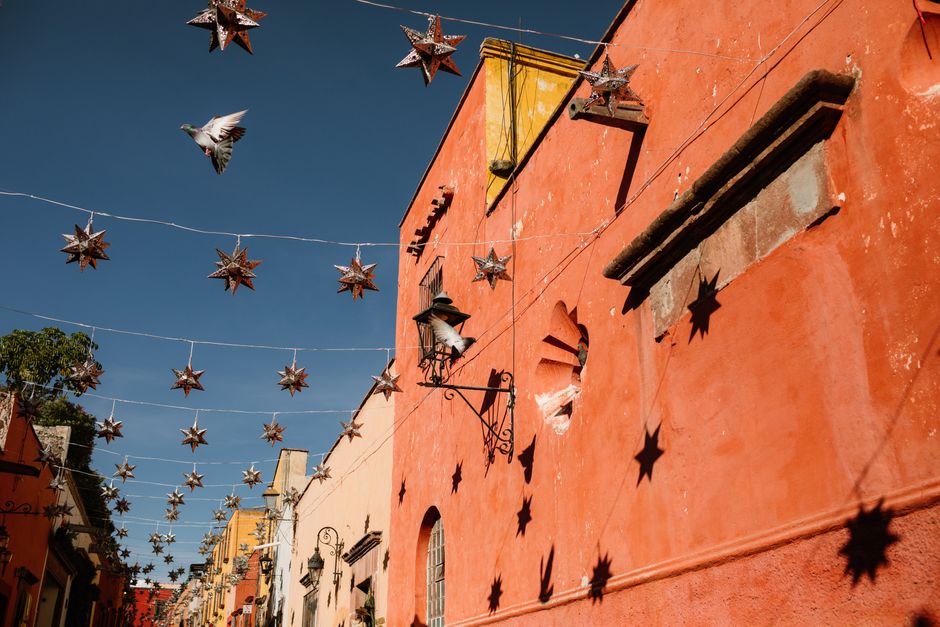
Why does San Miguel de Allende exert such a powerful gravitational pull on travelers, artists, and dreamers from across the globe? The answer is not a single postcard image, but a symphony of experiences that speak directly to the soul. First, there is the sheer, overwhelming beauty. This is a town designed for visual pleasure. Every street is a composition, every color is deliberate—the terracotta of the walls, the cobalt blue of the doorframes, the vibrant yellows and oranges that blaze against the perennial blue sky. It is a photographer's paradise and a romantic's dream, a place where beauty is not an occasional event but the constant backdrop of daily life.
Then, there is the profound sense of community and culture. Despite its international fame, San Miguel's heart beats to a deeply Mexican rhythm. You feel it in the warmth of its people, whose greetings are genuine and unhurried. You hear it in the mariachi serenades that spill from cantinas, in the chatter of artisans in the mercado, in the solemn processions that wind through the streets during religious festivals. This is a town that knows how to celebrate—its calendar is a riot of fireworks, *callejoneadas* (roving street parties with musicians), and lavish patron saint feasts that transform the streets into open-air theaters of faith and folklore.
For the creatively inclined, San Miguel is a perpetual muse. The artistic energy is palpable, crackling in the air like static before a storm. Dozens of galleries showcase everything from traditional Mexican folk art to bold contemporary installations. Workshops invite you to try your hand at tinwork, weaving, or painting. The famous Instituto Allende and Bellas Artes are hubs of learning, their courtyards filled with students sketching en plein air. You come not just to observe art, but to participate in the creative current that flows through the town's very foundations. Finally, there is the pace. San Miguel de Allende possesses a magical, almost medicinal slowness. The cobblestones force cars to a crawl and invite pedestrians to meander. Time softens, expands. You find yourself sitting for hours in a café, reading a book in the dappled shade of the Jardín, or simply watching the world go by from a rooftop terrace, a glass of local wine in hand. It is a masterclass in the art of *dolce far niente*—the sweetness of doing nothing—and in that stillness, you rediscover a part of yourself you may have forgotten in the rush of the modern world.
When to Visit: Chasing the Perfect Light
San Miguel de Allende is a year-round destination, but its character shifts subtly with the seasons, each offering a different lens through which to view its magic. The undisputed peak season is from late October through April. This is when the weather is at its most divine—days are sunny and warm (70s-80s°F), nights are crisp and cool, requiring a light jacket. The skies are a relentless, perfect blue. This period encompasses some of the town's most spectacular festivals: the Day of the Dead (Día de los Muertos) in early November, when the Jardín and cemeteries become altars of marigolds and candlelight, a profoundly moving celebration of life and memory. Christmas and New Year's are a fairy tale of lights and *posadas*, while Easter Week (Semana Santa) features solemn, breathtaking processions. The trade-off for perfect weather and cultural spectacle is crowds and higher prices; reservations are essential.
For a balance of good weather and slightly thinner crowds, target the shoulder months of May and late September into early October. May brings the beginning of the rainy season, but these are usually brief, dramatic afternoon showers that clean the air and make the colors pop, followed by brilliant sunshine. The hills are green, and the town feels lush. September is the tail end of the rainy season and the month of Mexican Independence, with the famous "Grito" celebration on the 15th filling the streets with a deafening, joyous patriotism.
The summer months (June through August) are the low season. This is when the town reveals its most local, authentic self. Mornings are sunny and pleasant, but afternoons can bring substantial rain. The landscape is emerald green, a stark contrast to the usual high-desert palette. Accommodation prices drop significantly, and you'll have many of the town's treasures largely to yourself. It's a fantastic time for writers, artists, or anyone seeking a quiet retreat. No matter when you choose to visit, pack layers—the altitude (over 6,000 feet) means temperatures can swing dramatically from day to night. The light, however, that cinematic, golden-hour light that makes every scene look like a painting, is a constant, generous gift in every season.
How to Get There: The Journey to the Heart
Your pilgrimage to San Miguel de Allende is part of the adventure, a transition from the modern world into its timeless embrace. The most common gateway is the Del Bajío International Airport (BJX) in León, Guanajuato, located about a 90-minute drive from San Miguel. This modern airport receives direct flights from several U.S. hubs like Dallas, Houston, Los Angeles, and Chicago. Upon landing, you have options. The most stress-free is to pre-book a private transfer; a driver will be waiting with your name, ready to whisk you through the changing landscape of agave fields and rolling hills straight to your hotel door. For the more independent, reputable rental car agencies are available at the airport. The drive is straightforward on well-maintained highways, but be prepared for the final approach: navigating the narrow, one-way cobblestone streets of San Miguel requires patience and a good sense of direction (or a reliable GPS).
Alternatively, you can fly into Mexico City's Benito Juárez International Airport (MEX), a major hub with countless flight options. From here, you can embark on a scenic 4-hour drive north, or take a comfortable, first-class bus from the Terminal del Norte. Mexican bus companies like ETN and Primera Plus offer luxurious, affordable service with wide reclining seats, movies, and snacks—a truly pleasant way to see the countryside. The bus will drop you at the modern terminal on the outskirts of town, where you can easily grab a taxi to your final destination. Once you are in San Miguel de Allende, abandon the car. The town is a pedestrian's paradise. Your feet are your best transport, with taxis and Uber readily available for longer jaunts or trips to outlying attractions like the hot springs. The act of walking is integral to the experience; it's how you discover the hidden details, hear the snippets of life, and feel the texture of the place beneath your soles.
Accommodation: Where to Lay Your Head in Style
Choosing where to stay in San Miguel de Allende is not merely about finding a bed; it's about selecting the setting for your personal film. The town excels in hospitality, offering a spectrum of lodgings that are destinations in themselves. For the ultimate immersive experience, seek out a boutique hotel housed in a restored 17th or 18th-century colonial mansion. These are often hidden behind unassuming doors on quiet streets. You push open a heavy wooden portal and step into another world: a serene courtyard where a fountain trickles, bougainvillea climbs stone arches, and sunlight filters through lush foliage onto antique furniture. Rooms are often unique, with beamed ceilings, fireplaces, and local artisan crafts. Many feature rooftop terraces with jaw-dropping views of the parish church spires—the perfect perch for sunset cocktails. These hotels are intimate, dripping with character, and offer impeccable, personalized service.
For longer stays or a more home-like feel, consider a rented casa. San Miguel is filled with stunning private homes available for weekly or monthly rentals. Imagine having your own secret garden, your own kitchen to experiment with market finds, your own rooftop *mirador* for private star-gazing. This option allows you to live, even temporarily, like a local, shopping at the *tianguis* (street market) and becoming a regular at the neighborhood café. For those seeking a resort-style experience with expansive grounds, world-class spas, and amenities like golf, several luxurious properties sit on the outskirts of town. These offer a tranquil retreat with stunning valley views, perfect for combining cultural exploration with pure relaxation. Finally, for the budget-conscious traveler, there are charming, clean hostels and guesthouses (*casas de huéspedes*) often run by local families, providing a warm, authentic, and affordable base. Wherever you stay, prioritize location—being within a 10-15 minute walk of the Jardín puts the entire historic center at your fingertips and allows you to absorb the town's magic from dawn until deep into the starlit night.
Things to Do: The Director's Cut
In San Miguel de Allende, doing and being are beautifully intertwined. Your itinerary will be a blend of iconic sights, cultural immersion, and blissful wandering. Start at the heart: the **Jardín Principal** and **La Parroquia**. Spend an hour just sitting on a bench, absorbing the ballet of daily life. As evening falls, join the *paseo*, the traditional stroll around the square. Venture inside the church to see its ornate altars, then contrast it with the simpler, more austere beauty of the **Templo de la Concepción (Las Monjas)** a few blocks away. For a panoramic view that will steal your breath, climb the narrow, helical staircase to the **Mirador** lookout point, or for a more leisurely vista with a drink, claim a table at one of the many rooftop bars like **Luna Rooftop Tapas Bar**.
Art is not confined to galleries here; it's in the streets. Yet, the galleries are unmissable. Explore the **Fabrica La Aurora**, a former textile factory transformed into the town's premier arts district. Its high-ceilinged halls are now home to dozens of galleries, studios, and design shops. You can spend half a day here, chatting with artists, admiring their work, and sipping coffee in the central garden. For traditional Mexican crafts, the **Mercado de Artesanías** is a kaleidoscope of color—a labyrinth of stalls selling embroidered textiles, tin mirrors, papel picado, and pottery. Engage with the artisans; hear the stories behind their crafts.
Escape the urban charm for a day of contrasting experiences. A short taxi ride away are the **Escondido Place** or **La Gruta** hot springs, where you can soak in thermal waters surrounded by lush gardens—a sublime relaxation. For a taste of local produce and an authentic market experience, visit the **Tuesday Tianguis** (El Tianguis de los Martes), a sprawling, bustling open-air market on the edge of town. It's a sensory overload in the best way: mountains of fresh chiles, piles of clothing, sizzling tacos, and the lively cacophony of vendors hawking their wares. In the evening, consider joining a **Callejoneada**, a roving musical party led by *tuna* (student minstrel) groups, where you follow musicians through the cobblestone alleyways, cup of sangria in hand, singing along—it's pure, unadulterated joy. Finally, make time for nothing. Get lost. Let yourself be pulled down an inviting alley, through a quiet plaza, into a quiet church. The greatest activity in San Miguel is often simply witnessing its beauty unfold around you.
Food and Drink: A Feast for the Senses
The culinary scene in San Miguel de Allende is a thrilling fusion of deep tradition and bold innovation, a reflection of the town itself. Your day should begin with the smell of freshly baked *bolillos* (rolls) and rich Mexican coffee. For a classic breakfast, find a table at a family-run spot for *chilaquiles*—crispy tortilla chips smothered in either a vibrant red or tangy green salsa, topped with crema, onion, and a perfectly fried egg. Or, indulge in *huevos rancheros* served with creamy, refried beans. As you explore, follow the sweet scent of roasting sugar and cinnamon to a *churrería* for hot, doughy churros dipped in thick, liquid chocolate—a mid-morning ritual.
Lunch is an event. Seek out the *cocina económica* spots for a hearty, affordable *comida corrida* (set menu lunch). Or, for an unforgettable experience, visit the **Mercado Ignacio Ramírez (El Nigromante)**. Navigate past the vegetable stalls and butchers to the bustling food court upstairs. Here, you'll find some of the best traditional fare in town: *pozole* (hominy stew), *enchiladas mineras*, and *gorditas* stuffed with savory fillings, all cooked right before your eyes in a whirl of steam and sizzle. As evening falls, the dining scene shifts to elegant courtyards and sophisticated rooftops. World-class chefs have put San Miguel on the global gastronomic map, offering tasting menus that reinterpret Mexican ingredients with modern flair. Don't miss the chance to try local specialties like *carnitas* (slow-braised pork) or *pollo en pulque* (chicken in a fermented agave sauce).
To drink is to understand the region. Sip a glass of wine from the nearby Querétaro wine country, which is gaining international acclaim. Sample a *cantarito* (a grapefruit-based cocktail served in a clay cup) or the classic *paloma*. And of course, you must try *mezcal*. Seek out a specialized bar where the process is explained, the different agave varieties are celebrated, and the smoky, complex spirit is sipped slowly, with reverence. Every meal here is more than sustenance; it's a connection to the land, a celebration of flavor, and a central pillar of the San Miguel experience.
Practical Tips: Your On-the-Ground Script
To ensure your story in San Miguel de Allende unfolds smoothly, keep these practical notes in mind. The official currency is the Mexican Peso. While many establishments accept U.S. dollars and credit cards, you will need pesos for markets, taxis, and smaller shops. ATMs are widely available, but use those inside banks during business hours for security. The town is exceptionally safe for travelers, but practice standard precautions: be aware of your surroundings at night, don't flash expensive jewelry, and keep valuables secure. The cobblestone streets, while beautiful, are challenging. Leave your high heels at home and pack your most comfortable, sturdy walking shoes with good grip. The uneven surfaces are unforgiving on ankles and unsuitable footwear.
Spanish is the language of the land. While many in the hospitality industry speak excellent English, learning a few basic phrases (*hola, gracias, por favor, la cuenta*) is a sign of respect and will be warmly received. Mexicans are polite and formal; a friendly "*buenos días*" or "*buenas tardes*" when entering a shop goes a very long way. Tipping is customary and similar to the U.S.: 10-15% in restaurants, a few pesos to bellboys, housekeeping, and taxi drivers. The tap water is not safe to drink. Always use bottled or purified water (provided in your hotel), even for brushing your teeth. Finally, embrace the pace. Things may move slower than you're used to. Service can be leisurely. This is not inefficiency; it's a different philosophy of time. Relax into it. Let go of the schedule. The greatest moments in San Miguel often happen in the spaces between plans.
Suggested Itinerary: A Four-Day Masterpiece
Day 1: Arrival and First Impressions. Settle into your hotel, then head straight to the Jardín. Feel the pulse of the town. Visit La Parroquia, marvel at its exterior, then step inside. Enjoy a leisurely late lunch at a rooftop restaurant overlooking the spires. As dusk falls, join the *paseo* around the square. Have a nightcap at a cozy bar before retiring, lulled by the distant sound of mariachis.
Day 2: Art and Atrium. After a traditional breakfast, spend your morning getting lost in the **Fabrica La Aurora**. Have lunch in its lovely café. In the afternoon, explore the **Museo Histórico de San Miguel de Allende** in the former home of independence hero Ignacio Allende for context. Then, wander the streets around the **Templo de San Francisco**, popping into the many small galleries and craft shops. Reserve a table for a special dinner at one of San Miguel's celebrated fine-dining establishments.
Day 3: Culture and Callejones. Visit the **Centro Cultural Ignacio Ramírez (Bellas Artes)**, a former convent with stunning murals by David Alfaro Siqueiros and a peaceful cloister. Then, dive into the **Mercado de Artesanías** for souvenirs. In the late afternoon, take a taxi to the **El Charco del Ingenio**, a breathtaking botanical garden and nature preserve with walking trails and epic views. Return for an evening **Callejoneada** and a late-night taco from a street vendor.
Day 4: Relaxation and Reflection. Dedicate your morning to the **Tuesday Tianguis** (if it's Tuesday) or a return visit to a favorite neighborhood. In the afternoon, journey to the **hot springs** for a long, restorative soak. For your final evening, watch the sunset from a different *mirador*, then enjoy a farewell dinner at a restaurant with live traditional music, savoring the flavors and sounds that have now become a part of you.
Conclusion: The Fade Out
Leaving San Miguel de Allende feels like waking from a particularly vivid and beautiful dream. The images stay with you: the precise pink of the Parroquia against a twilight sky, the feel of warm cobblestone underfoot, the taste of smoky mezcal on your tongue, the sound of bells that seems to echo in your memory long after you've gone. This town does not simply host you; it changes you. It slows your heartbeat, sharpens your eye for beauty, and rekindles a sense of wonder for the small, daily rituals that make life rich.
It is a place where history is not locked in a museum but is the very plaster on the walls. It is a community where artistry is not a hobby but a way of life. It is a landscape where light performs a daily, breathtaking show, free of charge. San Miguel de Allende is more than a picturesque colonial town; it is a feeling, a state of mind, a reminder of the elegance of slowness and the profound joy found in color, community, and creation. You may check out of your hotel, but a piece of your heart will remain, forever wandering those cobblestoned streets, forever waiting for the next bell to chime, forever promising to return to the golden, cinematic embrace of this most magical of Mexican highlands.
Frequently Asked Questions
Is San Miguel de Allende safe for tourists?
San Miguel de Allende is widely considered one of the safest destinations in Mexico for travelers. The historic center is well-patrolled and has a low crime rate. As with any tourist destination worldwide, it's important to practice common sense: be aware of your surroundings, don't display expensive electronics recklessly, use official taxis or ride-shares at night, and keep your belongings secure. The overall atmosphere is one of welcoming and security.
What is the best way to get around the town itself?
Your own two feet are the absolute best mode of transport within the historic center. The town is compact, walkable, and designed to be explored on foot. For longer distances, to your hotel with luggage, or to attractions like the hot springs, taxis are plentiful and inexpensive. Uber also operates reliably in the area. Renting a car is only recommended if you plan extensive day trips outside the city, as parking is scarce and the cobblestone one-way streets can be challenging to navigate.
Can I get by with only speaking English?
Yes, you can manage with only English, especially in hotels, main restaurants, and shops catering to tourists. However, learning a handful of basic Spanish phrases (hello, please, thank you, how much) will greatly enhance your experience and is appreciated by locals. Staff in the service industry often speak good English, but venturing into the market or smaller neighborhood eateries will be more rewarding and easier with some Spanish.
What should I pack for a trip to San Miguel de Allende?
Comfortable, closed-toe walking shoes with good grip are non-negotiable for the uneven cobblestones. Pack layers, as days can be warm and nights cool due to the altitude. Include a light jacket or sweater, a sun hat, sunglasses, and strong sunscreen. A reusable water bottle (to fill with purified water) is handy. For nicer dinners, "smart casual" attire is perfect—men rarely need jackets, and women often wear dresses or nice pants.
What are the must-try local dishes?
You must start your day with chilaquiles or huevos rancheros. For lunch, seek out enchiladas mineras (smothered in a guajillo chili sauce with carrots and potatoes) or a bowl of pozole. Carnitas (slow-braised pork) is a regional specialty. Don't miss the street food: gorditas, tacos al pastor, and of course, churros with chocolate. For drink, try a cantarito or sample mezcal from a curated bar.
Is San Miguel de Allende good for a solo traveler?
Absolutely. It's an excellent destination for solo travelers. The town is safe, easy to navigate, and filled with friendly locals and expats. There are many opportunities to join group activities like art classes, cooking workshops, walking tours, or callejoneadas, making it simple to meet people. Cafes and restaurants are welcoming to single diners, and the overall atmosphere is inclusive and warm.


No comments:
Post a Comment