
Seoul: A City of Neon Dreams and Ancient Echoes
Introduction
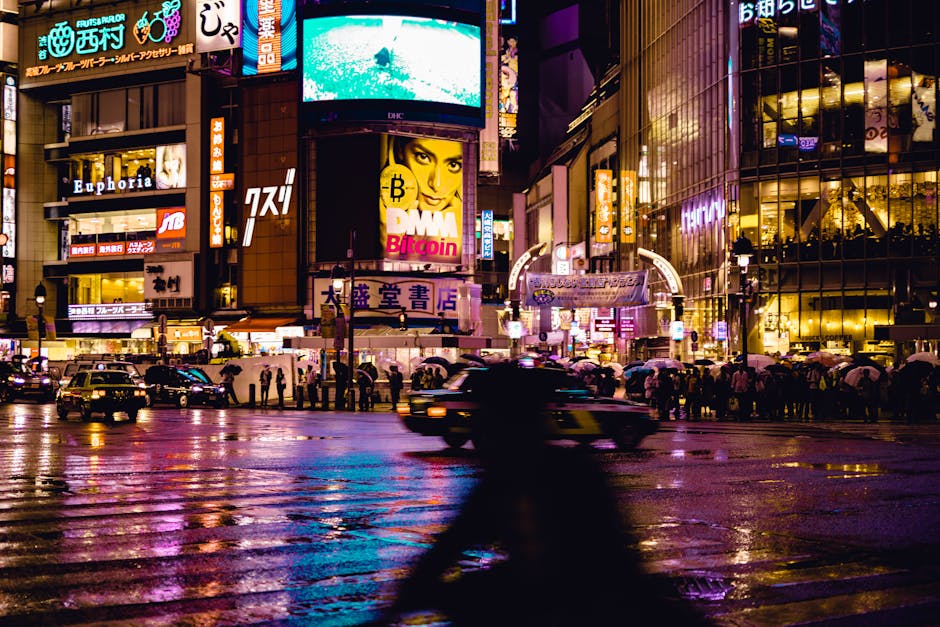
The first time you see Seoul, it's not a sight. It's a vibration. It hums up through the soles of your feet on the spotless subway, a low-frequency thrum of ten million heartbeats synchronized to the relentless, elegant pulse of progress. You emerge from the underground not just into light, but into a vertical landscape. Glass and steel canyons, studded with glowing Hangul script, rise to pierce a hazy sky. The air carries a unique perfume: a heady cocktail of roasting coffee beans from a third-story café, the faint, sweet-savory tang of *gochujang* chili paste wafting from a basement eatery, and the crisp, clean scent of a recent rain shower washing over centuries-old palace stone. This is not merely a city you visit; it is a sensory film playing in 4D, and you have a front-row seat.
Seoul is a masterclass in harmonious contradiction. It is a dynamic capital city, a global leader in technology and pop culture, where the future is not just anticipated but actively manufactured in the gleaming labs of Gangnam and the streaming studios of Mapo. Yet, cradled within its hyper-modern skeleton are the quiet, resilient bones of the past. You can stand on the observation deck of the Lotte World Tower, your reflection a tiny speck against a panorama of endless urban sprawl, and then, within twenty minutes, be walking the serene, tree-lined paths of a Joseon Dynasty palace, where the only sounds are the rustle of silk *hanbok* and the whisper of history. This duality is Seoul's soul. It's in the ajumma (middle-aged woman) in a vibrant tracksuit, doing a power walk along the Cheonggyecheon stream with a face of serene determination, while a group of fashion-forward youths, their styles ripped from the latest K-drama, glide past without a glance. It's in the silent reverence of a Buddhist temple ceremony, its rhythmic drumming a stark, beautiful contrast to the explosive, synchronized fan chants at a stadium K-pop concert later that same night.
To travel here is to engage in a form of time-travel tourism. One moment you're bartering for silk and trinkets in the ancient alleyways of Insadong, the smell of ink and handmade paper thick in the air. The next, you're in a *PC bang* (gaming cafe), bathed in the neon glow of monitors, the frantic clicking of mouse buttons a digital symphony. You sip a meticulously crafted single-origin pour-over in a minimalist café that feels like an art gallery, then chase it with a shot of *soju* shared with newfound friends at a plastic-table *pojangmacha* (street tent bar), the laughter loud and unvarnished against the backdrop of sizzling pork belly. Seoul doesn't ask you to choose between its ancient heart and its futuristic mind. It demands you experience both, to feel the stretch between them, and to understand that this very tension is what gives the city its breathtaking, electric energy. It is a metropolis that never sleeps, but somehow, in its quieter corners, still dreams in centuries-old poetry.
Why Visit Seoul?
You visit Paris for romance, Rome for history, Tokyo for its unique precision. You come to Seoul for feeling. It is a city that operates on a different emotional frequency, one that oscillates between intense, communal joy and profound, introspective calm. It's a place that will overload your senses and then, in the next breath, offer a sanctuary of stillness so deep you can hear your own thoughts again. The reason to visit is to be challenged, delighted, and utterly transformed by this kinetic energy.
As a global leader in technology and pop culture, Seoul offers a front-row seat to the 21st century. It's a city where you can experience the future today. Your taxi might be electric and called via an app that needs no translation. Your apartment door might open with a digital code texted to your phone. In the Dongdaemun Design Plaza, a structure that looks like a silver, alien spacecraft landed in the city center, you'll witness fashion and design that dictate global trends. The influence of Hallyu, the Korean Wave, is palpable. You might find yourself seeking out a café that appeared in your favorite K-drama, or feeling the collective, seismic energy of a crowd at a live music show, where the performance is a flawless, emotional spectacle. This is a city that creates culture consumed by the world.
Yet, beneath the glossy surface lies an incredible depth of resilience and tradition. Seoul has been razed and rebuilt countless times, most recently from the ashes of the Korean War. The city's miraculous ascent, known as the "Miracle on the Han River," isn't just an economic story—it's etched into the spirit of its people. You sense it in their fierce pride, their relentless work ethic, and their generous hospitality. You see it in the meticulous preservation of the five grand palaces, symbols of a proud and enduring history. Visiting Seoul means engaging with this narrative of perseverance. It's to walk along the restored Cheonggyecheon Stream, a once-covered highway now a serene public park, and understand it as a metaphor for the city itself: uncovering beauty and peace from concrete and chaos. You come to Seoul not just to see things, but to feel the heartbeat of a nation that is simultaneously honoring its past and sprinting fearlessly into tomorrow.
When to Visit
Seoul is a city of four distinct, dramatic acts, each offering a completely different backdrop to your story. Choosing your season is like selecting the filter for your cinematic experience.
Spring (April to early June) is Seoul's beloved masterpiece. After the brittle cold, the city exhales in a cloud of cherry and plum blossoms. The air is soft, carrying a floral sweetness. Yeouido Park becomes a tunnel of pink, with petals drifting like confetti over picnicking families. The light is golden, the temperatures mild, and the entire city seems to be on a romantic, hopeful walk. It's perfect for palace gazing and leisurely strolls, but book early—this is peak season for a reason.
Autumn (September to November) is spring's fiery, sophisticated sibling. The humidity lifts, revealing skies of impossible blue. The mountains that hug the city—Bukhansan, Namsan—erupt in a crescendo of crimson, gold, and amber. The crisp air is invigorating, ideal for hiking to a fortress wall for panoramic views or enjoying a warm, sweet *hotteok* (pancake) at a street market. It's a season of clarity and vibrant color, arguably the most comfortable and visually stunning time to explore.
Summer (July to August) is intense, humid, and passionately alive. The city is lush and green, but also steamy. This is the season of monsoons—sudden, dramatic downpours that clean the streets and leave the air heavy. Yet, summer nights are magical. The heat relents, and the city's riverside parks fill with people picnicking, cycling, and enjoying open-air concerts. It's a time of festivals, buzzing night markets, and the vibrant energy of a city refusing to slow down.
Winter (December to February) is a stark, beautiful monochrome film. The cold is dry and biting, but it drives the city's warmth indoors, into the steamy embrace of *jjimjilbangs* (Korean bathhouses) and the cozy confines of *pojangmacha* tents. Seeing Gyeongbokgung Palace dusted with snow is an unforgettable, serene sight. Winter is for hearty stews, hotteok filled with molten syrup, and experiencing the unique, communal warmth of Korean culture that shines brightest when it's cold outside. It's less crowded and offers a more intimate, raw view of the city.
How to Get There
Your journey to Seoul begins with a descent into Incheon International Airport (ICN), consistently ranked among the world's best. The arrival is a preview of the efficiency to come. The airport is a city in itself, with a museum, indoor gardens, and even a skating rink. After clearing immigration—a swift process for most passport holders—you're faced with your first, best choice: the seamless, futuristic Airport Railroad Express (AREX). The express train rockets you to Seoul Station in just 43 minutes, a blur of urban and coastal landscapes outside your window. For a more direct, door-to-service, airport limousine buses glide to major hotels and neighborhoods across the city, offering a comfortable first glimpse of the sprawling metropolis.
Once within the city limits, you will surrender to, and fall in love with, the Seoul Metropolitan Subway. It is the city's central nervous system—immaculate, safe, efficient, and intuitively designed. Signs and announcements are in both Korean and English. You'll purchase a T-money card (a rechargeable transit card) from any convenience store, tap it, and enter a world of astonishing connectivity. The trains are punctual to the second, the stations are clean, and many are architectural wonders or underground shopping labyrinths. To ride the subway is to truly travel like a local. Taxis are plentiful and relatively inexpensive, with drivers who are generally honest. For the tech-savvy, ride-hailing apps like Kakao T are ubiquitous, though may require a local number. My advice? Use the AREX to arrive, then live on the subway. It's not just transport; it's an immersion into the daily rhythm of Seoul life.
Accommodation
Where you lay your head in Seoul defines your narrative. The city offers a kaleidoscope of stays, from futuristic pods to traditional *hanok* houses.
For the pulse of youth culture, fashion, and indie energy, Hongdae is your stage. Born from the nearby Hongik University, this district thrums with live music spilling from basement clubs, quirky concept cafes, and street performers whose dance moves defy gravity. Accommodation here leans toward trendy hostels, boutique guesthouses, and design-savvy hotels that cater to the young and the young-at-heart. The energy is infectious, loud, and goes late into the night.
Across the Han River lies Gangnam, the epitome of sleek, high-octane modernity. Immortalized by Psy's global hit, this area is a landscape of gleaming corporate towers, luxury flagship stores, and plastic surgery clinics. Hotels here are international five-star chains with stunning river or city views, rooftop bars, and impeccable service. Staying in Gangnam is an experience in curated luxury and a deep dive into Korea's economic powerhouse identity.
For a taste of old Seoul with modern conveniences, Insadong and Bukchon Hanok Village are unmatched. Here, you can sleep in a *hanok*—a traditional Korean house with a wooden beam frame, curved tiled roof, and ondol (heated floor) system. Waking up on a futon in a serene courtyard, steps away from antique shops and tea houses, is a transportive experience. These are often quieter, more reflective stays, offering a tangible connection to history.
Myeongdong is the shopping and street food epicenter, a dizzying spectacle of neon, crowds, and sizzling snacks. Hotels here range from business-oriented to mid-range, putting you in the heart of the consumerist frenzy. It's ideal for those who want to shop until they drop and be surrounded by relentless, exhilarating urban energy. Wherever you choose, your neighborhood will become a character in your Seoul story.
Things to Do
Seoul is not a checklist; it's a series of scenes. Let the city direct you.
Begin with the Palaces. Gyeongbokgung, the "Palace Greatly Blessed by Heaven," is the grandest. Time your visit for the changing of the guard ceremony—a colorful, rhythmic display of historical pageantry. Wander through its vast courtyards, with the modern National Museum of Korea and the jagged peaks of Bukhansan framing the scene, a perfect portrait of Seoul's layered identity. For a more intimate experience, seek out Changdeokgung and its secret garden, Huwon, a UNESCO site where nature and architecture exist in poetic harmony.
Then, dive into the contrast. Walk from the palace gates to the Bukchon Hanok Village, a residential neighborhood of hundreds of traditional *hanok* houses nestled between modern buildings. The alleyways are steep, winding, and Instagram-famous, but find a quiet corner and just listen to the silence, broken only by the distant hum of the city—a reminder of the past living peacefully in the present.
For a view that puts it all into perspective, ascend N Seoul Tower on Namsan Mountain. You can hike up through fragrant pine forests or take a cable car that soars over the treetops. At the top, the 360-degree view is staggering. The Han River slices through the urban fabric, and the endless cityscape stretches to the horizon, a testament to human ambition. Lock your love to the fences, a ritual as hopeful as the city itself.
Embrace the consumerist theatre of Myeongdong. This is not just shopping; it's a performance. Hawkers call out, offering free samples of skincare products. Street food vendors orchestrate a symphony of sizzle and steam, crafting tornado potatoes and egg bread. The energy is cacophonous, addictive, and utterly unique. For a more curated (but equally overwhelming) experience, the Dongdaemun Design Plaza (DDP) is a must. This neofuturistic structure, with its curves and LED rose gardens, hosts cutting-edge exhibitions and is a temple to design, open late into the night when its illuminated form is truly otherworldly.
Finally, find your peace. Walk the Cheonggyecheon Stream, an 11-kilometer urban renewal project that turned a covered highway into a serene, public waterway. As you walk under cascading waterfalls and modern art installations, with office workers dipping their feet in the water on lunch breaks, you'll witness Seoul's commitment to public, peaceful space. Or, for a deeper reset, spend an afternoon at a *jjimjilbang***. These Korean bathhouses are a cultural institution—a multi-level spa complex where you soak, sweat in saunas of varying temperatures (including iconic igloo-shaped salt rooms), and lounge in communal pajamas. It's a great equalizer, a place of profound relaxation, and the ultimate insider experience.
Food and Drink
To eat in Seoul is to engage in a series of delicious, often fiery, rituals. The cuisine is bold, fermented, and deeply communal. Your culinary journey must start with *samgyeopsal***. This isn't just grilled pork belly; it's an event. You'll sit around a table with a central grill, cooking the thick slices yourself. The ritual involves wrapping the meat in a fresh lettuce or perilla leaf with garlic, grilled kimchi, and a dab of *ssamjang* (a thick, spicy paste). The first bite is an explosion of textures and temperatures—cool, crisp leaf against hot, fatty, savory meat. It's almost always accompanied by shots of *soju*, Korea's clean, potent national spirit, which flows freely and fosters instant camaraderie.
Then, there's *kimchi***. It's more than a side dish; it's the soul of the cuisine, a living food that changes daily. The complex, spicy, sour, umami flavor is a wake-up call for the palate. Try it in its most famous vehicle: *kimchi jjigae***, a bubbling, red stew of fermented kimchi, tofu, pork, and onions, served in a stone pot. It's comfort food with a powerful kick, best enjoyed with a bowl of white rice to temper the heat.
For a quick, soul-warming bite, seek out *tteokbokki***. These chewy rice cakes bathed in a sweet, spicy, and sticky red chili sauce are a street food staple. You'll find them at pojangmacha tents, served with fish cakes and boiled eggs, the steam rising into the cold night air. Pair it with *soondae* (blood sausage) and *twigim* (Korean-style tempura) for the full street feast experience.
Your drink itinerary is equally important. Beyond *soju*, explore the world of Korean coffee. Seoul has one of the highest densities of cafes in the world. They are social hubs, workspaces, and art installations. From the themed cafes (hello, raccoon and sheep cafes!) to the minimalist, third-wave spots where baristas treat each cup like a science experiment, coffee culture here is serious and diverse. And for a truly traditional experience, visit a tea house in Insadong. In the quiet, wood-paneled interior, you'll sip on delicate *omija* (five-flavor berry) tea or nutty *boricha* (barley tea) served in beautiful ceramic cups, a moment of Zen in the middle of your flavorful adventure.
Practical Tips
Navigate Seoul like a pro with a few key insights. First, connectivity: Rent a portable Wi-Fi egg (pocket router) at the airport. Having constant, high-speed internet is non-negotiable for maps, translations, and navigating apps. It liberates you to explore without fear of getting lost. Second, cash is not king, but have some. Credit cards are widely accepted, but street vendors, small markets, and some traditional eateries may only take cash. ATMs are plentiful, but notify your bank before you travel.
Transport: Get a T-money card immediately. It works on all subways, buses, and even in most taxis and convenience stores. The subway stops running around midnight, so plan accordingly—taxis become your best friend after hours. Use KakaoMap or Naver Map for navigation; Google Maps is unreliable here due to Korean security laws.
Etiquette: Be mindful of small courtesies. Offer and receive items, especially money, with two hands. Don't stick your chopsticks upright in your rice (it's a funeral rite). When drinking with elders or in a formal setting, turn your head away when taking a shot of soju. A little effort goes a long way. Most importantly, don't be afraid to point, gesture, or use a translation app. Seoulites are generally patient and will often go out of their way to help a lost traveler, even if there's a language barrier. A smile is your universal currency.
Suggested Itinerary
Day 1: The Royal & The Traditional Start at Gyeongbokgung Palace for the 10 AM guard ceremony. Walk through the grounds to the National Folk Museum. For lunch, try a royal cuisine restaurant in the area. In the afternoon, wander through Bukchon Hanok Village, then descend into Insadong for antique browsing and a traditional tea ceremony. Have dinner at a *hanjeongsik* (full-course Korean meal) restaurant.
Day 2: The Modern & The Trendy Cross the river to Gangnam. Visit the COEX Mall and its famous Starfield Library. Explore the sleek streets of Apgujeong and Sinsa-dong for designer shops and concept cafes. In the evening, experience the digital art at the Dongdaemun Design Plaza (DDP) and explore the late-night wholesale fashion markets of Dongdaemun.
Day 3: The Cultural & The Lively Spend your morning at the War Memorial of Korea or the National Museum for a deep historical dive. In the afternoon, explore the indie boutiques and cafes of Ikseon-dong Hanok Village (a more modern take on hanok). As night falls, dive into the electric energy of Hongdae. Enjoy street performances, a casual dinner at a themed restaurant, and live music at a basement club.
Day 4: The Mountain & The Market Take a morning hike on Namsan Mountain to the N Seoul Tower for panoramic views. Alternatively, for serious hikers, a trip to Bukhansan National Park is rewarding. In the afternoon, immerse yourself in the sensory overload of Gwangjang Market—a labyrinth of food stalls selling *bindaetteok* (mung bean pancakes), *mayak gimbap*, and endless textiles. Conclude your trip with a relaxing, multi-hour visit to a *jjimjilbang* to soak away any fatigue.
Conclusion
Leaving Seoul feels like waking from a vivid, slightly overwhelming dream. The city's frequencies—the subway's hum, the sizzle of a grill, the serene silence of a palace garden—continue to echo in your mind. It's a place that doesn't just show you things; it makes you feel them. The exhaustion from a day of relentless exploration is a pleasant ache, matched only by the fullness in your heart and stomach. You'll remember the unexpected kindness of a stranger who walked you three blocks to find a hidden restaurant, the collective gasp of a crowd at a palace ceremony, the dizzying view from a rooftop bar where the city stretched out like a circuit board of dreams.
Seoul teaches you that tradition and innovation are not enemies, but dance partners in a beautiful, endless performance. It is a city that honors its ancestors while coding the future. You come as a visitor but leave with a piece of its resilient, dynamic spirit embedded in you. It's more than a destination; it's an experience that recalibrates your senses. The neon signs may fade from your retina, the taste of kimchi from your tongue, but the memory of its electric, heartfelt pulse—the very soul of Seoul—stays with you, a persistent and welcome echo, calling you back to its dynamic, embracing streets.
Frequently Asked Questions (FAQ)
Is Seoul an expensive city to visit?
Seoul can be tailored to fit most budgets. While luxury hotels and high-end dining exist, it is remarkably affordable compared to other major world capitals. You can eat incredibly well for very little money at street markets and local canteens, public transport is cheap and efficient, and many attractions (like palaces and hiking trails) have minimal entry fees. It's possible to have a rich experience without spending a fortune.
Do I need to speak Korean to get around Seoul?
Not at all. While learning a few basic phrases (hello, thank you, please) is always appreciated, English is widely spoken in tourist areas, on public transport, and in most hotels and restaurants. Signs are almost always in both Hangul and English. With a translation app on your phone and a willingness to use gestures, you will face no significant language barriers.
How safe is Seoul for travelers?
Seoul is exceptionally safe, even late at night. Violent crime is very rare. You can walk through most neighborhoods at any hour with a high degree of comfort. The usual precautions about watching your belongings in crowded places apply, but overall, it is one of the safest major cities in the world for solo travelers, including women traveling alone.
What is the best way to experience K-pop culture in Seoul?
Beyond just visiting entertainment company buildings, you can dive into K-pop by shopping for albums and merchandise in dedicated districts like Myeongdong or the underground shops at COEX Mall. Visit a themed cafe run by a fan club, or if you're lucky and plan far ahead, try to secure tickets to a live music show or a pre-recorded music program. The Hongdae area also offers live indie music that often feeds into the mainstream K-pop scene.
Can I use credit cards everywhere, or do I need cash?
Credit and debit cards are accepted in almost all hotels, department stores, and restaurants. However, it is essential to carry some Korean Won (KRW) in cash for street food vendors, traditional markets, small independent shops, and some public transportation top-ups for your T-money card. ATMs are widely available for withdrawals.
What is a must-try food for a first-time visitor?
Without a doubt, you must try a Korean BBQ meal, specifically *samgyeopsal* (grilled pork belly). It's more than a meal; it's the quintessential Seoul dining experience—interactive, social, and deeply flavorful. The ritual of grilling your own meat, wrapping it in lettuce with various accompaniments, and sharing soju with friends encapsulates the communal heart of Korean cuisine.


No comments:
Post a Comment