
Echoes of Empires: A Cinematic Journey Through Shenyang
Introduction
The first thing that hits you is the air—crisp, carrying a faint, metallic tang of industry and the distant, sweet scent of roasting sweet potatoes from a street vendor's cart. You've arrived in Shenyang, a city where the weight of history doesn't whisper; it resonates through the very pavement beneath your feet. This is no gentle, willow-lined southern water town. This is the Northeast, the gritty, glorious heartland of Liaoning province, where the past is a series of grand, dramatic acts played out on a stage of imperial palaces and roaring factory floors. To walk through Shenyang is to feel the tectonic shifts of modern China, a story written in Manchurian stone, Soviet concrete, and the relentless, pulsing energy of a metropolis forever in motion.
Your cinematic journey begins not in a quiet lane, but on the vast flagstone expanse before the Mukden Palace. The morning sun, pale and strong, slants across glazed yellow roof tiles, catching the glint of mythical beasts frozen in mid-leap against a sky of profound, northeastern blue. The silence here is layered, thick with the echoes of hoofbeats and the rustle of silk robes. This was the cradle of the Qing Dynasty, the launching point from which the Manchus swept south to conquer all of China. As you pass through the Dazheng Hall, its octagonal shape and golden dragons feel alien, powerful, distinctly un-Han—a reminder that China's narrative is a complex tapestry, and a crucial thread was woven right here.
Then, you turn a corner. The scene shifts. The low-slung, ornate palaces give way to a canyon of soaring, Stalinist architecture along Zhongshan Square. The air vibrates with the hum of traffic, the clang of construction, and the lively, guttural cadence of the Dongbei dialect. You see workers in blue jackets sharing a smoke, fashionable youth spilling out of neon-lit boutiques, and elderly couples practicing tai chi with a fierce, focused grace. Shenyang doesn't ask you to choose between its historical majesty and its industrial might. It demands you hold both in your mind at once. It is a city of profound contrasts: the solemn, pine-dotted grounds of the North Mausoleum against the fiery, mesmerizing spectacle of an acrobatic show at the Liaoning Grand Theatre; the serene, artificial lake of Beiling Park against the raw, monumental skeleton of a decommissioned factory, now a silent sentinel in the Tiexi district. This is a city that has worn many crowns—an imperial capital, an industrial powerhouse, a Japanese puppet state, a Soviet-influenced engine of New China. Each layer is visible, palpable, like geological strata. To travel here is not merely to sightsee; it is to time-travel, with each era leaving its indelible mark on the city's soul and skyline.
Why Visit Shenyang
Why Shenyang? Because it offers a narrative you won't find in Beijing or Shanghai. This is where the mythic origin story of China's last dynasty comes alive, not as a restored relic but as a living, breathing part of the city's fabric. The UNESCO-listed Mukden Palace, while smaller than its Beijing counterpart, feels more intimate, more potent. You can almost hear the ghostly counsel of Hong Taiji in the Chongzheng Hall, or imagine the secluded intrigues of the concubines in the deeply atmospheric rear chambers. It's history without the velvet ropes, a place where your imagination can truly take flight.
Beyond the palace walls, Shenyang delivers the raw, unfiltered energy of China's industrial soul. The Tiexi district, once the "Ruhr of the East," tells a story of 20th-century ambition, struggle, and transformation. Walking among the rusting giants of industry, now often repurposed into art spaces or standing as solemn memorials, is a profoundly moving experience. It speaks of the millions of hands that built modern China, the sweat and sacrifice that powered a nation's rise. This is not pretty history; it's powerful, visceral, and essential to understanding the country's complex identity.
Finally, Shenyang offers the warmth and boisterous charm of Northeast Chinese culture. The people here are known for their directness, their hearty humor, and their legendary hospitality. You'll feel it in the packed, steam-filled dumpling houses where laughter is louder than the clatter of plates, and in the vibrant, chaotic markets where vendors will insist you try a slice of pear or a piece of candied hawthorn. Shenyang is a city that engages all your senses. It's the sizzle of lamb skewers on a coal-fired grill, the thunderous crescendo of a erhu performance, the tactile pleasure of running your hand over cold, carved marble in a silent imperial tomb. It's a destination for the curious traveler, the history buff, the cultural gourmand, and anyone seeking a China beyond the postcard-perfect highlights.
When to Visit
Timing your visit to Shenyang is like choosing the filter for your cinematic epic. Each season paints the city in a radically different light, offering unique experiences that dramatically alter its character.
Spring (May to June) is a revelation. After the long, hard winter, the city exhales. The willows along the Hun River burst into a haze of tender green, and the peach and apricot blossoms in the imperial tomb complexes create a stunning, poetic contrast against the ancient stone statues and crimson palace walls. The air is mild, the skies are often clear, and the crowds are manageable. It's the perfect season for long, contemplative walks through Beiling or Dongling Park, where you can witness locals flying kites against the backdrop of history.
Summer (July to August) brings heat, humidity, and a vibrant, pulsing energy. The city's many parks become lush, green oases, perfect for escaping the afternoon sun. This is festival season, with various cultural events popping up. However, be prepared for occasional heavy rain and the peak of domestic tourism. The evenings are lively, with night markets in full swing, offering a sensory overload of sights, smells, and sounds.
Autumn (September to October) is, without a doubt, Shenyang's most spectacular season. The air turns crisp and clean, the oppressive humidity vanishes, and the skies achieve a piercing, dramatic blue. The true stars are the gingko and maple trees. A visit to the Mukden Palace or the North Tomb during this time is unforgettable, as golden gingko leaves carpet the ancient courtyards, swirling in the wind like showers of gold. The temperature is ideal for exploration, making it the prime and most popular time to visit.
Winter (November to March) is for the bold. This is when Shenyang fully embraces its northeastern identity. Temperatures plunge well below freezing, and the city is often blanketed in a deep, silent layer of snow. This transforms the imperial sites into something out of a frozen fairy tale—imagine the ornate roofs of the palace dusted with white, the stone statues of generals and animals wearing caps of snow. The Qipan Mountain Ice and Snow World comes alive with glittering ice sculptures. It's cold, yes, bitterly so, but the beauty is stark, profound, and crowd-free. Plus, there's no better excuse to dive into a steaming hot pot feast.
How to Get There
Reaching this northeastern powerhouse is straightforward, thanks to its status as a major transport hub. Shenyang Taoxian International Airport (SHE) is a modern gateway with an increasing number of direct international flights from across Asia, as well as extensive domestic connections. Touching down, you're immediately greeted by the wide, flat horizon of the Liaoning plain. The airport is about 20 kilometers from the city center, connected by a efficient high-speed airport express line that whisks you downtown in under 30 minutes, a taxi ride of similar duration, or via ride-hailing apps which are ubiquitous and reliable.
For a truly immersive approach, arrive by high-speed rail (HSR). Gliding into Shenyang North or Shenyang Railway Station on a sleek, silent Fuxing train is a journey in itself. You'll watch the landscape morph from the mountains around Beijing to the vast, agricultural expanses of the Northeast, finally giving way to the urban sprawl of Shenyang. The stations are bustling, organized chaos—a thrilling introduction to the city's energy. From here, the metro system, a clean and efficient web of lines, can deliver you to within steps of most major hotels and attractions.
If you're already exploring the Northeast, Shenyang is brilliantly connected by rail and highway to nearby jewels like Dalian (a 2-hour HSR ride to the coast), the North Korean border city of Dandong, and the ancient capital of Jilin. Consider Shenyang the anchor of your northeastern circuit, a robust and well-connected base from which to explore the region's diverse offerings.
Accommodation
Your choice of lodging in Shenyang can frame your entire experience, allowing you to live within different chapters of the city's story. For first-time visitors who want to be at the crossroads of history and modernity, the area around Zhongshan Square and Taiyuan Street is ideal. Here, you'll find international luxury chains housed in grand, historic buildings, their lobbies echoing with a mid-century gravitas. Stepping outside, you're immersed in the commercial heartbeat of the city, with endless dining, shopping, and metro access at your doorstep. It's vibrant, convenient, and constantly in motion.
For a more atmospheric, culturally immersive stay, seek out a high-quality hotel near the Mukden Palace (Shenyang Imperial Palace). Waking up and being just a short stroll from the palace gates is magical, especially in the early morning or late afternoon when the tourist crowds thin. This area feels more rooted in the old city, with traditional hutong-style alleys hiding local eateries and tea houses just beyond the main drags. The ambiance here is one of layered history.
Budget-conscious travelers and adventurers seeking local flavor should look to the Heping and Shenhe districts. Here, you'll find a plethora of comfortable, clean business hotels and boutique guesthouses that offer incredible value. You'll be surrounded by the daily life of the city—morning markets, neighborhood noodle shops, and parks filled with residents going about their day. It's an opportunity to live like a local, not just visit as a tourist. For a truly unique experience, some converted historical buildings in the Tiexi industrial district offer stark, design-forward accommodations that pay homage to Shenyang's manufacturing past, placing you directly inside a piece of the city's industrial soul.
Things to Do
Shenyang's narrative unfolds across several key districts, each a self-contained episode in the city's epic. Your first act must be the Mukden Palace. Don't rush. Allow yourself to get lost in its sequential layout, moving from the distinctly Manchu-style Dazheng Hall with its militant, tent-like appearance, through the more administratively focused central courtyards, and into the intimate, labyrinthine living quarters at the rear. Find a quiet corner, sit on a stone step, and just listen. The modern city fades, replaced by the whisper of the wind through the ancient pines.
From imperial glory, move to eternal rest. The Zhaoling Mausoleum (North Tomb) and the Fuling Mausoleum (East Tomb) are UNESCO sites that offer a different, more serene kind of majesty. Zhaoling, the final resting place of Emperor Huang Taiji, is a masterpiece of integrating architecture with nature. The Spirit Way, lined with hauntingly beautiful stone creatures, leads through a silent pine forest to a majestic tumulus. It's a place for profound contemplation, especially in autumn when the forest is aflame with color.
To understand 20th-century Shenyang, you must confront the September 18th History Museum. Housed in a monument shaped like a massive calendar page frozen on that fateful date in 1931, this museum is a sobering, essential visit. Its exhibits detail the Japanese invasion and occupation. The experience is heavy, emotionally charged, and vital for grasping the resilience woven into the city's DNA.
Then, shift gears entirely. Embrace the socialist-era grandeur of Zhongshan Square, a radial plaza surrounded by imposing Soviet-style buildings. As evening falls, join the locals for a stroll. The square becomes a microcosm of Shenyang life: dancers twirling to folk music, kids zooming on scooters, couples sharing ice cream. For a panoramic finale, head to the observation deck of the Shenyang TV Tower. As the sun sets, watch the city transform into a sea of lights, tracing the lines of broad boulevards and highlighting the silhouettes of its varied architectural history.
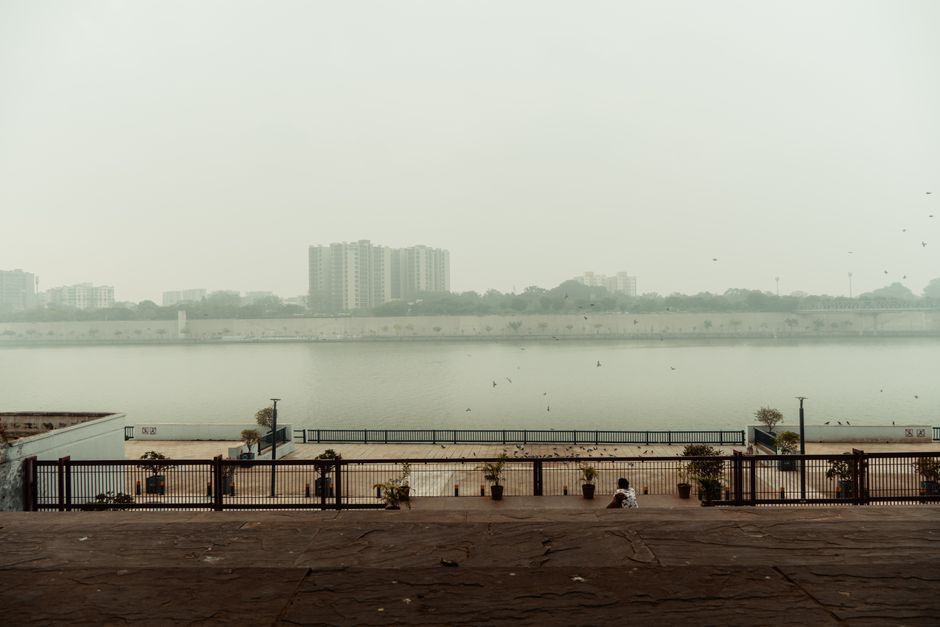
Dedicate a day to the Tiexi District. Once the absolute core of Chinese heavy industry, its transformation is a story of rebirth. Visit the Shenyang Industrial Museum, housed in a former casting plant, where massive, silent machines tell the story of the "Model Worker" era. Then, explore the 1905 Cultural and Creative Zone, a foundry turned into a vibrant arts hub of galleries, cafes, and design shops. The juxtaposition of rusted metal and sleek modern design is a powerful visual metaphor for Shenyang itself.
Finally, seek out the city's spiritual side. The Taiqing Temple (Taoist) and the South Mosque (Islamic), both nestled in the bustling city center, offer pockets of profound tranquility. The scent of incense, the soft chanting, the intricate architecture—they provide a peaceful counterpoint to the urban roar, reminding you that amidst the cycles of empires and industry, the search for peace is a constant.
Food and Drink
Dining in Shenyang is a robust, generous, and deeply satisfying affair, mirroring the character of the Northeast itself. This is the homeland of Dongbei Cai (Northeastern Chinese cuisine), a style defined by hearty flavors, substantial portions, and a reliance on preservation techniques born of the long winter. Your culinary pilgrimage must begin with the dumpling. Shenyang is a dumpling paradise, from humble street-side steamers to legendary institutions like Lao Bian Jiaozi. Bite into a delicate, steamed purse filled with pork and coriander, or a pan-fried guotie with a crispy lace skirt, and you'll taste a cornerstone of local life.
Next, embrace the grill. The city's shaokao (barbecue) culture is a nightly ritual. Find a bustling joint, often marked by neon and clouds of aromatic smoke. You'll be given a menu to check off skewers of lamb, beef, chicken hearts, squid, and vegetables like mushrooms and eggplant. They arrive seasoned with cumin, chili, and sesame, cooked over roaring coals. The experience is communal, messy, and utterly delicious, best washed down with a local Yanjing beer or a crisp Baijiu for the brave.
For a true taste of imperial legacy, seek out Man-Han Banquet influences. While the full, legendary feast is rare, you can find dishes that trace their roots to the Manchu court. Look for disanxian (a stir-fry of potato, eggplant, and green pepper), guo bao rou (crispy, sweet-and-sour pork), and various stews and braises that stick to your ribs. Don't miss the local street food: warm, sticky tanghulu (candied fruit on a stick), savory roujiamo (braised meat in a flatbread), and the ubiquitous roasted sweet potatoes, whose earthy scent is the very smell of a Shenyang autumn. A meal here isn't just eating; it's an act of participation in the city's most cherished daily traditions.
Practical Tips
Navigating Shenyang is refreshingly straightforward. Download Didi (China's Uber) and a reliable maps app like Amaps or Baidu Maps before you arrive. The metro system is clean, efficient, and covers most major attractions; purchase single-ride tokens or use the metro card for convenience. For shorter trips, bicycle-sharing apps are everywhere—just be confident and follow the flow of dedicated bike lanes. While English is not widely spoken outside major hotels and tourist sites, don't be shy. Locals are incredibly helpful; have your destination written in Chinese characters or pinned on a map, and a smile will go a very long way.
Money-wise, cash is still king in smaller establishments and markets, but mobile payments (WeChat Pay and Alipay) are utterly dominant. Set these up with your foreign card if possible, or carry sufficient RMB. Shenyang is generally very safe, even at night, but practice standard big-city awareness. The tap water is not for drinking; stock up on cheap and plentiful bottled water. Finally, pack for the season with conviction: light, breathable clothes for summer, but serious, layered thermal wear, a heavy coat, hat, gloves, and insulated boots if you're braving the magnificent winter. Comfortable walking shoes are non-negotiable year-round.
Suggested Itinerary
Day 1: The Imperial Foundation. Morning at the Mukden Palace. Absorb its details slowly. Lunch on jiaozi at a nearby spot. Afternoon at the Zhaoling Mausoleum (North Tomb), wandering the Spirit Way. Evening exploring the food stalls and vibrant atmosphere around Zhongjie or Taiyuan Street.
Day 2: Modern History & Urban Energy. A sobering but essential morning at the September 18th History Museum. Afterwards, lighten the mood with a stroll and people-watching in Zhongshan Square. After lunch, dive into the 1905 Cultural Creative Zone in Tiexi. For dinner, immerse yourself in a classic shaokao (barbecue) experience. Cap the night with a view from the TV Tower or catch a thrilling acrobatics show.
Day 3: Culture, Commerce & Departure. Morning visit to a local temple for tranquility, like Taiqing Temple. Then, experience the sensory overload of a local market—the Wuai Market is a classic for everything from electronics to snacks. Use your final afternoon for last-minute souvenir shopping (Manchu-style handicrafts, Russian chocolates from the North Korean border area) or a relaxing walk in Beiling Park. Depart with the taste of Dongbei cuisine and the echoes of history lingering.
For a longer stay, add a day trip to the Qipan Mountain scenic area for hiking and nature, or a visit to the fascinating Liaoning Provincial Museum to see stunning ancient Liao Dynasty artifacts, including exquisite gold and jade pieces that rival any in the country.
Conclusion
Shenyang doesn't just stay with you; it becomes a part of your internal landscape. It's the memory of cold marble under your palm on a tomb statue, the warm, doughy comfort of a perfect dumpling, the deafening silence inside a cavernous former factory, and the golden rain of gingko leaves in an emperor's courtyard. This city is a masterclass in contrast and resilience, a place where the past is not a museum exhibit but a foundational layer upon which the vibrant, gritty, hopeful present is being built. You leave not with a simple collection of photos, but with a felt understanding of a different China—one born of northern plains, Manchu horsemen, steel mills, and an unbreakable, boisterous spirit. Shenyang is more than a destination; it's a deep, resonant story waiting to be experienced, a crucial and unforgettable chapter in the epic tale of the Middle Kingdom.
FAQ
Is Shenyang worth visiting compared to Beijing or Shanghai?
Absolutely, but for different reasons. Shenyang offers a more intimate, raw, and historically layered experience. You get the birthplace of the Qing Dynasty without Beijing's overwhelming scale and crowds, and a powerful, authentic look at China's industrial heartland you won't find in cosmopolitan Shanghai. It's for travelers seeking depth and contrast.
How many days do I need to see Shenyang properly?
We recommend a minimum of three full days. This allows one day for the imperial core (Mukden Palace and a tomb), one day for modern history and the Tiexi district, and a third day for local markets, temples, and deeper cultural exploration or a day trip.
What is the local food I absolutely must try?
You cannot leave without trying Shenyang jiaozi (dumplings), which are considered some of China's best. Also, experience a local shaokao (barbecue) feast, and sample classic Dongbei dishes like guo bao rou (sweet and sour pork) and disanxian (stir-fried potato, eggplant, and pepper).
Is Shenyang very cold in winter?
Yes, winters are severe, with temperatures often dropping below -15°C (5°F) and frequent snow. However, this transforms the city into a stunning winter landscape, especially the imperial sites, and offers unique experiences like ice festivals. Pack extreme cold-weather gear if visiting between December and February.
Can I use English to get around Shenyang?
English is not widely spoken. In hotels, major tourist attractions, and some restaurants you may find basic English, but for taxis, markets, and local eateries, very little. It's highly recommended to have your hotel's address in Chinese, use translation apps, and learn a few basic Mandarin phrases.
What is a unique souvenir to bring back from Shenyang?
Look for handicrafts with Manchu influences, such as embroidery or small, traditional artifacts. Russian-style chocolates and snacks are also popular due to the historical Russian influence in the Northeast. For something truly local, high-quality Laobian or other branded frozen dumplings are sometimes available for travel!
Is the city safe for solo travelers?
Shenyang is generally very safe for all travelers, including those solo. Violent crime against tourists is extremely rare. Standard precautions apply: be aware of your surroundings in crowded areas, watch your belongings, and use licensed taxis or ride-hailing apps at night.


No comments:
Post a Comment