
Tallinn: Where Medieval Whispers Meet Digital Dreams
Introduction: Stepping Into a Living Fairy Tale
The first thing that strikes you is the silence. Not a true silence, but a softening. The frantic digital hum of the 21st century, the one you carry in your bones from wherever you came, dissolves at the foot of the ancient, honey-colored wall. You pass under the shadow of Viru Gate, its twin, ivy-clad towers standing sentinel like something from a storybook, and the air itself changes. It's cooler, scented with woodsmoke, roasting almonds, and the damp, earthy perfume of centuries-old stone. You are no longer just a visitor; you are an extra stepping onto the most meticulously preserved medieval film set in Europe. This is Tallinn, the capital of Estonia, a city where every cobblestone has a memory and every spire seems to pierce the veil between past and future.
Your eyes need a moment to adjust. The light filters down in dusty golden shafts, illuminating the uneven, time-worn cobbles underfoot. To your left, a shop window glows with the warm light of hand-spun wool and amber jewelry. To your right, a narrow, climbing lane disappears into a secretive gloom, promising hidden courtyards and whispered histories. Above it all, the gothic spire of St. Olaf's Church, once the tallest building in the world, scrapes a sky of the softest Baltic blue. The soundscape is a gentle symphony: the clip-clop of a horse-drawn carriage on stone, the distant, melancholic strain of a folk song from a tavern doorway, the murmur of a dozen languages from fellow pilgrims who, like you, have come to believe in magic for a weekend.
But to call Tallinn merely a medieval relic is to miss its profound, pulsing heart. This is a city of stark, breathtaking contrasts. One moment you're in the 15th century, the next you're sipping a meticulously crafted latte in a minimalist café where the wifi is faster than light and the barista is casually discussing their latest tech startup. You can follow a winding path up to the Toompea Hill, the seat of power for a thousand years, where you'll find the onion-domed Russian Orthodox cathedral and the pink Baroque parliament building sharing an uneasy, fascinating view. Look down from those walls, and your gaze sweeps from terracotta rooftops and church spires to a glittering panorama of glass, steel, and innovation—the hyper-modern city that has earned Estonia the title of the world's most digital society. Tallinn doesn't just show you history; it lets you feel the relentless, creative forward march of a people who have weathered storms of ice and iron, and emerged not just resilient, but visionary.
Why Visit Tallinn: More Than a Postcard
You visit Tallinn not to check a box, but to experience a feeling. It's the visceral thrill of walking a complete, encircled medieval city, its walls and towers so intact you half-expect an archer to peer down from the battlements. It's the intellectual fascination of witnessing a nation that has leapfrogged from Soviet occupation to global digital leader in a single generation—a story told in its e-governance, its thriving startup scene (Skype was born here), and the quiet pride of its people. It's an aesthetic feast where Hanseatic merchant houses painted in ochre and rust stand beside Art Nouveau masterpieces, all under the dramatic, ever-changing light of the northern sky.
There's an intimacy to Tallinn that larger, more crowded European capitals have lost. You can get deliciously, happily lost in the Lower Town's labyrinth, knowing you'll eventually spill out into a familiar square. You can converse with artisans in their workshops, and the servers in the rustic, candlelit taverns seem genuinely pleased to share their culture. It's also a gateway: to the wild, boggy beauty of the Estonian countryside, to ferry trips across the Gulf to Helsinki, and to a deeper understanding of the complex Baltic identity. Tallinn offers the condensed wonder of a theme park, but with the soul, grit, and authenticity of a living, breathing, fiercely proud capital.
When to Visit: A City for All Seasons
Tallinn wears each season like a different, equally stunning costume. The classic time is summer, from June to August, when the days are long and luminous, stretching into the famous "white nights" where twilight lingers past midnight. The city is alive, bustling, and green, with open-air concerts and cafes spilling onto the cobbles. It's peak season, so expect company, but the energy is infectious.
For pure magic, however, consider the shoulder seasons. Spring (May to early June) brings a blush of green, blooming lilacs, and a crisp, hopeful air. Autumn (September to October) is a masterpiece of gold and copper, with a misty, melancholic beauty that perfectly suits the medieval streets, and the smell of woodsmoke and spiced wine begins to perfume the air. The crowds thin, allowing for more solitary contemplation.
Winter is when Tallinn transforms into a real-life snow globe. From December through February, the Christmas Market in the Town Hall Square is the stuff of dreams—a twinkling, fragrant haven of handicrafts, singing, and steaming cups of *glögg* (mulled wine). The snow muffles sound, the stone buildings glow under a pale sun, and the cold is sharp and invigorating, making the warmth of a cellar tavern feel like a profound sanctuary. It is, in many ways, the most authentic time to experience the Nordic soul of the city.
How to Get There: Gateways to Another World
Tallinn is surprisingly accessible, a nexus where East meets West. Tallinn Airport (TLL) is a modern, efficient hub just 4 kilometers from the city center. A quick taxi or tram ride (Tram No. 4) will have you at the medieval gates in under 20 minutes. The airport is well-connected to major European hubs like Helsinki, Stockholm, London, and Frankfurt, often via charmingly sleek regional carriers.
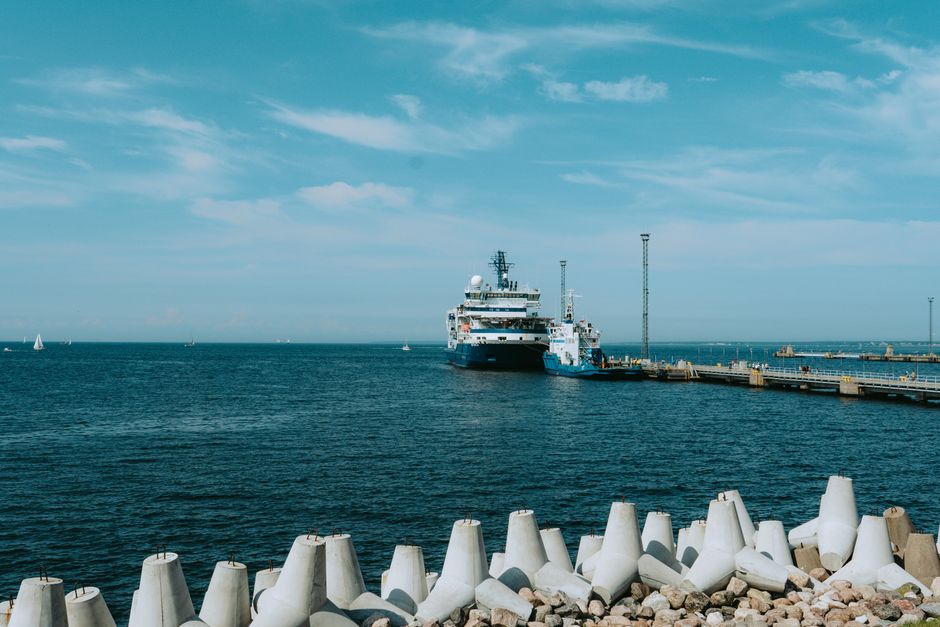
For a truly cinematic approach, arrive by sea. The ferry from Helsinki is a Baltic ritual. As you stand on the deck, the Finnish archipelago gives way to open water, and after two hours, the skyline of Tallinn emerges from the haze—a cluster of ancient spires and towers rising from the sea like a myth. It's an arrival that feels earned, dramatic, and perfectly sets the stage. Ferries also connect to Stockholm and St. Petersburg. If you're on a grand European rail adventure, buses from Riga or Vilnius offer a scenic, affordable journey through the pine forests of the Baltic states.
Accommodation: From Medieval Cellars to Nordic Chic
Your choice of bed in Tallinn can define your experience. For full immersion, stay within the walls of the Old Town. Here, you'll find historic hotels housed in converted merchant mansions, their rooms beamed and creaking with character, some with views directly onto cathedral squares. The downside? You'll share the enchantment with other tourists, and nighttime silence can be elusive as the revelry from restaurants echoes off the cobbles.
For a more local, contemporary vibe, look just beyond the walls. The creative Kalamaja district, with its colorful, wooden "Tallinn houses" and trendy cafes, is a short walk away and offers stylish boutique hotels and chic apartments. Rotermann Quarter, a regenerated industrial zone between the Old Town and the port, is a masterpiece of architectural fusion—19th-century brick factories now house minimalist design hotels, loft apartments, and gourmet restaurants. It's the perfect metaphor for the city itself: history repurposed with bold, modern vision. For true luxury, seek out a design hotel with a rooftop sauna and bar, where you can watch the sun set over the sea of medieval rooftops, a glass of local craft beer in hand.
Things to Do: A Tapestry of Experiences
Begin at the heart: Town Hall Square (Raekoja plats). Stand in the center and spin slowly. Take in the Gothic Town Hall, the pastel merchant houses, the scent of roasting nuts and grilled sausages. Find the dragon-headed rain spouts. Look for the weathervane—Old Thomas—atop the spire. This is the stage, and you're on it.
Now, climb. Follow any upward-sloping street from the Lower Town to Toompea Hill. The most famous path is Pikk jalg (Long Leg), but for atmosphere, take the steep, tunnel-like Lühike jalg (Short Leg). Emerge to find two symbols of competing powers facing off: the salmon-pink Baroque Parliament Building and the onion-domed, gold-crossed Alexander Nevsky Cathedral, its interior thick with incense and the glow of a hundred votive candles. The viewing platforms here offer that iconic, breathtaking panorama. This is the view that sells postcards, but no image can capture the chill of the wind, the cry of the gulls, or the sheer scale of history beneath your feet.
Wander the walls. Walk a section of the intact fortification, peering through arrow slits at the modern city beyond. Climb the towers, like the stout Kiek in de Kök, or walk between them on the atmospheric city wall walkway. For a poignant journey into the 20th century, visit the Vabamu Museum of Occupations and Freedom, a sobering, essential look at Estonia's struggles under Soviet and Nazi regimes. Then, cleanse your palate with art at the Kumu Art Museum, a stunning modern structure in Kadriorg Park, housing everything from classic Estonian works to provocative contemporary pieces.
Escape the stone for the green. Stroll through Kadriorg Park, a peaceful oasis commissioned by Tsar Peter the Great, past the baroque Kadriorg Palace to the ultramodern, glass-and-limestone residence of the President. Finally, dive into the districts that define modern Tallinn. In Kalamaja, admire the picturesque wooden architecture and visit the Seaplane Harbour museum, a vast hangar housing a 1930s submarine and a full-sized seaplane. In Telliskivi Creative City, a former industrial complex, browse design shops, vintage stores, and graffiti-covered warehouses housing some of the city's best restaurants and bars. This is where you feel the city's youthful, innovative pulse.
Food and Drink: A Feast of Rustic and Refined
Estonian cuisine is a hearty reflection of its climate and history: forest, field, and sea. In the Old Town, embrace the theme at a medieval tavern. In dim, candlelit cellars, you'll feast on massive pork knuckles, elk stew, blood sausage, and dense, dark rye bread, all washed down with honey beer or *kali* (a unique, slightly sour fermented drink). It's theatrical, delicious, and utterly satisfying on a cold evening.
But the true culinary revolution is happening outside those ancient walls. New Nordic philosophy has taken deep root here, emphasizing hyper-local, foraged, and seasonal ingredients. In restaurants like NOA or FOTOMOTO, you might find Baltic herring with sea buckthorn, roasted Jerusalem artichokes with wild mushrooms, or delicate birch sap desserts. The presentation is art, the flavors clean and surprising. For a casual bite, the Balti Jaam Market near the train station is a vibrant hub. Upstairs, a food hall offers everything from Uzbek plov to Vietnamese pho; downstairs, locals buy their seasonal vegetables, smoked fish, and jars of wild berries and mushrooms.
Drink like a local. Craft beer is huge—seek out Põhjala or Tanker brews. Estonian vodka (Vana Tallinn is a famous herbal liqueur) is superb. And in winter, the hot, spiced *glögg* is essential. For coffee, Estonians are among Europe's top consumers. Skip the chains and find a minimalist, hipster café where the flat white is perfect and the atmosphere is one of quiet, creative concentration.
Practical Tips for the Discerning Traveler
Currency is the Euro. Cards are accepted almost everywhere, even for tiny purchases—this is the world's most digital society, after all. Still, carry a little cash for market stalls and tips. English is widely and fluently spoken, especially by the younger generation, but learning a few Estonian phrases like *Tere* (Hello) and *Aitäh* (Thank you) is met with appreciative smiles. The city is extremely walkable, but the cobblestones are treacherous in heels or when wet. Pack sturdy, comfortable shoes. Public transport (trams, buses) is efficient and cheap; get a reusable smartcard from a kiosk. Tallinn is very safe, with low crime rates. The tap water is perfectly drinkable and delicious. Finally, embrace the sauna culture—it's a secular religion here, and a public sauna visit is a uniquely Estonian social experience.
Suggested Itinerary: Three Days in Tallinn
Day 1: The Medieval Immersion. Enter through Viru Gate. Get lost in the Lower Town streets. Visit the Town Hall Square and climb the Town Hall tower if open. Explore St. Nicholas Church, now a stunning museum of medieval art. Have a late lunch in a cellar tavern. Walk the city walls. In the afternoon, climb to Toompea Hill for views and visit Alexander Nevsky Cathedral. Dinner at a medieval restaurant. End the night with a glass of *kali* in a shadowy pub.
Day 2: From Past to Future. Morning at the Vabamu Museum of Occupations for historical context. Walk to Kadriorg Park, visit the Kadriorg Palace art museum or the modern KUMU. Lunch in the park or nearby. Afternoon in the Kalamaja district, admiring the wooden architecture and visiting the incredible Seaplane Harbour museum. Evening in the Telliskivi Creative City for dinner at a trendy fusion restaurant and drinks in a converted factory bar.
Day 3: Local Life & Departure. Morning visit to the Balti Jaam Market to taste and see local life. Pick up souvenirs of juniper woodcraft, woolens, or vintage Soviet memorabilia. A final walk through your favorite part of the Old Town. Perhaps a coffee in a sunny square, watching the world go by, imprinting the feel of the cobbles, the sound of the bells, the particular quality of the northern light on your memory before you depart.
Conclusion: The Spell That Lingers
Leaving Tallinn feels like waking from a particularly vivid dream. The modern world rushes back in—the speed, the noise, the blandness. But something lingers. The taste of dark rye and smoked fish. The memory of mist hanging between ancient towers. The feeling of your hand on cold, rough-hewn stone. The profound sense of having been in a place that holds its past not in sterile museums, but in its very skin and bones, while simultaneously gazing with fierce intelligence toward the future. Tallinn doesn't just offer sights; it offers a shift in perspective. It is a reminder that history is not linear, but layered, and that resilience can be beautiful. It is a compact, walkable epic—a fairy tale with a fiber-optic heartbeat. You came for the medieval postcard, but you leave with the soul of a nation etched in your mind, promising yourself, as you pass back through the Viru Gate, that you will return to answer its whisper once more.
Frequently Asked Questions About Tallinn
Is Tallinn expensive to visit?
Compared to other Nordic capitals like Stockholm or Helsinki, Tallinn is quite affordable. Prices for accommodation, dining, and attractions are generally lower, especially if you venture just outside the immediate Old Town tourist center. You can enjoy a high-quality experience without breaking the bank.
How many days are enough to see Tallinn?
Three full days is the sweet spot. It gives you one day to immerse yourself in the medieval Old Town, a second day to explore the museums, Kadriorg Park, and trendy districts like Kalamaja, and a third day for deeper exploration, markets, or a day trip. You can see the highlights in two busy days, but three allows you to absorb the atmosphere.
Is English widely spoken in Tallinn?
Yes, exceptionally so. Estonia has one of the highest English proficiency rates in Europe, especially among people under 50. You will have no trouble communicating in hotels, restaurants, shops, and museums. Signage is also often in both Estonian and English.
What is a must-try local food in Tallinn?
You must try the black rye bread—it's a national treasure. For a full meal, seek out "mulgipuder," a hearty barley and potato mash with pork, or "verivorst," blood sausage served with lingonberry jam. For a unique sweet, try "kohuke," a sweetened curd snack covered in chocolate.
Can you visit Tallinn as a day trip from Helsinki?
Absolutely, and it's very popular. The fast ferry takes about 2 hours each way, giving you a solid 6-8 hours in the city. While it's a whirlwind, it's enough time to explore the Old Town, have a meal, and get a powerful taste of Tallinn's magic. Staying overnight, however, is highly recommended to experience the city after the day-trippers leave.
Is Tallinn safe for solo travelers?
Tallinn is considered one of the safest cities in Europe. Violent crime is very rare. Solo travelers, including women, can feel comfortable walking in the main areas, even at night. Standard precautions apply, of course, like being aware of your surroundings and watching for pickpockets in crowded tourist spots.
What is the best unique souvenir to bring back from Tallinn?
Skip the generic trinkets. Look for beautiful hand-knitted woolens (hats, gloves, sweaters), jewelry made from Estonian amber or fossilized limestone, juniper wood crafts (cups, cutting boards), or a bottle of Vana Tallinn liqueur. For a quirky piece of history, some vintage shops sell authentic Soviet-era memorabilia.


No comments:
Post a Comment