
Valletta: A Sun-Drenched Citadel of Stone and Sea
Introduction
Imagine a city carved from honey. Not metaphorically, but in the very essence of its being, where every cobblestone, every towering bastion, every ornate balcony glows with the warm, liquid gold of a Mediterranean sun. This is your first impression of Valletta, Malta. You don't so much arrive as you are received, ascending from the bustling modern ferry terminal into a world suspended in time, a fortified harbour town where Baroque grandeur meets the stoic resolve of a warrior knight. The air changes as you pass through the City Gate—a modern, sweeping entrance that feels like a curtain being drawn back on a monumental stage. The scent of salt from the two vast harbours that cradle the city mingles with the faint, dry dust of ancient limestone and the sudden, surprising perfume of jasmine spilling from a hidden courtyard.
Valletta is a city of sound and silence, often in the same breath. One moment, you are in the gentle hum of Republic Street, where the clatter of café plates and the murmur of a dozen languages create a soft soundtrack. The next, you turn down a stepped alley, a *strada*, so narrow you can touch both walls, and the world falls away. All you hear is the echo of your own footsteps on the worn stone, the distant cry of a seagull, and the whisper of a sea breeze funnelling up from the blue expanse below. This is the magic of Europe's smallest capital: a place of immense, theatrical scale and profoundly intimate moments, all compressed into a grid of streets on a peninsula barely a kilometre long.
Built by the Knights of St. John after the Great Siege of 1565, Valletta was conceived as "a city built by gentlemen for gentlemen," a fortress of such impregnability and beauty it would stand as a testament to their resilience. Walking its streets, you feel that intention in your bones. The architecture isn't just decorative; it's declarative. The skyline is a serrated edge of bastions, watchtowers, and domes against an impossibly blue sky. Every corner offers a *veduta*, a framed cinematic view of the cerulean sea, a glimpse of the Three Cities across the Grand Harbour, or a dizzying look down into the deep, dry moats now blooming with serene gardens.
To be in Valletta is to be in a living museum where the past is not behind glass but underfoot and overhead. You brush your hand against walls scarred by history, feel the cool shade of a cathedral that holds Caravaggio's masterpiece, and taste wine in a cellar that has seen centuries. It is a city that demands to be felt, not just seen. It asks you to lose yourself in its labyrinth, to sit on a sun-warmed bench overlooking the harbour, and to simply be, as the golden stone turns to fire in the light of the setting sun. This is not just a destination; it's an experience, a feeling of stepping into a painting where the light is always perfect, the drama is etched in every facade, and the warm, spring sunshine is a permanent, welcoming embrace.
Why Visit Valletta?
You visit Valletta not to check off a list, but to inhabit a feeling. It's the sensation of history so palpable you can taste it on the air—a mix of sea spray, stone, and centuries. In a world of sprawling metropolises, Valletta offers the profound luxury of comprehensibility. You can walk from one end to the other in under an hour, yet within that compact frame lies a density of art, history, and sheer beauty that larger capitals spend miles trying to convey. It is a masterpiece of human endeavour, a testament to what can be achieved when faith, art, and military genius are poured into a single, stunning vision.
The city is an open-air gallery of Baroque architecture, but it's a lived-in Baroque. This isn't a preserved relic; it's a vibrant community where life unfolds on grand staircases and in tiny corner shops. You come for the awe-inspiring moments: standing beneath the soaring, gilded interior of St. John's Co-Cathedral, a humble exterior belying a cavern of opulence; or witnessing the silent, powerful beauty of Caravaggio's *The Beheading of St. John the Baptist*, the only painting he ever signed, glowing in the dim oratory light. You come for the views: from the Upper Barrakka Gardens, where the Saluting Battery fires its noon-day gun over a panoramic vista of the Grand Harbour, a thrilling spectacle of sound and smoke and sheer, breathtaking scale.
But you also stay for the quieter revelations. For the thrill of discovering a hidden *palazzo* turned into a cutting-edge museum, for the joy of finding a perfect, family-run pastizzeria down an alley you almost didn't take, for the simple pleasure of watching the honey-coloured stone of the buildings deepen to a fiery orange as day turns to dusk. Valletta is a city of contrasts—fortified yet welcoming, ancient yet dynamically creative, solemnly historic yet bursting with modern cafes and design shops. It offers the traveller a unique convergence: the profound depth of a historical crossroads and the intimate, walkable scale of a village. You leave not just with photographs, but with the memory of a certain quality of light, a certain solidity underfoot, and the enduring sense of having walked through a page of history that is very much alive.
When to Visit
Timing your visit to Valletta is about chasing the perfect light and the most comfortable breath. The city, bathed in that legendary spring sunshine for much of the year, has a sweet spot. The prime months are undoubtedly **April to early June** and **late September to October**. During these windows, the Mediterranean sun is a gentle warmth, not a scorching glare. The air is mild, perfect for hours of exploratory walking up and down its characteristic stepped streets. The crowds, while present, are manageable, and the city feels like it's breathing with you. In spring, the few green spaces and window boxes erupt with colour, a vivid contrast against the golden stone. Autumn brings a softer, richer light and sea temperatures still warm enough for a swim in the rocky inlets just outside the city walls.
**July and August** are the height of summer, and Valletta transforms under a fierce, brilliant sun. The stone city can become an oven in the midday heat, though the ever-present sea breeze offers some respite. These months are vibrant and full of energy, with the Malta Arts Festival and other cultural events in full swing, but they are also the most crowded. If you visit then, embrace the southern European rhythm: rise early, retreat to the shade or your hotel during the peak afternoon hours, and re-emerge as the golden hour sets the city ablaze, ready for late, languid dinners al fresco.
**Winter (November to March)** is a secret season for the intrepid. The weather is cooler and can be unpredictable, with occasional brisk winds and rain, but there are also many stunningly clear, bright days. The crowds thin dramatically, offering a more solitary, contemplative experience of the city's majesty. You might have a Baroque church almost to yourself. Christmas and Carnival (usually February) bring their own unique, festive charm. While not a sunbathing holiday, a winter visit reveals Valletta's stark, dramatic beauty and offers a chance to see it as the locals do, wrapped in a coat, enjoying a quiet coffee in a sun-dappled square.
How to Get There
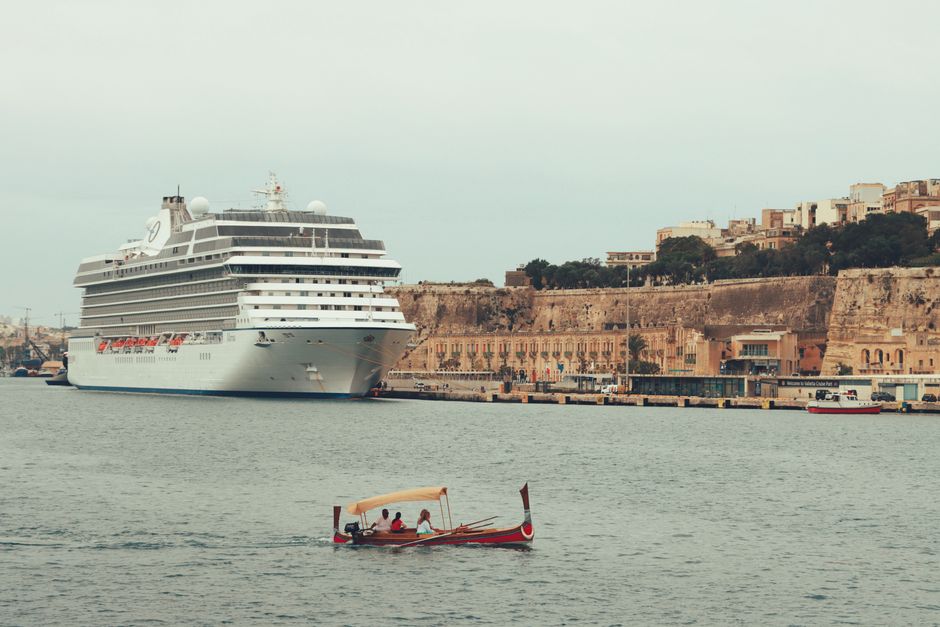
Your journey to the island fortress begins at Malta International Airport (MLA), the archipelago's main gateway, located about 8 kilometres south of Valletta. As you step off the plane, the distinct, dry-sweet smell of the Mediterranean island air—a blend of pine, salt, and sun-baked earth—hits you. The final leg to Valletta itself is part of the adventure. The most dramatic and highly recommended approach is **by sea**. From the airport, take a taxi or pre-booked transfer to the town of Sliema or the Three Cities (like Birgu). From these points, a traditional, brightly painted *dghajsa* (water taxi) or the larger, scheduled ferry will carry you across the Grand Harbour. There is no more cinematic arrival. As the boat putters across the deep blue water, the entire silhouette of Valletta rises before you: an unbroken line of fortifications, domes, and spires, majestic and imposing, exactly as it would have appeared to visiting dignitaries centuries ago.
If arriving directly by land, the approach is more subtle but no less impressive. Taxis and rideshares are readily available at the airport. The ride is short, and as you cross the bridge over the deep ditch of the Valletta landward defences, the modern City Gate appears, ushering you into the heart of the city. Local buses also serve Valletta from all over the island, terminating at the large, modernised bus terminal just outside the gates. Once you are within the walls, **everything is on foot**. Valletta is a pedestrian's paradise. Its grid-like plan is deceptively simple, but the constant inclines and stepped streets demand comfortable shoes. For longer days or trips to neighbouring towns like Sliema, the ferry remains your best and most scenic bet, a constant shuttle of life across the sparkling harbour waters.
Accommodation
Choosing where to stay in Valletta is about choosing your character for the story. You can immerse yourself fully in history or perch on its edge with modern luxury. For the ultimate immersive experience, seek out a boutique hotel housed in a restored **Baroque palazzo**. These are scattered throughout the city, often hidden behind unassuming facades. You push open a heavy wooden door and enter a world of vaulted stone ceilings, internal courtyards with silent, shaded wells, and rooms with original *gallariji* (Maltese enclosed balconies) overlooking quiet streets. Waking up in such a place, with the first morning light filtering through ancient stone, is transformative. The sounds are of the city stirring—distant church bells, the soft sweep of a broom on stone—and you are quite literally living within the historic fabric.
For those who prefer contemporary design alongside their history, Valletta offers stunning, award-winning hotels that artfully blend the old and new. Think minimalist rooms within centuries-old shells, rooftop infinity pools that seem to spill into the Grand Harbour, and cocktail bars set in former knights' vaults. These establishments masterfully highlight the original features—exposed limestone walls, arched doorways—while providing every modern comfort. Staying just outside the gates, in neighbouring Floriana, is another excellent option. It's a quieter, more residential area, but still within a five-minute walk of Valletta's action, often offering slightly more space and different vantage points of the fortifications. Wherever you choose, prioritise a room with a balcony or terrace. To have your own private slice of the Valletta skyline, to enjoy a morning coffee or an evening glass of local wine as the city lights twinkle on, is worth every extra euro.
Things to Do
In Valletta, doing and seeing are often the same thing—the simple act of walking is the primary activity. Start by getting gloriously lost. Abandon the map for an hour and let the steep, narrow streets pull you where they will. You'll stumble upon tiny chapels filled with silent devotion, sun-drenched piazzas where old men debate over backgammon, and sudden, breathtaking *belvederes* that frame the harbour like a Renaissance painting. This sensory exploration is the soul of a visit.
Of course, there are monuments that demand your attention. **St. John's Co-Cathedral** is non-negotiable. Its austere, fortress-like exterior is a deliberate foil to the overwhelming opulence within. Step inside and the air is cool and fragrant with wax. Your eyes need a moment to adjust to the kaleidoscope of gold leaf, intricate marble inlays covering every inch of the floor (watch for the tombstones of knights underfoot), and the soaring, painted barrel vault. In the Oratory, Caravaggio's masterpiece hangs in stark, powerful contrast—a study in shadow and human drama that will silence you.
From the spiritual to the strategic, the **Upper Barrakka Gardens** provide the city's most iconic public viewpoint. Time your visit for noon to experience the daily **Saluting Battery** cannon fire—a thunderous, smoke-filled ritual that echoes across the harbour. The gardens themselves are a serene escape of arches, fountains, and shady benches, perfectly positioned for that postcard-perfect photograph.
Delve deeper into the city's martial heart at the **Lascaris War Rooms**, a labyrinth of tunnels and chambers hidden deep beneath the Barrakka Gardens, where the Allied forces directed crucial operations in the Mediterranean during World War II. The contrast between the Baroque city above and this stark, functional command centre below is startling. For a more modern cultural fix, the **MUŻA** (the Malta National Community Art Museum) housed in the magnificent Auberge d'Italia, offers a thoughtfully curated journey through Maltese art and history, while the **Valletta Contemporary** gallery showcases edgy, modern works in a raw, industrial space, proving the city's creative pulse beats strong.
As evening falls, make your way to the **Strait Street** area. Once the infamous haunt of sailors and soldiers, this narrow lane has been reborn as the city's vibrant nightlife corridor, buzzing with wine bars, jazz clubs, and restaurants that spill out onto the pavement. It's the perfect place to feel Valletta's transition from daytime majesty to nocturnal allure. Finally, don't miss a **harbour cruise**. Seeing the city's formidable defences from the water, appreciating the sheer scale of the bastions rising from the sea, completes your understanding of why this fortified harbour town was, for centuries, considered unconquerable.
Food and Drink
Maltese cuisine is a delicious reflection of the island's history—a hearty, sun-kissed fusion of Sicilian, North African, and British influences. In Valletta, you can experience it all, from humble street food to refined dining in palatial settings. Begin your gastronomic education with the iconic **pastizzi**. These flaky, savory pastries, typically filled with ricotta (pastizzi tal-irkotta) or mushy peas (pastizzi tal-piżelli), are the fuel of the nation. Find them at unassuming hole-in-the-wall shops, where they're served blisteringly hot from the oven, often to a queue of locals. Eat them standing on the street, letting the delicate pastry shatter in your mouth—it's a rite of passage.
For a sit-down meal, seek out traditional dishes like **stuffat tal-fenek** (rabbit stew, the national dish), **bragioli** (beef olives), or **lampuki pie** (a fish pie made with dorado). These are best enjoyed in a family-run *trattoria* in a quiet side street, where the recipes have been passed down for generations. Seafood, naturally, is spectacular. Sample **aljotta**, a garlicky fish soup, or simply grilled local fish like *dott* (stonefish) drizzled with the island's vibrant, green olive oil.
Wash it all down with local libations. Maltese wine is a burgeoning and excellent scene, with indigenous grapes like Ġellewża and Girgentina producing crisp whites, and local Cabernet Sauvvignons thriving in the rocky soil. Don't leave without trying **Ċisk**, the local, refreshing lager, or the peculiarly Maltese **Kinnie**, a bitter-sweet soft drink made from bitter oranges and herbs. For a nightcap, seek out a bar serving **Maltese liqueurs**. A shot of **Bajtra** (prickly pear) or **Ħarruba** (carob) is a sweet, unique end to an evening. And remember, dining in Valletta is as much about the setting as the food. A table on a candlelit piazza, under the stars and the gaze of a Baroque church, turns any meal into a memorable event.
Practical Tips
To navigate Valletta like a seasoned traveller, keep a few key tips in mind. **Footwear is paramount.** Leave the fashion heels at home; the city's topography is a series of hills and limestone cobbles polished smooth by centuries of footsteps. Sturdy, comfortable walking shoes are your best friend. The Maltese **language** is a unique Semitic language with heavy Italian influences, but English is an official language and spoken universally. A simple "*Merħba*" (welcome/hello) or "*Grazzi*" (thank you) will be met with warm smiles.
**Money:** Malta uses the Euro. While cards are widely accepted in hotels and restaurants, smaller cafes, market stalls, and taxi drivers often prefer cash. ATMs are readily available. **Getting Around:** Within the city walls, it's all walking. For trips further afield, the bus system is extensive and cheap, with the main hub just outside the City Gate. The hop-on-hop-off tourist buses are a good option for a comprehensive island overview if time is short. The **ferries to Sliema and the Three Cities** are not just transport; they're a essential experience—frequent, affordable, and stunning.
**Respectful Visits:** When visiting churches, including St. John's, modest dress is required (covered shoulders and knees). Carry a light scarf or shawl to be prepared. The Maltese sun is strong even outside summer; a hat, sunglasses, and high-SPF sunscreen are daily necessities, even in spring and autumn. Finally, embrace the pace. Valletta rewards the slow traveller, the one who pauses in a garden, lingers over a coffee, and allows the city's timeless atmosphere to seep in.
Suggested Itinerary
Day 1: The Heart of the Fortress. Enter through the City Gate and feel the shift. Walk down Republic Street to St. John's Co-Cathedral—arrive early to beat the crowds. Spend a full hour absorbing its splendour. Emerge, blinking into the sunlight, and head to the Grandmaster's Palace to see the State Rooms and Armoury. For lunch, find a café on Merchants Street. In the afternoon, lose yourself in the side streets between Old Theatre Street and Strait Street. As evening approaches, make your way to the Upper Barrakka Gardens for the noon cannon fire (if timed right) or the sunset. Descend via the panoramic Barrakka Lift to water level for a perspective shift. Dine in a restaurant with a view of the illuminated fortifications.
Day 2: Culture, Views, and Vaults. Start at the National Museum of Archaeology for a primer on Malta's prehistoric wonders. Then, visit the modern MUŻA museum for the art story. For lunch, grab pastizzi from a famous spot like Crystal Palace. In the afternoon, take the ferry across to **The Three Cities** (Vittoriosa, Senglea, Cospicua) for a quieter, more residential taste of fortified life. Wander the Collachio area in Vittoriosa, the original home of the Knights. Return to Valletta by traditional *dghajsa*. Explore the lower levels of the city with a visit to the Lascaris War Rooms. Enjoy dinner and live music on the revitalized Strait Street.
Day 3: Beyond the Walls. Use Valletta as your hub. Take a morning ferry to **Sliema** for a different view back at the city skyline and a stroll along the promenade. Alternatively, take a bus or taxi to the ancient capital of **Mdina**, the Silent City, for a morning of medieval atmosphere. Return to Valletta for a late lunch. Spend your final afternoon on a **harbour cruise**, seeing the bastions from the sea—it contextualizes everything you've seen. For your last evening, splurge on a fine-dining meal in a palazzo courtyard or on a rooftop terrace, toasting to the golden city as it lights up the night.
Conclusion
Leaving Valletta is a gentle wrench. As you descend from its sun-bathed heights back to the ferry or the taxi, you carry with you more than souvenirs. You carry the memory of golden light on honeyed stone, the echo of footsteps in silent alleys, the taste of flaky pastry and sharp local wine, and the profound sense of having been a guest in a place where history is not a subject but the very walls around you. Valletta, Malta, is more than a destination; it is a feeling of resilience and beauty carved in limestone. It is a masterclass in scale, where immense fortifications contain intimate moments of discovery. It proves that a city can be both a formidable fortress and a warm, welcoming embrace. It stays with you, a vivid, sun-drenched tableau, calling you back to lose yourself once more in its timeless, cinematic streets.
Frequently Asked Questions
Is Valletta very crowded with tourists?
Valletta can be busy, especially on cruise ship days and during the peak summer months (July & August). However, its compact size means crowds are concentrated on the main thoroughfares like Republic Street. By simply venturing one or two streets over, you can find remarkable quiet and solitude. Visiting in the shoulder seasons (spring and autumn) or early in the morning offers a much more tranquil experience.
How many days do I need to see Valletta properly?
We recommend a minimum of two full days to appreciate Valletta itself without feeling rushed. This allows time to explore the major sites, get lost in the backstreets, and enjoy the cafes and views at a leisurely pace. With three days, you can comfortably use Valletta as a base for day trips to nearby highlights like Mdina, the Three Cities, or a harbour cruise, creating a perfect, well-rounded Maltese experience.
Is Valletta expensive to visit?
Valletta offers a range of options. While luxury hotels and fine dining in historic settings can be pricey, there are many affordable guesthouses, excellent mid-range restaurants, and cheap, delicious local eats (like pastizzi). Many of the city's greatest pleasures—walking its streets, admiring the architecture, enjoying the public gardens and harbour views—are completely free, making it possible to tailor your visit to most budgets.
Is it easy to get around Valletta for people with mobility issues?
The city's historic nature, with its many stepped streets, steep inclines, and cobblestones, presents significant challenges for wheelchair users or those with limited mobility. The main axis, Republic Street, is relatively level, and some key sites like St. John's Co-Cathedral and the Upper Barrakka Gardens (via the lift) are accessible, but exploring the full, charming labyrinth of side streets can be very difficult. It's advisable to plan routes carefully and consider using taxis for short hops between districts.
What is the one thing I shouldn't miss in Valletta?
Beyond the essential St. John's Co-Cathedral, the single most unmissable experience is witnessing Valletta from the water. Whether on a scheduled ferry to Sliema, a traditional dghajsa across the Grand Harbour, or a dedicated harbour cruise, seeing the majestic, fortress walls rise directly from the sea is the perspective that explains the city's entire history and strategic genius. It is breathtaking and essential.
Can I drink the tap water in Valletta?
Yes, the tap water in Malta is safe to drink as it is primarily produced through desalination. However, it can have a slightly flat or different taste due to the desalination process, so many locals and visitors opt for bottled water. In restaurants, you will always be offered a choice between tap and bottled water.


No comments:
Post a Comment