
Vienna: A Grand Waltz Through Time, Where Every Street is a Stage
Introduction
The first time you step into the heart of Vienna, the air itself feels different. It's not just the crisp breeze from the Danube, but a palpable, resonant hum—a low, golden frequency woven from centuries of music, empire, and intellectual fervor. This is a city that doesn't just exist; it performs. Its boulevards, the Ringstrasse, unfurl like a velvet ribbon around the historic core, a grand proscenium arch framing a spectacle of architectural opulence. Here, Baroque palaces whisper secrets of the Habsburgs, Jugendstil facades curl into organic, gilded dreams, and the scent of strong coffee and warm apple strudel spills from grand cafés that feel more like libraries for the soul. Vienna is not a passive destination; it is an immersive, cinematic experience, a waltz in three-quarter time where you are both audience and participant.
Close your eyes for a moment. Listen. Beneath the modern murmur of trams, you can almost hear the ghostly scratch of a quill in a study where Freud pondered the psyche, the rustle of silk gowns in the halls of the Hofburg, and, most powerfully, the soaring, heartbreaking strains of a violin—perhaps a student practicing Mozart in a top-floor studio, the notes floating down to kiss the cobblestones. This is the city's true soundtrack. Vienna is a palimpsest, a page upon which history has been written, erased, and rewritten in layers of gilt, marble, and thought. It's in the worn steps of the Stephansdom, hollowed by eight centuries of pilgrims. It's in the defiant, modernist lines of the Hundertwasserhaus, a rebellion against the perfect, imperial grid. It's in the quiet, green embrace of the Vienna Woods, pressing against the city limits, a reminder of the natural world that inspired so many of its composers.
To walk through Vienna is to move through a living museum of human ambition. You feel a sense of scale in the shadow of the Votive Church's spires, a sense of intimacy in the hidden courtyards of the Spittelberg quarter. The light here has a particular quality, especially in autumn; it slants low and honeyed, setting the copper roofs aglow and casting long, dramatic shadows that make every statue seem poised to step down from its plinth. There's a formality, a reverence for tradition, but it's cut with a sharp, contemporary wit and a love for the good life—the *Gemütlichkeit*—that makes it feel warmly human. You come to Vienna not just to see things, but to feel the weight of beauty, to have your senses orchestrated. You arrive a visitor, but if you listen closely, you leave feeling as if you've heard a part of your own story played back on a grand piano, in a minor key, in a room full of ghosts and genius.
Why Visit Vienna?
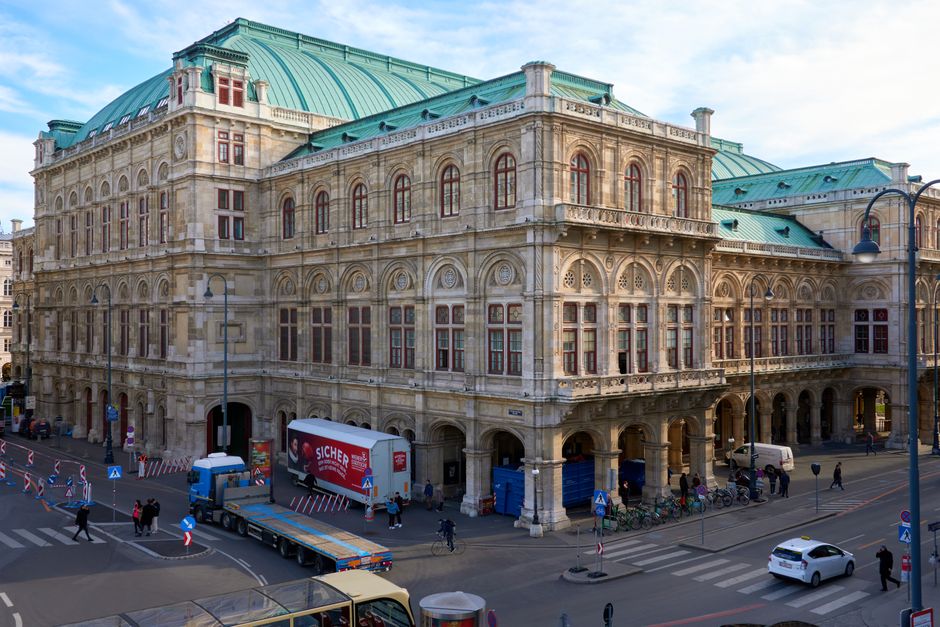
Why Vienna? The question is best answered not with a list, but with a feeling. It's the feeling that overtakes you as you stand in the standing-room section of the Wiener Staatsoper, the very air vibrating as the overture begins, realizing you are part of a continuum that stretches back to Mahler himself. It's the profound, almost spiritual quiet that descends in the Capuchin Crypt, before the simple sarcophagi of emperors and empresses, a stark contrast to the grandeur they inhabited in life. Vienna offers a unique dialogue between the monumental and the personal, the imperial and the intimate. It is one of the world's great capitals of culture, not as a relic, but as a living, breathing entity.
You visit for the unparalleled artistic legacy. This is the city that cradled Mozart, Beethoven, Schubert, Strauss, and Mahler. Their presence is not confined to concert halls; it's in the street names, the cafes where they argued and composed, the apartments where they lived and died. You can stand in the room where Mozart wrote *The Marriage of Figaro* and feel the chilling proximity of genius. Beyond music, the canvas of art history was forever changed here by Klimt, Schiele, and Kokoschka. The Belvedere holds Klimt's golden, mesmerizing "The Kiss," a painting that doesn't just hang on the wall but seems to radiate its own light, pulling you into its luminous, patterned embrace.
But Vienna is also a masterclass in the art of living well. It understands the philosophy of the café, not as a place for a hurried takeaway, but as a secular sanctuary for contemplation, conversation, and people-watching over a *Melange* and a slice of *Sachertorte*. It understands the social theater of the *Heuriger*, the rustic wine taverns in the outskirts where vintners serve their new wine with simple, hearty food to the sound of accordion music. You visit to taste that specific blend of melancholy and joy that is so Viennese, to wander a palace that was once the heart of a continent-spanning empire, and then to join the locals in a park, debating the world over a glass of *Gemischter Satz*. It is a city that feeds the mind, delights the senses, and reminds you of the enduring human capacity to create sublime beauty.
When to Visit
Vienna wears the seasons like a skilled actor changes costumes, each offering a distinct mood and tempo for your visit. The classic, most cinematic Vienna is arguably found in the **spring (April to June)**. The city shakes off the gray winter coat. Chestnut trees along the Ring burst into luminous green, the formal gardens of the Belvedere and Schönbrunn become riots of tulips and blossoms, and the outdoor café tables spill onto the sidewalks. The light is soft, the air carries the scent of damp earth and flowers, and the city's pace quickens with a palpable joy. It's perfect for long, aimless walks, though it's also prime tourist season—the opera ball season may be over, but the cultural calendar is full.
For a truly magical, if chilly, experience, **Christmas and the Advent season (late November to December)** transform the city into a storybook. The smell of roasted chestnuts and *Glühwein* (mulled wine) fills the air. Dozens of Christmas markets, especially the grand one before the Rathaus, twinkle with a million lights. Handcrafted ornaments, wooden toys, and the sound of carols create a heartwarming, festive atmosphere that feels genuinely traditional, cutting through the commercial winter haze. Pack warm boots and a love for sparkling darkness.
**Autumn (September to October)** brings a more reflective, golden-hued Vienna. The crowds thin, the cultural season resumes with vigor, and the Vienna Woods become a breathtaking tapestry of red and gold. This is the time for *Heuriger* visits, tasting the year's new wine. **Summer** offers long days, open-air film and music festivals in the parks, and the glorious grounds of Schönbrunn at their peak. **Winter (January to March)**, post-holidays, is for the hardy connoisseur. You'll have museums largely to yourself, can cozy up in historic coffee houses as the snow falls outside, and experience the city in its most contemplative, authentic state, though some smaller attractions may have shorter hours.
How to Get There
Your approach to Vienna sets the stage. Flying into **Vienna International Airport (VIE)**, located just 18 kilometers southeast of the city, is the most common international gateway. The moment you step into its clean, efficient terminals, you sense the Austrian order. The most cinematic transition from airport to city is aboard the **City Airport Train (CAT)**, a non-stop service that glides you to Wien Mitte station in just 16 minutes, a sleek, silent journey that feels like traveling from the present into a grander past. For a more economical and still efficient option, the regular S-Bahn (S7 line) offers a slightly longer but scenic route, introducing you to the suburban landscapes before diving underground into the heart of the capital.
Arriving by train is a journey straight out of a classic film. **Wien Hauptbahnhof**, the central station, is a marvel of modern architecture and a major European rail hub. Stepping off an overnight sleeper from Venice or a high-speed Railjet from Budapest, you are deposited directly into the city's efficient public transport network. There's a profound romance in this mode of travel, echoing the era of the Orient Express. For those exploring Europe by road, the well-maintained autobahns connect Vienna seamlessly to neighboring countries. Driving into the city, however, is less recommended for the final approach; the center is a labyrinth of restricted zones, and parking is a precious, expensive commodity. Best to park at a suburban *Park & Ride* and let the impeccable U-Bahn (subway) take over—your first taste of the city's flawless, rhythmic pulse.
Accommodation
Where you lay your head in Vienna is more than a logistical choice; it's a chance to choose your era, your character in the city's ongoing play. For the full imperial fantasy, the legendary **palace hotels** like the Hotel Sacher or the Imperial offer a dizzying plunge into opulence. Marble floors, crystal chandeliers, and staff with the discreet efficiency of a bygone court await. Imagine waking up, drawing back heavy silk curtains, and looking out at the Opera House, knowing your breakfast includes the original Sachertorte. It's an unforgettable, if splurge-worthy, experience.
The **historic city center (Innere Stadt)** is dotted with boutique hotels often housed in renovated 19th-century buildings. Here, you're in the middle of the pedestrianized wonderland, steps from the cathedral and grand shopping streets. The rooms might be cozy, the elevators miniature, but the atmosphere is thick with history. For a more local, vibrant feel, look to districts just outside the Ring. **Neubau** (7th district) is the epicenter of contemporary art, design shops, and hip cafes. Staying here, you trade imperial vistas for a bohemian, creative energy. **Mariahilf** (6th district) offers a charming, less-touristy buzz with its main shopping street and easy access to the Naschmarkt.
For budget-conscious travelers, Vienna has a wealth of excellent **hostels and pensions**, particularly around the Westbahnhof area or in the student-filled districts. Many are housed in buildings with beautiful *Altbau* (old construction) features like high ceilings and stucco work. A unique and highly recommended option is the **Boutiquehotel Stadthalle** in the 15th district, a pioneering zero-energy-balance hotel with a stunning lavender-covered front courtyard. Wherever you stay, prioritize proximity to a U-Bahn station—the city's network is your magic carpet, making every corner of Vienna accessible in minutes.
Things to Do
Vienna's itinerary is a symphony, and you must decide whether to follow the score closely or improvise your own melody. Start with the **Imperial Treasures**. The **Hofburg Palace**, a city within a city, demands a full day. Wander the opulent Imperial Apartments, feel the solemnity of the Imperial Chapel, and lose yourself in the overwhelming splendor of the **Spanish Riding School**, where the famed Lipizzaner stallions perform their balletic *haute école*. A short tram ride away, **Schönbrunn Palace**, the Habsburgs' summer residence, is a masterpiece of Baroque excess. Tour the gilded rooms, but save your soul for the gardens. Walk up the hill to the Gloriette, turn around, and behold the perfect, axial view of the palace and the city beyond—a vista designed to make a monarch feel like master of all he surveyed.
No visit is complete without a deep dive into the **City of Music**. Attend a performance at the **Wiener Staatsoper**—even a standing ticket for a few euros is a rite of passage. For a more intimate experience, seek out a chamber concert in one of the historic palaces like the Palais Auersperg. The **Haus der Musik** is an interactive, playful museum that makes the science and history of sound a delight. Then, make your pilgrimage to the **Central Cemetery (Zentralfriedhof)**, not for morbidity, but for profound peace. In the composers' section, simple graves for Beethoven and Brahms sit beside a poignant monument to Mozart and a constant stream of admirers at Schubert's tomb. It's a humbling, beautiful reminder of the fleeting nature of life and the eternity of art.
Shift gears with **Art Nouveau and Modernity**. The **Secession Building**, with its golden dome of laurel leaves, is a temple to the artistic rebellion of Klimt and his peers. Inside, Klimt's breathtaking **Beethoven Frieze** is an immersive, symbolic journey. For a complete contrast, visit the **Hundertwasserhaus**, a riotous, anarchic apartment block where no line is straight, trees grow from the windows, and mosaic tiles dance across the facade. It's a joyful rebellion in concrete and color. Finally, embrace the Viennese rhythm of life. Spend a morning getting blissfully lost in the **Naschmarkt**, a kilometer-long sensory overload of spices, cheeses, olives, and international food stalls. As evening falls, take the tram or a short taxi to **Grinzing** or **Neustift am Walde** for a *Heuriger* evening. Sit at a long communal table under grapevines, order a *Viertel* (quarter liter) of cloudy new wine, and let the simple, hearty food and folk music wash over you. This is the soul of Vienna, far from the palaces, beating strong and warm.
Food and Drink
Viennese cuisine is a hearty, comforting narrative of empire and countryside, best experienced with an appetite and no fear of calories. It begins with the sacred ritual of **Kaffeehauskultur**. Enter a grand café like Café Central, Café Sacher, or the more local Café Sperl. The murmur of conversation, the clink of porcelain, the rustle of newspapers on wooden rods—this is the soundtrack. Order a *Melange* (the Viennese cappuccino) and surrender to the cake trolley. The **Sachertorte** is iconic: dense, slightly dry chocolate cake with a layer of apricot jam, enrobed in dark chocolate. The **Apfelstrudel** is a masterpiece of flaky pastry embracing tart, cinnamon-laced apples. This is not a quick coffee break; it's a claim on time and space, an invitation to linger for hours.
For savory sustenance, the classics are pillars of flavor. **Wiener Schnitzel** is not just a breaded cutlet; it's an ethereal, plate-sized, pounded-thin veal (or pork) escalope, fried to a perfect golden crisp that crackles at the touch of a fork. It should be served with a wedge of lemon and a simple potato salad. Find it in a classic *Beisl* (a traditional, cozy tavern). **Tafelspitz**, Emperor Franz Joseph's favorite, is boiled beef in a delicate broth, served with horseradish sauce, chive sauce, and roasted potatoes—a dish of sublime simplicity. Don't miss the humble **Würstelstand**. These sausage stands are a late-night institution. Order a *Käsekrainer* (cheese-filled sausage) with a crusty roll and a sharp mustard, eaten standing at the counter, a perfect salty, greasy delight after an evening at the opera.
To drink, wine is a revelation. The **Heuriger** culture introduces you to *Gemischter Satz*, a unique Viennese field blend of grapes grown, harvested, and fermented together, resulting in a complex, refreshing white. In the city, wine bars (*Weinbars*) are thriving, offering sophisticated glasses from across Austria. For beer, a crisp **Helles** or **Märzen** from a brewery like Ottakringer is the local choice. And as the seasons turn cold, a steaming mug of **Glühwein** at a Christmas market, its spices warming you from the inside out, becomes a cherished memory.
Practical Tips
Navigating Vienna is a pleasure thanks to its **public transport (Wiener Linien)**. Purchase a **Vienna City Card** for unlimited travel and discounts, or a 24/48/72-hour ticket. The network of U-Bahn, trams, and buses is comprehensive, punctual, and safe even at night. Validate your ticket before your first journey. **Walking** is the best way to discover the Innere Stadt, but wear comfortable shoes—those cobblestones are beautiful but unforgiving. For longer distances, the trams, especially the **Ring Tram** and the **D Line**, offer moving postcard views.
While German is the official language, you'll find English widely spoken in tourist areas, museums, and restaurants. However, learning a few basic phrases (*Guten Tag* - Good day, *Danke* - Thank you) is always appreciated and opens doors to warmer interactions. **Tipping** is customary but not as percentage-based as in the US. Round up the bill or leave 5-10% for good service in restaurants; in cafes, simply round up to the nearest euro or two. **Cash is still king** in many traditional establishments, especially *Beisln* and markets, so always carry some euros.
Vienna is an exceptionally safe city, but standard precautions against pickpockets in crowded areas apply. Most museums offer reduced entry on certain days or times (often Sunday afternoons or first Sundays of the month), so plan accordingly. Finally, embrace the pace. Don't try to rush from palace to museum to concert. Build in time to sit in a park, to wander a random side street, to have a second coffee. Vienna's magic is often found in the pauses between the notes.
Suggested Itinerary
Day 1: The Imperial Heart. Start at the **Stephansdom**, climbing the South Tower for a mosaic-like view over the city's roofscape. Wander the Graben and Kohlmarkt, peeking into lavish shops. Dive into the **Hofburg**, visiting the Sisi Museum and Imperial Apartments. Lunch on Schnitzel at a nearby *Beisl*. In the afternoon, explore the **Kunsthistorisches Museum**, a palace of art itself. End your day with a pre-booked performance at the **Staatsoper** or a classical concert.
Day 2: Palaces & Parks. Take the U-Bahn to **Schönbrunn**. Tour the palace early to avoid crowds, then spend hours in the gardens, the Palm House, and the zoo. Have a picnic or eat at a garden café. Return to the city center and visit the **Belvedere** palaces in the late afternoon light to see Klimt's "The Kiss." For dinner, head to the **Naschmarkt** area for diverse, lively options.
Day 3: Art & the Vineyard. Morning dedicated to modernity. See the **Secession Building** and the **Hundertwasserhaus**. Then, explore the Museum Quarter (MQs), perhaps choosing the **Leopold Museum** for its superb Schiele collection. In the late afternoon, take tram D to **Grinzing**. Stroll through the vineyard paths, then settle into a **Heuriger** for a long, rustic dinner with new wine. Let the evening unfold slowly.
Day 4: Deeper Dives & Farewells. Choose your passion. Music lovers: **Haus der Musik** and a visit to the **Central Cemetery**. Shoppers: the **Spittelberg** lanes for crafts or **Mariahilfer Strasse**. Alternatively, take a short trip to the **Danube Island (Donauinsel)** for a breath of river air. For your final evening, indulge in a grand café experience for cake and coffee, then take a leisurely stroll along the illuminated Ringstrasse, letting the majestic buildings bid you a dramatic, unforgettable goodnight.
Conclusion
Leaving Vienna, you don't simply pack souvenirs; you carry away a new sensory lexicon. The taste of bittersweet chocolate and apricot, the sound of a tram bell ringing through a misty evening, the sight of a golden *Fassade* glowing at dusk, the feel of a worn velvet seat in a concert hall, the smell of old paper and coffee in a grand café. This city, this grand waltz of stone and spirit, gets under your skin. It teaches you that beauty is not frivolous but essential, that history is not a dry text but a palpable force in a cobblestone, and that taking time for a coffee and a conversation is one of life's great civilizing acts.
Vienna is a paradox—both a monumental relic of a lost empire and a vibrant, modern city constantly reinterpreting its own legacy. It doesn't shout; it composes. It doesn't overwhelm with chaos; it impresses with order and depth. You may come for the postcard images of the Opera and the palaces, but you'll remember the quiet moments: an old man reading a newspaper in a café, the echo of your footsteps in a Baroque church, the first sip of crisp wine in a vineyard within the city limits. Vienna is an invitation to live more thoughtfully, to listen more intently, and to appreciate the layers of human endeavor that create a truly great city. It's a journey that ends not when you board your plane, but when you find yourself, months later, humming a Strauss waltz and longing for the particular golden light of a Viennese afternoon.
Frequently Asked Questions
Is Vienna an expensive city to visit?
Vienna is comparable to other major Western European capitals like Paris or London. While luxury hotels, fine dining, and opera tickets can be costly, the city offers excellent value through its free public parks, affordable public transport, museum discount passes, and the culture of the coffee house where you can occupy a table for hours for the price of a single drink. Street food like sausages and market snacks are budget-friendly.
How many days do I need to see Vienna properly?
A minimum of three full days is essential to scratch the surface of Vienna's imperial core, major palaces, and a museum or two. Four to five days is ideal, allowing you to explore at a more relaxed pace, visit a Heuriger in the outskirts, delve deeper into specific museums, and perhaps attend a couple of performances without feeling rushed.
Do I need to book tickets for attractions in advance?
It is highly recommended, especially during peak seasons (spring, summer, Christmas). Pre-booking online for Schönbrunn Palace, the Spanish Riding School performances, the Vienna State Opera, and major exhibitions at the Kunsthistorisches or Belvedere can save you hours of waiting in line and guarantee entry.
What is the best way to experience Vienna's coffee house culture?
Choose a classic coffee house like Café Central, Sperl, or Landtmann. Go during a mid-morning or afternoon lull. Order a traditional coffee like a Melange or Einspänner, and a pastry. Bring a book or simply people-watch, and don't feel pressured to leave quickly. The experience is about savoring the space and the atmosphere as much as the drink itself.
Is Vienna a good destination for families with children?
Absolutely. Beyond its formal reputation, Vienna is incredibly family-friendly. Children will love the sprawling gardens and maze at Schönbrunn, the Tiergarten (zoo), the giant Ferris wheel (Riesenrad) at the Prater amusement park, the interactive Haus der Musik, and the boat tours on the Danube. Many museums have dedicated children's sections and activities.
What should I pack for a trip to Vienna?
Pack for stylish comfort. Even in summer, include a light jacket or sweater for cool evenings and air-conditioned museums. Comfortable walking shoes are non-negotiable. For the opera or a nice restaurant, smart-casual attire is appreciated (no shorts or flip-flops). In winter, pack a warm coat, scarf, gloves, and waterproof boots for potential snow.
Can I visit the Vienna Woods easily from the city center?
Yes, the Vienna Woods (Wienerwald) are remarkably accessible. You can take a short tram or bus ride to the outskirts, such as to the Kahlenberg or Leopoldsberg hills, for stunning panoramic views over the city and the Danube. There are well-marked hiking and walking paths, making it a perfect half-day or day trip into nature.


No comments:
Post a Comment