
Warsaw: A Symphony of Resilience and Renaissance
Introduction
The first thing you notice is the light. It slants across the broad, cobbled expanse of the Old Town Market Square, gilding the facades of pastel-colored townhouses that look centuries old. The air carries the faint, sweet scent of warm paczki from a nearby bakery, mingling with the distant hum of a bustling modern city. You stand in the heart of Warsaw, a city that was meticulously, painstakingly rebuilt from ashes, and you feel not a replica, but a living, breathing phoenix. This is a city of layers, where every brick tells a story of destruction and defiance, of sorrow and soaring hope. To walk through Warsaw is to witness one of history's most profound acts of collective memory, a city that refused to be erased.
Your cinematic journey begins not with a wide shot, but with a detail: the texture of the cobblestones underfoot, each one placed with intention in the post-war years. Look closer at the mermaid statue, sword and shield held high, the symbol of the city. Her story is Warsaw's story—fierce, protective, and born of the water (the Vistula River) that carves through the city's soul. As you wander from the fairy-tale perfection of the reconstructed Old Town, a UNESCO World Heritage site celebrated not for its antiquity but for its resurrection, you cross an invisible threshold. The architecture shifts. The brutalist bulk of the Palace of Culture and Science, a "gift" from Stalin, looms like a ghost from a different era, its shadow falling across sleek glass skyscrapers of a booming financial district. This jarring juxtaposition is Warsaw's essence. It is a city that has absorbed its traumas and metabolized them into an incredible, kinetic energy.
You hear it in the clatter of trams, in the polyglot chatter from open-air cafes in the trendy Powiśle district, in the mournful jazz drifting from a cellar club on a Saturday night. You see it in the vibrant street art splashed across remnants of the Ghetto walls in Muranów, in the serene green embrace of Łazienki Park where peacocks strut past Chopin's monument. Warsaw does not ask for your pity; it demands your attention. It is a city of scholars and startups, of classical concert halls and throbbing electronic music venues. It is profoundly Polish, yet fiercely international. To visit is to engage in an active dialogue with the past, to feel the weight of history in the Warsaw Uprising Monument and then, just blocks away, to taste the unbridled joy of the future in a craft cocktail bar. This is not a passive sightseeing tour; it is an immersive experience in resilience. You come to Warsaw thinking you will learn about its death, but you leave forever inspired by its relentless, vibrant life.
Why Visit Warsaw?
You visit other European capitals for their preserved antiquity, for the seamless narrative of a glorious past. You come to Warsaw for a masterclass in human spirit. This is a city that was systematically demolished—over 85% of its buildings reduced to rubble by the end of World War II. What you witness today is a conscious choice, a monumental act of civic will. Walking the Royal Route from Castle Square to Wilanów Palace, you are walking through a three-dimensional archive of national identity. Every reconstructed column, every repainted fresco, is a statement: "We remember. We endure." This tangible history of rebirth is unparalleled, offering a deeply moving and intellectually stimulating journey that goes far beyond typical tourism.
Beyond the profound historical narrative, Warsaw pulses with a contemporary verve that is utterly captivating. It is a city of dynamic contrasts. One moment you're in the solemn, hallowed silence of the POLIN Museum of the History of Polish Jews, an architectural marvel that itself tells a story of light emerging from darkness. The next, you're cycling along the revitalized Vistula River boulevards, where beach bars, food truck pods, and young crowds create a Riviera-like atmosphere against a skyline of glittering towers. The cultural scene is explosive—from the iconic National Opera to cutting-edge galleries in the post-industrial Praga district, which retains a gritty, authentic charm across the river. Warsaw is also surprisingly green, a city of lush parks and palace gardens that offer serene escapes. You visit for the history, but you stay for the energy, the creativity, and the palpable sense of a city writing its next chapter at breakneck speed, inviting you to be a part of it.
When to Visit
Warsaw dons distinct, cinematic costumes with each season, and your ideal time to visit depends on the atmosphere you seek. The city truly blossoms in the late spring (May and June). Imagine the chestnut trees in Łazienki Park in full, creamy bloom, the air soft and fragrant, and outdoor Chopin concerts drawing crowds onto the sun-dappled lawns. The days are long, stretching into luminous evenings perfect for late dinners at pavement cafes. Summer (July-August) brings a festival energy, with open-air events, bustling riverbanks, and warm weather. While it can be warm and more crowded, the city vibrates with life.
For a more introspective, moody, and visually stunning experience, autumn (September-October) is sublime. The parks transform into a tapestry of gold and crimson, and the historical sites feel even more poignant under a slate-gray sky or in the soft, low light of an October sun. The cultural season is in full swing, and the tourist crowds have thinned. Winter (December-February) is cold, often with a blanket of snow that dusts the Old Town's spires, making it look like a gingerbread village. Christmas markets fill the squares with the scent of mulled wine and grilled oscypek cheese, creating a magical, festive atmosphere. Early spring (March-April) can be unpredictable, with the last of the winter chill giving way to tentative greenery—a time for fewer crowds and lower prices, but pack for all weather. Each season in Warsaw offers a different lens through which to view its complex, beautiful soul.
How to Get There
Warsaw is the central transportation hub of Poland and increasingly of Central Europe, making access remarkably straightforward. The primary gateway is Warsaw Chopin Airport (WAW), located just a 15-20 minute drive from the city center when traffic is light. The airport is modern and efficient, with direct flights from most major European cities and an increasing number from further afield. The most cost-effective and reliable way into the city is via the urban rail line (S2 or S3). You'll find the station easily in the arrivals hall; a 20-minute ride takes you directly to Warsaw Centralna, the main railway station. Taxis and ride-sharing apps like Bolt are plentiful, but always use the official taxi ranks or the app to avoid inflated prices.
For a truly scenic approach, consider arriving by train. The Central Station is a nexus, with excellent connections to other Polish cities like Krakow (a 2.5-hour journey on high-speed rail) and international destinations like Berlin, Vienna, and Prague. The station itself has been recently renovated and connects seamlessly to the metro and tram systems. If you're exploring Europe by road, Warsaw is well-served by major highways. Once in the city, however, the excellent public transport—a network of metros, trams, and buses—makes getting around effortless. For the full immersive experience, walk. The city's districts, while distinct, are often walkable from each other, and you'll discover countless hidden details you'd miss from a vehicle window.
Accommodation
Warsaw's accommodation scene is as diverse as the city itself, offering a perfect stay for every style of traveler. For history buffs and first-time visitors, the Śródmieście district, encompassing the Old Town and the Royal Route, is ideal. Here, you can find everything from grand, historic hotels housed in pre-war buildings to chic boutique hotels tucked into quiet side streets. Waking up to the sound of church bells and being steps from the Royal Castle is an unforgettable experience. For a more contemporary, vibrant pulse, consider staying in Powiśle or the adjacent Downtown area. These neighborhoods are brimming with design hotels, trendy cafes, and rooftop bars with stunning views of the city's architectural mosaic.
Across the Vistula, the Praga district offers a grittier, more alternative vibe. Once overlooked, it's now the epicenter of Warsaw's artistic revival, with converted warehouses turned into loft apartments, hip hostels, and boutique hotels adorned with street art. It's authentic, slightly raw, and full of character. For business travelers or those seeking ultra-modern convenience, the area around the Central Station and the financial district offers sleek, high-rise hotels with all the amenities. No matter where you stay, you'll find that Warsaw provides exceptional value compared to Western European capitals. From five-star splendor to cozy, family-run pensions and social hostels, the city welcomes you with a comfortable bed that suits your narrative.
Things to Do
Begin your immersion at the very core: the Old Town (Stare Miasto). Let yourself get lost in its labyrinthine streets, not as a tourist, but as a time traveler. Feel the cobblestones, admire the painstakingly restored facades, and stand in the vast Castle Square before the Royal Castle. Inside, the opulent rooms whisper of a vanished Commonwealth, but the story of the castle's reconstruction—funded by the nation—is even more powerful. Follow the Royal Route (Krakowskie Przedmieście and Nowy Świat) south. This is Warsaw's elegant spine, lined with churches, palaces, the University of Warsaw, and countless cafes. It leads you to the serene oasis of Łazienki Park. Spend an afternoon here, especially on a Sunday for the free Chopin concert at the monument. Watch peacocks fan their tails, row a boat on the palace lake, and breathe in the tranquility.
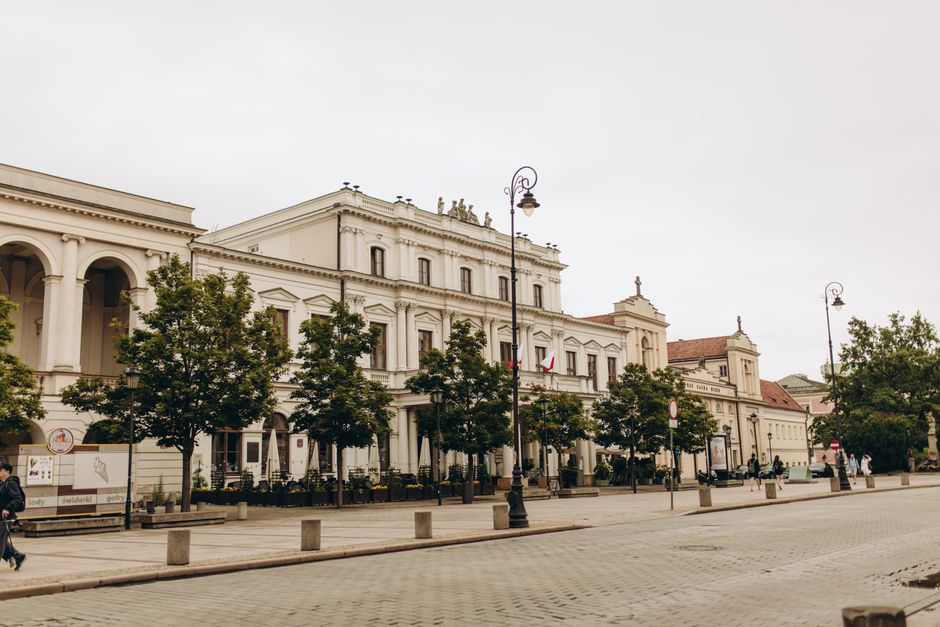
But Warsaw's soul is also found in its scars and its defiance. The Warsaw Uprising Museum is not merely an exhibition; it is an emotional experience. Through multimedia displays, personal artifacts, and the thunderous heartbeat of a replica bomber plane, it tells the 63-day story of the city's tragic, heroic struggle in 1944. Equally essential is the POLIN Museum of the History of Polish Jews. Housed in a stunning, symbolic building in the former Ghetto, its core exhibition is a breathtaking journey through a millennium of Jewish life in Poland, culminating in the horrors of the Holocaust and the post-war period. It is a narrative of profound loss, but also of enduring culture. For a different perspective, ascend the Palace of Culture and Science. Love it or loathe it, this socialist-realist giant offers the best panoramic views of the city, a sprawling map of Warsaw's past and present laid out at your feet.
When you need a contrast, seek out the Vistula River boulevards. Rent a bike or simply stroll along the paths, where Varsovians gather to socialize. In summer, the vibe is Mediterranean, with pop-up bars, sandy beaches, and crowds dancing to music as the sun sets behind the Świętokrzyski Bridge. Finally, cross the river to the Praga district. Explore its courtyards, see the legendary neon museum, and feel the creative, unpolished energy of its streets. From solemn remembrance to joyful celebration, Warsaw's activities are a deep dive into the heart of a nation.
Food and Drink
Polish cuisine is hearty, flavorful, and deeply satisfying, and Warsaw is its dynamic capital. Start with the classics in a traditional milk bar (bar mleczny), a communist-era cafeteria that serves affordable, home-style dishes. Try a steaming bowl of żurek (sour rye soup with sausage and a hard-boiled egg), pierogi (dumplings) stuffed with savory meat, tangy sauerkraut and mushroom, or sweet farmer's cheese, and finish with kotlet schabowy (a breaded pork cutlet) with mashed potatoes. For a modern, elevated take on these traditions, seek out the city's thriving fine-dining scene, where chefs are reinterpreting Polish ingredients with contemporary flair.
Warsaw's culinary landscape is fiercely international, reflecting its cosmopolitan population. From excellent Vietnamese pho (a legacy of communist-era migration) in hole-in-the-wall spots to innovative vegan bistros, Georgian khinkali dumpling houses, and trendy Italian enotecas, there is a world of flavors to explore. The craft beer scene is outstanding, with local breweries and taprooms offering everything from crisp pilsners to bold imperial stouts. For a true Polish spirit, sample a chilled shot of żubrówka (bison grass vodka), often served with a splash of apple juice. Coffee culture is taken seriously here, with third-wave roasteries on every corner in the central districts. And for a sweet treat, you cannot leave without tasting a pączek—a Polish doughnut, denser and more decadent than its American cousin, often filled with rosehip or plum jam. In Warsaw, every meal is a story, a blend of the rustic and the revolutionary.
Practical Tips
The local currency is the Polish złoty (PLN, symbol: zł). While credit cards are widely accepted in hotels, restaurants, and shops, it's wise to carry some cash for smaller establishments, markets, and public toilets. ATMs are plentiful; use those attached to banks for the best rates. Polish is the language, a Slavic tongue that can seem daunting, but in tourist areas and among younger generations, English is commonly spoken. Learning a few basic phrases like "dzień dobry" (good day), "dziękuję" (thank you), and "przepraszam" (excuse me) will be warmly appreciated. Public transport is excellent and affordable. Purchase a Warsaw City Card for unlimited travel and museum entry, or buy a 24/72-hour ticket from a machine or kiosk. Remember to validate paper tickets upon first use.
Warsaw is generally a very safe city, even at night. Standard urban precautions apply: be aware of your belongings in crowded areas and on public transport. The tap water is safe to drink. Tipping is customary in restaurants; rounding up the bill or leaving 10% for good service is standard. Electrical outlets are the European standard Type C/E (220V). Finally, embrace the pace. Warsaw can feel frenetic, but it also has pockets of profound calm. Don't rush. Sit in a park, linger over a coffee, and let the city's layers reveal themselves to you slowly.
Suggested Itinerary
Day 1: The Heart of History. Start at Castle Square and explore the Royal Castle. Wander the Old Town, get lost in the narrow streets, and have lunch in the Market Square. In the afternoon, visit the Warsaw Uprising Museum (book tickets online in advance). As evening falls, walk the Royal Route, ending with dinner at a traditional restaurant in the New Town (Nowe Miasto), just north of the Old Town walls.
Day 2: Memory and Modernity. Dedicate your morning to the profound POLIN Museum. Afterwards, walk to the nearby Monument to the Ghetto Heroes. For lunch, head to the Hala Koszyki or a modern food hall. In the afternoon, ascend the Palace of Culture for the view, then explore the surrounding downtown area. As dusk approaches, make your way to the Vistula Boulevards for a drink and the sunset.
Day 3: Culture, Green Spaces, and Grit. Spend a relaxed morning in Łazienki Park, perhaps catching a Chopin concert if it's Sunday. Have a picnic or lunch at the park's cafe. In the afternoon, cross the river to the Praga district. Explore its streets, visit the Neon Museum, and feel its alternative vibe. Enjoy dinner in one of Praga's innovative restaurants or return to the city center for a final, memorable meal.
With more time, consider a day trip to Wilanów Palace, Poland's "Versailles," or to the fascinating Copernicus Science Centre on the riverbank. This itinerary balances the heavy with the light, the past with the vibrant present, giving you a true taste of Warsaw's complex character.
Conclusion
Leaving Warsaw, you don't just carry souvenirs; you carry a feeling. It's the weight of history in your chest, but also a lightness of spirit inspired by its indomitable joy. The city's skyline, that jagged silhouette of medieval spires, socialist blocks, and glass towers, stays with you as a perfect metaphor for a place that has absorbed every blow and built itself anew, each time adding another layer to its extraordinary story. You realize Warsaw was never a museum of the past; it is a living workshop of identity, constantly sculpting and redefining itself.
This is a city that teaches you about the depth of human resilience and the power of collective memory. It challenges you, moves you, and ultimately, uplifts you. You came to see a phoenix, and you found a city in full, glorious flight. Warsaw doesn't just want to be visited; it wants to be felt, understood, and remembered. And once you have walked its streets, heard its music, and tasted its soul, you will remember it forever.
Frequently Asked Questions
Is Warsaw safe for tourists?
Yes, Warsaw is considered one of the safer major European capitals for tourists. Violent crime is rare. As in any large city, you should practice standard precautions: be aware of your surroundings in crowded areas like public transport or major tourist sites, keep an eye on your belongings, and use common sense at night. The city center is well-lit and busy until late.
How many days do I need to see Warsaw properly?
We recommend a minimum of three full days to experience Warsaw's core highlights without feeling rushed. This allows one day for the Old Town and Royal Route, one day for the major museums (Uprising and POLIN), and one day for parks, the Vistula, and exploring a district like Praga. With four or five days, you can delve deeper, take a day trip, and enjoy the city's cafes and nightlife at a more relaxed pace.
Is Warsaw expensive to visit?
Compared to Western European destinations like London, Paris, or Amsterdam, Warsaw offers excellent value for money. Accommodation, dining out, public transport, and museum entry are generally more affordable. You can enjoy a high-quality meal in a good restaurant for a fraction of the cost in many other capitals, making it an attractive destination for budget-conscious and luxury travelers alike.
What is the best way to get around the city?
Warsaw has an efficient, integrated public transport system of metro, trams, and buses. For visitors, trams and the metro are the most useful. Purchasing a 24-hour or 72-hour travel pass is cost-effective. The city center is also very walkable, and many key attractions are clustered together. For longer distances or late at night, ride-hailing apps like Bolt and Uber are reliable and inexpensive.
Do I need to know Polish to visit Warsaw?
No, you do not need to know Polish. English is widely spoken, particularly in tourist areas, hotels, restaurants, and by younger people. In museums, audio guides and information plaques are almost always available in English. Learning a few basic Polish phrases is a polite gesture that will be appreciated, but you will have no trouble communicating in English for all essential needs.
What should I pack for a trip to Warsaw?
Pack for the season. In summer, include light clothing, a jacket for cooler evenings, and comfortable walking shoes. In winter, pack thermal layers, a heavy coat, waterproof boots, a hat, scarf, and gloves. For spring and autumn, layering is key—bring a mix of sweaters, a waterproof jacket, and sturdy shoes. An umbrella is useful year-round. Don't forget a universal power adapter for European outlets.


No comments:
Post a Comment