
Xining: Where the Sky Begins and the Journey Unfolds
Introduction: The Threshold of Another World
The air changes first. You step off the plane, or out of the train carriage, and it hits you—a crisp, cool thinness that fills your lungs with a startling clarity. This is not the heavy, humid air of China's eastern seaboard. This is the breath of the high plateau, scented with distant snow, sun-baked earth, and a hint of roasting barley. Welcome to Xining, the capital of Qinghai province, a city that doesn't just sit on a map but perches on the very edge of imagination. At over 2,200 meters above sea level, it is the definitive gateway to the Tibetan Plateau, a sprawling metropolis that hums with modern energy while its soul remains tethered to ancient caravan routes and nomadic horizons.
Your first cinematic glimpse is one of profound contrast. To the south, the ragged, purple-grey silhouettes of the Riyue Mountains cut a serrated line against a sky of impossible blue—a sky so vast and deep it feels less like a ceiling and more like an ocean you could drown in. Beneath it, Xining unfolds in a valley, a tapestry of gleaming glass towers and sprawling residential blocks, threaded by the sinuous, silvery ribbon of the Huangshui River. The soundscape is a unique symphony: the relentless honk of taxis vying for space, the melodic chant of Tibetan monks from a hidden courtyard, the sizzle of lamb skewers on street-side grills, and beneath it all, the constant, whispering wind, the true voice of the plateau, reminding you of where you stand.
Xining is not a destination that reveals itself in postcard-perfect antiquity. It is a city of layers, of juxtaposition. Here, Hui Muslim men in white caps and Tibetan nomads in chubas with turquoise and coral braided into their hair navigate the same bustling sidewalks as sharp-suited businesspeople. The scent of sandalwood incense from a Tibetan temple mingles with the aroma of cumin and chili from a Hui restaurant. It is a living, breathing cultural crossroads, a place that has for centuries been a melting pot on the Silk Road's southern branch. To travel to Xining is not merely to visit a city; it is to acclimatize—physically, mentally, spiritually—for the immense, soul-stirring landscapes that lie beyond its limits. It is the antechamber to the roof of the world, and its story is written in the faces of its people and the quality of its light.
Why Visit Xining: More Than Just a Stopover
Many travelers make the critical mistake of treating Xining as a mere logistical node, a place to stock up on supplies or catch a train to Lhasa. To do so is to miss the profound essence of the city. Xining is a destination in its own right, a vibrant cultural heart where the narrative of Northwestern China is being written every day. You visit Xining to feel the palpable shift in geography and culture, to stand at a continental crossroads and witness the seamless, sometimes startling, fusion of Han, Hui, Tibetan, and Mongol influences.
You come for the authenticity. Unlike more polished tourist hubs, Xining's charm is unvarnished and direct. Its night markets throb with a genuine, local energy. Its backstreets hide family-run workshops where the art of Thangka painting or silver-smithing has been passed down for generations. You visit to experience the profound spirituality that permeates the air—from the serene devotion inside the Dongguan Mosque, one of the largest in China, to the rhythmic chants and spinning prayer wheels at Kumbum Monastery (Ta'er Si), a jewel of Tibetan Buddhism just a short drive away. Here, faith is not a spectacle; it is woven into the fabric of daily life.
Ultimately, you visit Xining for its role as a lens. It focuses and clarifies the immense, often overwhelming, region it serves as a gateway to. It provides context. The stories you hear from a taxi driver about his family's nomadic past, the taste of yak butter tea in a small café, the sight of pilgrims prostrating themselves along the city's outskirts—these are the human-scale introductions to the epic scale of the Qinghai-Tibet Plateau. Xining prepares you, grounds you, and gives you the keys to understanding the vast, silent, and majestic world that begins at its doorstep.
When to Visit: Chasing the Perfect Light
Choosing when to visit Xining is about chasing a specific quality of light and air. The city experiences a highland continental climate, meaning its moods swing dramatically with the seasons, each offering a radically different cinematic backdrop for your journey.
The golden window, and undoubtedly the most popular time, is from June to August. This is summer on the plateau, a brief, glorious explosion of life. Days are long, sunny, and warm (but rarely hot), with temperatures a perfect 15-25°C (59-77°F). The mountains shed their brown coats for a fleeting emerald green, and the famous Qinghai Lake, a few hours away, is fringed with brilliant yellow rapeseed flowers. This is festival season, with horse racing events and cultural celebrations in surrounding areas. However, this is also peak tourist season, and afternoon showers are common. The light is bright, clear, and intense.
For a more introspective and stunningly beautiful experience, consider late September to early October. The autumn air is crisp, dry, and piercingly clear. The poplar trees along the river turn a blazing gold, contrasting with the deep blue sky and the now-russet mountains. Crowds thin, prices drop, and the landscape takes on a painterly, melancholic beauty. It's a photographer's dream and a hiker's paradise.
Winter (November to February) is for the brave and those seeking stark, dramatic beauty. Temperatures plunge well below freezing, and the city can be gripped by a dry, bone-chilling cold. But the trade-off is immense: endless cobalt skies, snow-dusted peaks glowing in the low-angle sun, and an atmosphere of profound stillness. The Tibetan New Year (Losar), usually in February, brings incredible, intimate cultural experiences. Spring (March to May) is unpredictable—windy, with occasional dust storms, but also marked by a raw, budding energy as the land slowly reawakens. It's the season of fewest visitors, offering a truly local perspective.
How to Get There: Ascending to the Plateau
Your journey to Xining is part of the adventure, a gradual or sudden ascent to the roof of the world. The city is surprisingly well-connected, serving as the primary transport hub for the entire region.
The most dramatic entry is by train. Riding the Qinghai-Tibet Railway into Xining is a cinematic experience in itself. If you're coming from the east, you'll watch the landscape transform outside your window—from dense urban sprawl to loess plateaus, and finally to the majestic, rolling hills of the plateau's edge. Pulling into Xining Railway Station, you'll feel the significance of your arrival. For the ultimate rail journey, the line from Lhasa to Xining offers some of the most breathtaking scenery on the planet, crossing frozen tundra and passing the soaring Tanggula Mountains. The train is a microcosm of the region, filled with Tibetan families, soldiers, traders, and awe-struck travelers.
By air, Xining Caojiabao Airport (XNN) offers a more abrupt transition. Flights connect it to most major Chinese cities like Beijing, Shanghai, Chengdu, and Xi'an. The moment you disembark, the altitude announces itself. The airport is about 30km from the city center, connected by a convenient airport shuttle bus and readily available taxis. Flying is the best choice for those short on time, offering a bird's-eye view of the astonishing, crumpled geology below.
Long-distance buses connect Xining to neighboring provinces and counties across Qinghai, though these are best suited for the hardy traveler comfortable with long, bumpy journeys on mountain roads. Within the city, a modern and efficient metro system (Line 1 is operational) covers key east-west routes, while taxis and ride-hailing apps like Didi are plentiful and inexpensive for more precise exploration. Remember, you're at altitude; even a short walk up a hill can leave you breathless initially, so don't be shy about using transport.
Accommodation: From Caravanserais to Glass Towers
Xining's accommodation scene mirrors its cultural blend, offering everything from historic guesthouses that echo the old Silk Road caravanserais to sleek international hotels that cater to modern business needs. Where you choose to lay your head will shape your experience of the city.
For atmosphere and location, the area around the Dongguan Mosque is unparalleled. Here, you'll find smaller, family-run hotels and guesthouses. Waking up to the melodic call to prayer filtering through your window, stepping out into a labyrinth of alleyways filled with food stalls and bustling markets—this is immersion. The sounds and smells of Hui Muslim culture are your morning alarm. These accommodations are often simpler but rich in character, placing you at the vibrant heart of old Xining.
The city center, particularly around the Xining Railway Station and Qinghai Lake Road, is dominated by modern high-rise hotels. International chains like Crowne Plaza and local four- and five-star options offer predictable comfort, stunning panoramic views of the city and mountains from higher floors, and easy access to shopping malls and transportation hubs. This is the choice for those who prioritize convenience, luxury, and a buffer from the exhilarating chaos of the streets below.
A unique and highly recommended option is to stay near the Kumbum Monastery (Ta'er Si) in Huangzhong County, about 45 minutes southwest of central Xining. Several small Tibetan-run guesthouses and hotels offer simple, clean rooms. The privilege of being able to walk the monastery's kora (pilgrimage path) at dawn, with only the murmuring prayers of pilgrims and the turning of prayer wheels for company, is an experience that will stay with you forever. It connects you directly to the spiritual pulse of the region. Wherever you stay, book well in advance during summer and around major festivals, as rooms fill quickly in this crucial gateway city.
Things to Do: The City and Beyond the Frame
Xining's magic lies in the interplay between its urban energy and the wild, calling landscapes just beyond. Your days here will be a rich tapestry of cultural deep dives and breathtaking excursions.
Begin your immersion at the Qinghai Provincial Museum. This architectural marvel houses a collection that is key to understanding the region. Stand before the magnificent Thangka of Sakyamuni, a breathtaking 600-year-old silk embroidery that seems to glow with its own light. Examine the artifacts of the Tuoba Xianbei, the nomadic tribe that once ruled these lands. The museum provides the essential historical and cultural prologue to everything you will see.
No visit is complete without a trip to Kumbum Monastery (Ta'er Si). This is not just a tourist site; it is a living, breathing university of Tibetan Buddhism, one of the six great monasteries of the Gelug school. The air is thick with the scent of yak butter lamps and juniper incense. Follow the pilgrims through the maze of white-walled chapels and golden-roofed halls. Watch in awe as devotees prostrate themselves for hours in courtyards worn smooth by faith. The Great Hall of Golden Tiles, encrusted with gold and precious stones, is a sight of overwhelming opulence and devotion. The murmuring chants of monks in debate courtyards create a soundscape that feels outside of time.
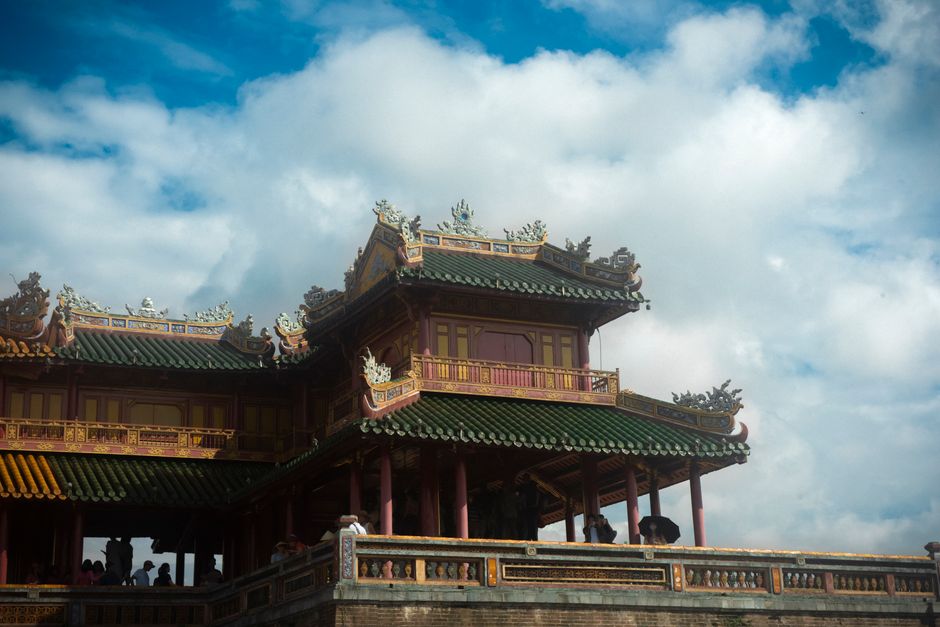
For a taste of local life, lose yourself in the Dongguan Great Mosque and its surrounding market. The mosque itself, with its striking green and white domes and elegant minarets, is a serene oasis. The real action is in the warren of streets around it. This is the heart of Xining's Hui Muslim community. Your senses will be overwhelmed in the best way possible: the glistening piles of dates and walnuts, the hanging carcasses of freshly butchered lamb, the vibrant bolts of silk and cotton, the clang of coppersmiths, and the relentless, enticing calls of vendors. It's a living theater of commerce and community.
Venture out of the city to witness nature's grandeur. A day trip to Qinghai Lake, the largest saline lake in China, is a must. The drive alone is spectacular, crossing high passes where Tibetan prayer flags snap in the wind. The lake is a mesmerizing sheet of turquoise and sapphire, stretching to the horizon, often dotted with the white specks of soaring swan geese. Further afield, the Chaka Salt Lake, often called the "Mirror of the Sky," creates surreal, dreamlike reflections where the earth and sky become indistinguishable. For hiking and breathtaking valley views, the Riyue Mountains (Sun and Moon Mountains) offer trails that make you feel like you're walking across the spine of the continent.
Food and Drink: A Feast of Fire and Earth
Dining in Xining is a robust, flavorful adventure, a direct reflection of its nomadic and Muslim heritage. This is not the place for delicate, sweet-and-sour flavors; this is cuisine of the high plains—hearty, warming, and unapologetically bold.
The undisputed king of the street is the yang rou chuan (mutton skewer). You'll smell them before you see them: clouds of aromatic smoke billowing from charcoal grills on every corner. The lamb, sourced from local herds that graze on salty, herbal plateau grass, is marinated in cumin, chili, and salt, then grilled to juicy, slightly charred perfection. Eating them, hot off the fire, your fingers glistening with fat and spice, is a rite of passage. Pair them with a naan bread, pulled fresh from the tandoor ovens of Hui bakeries, its surface blistered and dusted with sesame seeds.
For a sit-down meal that will fortify you for days, seek out a hot pot restaurant. But this is not the Sichuan-style broth you may know. Qinghai hot pot is a massive, simmering copper cauldron of rich, lamb-based broth, brimming with chunks of meat, tofu, glass noodles, and local wild mushrooms. It's a communal, celebratory feast. Another signature is shou zhua yang rou (hand-grabbed mutton), where a hunk of boiled or steamed mutton is presented, and you simply tear into it with your hands, dipping it in a mixture of ground chili and salt. It's primal, delicious, and deeply satisfying.
To drink, you must try the salty yak butter tea. Your first sip might be a challenge—it's a savory, oily, slightly granular concoction made from tea, salt, and yak butter churned together. But it is the lifeblood of the plateau, designed to combat the harsh climate and provide intense energy. For something sweeter, sample the suan nai (local yogurt), often served in a clay pot with a golden crust of cream and a sprinkle of crystallized sugar. It's the perfect, tangy counterpoint to the rich, meaty flavors that dominate the table.
Practical Tips: Navigating the Roof of the World
A little preparation transforms a good trip to Xining into a great one. The altitude is the most critical factor. Acute Mountain Sickness (AMS) is a real possibility. Spend your first 24-48 hours in Xining acclimatizing. Move slowly, drink copious amounts of water (avoid alcohol initially), and eat light, carbohydrate-rich meals. Listen to your body. Headaches and mild shortness of breath are common; if symptoms worsen, descend or seek medical help. Many hotels offer portable oxygen canisters.
Pack for all seasons, even in summer. Days can be warm and sunny, but nights are always cool, and mountain weather shifts in an instant. Essential items include a high-SPF sunscreen (the UV radiation is intense), polarized sunglasses, a wide-brimmed hat, a quality lip balm, and layers—a thermal base, a fleece, and a windproof/waterproof outer shell are ideal. Sturdy, comfortable walking shoes are non-negotiable.
While basic English may be understood at hotels and tourist sites, learning a few Mandarin or even Tibetan phrases ("Tashi delek" for hello) will open doors and hearts. Always carry cash (RMB), as smaller vendors and taxis may not accept digital payments. Be respectful when photographing people, especially monks and pilgrims—always ask for permission first. A smile is your universal currency.
Suggested Itinerary: A Five-Day Epic
Day 1: Arrival and Acclimatization. Land in Xining. Take it easy. Check into your hotel, hydrate deeply. In the late afternoon, take a gentle stroll along the Huangshui River park, watching the city light up as the sun sets behind the mountains. For dinner, dive into a local hot pot restaurant to warm up from the inside out.
Day 2: The Heart of Faith. Dedicate this day to Kumbum Monastery. Arrive early to beat the crowds. Spend 4-5 hours slowly exploring the halls, watching the pilgrims, and absorbing the profound atmosphere. Have a simple lunch of noodles or momos (Tibetan dumplings) at a stall near the monastery. Return to Xining in the late afternoon and visit the Dongguan Mosque area, exploring the market as the evening shopping frenzy begins.
Day 3: Culture and Commerce. Morning visit to the Qinghai Provincial Museum for a deep historical context. Afterwards, head to the bustling Mongolian-Tibetan Market to browse for souvenirs—antique amulets, Tibetan knives, woolen blankets, and turquoise jewelry. Practice your bargaining skills. In the evening, immerse yourself in the spectacle and flavors of the Xining Night Market on Xin Ning Road, sampling skewers, yogurt, and other street food delicacies.
Day 4: The Great Outdoors. Take a guided day trip to Qinghai Lake. Stop at the Sun and Moon Mountain pass for panoramic views. Visit the Erlangjian scenic area by the lakeshore, perhaps take a short boat ride, and visit a local yak herder's family tent for a taste of nomadic hospitality. Return to Xining, tired but filled with visions of vast blue waters.
Day 5: Departure or Deeper Exploration. Depending on your schedule, this is your flex day. You could take a longer trip to the surreal Chaka Salt Lake, or, if you're truly adventurous, begin your journey onward via the Qinghai-Tibet Railway to Lhasa. If departing, enjoy a final, leisurely breakfast of fresh naan and tea before heading to the airport or station, your senses full and your perspective forever altered.
Conclusion: The Gateway That Stays With You
Leaving Xining, you carry more than souvenirs. You carry the memory of that first, thin breath of plateau air. You carry the taste of cumin and lamb fat, the sound of spinning prayer wheels, the sight of golden temple roofs against an endless blue. Xining does not seek to dazzle with manicured beauty; it earns your affection through its raw, authentic, and layered soul. It is a city that serves as both an introduction and a conclusion—a primer for the Tibetan Plateau's grandeur, and a final, vibrant reminder of the rich, complex human culture that thrives in its shadow.
It changes you. The scale of the landscape humbles you. The depth of faith inspires you. The resilience and warmth of its people touch you. You came to a place on the edge of the map and found yourself at the center of a timeless story of journey and exchange. Xining, the city where the sky begins, remains not just a point of transit on your itinerary, but a permanent waypoint in your memory—a high, clear note that continues to resonate long after you've descended back to the world below.
Frequently Asked Questions About Xining
Is Xining safe for foreign travelers?
Yes, Xining is generally very safe for foreign travelers. Violent crime is rare. As in any city, standard precautions against petty theft like pickpocketing in crowded markets should be taken. The local Hui and Tibetan communities are typically hospitable and welcoming to respectful visitors. The main safety concern is actually environmental: respecting the high altitude and allowing proper time to acclimatize.
What should I pack for a trip to Xining?
Pack layers! The temperature fluctuates dramatically between day and night. Essentials include a warm jacket, thermal layers, a sun hat, high-SPF sunscreen, polarized sunglasses, and extremely comfortable walking shoes. Due to the dry climate, moisturizer and lip balm are crucial. A reusable water bottle is also key to staying hydrated at altitude.
Do I need a special permit to visit Xining?
No, you do not need any special permit to visit Xining city itself. It is an open city like any other provincial capital in China. However, if you plan to travel from Xining further into designated Tibetan Autonomous Prefectures within Qinghai (like Yushu or Golog) or continue on to the Tibet Autonomous Region (Lhasa), you will need to arrange for a Tibet Travel Permit through a registered tour agency well in advance.
Can I get by with English in Xining?
English is not widely spoken outside of major hotel front desks and some tourist attractions like Kumbum Monastery. It's highly advisable to learn a few basic Mandarin phrases, use a translation app on your phone, and always have your destination written down in Chinese characters to show taxi drivers. Patience and non-verbal communication will go a long way.
What is the local currency and can I use credit cards?
The local currency is the Chinese Renminbi (RMB or CNY). While major hotels, upscale restaurants, and some larger stores will accept international credit cards (Visa/Mastercard), cash is still king in Xining, especially in markets, small family restaurants, and for taxi fares. Ensure you have a good supply of RMB with you, withdrawn from ATMs which are widely available in the city center.
How is the internet and phone connectivity?
Xining has excellent 4G and growing 5G coverage throughout the city. Most hotels and cafes offer free Wi-Fi, though its speed can vary. Be aware that popular Western social media and news platforms (like Facebook, Google, Instagram, and Twitter) are blocked in China. To access them, you will need to set up a reliable VPN on your devices before you arrive in the country.
Is the food sanitary for foreign stomachs?
Generally, yes. The food in established restaurants is safe. For street food, use common sense: choose stalls with high turnover where the food is cooked fresh and hot in front of you (like grilled skewers). Avoid uncooked vegetables that may have been washed in local water. Drinking only bottled or boiled water is strongly recommended to avoid any stomach issues.


No comments:
Post a Comment