
Zhengzhou: Where Ancient Heartbeats Sync with Modern Rhythms
Introduction: The Gateway's Whisper
The first thing you feel is the hum. It's not a sound so much as a vibration, a deep, resonant frequency that travels up through the soles of your shoes and into your bones. You step out of Zhengzhou East Railway Station, a cathedral of glass and steel where bullet trains sigh to a stop, and the 21st century surrounds you in a dizzying spectacle of mirrored towers and sweeping overpasses. This is the Zhengzhou the world knows: a colossal transportation hub, the "Crossroads of China," a city of relentless motion and industrial might. But stand still for a moment. Close your eyes against the glare. Listen past the traffic's roar. Beneath the modern hum, if you strain your senses, you can hear it—the faint, steady whisper of 3,600 years. This is the city's true secret, its soul-deep contradiction. Zhengzhou is not just a gateway; it is a destination where China's most profound antiquity is encased, like a precious artifact, within its most dynamic present.
My own discovery was accidental, a forced layover that stretched into a day. I wandered from the station's futuristic gleam, drawn down a tree-lined boulevard until the cityscape suddenly fell away. There, rising from a manicured park, was a wall. Not a fragment, not a ruin, but a colossal, rammed-earth fortification, its ochre flanks scarred by millennia of sun and wind, standing four stories tall. This was the Shang Dynasty City Wall, a fortress from a time when the Bronze Age kings ruled the Central Plains. I placed my palm against its sun-warmed surface, the soil compacted by ancient hands, and felt a jolt of connection so visceral it stole my breath. In that instant, Zhengzhou transformed from a transit point into a time machine. Here, on this very soil, one of China's earliest dynasties plotted its course, casting intricate ritual vessels and inscribing the first hints of Chinese script on oracle bones. The city, often bypassed for its more famous siblings Xi'an or Luoyang, guards the quiet, unadorned cradle of Chinese civilization.
To travel through Zhengzhou is to engage in a constant, thrilling dialogue between epochs. You can sip a meticulously crafted latte in a minimalist café housed in a converted textile mill from the city's industrial heyday, then minutes later be contemplating the serene, almond-eyed gaze of a thousand-year-old Buddhist statue at the Henan Museum. You can lose yourself in the neon-lit chaos of Erqi Square, where the namesake twin towers pay homage to a 1923 workers' movement, and then find profound peace in the shaded courtyards of the Confucian Temple, where the air smells of old cypress and incense. Zhengzhou, the capital of Henan province, demands you to be a tactile historian. It asks you to touch the earth walls, to taste the fiery, wheat-based cuisine, to listen to the opera-like lilt of the local dialect. It doesn't offer postcard-perfect prettiness; it offers raw, layered authenticity. It is a city built on logistics, yes, but its greatest export is a feeling—the awe-inspiring weight of deep, uninterrupted time.
Why Visit Zhengzhou: More Than a Stopover
Why dedicate a journey to a city known as a hub? Because the greatest treasures are often found at the crossroads. Zhengzhou rewards the curious traveler with an unfiltered, crowd-free encounter with China's genesis. While other ancient capitals have been polished for tourism, Zhengzhou's historical sites retain a stark, powerful immediacy. You won't fight through throngs to see the Shang Dynasty ruins; you'll likely have the solemn earth walls to yourself, with only the rustle of poplar leaves for company. This sense of discovery, of touching the authentic bedrock of a culture before the narrative was fully written, is priceless. It's history without the velvet rope.
Furthermore, Zhengzhou is the perfect logistical springboard for the "Cradle of Chinese Civilization" circuit. Within an hour by high-speed train, you can reach the Buddhist cave grottoes of Luoyang, the Shaolin Temple and its kung fu monks in Dengfeng, and the ancient capital of Kaifeng. Zhengzhou places you at the precise geographical and historical center of it all. But beyond its utility, the city itself is a fascinating study in Chinese urban evolution. You witness the full arc: from ancient rammed earth to Soviet-inspired industrial blocks to the shimmering, ambitious skyline of a national central city. It's a masterclass in resilience and reinvention. You come for the ancient heartbeat, but you stay for the vibrant, complex, and unexpectedly welcoming city that has grown around it—a city proud of its roots and racing toward its future.
When to Visit: Reading the Sky's Mood
Zhengzhou experiences the full drama of the North China Plain's seasons, each painting the city in a different light. The undisputed champion for comfort is autumn (September to early November). Imagine this: the harsh summer heat has broken, leaving a crystalline blue sky that seems to stretch forever. The air is dry, cool, and invigorating. The gingko trees lining the city's avenues turn into rivers of molten gold, and walking the Shang Dynasty wall under such a sky is an experience of pure, crisp clarity. This is the season for leisurely exploration, for sitting in a park with a warm sweet potato from a street vendor, watching life unfold.
Spring (April to May) is a close second, though it's a more capricious performer. When it's good, it's magical: a confetti of peach and cherry blossoms against the grey earth walls, gentle breezes, and a sense of renewal. But be prepared for the occasional sandstorm blowing in from the north, or a sudden temperature swing. It's a season of beautiful, fleeting moments. Summer (June-August) is intense—hot, humid, and loud with the buzz of cicadas. It's for the heat-tolerant traveler who doesn't mind seeking refuge in air-conditioned museums or venturing out in the early mornings and late evenings, when the night markets come alive with sizzling energy. Winter (December-February) is cold, dry, and often grey, with a biting wind. Yet, it has its own stark beauty, especially if you're lucky enough to see the ancient walls dusted with snow—a monochromatic scene of incredible power. The crowds are nonexistent, and you'll feel like you have the secrets of the Shang Dynasty all to yourself.
How to Get There: Entering the Vortex
Arriving in Zhengzhou is an experience that underscores its role as a central vortex. The city is served by Zhengzhou Xinzheng International Airport (CGO), a major hub with extensive domestic connections and a growing number of international flights to Asia and Europe. The airport is about 40 kilometers southeast of the city center, connected by a swift airport express train that delivers you to the downtown railway station in under 20 minutes—your first taste of Zhengzhou's efficient connectivity.
But the true embodiment of the city's transit soul is its railway network. Zhengzhou East Railway Station is one of the busiest high-speed rail hubs on the planet. Stepping into its vast, soaring concourse is like entering the central nervous system of China. Giant departure boards flicker with destinations: Beijing (2.5 hours), Xi'an (2 hours), Shanghai (4-5 hours), Wuhan (2 hours). The trains themselves, sleek white arrows, glide in and out with a futuristic whisper. For the traveler, this is liberation. You can base yourself comfortably in Zhengzhou and make effortless day trips to a half-dozen world-class historical sites. The older Zhengzhou Railway Station, downtown, handles conventional trains and is surrounded by the bustling commercial heart of the city. Whether you arrive by air or rail, you are immediately plugged into a network of unparalleled scale and speed.
Accommodation: From Pillows to Panoramas
Zhengzhou's accommodation landscape mirrors its identity, offering everything from the pinnacle of modern luxury to simple, functional stays. For those who want to be at the epicenter of the high-speed rail universe, the area around Zhengzhou East Station is a forest of gleaming four- and five-star hotels. Here, you'll find international chains with infinity pools, multiple restaurants, and rooms with panoramic views of the ever-evolving skyline. It's efficient, impressive, and slightly detached from the city's older soul.
To feel the city's pulse, stay in the Erqi Square or Zijingshan areas. This is the historical and commercial core. You'll find a wider range of business hotels, boutique options (often in renovated older buildings), and family-run guesthouses. Waking up here, you're steps away from morning tai chi sessions in the park, century-old food streets, and the comforting, chaotic hum of daily life. For a unique experience, consider a stay at the Shaolin Resort Hotel in Dengfeng, about an hour away, if your pilgrimage is centered on kung fu and mountain temples. In Zhengzhou proper, no neighborhood is truly "quiet," but the areas near Green City Square offer a slightly more residential, leafy feel while still being well-connected by the excellent metro system. Wherever you lay your head, you're sleeping atop layers of history, a thought that turns even a simple hotel room into a place of contemplation.
Things to Do: Conversations with Time
Begin your dialogue with antiquity at the Shang Dynasty City Wall Ruins. Don't just look—walk. A section of the top has been paved for strolling. As you walk its length, feel the sun on one side, the cool shadow on the other. Peer over the edge at the moat below, now a peaceful park where locals fly kites. This isn't a reconstructed Disney set; it's the real, crumbling, magnificent thing. The silence here, so close to the bustling city, is deafening with history.
Next, give context to the earth walls at the Henan Museum. This is not a mere collection; it's a revelation. The building itself, shaped like a pyramid, feels like a modern monument to antiquity. Inside, you'll come face-to-face with the museum's crown jewels: the Jiahu bone flutes (the oldest playable musical instruments in the world), the stunningly elegant bronze ritual vessels from the Shang and Zhou dynasties, and the hauntingly beautiful jade burial suits. Each artifact, excavated from the soil you're standing on, tells a piece of Zhengzhou's foundational story. Allow at least half a day; you'll need it.
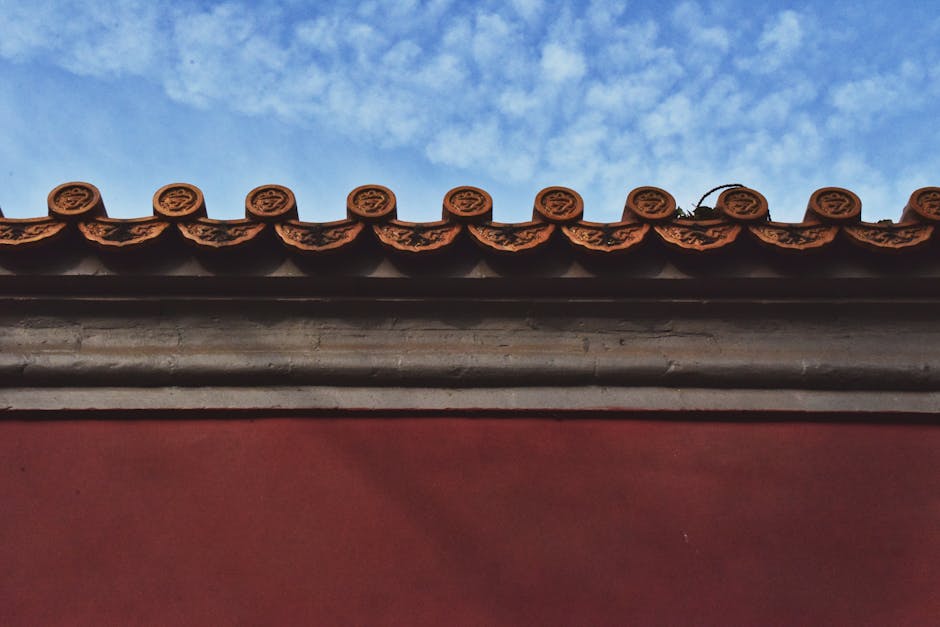
For spiritual counterpoint, visit the Zhengzhou Confucius Temple. Tucked away behind a busy shopping street, its entrance is a portal to serenity. The complex is a series of courtyards leading to the majestic Dacheng Hall. The air is thick with the scent of ancient wood and sandalwood incense. Watch elderly men playing Chinese chess under centuries-old cypress trees, their games a silent, slow-moving ritual. Not far away, the Dahe Village Archaeological Site Museum offers a different, more raw encounter. It's built directly over a Neolithic excavation pit, allowing you to look down on 5,000-year-old postholes, foundations, and tombs exactly where they were discovered. It's archaeology made immediate and visceral.
To understand Zhengzhou's 20th-century spirit, join the evening crowds at Erqi Square. The twin towers, lit in shifting colors, watch over a nightly spectacle of dance troupes, rollerbladers, children with light-up toys, and couples stealing moments on benches. It's a vibrant, democratic display of urban life. Finally, for a glimpse of the city's future, take the metro to the Zhengzhou New Area (Zhengdong New District). Here, the skyline is an architect's dream—the diamond-cut Zhengzhou Greenland Plaza, the swirling curves of the Henan Art Center, and the iconic "Big Corn" tower, its LED skin shimmering across the artificial lake of Dragon Lake at night. It's a breathtaking, almost surreal vision of ambition. In a single day, you can span five millennia, from Neolithic pits to neon-lit corncobs, and feel the unbroken thread of human endeavor that ties it all together.
Food and Drink: A Symphony of Wheat and Fire
Forget rice. In Zhengzhou, the staple is wheat, and the cuisine is a hearty, flavorful love letter to the grain. This is the home of noodles, dumplings, and flatbreads, often accompanied by the bold, warming flavors of garlic, vinegar, and chili oil. Your culinary baptism must begin with Hui Mian, or "Braised Noodles." This is no delicate dish. It arrives in a deep bowl: thick, hand-pulled wheat noodles, stewed with chunks of fatty mutton or beef, wood-ear mushrooms, and vermicelli in a rich, aromatic broth. It's restorative, complex, and deeply satisfying. Then, seek out Xiao Long Bao (soup dumplings), but with a local twist. The skins are slightly thicker, the filling robust with pork and a burst of hot, savory soup.
Street food is a way of life. Follow your nose to a jianbing cart in the morning, where a vendor will expertly spread batter on a hot griddle, crack an egg, scatter scallions and cilantro, add a crispy wonton cracker, brush it with savory sauces, and fold it into a warm, portable crepe—the perfect breakfast. For a snack, try shao bing, a layered, flaky flatbread that can be eaten plain or stuffed with braised meat or vegetables. And you cannot leave without tasting Zhengzhou Braised Noodles (a drier, stir-fried cousin to Hui Mian) and Liang Pi ("cold skin noodles"), chewy strips of wheat or rice starch tossed in a mouthwatering sauce of chili oil, vinegar, and mustard.
To drink, join the locals in a simple glass of baijiu if you're feeling brave, or stick with the ever-present tea. In the evenings, the beer flows freely at the bustling night markets and open-air restaurants. The experience of dining in Zhengzhou is communal and unpretentious. Find a crowded, noisy restaurant with plastic stools, point at what your neighbor is eating, and prepare for a flavor explosion that is as direct and powerful as the city itself.
Practical Tips: Navigating the Layers
Getting Around: The Zhengzhou Metro is clean, efficient, and expanding rapidly. It's the best way to connect major districts. Didi (China's Uber) is ubiquitous and affordable. Taxis are plentiful but ensure they use the meter. For a real adventure, try the shared public bikes—they're everywhere.
Language: English is not widely spoken outside major hotel receptions and the airport/train stations. Have your destinations written in Chinese characters on your phone or a piece of paper. A translation app with offline capabilities is invaluable.
Money: Cash is still king in smaller establishments and markets, but mobile payments (WeChat Pay and Alipay) are utterly dominant. Have one of these set up if possible, or carry sufficient RMB.
Etiquette: Zhengzhou is a working city, not a tourist theme park. Be respectful at historical sites. A smile and patience go a long way. When eating, don't be surprised by the noise—slurping noodles is a sign of enjoyment!
Connectivity: Purchase a local SIM card or arrange an e-SIM for data. While major hotels have VPNs, having your own reliable internet access is crucial for maps and translation.
Suggested Itinerary: A Four-Day Unfolding
Day 1: The Ancient Foundations. Morning at the Shang Dynasty City Wall, walking its length and absorbing its scale. Afternoon immersed in the Henan Museum. Evening dinner of Hui Mian in a local restaurant, followed by a stroll through the lively Erqi Square night scene.
Day 2: Spiritual Threads & Modern Dreams. Morning visit to the tranquil Confucius Temple. Late morning exploration of the Dahe Village Neolithic site. Afternoon metro ride to the Zhengdong New District. Visit the art center or simply wander the futuristic landscape. As dusk falls, watch the "Big Corn" tower and skyline light up reflected in Dragon Lake.
Day 3: The Shaolin Pilgrimage (Day Trip). Early high-speed train to Dengfeng (under 30 minutes). Spend the day at the Shaolin Temple complex. Watch the mesmerizing kung fu performances, hike to the Dharma Cave or the Pagoda Forest, and feel the unique blend of martial energy and Zen peace. Return to Zhengzhou by evening.
Day 4: Local Life & Culinary Deep Dive. Morning visit to a local wet market for sensory overload. Participate in a cooking class to learn how to make hand-pulled noodles or dumplings. Use your final afternoon for last-minute souvenir shopping (local specialty: exquisite Jun porcelain from nearby Yuzhou) or revisiting a favorite spot. Conclude with a feast at a bustling night market, trying everything that catches your eye.
Conclusion: The Heartbeat Endures
Leaving Zhengzhou, you carry a different kind of vibration with you. The modern hum of the station fades, but the deeper, older rhythm persists—a steady, reassuring beat that speaks of foundations, resilience, and continuity. Zhengzhou teaches you that a crossroads is not just a place of passing through; it is a place of convergence, where stories accumulate and epochs layer upon one another like the strata in an archaeological dig. It challenges the notion of what a "Chinese historical city" should look and feel like. It is unvarnished, confident in its own significance, and generous with its secrets to those willing to listen past the first impression.
You came perhaps for the logistics, for the access to Shaolin or Luoyang. But you leave with the memory of sun on ancient earth, the taste of wheat and fire on your tongue, and the dizzying sight of a neon corncob piercing the night sky. You leave having touched the very marrow of the Central Plains. Zhengzhou is not a postcard; it is a living, breathing, complex manuscript, constantly being edited but never erasing its first, powerful chapter. It is, in the truest sense, the beating heart of China, and once you've felt its pulse, your understanding of this ancient land is forever changed.
Frequently Asked Questions
Is Zhengzhou worth visiting, or is it just a transit hub?
Absolutely worth visiting in its own right. While it is a major transportation hub, Zhengzhou is a guardian of China's most ancient history, home to the 3,600-year-old Shang Dynasty ruins and the world-class Henan Museum. It offers an authentic, crowd-free experience of China's origins that is both profound and unique.
What is the best way to get to the Shaolin Temple from Zhengzhou?
The fastest and most convenient way is by high-speed train from Zhengzhou East Station to Dengfeng Station (the journey takes about 25-30 minutes). From Dengfeng Station, you can take a short taxi or bus ride directly to the Shaolin Temple scenic area. You can easily do it as a day trip.
What is the local food I must try in Zhengzhou?
You must try Hui Mian (Henan Braised Noodles), a hearty stew of thick noodles, mutton or beef, and broth. Also, don't miss local street food like jianbing (savory crepes) for breakfast, and the city's famous xiao long bao (soup dumplings), which have a distinct, robust local style.
How many days should I spend in Zhengzhou?
We recommend 2-3 full days to explore Zhengzhou's core historical sites, museum, and modern districts at a comfortable pace. With an additional 1-2 days for high-speed rail day trips to the Shaolin Temple (Dengfeng) and Luoyang's Longmen Grottoes, a 4-5 day stay is ideal to experience the region.
Is Zhengzhou a good destination for English-speaking travelers?
Zhengzhou is less accustomed to international tourists than Beijing or Shanghai, so English is not widely spoken. However, major transport hubs, high-end hotels, and museums have some English signage. With a translation app, patience, and a sense of adventure, it is very navigable and the locals are generally helpful.
What is the weather like in Zhengzhou?
Zhengzhou has a continental climate with four distinct seasons. Summers (Jun-Aug) are hot and humid, winters (Dec-Feb) are cold and dry with occasional snow. The best weather is in autumn (Sep-Nov), with mild, sunny days, and spring (Apr-May), though spring can be unpredictable with occasional sandstorms.
What is a unique souvenir to bring back from Zhengzhou?
Look for Jun Porcelain (Jun Yao), a famous traditional Chinese ceramic from Yuzhou, near Zhengzhou. Known for its stunning, unpredictable "flambe" glazes that create beautiful purples, reds, and blues, a small piece of Jun porcelain is a beautiful and culturally significant keepsake.


No comments:
Post a Comment