
10 Things I Wish I Knew Before Learning to Ride
Introduction
I remember standing in the dealership parking lot, staring at my new-to-me motorcycle. The sun was shining, the keys were in my hand, and a wave of pure, unadulterated terror washed over me. I had dreamed of this moment for years, but now, faced with the reality of this machine, I was frozen. My heart pounded. Could I actually do this? What if I dropped it? What if I just… couldn't? That cocktail of excitement and sheer anxiety is something almost every new rider knows intimately. If you're reading this, you're likely standing at that same threshold, or you've just taken your first wobbly steps beyond it. I want to speak directly to that part of you that's buzzing with excitement and also quietly whispering doubts. Your fears are valid. The learning curve is real. But so is the incredible transformation that awaits you on the other side.
This article isn't just a list of tips; it's the conversation I wish I'd had with a seasoned rider before I ever twisted a throttle. We're going to move past the glossy brochures and Instagram reels to talk about the real, gritty, beautiful process of becoming a motorcyclist. We'll cover the practical skills that build true confidence, the safety knowledge that becomes second nature, and the decision-making clarity that keeps you secure. My goal is to replace your anxiety with understanding, and your hesitation with a structured, safe path forward. The journey from a nervous novice to a competent, confident rider is one of the most rewarding adventures you can undertake. It's a journey of self-reliance, focus, and joy. Let's begin it with our eyes wide open, prepared not just to ride, but to ride well and ride smart for years to come.
The Reality Check
Let's start with an honest assessment. Learning to ride a motorcycle is not like learning to drive a car. It's more akin to learning a physical sport like skiing or martial arts. The common misconception is that it's primarily about courage or a "need for speed." The reality is that it's about finesse, coordination, and relentless mental focus. You will be physically engaged: using your core for balance, your hands and feet for precise control inputs, and your neck and shoulders to manage the bike's weight at low speeds. Mentally, you are moving from passive observation to active prediction, constantly scanning, assessing risk, and making micro-decisions.
Your timeline will be your own. Don't compare it to the friend who "just hopped on and got it." For most, basic competency takes 20-30 hours of dedicated, focused practice. True comfort and the ability to handle unexpected situations safely develops over months and thousands of miles. Financially, the bike's purchase price is just the entry fee. Quality protective gear, insurance, maintenance, and formal training are significant, non-optional investments. If you're asking yourself, "Is riding right for me?" that's a healthy sign. It's right for you if you are willing to embrace the learning process itself, to prioritize safety over ego, and to understand that the reward is not just the destination, but the profound skill you develop along the way. It demands respect, patience, and humility. If you can offer that, the motorcycle will give you freedom unlike anything else.
Safety First: Non-Negotiable Basics
Before you even sit on a bike, your first investment is in your own body. This isn't about fashion; it's about physics. Studies, such as those from the Hurt Report and subsequent research, consistently show that proper gear dramatically reduces the severity of injuries in a crash. Abrasion resistance and impact protection are your two main allies. Your helmet is the most critical piece. Look for a DOT certification at a minimum, with ECE or Snell ratings being superior indicators of quality. Fit is paramount: it should be snug all around without pressure points, and the cheek pads should press firmly against your cheeks. A full-face helmet is the only rational choice for a new rider, offering the best protection for your jaw and face.
Next is the rest of the kit. A motorcycle-specific jacket and pants made of abrasion-resistant materials like leather or high-denier textile (e.g., Cordura) are essential. They should include built-in armor at the shoulders, elbows, knees, and back. Gloves protect your hands, which are often the first point of contact in a fall, and should have reinforced palms and knuckle protection. Over-the-ankle boots with oil-resistant soles and ankle support are a must. Finally, visibility: you are small and easily overlooked. Incorporate high-visibility colors (neon yellow, orange) or reflective elements into your gear, especially on your torso and helmet. A realistic budget for quality starter gear is between $800 and $1,500. Where do beginners cut corners? They buy a cheap, ill-fitting helmet, skip the armored pants for jeans, and wear sneakers. These are the exact areas that sustain grievous injuries in low-side falls. Your gear is your primary safety system. Invest in it first.
The Learning Process Explained
Understanding the phases of skill acquisition can help you manage frustration and track your progress. Think of it in four distinct phases. Phase 1 (Hours 0-5): Foundational Control. This is all about making friends with the machine. You'll learn the location and feel of every control. The single most important skill you'll practice is finding the "friction zone"—the point where the clutch engages and the bike begins to move. You'll practice walking the bike with your feet down, using clutch and throttle to creep forward. The goal is smooth, deliberate inputs. Phase 2 (Hours 5-15): Low-Speed Mastery. Now you're riding at parking lot speeds. You'll practice tight turns, figure-eights, and controlled stops. You'll learn to use both brakes together, with emphasis on progressive front brake application. This phase builds the balance and clutch-throttle coordination essential for all riding.
Phase 3 (Hours 15-30): Street Integration. You graduate to quiet residential streets. Here, you learn to look through turns, initiate leans with countersteering (a push on the left handlebar to go left), and develop basic hazard perception. Your speed increases to 25-40 mph. This is where you learn to manage real-world variables like gentle curves, stop signs, and minimal traffic. Phase 4 (Hours 30+): Skill Refinement & Expansion. This phase introduces higher-speed environments (55+ mph), advanced braking techniques, emergency swerving, and longer rides. Muscle memory is now developing, but you'll hit "plateau" periods where progress feels slow. This is completely normal. It's your brain consolidating skills. A professional instructor, like those in an MSF Basic RiderCourse, is invaluable for Phases 1-3, providing a safe, structured curriculum. Self-practice is for reinforcing those lessons, not replacing them.
Practical Skill Building
Knowledge is useless without practice. Here are specific drills to build competence. Find a large, empty parking lot. Drill 1: The Friction Zone Walk. With the bike in first gear and feet down, slowly release the clutch until you feel the bike want to move. Hold it there and walk the bike forward 50 feet using only the clutch, no throttle. This builds exquisite clutch control. Drill 2: Slow-Speed Straight Line. Ride in a straight line as slowly as possible without putting your feet down (aim for 3-5 mph). Use the rear brake lightly to stabilize and the clutch in the friction zone. This cures the wobbles. Drill 3: Figure-Eights. Set two cones 30 feet apart. Practice making smooth, continuous figure-eights, turning your head to look where you want to go. Keep your speed steady with the clutch and rear brake.
Drill 4: Emergency Braking. From 20 mph, practice smooth, firm application of both brakes, squeezing the front progressively harder. Practice until you can stop consistently in a short distance without locking either wheel (practice on a bike with ABS if possible). Drill 5: Obstacle Swerve. Set two cones 10 feet apart. Approach at 20 mph, and practice swerving around them without braking, using countersteering. Your visual scanning should become a habit: aim for a 12-second lead time—look far down the road, identifying potential hazards early. Check mirrors every 10-15 seconds, and always do a head check for blind spots before changing lane position.
Practice Routines: 15-minute Tune-up: 5 min of slow-speed straight lines, 5 min of clutch-control starts and stops, 5 min of tight turns. 30-minute Session: 10 min of figure-eights and U-turns, 10 min of emergency braking from increasing speeds, 10 min of swerving drills. 60-minute Comprehensive: 15 min of low-speed technical work, 15 min of braking/swerve combos, 30 min on quiet streets practicing intersection approach, scanning, and smooth cornering.
Common Beginner Challenges & Solutions
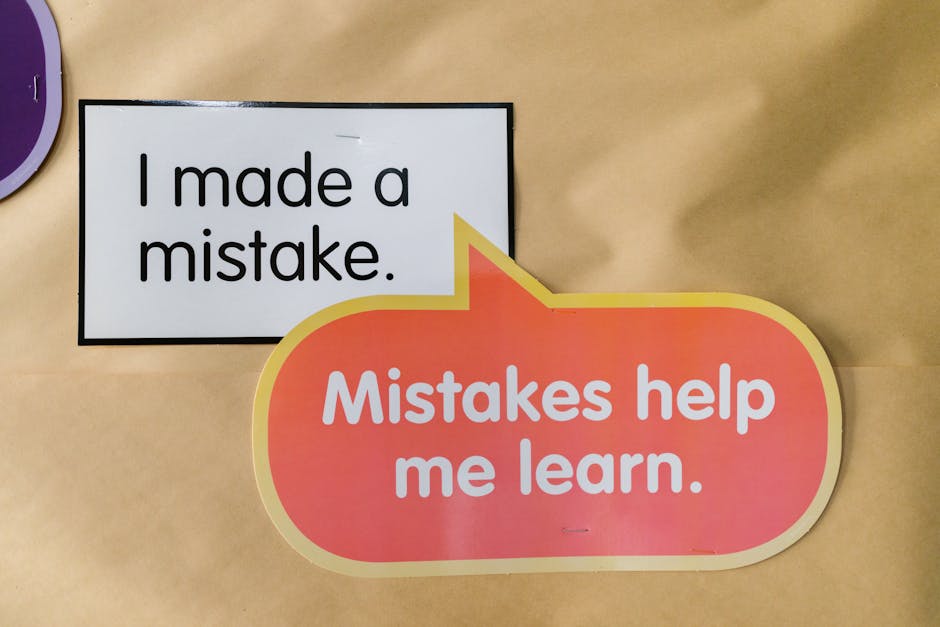
Challenge 1: Stalling at Stops. This is the universal beginner experience. Solution: Drill the friction zone relentlessly. When stopping, pull in the clutch a bit earlier. When starting, give a little more throttle as you smoothly release the clutch. Mindset: Stalling is not failure; it's feedback on your clutch-throttle coordination.
Challenge 2: Wobbly Slow-Speed Riding. The bike feels unstable. Solution: Look up and where you want to go, not at the ground in front of the wheel. Use a tiny bit of rear brake to add stability, and keep a steady, slight throttle. Mindset: The bike wants to stay upright; you're just guiding it.
Challenge 3: Fear of Leaning. You stiffen up in corners. Solution: In a safe, wide corner (like a parking lot curve), practice looking all the way through the exit. Start with gentle leans and gradually increase. Your bike can lean far more than you think. Mindset: Leaning is the mechanism of turning. Trust the physics.
Challenge 4: Panic Braking. Grabbing a handful of front brake. Solution: Deliberate, progressive practice. Start at 15 mph, gently squeezing harder each time. Build the muscle memory of "squeeze, don't grab." Mindset: The front brake is your primary stopping power; you must learn to use it effectively and without fear.
Challenge 5: Highway Anxiety. The speed and wind blast are intimidating. Solution: Gradual exposure. First, ride on fast multi-lane roads (50 mph). Then, take a short highway on-ramp and immediately exit. Then, try one exit to the next. Mindset: Highways are statistically simpler than city streets; it's about managing wind and your own nerves.
Challenge 6: Group Riding Pressure. Feeling pushed to ride beyond your skill. Solution: Have a script: "Thanks, but I'm going to ride my own ride at the back. I'll catch up at the stops." A good group will respect this. Mindset: Your safety is your responsibility. No social discomfort is worth a crash.
Challenge 7: Dropping the Bike. It happens to almost everyone. Solution: Learn the proper lift technique (back to the bike, legs bent, lift with your legs). Prevention: be hyper-aware when parking on uneven or soft surfaces, and always point the front wheel uphill when parked on an incline. Mindset: It's a rite of passage, not a reflection of your worth as a rider. Assess, learn, move on.
Decision-Making Framework
As a beginner, every choice should be filtered through a lens of safety and skill-building. Bike Selection: Your first bike is a learning tool, not a forever bike. Ideal criteria: 300-500cc displacement, low seat height (you should be able to flat-foot both feet comfortably), neutral riding position (standards or naked bikes are perfect), and light weight (<400 lbs wet). New vs. Used: A used bike from a reputable brand (Honda, Kawasaki, Yamaha, Suzuki) is often the smartest choice—it's cheaper, less heartbreaking if dropped, and holds value.
Training Decisions: A formal course like the MSF BRC is the single best investment you can make. It provides professional instruction, a safe environment, and a structured curriculum on a provided bike. Friend mentorship carries significant risk—your friend may be a good rider but a poor teacher, and bad habits can be passed on. Practice Location: Start in the biggest, emptiest lot you can find. Progress to quiet residential streets with minimal traffic and intersections. Only move to busier roads when you can operate the controls without thinking about them. When to Ride Solo: After you have completed formal training and can confidently execute all basic maneuvers (braking, swerving, tight turns) without coaching. Red Flags: You're not ready if you're still stalling frequently, if traffic makes you freeze, or if you're relying on a companion to navigate for you. Normal nervousness is feeling alert; a red flag is feeling paralyzed.
Timeline & Milestones
Having a realistic roadmap prevents discouragement. Week 1: This is the training course or intensive parking lot phase. Goal: total familiarity with controls and the ability to perform basic maneuvers at walking/jogging speed. Weeks 2-3: Local street exploration. Goal: Navigate quiet neighborhoods, manage stop signs, and make left turns across light traffic. Your brain will be on overload—this is normal. Month 1: Short, purposeful solo trips (e.g., to a coffee shop a few miles away). Goal: Experience different road surfaces and light weather (a dry, calm day).
Months 2-3: Introduction to higher-speed roads (45-55 mph) and perhaps a short, planned highway stint. Goal: Build comfort with sustained speed and wind pressure. Month 6: Comfortable with routine commuting in fair weather. You might feel ready for a small, casual group ride. Year 1: You've experienced a variety of conditions. This is the time to consider an advanced riding course (like the MSF Advanced RiderCourse) to refine skills. Touring readiness begins here with short day trips. Variables: Prior bicycle or manual transmission car experience can accelerate early phases. High anxiety levels or infrequent practice will slow progress. Warning sign of rushing: Adding new challenges (passengers, night riding, complex roads) before mastering fundamentals. A healthy challenge feels like a stretch, not a panic.
The Mental Game
Motorcycling is as much a mental discipline as a physical one. Managing fear is key—you don't want to eliminate it (it keeps you sharp), but you must prevent it from causing paralysis or poor decisions. Acknowledge the fear, then focus on the next specific action: "Look through the turn. Smooth on the throttle." Build situational awareness by consciously practicing your visual scan: far ahead, mid-range, close, mirrors, repeat. Develop "what-if" planning: "If that car door opens, I will swerve to the left. If that car pulls out, I will brake and move right."
Confidence is earned through repeated success in controlled practice. Complacency sets in when you mistake miles for skill. Use visualization: before a ride, mentally rehearse smooth starts, perfect shifts, and emergency procedures. A close call or minor drop is a powerful learning tool, not a reason to quit. Process what happened, identify the root cause (following too close? target fixation?), and drill the solution. Building your rider identity is about embracing responsibility and continuous learning. Connect with the community, but filter advice through your own safety framework. The "click" moment—when the controls fade into the background and you feel in harmony with the bike—will come. It's a sign your skills are becoming subconscious, freeing your mind to manage the ride.
Insider Tips From Experienced Riders
We asked veterans what they wish they'd known. The answers were strikingly consistent. "I wish I'd taken formal training sooner, not just the beginner course." Advanced training unveils nuances they didn't know they were missing. "Smoothness is everything. Be smooth with the controls, and the bike will be smooth on the road." Jerky inputs upset stability. "The most underrated skill is proper vision. Your hands and bike go where your eyes go. Look at the escape path, not the hazard." Early regrets often involve buying a bike that was too big, too heavy, or too powerful, or skimping on gear (especially boots and pants).
"Start maintenance habits immediately." Learn to do the T-CLOCS pre-ride inspection (Tires, Controls, Lights, Oil, Chassis, Stands). Checking tire pressure and chain tension weekly builds a connection with your machine and catches problems early. "Your attitude determines your safety more than any gadget." A humble, learning-focused rider who avoids overconfidence and excuses is the one who stays safe. "Around the 10,000-mile mark, you'll have a moment where you realize how much you didn't know at 1,000 miles. Stay a student forever." Their universal encouragement for beginners: "The first 1,000 miles are the hardest. It gets exponentially more enjoyable. Stick with the basics, practice deliberately, and the freedom you sought will find you."
FAQ for Beginners
How do I overcome the fear of dropping my bike?
First, accept that it's a very common possibility, especially at low speeds or when parking. This acceptance removes the stigma. Second, invest in crash protection for your bike—frame sliders or engine guards—which can minimize damage. Third, practice the slow-speed control drills (friction zone, rear brake) in a parking lot until you feel in command. Finally, remember that a minor drop is not a catastrophe; it's a lesson. Knowing how to properly lift your bike (using your legs, not your back) will also reduce the fear of the aftermath.
What's the minimum gear I need to start practicing?
Absolute minimum: A DOT/ECE certified full-face helmet, motorcycle-specific gloves with palm sliders, a sturdy jacket (textile or leather) with elbow and shoulder armor, over-the-ankle boots (motorcycle or sturdy work boots), and durable pants (motorcycle-specific or heavy denim). Do not practice in sneakers, shorts, or a t-shirt. Even in a parking lot at 15 mph, pavement is brutally abrasive. Your gear is your primary safety system from your very first lesson.
How do I know when I'm ready for the highway?
You are likely ready when you can consistently and comfortably ride on 45-55 mph roads without feeling overwhelmed, maintain a steady lane position while checking mirrors, execute smooth lane changes with proper head checks, and handle strong crosswinds from passing trucks. A good test is to take a highway on-ramp, merge, and take the next immediate exit. If that feels manageable, try a one-exit trip. Your first highway rides should be in daylight, good weather, and light traffic.
Is it normal to feel overwhelmed at first?
Absolutely. It is 100% normal. You are learning to coordinate four limbs independently while processing a vast amount of new sensory information and making constant risk assessments. The feeling of "brain overload" is typical for the first several hours of street riding. This is why progressive, step-by-step practice is crucial. The overwhelm will subside as individual skills become muscle memory, freeing up mental bandwidth. Be patient with yourself; every experienced rider has been there.
How much should I spend on my first motorcycle?
For a used, beginner-appropriate motorcycle (300-500cc standard/naked bike from a major Japanese manufacturer), plan to spend between $3,000 and $5,000 from a private seller or dealership. This price range should get you a reliable, well-maintained machine that's 5-10 years old. Remember to budget an additional 20% for taxes, registration, and a professional inspection if buying privately. Avoid stretching your budget on the bike itself—you'll need those funds for quality gear, insurance, and maintenance.
Can I learn to ride if I'm not mechanically inclined?
Yes, you can. While a basic understanding is helpful, you don't need to be a mechanic. What you do need is the willingness to learn and perform simple, regular maintenance tasks for safety. This includes checking tire pressure and tread, monitoring chain tension and lubrication, checking fluid levels, and ensuring lights and brakes work. Your owner's manual and countless online tutorials can guide you. For more complex work, you will rely on a trusted mechanic, which is perfectly normal.
What if I have a close call or minor drop—should I quit?
No. A close call or drop is a potent learning opportunity, not a verdict on your ability. The critical step is to analyze it calmly afterward. What was the root cause? Target fixation? Following too closely? Poor clutch control on a hill? Once identified, go back to a safe environment and deliberately practice the skill that failed. This transforms a scary event into a building block for greater competence. Every rider has these moments; the difference is whether they learn from them or are defeated by them.
Conclusion
The path from where you are now—filled with excitement, questions, and maybe a little trepidation—to becoming a confident, capable rider is one of the most rewarding journeys you can choose. It is a path that builds not just a new skill, but sharper focus, greater self-reliance, and a profound sense of presence. The transformation is real, and it is waiting for you. It requires commitment, patience, and a relentless focus on safety, but the payoff is a form of freedom and joy that is difficult to describe until you've experienced it.
Your next step is not to buy a bike or hit the highway. It's to make a decision to learn the right way. Today, that could mean signing up for a Motorcycle Safety Foundation Basic RiderCourse, or simply researching gear options within your budget. Embrace the process. Celebrate the small victories—your first smooth start, your first successful U-turn, your first leisurely ride on a back road. Remember that every single expert rider you see started exactly where you are now: staring at a motorcycle, heart pounding with a mix of fear and possibility. They learned, they practiced, they grew. You can too. Welcome to the beginning of an incredible adventure. Ride safe, ride smart, and we'll see you on the road.


No comments:
Post a Comment