
Beyond the Beach: Your Ultimate Guide to Unlocking Antalya's Urban Pulse
Introduction: The First Breath of Antalya
The scent hits you first. It's a complex perfume: the briny kiss of the Mediterranean, carried on a warm breeze that weaves through the palm-lined boulevards, mingling with the sweet, smoky promise of roasting chestnuts and simit from a corner cart. You step out, and the soundscape unfolds—a rhythmic symphony of tram bells cutting through the hum of scooters, the distant, haunting call to prayer from a hidden minaret, and the lively, percussive chatter from a çay bahçesi where old men clink backgammon pieces.
This is Antalya, but not the one from the postcards. This is the living, breathing city, a metropolis where ancient Roman walls cradle a kaleidoscopic old town, where sleek trams glide past Ottoman-era mansions, and where the turquoise sea is merely the backdrop to a vibrant, layered urban drama. City travel is transformative because it demands you to engage, to decode, to move to a new rhythm. And Antalya's rhythm is uniquely its own—a captivating fusion of Mediterranean ease, Anatolian soul, and metropolitan energy.
This guide is your key to that rhythm. It's not just about checking off sights; it's about learning to navigate like a local, to eat where the flavors are truest, to move through the city with confidence and curiosity. We will peel back the tourist layers to reveal the authentic pulse beneath. You will master the dance of the dolmuş, decipher the secrets of the bazaar, and find silence in ancient ruins just steps from the urban buzz.
Consider this your invitation. Let's trade the well-trodden path for the hidden alley, the generic experience for the personal story. Prepare to discover Antalya not as a spectator, but as a participant in its daily, glorious symphony.
Pre-Trip Planning: Architecting Your Antalya Adventure
True exploration begins long before you land. Antalya is a city of distinct neighborhoods, each with its own character. Don't just look for "hotels." Map by vibe. Seek out the bohemian, cobblestoned maze of Kaleiçi (the Old Town), the modern, café-dotted buzz of Konyaaltı along its famous beach park, or the local, residential calm of Meltem. Research is your compass.
Sync your visit with the city's heartbeat. Is it the thunderous roar of the Antalya Golden Orange Film Festival in autumn? Or the vibrant blooms of the Antalya Flower Festival in spring? A quick search for "Antalya events [your month]" can unveil cultural layers you'd otherwise miss.
Budget Architecture
Build your daily budget with intention. A dorm bed in a sociable hostel starts around 300-400 TL. A charming mid-range boutique hotel in Kaleiçi might be 1500-2500 TL. Luxury beachfront resorts command premium prices. Daily food costs can swing from 200 TL for delicious street food and market picnics to 800+ TL for a multi-course meze feast with rakı. A Antkart transport pass is your financial lifeline for unlimited travel.
Safety & Cultural Pre-Learning
Ensure your travel insurance covers urban scenarios like theft or trip interruptions. Register with your embassy online for alerts. Digitally secure yourself—use a VPN for public Wi-Fi. Culturally, Antalya is cosmopolitan but respectful. While beachwear is for the beach, covering shoulders and knees is appreciated when visiting mosques like the iconic Yivli Minare. A few Turkish phrases ("Merhaba" - Hello, "Teşekkür ederim" - Thank you) are keys that unlock warmer interactions.
Choosing Accommodation: Your Urban Basecamp
Where you sleep defines your Antalya. Do you want to step outside into the cinematic chaos of history, or retreat to a quiet balcony after a day of exploration? Your choice of neighborhood is your first major strategic decision.
Kaleiçi is for the romantic. You'll stay in converted Ottoman houses with wooden beams, stone walls, and rooftop terraces overlooking the Roman harbor. It's magical, bustling, and can be noisy at night. Konyaaltı offers modern apartments and high-rise hotels with stunning sea and mountain views, perfect for beach lovers and those who prefer wider sidewalks and contemporary amenities.
Budget & Booking Tactics
For solo travelers and social butterflies, hostels in Kaleiçi or near the beach offer rooftop bars and instant friends. Families might prefer the space and kitchen facilities of an Airbnb in the calmer, leafy streets of Lara (east of the center). Digital nomads flock to the cafés of Konyaaltı. Always cross-reference your chosen location on a map with proximity to a tram (Nostalji Tramvay or modern tram) or major dolmuş route.
Safety is inherent in location. Well-lit streets with active businesses and good transit links are paramount. Read recent reviews mentioning noise at night and street safety. A secure, central location is often worth a slight premium in cost.
Transportation Within the City: Mastering the Flow
Antalya's transport network is a living web. Mastering it is your ticket to freedom. The backbone is the modern tram (AntRay) – clean, efficient, and connecting the airport to the main bus terminal (Otogar) and key points like Muratpaşa and Meydan. Feel the cool air as you glide past the cityscape. Then, there's the charming old-fashioned Nostalji Tramvay, a vintage wooden tram that clatters through Kaleiçi to the marina.
But the real local secret is the dolmuş. These shared minibuses, often bright yellow or blue, follow set routes. You hail them like a taxi, pay the driver directly (cash only, have small bills), and say "inecek var" (ee-neh-jek var) when you want to get off. They are the city's lifeblood.
Active Exploration & Cost-Saving
For shorter distances, nothing beats walking. The cliffs between Konyaaltı and Kaleiçi offer breathtaking coastal paths. For the beach boulevard, consider the city's bike-sharing system (look for stands along the coast) or an e-scooter rental via an app like Martı or BinBin.
Invest in an Antkart. This reloadable smart card offers discounted fares on trams and buses and saves you from fumbling for change. For night owls, note that most public transport winds down by midnight. Late-night travel relies on taxis or ride-sharing; always use metered taxis or apps like BiTaksi to avoid scams.
Avoiding Scams
With taxis, the golden rule is: ensure the meter is running from the start. If a driver refuses, get out and find another. Agreeing on a fixed price beforehand often leads to overpaying. Stick to official stands at airports and major squares.
Must-Have Essentials While Exploring
Your daily kit is your armor and your comfort. Digitally, download offline Google Maps of Antalya. The labyrinth of Kaleiçi can swallow signals. Screenshot key addresses in Turkish for taxi drivers.
Physically, Antalya's climate demands respect. Summers are hot and humid. Moisture-wicking clothing, a wide-brimmed hat, and high-SPF sunscreen are non-negotiable. Footwear is critical: sturdy, broken-in sandals or walking shoes for uneven cobblestones. Always carry a reusable water bottle; refill at public fountains or your accommodation.
Connectivity is key. Buy a local tourist SIM (like Turkcell or Vodafone) at the airport or in town for affordable data. A portable power bank is a lifesaver for navigation and photos. For peace of mind, use an anti-theft crossbody bag and keep digital copies of your passport and insurance in a secure cloud folder.
Food and Dining Tips: A Feast for the Senses
Antalya's cuisine is a sun-drenched bounty. Start your culinary journey on the street. Follow the steam and the locals. A simit (sesame-crusted bread ring) from a cart, a paper cone of freshly fried midye tava (fried mussels) by the harbor, or a slice of tantuni (spiced meat wrap) from a sizzling grill—these are the city's quick, delicious heartbeats.
To avoid tourist traps, look for menus only in Turkish, or places packed with locals at lunch. Venture a few streets back from the main squares in Kaleiçi. In neighborhoods like Kazım Özalp, you'll find authentic, bustling meyhanes (taverns).
Culinary Specialties & Timing
You must taste piyaz, Antalya's signature bean salad with tahini and hard-boiled egg. Try şiş köfte (grilled meatballs) and hibeş, a spicy tahini dip. Lunch is typically 12:30-2 PM, dinner starts late, often after 8 PM, and can stretch for hours over shared meze plates.
For dietary needs, learn to say "Ben vejeteryanım" (I am vegetarian) or "… alerjim var" (I have an allergy to…). While vegan options are growing, traditional fare is often meat or dairy-based. Many local eateries are cash-only, especially at markets and smaller establishments. Tipping (~10%) is appreciated for good service in restaurants; round up the bill for taxis.
Budgeting & Money Management
Currency strategy is straightforward. Avoid airport exchange counters for large amounts. Use ATMs (bank-affiliated ones like İş Bankası or Ziraat) in the city for better rates. Always choose to be charged in Turkish Lira (TL), not your home currency, to avoid dynamic currency conversion fees.
While cards are widely accepted in shops and larger restaurants, always carry a sensible amount of cash for markets, street food, dolmuş, and small family-run businesses. Digital payments like contactless cards are common; mobile wallets are gaining traction.
Track your daily spend. Apps like Trail Wallet can help you stay on budget. Be aware of hidden costs: some public toilets (especially at bus stations) may charge a small fee (2-5 TL), and a small city tax might be added to your hotel bill.
Sightseeing and Experiences: Beyond the Obvious
Cluster your explorations. Spend a morning in Kaleiçi wandering the Hadrian's Gate, Hidırlık Tower, and the Kesik Minare, then descend to the old harbor for lunch. Another day, combine the stunning Antalya Museum (a world-class archaeology collection) with a stroll through Konyaaltı Beach Park.
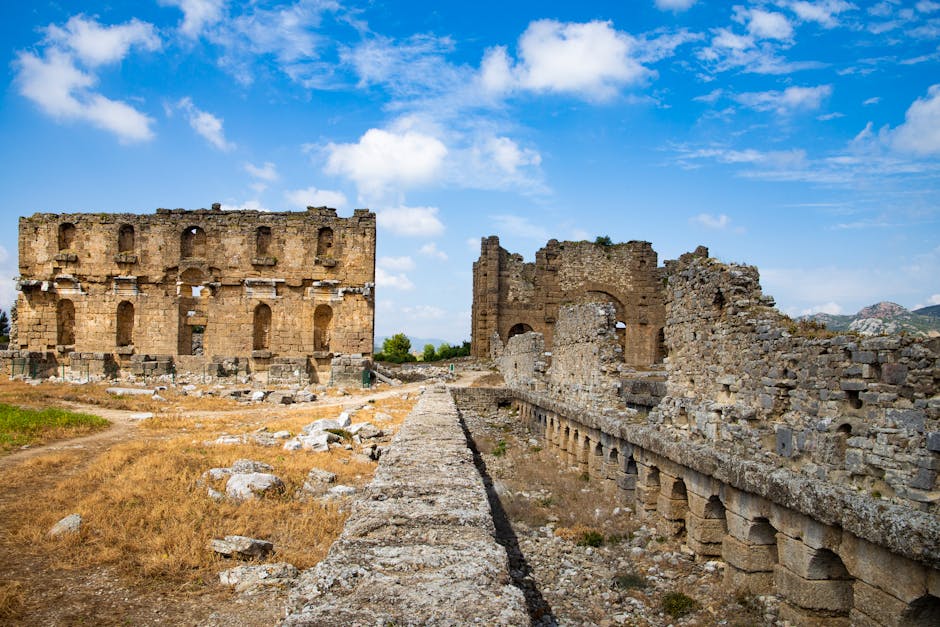
Beat the crowds. Visit the Düden Waterfalls (Lower Düden) early to have the powerful cascade to yourself before the tour buses arrive. For the ancient city of Perge (a short tram/dolmuş ride away), go in the late afternoon when the light turns the marble columns golden and the heat subsides.
Hidden Gems & Tour Selection
Skip the generic bus tour. Join a free walking tour of Kaleiçi (tipping the guide well) for historical context. Later, lose yourself in the Elmalı Pazarı market, a riot of colors and scents where locals shop. For a breathtaking, free view, find the hidden terraces near the Hıdırlık Tower or take the cable car up to the Tünektepe hill for panoramic city and coast vistas.
Book key experiences in advance online. This includes skip-the-line tickets for the Museum and any special exhibitions. For evening culture, check the schedule at the Antalya State Opera and Ballet or a traditional Turkish Night show, though research the latter for authenticity.
Safety Tips: Navigating with Confidence
Antalya is generally very safe for travelers. However, urban awareness is key. Exercise standard caution in very crowded areas like the bazaars or packed trams, where pickpockets might operate. Keep your bag in front of you and valuables secured.
At night, stick to well-lit, populated areas. The main bars and restaurants in Kaleiçi and Konyaaltı are lively and safe. Avoid poorly lit park shortcuts. Use official taxis or BiTaksi for late-night returns.
Emergency & Digital Preparedness
Save these numbers: Police (155), Ambulance (112), Fire (110). Tourist police stations are located in major areas like Kaleiçi. Have your embassy's contact details saved offline.
Digitally, avoid conducting banking on public, unsecured Wi-Fi. Use a VPN. While RFID scanning is rare, an RFID-blocking wallet or sleeve provides extra security for your cards. Tap water is technically treated but not recommended for drinking; stick to bottled water. Air quality is generally good, but summer heat can be intense—stay hydrated.
Cultural Etiquette: The Unspoken Language of Respect
Greetings matter. A simple "Merhaba" with a smile goes a long way. Handshakes are common, and between men, a slight nod or hand-on-heart gesture can accompany it. In more familiar settings, cheek kisses (once or twice) are common among friends.
Dress codes are situational. Beachwear is for the beach. When visiting mosques, cover shoulders and knees (scarves are often provided at entrances). In conservative neighborhoods or upscale restaurants, modest dress is a sign of respect.
Language & Interaction
Learn a few key phrases: "Bir şey yok" (You're welcome), "Lütfen" (Please), "Fatura, lütfen" (Bill, please). Attempting Turkish is met with great appreciation. Always ask "Fotoğraf çekebilir miyim?" before photographing people, especially in markets or rural areas.
Haggling is expected in bazaars like the Old Bazaar, but do it with a smile and good humor. It's a social interaction, not a confrontation. In sacred spaces like the Yivli Minare Mosque, speak softly, remove your shoes, and observe the quiet reverence of those praying.
Be environmentally conscious. Use the provided recycling bins (mavi for plastic, yeşil for glass). Turkey is phasing out single-use plastics, so consider carrying a reusable shopping bag.
Technology and Apps: Your Digital Toolkit
Your smartphone is your ultimate travel companion in Antalya. For navigation, Google Maps is reliable for walking and driving, while Moovit excels for real-time public transport directions, including dolmuş routes.
Break language barriers with Google Translate. Use the camera function to instantly translate menus or signs. Download the Turkish language pack for offline use.
For mobility, BiTaksi is the local ride-hailing app. For e-scooters and bikes, download Martı or BinBin. For food, Yemeksepeti or Getir are the go-to delivery apps if you need a night in.
Book experiences via platforms like GetYourGuide or the official museum websites for tickets. For communication, WhatsApp is ubiquitous. Ensure you have a data plan to use it freely for coordinating with guides or new acquaintances.
Capturing Memories: More Than a Snapshot
Photography in Antalya is a dream, but be ethical. Beyond asking permission for portraits, respect "no photo" signs in museums and sacred sites. Avoid using selfie sticks in crowded, solemn places where they can be intrusive.
For iconic shots, the view from the Kaleiçi marina towards the cliffs at sunset is stunning. Capture street life discreetly with a zoom lens from a café table. Never leave your camera unattended on a tripod in a busy area.
Keep a journal or voice memos. Record the sound of the fountain in a hidden courtyard, the taste of that perfect baklava, the feeling of the cool marble in the museum. These sensory details fade faster than photos.
Share responsibly. Consider geotagging a general area like "Antalya, Turkey" instead of a specific, fragile hidden spot to prevent overtourism. Engage with and credit local photographers and creators you discover. Seek souvenirs that tell a story: a spice blend from the market, a piece of traditional Iznik-style pottery, or simply the memory of a shared çay with a local artisan.
Conclusion: Becoming Part of the City's Story
You began as an observer, deciphering the scent-laden breeze and the symphony of tram bells. Now, you move with purpose. You navigate the dolmuş network with a nod, order your kahve Türk with confidence, and know which alleyway leads to the quietest courtyard çay garden. You have learned that the ultimate secret to mastering Antalya is not a checklist, but a mindset: one of prepared curiosity, deep respect, and open senses.
You travel responsibly, supporting the family-run meyhane, leaving no trace on the ancient paths of Perge, and carrying stories instead of just souvenirs. Whether you're a solo wanderer finding peace in a Byzantine church, a family creating memories on a pirate boat trip, or a couple watching the city lights twinkle on from a Kaleiçi rooftop, Antalya has revealed a layer of itself to you.
Now, sitting in a harborside café as the first light of dawn turns the Taurus Mountains pink, the city feels familiar. The pulse is no longer a foreign rhythm; it's a beat you've learned to move to. The guide ends here, but your exploration is just beginning. Book the ticket. Embrace the unexpected alley, the unplanned conversation, the glorious mistake that leads to the best discovery. Antalya awaits—not just to be seen, but to be lived.


No comments:
Post a Comment