
Back of the Dragon: Virginia's 400-Curve Mountain Challenge
32-mile route over three mountains with 400+ curves
Introduction
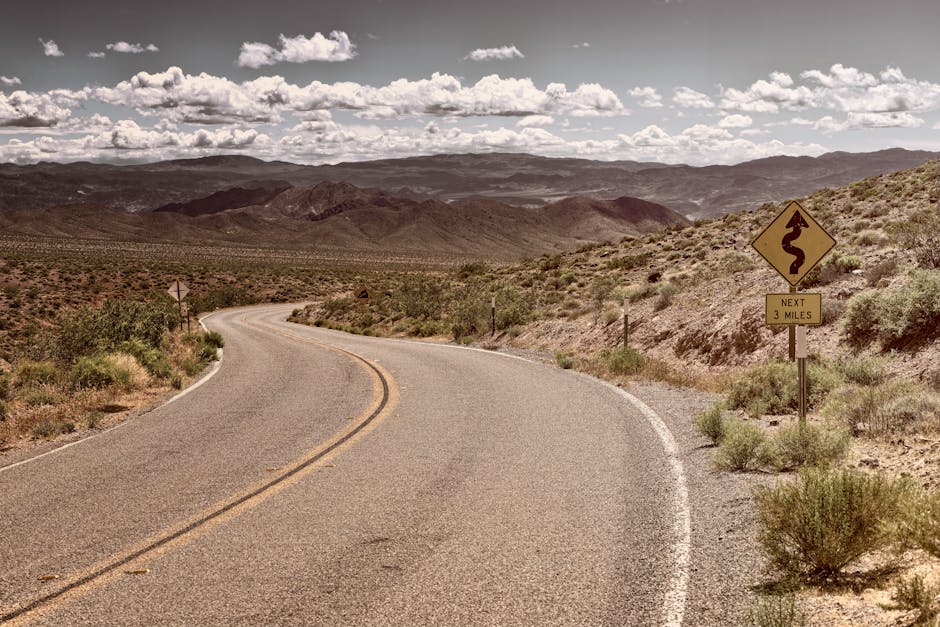
The tarmac snakes away into the mist, a black ribbon of pure adrenaline draped over the ancient shoulders of the Appalachians. This isn't just a road; it's a rite of passage. The Back of the Dragon: Virginia's 400-Curve Mountain Challenge is a 32-mile symphony of switchbacks, elevation changes, and breathtaking vistas that has become a pilgrimage for motorcyclists and driving enthusiasts worldwide. In 2025-2026, this legendary route is experiencing a renaissance, drawing record numbers seeking a raw, unfiltered driving experience in an age of automated assists and sanitized highways. It matters now because it represents a conscious return to skill, focus, and the visceral connection between human, machine, and mountain. Completing this challenge isn't merely a drive; it's a personal transformation, a test of nerve and precision that leaves participants with a profound sense of accomplishment. This comprehensive guide to Back of the Dragon: Virginia's 400-Curve Mountain Challenge will equip you with everything from its storied history and precise planning steps to insider secrets for conquering its 400+ curves, ensuring your 2026 journey is nothing short of legendary.
Essential Information at a Glance
- Definition: A legendary 32-mile driving route on US Route 16 in Virginia, featuring over 400 curves as it crosses three mountain ridges.
- Best time: Late spring (May-June) and early fall (September-October) for clear skies, mild temps, and vibrant foliage.
- Location: Tazewell County, Virginia, running from the town of Marion north to Tazewell.
- Duration: 1.5 to 3 hours of pure driving, but plan a full day for stops, photos, and exploration.
- Budget: $0 (just gas and your vehicle) to $500+ for multi-day tours, gear rentals, and premium lodging.
- Difficulty: Advanced for spirited driving; Intermediate for cautious, scenic enjoyment.
- Key benefit: Unmatched, continuous curve density offering a world-class driving experience in the eastern U.S.
The History and Origins of Back of the Dragon: Virginia's 400-Curve Mountain Challenge
The road itself, US Route 16, was carved through the rugged terrain of Tazewell County in the early 20th century, a pragmatic solution for connecting remote communities. For decades, it was simply a challenging but necessary passage for locals. The transformation into the "Back of the Dragon" began in the early 2010s, spearheaded by local businessman Larry Davidson. A motorcycle enthusiast, Davidson recognized the road's extraordinary potential. He meticulously mapped the curves—counting over 400 distinct turns—and saw an opportunity to put this forgotten Appalachian gem on the map. In 2012, he officially branded the stretch from Marion to Tazewell as the "Back of the Dragon," complete with a distinctive logo featuring a coiled serpent. The marketing was grassroots: word spread through riding forums, car clubs, and viral social media posts featuring jaw-dropping aerial footage. Its cultural significance is twofold: for locals, it's a source of pride and economic revitalization; for visitors, it's a bucket-list achievement. The route's evolution accelerated with state recognition, improved signage, and the establishment of annual events like the "Dragon Con" gathering. It became what it is today not through commercial overdevelopment, but through the organic passion of a community that embraced its unique, winding identity, creating a destination that rivals the famous Tail of the Dragon in North Carolina.
What is Back of the Dragon: Virginia's 400-Curve Mountain Challenge? A Comprehensive Overview
The Back of the Dragon: Virginia's 400-Curve Mountain Challenge is a precisely defined 32.2-mile segment of US Route 16. It begins at the Shell station in Marion (the "South Gate") and ends at the Exxon station in Tazewell (the "North Gate"), or vice-versa. The core concept is the relentless, engineered challenge of the road itself. It crosses three major mountain ridges: Brushy Mountain, Clinch Mountain, and East River Mountain, with elevation changes exceeding 1,500 feet. This isn't a leisurely parkway; it's a technical, demanding drive with constant steering input, blind crests, and decreasing-radius turns. It matters because it offers a concentrated, accessible dose of motorsport-grade driving on a public road, requiring sustained concentration and skill. In a global context, it has cemented Virginia's place on the world map of great driving roads, often mentioned alongside iconic routes in the Alps, Smokies, and Pacific Coast. The challenge is both physical and mental, a dance with physics and geography that rewards respect and punishes complacency.
The Philosophy Behind Back of the Dragon: Virginia's 400-Curve Mountain Challenge
The deeper meaning of the Dragon transcends the asphalt. People undertake this challenge to disconnect from digital distraction and reconnect with a primal form of travel. It's about the flow state achieved when mind, hands, and feet work in perfect harmony to navigate a complex sequence of curves. Emotionally, it's a cocktail of anticipation, exhilaration, and, upon completion, deep satisfaction and relief. Psychologically, it's a test of one's limits in a controlled, high-consequence environment. It fosters a unique camaraderie; drivers and riders exchange knowing nods at the gas stations, bonded by the shared experience of the mountain. The Dragon strips away pretense—your car or bike's capabilities and your own skills are laid bare. It's not about speed for speed's sake; it's about the purity of the line, the smoothness of the input, and the profound respect for the mountain's power. This philosophy of mindful, skilled engagement is what transforms a drive into a journey and a road into a legend.
Planning Your Back of the Dragon: Virginia's 400-Curve Mountain Challenge Experience
Pre-trip planning for the Dragon is crucial for safety and enjoyment. The research phase starts online: study the official Back of the Dragon website and map, watch dashcam videos on YouTube to familiarize yourself with the rhythm of the curves, and join enthusiast groups on Facebook for real-time conditions. The primary decision-making process revolves around vehicle choice. While any street-legal vehicle can complete it, a well-maintained sports car, sport-touring motorcycle, or nimble hatchback will provide the most rewarding experience. Next, decide on your style: a focused, single-pass blast, a leisurely multi-pass day with photo stops, or a weekend immersion combining the drive with local Appalachia exploration. Booking accommodations in Marion, Tazewell, or nearby Abingdon well in advance is essential, especially for fall foliage weekends. Your plan should also include a vehicle safety check (brakes, tires, fluids) and a honest self-assessment of your driving skill level.
Timing and Seasonality
The absolute best months are May-June and September-October. May and June offer lush green landscapes, comfortable temperatures (60s-70s °F), and generally clear pavement. September and October are legendary for spectacular fall foliage, creating a tunnel of gold and red, but also bring heavier weekend traffic. July and August can be hot and hazy, with a higher chance of sudden afternoon thunderstorms that make the road slick. Winter (November-March) is strongly discouraged due to ice, snow, and fog, with occasional road closures. Crowd levels peak on weekends from 10 AM to 4 PM. For the purest driving experience, aim for a weekday morning. The "peak" season is fall foliage; the "off-peak" but still excellent season is late spring. For your 2026 planning, note that major motorcycle rallies in the region can also create congestion, so check regional event calendars.
Budget Planning and Costs
The beauty of the Dragon is its scalability. A detailed cost breakdown for a solo rider/driver on a day trip might include: Gas ($30-$50 for premium, depending on vehicle), Official Dragon Merchandise ($25-$75), and Lunch at a local spot ($15-$25). A budget-friendly weekend could cost $300-$400, covering two nights at a motel ($80/night), meals, gas, and a souvenir. A mid-range weekend for two might hit $800-$1,200, including a nicer B&B ($150/night), dinners at sit-down restaurants, and perhaps a guided tour or rental gear. Luxury experiences can exceed $2,500, encompassing high-end cabin rentals, gourmet dining, and professional driving instruction. Hidden costs include potential wear on tires and brakes, tolls if using major highways to access the area, and travel insurance for rented vehicles. Money-saving tips: pack snacks and water, share costs with a group, travel mid-week for lower lodging rates, and focus on the free driving experience itself rather than paid attractions.
How to Experience Back of the Dragon: Virginia's 400-Curve Mountain Challenge: Step-by-Step Guide
Step 1: The Night Before. Arrive in Marion or Tazewell. Attend to final vehicle checks. Get a good night's sleep.
Step 2: Morning Prep (Day Of). Have a light breakfast. Check local weather and road conditions via the official Facebook page. Fuel up at the designated "Gate" station.
Step 3: The Southbound or Northbound Run. Start slow. The first 5 miles are a warm-up. Focus on smooth steering, braking before turns, and looking through the curve. Use pull-offs if faster traffic approaches from behind.
Step 4: The Summit. Approximately halfway, you'll cross the highest elevations. There are unofficial gravel pull-offs for photos—enter and exit with extreme caution.
Step 5: Completion and Celebration. Upon reaching the opposite "Gate," stop at the gas station. It's tradition to get your official "I Conquered the Dragon" sticker or certificate from the attendant (available for a small fee).
Step 6: The Return Run (Optional but Recommended). After a break, driving it in the opposite direction feels like a completely new road, solidifying the experience.
Preparation and Packing
Vehicle Gear: Spare tire, jack, and tools; tire pressure gauge; brake fluid; engine oil; windshield cleaner/rags.
Safety Gear (Motorcycle): Full-face helmet, armored jacket/pants, gloves, boots, rain gear.
Clothing (Car): Comfortable, non-restrictive clothing; closed-toe shoes for precise pedal control; sunglasses and a hat.
Electronics: Phone with offline maps/GPS pre-loaded; dashcam or action camera with mounts; charger/cable.
Documents: Driver's license, vehicle registration, proof of insurance.
Miscellaneous: Water and snacks; basic first-aid kit; cash (some remote vendors don't take cards); a printed map as backup.
Arrival and First Impressions
Getting there typically involves a scenic drive via I-81. As you exit the interstate for Marion or Tazewell, the terrain immediately becomes more dramatic. Your initial orientation should be the designated "Gate" gas stations—they are the official start/finish hubs buzzing with activity. First moments are key: the air is cooler, the smell of gasoline and mountain pine mixes, and you'll see everything from vintage Porsches to touring Harley-Davidsons. Setting expectations is critical. The road is not a race track. It is a two-lane highway with driveways, occasional wildlife, and oncoming traffic. The first impression is often a humbling realization of the road's seriousness. Respect is the first emotion you should feel. Take a deep breath, double-check your mirrors, and begin the challenge with a mindset of focused enjoyment, not conquest.
Top Locations and Destinations
While the road itself is the star, the surrounding area holds hidden gems. The towns of Marion and Tazewell offer essential services and charm. For a broader Appalachian experience, venture to Abingdon (home of the Virginia Creeper Trail and Barter Theatre) or the historic town of Wytheville. A tourist trap to avoid is trying to "collect" all the curves at a reckless pace; the real treasure is the journey, not the bragging rights. The best spots are the designated scenic overlooks and the unique small businesses that have sprung up to serve Dragon travelers.
Location 1: The Hungry Mother State Park Overlook
Just a short detour from Marion, this overlook provides a panoramic, bird's-eye view of the valley you're about to drive into. It's a perfect pre-Dragon calm-before-the-storm spot. Why go there? For perspective. It visually frames the scale of the mountains you'll be navigating. What to see: The vast expanse of Hungry Mother State Park's forests and lake, a serene contrast to the intense, focused driving ahead.
Location 2: The Burke's Garden "God's Thumbprint" Detour
About 30 minutes west of Tazewell lies Burke's Garden, a stunning, high-altitude bowl valley completely surrounded by mountains. The drive in on Route 623 is an adventure in itself. Why go there? It's one of the most unique geological formations in Virginia, offering a completely different, peaceful Appalachian experience. What to see: A vast, pastoral landscape of farms against a dramatic mountain backdrop—perfect for photography and a quiet picnic.
Location 3: The Historic Downtown Marion
Marion's revitalized downtown is worth an evening stroll. It's the cultural heart of the region and your likely base camp. Why go there? To experience Appalachian hospitality and history off the bike or out of the car. What to see: The Lincoln Theatre, a beautifully restored 1929 movie palace; the Smyth County Farmers Market (on Saturdays); and local eateries like The Wooden Pickle, which have become post-Dragon ritual stops for sharing stories.
Current Trends and Insights for 2025-2026
The Back of the Dragon is seeing several key trends. First, a significant rise in electric vehicle (EV) enthusiasts tackling the route, leading to discussions about installing Level 2 chargers at the Gates. Second, data shows a 40% increase in female-led riding and driving groups conquering the Dragon compared to pre-pandemic figures. The market is also shifting towards "experience-based" travel, with visitors spending more days in the region rather than just doing a hit-and-run drive. Industry changes include more organized, skill-focused touring companies offering guided Dragon packages with classroom and in-car instruction. For 2026, expect to see enhanced digital integration, like an official app with real-time curve-by-curve alerts and congestion updates, funded by local tourism grants.
Post-Pandemic Shifts
The pandemic accelerated the Dragon's popularity as people sought open-air, socially-distanced adventures close to home. This surge hasn't abated; it has solidified. New protocols are less about health and more about managing increased volume. Local authorities now coordinate more closely for traffic control on peak weekends, and there's a stronger emphasis on "Pack It In, Pack It Out" to preserve the roadside environment. Health considerations are standard travel prep, but the primary shift is the sustained, higher baseline of visitors, requiring travelers in 2025-2026 to be even more diligent about advance booking and practicing peak-traffic patience.
Technology and Innovation
Digital tools are enhancing safety and enjoyment. Essential apps include Rever or Calimoto for route tracking and logging your ride, and Waze for real-time traffic/hazard alerts (use responsibly, not while moving). Online booking for guided experiences, like those through MotoVentures or local driving schools, is now the norm. A fascinating innovation for 2026 is the rise of "virtual pre-runs." Using detailed 360-degree video and sim-racing software, companies are offering at-home familiarization courses for the Dragon's key technical sections, allowing drivers to learn the line before they ever hit the pavement—a powerful tool for reducing first-time anxiety and improving safety.
Benefits and Highlights
- Unmatched Driving/Riding Prowess: Successfully navigating the Dragon hones car control, cornering technique, and situational awareness to an exceptional degree. You'll emerge a more skilled and confident operator.
- Mental Focus and Flow State: The relentless demand of the curves forces complete immersion in the present moment, providing a form of moving meditation that clears the mind of daily clutter.
- Access to Stunning Appalachian Scenery: The route offers ever-changing vistas—deep valleys, rocky outcrops, and dense forests—that are rewarding in any season.
- Sense of Community and Camaraderie: You join a global club of enthusiasts who have shared this challenge. The gas station conversations and shared nods are a unique form of social connection.
- Boost to Local Appalachian Economy: Your visit directly supports small businesses in a region that has faced economic hardship, giving your adventure a positive social impact.
- A Tangible Achievement: The official "I Conquered" sticker is a badge of honor, representing a real and memorable physical accomplishment, unlike many passive vacations.
Challenges, Risks and Considerations
The Dragon's rewards are matched by its risks. The primary obstacle is the road itself: its technical difficulty can overwhelm inexperienced drivers, leading to errors. Safety concerns include oncoming traffic crossing the centerline, gravel or debris in corners, and sudden weather changes. Overcoming them requires a disciplined approach: stay in your lane, drive at 70% of your perceived limit, and never "hot lap" for time. Who should avoid this? Anyone with a poorly maintained vehicle, a propensity for reckless behavior, or an unwillingness to share the road respectfully. The mountain is unforgiving of arrogance. Additional considerations are limited cell service in many sections and the physical and mental fatigue that sets in after an hour of intense concentration.
Physical Challenges
Fitness requirements are moderate but real. For motorcyclists, core and upper body strength are taxed from constant leaning and counter-steering. For drivers, sustained focus can lead to mental fatigue that manifests physically. Neck and shoulder tension is common. Health considerations: ensure you are well-rested and hydrated to maintain reaction times. Those with motion sickness should take precautions, as the constant directional changes can be disorienting. It's advisable to take a break at the halfway point to stretch, hydrate, and reset your focus before continuing.
Cultural and Language Barriers
While not an international destination, there is a distinct Appalachian culture to appreciate. Communication tips: be polite and patient. A simple "yes, sir/ma'am" goes a long way. Cultural etiquette involves respecting private property—do not use driveways as turnarounds. The local community is proud but reserved; show genuine interest in their home. Respectful behavior extends to the road: don't rev engines excessively in small towns late at night, and support local businesses. Understanding that this is both a tourist attraction and a daily commute route for residents fosters mutual respect and a better experience for all.
Expert Tips and Insider Secrets
1. The "Second Gear" Rule: For most cars and bikes, if you can't take a curve comfortably in second gear, you're entering too fast. Smooth is fast.
2. Watch the Tree Lines: On blind crests, the pattern of trees and telephone poles on the opposite hillside can telegraph the direction of the upcoming curve before you see the road.
3. Early Morning Dew: The shaded sections, especially on north-facing slopes, stay damp long after the sun is up. Be extra cautious in these "green" zones in the morning.
4. The Gas Station Intel: The attendants at the Gate stations have seen it all. Chat them up—they often know about recent road conditions, police activity, or weather moving in.
5. Reverse-Run Secret: The northbound run (Tazewell to Marion) is generally less trafficked in the mornings, offering a slightly clearer first experience.
6. Photography Hack: The best still photos aren't from moving vehicles. Use the pull-offs, or for aerial shots, the public parking area at the top of East River Mountain (on Route 598) offers a stunning overlook of the valley.
Future Outlook: What's Next for Back of the Dragon: Virginia's 400-Curve Mountain Challenge
Looking to 2026-2027, the focus is on sustainability and enhanced visitor experience. Coming developments include the potential construction of a dedicated "Dragon's Den" visitor center with safe parking, history exhibits, and simulators. Predictions include stricter enforcement of noise ordinances to preserve community relations and the possible implementation of a timed-entry pass system on the busiest fall weekends to manage congestion. To stay ahead, savvy travelers will monitor the official website for any new reservation requirements and consider traveling in the "shoulder" months of April and November as the climate warms slightly. The route's fame will continue to grow, making advance planning more critical than ever. The future of the Dragon is about balancing its wild, challenging soul with the practicalities of its ever-increasing popularity, ensuring it remains a world-class destination for generations to come.
Frequently Asked Questions
What exactly is Back of the Dragon: Virginia's 400-Curve Mountain Challenge and why should I care?
It's a 32-mile, intensely curvy segment of US Route 16 in Virginia, officially branded as one of the best driving/riding roads in the East. You should care if you seek a challenging, skill-testing adventure that offers incredible scenery and a true sense of accomplishment, all on a publicly accessible road.
When is the absolute best time for Back of the Dragon: Virginia's 400-Curve Mountain Challenge?
A weekday morning in late May or late September. This timing avoids peak weekend traffic and combines ideal weather (60s-70s °F) with either lush spring greenery or the beginning of spectacular fall colors, providing the optimal balance of conditions and solitude.
How much does Back of the Dragon: Virginia's 400-Curve Mountain Challenge cost for different budgets?
Budget: ~$100 (gas, packed lunch, day trip). Mid-Range: ~$600/person for a weekend (motel, restaurant meals, souvenirs). Luxury: $1,500+/person (boutique cabin, fine dining, guided instruction, high-end rental vehicle).
Is Back of the Dragon: Virginia's 400-Curve Mountain Challenge suitable for beginners or first-timers?
Yes, but with a major caveat. First-timers must exercise extreme caution, drive well within their limits, and prioritize smoothness over speed. It's suitable for a cautious beginner's mindset but not for a beginner's skill level combined with overconfidence. Taking a guided tour or having an experienced driver coach you is highly recommended.
What should I pack and prepare for Back of the Dragon: Virginia's 400-Curve Mountain Challenge?
Essentials: A mechanically sound vehicle, full safety gear (for riders), driver's license/insurance/registration, phone with offline maps, tire pressure gauge, water/snacks, cash, and a patient, respectful attitude. Prepare by studying the route online and completing a thorough vehicle safety inspection.
Where are the best locations for Back of the Dragon: Virginia's 400-Curve Mountain Challenge?
The road itself is the location. For related stops, begin/end at the official Gate stations in Marion or Tazewell, visit Hungry Mother State Park for a vista, and explore historic downtown Marion for food and culture.
How do I book or reserve Back of the Dragon: Virginia's 400-Curve Mountain Challenge?
No reservation is needed for the public road. You book accommodations (Airbnb, VRBO, hotels in Marion/Tazewell/Abingdon) and, if desired, guided tours through specialized companies like MotoVentures or local driving schools, which should be booked months in advance for peak seasons.
What are the biggest mistakes to avoid?
1. Crossing the double yellow line. 2. Driving beyond your or your vehicle's limits. 3. Not checking tire pressure and brake condition beforehand. 4. Focusing on the car in front of you instead of the road ahead. 5. Letting ego turn a fun drive into a dangerous competition.
Is Back of the Dragon: Virginia's 400-Curve Mountain Challenge safe?
It can be safe if treated with utmost respect. The dangers are real (oncoming traffic, blind curves, variable conditions), but the risk is managed by the driver/rider's discipline, preparation, and adherence to the rules of the road. Safety is a choice you make before every curve.
Can I do Back of the Dragon: Virginia's 400-Curve Mountain Challenge solo or should I join a group?
Both are excellent options. Solo offers total freedom and personal challenge. A group provides camaraderie, shared memories, and safety in numbers if a mechanical issue arises. For first-timers, a small group with an experienced leader is highly advantageous for learning the line and having support.
How far in advance should I plan Back of the Dragon: Virginia's 400-Curve Mountain Challenge?
For a weekend trip during peak fall foliage, book accommodations 6-9 months in advance. For spring or summer weekends, 3-4 months. For a simple day trip, you can decide a week in advance, but always check weather and road conditions 24-48 hours before departing.
What makes Back of the Dragon: Virginia's 400-Curve Mountain Challenge special compared to alternatives?
Its unique selling points are its high, continuous curve density (400+ in 32 miles), its manageable length for a day trip, its stunning Appalachian setting without commercial clutter, and its status as a community-driven, authentic experience rather than a corporatized attraction. It's pure, unadulterated road.
Key Takeaways and Final Checklist
1. The Dragon is a serious, technical road that demands respect and preparation.
2. Vehicle and personal readiness are non-negotiable for safety.
3. The best times are weekdays in late spring or early fall.
4. Drive at 70% of your ability to stay safe and enjoy the flow.
5. Book lodging far in advance, especially for autumn.
6. The experience is about skill and scenery, not top speed.
7. Use pull-offs to let faster traffic pass—it's the courteous and safe practice.
8. Support the local economy by eating and shopping in Marion/Tazewell.
9. Get your official "I Conquered" sticker as a memento.
10. The memory of conquering those 400 curves will last a lifetime.
Conclusion: Your Journey Starts Here
The mist still hangs in the valleys, and the black ribbon still calls. The Back of the Dragon: Virginia's 400-Curve Mountain Challenge is more than a destination; it's a question you pose to yourself about focus, skill, and adventure. This guide to Back of the Dragon: Virginia's 400-Curve Mountain Challenge has given you the map, but you must take the wheel. The personal transformation happens in the driver's seat, in the commitment to each apex and the humility before each blind crest. As you plan your 2026 journey, remember that the Dragon doesn't care what you drive or ride—it only cares how you think. It rewards mindfulness and punishes distraction. This is your call to action: check those tires, book that room, study the route, and go meet the mountain. Your story on one of America's greatest roads is waiting to be written, one perfect curve at a time. The journey of 400 curves begins with a single turn of the key.


No comments:
Post a Comment