
Best Beach Destinations in Europe for Summer 2026: The Ultimate Visitor's Guide 2026 | Tips, Trails & Things to Know
Why Visit Europe's Best Beaches in 2026?
Look, I know everyone says they have the perfect beach. But here's the thing: Europe's coastline is a patchwork quilt of different moods, from sun-baked cliffs to pine-scented coves, and finding your slice of it in the peak summer chaos can feel impossible. That's where this guide comes in. We're not just talking about sand and water. We're talking about the feeling of warm limestone under your feet, the taste of salt and grilled sardines, the specific shade of turquoise that makes you forget your phone exists. In 2026, the trends are pointing towards "coolcationing" – escaping the worst of the heat – and "set-jetting" to places you've seen on screen. Honestly? Both are valid reasons to look beyond the obvious. This guide covers the legendary stretches, like the Algarve and Amalfi, but we're also gonna dive into the spots where you can still hear the waves over the crowd. I've learned the hard way that a little planning is the difference between a postcard memory and a stressful scrum for a sunbed. So let's get into it.
At a Glance: European Beach Quick Facts for 2026
The boring stuff first—because you'll need it to make sense of the magic.
- Prime Season: Late May to Early October | Peak Crowds: July 15 – August 25 — That's when every family on the continent seems to have the same idea.
- Water Temps: Varies wildly — From "brisk and invigorating" (18°C/64°F in the north) to "like stepping into a bath" (26°C/79°F in the east). Your mileage will vary.
- Crowd Factor: Extreme on famous coasts — Sounds overwhelming, but spread across thousands of miles of coastline, you'll find solitude if you know where to look.
- Budget Range: €€-€€€€ — From affordable guesthouses in the Peloponnese to eye-watering Amalfi Coast hotels. There's a beach for every wallet.
- Getting Around: Rental car is king — Public transport exists, but to find those hidden coves, you need wheels. Trust me on this.
- Gateway Hubs: Faro, Naples, Split, Athens — These are your launch pads. Character judgment: Naples has better pizza, Split has better nightlife, Athens has the history.
- Booking Lead Time: For July/August? Now. — I'm serious. For good spots in 2026, you shoulda started yesterday.
Best Time to Visit European Beaches
If you can only come once in summer, aim for the edges. Late June or early September. Here's why I'm adamant about this...
Early Summer (Late May – Late June)
The water's still warming up, honestly. But the days are long, the wildflowers are out, and the prices haven't hit their peak. The downside? Some beach clubs and seasonal restaurants in quieter areas might still be "opening next week." It's a gamble.
Peak Summer (July – Mid-August)
No joke, it feels like the entire continent is on holiday. The heat is intense, especially in the south. The beaches? Packed. The roads? Choked. That said, the atmosphere is electric, everything is open, and the water is perfect. You just have to work for it.
Late Summer (Late August – September)
This is it. The sweet spot. The water is at its warmest, the crowds begin to dissipate after the third week of August, and the light takes on this golden, honeyed quality. The sea is like glass in the mornings. I've done this three times. Never disappointed.
Shoulder Season Secret
Look, I'm gonna let you in on a secret. The second week of September. The Italian nonnas have gone home, the school trips haven't started, and the Med is still holding onto summer's heat. You get the weather without the human traffic jam. Worth every penny of the airfare.
Top Things to Do on Europe's Best Coasts
Everyone asks what they can't miss. The real question is: what kind of beach person are you? Are you a lounge lizard, a cliff-jumper, a seafood fiend, or a solitude seeker? Because missing the right beach for you stings.
Iconic Scenic Drives & Coastal Walks
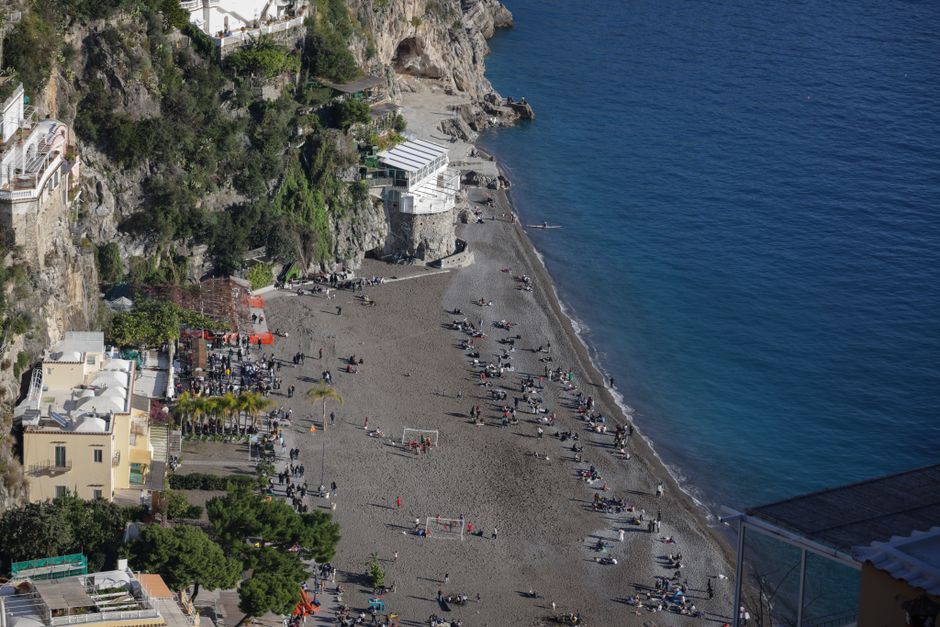
The Amalfi Coast Drive, Italy: 50km, but allow 4 hours. Truth is, it's less a drive and more a slow-motion ballet with tour buses. The views are postcards come to life, but the pullouts are tiny and your passenger will be white-knuckled. Go at 7 AM or don't bother.
The Pelion Peninsula, Greece: Winding roads through plum and apple orchards that suddenly spit you out at a deserted pebble cove. No tour buses here. Just the smell of pine and salt.
The Caminito del Rey, Spain (near Costa del Sol): Not a beach, but a heart-stopping cliffside walkway above turquoise reservoirs. It fixes the "too much beach" problem. Absolutely unmissable if you're in Andalusia.
Beach Types: Find Your Vibe
For Golden Sands & Dramatic Cliffs: The Algarve, Portugal. Places like Praia da Marinha where the cliffs look like sandcastles melted by a giant. But the secret is to go to the beaches east of Faro, like Ilha de Tavira. Quieter. Sandier.
For Pebble Coves & Turquoise Water: The Croatian Coast. The water here has a clarity that's almost unfair. It's like swimming in diamond-filtered gin. But fair warning, those pebbles are tough on tender feet. Water shoes aren't dorky here—they're essential.
For Volcanic Drama & Black Sand: Sicily's east coast, like Isola Bella near Taormina, or the Canary Islands. The contrast of dark sand against bright blue is something your camera will love.
For Pine Forests Meeting the Sea: The Costa Verde in Northern Spain, or parts of the French Basque Country. Less about baking, more about moody beauty. The water's colder, but the crowds are thinner.
Beyond the Towel: Cultural Hits
Honestly, don't just fry yourself. The best beach days include a dose of culture. In Puglia, Italy, spend the morning in a whitewashed *trulli* town like Alberobello, then hit the beach at Polignano a Mare for a late swim. In Greece, pair a morning at the breathtaking Voidokilia beach with a visit to ancient Messene or a castle. It balances the day.
Boat Trips & Hidden Coves
This is the number one way to escape the crowds. Rent a small boat in Hvar, Croatia, or from the Algarve, or hire a fisherman in a Greek village. For €100-€200 a day, you get your own private access to caves and coves that the road can't touch. We did this in Sardinia last September. A local told us about a spot only accessible by a 10-minute swim through a rock arch. We had it to ourselves for hours. Unforgettable.
Where to Stay: Budget, Mid-Range, and Splurge
Staying right on the coast costs more. It's also worth more when you can roll out of bed and into the sea before the day-trippers arrive. Do the math on driving time and parking stress versus dollars.
Splurge-Worthy Coastal Hotels ($$$)
Masseria Hotels, Puglia: Fortified farmhouses with pools, olive groves, and short drives to epic beaches. Rustic luxury. Book a year out for peak season. I'm not exaggerating.
Boutique *B&Bs on the Amalfi Coast: In towns like Praiano or Conca dei Marini. You'll pay for that cliffside infinity pool, but the view at breakfast? It makes the credit card bill hurt less.
Mid-Range & Charming ($$)
Agriturismos in Sicily or Sardinia: Working farms that offer rooms and dinner. You get authenticity, home-cooked food, and local advice. The ranger we talked to in Sardinia swore by them.
Apartments in Dalmatian Towns, Croatia: In places like Split or Trogir. Self-catering gives you flexibility, and you're embedded in ancient stone streets. Just check if there's air conditioning. That's a must.
Budget & Adventurous ($)
Camping in France or Spain: European campsites are often amazing—with pools, restaurants, and direct beach access. Great for families. "Pitch your tent under the pines" kind of vibe.
Hostels/Guesthouses in the Peloponnese, Greece: Locals actually live here. Prices reflect that—in a good way. You'll find simple rooms and staggering beaches without the Cyclades price tag.
How to Get to Europe's Beach Havens
You're flying into a hub, then driving or ferrying. Accept this. The best spots are rarely right next to the international airport.
By Air & The Connecting Hop
For Portugal's Algarve: Fly into Faro (FAO). Easy. But to explore the wilder west coast around Sagres, you still need a car.
For Southern Italy: Fly into Naples (NAP) for Amalfi, or Bari (BRI) for Puglia. Rental car reality: Get the smallest car you can stand. Those coastal roads are narrow.
For Greek Island Beaches: Fly into Athens (ATH) or a regional island airport (like Chania, CHQ for Crete). Then, a short ferry or domestic flight. Don't try to island-hop too much in one trip. You'll just be in transit.
The Ferry Factor
In Croatia and Greece, the ferry is part of the adventure. Book car ferry tickets online in advance in summer. The last [X miles] to the port has no ticket offices. A seasonal worker told us that's the number one mistake. Show up without a reservation? You're gonna wait.
Entrance Fees, Passes & Reservations
The bureaucracy nobody wants to deal with. Let's get it over with.
- Beach Fees: Most are free. But organized beach clubs in Italy, France, and trendy parts of Spain charge for a sunbed & umbrella (€20-€50/day). You're paying for the service.
- National Park Fees: Some stunning beaches are in protected areas (like Calanques in France). Small daily fee for access.
- Timed Entry: Becoming a thing for popular natural sites. The Blue Cave in Croatia, certain coves in Capri. Book these online as soon as you know your dates. They sell out.
- City/Tourist Taxes: Many towns add a small per-night fee (€1-€5). It's normal. Budget for it.
Packing Essentials & Gear Recommendations
I overpacked my first time. Underpacked my second. Here's what you actually need.
Clothing Strategy
Layers aren't optional for evenings. A coastal breeze can whip up even in August, and that linen shirt won't cut it. Also, a light, long-sleeved sun shirt is a game-changer. Prevents the "midday fry" and lets you explore without hiding.
Footwear
Strong opinion: One pair of rugged sandals (like Tevas or Birkenstocks) for rocky entries and boat trips, and one pair of comfy walking shoes for towns and cliffs. Flip-flops are for the pool only. Trust me.
The Non-Negotiables
Reef-Safe Sunscreen: Many places, like parts of Greece, are banning chemical sunscreens that kill marine life. Do your part. It's not a gimmick.
A Large, Refillable Water Bottle: The sun and salt dehydrate you fast. Fill up at your hotel or public fountains. Single-use plastic bottles are a plague on these beautiful places.
A Good Hat & Sunglasses: The Mediterranean sun is relentless. A wide-brimmed hat is the difference between a pleasant day and a headache.
Accessibility Information
Not every beach is accessible. But more is possible than most assume, especially in developed resorts.
Wheelchair-accessible: Many major beach resorts in Spain, Portugal, and the Canary Islands have wooden walkways and free-to-use amphibious wheelchairs. Call the local tourist office ahead to confirm.
Calmer Options: The beaches on the northern Adriatic (like Slovenia or parts of Croatia) have very gentle, shallow entries, which can be easier for mobility issues than pebble slopes.
Sample 3-Day and 5-Day Itineraries
These assume you have a car and are based in one region. Hopping countries in 5 days is a recipe for exhaustion.
3-Day Highlights of the Algarve
Day 1: Land in Faro, drive west. Settle in Lagos or Sagres. Sunset at Ponta da Piedade (take the stairs down or a short boat tour).
Day 2: Morning at Praia do Camilo. Afternoon exploring the wild, windswept beaches near Sagres like Praia do Beliche. Dinner of fresh fish in Sagres harbor.
Day 3: Drive east to the Ria Formosa natural park. Take a boat to the barrier island beaches like Ilha de Barreta (Desert Island). Fly out of Faro.
5-Day Deep Dive in Puglia
Day 1: Arrive Bari, drive to Polignano a Mare. Swim in the famous cove, dinner in the old town.
Day 2: Explore the *trulli* towns of Alberobello and Locorotondo. Late afternoon beach at Torre Canne or Torre Guaceto.
Day 3: Drive south to Salento. Stop in Lecce for lunch, then continue to the very tip at Santa Maria di Leuca for a dramatic cliffside swim.
Day 4: Choose your beach: The Caribbean-like sands of Pescoluse (the "Maldives of Salento") or the rocky platforms and clear water around Torre dell'Orso.
Day 5: Morning last swim, maybe at Grotta della Poesia (a stunning natural swimming hole), then leisurely drive back to Bari.
Family-Friendly Tips
Kids can love this place. Or hate it. Depends on preparation and picking the right beach.
Best kid beaches: Look for long, shallow shelves with soft sand. In the Algarve, Praia de Alvor is perfect. In Greece, the lagoon-like waters of Elafonissi in Crete or the sandbar at Voidokilia. Kids need space to play safely.
Timing is everything: Do your beach time 9 AM - 1 PM, then retreat for lunch and siesta. Return after 5 PM when the sun is kinder. Fighting the midday heat is a losing battle.
Rules, Safety & Leave No Trace
This section matters. Read it. The Mediterranean is beautiful but fragile.
Water & Sun Safety
Riptides happen, especially on Atlantic coasts like Portugal. Swim near lifeguard stations (they have red/yellow flags). And reapply that sunscreen every two hours. I've seen some brutal burns that ruined trips.
Respect the Environment
Take only pictures. That "cute" sea urchin or pretty shell belongs there. Don't stack rocks into cairns—it disturbs micro-habitats. And for god's sake, take your trash with you. I've seen plastic bottles floating in otherwise pristine coves and it's heartbreaking.
Beach Etiquette
In much of Europe, topless sunbathing is normal. Nudity is common on designated *spiagge libere* (free beaches) or specific coves. Don't gawk. If it bothers you, research family-oriented beaches. And keep your music volume down. Your playlist isn't everyone's soundtrack.
Nearby Attractions & Hidden Gems
Everyone does the famous beach. Try these instead for a break...
Instead of the Amalfi Coast crowds: Drive across the Sorrentine Peninsula to the quieter, equally stunning Punta Campanella or the beaches near Nerano. The seafood restaurant "da Costantino" there is a pilgrimage site for a reason.
Instead of Dubrovnik's packed pebbles: Take the ferry to the Elaphiti Islands, specifically Lopud. Car-free, with a gorgeous sandy beach (Šunj) on the far side. It's a world away.
Instead of the Cyclades ferry-hopping: Base yourself on the Peloponnese. Beach-hop from Kardamyli to Voidokilia, with ancient ruins as your backdrop. Old-timers say it's the real Greece.
FAQ About Visiting European Beaches in 2026
The questions I get asked most. Some obvious. Some not.
How many days do you need?
One week minimum to unwind and explore a region properly. Less than five days? You're traveling more than relaxing.
Can you do a beach trip without a car?
In major resorts, yes. To discover hidden gems, basically no. Public transport to the best coves is infrequent or non-existent.
Is it safe to drink the tap water?
In mainland Portugal, Spain, France, Italy, and Greece, generally yes. On some smaller islands, they may rely on desalination and it tastes a bit off. Locals will tell you. When in doubt, bottled or filtered.
What about mosquitoes?
They exist, especially near marshy areas or at dusk. Bring repellent. Your evening *aperitivo* will be more pleasant.
Are credit cards widely accepted?
In towns and hotels, yes. At that perfect little beach shack selling fried calamari? Probably cash only. Always have some euros (or kuna, etc.) on you.
What's the deal with topless sunbathing?
Common in France, Italy, Spain, Greece. Less so in Croatia and Portugal. Follow the lead of other women on the beach. No pressure either way.
Best way to avoid crowds?
Walk. Seriously. Any beach accessible by a 15-minute walk from a parking lot will be 80% less crowded. Your thighs will thank you, and so will your peace of mind.
Is the food really that good?
Yes. But skip the tourist-trap places with giant menus in six languages. Look for where the locals are, the menu is short, and the fish is priced by the kilo. A local told us that rule and it hasn't failed us yet.
What if I don't like lying on a beach all day?
Then pair your coastal base with inland exploration. Ancient ruins, hilltop villages, wine tasting, hiking. The best trips mix sand with culture.
Final Thoughts
Europe's best beaches aren't just about the color of the water. They're about the taste of the olive oil at lunch, the feel of warm stone under your hand in an alleyway, the sound of a different language mixing with the waves.
That feeling? It's why you came.
Book your key accommodation early. Pack the sunscreen and the sense of adventure. Get up for that sunrise swim at least once—you'll have the sea to yourself. And when you leave, don't be surprised if you find a tiny, smooth pebble in your pocket weeks later.
A reminder of the place where you finally put the camera down and just floated. See you out there.


No comments:
Post a Comment