
Bosland National Park: The Ultimate Visitor's Guide | Tips, Trails & Things to Know
Introduction
In the heart of the Northern Rockies, where ancient granite spires claw at the sky and vast, silent forests give way to alpine meadows, lies Bosland National Park. Encompassing over 1.2 million acres of pristine wilderness, this park is a masterpiece of glacial sculpture and ecological wonder. Recognized as a UNESCO Biosphere Reserve, Bosland protects a dramatic landscape that plunges from the jagged, snow-dusted peaks of the Sawtooth Range at 12,450 feet down to the verdant, wildlife-rich valleys of the Clearwater River at 3,200 feet. This immense elevation range creates a mosaic of habitats, from subalpine fir and wildflower-carpeted tundra to dense old-growth cedar groves, each teeming with life.
For the intrepid traveler, Bosland offers a soul-stirring escape. It's a place where you can stand in the shadow of a 1,000-foot waterfall, watch a herd of elk ford a crystal-clear river at dawn, or hike a trail where your only companions are the whispering pines. With approximately 850,000 annual visitors, it receives a fraction of the crowds of more famous parks, offering a profound sense of solitude and connection. Whether you're a seasoned backpacker seeking remote passes or a family looking for an accessible nature immersion, Bosland delivers an unforgettable experience. This comprehensive guide is designed to be your essential planning tool, covering the best times to visit, top trails and drives, lodging options, fees, and insider tips to ensure your journey into Bosland is as seamless as it is spectacular.
Quick Park Facts
- Year Established: 1924
- Size: 1,214,000 acres (1,896 square miles)
- Annual Visitors: ~850,000
- Highest Point: Mount Tharon, 12,450 feet
- Lowest Point: Clearwater River Confluence, 3,200 feet
- Entrance Fees: Vehicle Pass: $35 (7 days), Individual (hiker/biker): $20, Bosland Annual Pass: $70
- Campgrounds: 7 frontcountry campgrounds (~450 total sites). Lodging: 2 historic lodges and 3 cabin complexes.
- Pets Policy: Pets are prohibited on all trails, in the backcountry, and in public buildings. They are allowed in developed areas, campgrounds, and along roads but must be leashed at all times.
- Nearest Airports: Bozeman Yellowstone International (BZN) - 2.5 hours south; Missoula International (MSO) - 3 hours west.
- Gateway Towns: Silver Creek (West Entrance), Pinehaven (North Entrance), and Riverton (East Entrance).
- Accessibility Highlights: Fully accessible visitor centers at Silver Creek and Pinehaven. Several paved, accessible trails including the 1-mile Lakeshore Loop and the 0.5-mile Grizzly Falls Overlook. Accessible campsites at three campgrounds and rooms at Silver Creek Lodge.
Best Times to Visit Bosland National Park
Bosland's personality shifts dramatically with the seasons. Choosing when to visit depends on your priorities—whether it's wildflowers, fall colors, deep snow, or sunny skies.
Spring (May - June)
Spring is a season of powerful transition. Valley temperatures range from 40°F to 65°F, while higher elevations remain snowbound. This is the season of roaring waterfalls and rushing creeks fed by snowmelt. Wildflowers begin their ascent up the mountainsides in late June. Crowds are moderate, but the big caveat is access: the iconic Highland Ridge Road typically doesn't open until late June or early July. Pros: Spectacular water flow, vibrant green landscapes, fewer people. Cons: Unpredictable weather, lingering snow on trails, limited high-country access.
Summer (July - August)
This is peak season, with warm, sunny days (70°F to 85°F in valleys) and cool nights. All park roads and most high-elevation trails are open. Afternoon thunderstorms are common, so start hikes early. Wildlife is active, especially at dawn and dusk. This is also the busiest time; campgrounds fill by mid-morning and popular trailheads are crowded. Pros: Full access, all facilities open, ideal hiking weather, ranger programs in full swing. Cons: Peak crowds, potential for smoke from regional wildfires, afternoon storms.
Fall (September - October)
Many consider fall the premier time to visit. Crowds dissipate after Labor Day, while temperatures remain pleasant (45°F to 70°F). The alpine larch and aspen groves ignite in gold, usually peaking in late September. The elk rut begins, with bugling echoing through the meadows. Snow can close high-elevation roads as early as October. Pros: Stunning fall foliage, active wildlife, fewer visitors, pleasant hiking temperatures. Cons: Shorter days, rapidly changing weather, services begin to close in October.
Winter (November - April)
Bosland transforms into a silent, snow-blanketed wonderland. Valley temperatures range from 10°F to 35°F, with deep snowpack above 5,000 feet. The Highland Ridge Road closes, but the main park road between Silver Creek and Pinehaven is plowed. Activities shift to snowshoeing, cross-country skiing, and winter wildlife tracking. Visitor services are limited. Pros: Extreme solitude, beautiful winter scenery, unique recreational opportunities. Cons: Limited access, cold temperatures, many facilities closed, need for specialized gear and preparation.
Shoulder Season Recommendation: For the best balance of good weather, manageable crowds, and open access, target the second half of September. You'll catch the fall colors, hear the elk, and enjoy trails to yourself.
Top Things to Do in Bosland National Park
Iconic Scenic Drives
Highland Ridge Road: This 48-mile engineering marvel is the park's centerpiece. Allow 4-6 hours with stops. It climbs over 4,000 feet, offering breathtaking views of the Sawtooth Range, glacial valleys, and subalpine lakes. Must-stop viewpoints include Grizzly Falls Overlook, the Cirque of the Titans, and the summit at Cloud's Rest (elev. 11,200 ft). Open roughly July-October.
Clearwater River Valley Drive: A 22-mile, lower-elevation route accessible year-round. It follows the winding Clearwater River, passing through ancient cedar forests, beaver ponds, and open meadows prime for wildlife viewing (elk, moose, osprey). Allow 2-3 hours.
Best Hiking Trails
Easy: Lakeshore Loop (1.0 mile, flat): A paved, accessible trail around pristine Mirror Lake with iconic reflections of Mount Tharon. Grizzly Falls Overlook (0.8 miles roundtrip, 50 ft gain): A short walk to a stunning platform view of the 800-foot cascading falls.
Moderate: Emerald Basin Trail (5.4 miles roundtrip, 1,200 ft gain): Hike through wildflower meadows to a stunning, gem-colored lake cradled by cliffs. Silver Pass (6.8 miles roundtrip, 1,800 ft gain): A classic hike offering panoramic views of the park's central wilderness from a historic mining pass.
Strenuous: Mount Tharon Summit Trail (10.2 miles roundtrip, 4,100 ft gain): For experienced hikers only, this grueling trail rewards with 360-degree views from the park's highest peak. Skyline Traverse (14.3 miles point-to-point, 3,500 ft gain): A legendary, all-day ridge walk above treeline, requiring a shuttle or second car.
Wildlife Viewing Hotspots
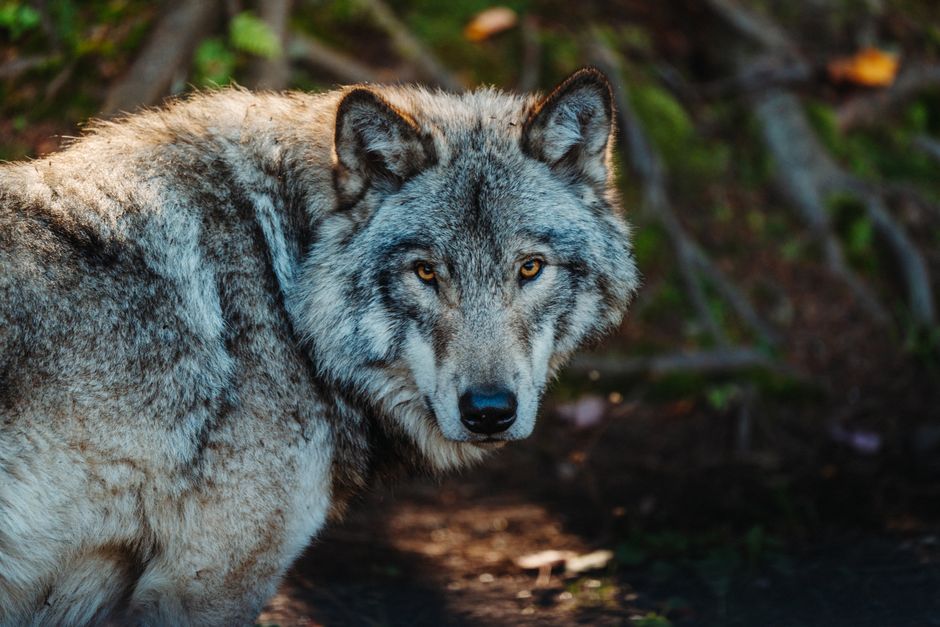
Bosland is home to healthy populations of black and grizzly bears, elk, moose, bighorn sheep, and mountain goats. Dawn and dusk are prime times. For elk and moose, cruise the Clearwater River Valley in early morning. Bighorn sheep are often seen on the cliffs along the first 10 miles of the Highland Ridge Road. Mountain goats frequent the high alpine areas near Cloud's Rest. Always use binoculars or a telephoto lens and maintain a safe distance of at least 100 yards from bears and wolves and 25 yards from all other wildlife.
Ranger-Led Programs
From late June through Labor Day, join free ranger programs. Offerings include evening campfire talks at major campgrounds, guided wildflower and geology walks along easy trails, and "Junior Ranger" sessions for kids. Check the park newspaper or visitor centers for daily schedules.
Photography Hotspots
1. Mirror Lake at Sunrise: For perfect reflections of Mount Tharon.
2. Grizzly Falls Overlook at Midday: When the sun illuminates the full cascade.
3. The Cirque of the Titans at Sunset: The last light paints the granite spires alpenglow.
4. Clearwater River Bend at Dawn: For misty scenes with elk and moose.
5. Cloud's Rest Summit: For expansive panoramic shots of the entire park (accessible via Highland Ridge Road).
Where to Stay
Lodges & Cabins
Silver Creek Lodge ($$$): The park's flagship historic lodge, open year-round. Offers hotel-style rooms and a fine-dining restaurant. Reservations open 13 months in advance and book quickly.
Pinehaven Cabins ($$): Rustic but comfortable cabins near the north entrance. Open late May to early October. Reserve 6 months ahead.
Highland Camp Cabins ($): Simple, no-frills cabins at the base of the Highland Ridge. First-come, first-served only; available June-September.
Campgrounds
Reservation-Only (via Recreation.gov): Mirror Lake Campground (120 sites, flush toilets) and Clearwater Campground (85 sites). Reservations are essential for summer and release 6 months in advance.
First-Come, First-Served: Pinehaven Meadows (75 sites), Grizzly Creek (50 sites), and others. These typically fill by 10 AM in peak season.
Seasonality: Most campgrounds are open from late May to late September. Only Silver Creek Campground (30 sites) is open year-round with limited winter facilities.
Gateway Communities
Silver Creek (West): Largest gateway, with a range of hotels, motels, and vacation rentals. 5 minutes from the west entrance.
Pinehaven (North): Quaint town with B&Bs and a few small motels. 10 minutes from the north entrance.
Riverton (East): More budget-friendly chain hotels. 45 minutes from the less-used east entrance.
How to Get to Bosland National Park
Bosland is remote, and a car is essential for exploration. The two primary entrances are the West Entrance near Silver Creek and the North Entrance near Pinehaven.
From Bozeman, MT (BZN Airport): Take US-191 north for 2.5 hours to the West Entrance.
From Missoula, MT (MSO Airport): Take I-90 east to MT-83 north, then MT-200 east. Approx. 3 hours to the North Entrance.
From Spokane, WA (GEG Airport): A 4-hour drive via I-90 east and US-95 south to the West Entrance.
There is no public transportation into the park. Limited private shuttle services operate from Silver Creek to key trailheads in summer; book in advance. Driving distances: Bozeman (140 mi), Missoula (165 mi), Spokane (220 mi).
Entrance Fees, Passes & Reservations
Entry to Bosland National Park requires a pass. Per Vehicle: $35, valid for 7 days. Per Person (hiker/biker): $20. Motorcycle: $30. For frequent visitors, the Bosland Annual Pass is $70.
The America the Beautiful Interagency Annual Pass ($80) is accepted and provides excellent value if visiting multiple parks. As of 2024, Bosland does not require a timed entry reservation for general park access. However, specific activities like backcountry camping require a permit obtained via Recreation.gov or at visitor centers. Always check the official park website for the latest fee and reservation information before your trip.
Packing Essentials & Gear Recommendations
Packing for Bosland means preparing for rapid weather changes. The key is layering. A moisture-wicking base layer, insulating mid-layer (fleece/puffy), and waterproof/windproof outer shell are mandatory year-round. For footwear, sturdy, broken-in hiking boots with ankle support are non-negotiable for trails.
Safety Essentials: Carry bear spray (know how to use it), a water filtration system (streams look clean but may contain parasites), a basic first-aid kit, a physical map and compass (GPS can fail), and a headlamp. For day hikes, pack the Ten Essentials.
Seasonal Additions: Summer: wide-brim hat, sunscreen, insect repellent. Spring/Fall: extra warm layers, traction devices for possible ice. Winter: heavy insulated jacket, snow pants, insulated boots, snowshoes/skis.
Photography: A wide-angle lens for landscapes and a telephoto (200-400mm+) for wildlife are ideal. Pack extra batteries, as cold drains them quickly.
Accessibility Information
Bosland is committed to making the park experience available to all. The Silver Creek and Pinehaven Visitor Centers are fully accessible, with tactile exhibits and captioned films. Paved, accessible trails include the 1.0-mile Lakeshore Loop and the 0.5-mile Grizzly Falls Overlook trail. Accessible restrooms are available at all major facilities.
The park offers All-Terrain Wheelchairs for free loan at the Silver Creek Visitor Center, capable of traversing some gravel and hard-packed dirt trails. Accessible campsites with hardened surfaces and appropriate furniture are available at Mirror Lake, Pinehaven Meadows, and Silver Creek Campgrounds. Accessible lodging rooms are available at Silver Creek Lodge. Service animals are permitted but must be under control at all times; be aware of the significant presence of wildlife.
Sample 3-Day and 5-Day Itineraries
3-Day Highlights Itinerary
Day 1 (West Side): Enter via Silver Creek. Hike the Emerald Basin Trail. Visit the Silver Creek Visitor Center. Enjoy dinner and sunset at Mirror Lake.
Day 2 (Highland Ridge): Drive the Highland Ridge Road, stopping at all major overlooks. Take short walks to viewpoints. Have a picnic lunch at Cloud's Rest. Return via the North Entrance, spotting wildlife in the Clearwater Valley at dusk.
Day 3 (North Side): Hike the moderate Silver Pass trail from the Pinehaven area. Visit the historic ranger station. Enjoy a farewell campfire talk at Pinehaven Campground.
5-Day In-Depth Itinerary
Days 1 & 2: Follow the 3-day itinerary, but add a ranger program and spend more time exploring side trails off the Highland Ridge Road.
Day 3 (Backcountry Lite): Hike into a backcountry cabin or campground (permit required) like the Skyline Camp for an immersive overnight.
Day 4 (East Side Exploration): Drive to the quieter east side. Hike the less-traveled trails in the Aspen Grove area, looking for moose.
Day 5 (Leisure & Learning): Enjoy a leisurely morning. Participate in a ranger-led geology walk. Revisit a favorite spot for final photos before departing.
Family-Friendly Tips
Bosland is a fantastic classroom for kids. Start at a visitor center to pick up a Junior Ranger booklet; completing activities earns a badge. The best easy trails for families are the Lakeshore Loop (paved, flat) and the Grizzly Falls Overlook. Strollers work well on these paths. For lodging, the Pinehaven Cabins offer a fun, rustic experience. Keep children engaged by turning hikes into scavenger hunts for animal tracks, different pine cones, or specific wildflowers. Always carry plenty of snacks and water, and set realistic distance goals. Evening ranger campfire programs are a hit with all ages.
Rules, Safety & Leave No Trace
Wildlife Safety: Never approach or feed animals. Store all food, trash, and scented items in bear-proof lockers or hard-sided vehicles. While hiking, make noise, especially in dense brush or near running water.
Trail Etiquette: Uphill hikers have the right of way. Stay on designated trails to protect fragile vegetation. Yield to pack stock (horses/mules).
Weather Hazards: Be prepared for sudden storms. Get off ridges and away from isolated trees during lightning. Never attempt to cross a flooded stream or river.
Leave No Trace: Pack out all trash. Use established campsites. Bury human waste 6-8 inches deep and 200 feet from water. Wash dishes away from water sources. Leave rocks, plants, and historical artifacts undisturbed.
Permits: A free permit is required for all overnight backcountry camping, available at visitor centers or via Recreation.gov. Quotas are in effect for popular zones.
Nearby Attractions
Extend your trip by exploring the region. Glacier National Park is a 4.5-hour drive north, offering its own iconic Going-to-the-Sun Road. Closer to home, the Clearwater National Forest surrounds Bosland and offers excellent fishing, hiking, and dispersed camping. The Historic Silver Creek Mining District (30 minutes west) features well-preserved ghost towns and informative tours. For a scenic drive, the Pioneer Mountains Scenic Byway (2 hours south) winds through stunning alpine scenery and past hot springs.
FAQ About Visiting Bosland National Park
How many days do you need in Bosland National Park?
A minimum of three full days is recommended to experience the scenic drives, hike a few major trails, and have time for wildlife viewing. Five days allows for a more relaxed pace and exploration of quieter areas.
Can you see Bosland in one day?
Yes, but you'll be limited. Focus on one area: drive a portion of the Highland Ridge Road (if open) or explore the Clearwater Valley, and take one or two short hikes like Lakeshore Loop and Grizzly Falls Overlook.
Are there bears in Bosland?
Yes. Both black bears and grizzly bears inhabit the park. Proper food storage and carrying bear spray are essential. Be bear-aware by making noise on trails and hiking in groups.
Is Bosland dog-friendly?
Very limited. Pets are prohibited on all trails, in the backcountry, and in buildings. They are allowed in developed areas, campgrounds, and along roadsides but must be on a leash (6ft max) at all times.
What is the closest airport to Bosland?
Bozeman Yellowstone International (BZN) is the closest major airport, about a 2.5-hour drive to the West Entrance. Missoula International (MSO) is a 3-hour drive to the North Entrance.
Do I need a reservation for Bosland?
You do not need a reservation to simply enter the park. However, you need reservations for campgrounds, lodges, and backcountry permits, all of which should be secured well in advance for summer visits.
When does Bosland close?
The park is open 24/7, year-round. However, most visitor services, campgrounds, and roads (like Highland Ridge) close seasonally due to snow, typically from late October to late June. The Silver Creek area remains accessible in winter.
Is there cell service in the park?
Cell service is very limited and unreliable throughout most of Bosland. Do not depend on your phone for navigation or communication. Download maps and information beforehand.
Can I swim in the lakes?
Swimming is allowed in most lakes, but the water is extremely cold year-round, often near freezing. There are no lifeguards. Use extreme caution.
Conclusion
Bosland National Park is more than a destination; it's an experience that lingers in the soul. It's the chill of mountain air at dawn, the awe of standing beneath a towering waterfall, and the profound quiet of an ancient forest. This guide has equipped you with the knowledge to navigate its wonders, from securing a campsite under the stars to finding the trail that calls to your spirit. As you plan your journey, remember that the magic of Bosland lies in its wild, untamed heart. Visit with respect, tread lightly, and carry out not only your memories but also your commitment to preserving this extraordinary place for generations to come. Your adventure into the majesty of the Northern Rockies awaits.


No comments:
Post a Comment