
Navigating Boston Like a Local: Your Ultimate Guide to Mastering the City's Secrets
Introduction: The Boston Pulse
The first breath of Boston is salt-tinged, carried on a breeze from the Harbor. It hits you as you emerge from the subterranean rumble of South Station, a sensory overture to the city's symphony. The sharp, rhythmic clatter of heels on brick, the distant, mournful cry of a ferry horn, the sweet, buttery scent of a nearby bakery wrestling with the earthy aroma of damp pavement from a recent rain.
Neon from a dive bar sign glows in a puddle, reflecting a distorted slice of the city's skyline—a jagged mix of colonial steeples and glassy modern towers. This is Boston: not a city that shouts, but one that murmurs with the weight of history and the vibrant energy of the now. It's a city best understood by its rhythm, a distinct urban cadence found in the screech of Green Line trolleys, the hushed reverence of a library reading room, and the raucous cheers echoing from a Fenway Park bleacher.
City travel is transformative because it demands you become a participant, not just an observer. Boston, with its winding, cow-path streets and fiercely proud neighborhoods, offers a masterclass in this engagement. It's a city of layers, where a cutting-edge tech startup operates above a Revolutionary-era tavern.
This guide is your key to peeling back those layers. We will move beyond the Freedom Trail markers to the hidden courtyards they bypass. You'll learn to navigate the T like a seasoned commuter, feast where the chefs themselves eat, and find serenity in the city's secret green spaces. Our purpose is to equip you to explore efficiently, safely, and with profound authenticity.
You will master the architecture of a daily budget, the art of neighborhood immersion, and the subtle codes of local etiquette. You'll learn when to rely on the metro and when to lose yourself on foot. Consider this your invitation to step off the well-worn tourist path and discover Boston through the eyes—and the heartbeat—of those who know it best.
Pre-Trip Planning: Blueprinting Your Boston
True exploration begins long before you board the plane. Planning for Boston isn't just about booking flights; it's about mapping moods and aligning your visit with the city's unique tempo. Start by researching neighborhoods not just as destinations, but as characters in Boston's story.
Understand the scholarly bustle of Cambridge versus the brownstone-lined, family-friendly streets of the South End. Contrast the financial district's suited rush with the indie, artsy pulse of Jamaica Plain. This knowledge lets you craft days with intentional rhythm.
Investigating the Local Calendar
Boston's soul is revealed in its events. Will your visit coincide with the dizzying opening day at Fenway? The patriotic spectacle of the Fourth of July Harborfest? Or the cozy, festive magic of the Christmas markets at Faneuil Hall? Check city event calendars, university boards, and local blogs like Boston Magazine or Universal Hub for festivals, gallery openings, and neighborhood block parties.
Budget Architecture
Construct your daily budget with Boston's specific costs in mind. Accommodation will be your largest expense, with dorm beds starting around $50/night, solid mid-range hotels at $200-$300, and luxury properties soaring above $500. Factor in a daily transport budget of $12-15 for a T pass. Street food and casual eats can be had for $10-15 a meal, while a fine dining experience easily exceeds $100 per person.
Safety and Cultural Pre-Learning
For urban environments, ensure your travel insurance covers trip interruption, emergency medical evacuation, and theft. Register your trip with your embassy for critical alerts. Digitally, back up documents to the cloud and prepare a separate digital wallet. Culturally, begin with history; understanding the city's Revolutionary and immigrant past provides essential context for its present pride and social norms, which lean towards reserved politeness initially.
Choosing Accommodation: Your Urban Basecamp
Where you sleep in Boston dictates the texture of your experience. The choice is a strategic one: the convenience of a transit hub versus the authentic immersion of a residential enclave. Your home base should echo the rhythm you seek.
For seamless access to major sights, target areas near Downtown Crossing, Back Bay (by Copley Square), or the North End. These put you in the heart of the action, with the hum of the city as your constant soundtrack. For a more local, neighborhood feel, consider the tree-lined streets of Charlestown, the vibrant diversity of East Boston (with stunning skyline views), or the artistic calm of Somerville's Davis Square, just a short T ride away.
Accommodation Types & Budgets
Boston offers a rich tapestry of stays. Historic boutique hotels abound in converted 19th-century buildings in Beacon Hill, offering old-world charm. Social hostels with rooftop bars can be found near Fenway. For a true local immersion, a carefully vetted Airbnb in a South End brownstone or a Cambridge triple-decker is unparalleled. Luxury clusters in the Back Bay and waterfront, offering panoramic vistas.
Booking Tactics and Safety
Target neighborhoods by vibe: Back Bay for shopping and elegance, the North End for food-centric wandering, Cambridge for a collegiate, intellectual energy. Always verify the safety of your chosen location. Cross-reference street views, check for proximity to well-lit T stations, and read recent reviews mentioning neighborhood noise and walkability at night.
Transportation Within the City: Mastering the Flow
Boston's circulatory system is a mix of ancient pathways and modern transit. Mastering it is your first act of becoming a temporary local. The rhythm of the city is set by the screech and rumble of the Massachusetts Bay Transportation Authority—the "T."
Public Transport Mastery
The T's color-coded lines (Red, Green, Blue, Orange, Silver) are your lifelines. Purchase a reusable CharlieCard for the lowest fares ($2.40 per subway ride vs. $2.90 with a paper ticket). A 7-Day LinkPass for unlimited travel is $22.50. Study the map: the Green Line branches, the Red Line connects Harvard to downtown, and the Silver Line is a crucial bus rapid transit link from Logan Airport.
Ride-Sharing, Taxis, and Active Exploration
Ride-sharing (Uber/Lyft) is ubiquitous and often more reliable than hailing a traditional taxi, especially in neighborhoods. For short, scenic hops, nothing beats walking. Boston is famously walkable, but its cobblestone streets demand comfortable shoes. For longer distances, utilize the Bluebikes bike-share system, with stations across the city.
Night Transport and Scam Avoidance
Most T lines stop running around 12:30 AM. Night Owl bus services cover key routes until the early morning. After midnight, ride-shares are your safest bet. Avoid unlicensed "gypsy cabs." If using a taxi, ensure the meter is running. When on the T, keep your wallet in a front pocket and your bag closed and in front of you during crowded rush hours.
Must-Have Essentials While Exploring
Your daily kit determines your endurance and enjoyment. Boston's weather is famously mercurial; a sunny morning can dissolve into a chilly, damp afternoon. Layer like a local: a moisture-wicking base, a insulating mid-layer, and a waterproof outer shell are non-negotiable.
Footwear is paramount. You'll be traversing brick, cobblestone, and uneven sidewalks. Broken-in, supportive walking shoes are your most valuable possession. In your daypack, carry a reusable water bottle—Boston's tap water is excellent, and refill stations are common. Include portable snacks (trail mix, energy bars), sunscreen, and a high-capacity portable charger.
Connectivity and Safety Gear
Upon arrival at Logan, consider a local SIM or an eSIM for seamless data. Essential apps to download pre-trip include the MBTA tracker, Citymapper, and Google Maps (download the Boston area offline). For safety, a cross-body bag with slash-resistant straps is ideal. Carry photocopies of your passport and a credit card separate from your originals. A money belt is useful for excess cash.
Food and Dining Tips: A Taste of the Town
Boston's culinary scene is a reflection of its history and harbor. The steam rising from a food cart holding a perfect lobster roll is as iconic as the State House dome. To eat well here is to understand its hierarchies and specialties.
For street food and quick bites, follow the locals. The crowded stalls at Faneuil Hall's Quincy Market have high turnover, a good sign. But venture to the food truck pods at Dewey Square or the Rose Kennedy Greenway for more innovative, chef-driven options. Observe cooking temperatures and crowd density as your safety guides.
Restaurant Hierarchy and Culinary Specialties
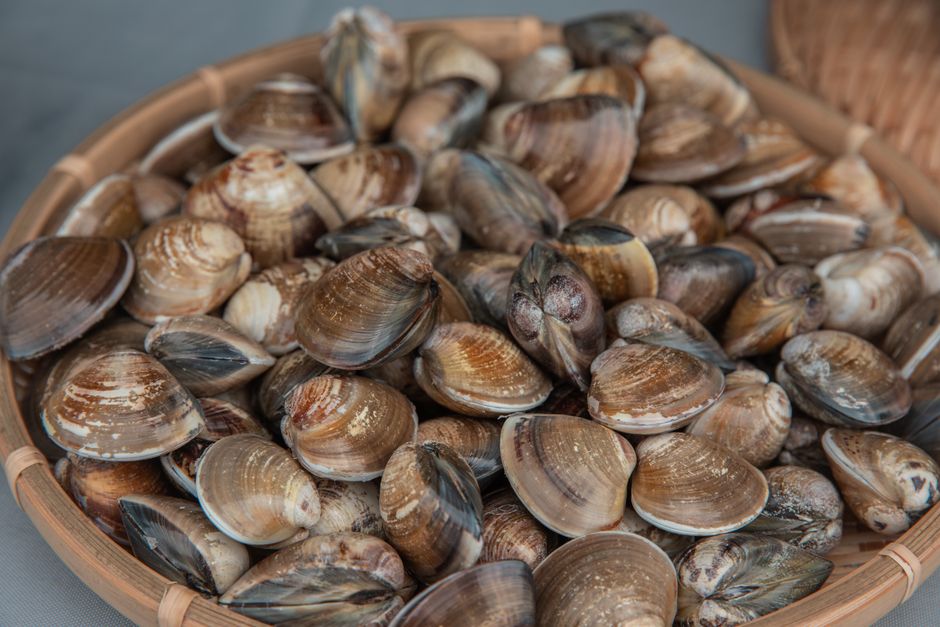
Avoid tourist traps with menus featuring giant photos. Seek out places tucked down side streets in the North End, packed on a Tuesday night with locals speaking Italian. Boston's signatures include: the North Shore-style lobster roll (served cold with mayo), a proper bowl of creamy clam chowder, Boston baked beans, and a Fenway Frank.
Meal Timing, Diets, and Payment
Boston dines relatively early. Prime dinner reservations are often 6:30-8:30 PM. Many finer restaurants are closed on Mondays. Vegetarian and vegan options are plentiful, especially in Cambridge and Somerville. While most places accept cards, some iconic, old-school spots in the North End or dive bars are cash-only. Tipping 18-20% is standard, as service charges are rarely included.
Budgeting & Money Management
Navigating Boston's economy requires a smart mix of cash and digital savvy. While ATMs offer the best exchange rates, avoid airport and hotel lobby machines with high fees. Use bank-affiliated ATMs. Carry a modest amount of cash ($40-60) for markets, food trucks, and cash-only establishments.
Digital payments are king. Contactless credit/debit cards work almost everywhere. Mobile wallets like Apple Pay and Google Pay are widely accepted. For group travel, use apps like Splitwise to track shared expenses seamlessly.
Tipping Culture and Hidden Costs
Beyond restaurants, tip $1-2 per drink at bars, $2-5 per night for hotel housekeeping, and 15-20% for taxi or ride-share drivers. Anticipate hidden costs: a 14.45% city and state hotel tax on your room, paid public restrooms in some areas, and "destination fees" at some hotels that cover amenities you may not use.
Sightseeing and Experiences: Beyond the Trail
The key to conquering Boston's sights is geographic clustering and strategic timing. Don't zigzag from Charlestown to Fenway in one day. Group by neighborhood: spend a morning tracing the Freedom Trail from Boston Common to Faneuil Hall, then explore the adjacent North End.
To beat crowds, visit major sites like the Isabella Stewart Gardner Museum at opening on a weekday, or book last-entry tickets to the Museum of Fine Arts for a quieter experience. The Boston CityPASS can offer savings if your itinerary aligns perfectly with its included attractions.
Hidden Gems and Tour Selection
Venture beyond the obvious. Find street art in the SoWa (South of Washington) district, sip coffee in the hidden courtyard of the Boston Public Library, or watch the city glow from the rooftop at the Envoy Hotel. For tours, "free" walking tours (tip-based) offer great overviews, but consider specialized tours like a Black Heritage Trail walk or a guided food crawl in the North End.
Timing Mastery and Cultural Venues
Capture the golden hour glow on the Charles River Esplanade with the Back Bay skyline as your backdrop. See the Custom House Tower illuminated at night. Museums are quieter on weekdays; performance spaces like the Symphony Hall or the Wang Theatre require booking well in advance.
Safety Tips: Urban Awareness
Boston is generally a safe city, but urban vigilance is essential. Exercise increased caution in less-frequented areas after dark, such as parts of Dorchester or Mattapan, and be aware of your belongings in crowded tourist zones like Downtown Crossing.
Personal security is about smart habits. Wear your bag across your body, with the compartment against you. Distribute cash and cards between your wallet, a money belt, and your hotel safe. Be especially mindful of your phone—don't leave it on café tables or loosely in your back pocket.
Night Navigation and Emergency Prep
In nightlife districts like Lansdowne Street, stay with your group and use official transport or ride-shares to get home. Avoid unlit shortcuts through parks or alleys. Know the local emergency number: 911. Locate the nearest police precinct and have your embassy's contact information saved.
Digital and Health Safety
Avoid conducting banking on public Wi-Fi; use a VPN if necessary. Consider an RFID-blocking wallet. Health-wise, Boston tap water is safe to drink. Air quality is generally good, but pollen counts can be high in spring/fall. Know the location of major hospitals like Mass General.
Cultural Etiquette: The Unspoken Codes
Bostonians are direct, proud, and often in a hurry, but famously loyal and warm once you break the ice. Initial interactions may be brisk. A firm handshake and direct eye contact are standard greetings. On public transit, maintain a low volume—loud phone conversations are frowned upon.
Dress codes are situational. While Boston is generally casual, upscale restaurants and performing arts venues warrant "smart casual." When visiting sacred spaces like the Old North Church or Trinity Church, dress modestly.
Language and Interaction Protocols
While English is universal, learning a few local phrases helps. It's "The Hub," "The T," and "Dunk's" (for Dunkin' Donuts). Always ask permission before photographing people, especially in residential neighborhoods. Haggling is not customary except in some flea markets. Respect personal space in crowded conditions.
Sacred Spaces and Environmental Consciousness
In churches and historic sites, observe silence, turn off your flash, and follow posted rules about photography. Boston has a strong environmental ethos. Recycle using blue bins, be prepared to pay for single-use bags at stores, and utilize the city's many water refill stations to reduce plastic waste.
Technology and Apps: Your Digital Toolkit
Your smartphone is your most powerful travel tool in Boston. For navigation, Google Maps is essential, but for public transit, the official MBTA app or Transit App provides real-time train and bus locations, crucial for the often-unpredictable T.
For language (though rarely needed), the Google Translate camera function can decipher historic documents or specialized menus. For mobility, use the Bluebikes app for bike-share, and have both Uber and Lyft installed to compare prices and wait times.
Food Tech and Experience Booking
Use OpenTable or Resy for restaurant reservations, especially for popular spots. For reviews, cross-reference Yelp with Google. For experiences, book skip-the-line tickets directly on museum websites. Use apps like TodayTix for last-minute theater and performance deals.
For communication, WhatsApp is universally used. Ensure you have a data plan to stay connected with new acquaintances and for real-time navigation.
Capturing Memories: Beyond the Selfie
Documenting your Boston journey requires ethics and artistry. Always ask for permission before photographing people's faces, especially in cultural enclaves. Respect "no photography" signs in museums like the Gardner.
For stunning skyline shots, cross the river to the Cambridge side for sunset, or capture the financial district from the Charlestown Navy Yard. Protect your gear; never leave a camera unattended on a tripod.
Written Reflection and Social Sharing
Keep a travel journal or voice memos to capture sensory details—the taste of a cannoli from Mike's, the sound of a street musician in the Common. When sharing online, geotag responsibly. Consider tagging a neighborhood rather than a specific, fragile hidden gem to prevent overtourism.
For souvenirs, collect textures and stories: a used "T" map, a pressed flower from the Public Garden, or a playlist of songs you heard in local shops. These hold more meaning than mass-produced trinkets.
Conclusion: Claiming Your Piece of the City
As the first light of dawn paints the gold dome of the State House in a soft pink hue, and you sit in a North End café, the city's rhythm is no longer a mystery but a familiar pulse you've learned to move with. You've mastered the art of preparation meeting spontaneity. You know that respect for history and local life opens doors to authentic connections, and that curiosity, not just a guidebook, leads to the best discoveries.
You leave Boston not just having seen it, but having felt it. You've supported local businesses, traveled with humility, and left neighborhoods as vibrant as you found them. Whether you're a solo adventurer finding solace on the HarborWalk, a family making memories at the Museum of Science, or a business traveler uncovering a jazz club after a conference, Boston reveals a different facet to each visitor.
You are now equipped with the confidence to navigate its challenges and the sensitivity to appreciate its subtleties. The ultimate tip is this: book the ticket, embrace the unexpected turn down a cobblestone alley, and share your discoveries to inspire the next traveler. Your Boston awaits—go and claim your piece of it.


No comments:
Post a Comment