
Brabantse Wouden National Park: The Ultimate Visitor's Guide | Tips, Trails & Things to Know
Introduction
In the heart of the Netherlands, where the land whispers ancient tales of peat and heather, lies a realm of profound tranquility and surprising wildness: Brabantse Wouden National Park. This is not a landscape of jagged peaks, but of subtle, soul-stirring beauty. Encompassing over 40,000 acres in the province of North Brabant, the park is a meticulously preserved tapestry of expansive forests, rolling sand dunes, mysterious peat bogs, and historic heathlands that blush violet in late summer. Its significance is recognized globally, forming a core part of the UNESCO-designated Brabantse Wouden Biosphere Reserve, a testament to its harmonious blend of nature, culture, and sustainable human activity.
What makes Brabantse Wouden globally unique is its intricate "esdorpen" landscape—a medieval system of small villages ("dorpen") surrounded by communal fields ("essen") and encircled by vast, communal woods and heaths. This creates a patchwork of ecosystems where ancient oak and beech forests give way to open, wind-swept plains, all resting on a gentle elevation range from just 15 feet above sea level in the wetter lowlands to a modest 130 feet at its highest sandy ridges. Welcoming approximately 1.2 million visitors annually, it offers a sanctuary for rare species like the European nightjar and the smooth snake, and a peaceful retreat for those seeking to walk, cycle, and breathe in the quiet majesty of Dutch nature. This guide will equip you to discover its secrets, covering the best times to visit for stunning blooms or golden autumn hues, the top trails that wind through its silent woods, practical details on fees and lodging, and insider tips to experience the park like a local.
Quick Park Facts
- Year Established: 2001 (National Park status).
- Size: 40,500 acres (16,400 hectares).
- Annual Visitors: Approximately 1.2 million.
- Elevation Range: Lowest point at 15 feet (4.5m), highest point at 130 feet (40m).
- Entrance Fee: The park itself is free to enter. Parking fees apply at managed lots, typically €5-€8 per day. An annual parking pass for all lots is available for €35.
- Lodging: No lodges inside the park. 6 official campgrounds (from basic to full-service) and numerous "natuurcampings." Over 25 B&Bs and holiday homes in gateway villages.
- Pets Policy: Dogs are welcome but must be kept on a leash at all times, especially during ground-nesting bird season (March 15 - July 15).
- Nearest Airports: Eindhoven Airport (EIN) - 45 minutes; Amsterdam Schiphol (AMS) - 1.5 hours.
- Gateway Towns: Oisterwijk (south), Heeze (east), Eersel (west).
- Accessibility: Several paved and compacted gravel trails suitable for wheelchairs and strollers, including routes around the Oisterwijkse Vennen lakes. Accessible facilities at major visitor centers.
Best Times to Visit Brabantse Wouden National Park
Each season paints the Brabantse Wouden with a distinct palette and atmosphere. Your ideal time depends on whether you seek floral displays, vibrant foliage, or solitary walks.
Spring (March-May)
Temperatures range from a crisp 40°F to 65°F (4°C to 18°C). April and May are relatively dry. This is the season of reawakening: the forest floor erupts in a carpet of wood anemones and bluebells, creating magical scenes, particularly in the ancient Groene Woud forest. Birdlife is exceptionally active. Crowds are moderate, increasing on sunny weekends. All roads and facilities are open. Pros: Spectacular wildflowers, active wildlife, pleasant hiking weather. Cons: Unpredictable rain showers, can still be chilly, especially in early spring.
Summer (June-August)
Warmest months, with temperatures between 55°F and 75°F (13°C to 24°C), though heatwaves can push it higher. Afternoon thunderstorms are possible. This is peak season, especially around the popular swimming and boating lakes like the Oisterwijkse Vennen. The heathlands are still green. Wildlife viewing is best at dawn and dusk. Pros: Long daylight hours, all facilities operational, opportunity for swimming. Cons: Busiest trails and parking lots, insects can be prevalent in boggy areas.
Fall (September-November)
The premier shoulder season. Temperatures cool from 65°F to 45°F (18°C to 7°C). The park is set ablaze with color as beech and oak forests turn gold and russet, peaking in late October. The heathlands bloom a stunning purple with heather in early September. Crowds diminish significantly after September. Migratory birds fill the skies. Pros: Stunning fall foliage and heather, fewer crowds, excellent hiking conditions. Cons: Days grow shorter, increased chance of rain and fog in November, creating a mystical but damp atmosphere.
Winter (December-February)
Cold and often damp, with temperatures hovering between 30°F and 45°F (-1°C to 7°C). Snow is occasional but not guaranteed; frost and mist are more common, coating the forests in a silent, fairy-tale frost. The park is at its quietest. Some smaller visitor centers may have reduced hours, but trails remain open. It's a time for contemplative walks and spotting animal tracks in the sand. Pros: Extreme solitude, dramatic misty landscapes, no parking issues. Cons: Short days, cold and wet conditions, limited services.
Shoulder Season Recommendation: For the absolute best balance of good weather, stunning scenery, and manageable crowds, target late April to early June for spring flowers or mid-September to late October for autumn colors and heather.
Top Things to Do in Brabantse Wouden National Park
Iconic Scenic Drives
The Hei & Ven Route (45 miles / 70 km, 2-3 hours): This signed route is the quintessential introduction. It loops from Oisterwijk through the core of the park, connecting the "vennen" (lakes) area with the vast heathlands of the Strabrechtse Heide. Key viewpoints include the Heezerenbos lookout tower and the panoramic views across the heath from the Grote Heide car park.
The Esdorpenland Route (30 miles / 50 km, 1.5-2 hours): A cultural-historical drive focusing on the unique "esdorpen" landscape. Wind through picturesque villages like Heeze, Leende, and Maarheeze, seeing the traditional farmhouses nestled between fields and forests. Stop at the Museum 't Oude Slot in Heeze for context.
Best Hiking Trails
Easy:
Oisterwijkse Vennen Loop (3.1 miles / 5 km, loop, minimal gain): A family-friendly classic circling a chain of serene lakes and ponds. Boardwalks cross over wetlands, with opportunities to see waterfowl and dragonflies. Start at the Oisterwijk Forestry Office (Boslust).
Strabrechtse Heide Plankenpad (1.2 miles / 2 km, loop, minimal gain): A fully accessible wooden boardwalk that ventures right into the heart of the vast heathland. Perfect for sunset views and heather blooms in September.
Moderate:
Groene Woud Wandelpad (7.5 miles / 12 km, loop, 150 ft gain): A journey through one of the oldest deciduous forests in the Netherlands. Ancient oaks and beeches dominate this trail, with a rich understory. Feels profoundly primeval, especially in spring and fall.
Heezerenbos & Cartierheide Trail (6.2 miles / 10 km, loop, 200 ft gain): Combines dense, atmospheric pine forest (Heezerenbos) with open, sandy heaths (Cartierheide). Look for Scottish Highlander cattle and wild ponies grazing.
Strenuous:
Brabantse Wouden Lange-Afstand-Wandelpad (LAW) Segment (15.5 miles / 25 km, point-to-point, 350 ft gain): For serious hikers, a segment of the long-distance trail that crosses the entire park. Traverses the full variety of landscapes: forests, heaths, sand drifts, and small villages. Requires planning for transportation.
De Malpie & Valkenhorst Loop (11 miles / 18 km, loop, 300 ft gain): A challenging and rewarding loop starting near Valkenswaard, taking in the wet heath and fens of the Malpie nature reserve, known for its unique flora and birdlife, before looping through varied woodlands.
Wildlife Viewing Hotspots
The park is a haven for characteristic species. Scottish Highlanders and Konik horses roam freely on the Strabrechtse Heide and Cartierheide, acting as natural landscapers. Dawn and dusk are best for viewing. The wetter areas and fens are home to beavers; look for gnawed trees and lodges along the Rosep and Kleine Aa streams. Birdwatchers should head to the Oisterwijkse Vennen for grebes and herons, and the open heath for European nightjars (a rare, nocturnal bird) in summer evenings. Roe deer are common throughout the forests.
Ranger-Led Programs
Staatsbosbeheer (State Forestry) and other organizations offer excellent programs. In summer, join guided heathland walks at sunset or family-oriented "forest bathing" sessions. In fall, fungus forays are popular. Special night walks to listen for owls and nightjars are a unique experience. Book in advance via the park's official website.
Photography Hotspots
1. Strabrechtse Heide at Sunrise/Sunset: The low sun sets the purple heather (Sept) or golden grass aflame. The solitary trees make perfect silhouettes.
2. Oisterwijkse Vennen Reflection Pools: At dawn on a still day, the lakes provide mirror-perfect reflections of pine trees.
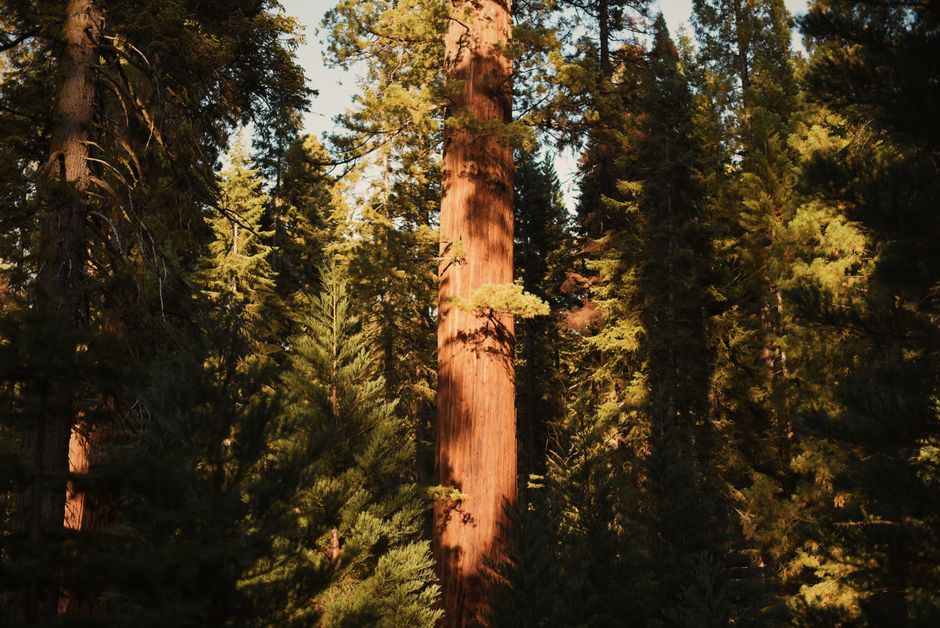
3. Groene Woud Forest Interior (Spring/Fall): Capture sunbeams filtering through the canopy onto a carpet of bluebells (spring) or golden leaves (fall).
4. Plankenpad Boardwalk Leading into the Mist: On autumn or winter mornings, the boardwalk vanishing into the heathland mist is ethereal.
5. Heezerenbos Lookout Tower: A elevated view over the endless sea of tree canopies, especially dramatic under rolling clouds.
Where to Stay
Lodges & Cabins
There are no large hotels within the park boundaries. Instead, opt for charming holiday homes or B&Bs in the surrounding forest. Landgoed Heezerenbos offers upscale self-catering cottages on a historic estate ($$$). Natuurhuisje.nl lists dozens of private, often eco-friendly cabins and cottages nestled in the woods ($$-$$$). For a unique stay, consider Herberg de Swaen in Oisterwijk, a historic inn with modern rooms ($$). Reservations for popular properties open 6-12 months in advance, especially for summer and fall weekends.
Campgrounds
Camping immerses you in the park's sounds and scents. Camping de Lakense Bergen near Eersel is a large, family-friendly site with a pool and direct trail access (reservations recommended). Natuurcamping De Heische Tip in Heeze is a quieter, more basic site amidst the trees (mixed reservation/FCFS). Mini-camping 't Schop in Oisterwijk is a small, peaceful farmstead campsite (FCFS). Most campgrounds are open from April through October, with a few offering limited winter pitches.
Gateway Communities
For hotel amenities and restaurants, stay in the welcoming gateway towns. Oisterwijk (south entrance) is the main hub, with a range of hotels, shops, and eateries, and direct access to the Vennen. Heeze (east entrance) is smaller and quieter, with a castle and direct heathland access. Eersel (west entrance) features a beautifully preserved historic market square. All are within a 5-15 minute drive of park entrances.
How to Get to Brabantse Wouden National Park
The park is centrally located in the Netherlands and is most easily explored with your own vehicle. From Amsterdam, take the A2 south towards Eindhoven, then the A67/E34 towards Antwerp. Exits for Oisterwijk, Heeze, or Eersel will lead you to park entrances (approx. 1.5 hours, 85 miles). From Eindhoven, it's a straightforward 20-30 minute drive via the N69 or A67. From Rotterdam, take the A16/A58 towards Tilburg/Breda, then connect to the A65 towards 's-Hertogenbosch, exiting for Oisterwijk (approx. 1 hour, 50 miles).
The nearest major airport is Eindhoven Airport (EIN), 45 minutes away, with full rental car services. Amsterdam Schiphol (AMS) is 1.5 hours away but offers more international connections. Public transport is possible but requires planning: trains run to Tilburg or Eindhoven, from where regional buses (e.g., Hermes line 170) serve Oisterwijk and Heeze. However, to reach trailheads and explore freely, a car or bicycle is highly recommended.
Entrance Fees, Passes & Reservations
Access to the trails and landscapes of Brabantse Wouden National Park is free of charge. The primary cost for visitors is parking. Managed parking lots at popular access points (like Oisterwijkse Vennen, Strabrechtse Heide) charge a daily fee of €5 to €8, payable by card or coin. A convenient Brabantse Wouden Annual Parking Pass (€35) is valid for all official park lots and is excellent value for frequent visitors or those on a longer stay. It can be purchased online or at major visitor centers.
No timed entry or activity reservations are currently required for general park access. However, reservations are essential for guided tours, specific educational programs, and overnight stays at campgrounds and lodges. The park honors the Netherlands National Park Annual Pass for parking at participating lots. Note that the U.S. "America the Beautiful" pass does not apply here.
Packing Essentials & Gear Recommendations
Your packing list for Brabantse Wouden should prioritize comfort and preparedness for changeable weather. Layering is crucial: a moisture-wicking base, an insulating mid-layer (fleece), and a waterproof/windproof outer shell. For day hikes, bring a comfortable daypack, at least 1 liter of water per person, high-energy snacks, a detailed trail map (phone GPS is useful but not infallible), a basic first-aid kit, and a power bank. Sturdy, waterproof hiking boots or shoes are recommended as trails can be sandy, rooty, or muddy.
For camping, add a reliable tent with a good rainfly, a warm sleeping bag (rated for the season), and a sleeping pad. A headlamp is essential. While there are no bears, proper food storage in sealed containers is wise to deter smaller wildlife like foxes and martens. Photography gear should include a polarizing filter to cut glare on the lakes and a tripod for low-light shots in the dense forest or at sunrise on the heath. Don't forget binoculars for wildlife and bird watching.
Accessibility Information
Brabantse Wouden National Park is committed to providing access for all. Several trails are designed for wheelchair users and visitors with limited mobility. The Plankenpad on the Strabrechtse Heide is a fully accessible wooden boardwalk. The Vennenpad around the Oisterwijkse lakes features sections of paved and compacted gravel path suitable for strollers and wheelchairs. The main Visitor Centers in Oisterwijk and Heeze have accessible entrances, restrooms, and exhibits.
Service animals are permitted throughout the park but must remain under control. Some of the larger campgrounds, like De Lakense Bergen, offer accessible camping pitches and sanitary facilities. For detailed accessibility maps and current conditions of specific routes, contact the park information points ahead of your visit.
Sample 3-Day and 5-Day Itineraries
3-Day Highlights Itinerary
Day 1: Lakes & Forests. Base in Oisterwijk. Morning hike around the Oisterwijkse Vennen. Afternoon visit to the Oisterwijk Forestry Museum and an easy stroll in the nearby Groene Woud. Dinner in Oisterwijk's market square.
Day 2: Heathlands & History. Drive the Hei & Ven Route east. Spend the morning hiking on the vast Strabrechtse Heide (use the Plankenpad for easy access). Afternoon visit to Heeze Castle and its gardens. Enjoy a sunset from the Heezerenbos lookout tower.
Day 3: Sand Drifts & Villages. Explore the western section. Hike in the Cartierheide area, known for its shifting sands and pine forests. Afternoon visit to the historic town of Eersel for coffee and a walk through its ancient market.
5-Day In-Depth Itinerary
Days 1 & 2: Follow the 3-day itinerary at a more relaxed pace, adding a guided evening walk or a bike rental to explore the extensive cycling network.
Day 3: Deep Forest Immersion. Tackle the longer Groene Woud Wandelpad for a full-day hike through the oldest forests. Pack a picnic lunch to enjoy amidst the ancient trees.
Day 4: The Western Frontier. Focus on the De Malpie and Valkenhorst reserves near Valkenswaard. This wet heathland and fen ecosystem offers different scenery and birdlife. Look for beaver activity along the streams.
Day 5: Cultural Landscape. Explore the "esdorpen" by bike. Cycle from village to village (e.g., Heeze, Leende, Maarheeze), stopping at local cafes and small-scale museums to understand the human history woven into this landscape.
Family-Friendly Tips
Brabantse Wouden is a fantastic playground for children. Enroll them in the Dutch National Park Junior Ranger program, which offers activity booklets and special events. The easy, flat trails around the Oisterwijkse Vennen are perfect for little legs and are largely stroller-friendly. Many trails feature interactive elements like "kabouter" (gnome) paths or simple scavenger hunts available at visitor centers.
For lodging, choose a family-friendly campground like De Lakense Bergen with play areas, or a holiday home with space. Keep kids engaged by turning hikes into adventures: look for grazing Highland cattle, search for different animal tracks in the sand, or bring a simple net to pond-dip (with supervision). Always pack extra snacks, water, and a change of clothes—trails can be muddy!
Rules, Safety & Leave No Trace
Wildlife Safety: While there are no large predators, always observe grazing animals like Highland cattle and Konik horses from a safe distance (at least 80 feet / 25 meters). Do not feed or approach them. Store food securely to not attract foxes or rodents.
Trail Etiquette: Stay on marked trails to protect fragile heathland and dune ecosystems. Cyclists yield to hikers, and everyone yields to horse riders. Bikes are only permitted on designated cycle paths.
Weather Hazards: Be prepared for sudden rain showers. In open heathland, be aware of lightning during summer storms. In winter, trails can be icy and daylight is limited—plan accordingly.
Leave No Trace: Pack out all trash. Do not pick flowers or disturb wildlife. Camp only in designated campgrounds. Keep noise levels low to preserve the park's tranquil atmosphere. Fires are strictly prohibited outside of designated BBQ areas.
Permits: No permits are required for day hiking. For organized group activities or commercial photography, check with Staatsbosbeheer. Overnight backcountry camping ("wild camping") is not permitted.
Nearby Attractions
Extend your exploration of North Brabant with these nearby gems, all within an hour's drive. The innovative and futuristic Eindhoven (30 mins), home to the Van Abbemuseum and Philips Museum, offers a stark cultural contrast. To the north, the charming historic city of 's-Hertogenbosch (45 mins) boasts stunning canals, the magnificent St. John's Cathedral, and excellent restaurants.
Nature lovers can visit the Loonse en Drunense Duinen National Park (45 mins north), known as the "Brabant Sahara" for its extensive inland sand dunes. For a different water-based experience, the Biesbosch National Park (1 hour northwest) is one of Europe's largest freshwater tidal wetlands, perfect for canoeing. The Belgian city of Antwerp is also just over an hour's drive south, perfect for a day of art and architecture.
FAQ About Visiting Brabantse Wouden National Park
How many days do you need in Brabantse Wouden?
We recommend a minimum of 2-3 days to experience the key landscapes of forests, heath, and lakes. Five days allows for a deeper, more relaxed exploration, including cycling and visiting cultural sites.
Can you see Brabantse Wouden in one day?
Yes, a day trip is feasible. Focus on one area, such as the Oisterwijkse Vennen lakes combined with a short drive and walk on the Strabrechtse Heide heathland to get a good sense of the park's diversity.
Are there bears or wolves in the park?
No. The largest free-roaming animals are Scottish Highlander cattle and Konik horses. Wolves have returned to the Netherlands in very small numbers but are extremely elusive and not a concern for visitors.
Is Brabantse Wouden dog-friendly?
Dogs are welcome but must be kept on a leash at all times. This is critically important during the ground-nesting bird season (March 15 - July 15) to protect vulnerable wildlife.
What is the closest airport to the park?
Eindhoven Airport (EIN) is the closest, approximately a 45-minute drive. Amsterdam Schiphol (AMS) is about 1.5 hours away and offers more international flight options.
Do I need a reservation to enter the park?
No, you do not need a reservation or timed entry ticket for general park access. Reservations are only needed for specific guided tours, programs, and overnight accommodations.
When does the park close?
The park is open 24/7, year-round. However, visitor centers, some parking lots, and facilities have specific operating hours (typically 10am-5pm). Always check in advance for seasonal changes.
Can I swim in the lakes?
Swimming is only permitted in designated areas, such as the recreational parts of the Oisterwijkse Vennen. Look for signs. Do not swim in protected nature reserve lakes.
Is biking allowed in the park?
Yes, but only on the extensive network of designated cycle paths. Mountain biking is restricted to specific signed routes. Bikes are not allowed on most hiking-only trails.
Conclusion
Brabantse Wouden National Park is a testament to the subtle, enduring beauty of the Dutch landscape. It offers a rare kind of peace, found in the whisper of wind through ancient oaks, the vast, open silence of the heath, and the reflective stillness of its forest lakes. More than just a nature reserve, it is a living cultural canvas, where history is etched into the very fields and woods. Whether you come for a vigorous hike, a contemplative stroll, a family bike ride, or simply to breathe in the scent of pine and peat, this park will leave you refreshed and connected.
Our final tip: slow down. The magic of the Brabantse Wouden reveals itself not in ticking off landmarks, but in quiet observation—the play of light on a spiderweb, the track of a deer in the sand, the distant silhouette of a grazing horse on the horizon. Plan your visit, come prepared, and then allow yourself to wander and wonder. Explore this gentle wilderness with respect, tread lightly on its fragile soils, and help preserve its timeless beauty for generations to come.


No comments:
Post a Comment