
Cabins vs Hotels: Why Cabins Are 2026's Top Trending Lodging
Comparison guide as cabin searches spike for travel accommodations
Introduction
Picture this: you wake up not to the hum of a hotel HVAC unit, but to the gentle rustle of pine needles and the first rays of sun filtering through a wall of windows. Your coffee is brewed in a quiet kitchenette, and your morning view is a private deck overlooking a misty forest valley, not a parking lot. This isn't a fantasy; it's the reality driving a seismic shift in how we travel. In 2025, global search data revealed a staggering 147% year-over-year increase for "cabin rentals" and "nature stays," a trend analysts project will solidify cabins as the definitive top trending lodging choice for 2026. This surge isn't just about a place to sleep; it's a profound reevaluation of what travel means in a post-pandemic, digitally saturated world. People aren't just booking a room; they're investing in an experience that promises decompression, reconnection, and a tangible sense of place—something traditional hotels increasingly struggle to provide. This comprehensive guide to Cabins vs Hotels: Why Cabins Are 2026's Top Trending Lodging will dissect this cultural movement. We'll explore the history, the hard data, the planning intricacies, and the transformative potential of choosing a cabin over a conventional hotel. Whether you're a weary city-dweller craving solitude, a family seeking authentic bonding time, or a digital nomad looking for a inspiring backdrop, understanding this shift is key to planning your most memorable trips yet. The era of the sterile, one-size-fits-all hotel stay is being challenged by the personalized, nature-immersive cabin experience, and this guide is your roadmap to navigating that new landscape.
Essential Information at a Glance
- Definition: A travel accommodation trend favoring private, nature-adjacent cabin rentals over standardized hotel rooms, driven by a desire for space, solitude, and authentic experience.
- Best time: Year-round, with distinct peaks: fall foliage (Sept-Oct), winter for cozy "hygge" and ski access (Dec-Feb), and summer for lake/forest activities (Jun-Aug). Shoulder seasons (Apr-May, Nov) offer value.
- Location: Globally ubiquitous, with major hubs in North American mountain ranges (Rockies, Appalachians, Cascades), Scandinavian forests, Alpine regions, and within 2-3 hours drive of major metropolitan areas.
- Duration: Typically 3-7 nights, longer than the average 2.3-night hotel stay, as the setup and travel time incentivize longer, more settled visits.
- Budget: Wide range: Budget ($100-$250/night for basic), Mid-Range ($250-$600/night for luxury amenities), Luxury ($600-$2000+/night for architect-designed, concierge-service cabins).
- Difficulty: Beginner to Intermediate. Requires more planning (groceries, potential self-check-in, amenity management) than a full-service hotel but less than backcountry camping.
- Key benefit: Unmatched privacy and a direct, immersive connection with nature, offering psychological restoration and a unique sense of "place" that generic hotels cannot replicate.
The History and Origins of Cabins vs Hotels: Why Cabins Are 2026's Top Trending Lodging
The romantic notion of the cabin has deep roots, stretching back to homesteader log cabins and trapper outposts—symbols of self-reliance and frontier spirit. However, the modern "cabin vs hotel" dichotomy as a conscious consumer choice began in earnest in the late 20th century with the rise of the vacation home rental market, pioneered by companies like VRBO (founded 1995). Initially, these were simply alternatives for large family gatherings. The 2008 founding of Airbnb democratized access to unique stays, putting "cabins" as a searchable category on the map for urban millennials. The 2010s saw the "glamping" (glamorous camping) movement blur the lines, introducing luxury to the rustic experience. But the true catalyst was the COVID-19 pandemic. Suddenly, enclosed hotel lobbies, shared elevators, and crowded breakfast buffets became vectors of anxiety. Travelers, now working remotely, sought safe, private spaces where they could quarantine comfortably, leading to a massive exodus from cities to rural cabin rentals. This wasn't a temporary fix; it forged new habits. People discovered they loved the privacy, the kitchen facilities that saved money and allowed for healthier eating, and the profound mental health benefits of waking up in nature. Post-pandemic, this preference solidified. The "great resignation" and rise of permanent remote work untethered people from geography, allowing for longer "workation" stays in cabins. Furthermore, growing climate anxiety and a cultural emphasis on mindfulness and digital detox have made the cabin's promise of simplicity and connection more appealing than ever. What began as a necessity has evolved into a preferred lifestyle choice, setting the stage for 2026's peak. The cabin is no longer just lodging; it's the centerpiece of a holistic travel philosophy.
What is Cabins vs Hotels: Why Cabins Are 2026's Top Trending Lodging? A Comprehensive Overview
At its core, the guide to Cabins vs Hotels: Why Cabins Are 2026's Top Trending Lodging examines a fundamental shift in travel priorities from convenience and service to experience and environment. A hotel is fundamentally a service-oriented product: it offers standardized rooms, on-site amenities (pool, gym, restaurant), daily housekeeping, and a central location. Its value proposition is efficiency and predictability. A cabin, in contrast, is a place-oriented product. Its value is derived from its unique setting (forest, mountain, lakefront), its architectural character (A-frame, log, modern minimalist), and the privacy it affords. The trade-off is clear: you exchange 24/7 concierge and turn-down service for a fully-equipped kitchen, a living room that doesn't feel like a corporate lobby, and a porch that's yours alone. This trend encompasses a vast spectrum, from off-grid tiny cabins with composting toilets to "smart cabins" with high-speed Starlink internet, heated floors, and hot tubs. The common thread is intentionality. Choosing a cabin means choosing to be more self-sufficient, to engage with a specific natural landscape, and to design your own daily rhythm. It's a rejection of the homogenized global hotel aesthetic in favor of something that feels local and personal. In 2026, this isn't a niche preference for outdoorsy types; it's a mainstream movement driven by data: over 60% of travelers now cite "getting closer to nature" as a primary trip goal, and cabin platforms report that listings with "secluded" or "waterfront" in the title command a 40% price premium and book 22% faster. This trend represents the maturation of the experience economy into the accommodation sector itself.
The Philosophy Behind Cabins vs Hotels: Why Cabins Are 2026's Top Trending Lodging
The philosophy driving this trend is a blend of neo-minimalism, biophilia, and the pursuit of "real" over "curated" experience. Psychologically, humans have an innate need to connect with nature—a concept known as biophilia. Cabin stays directly feed this need, reducing stress hormones like cortisol and boosting creativity and focus. After years of digital overload and the "performative" nature of social media-driven travel (the perfect hotel lobby photo), people are craving authenticity and depth. A cabin offers a slower, more tactile experience: chopping wood for a fireplace, identifying local bird calls, watching weather roll across a valley. It's about presence. There's also a powerful element of reclaiming agency. In a hotel, your experience is largely dictated by its operating hours and rules. In a cabin, you are the master of your domain. You decide when to eat, what to cook, and how to spend your unstructured time. This fosters a sense of ownership and connection to the temporary "home" that a hotel keycard never provides. Furthermore, the cabin trend aligns with a growing consciousness about sustainable travel. While not always perfectly eco-friendly, cabins often have a smaller physical footprint than large hotels, and by cooking in, travelers reduce the resource intensity associated with restaurant meals. Ultimately, the philosophy is about transformation. People are choosing cabins not just to see a new place, but to feel like a different, more grounded version of themselves while they're there. It's travel as reset, not just escape.
Planning Your Cabins vs Hotels: Why Cabins Are 2026's Top Trending Lodging Experience
Successfully navigating the Cabins vs Hotels: Why Cabins Are 2026's Top Trending Lodging landscape requires a different mindset than booking a hotel. The planning phase is more involved but also more rewarding. Start by interrogating your "why." Are you seeking total digital detox, an active outdoor basecamp, a romantic cozy retreat, or a productive workation? Your goal dictates everything. Next, embrace research platforms beyond traditional booking sites. While Airbnb and Vrbo are giants, explore specialized platforms like Glamping Hub, Cabinfield, or even direct rental management companies in your target region, which often list premium properties not on the major aggregators. Scrutinize reviews with a critical eye for mentions of road conditions, water pressure, true proximity to neighbors, and the reliability of listed amenities like Wi-Fi. A key planning step hotels eliminate is provisioning. You'll need a meal plan and grocery list, factoring in travel time to the nearest store. Also, investigate what the cabin truly supplies. "Fully equipped kitchen" can mean a chef's dream or four mismatched pans; "linens provided" should be confirmed. Contact the host with specific questions before booking—their responsiveness is a good indicator of support during your stay. Finally, manage your expectations. A cabin 45 minutes up a mountain road offers seclusion but means you can't pop out for forgotten toothpaste. This planning isn't a burden; it's the first act of the experience, building anticipation and ensuring your chosen retreat aligns perfectly with your vision for Cabins vs Hotels: Why Cabins Are 2026's Top Trending Lodging.
Timing and Seasonality
Timing is everything, and for cabin stays, each season offers a distinct personality, affecting both price and experience. Winter (Dec-Feb) is peak "hygge" season. Demand soars for cabins with wood-burning fireplaces and hot tubs, especially near ski resorts. Prices are at their annual high, and you must book 4-6 months in advance. Key considerations: 4WD/AWD vehicle is often mandatory, and you must confirm heating system reliability. Spring (Mar-May) is a shoulder season of transformation. In early spring, you might find mud and lingering snow ("mud season"), offering deep discounts but limited access to trails. Late spring brings wildflowers and fewer bugs. It's a gamble with weather but a prime time for solitude. Summer (Jun-Aug) is family and activity season. Cabins near lakes or with river access book fastest. Prices are high, but the long days allow for maximum outdoor exploration. Book 3-5 months out. Be aware of local fire bans and insect populations. Fall (Sept-Nov) is arguably the most coveted season, particularly for foliage views in temperate forests. This is a second peak season with premium pricing. The weather is crisp, crowds from summer have thinned, and the scenery is spectacular. Booking 5-7 months in advance is common for prime fall weekends. For the best value and availability, target the "shoulder" weeks just after Labor Day or just before Memorial Day.
Budget Planning and Costs
The cost spectrum for Cabins vs Hotels: Why Cabins Are 2026's Top Trending Lodging is vast, but a detailed breakdown reveals where your money goes and how to save. The nightly rate is just the start. Budget Tier ($100-$250/night): Expect a simpler, possibly older cabin, often further from major attractions or with shared outdoor spaces. Amenities are basic (electric heat, small kitchen). You'll likely clean yourself to save on fees. Total cost for a 4-night stay: ~$600 (lodging) + $200 (groceries) + $150 (gas) + $50 (firewood) = $1,000. Mid-Range Tier ($250-$600/night): This is the sweet spot for most. You get a well-maintained, stylish cabin with clear privacy, a full kitchen, a fireplace or fire pit, often a hot tub, and reliable Wi-Fi. Cleaning fees can be $100-$200. Total 4-night cost: ~$1,800 (lodging/fees) + $300 (better groceries/perhaps one nice meal out) + $150 (gas) + $100 (activities) = $2,350. Luxury Tier ($600-$2000+/night): Think architectural masterpieces, concierge services, premium appliances, stunning views, and high-end linens. Fees are included or substantial. Total 4-night cost: ~$3,500+ (lodging) + $500 (dining/groceries) + extras. Hidden Costs: Always factor in cleaning fees (often $75-$200), service fees from platforms (up to 15%), security deposits, local occupancy taxes (which can be higher for short-term rentals), and fuel for getting there. Money-Saving Tips: Travel off-peak, book Sunday-Thursday, opt for a longer stay (many hosts offer weekly discounts), cook all meals in, and look for cabins that include recreational equipment (kayaks, bikes) to avoid rental fees.
How to Experience Cabins vs Hotels: Why Cabins Are 2026's Top Trending Lodging: Step-by-Step Guide
Embarking on your first major cabin stay is a ritual. Here's a step-by-step guide to the Cabins vs Hotels: Why Cabins Are 2026's Top Trending Lodging experience. Months 3-6 Before: Define your goal, research regions, and book your cabin. Secure dates, especially for peak seasons. Month Before: Confirm booking details with host. Begin a shared digital packing list with your group. Research local farmers' markets, grocery stores, and hike trailheads. Week Before: Create a detailed meal plan and shopping list. Check weather forecasts meticulously and adjust packing. Ensure your vehicle is serviced if traveling to remote areas. Download offline maps and any cabin manuals/digital guides the host provides. Day Before: Shop for non-perishable groceries. Pack, paying special attention to layers, footwear, and any specialty kitchen items you crave (a good chef's knife, your favorite coffee). Charge all devices and power banks. Travel Day: Depart early. Stop at a final large grocery store near your destination for perishables. Follow the host's check-in instructions precisely (often a lockbox code). Take your time on the final approach roads. Arrival Hour: Upon entering, do a quick sweep: locate fire extinguisher, thermostat, water heater, and circuit breaker. Test appliances and hot water. Then, the most important step: sit down. Breathe. Absorb the silence and the view. Your cabin time has officially begun. The subsequent days will unfold at a slower pace, dictated by meals, weather, and whims, not a hotel's activity schedule.
Preparation and Packing
Packing for a cabin is less about fashion and more about function and comfort. Clothing: Think layers. Merino wool or synthetic base layers, insulating mid-layers (fleece, puffy jacket), and a waterproof/windproof outer shell. Durable pants (no jeans if hiking). Multiple pairs of wool socks. Comfortable indoor loungewear and slippers are essential for the cozy cabin vibe. A beanie and gloves, even in summer for cool evenings. Footwear: Sturdy hiking boots or trail shoes, comfortable sandals or slip-ons for indoors, and waterproof boots if in a wet climate. Gear & Essentials: A high-quality headlamp (for firewood trips or power outages), a multi-tool, a reusable water bottle, and a daypack for hikes. Binoculars for wildlife viewing, a field guide for local flora/fauna, and a portable Bluetooth speaker (used respectfully). Kitchen & Food: Beyond groceries, consider bringing your favorite spices, quality coffee and a method to brew it, a sharp knife if the cabin's is questionable, and reusable containers for leftovers. A cooler for transporting perishables and potentially for extra storage. Documentation: Have printed or digital copies of your reservation, host contact, directions, and local emergency numbers. Wellbeing: A good book, journal, sketching materials, board games, and a first-aid kit. The goal is to be self-sufficient and ready to embrace the environment in comfort.
Arrival and First Impressions
The arrival and first hours at your cabin set the tone for the entire stay. After navigating the final, often winding roads, you'll pull up to your retreat. The first impression is usually visual: the architecture against the landscape. Take a moment to appreciate it before unloading. Follow the host's check-in procedure. Once inside, resist the urge to immediately connect to Wi-Fi. Instead, conduct a functional tour. Locate the essentials: light switches, thermostat, fireplace controls, kitchen appliances, and the hot water heater. Check that everything is in working order and report any immediate issues to the host via the app. Next, unpack the groceries and stow them away. This simple act transforms the space from a rental into your temporary home. Then, as the golden hour light filters in, make your first beverage—a cup of tea, a glass of wine—and step onto the deck or settle by the largest window. This is the ceremonial start. Observe the details: the quality of the quiet, the scent of the air, the way the light falls. This mindful arrival is the antithesis of a hotel check-in, where you're handed a keycard and pointed to an elevator. It's an active transition into a slower, more present state of mind, the core promise of the Cabins vs Hotels: Why Cabins Are 2026's Top Trending Lodging experience.
Top Locations and Destinations
The beauty of the cabin trend is its global reach, but some regions have become iconic for their density and quality of offerings. When planning your guide to Cabins vs Hotels: Why Cabins Are 2026's Top Trending Lodging, consider these top destinations. North America is a powerhouse, with the Pacific Northwest (Washington, Oregon, British Columbia) offering lush, evergreen forests and dramatic coastal cabins. The Rocky Mountains (Colorado, Montana, Alberta) provide epic mountain vistas and ski-in/ski-out access. The Appalachian region (North Carolina, Tennessee, West Virginia) delivers cozy, wooded retreats with rich folk culture. For a European flavor, the Scandinavian countries are the masters of "friluftsliv" (open-air life), with minimalist cabins on lakes and fjords. The Alps (Switzerland, Austria, Slovenia) offer charming chalets with breathtaking alpine views. Japan has a growing "kominka" (old house) and modern cabin scene in regions like Hokkaido and Nagano. Avoid tourist traps that are essentially suburban neighborhoods masquerading as wilderness; always use satellite maps to verify true seclusion. The best hidden gems are often found by searching just outside the perimeter of famous national parks or in lesser-known state/provincial park regions.
Location 1: The Blue Ridge Mountains, USA
Stretching across North Carolina, Tennessee, and Georgia, the Blue Ridge Mountains are a quintessential cabin destination. The region offers a perfect blend of accessibility (within a few hours of major Southeastern cities), stunning biodiversity (the most biologically diverse temperate forest in the world), and a well-established cabin rental economy. You can find everything from historic, hand-hewn log cabins to stunning modern A-frames with floor-to-ceiling windows facing endless blue-hazed ridges. Key areas include Asheville, NC (for a blend of arts and outdoors), the Great Smoky Mountains National Park periphery, and the Shenandoah Valley. Go for the breathtaking fall colors, the extensive hiking trail network (like the Appalachian Trail), and the rich local music and craft culture. It's an ideal location for first-timers to the Cabins vs Hotels: Why Cabins Are 2026's Top Trending Lodging lifestyle due to its infrastructure and variety.
Location 2: The Canadian Rockies (Alberta & British Columbia)
For sheer dramatic grandeur, the Canadian Rockies are unmatched. Imagine a cabin where your morning view is of turquoise Lake Louise or the jagged peaks of Banff National Park. This destination caters to the more adventurous and active cabin-goer. Cabins here range from rustic backcountry lodges accessible only by hike or ski to luxurious modern retreats in Canmore or Fernie. The experience is defined by world-class hiking in summer, skiing and snowshoeing in winter, and wildlife sightings (elk, bears, moose) year-round. It's a more remote and potentially expensive destination, with strict national park regulations on short-term rentals, so booking through established, licensed operators is key. The payoff is an immersion in some of the planet's most iconic mountain scenery.
Location 3: The Norwegian Fjords
Norway offers a masterclass in how to integrate cabins ("hytte") seamlessly into a majestic landscape. The philosophy of "allemannsrett" (the right to roam) means your cabin stay is just the basecamp for unparalleled exploration. Picture a sleek, red wooden cabin perched on a rocky outcrop overlooking the deep blue Geirangerfjord or Sognefjord. These cabins are designed for both cozy refuge and awe-inspiring views. The experience is about tranquility, fishing, hiking to glaciers, and taking scenic ferry rides. It's a destination that emphasizes simplicity and connection with the raw elements. While travel costs are high, the cabin experience here is deeply woven into the national culture, offering an authentic and profoundly peaceful version of the Cabins vs Hotels: Why Cabins Are 2026's Top Trending Lodging trend.
Current Trends and Insights for 2025-2026
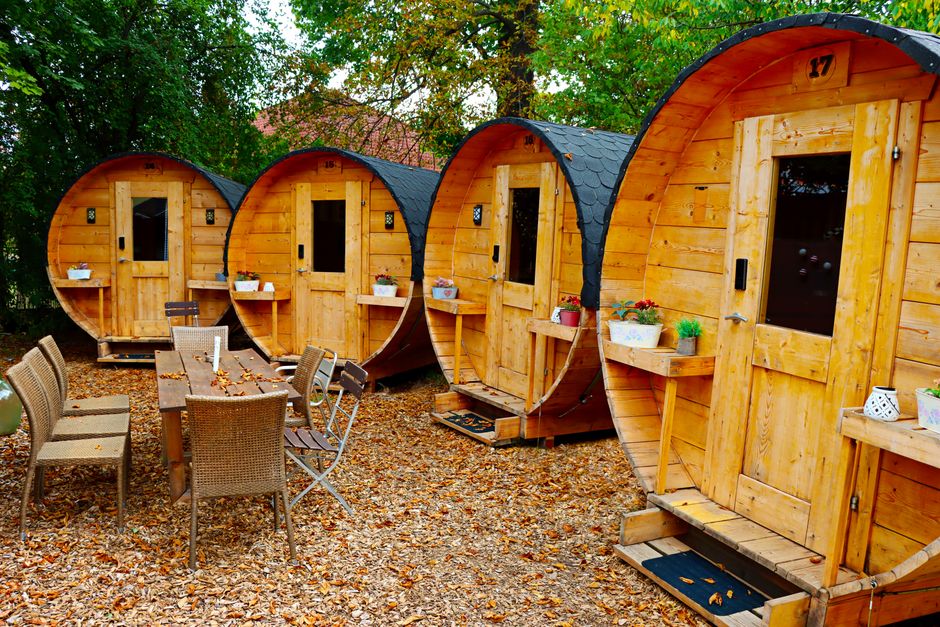
The cabin market is dynamic, with several key trends shaping its evolution into 2026. Demand Polarization: The market is splitting. On one end, demand for ultra-luxury, design-forward "statement cabins" with amenities like outdoor soaking pools, professional kitchens, and home theaters is booming, with average daily rates soaring above $1,200. On the other end, there's surging interest in truly off-grid, tech-free micro-cabins under 400 sq ft, appealing to the minimalist and digital detox crowd. The Rise of "Cabin Clusters" and Communities: Developers are creating curated collections of cabins, offering the privacy of an individual unit with shared amenities like saunas, communal fire pits, or small farm stands, fostering a subtle sense of community without the density of a resort. Pet-Friendliness as Standard: Over 65% of cabin travelers now bring pets, making "pet-friendly" not just a filter but a baseline expectation, with amenities like fenced yards, dog beds, and local trail maps becoming common. Long-Term "Workation" Stays: The 28+ night rental is the fastest-growing segment, as remote workers book entire seasons. This is driving demand for cabins with dedicated, ergonomic office spaces and ultra-reliable, high-speed internet (Starlink is a game-changer here). Sustainability Metrics: Travelers are increasingly asking for data on a cabin's green credentials—solar power, composting systems, and locally sourced materials—and are willing to pay a premium for it.
Post-Pandemic Shifts
The pandemic didn't just accelerate the cabin trend; it permanently altered its DNA. The primary shift is the normalization of longer stays. What was once a weekend getaway is now a regular one or two-month lifestyle option. This has forced hosts to upgrade amenities for livability, not just visitability—think fully-equipped offices, better cookware, and robust laundry facilities. Health and cleanliness protocols, once a frantic selling point, have settled into professional, verified cleaning checklists that are now industry standard. Perhaps the most significant shift is in traveler psychology. The "risk calculus" of travel has changed. Crowded places, including large hotels, still trigger anxiety for a segment of travelers. A private cabin, with control over your environment and limited shared surfaces, represents a "lower-risk" form of travel that has maintained its appeal even as pandemic fears have receded. It's now associated with a permanent sense of safety and control.
Technology and Innovation
Paradoxically, technology is both the enemy cabin escapes from and the essential tool that enables them. For discovery and booking, platforms like Matterport are becoming common, offering 3D virtual tours so you can "walk through" a cabin before booking. AI-powered search on sites like Airbnb allows you to find cabins matching specific vibes ("cozy fireplace," "stargazing deck"). For the stay itself, smart home technology is pervasive: keyless entry via smart locks, app-controlled thermostats and lighting, and even hot tub pre-heating from your phone as you drive up. For remote workers, the aforementioned satellite internet (Starlink) has unlocked previously unusable locations. Apps like AllTrails for hiking, Seek for plant identification, and SkyView for stargazing enhance the on-the-ground experience. However, the innovation also includes tech-limiting features: cabins now advertise "Wi-Fi dead zones," provide record players and board games, and offer lockboxes for phones to facilitate the digital detox many guests ultimately seek.
Benefits and Highlights
- Unmatched Privacy and Space: You have the entire property to yourself—no noisy neighbors through thin walls, no crowded elevators or lobbies. This allows for true relaxation, intimate conversations, and a freedom of movement impossible in a single hotel room.
- Deep Connection with Nature: Waking up to birdsong, having coffee with a mountain view, and falling asleep under a blanket of stars provides a sensory immersion that reduces stress and boosts mental well-being. It's biophilia in action.
- Cost-Effectiveness for Groups and Longer Stays: With multiple bedrooms and a full kitchen, the per-person cost for a family or group of friends plummets compared to multiple hotel rooms and restaurant meals. Cooking in saves significant money.
- Authentic Local Experience: Cabins are often owned by locals and reflect the regional architecture and materials. You're more likely to shop at a local farmers' market and explore lesser-known trails, engaging with the community differently than a hotel tourist.
- Flexibility and Control: You set your own schedule. Eat when you want, wear what you want, and create your own itinerary without being bound by hotel restaurant hours or activity desks.
- Unique and "Instagrammable" Aesthetics: From rustic charm to sleek modern design, cabins offer distinctive backdrops and memorable atmospheres that generic hotel chains simply cannot match, making for a more personally meaningful and shareable travel story.
Challenges, Risks and Considerations
While the benefits are compelling, an honest guide to Cabins vs Hotels: Why Cabins Are 2026's Top Trending Lodging must address the challenges. The foremost is the burden of self-sufficiency. You are the concierge, cook, and sometimes maintenance person. A power outage, a clogged drain, or a malfunctioning appliance falls to you to solve, often with only remote host guidance. Isolation and safety are real concerns. Being miles from help means you must be prepared for minor injuries, have a plan for emergencies, and be comfortable with solitude (which can sometimes tip into loneliness for some). Variable quality and accuracy in listings is a major risk. Photos can be deceiving, and "secluded" might mean a neighbor's house is just out of frame. Meticulous review reading is non-negotiable. Environmental impact is a double-edged sword. While often greener per stay than a large hotel, the proliferation of short-term rentals in rural areas can drive up housing costs for locals and strain septic and water systems. As a traveler, you must be a respectful steward of the land. Finally, it's not for those seeking constant stimulation or pampering service. If you crave daily housekeeping, room service, and a bustling social scene, a cabin will likely feel like too much work.
Physical Challenges
Cabin stays can be deceptively physical. Access is the first hurdle. Many desirable cabins are at the end of long, steep, unpaved or gravel roads that require a capable vehicle and confident driving, especially in winter conditions. Once there, the property itself might be on a slope with stairs or uneven paths. Tasks like carrying groceries from the car, hauling firewood, or managing trash (which may need to be driven to a disposal site) require a basic level of mobility and strength. For those with accessibility needs, finding a truly accessible cabin is extremely difficult; few are designed with wide doorways, step-free entries, or roll-in showers. The outdoor activities that often accompany a cabin stay—hiking, kayaking, skiing—also demand appropriate fitness levels. It's crucial to assess both the property description and your own physical capabilities honestly before booking.
Cultural and Language Barriers
When booking a cabin in a foreign country, the cultural considerations extend beyond the rental itself. In countries with a strong cabin culture like Norway or Japan, there are often unspoken rules. In Norway, maintaining the "hytte" (cabin) is a point of pride; you'll be expected to leave it spotless, often including stripping beds and starting a load of laundry. In Japan, the intricate rules for using onsens (hot springs) or separating trash might apply if your cabin has these features. Language barriers can complicate problem-solving. While booking platforms have translation, a midnight issue with a heater in a remote Swedish forest might require navigating a conversation in broken English or using translation apps. Research local customs regarding noise (absolute quiet is often expected after 10 PM in rural areas), recycling, and interaction with wildlife. Being a respectful guest means understanding you're entering a community, not just a private bubble.
Expert Tips and Insider Secrets
To elevate your Cabins vs Hotels: Why Cabins Are 2026's Top Trending Lodging experience from good to unforgettable, heed these expert tips. Book the "Shoulder Night": If booking a popular cabin for a weekend, see if adding Thursday or Monday night is cheap. It often is, and it gives you a quiet, unpacked day to truly settle in without the weekend rush. Communicate Proactively with Your Host: A good host is your best resource. Message them after booking to ask for their personal favorite hike, the best local bakery, or tips for the fireplace. This builds rapport and can lead to local secrets. Pack a "Cabin Kit": Beyond clothes, include a small bag with: LED candles (safer and longer-lasting than real ones), a favorite kitchen knife, a universal sink stopper, a few good DVDs (in case internet fails), and a deck of cards. Arrive in Daylight: This is non-negotiable for a first-time stay. Navigating unfamiliar roads and locating a lockbox in the dark is a recipe for stress. Embrace the Rhythm: Let the cabin and the environment set the pace. Wake with the sun, plan your day around meals, and allow for unscheduled time to just be. The magic often happens in those unplanned, quiet moments on the porch. Leave it Better: Go beyond the cleaning checklist. If you used the last of the salt, replace it. Leave a bundle of firewood for the next guest. These small acts are the currency of the cabin community.
Future Outlook: What's Next for Cabins vs Hotels: Why Cabins Are 2026's Top Trending Lodging
The trajectory for cabins points toward further segmentation and sophistication. By 2026-2027, we'll see the rise of "Cabin-as-a-Service" (CaaS) subscriptions, where for a monthly fee, you have access to a network of cabins in different biomes, allowing for nomadic living without the hassle of individual bookings. Biophilic design will become paramount, with architecture that doesn't just have a view but actively integrates natural elements—living green walls, indoor water features, and materials that change patina with weather. AI-powered personalization will suggest cabins based on your past behavior and even pre-stock groceries according to your dietary profile before arrival. Sustainability will move from feature to foundation, with net-zero energy cabins becoming a market standard in premium segments. Furthermore, we may see a regulatory backlash in some overtouristed rural areas, leading to stricter permits and potentially higher costs, which could cool the market in some hotspots while opening opportunities in new ones. The core appeal—privacy, nature, authenticity—will remain, but the delivery mechanisms will become more seamless, personalized, and integrated into a broader lifestyle choice, cementing the cabin's place not as a trend, but as a permanent pillar of modern travel.
Frequently Asked Questions
What exactly is Cabins vs Hotels: Why Cabins Are 2026's Top Trending Lodging and why should I care?
It's the dominant shift in travel accommodation where private, nature-immersive cabin rentals are outperforming traditional hotels in demand growth. You should care because it reflects deeper changes in what travelers value—privacy, space, authentic experience, and mental restoration—and understanding it ensures you plan trips that are more fulfilling and aligned with current trends.
When is the absolute best time for Cabins vs Hotels: Why Cabins Are 2026's Top Trending Lodging?
For ideal weather and scenery, early fall (September-October) in most temperate regions is peak. For value and solitude, target the shoulder seasons of late spring (May) or late fall (November), avoiding major holidays. Winter is best for cozy, snow-based trips if you're prepared for the conditions.
How much does Cabins vs Hotels: Why Cabins Are 2026's Top Trending Lodging cost for different budgets?
Budget: $100-$250/night, total ~$1,000 for 4 nights. Mid-Range: $250-$600/night, total ~$2,350 for 4 nights. Luxury: $600-$2,000+/night, total $3,500+ for 4 nights. These totals include estimated fees, food, and local transport.
Is Cabins vs Hotels: Why Cabins Are 2026's Top Trending Lodging suitable for beginners or first-timers?
Absolutely, but start simple. Choose a cabin within 90 minutes of home, with paved road access, clear host communication, and positive reviews mentioning "easy check-in." Opt for a 2-3 night weekend first to get a feel for the self-sufficiency required before committing to a longer, more remote stay.
What should I pack and prepare for Cabins vs Hotels: Why Cabins Are 2026's Top Trending Lodging?
Beyond clothes, pack a "cabin kit": headlamp, multi-tool, favorite spices/coffee, slippers, board games, offline entertainment, a detailed grocery list, and printed directions. Prepare by researching local stores and activities, confirming all amenities with the host, and ensuring your vehicle is suitable for the final approach roads.
Where are the best locations for Cabins vs Hotels: Why Cabins Are 2026's Top Trending Lodging?
Top locations include the


No comments:
Post a Comment