
Easter in Cairo: Your Complete Guide to Holy Week, Spring Blooms, and Timeless Magic
Introduction: A City Awash in Golden Light and Ancient Song
Imagine the first rays of dawn catching the ancient stones of the Citadel, painting them in hues of honey and amber. The air, once heavy with desert dust, is now soft and carries the faint, sweet perfume of blooming jasmine and orange blossoms from hidden courtyards. Below, the Nile flows, a ribbon of reflected silver, while the call to prayer from a thousand minarets weaves with the solemn, resonant chants of Coptic hymns. This is Cairo in spring, and at its heart lies Easter—a time of profound transformation.
Easter in Cairo is not merely a date on the calendar; it is a season where the city itself seems to exhale. The fierce heat of summer is a distant memory, the chill of winter has retreated, and in its place is a perfect, gentle warmth. This is the window where exploring the Giza Plateau is a joy, where a felucca ride on the Nile is a breeze, and where the city's soul is most vividly on display through its sacred celebrations. Cairo's Easter is a unique tapestry, threading together the ancient Christian traditions of the Coptic Orthodox Church—one of the oldest in the world—with the universal spirit of renewal that spring brings.
This guide is your key to unlocking this magical season. We will navigate the sun-drenched days and cool, starlit evenings of Cairo's spring weather. You'll learn where to witness the breathtaking spectacle of Holy Week processions, how to find serene gardens bursting with seasonal color, and where to savor festive feasts. We'll provide practical wisdom on managing crowds and costs, craft the perfect itinerary blending the monumental with the intimate, and offer the essential tips to travel with respect and ease.
Prepare to step into a Cairo where history is not just seen, but felt; where faith is a living, breathing presence; and where the promise of spring infuses every alleyway and grand avenue with an unforgettable, cinematic energy. Your journey into the heart of Easter begins here.
Is Easter a Good Time to Visit Cairo?
In short, yes, Easter is one of the very best times to experience Cairo. The confluence of ideal weather and deep cultural significance creates a travel experience that is both comfortable and extraordinarily rich. However, like any peak season, it comes with trade-offs that savvy travelers should anticipate.
- ✔ The Golden Weather: Daytime temperatures are blissfully mild, perfect for long days of exploration without the exhausting summer heat.
- ✔ A Living Cultural Tapestry: Witnessing the Coptic Holy Week rituals—from the somber beauty of Good Friday to the midnight jubilation of Easter Sunday—is a privilege few other travel experiences can match.
- ✔ Seasonal Beauty: The city's gardens and the banks of the Nile are lush and green, with flowers like bougainvillea and jasmine in spectacular bloom.
- ✔ Festive Atmosphere: A palpable sense of celebration fills the air, from special hotel events to the sharing of traditional foods like *feseekh* (salted fish) and *kahk* (sweet cookies).
- ❌ Peak Tourist Crowds: This is a major holiday for both international visitors and domestic tourists. Iconic sites like the Pyramids and the Egyptian Museum will be at their busiest.
- ❌ Elevated Prices: Flight and hotel rates surge during Holy Week. Booking well in advance is non-negotiable.
- ❌ Limited Availability: The best guides, most sought-after restaurant tables, and premium hotel rooms sell out months ahead.
- ❌ Cultural Closures: Some shops and businesses may close or have reduced hours on Good Friday and Easter Sunday, particularly in Coptic neighborhoods.
Cairo Weather During Easter: A Breath of Spring Air
Cairo's Easter weather is the stuff of traveler's dreams. The harsh summer sun has yet to assert its full dominance, and the winter's chill has fully receded. You can expect daytime highs to hover in a very pleasant range of 25°C to 30°C (77°F to 86°F). Mornings and evenings are delightfully crisp, with temperatures dipping to around 15°C (59°F), inviting a light layer.
Rain is a rare guest in Cairo, even in spring. The chance of a shower exists, but it's more likely you'll experience the *khamsin*—a hot, sandy wind that can blow from the desert for a day or two, hazing the sky. These are infrequent and usually short-lived. The dominant pattern is one of clear, blue skies and abundant sunshine, with a gentle breeze coming off the Nile.
The atmosphere is one of vibrant renewal. The light has a special, golden quality, perfect for photography. The air smells of blooming flowers and freshly watered earth. It's the ideal climate for sunrise at the Pyramids, open-air museum visits, and leisurely evening strolls along the Corniche.
Packing Tips: Think layers. Pack light, breathable cotton or linen for the day, but always have a light jacket, cardigan, or pashmina for the evenings. A wide-brimmed hat, high-SPF sunscreen, and sunglasses are essential. Comfortable, broken-in walking shoes are your most important item. A scarf is versatile—for modesty, for warmth, and for shielding from dust.
Spring Blooms & Seasonal Highlights
While Cairo is not famed for the cherry blossoms (*sakura*) of East Asia, Easter coincides with its own spectacular floral awakening. The city bursts into a palette of vibrant colors, a celebration of life that mirrors the holiday's theme of resurrection.
In the affluent district of Zamalek, on Gezira Island, the streets are canopied with the magnificent purple blooms of jacaranda trees in late April. The air beneath them is fragrant and tinged with purple light. Meanwhile, the iconic bougainvillea, in shocking pinks, passionate purples, and radiant oranges, spills over garden walls and trellises across the city, creating vivid contrasts against sandstone and brick.
For the best immersion in spring's beauty, head to Cairo's parks and gardens. The Al-Azhar Park is a masterpiece of landscaping, where rose gardens, fragrant herb beds, and manicured lawns offer breathtaking views of the historic city. The Orman Botanical Garden in Giza is a serene escape, home to countless plant species, towering palms, and quiet, shaded paths. Even the grounds of the Manial Palace or the Al-Andalus Garden on the Nile Corniche become pockets of floral paradise.
This seasonal flourish extends to the markets. Street vendors sell bunches of fresh mint, jasmine, and roses. The very produce seems brighter—plump strawberries, fragrant guavas, and crisp greens appear in abundance, inspiring the city's chefs and home cooks alike.
Easter Events & Things to Do
Easter in Cairo is experienced on two parallel planes: the deeply spiritual and the joyously festive. Engaging with both offers a complete understanding of the season.
The heart of the celebration is Coptic Holy Week. On Good Friday (known as *Al-Gom'a al-Hazina*, or "Sad Friday"), join the solemn procession at St. Mark's Coptic Orthodox Cathedral in Abbassia. Thousands of worshippers gather, holding candles and chanting ancient hymns in a moving display of faith. The Easter Eve Saturday Night Mass is the climax. Starting around 10 PM and culminating past midnight, the service is a journey from darkness to light. At the moment of resurrection proclaimed, the church erupts in a jubilant cry of *"El Maseeh qam! Hakkan qam!"* ("Christ is risen! Truly He is risen!") and the ringing of bells.
For visitors, many of Cairo's luxury hotels host spectacular Easter Brunches. The Nile Ritz-Carlton, Four Seasons, and Marriott Mena House offer lavish spreads with international cuisine, chocolate fountains, and elaborate egg displays. Some also organize Easter egg hunts for children in their gardens.
Explore the Khan el-Khalili bazaar during this time. The energy is infectious, and you'll find special seasonal sweets like *kahk* (butter cookies stuffed with dates or nuts and dusted with powdered sugar). Take a Spring Felucca Ride on the Nile in the late afternoon, when the light is soft and the breeze is perfect. It's a timeless way to see the city and feel the season's gentle rhythm.
Crowd Levels & Costs
Easter marks the true beginning of Cairo's high tourist season. Crowds are significant, especially from Palm Sunday through Easter Monday. The Giza Pyramids Plateau, the Egyptian Museum in Tahrir (and the new National Museum of Egyptian Civilization), and the Khan el-Khalili will be bustling with international tour groups and local families on holiday.
This demand directly impacts costs. Hotel prices can increase by 30-50% compared to the weeks just before or after Easter. A standard room in a 4-star hotel in Zamalek or Downtown might range from $120-$200 per night, while 5-star properties along the Nile or near the Pyramids can easily command $300-$500+ per night. Flight prices also peak. Expect to pay a premium for tickets from Europe, North America, and other Arab countries into Cairo International Airport.
The golden rule for Easter travel to Cairo is book early. Secure your flights and accommodation at least 4-6 months in advance. Not only does this guarantee better rates, but it also ensures you have your pick of the best-located hotels and the most reputable tour guides, who are booked solid for this period. Consider being flexible by arriving a few days before Holy Week or departing a few days after Easter Sunday to catch slightly lower prices and thinner crowds.
Best Places to Visit in Cairo During Easter
Parks & Gardens (For Spring Walks & Blooms)
Al-Azhar Park: This is Cairo's green lung. Stroll through its Islamic-style gardens, enjoy the panoramic views of the Citadel and the City of the Dead, and have tea at the Lakeside Café. At sunset, it's magical.
Orman Botanical Garden: Adjacent to Cairo University in Giza, this is a more botanical-focused escape. It's quieter than Al-Azhar and perfect for a peaceful walk among rare trees and colorful flower beds.
Feluccas on the Nile: Not a garden, but a moving vista of spring. Hire a felucca from the dock in front of the Four Seasons Nile Plaza or from the Manial area for a serene hour watching the city's skyline drift by.
Cultural & Historical Spots (With Easter Significance)
The Coptic Quarter (Old Cairo): Walk the path of history. Visit the Hanging Church (Al-Muallaqa) and the Church of St. Sergius and Bacchus (Abu Serga), believed to be where the Holy Family rested. The atmosphere here during Holy Week is deeply reverent.
St. Mark's Coptic Orthodox Cathedral (Abbassia): The seat of the Coptic Pope. Attending a service here, even as an observer, is a powerful experience. The architecture and scale are imposing.
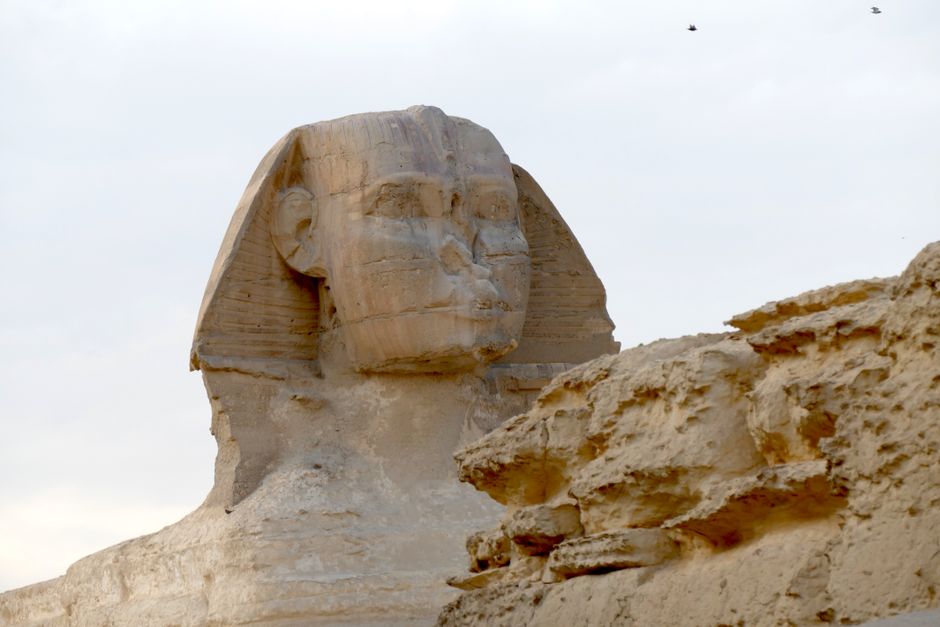
The Pyramids of Giza: The spring weather makes a morning visit ideal. The light is soft, and the temperatures are cool. The enduring symbolism of these ancient tombs resonates with the theme of eternity celebrated at Easter.
Shopping Areas (For Easter Treats & Souvenirs)
Khan el-Khalili: The sensory overload of the main bazaar is a must. For Easter, seek out confectioners selling *kahk* and other traditional sweets. The gold market also shines brightly.
Zamalek: For a more curated, contemporary shopping experience. Boutiques along 26th of July Street and Brazil Street offer designer goods, art, and chic homewares. Perfect for finding a unique souvenir.
Citystars Mall & Mall of Arabia: For a modern, air-conditioned experience. These mega-malls host Easter-themed events, decorations, and have international brands alongside local favorites.
Day Trips (Nearby Spring Destinations)
Fayoum Oasis: Just two hours southwest, Fayoum is an oasis of lakes and palm groves. Visit the waterfalls at Wadi El-Rayan, see the ancient mud-brick city of Tunis, and spot birds at Lake Qarun. A complete nature escape.
Wadi Degla Protectorate: For the active traveler, this desert valley on Cairo's outskirts offers fantastic hiking, mountain biking, and rock climbing amidst dramatic limestone formations. Spring is the only comfortable season for this.
Alexandria: A three-hour drive north to the Mediterranean. The sea breeze is invigorating. Visit the Bibliotheca Alexandrina, the Citadel of Qaitbay, and enjoy fresh seafood. The climate is often cooler and breezier than Cairo.
Suggested 5-Day Easter Itinerary
Day 1: Ancient Foundations & Modern Energy. Morning at the Giza Plateau (Pyramids & Sphinx). Afternoon at the Grand Egyptian Museum (if open) or the National Museum of Egyptian Civilization (to see the Royal Mummies). Evening stroll and dinner in the upscale Zamalek district.
Day 2: Sacred History & Bustling Bazaars. Explore the Coptic Quarter, visiting the Hanging Church and the Ben Ezra Synagogue. Walk to the nearby Amr Ibn Al-Aas Mosque. Afternoon plunge into Khan el-Khalili bazaar. End the day with a felucca ride on the Nile at sunset.
Day 3: Spring Gardens & Cultural Heights. Morning serenity at Al-Azhar Park. Afternoon visit to the majestic Salah El-Din Citadel and the exquisite Mohammed Ali Mosque within its walls. Evening attend a traditional Sufi dancing (Tanoura) show at the Wekalet El Ghouri.
Day 4: Good Friday Solemnity & Local Life. (If your visit coincides). Observe the somber Good Friday processions at St. Mark's Cathedral or a local Coptic church in the morning. Afternoon escape to the Orman Botanical Garden. Enjoy a quiet dinner at a local restaurant, perhaps trying the traditional *feseekh* if you're adventurous.
Day 5: Easter Sunday Celebration & Farewell. Attend an early Easter Sunday mass (if interested) or enjoy a spectacular hotel Easter brunch. Final shopping for spices, papyrus, or perfumes in Khan el-Khalili. A farewell dinner with a view of the illuminated Cairo Tower or the Pyramids.
Travel Tips for Easter in Cairo
Book Extremely Early: Reiterating the most critical tip: secure flights, hotels, and a knowledgeable local guide at least 4-6 months prior.
Navigate Transport Smartly: Traffic can be heavier than usual. Use ride-hailing apps (Uber/Careem) for convenience and fixed fares. The Cairo Metro is efficient and avoids traffic, but will be very crowded.
Respect Cultural Etiquette: If attending church services, dress modestly (covered shoulders, knees for all; women may need a headscarf in some conservative churches). Observe quietly, avoid flash photography during prayers, and follow the lead of the congregation.
Learn a Few Key Phrases: While English is widely understood in tourist areas, a little Arabic goes a long way. For Easter, learn: *"Eid Fesah Sa'id"* (Happy Easter Feast), *"El Maseeh qam!"* (Christ is risen!), and the response *"Hakkan qam!"* (Truly He is risen!).
Stay Hydrated & Flexible: Carry a water bottle. Schedules for events may shift, and crowds may alter plans. Embrace the vibrant chaos with patience.
Where to Stay
Zamalek (The Chic & Central Island): Pros: Quiet, leafy streets, upscale boutiques and cafes, central location on the Nile. Ideal for couples and solo travelers. Hotel types: Boutique hotels and serviced apartments. (e.g., Sofitel Cairo Nile El Gezirah).
Downtown Cairo (The Historic Heart): Pros: Steps from the Egyptian Museum, Tahrir Square, and historic architecture. Vibrant, authentic street life. Best for culture enthusiasts and budget travelers. Hotel types: Historic grand hotels and mid-range options. (e.g., Steigenberger Hotel El Tahrir).
Giza (At the Foot of the Pyramids): Pros: Unbeatable, iconic views. Waking up to see the Pyramids from your balcony is unforgettable. Best for first-time visitors and families. Hotel types: Luxury resorts. (e.g., Marriott Mena House, Great Pyramid Inn).
New Cairo (The Modern & Family-Friendly): Pros: Newer, spacious compounds, large international hotels, proximity to modern malls and attractions like the National Museum of Egyptian Civilization. Quieter than central districts. Best for families and those preferring modern amenities. Hotel types: International chain hotels and resorts. (e.g., The St. Regis Almasa).
What to Pack
Your packing list for Easter in Cairo should prioritize comfort, respect, and adaptability to warm days and cool nights. Clothing: Light, breathable natural fabrics (linen, cotton) for daytime. Include long-sleeved shirts and long, loose skirts or trousers for visiting religious sites. A light jacket, sweater, or pashmina is essential for evenings. Footwear: Absolutely comfortable, supportive walking shoes. You will be on your feet for hours on uneven ground.
Accessories: A wide-brimmed hat, high-SPF sunscreen, and sunglasses are non-negotiable. A small umbrella or packable rain jacket is a wise precaution. A cross-body bag with a secure zip for daily essentials. For Churches: A scarf for women (to cover head/hair if required). Ensure your outfit covers shoulders and knees. Optional Fun: A festive pastel-colored scarf or accessory to join in the Easter spirit.
Pros & Cons Summary
👍 Pros:
• Perfect, mild spring weather ideal for exploration.
• Unique opportunity to witness profound ancient Christian traditions.
• The city is lush and green, with beautiful spring blooms.
• Festive atmosphere with special events, brunches, and foods.
• Longer daylight hours for sightseeing.
👎 Cons:
• Peak tourist crowds at all major attractions.
• Significantly higher prices for flights and accommodation.
• Requires booking many months in advance.
• Potential for short-lived sandstorms (*khamsin*).
• Some services may be limited on the actual holiday days.
Final Verdict: Should You Visit Cairo at Easter?
Visiting Cairo for Easter is highly recommended, but for specific types of travelers. Culture and history enthusiasts will find it unparalleled—a chance to see living faith against a backdrop of millennia. Couples seeking a romantic getaway with perfect weather and stunning backdrops will love it. Families with older children can enjoy the outdoor sites and special events, though the crowds may be challenging for very young kids.
This may not be the ideal time for strict budget travelers or those who despise crowds. If your primary goal is to have the Pyramids mostly to yourself or to travel on a shoestring, consider the shoulder seasons of late autumn (October-November) or early spring (March, before Holy Week).
Ultimately, Easter in Cairo is for the traveler who seeks more than just sightseeing. It is for those who want to feel a city's pulse at its most meaningful moment, to walk in the soft spring air where history and faith converge, and to carry home memories not just of what they saw, but of what they felt—the solemn whispers of ancient churches, the jubilant cries of resurrection at midnight, and the golden, hopeful light of a Cairo spring.
FAQ: Best Time to Visit Cairo for Easter
1. Is Easter a busy time in Cairo?
Yes, it is one of the busiest tourist periods of the year. Expect large crowds at major historical sites, full hotels, and bustling restaurants. Both international tourists and Egyptian families travel during this holiday.
2. What's the weather like during Holy Week?
The weather is typically ideal: warm and sunny during the day (25-30°C / 77-86°F) and pleasantly cool in the evenings (around 15°C / 59°F). Rain is very unlikely, but a brief sandstorm is possible.
3. Are there Easter egg hunts for kids?
Yes, many of Cairo's large international hotels (like the Four Seasons, Nile Ritz-Carlton, and Marriott Mena House) organize elaborate Easter egg hunts and children's activities in their gardens, often as part of a brunch package.
4. When should I book flights to get the best price?
Book at least 4-6 months in advance. Prices only increase as Easter approaches. Setting fare alerts and being flexible with your travel dates by a day or two can sometimes yield better deals.
5. Can I see cherry blossoms during Easter in Cairo?
While not Japanese cherry blossoms, Cairo has its own spectacular spring blooms. Look for stunning jacaranda trees (purple flowers) in Zamalek in late April, and brilliant bougainvillea everywhere. The botanical gardens are at their best.
6. What do locals do to celebrate Easter?
Coptic Christians observe a 55-day fast leading to Easter. Holy Week involves daily church services, culminating in the midnight Easter Mass. Families break their fast after mass with a feast featuring meat, *fatta* (a rice and bread dish), and colored boiled eggs. Sharing *kahk* cookies is a key tradition.
7. Is it expensive to travel during Easter week?
Yes, it is a premium travel period. You can expect to pay peak-season rates for flights and hotels, which can be 30-50% higher than in the preceding or following weeks. Planning and booking far in advance is the only way to manage costs.
No comments:
Post a Comment