
Costa Rica: Eco-Tourism Capital of the Americas: The Ultimate Visitor's Guide 2026 | Tips, Trails & Things to Know
Why Visit Costa Rica: Eco-Tourism Capital of the Americas in 2026?
Look, I know every country says they've got nature. But Costa Rica? It's different. It's a place where the jungle feels like it's breathing right alongside you, where you'll hear a sound you can't identify every five minutes, and where the sheer density of life makes you feel wonderfully small. Honestly, in 2026, with everyone chasing "coolcationing" to escape the heat, this is the ultimate destination. It's not just a country; it's a living, humming, dripping-wet testament to what happens when a nation decides its greatest asset is the green stuff.
We're talking about a country smaller than West Virginia that packs in over half a million species. That's roughly 5% of all the estimated biodiversity on the entire planet. Let that sink in for a second. It's a place where the mountains are volcanoes, the beaches grow trees, and the national parks aren't just preserves—they're the main event. The government practically invented the concept of "pura vida," that laid-back, pure life philosophy, and then built an entire tourism model around protecting the very thing that inspires it.
This guide? It's for the traveler who wants more than a resort pool. It's for the person who wants to fall asleep to a chorus of frogs and wake up to the guttural roar of howler monkeys. We're gonna cover everything from navigating those famously bumpy roads to finding the quiet trail where the sloth is actually moving. I've learned some of this the hard way—like the time I forgot bug spray in Tortuguero. Don't be me. You'll thank yourself later.
At a Glance: Costa Rica Quick Facts
The boring stuff first—because you'll need it to plan. But trust me, the facts here are anything but boring.
- Established: The park system really took off in the 1970s | Size: About 51,100 square kilometers — That's roughly the size of West Virginia, but with way more volcanoes and way fewer coal mines.
- Annual Visitors: Around 3 million — Sounds like a lot, but spread across coasts, mountains, and jungle, you can find solitude if you know where to look. Most folks cluster in a few spots.
- Elevation Range: Sea level to 3,820 meters (12,533 ft) at Cerro Chirripó — Your ears will pop. Your lungs will notice. The views will make you forget the burn.
- Entrance Fees: Varies wildly by park. From $10-20 USD for foreigners. — Honestly? Still a steal for what you get. Some private reserves cost more.
- Lodging: Endless options, from $5 hostels to $2,000-a-night eco-lodges. — Book the good stuff early. I'm serious. Like, 6-9 months for peak season.
- Pets Policy: Basically a no-go in national parks and reserves. — Leave Fido home. The wildlife here doesn't need the stress, and neither do you.
- Nearest Airports: Juan Santamaría (SJO) near San José, Daniel Oduber (LIR) in Liberia. — Your choice dictates your adventure. SJO for the central/southern magic, LIR for the Guanacaste beaches.
- Gateway Towns: La Fortuna (Arenal), Monteverde, Quepos (Manuel Antonio), Puerto Viejo de Talamanca. — La Fortuna has the adrenaline, Monteverde has the mist, Quepos has the easy mix, Puerto Viejo has the reggae vibe.
Best Time to Visit Costa Rica
If you can only come once, and you hate rain, aim for late December through April. That's the dry season. Here's why I'm adamant about this... but also why it's not the whole story. The "green season" (they don't call it rainy) has its own powerful magic.
Dry Season (Dec–April)
Sunshine. Every day. It's predictable and glorious. Mornings are crisp in the highlands, and by afternoon on the coast you're diving into the ocean. Perfect for beach hopping and volcano gazing.
The downside? Everyone else knows this too. Prices peak. Resorts book solid. And honestly, the landscapes, while beautiful, lack that intense, saturated green you see in the brochures. It's a trade-off.
Green Season (May–Nov)
This is it. This is my sweet spot. Yeah, it rains. Usually in the afternoon. And when it does, it's a proper tropical downpour that feels like the sky is throwing buckets. Then it clears, and the world smells like wet earth and flowers.
Truth is, mornings are often sunny. Crowds thin out. Prices drop. And the jungle? It's on steroids—lush, loud, and exploding with life. September and October are the rainiest, but also the most dramatically beautiful. Your mileage may vary, but I've never been disappointed.
Shoulder Season Secret:
Late November or early May. You're flirting with the edge of the dry season. You might get a few showers, but you'll also get lower prices, fewer people, and landscapes that are waking up (or refusing to sleep). A local guide in Monteverde once told me May is when the forest "sings its loudest song." He wasn't wrong.
Top Things to Do in Costa Rica
Everyone asks what they can't miss. The real question is: what kind of adventure are you after? Because this place serves up everything from zen-like birdwatching to heart-in-your-throat ziplining. Missing any of it stings, so here's the breakdown.
Iconic National Parks & Reserves
Manuel Antonio: Yes, it's popular. For a reason. It's where the jungle literally spills onto perfect crescent beaches. You'll share the trail with capuchin monkeys who have zero respect for your backpack's zippers. Go early. Like, gates-open early. By 10 AM it feels like a party, and not the good kind.
Monteverde Cloud Forest: Walking here is like moving through a living cloud. The air is cool and damp, every branch is dressed in moss and orchids, and the silence is so profound you hear water dripping from leaves a hundred feet up. It's a place for slow, quiet observation.
Tortuguero: No roads lead here. You go by boat or plane. It's a network of jungle canals where caimans look like logs and herons pose like statues. From July to October, it's one of the planet's most important sea turtle nesting sites. Seeing a green turtle dig her nest under a starry sky is... humbling. No joke.
Arenal Volcano Area: The volcano itself is mostly quiet now, but the landscape it shaped is pure adrenaline. Ziplining over the canopy, hiking on old lava flows, and soaking in natural hot springs at the end of the day. It's the perfect mix of thrill and chill.
Corcovado: Called "the most biologically intense place on Earth" by National Geographic. It's a commitment—rugged, remote, and sweaty. You'll need a guide. And you'll see things you won't see anywhere else: tapirs, scarlet macaws by the dozen, maybe even a puma track. It's for the serious explorer.
Best Hiking Trails
Don't let 'easy' fool you. Humidity and hills change everything. Bring water. Always.
Easy: Manuel Antonio's Sloth Trail — Maybe 1 km, flat. You'll move slow, because you'll be looking up. Guides here have superhero eyesight; consider hiring one for an hour just to spot what you're missing.
Easy: Monteverde's Cloud Forest Trail — A few kilometers on well-kept paths. The payoff isn't a vista, it's the feeling of being inside a mystical, green cathedral. Listen for the three-wattled bellbird's bizarre call.
Moderate: Arenal 1968 Lava Fields Trail — About 5 km, some climbing. Walking on the cooled, twisted rock of an old flow is surreal. The views of the volcano's perfect cone are postcard-perfect, weather permitting.
Moderate: Cerro Chato (near Arenal) — A steep, muddy slog to a collapsed crater filled with an emerald-green lake. The descent into the crater is basically a mud slide. It's exhausting, messy, and completely unforgettable.
Strenuous: Cerro Chirripó Summit — 20 km one way, 2,400m elevation gain. You hike up one day, sleep in a basic refuge, and summit for sunrise. It's a physical beast. But standing above the clouds, watching the light hit the peaks—it's a soul thing. Requires permits and planning.
Strenuous: Corcovado's Sirena Station Loop — Distance varies. It's not the length, it's the conditions. Hot, humid, muddy. You're in the belly of the jungle. Every step is an adventure. Absolutely unmissable for hardcore nature nuts.
Wildlife Viewing Hotspots
Dawn and dusk. Always. Midday? Most creatures are napping in the heat. A good guide is worth their weight in gold here; they know where the anteater was yesterday, where the quetzal nests.
Sloths: They're everywhere, but you gotta look. The Caribbean coast around Puerto Viejo and Cahuita is sloth central. Look for a slow-moving ball of fur high in the trees.
Monkeys: Howlers provide the soundtrack. Capuchins are the mischievous thieves. Spider monkeys, with their long limbs, are acrobats in the southern coastal forests.
Sea Turtles: Tortuguero (greens), Ostional (mass olive ridley arribadas), Las Baulas (leatherbacks). Go with a licensed guide. Lights and flash photography are a huge no-no.
Adventure & Sustainable Activities
These are gold. Costa Rica practically invented eco-adventure.
Ziplining: Monteverde or Arenal. Flying through the canopy gives you a monkey's-eye view. The one in Monteverde has a "Superman" line that's just... wow.
Whitewater Rafting: The Pacuare River is world-class. Class III-IV rapids through pristine jungle gorges. You'll see waterfalls nobody on foot can reach.
Coffee & Chocolate Tours: Not just tasting. You'll see the process from bean to cup (or bar). It's a delicious lesson in sustainable agriculture. The one we did near Monteverde let us grind and ferment our own cacao. Amazing.
Night Hikes: Your day vision is useless. With a guide's red light, the forest transforms. You'll see insects that look like leaves, sleeping birds, and the glowing eyes of countless frogs.
Photography Hotspots
Everyone shoots the Arenal volcano from the Tabacón hot springs. It's stunning. It's also crowded. Here's where else to point your lens.
1. Monteverde Cloud Forest at first light: The mist catches the sunbeams filtering through the canopy. It's ethereal. A fast lens helps; it's dark in there.
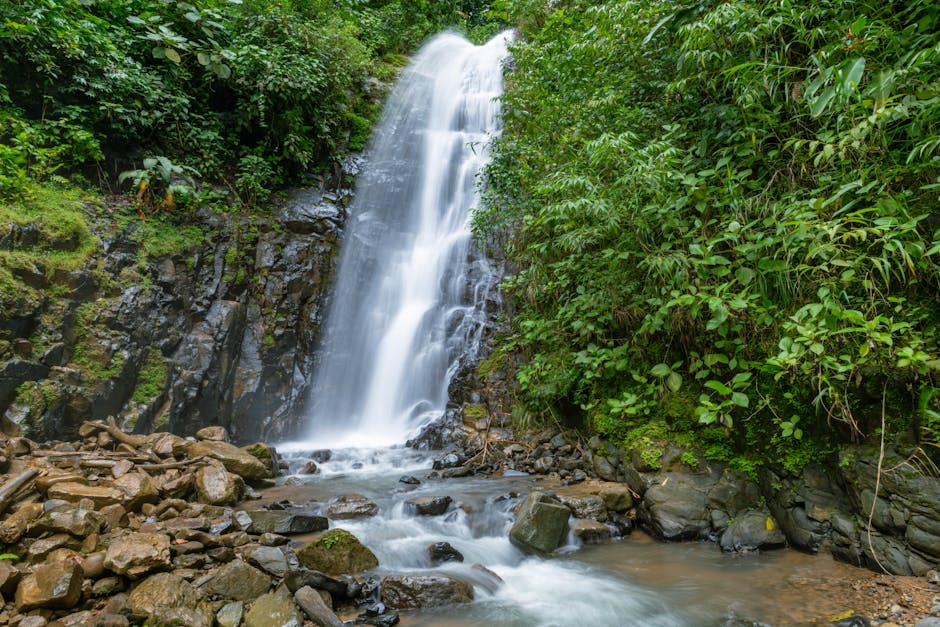
2. Rio Celeste in Tenorio Volcano National Park: The water is a surreal, milky blue from a natural chemical reaction. The hike to the waterfall is like walking into a fantasy novel.
3. Manuel Antonio beaches at golden hour: When the day-trippers leave, the light turns the sand and water to gold. Frame it with jungle vines.
Where to Stay: Budget, Mid-Range, and Luxury
Your lodging defines your trip here. Staying in an eco-lodge deep in the jungle is a completely different experience than a hotel in town. Do the math on experience versus convenience.
Eco-Lodges & Luxury ($$$)
Lapa Rios (Osa Peninsula): The definition of high-end sustainability. You're in a thatched-roof bungalow surrounded by pure Corcovado wilderness. Pricey, but it's an all-inclusive immersion. Book a year out.
Nayara Springs (Arenal): Private villas with their own thermal spring pools. Impeccable service, stunning volcano views. It's romantic, luxurious, and perfectly positioned for adventures.
Mid-Range & Characterful Stays ($$)
Monteverde Lodge: Great location, knowledgeable naturalist guides on staff, cozy rooms. It feels connected to the cloud forest without being overly rustic.
Selina Hostels (Various locations): Don't let the 'hostel' fool you. They have private rooms too. It's a co-working, co-living vibe with great communal spaces, tours, and a reliably cool crowd. Perfect for solo travelers or the young at heart.
Budget & Camping ($)
Hostels: All over. In Santa Elena (Monteverde), La Fortuna, Puerto Viejo. You can find a dorm bed for $15-20. Clean, social, the best way to meet people and swap tips.
Camping: Available in some national parks (like Chirripó) and at private sites. Facilities are basic. You're there for the sounds of the jungle at night. Fair warning: the bugs are also residents. Come prepared.
How to Get Around Costa Rica
This is the big one. The transportation question. You've got options, and they all involve trade-offs.
Rental Car
The most freedom. You can go where you want, when you want. But. Roads can be rough—potholes, gravel, river crossings in the rainy season. You NEED a 4x4 if you're going beyond the main highways. Get full insurance. No arguments. And driving at night is a terrible idea due to poor signage, animals, and unexpected obstacles.
Private Shuttles
Door-to-door, comfortable, and easy. Companies like Interbus or Grayline will pick you up at Hotel A and drop you at Hotel B. It's more expensive than a bus, but for long hauls (like San José to Monteverde), it's worth every penny for the stress reduction.
Public Bus
Incredibly cheap and very reliable. It's how locals travel. It's also slow, can be crowded, and won't get you to remote trailheads. Great for hopping between major towns if you're on a tight budget and have time. You'll need to speak a little Spanish or be very good at charades.
Domestic Flights
Sansa and Aerobell fly small planes between San José, Liberia, Quepos, Tambor, and the Osa Peninsula. A 45-minute flight saves you a 6-hour bumpy drive. For getting to Tortuguero or Corcovado, it's often the best (or only) option. Luggage limits are strict.
Entrance Fees, Passes & Reservations
The bureaucracy nobody wants to deal with. Let's get it over with. Bottom line: for popular things, plan ahead or be disappointed.
- Park entry: $10-20 USD per person, per day for foreigners. — Payable in colones or dollars at the gate usually. Some parks have daily limits.
- Reservations: Absolutely required for Corcovado (you must have a guide), Cerro Chirripó, and popular night tours/turtle walks. — Book these months in advance, especially for dry season. I'm not kidding.
- Guides: Optional in most places, but highly recommended. — A good guide will show you 500% more wildlife. Their eyes are just... better. Worth the splurge for at least one key hike.
Packing Essentials & Gear Recommendations
I overpacked my first time. Underpacked my second. Here's what you actually need. The climate zones are all over the place, so pack for multiple worlds.
Clothing Strategy
Layers aren't optional. In the cloud forest, you'll want a light fleece and a rain jacket. On the coast, you'll live in swimsuits and quick-dry shirts. Everything should be moisture-wicking. Cotton kills here—it just stays wet and cold. Pack a couple of lightweight, long-sleeved shirts for sun and bug protection.
Footwear
Two pairs: sturdy hiking shoes or trail runners with good grip (mud is a constant) and a pair of sandals (like Tevas or Chacos) for wet landings, showers, and casual wear. Break the hiking shoes in before you arrive. Blisters in humid heat are a special kind of hell.
The Non-Negotiables
Rain Gear: A compact, packable rain jacket is a must year-round. A rain cover for your backpack is also genius.
Bug Repellent & Sunscreen: The DEET and the reef-safe stuff. Apply both liberally and often. The sun here is equatorial and fierce.
Reusable Water Bottle: Many places have refill stations. The tap water is safe to drink in most of the country. Stay hydrated like it's your job.
Binoculars: You wanna see that red-eyed tree frog's eyes? Or the iridescent feathers of a motmot? Bring binoculars. A compact pair is fine.
Accessibility Information
Not every trail is accessible. The terrain is naturally challenging. But more is possible than most assume, and awareness is growing.
Wheelchair-accessible: Some parks have short, paved paths. The main trail at Manuel Antonio is fairly flat and hard-packed. The Butterfly Gardens and some coffee tours are also very accessible.
Lodging: Many larger hotels and resorts have accessible rooms. You'll need to call and confirm specifics—"accessible" can mean different things.
Programs: Some private tour operators offer adapted adventures. It requires research and calling ahead, but the community is working on it.
Sample 3-Day and 5-Day Itineraries
These assume you're flying into Liberia (LIR) for the shorter one and San José (SJO) for the longer. Adjust for your own energy level—this is a pace that sees a lot.
3-Day Highlights (Arenal & Monteverde Loop)
Day 1: Fly into LIR, pick up 4x4, drive to La Fortuna (2.5 hrs). Soak in free hot springs by the river in the evening. Easy does it.
Day 2: Morning hike at Arenal Volcano National Park or hanging bridges. Afternoon ziplining. Evening night hike. Exhausting, amazing.
Day 3: Drive to Monteverde (3 hrs, rough road). Do a cloud forest walk in the afternoon. Feel the temperature drop and the magic rise.
5-Day Deep Dive (Classic Variety)
Day 1: Arrive SJO, shuttle to La Fortuna. Settle in, visit La Fortuna waterfall.
Day 2: Arenal activities (your choice: rafting, hiking, etc.).
Day 3: Morning transfer to Monteverde. Cloud forest reserve hike in late afternoon for best light.
Day 4: Early morning birdwatching tour, then afternoon transfer to Manuel Antonio. (Long travel day).
Day 5: Manuel Antonio National Park at opening. Beaches, monkeys, sloths. Fly out of Quepos or drive back to SJO.
Family-Friendly Tips
Kids can love this place. Or hate it. Depends on preparation and managing expectations. It's not a theme park; the animals are wild and on their own schedule.
Best kid-friendly spots: Manuel Antonio (beaches + animals), sloth sanctuaries on the Caribbean side, Arenal's easy lava trails and hot springs. The butterfly and frog exhibits everywhere are a hit.
Pacing: One major activity per day. Leave lots of downtime for swimming. A pool at your accommodation is a lifesaver.
Food: "Casados" (typical plates with rice, beans, protein) are familiar and kid-friendly. Fruit is incredible and abundant. "Gallo pinto" (rice and beans) for breakfast is a staple.
Rules, Safety & Leave No Trace
This section matters. Read it. Costa Rica works because visitors respect the rules.
Wildlife Safety
Do not feed the animals. Ever. It makes them sick and aggressive. Those cute raccoons in Manuel Antonio? They'll bite for a snack. Monkeys that get human food become pests and are often killed.
Keep a safe distance. Use your zoom lens. Touching wildlife stresses them and can spread disease. And for god's sake, don't take selfies with wild animals.
General Safety
Costa Rica is very safe for travelers. Use common sense: don't leave valuables on the beach or in a visible car seat. Stick to marked trails. River currents can be strong; don't underestimate them. And the ocean has riptides—swim where lifeguards are present.
Leave No Trace & Sustainability
This is the ethos. Pack out all trash. Use reef-safe sunscreen. Stay on trails to avoid damaging fragile ecosystems. Support businesses with genuine sustainability certifications (like CST). The "pura vida" is a contract—we enjoy it, we protect it. Simple as that.
Nearby Attractions & Hidden Gems
Everyone does Arenal and Manuel Antonio. Try these instead for a dose of local flavor.
Bajos del Toro: A cloud-shrouded valley northwest of San José, full of stunning blue waterfalls like the Catarata del Toro. It feels undiscovered. The drive is an adventure.
Turrialba: A town for serious rafters and coffee lovers. The ruins of Guayabo National Monument are here—a quiet, ancient archaeological site in the jungle. No crowds, just history and hummingbirds.
Sarapiquí: Lowland rainforest north of San José. Amazing for river safaris, chocolate tours, and seeing great green macaws. It's a wet, wild, and less-touristy alternative to some of the classic spots.
FAQ About Visiting Costa Rica
The questions I get asked most. Some obvious. Some not.
How many days do you need?
Ten days to two weeks to get a real feel without rushing. You can do a highlights reel in 7, but you'll be moving a lot.
Is it expensive?
It can be. It's not a cheap backpacker haven like Southeast Asia. Mid-range lodging, tours, and rental cars add up. You can do it budget with hostels and buses, but the premium experiences (good guides, nice eco-lodges) cost real money.
Do I need to speak Spanish?
Not really in tourist areas, but even a little goes a long, long way. "Por favor," "gracias," "buenos días." It's respectful and appreciated.
Are there dangerous animals?
The most dangerous thing is probably the traffic. There are venomous snakes, but they're shy. You're unlikely to see one. Just watch where you put your hands and feet off-trail.
What's the food like?
Fresh, simple, and based on rice, beans, plantains, and incredible local fruits. "Casado" is the classic. Seafood on the coast is a must. It's not a spicy cuisine, but the flavors are clean and vibrant.
Is the water safe to drink?
In most of the country, yes. In very remote areas, ask your lodge. Bottled water is everywhere, but to reduce plastic, a reusable bottle with a filter is a great call.
What about mosquitoes and diseases?
Bug spray is essential. Cases of dengue, chikungunya, and zika occur. Use repellent, wear long sleeves at dusk, and sleep under nets if your room is open-air. Malaria risk is extremely low in most tourist areas.
Should I get travel insurance?
Yes. 100%. For medical coverage and for trip interruptions. An ambulance ride or medevac is brutally expensive. Just get it.
Best month?
I'm a broken record: late November or early May. You get the best of both worlds. But honestly, there's no truly bad time. Just different kinds of good.
Final Thoughts
Costa Rica isn't a vacation; it's a recalibration. It's the mud on your boots, the sweat on your neck, the impossible green of a leaf bigger than your torso. It's the collective sigh of a dozen people on a trail when a quetzal finally decides to show itself.
You come here to remember what the world sounds like without engines. To feel small under a canopy that's existed for millennia. To understand that "pura vida" isn't just a slogan on a t-shirt—it's a feeling you earn by waking up early, walking slowly, and paying attention.
Book your key stays early. Embrace the rain. Talk to the guides. Drink the coffee. And when you leave, don't be surprised if you find a little piece of that green, vibrant soul has decided to come home with you.
Pura vida. See you out there.


No comments:
Post a Comment