
Egypt: A Cultural Renaissance Guide: The Ultimate Visitor's Guide 2026 | Tips, Cruises & Things to Know
Why Visit Egypt in 2026? The Renaissance is Here.
Look, I know everyone says Egypt is a bucket-list destination. Truth is, they're right. But right now? It's different. We're talking about a cultural moment, a full-blown renaissance, that's been building for years and is hitting its stride as we head into 2026. Honestly, it's the best time to go in a generation. The energy is palpable, crackling in the dry air alongside the scent of dust and history. You're not just visiting ancient wonders anymore; you're stepping into a living narrative where the past is being re-housed, the present is buzzing with new energy, and the future of how we experience this place is being written right now.
Here's what actually matters. The Grand Egyptian Museum, that colossal dream on the Giza Plateau, is finally—finally—a reality. It's not just another museum. It's a paradigm shift. And the Nile? It's not just a river you cross to see temples. It's the spine of your journey, a floating highway through time. This guide is for anyone who wants to see Egypt not as a dusty relic, but as a vibrant, evolving story. We're covering the monumental new openings, the timeless river journeys, and the ancient sites that now feel freshly revealed. Buckle up.
At a Glance: Egypt Quick Facts
The boring stuff first—because you'll need it to make sense of the magic.
- Ancient Heart: Over 5000 years of recorded history. That's not a number, it's a weight you can feel in the stones.
- The Big Opening: The Grand Egyptian Museum (GEM) – Opening in phases, fully operational for 2026. It's gonna change everything.
- The River: The Nile. 4,132 miles long. Your cruise will cover maybe 200 of them, and that's plenty.
- Crowd Reality: Pre-pandemic numbers are back, maybe even bigger. Sounds like a lot, but spread across a country the size of Texas and France combined, you can find solitude if you know where to look.
- Climate: Hot and dry. Very hot. Very dry. Your skin will notice. Your water bottle will be your best friend.
- Currency: Egyptian Pound (EGP). Cash is king in the markets, cards work in bigger hotels.
- Gateway Cities: Cairo (chaos, culture, history) and Luxor (open-air museum vibes).
- Visa: Most nationalities need one. Get it online before you fly. Saves a huge line. Trust me on this.
Best Time to Visit Egypt
If you can only come once, aim for October to November, or February to April. Here's why I'm adamant about this...
Winter (December–February)
This is peak season for a reason. Days are mild, even warm—perfect for temple-hopping without melting. Nights get cool, sometimes downright chilly on the Nile. The downside? Everyone else had the same brilliant idea. Prices are at their highest, and the crowds at the Pyramids can feel, well, monumental. Christmas and New Year's? Absolute madness. Book everything a year out. No joke.
Spring (March–April)
My personal sweet spot. The weather is glorious. Warm days, balmy evenings, and the crush of winter tourists starts to thin. Honestly, it's ideal. That said, you might catch a *khamsin*—a hot, sandy wind that rolls in from the desert and turns the sky orange. It lasts a day or two. It's dramatic. And it'll get sand in places you didn't know you had.
Summer (May–September)
Brutal. Beautiful. Often both before 10 AM. We're talking 100°F+ (38°C+) as a daily routine. The heat is a physical presence. But here's the thing: the crowds vanish. And the prices drop. If you're heat-tolerant, strategic (dawn starts, long midday breaks), and carry enough water to hydrate a small army, you can have places almost to yourself. Fair warning: it's not for everyone. I've done it. I loved it. I also drank four liters of water before lunch.
Fall (October–November)
A close second to spring. The furnace of summer has broken, the air is clear, and the tourist flow is building but not overwhelming. The light is softer, golden, perfect for photography. The Nile is serene.
Shoulder Season Secret: Late October or early April. You dodge the absolute peak prices, the weather is near-perfect, and you still get decent daylight hours. I've done this three times. Never disappointed.
Top Things to Do in Egypt's Renaissance
Everyone asks what they can't miss. The real question is: how much time do you have? Because missing any of this stings.
The New Icon: The Grand Egyptian Museum (GEM)
The Game Changer: This isn't an addition; it's a revolution. Perched on the Giza Plateau, with a direct sightline to the pyramids, the GEM is the new crown jewel. It's the permanent home for King Tutankhamun's *complete* treasure—all 5,000+ items, many never displayed before. Imagine seeing his chariots, his beds, his golden sandals, all in one staggering, purpose-built hall. The scale is hard to comprehend until you're standing under the colossal statue of Ramses II in the Grand Hall. You'll need a full day. Maybe two. Book your timed-entry ticket online the second you know your dates. They're gonna sell out fast.
The Timeless Journey: Nile Cruises
This is the soul of the trip. Don't even think about skipping it. A Nile cruise isn't just transport; it's a moving balcony to antiquity. You'll glide past fields where farmers work with water buffalo, just as they did in pharaonic times, with temple columns rising on the horizon. The common route is Luxor to Aswan (or vice versa), typically 4 or 7 nights.
Dahabiyas vs. Big Cruisers: Here's a key choice. The big cruise ships are floating hotels—pools, buffets, nightly entertainment. They're efficient. The *dahabiyas* are smaller, elegant sailboats. They move slower, can dock at smaller, less-visited sites, and offer a serene, intimate experience. We took a dahabiya last September. Waking up to the sound of the sail catching the wind, with no engine hum, was worth every extra penny.
The Ancient Wonders: Beyond the Checklist
Giza Pyramids & Sphinx: Obviously. But here's my advice: Get there for opening. I mean be at the gate 30 minutes before. Run, don't walk, to the Panoramic Point first. You'll get photos with zero people. Then work your way back. The interior of the Great Pyramid is claustrophobic, hot, and absolutely unmissable. It smells of ancient stone and humanity.
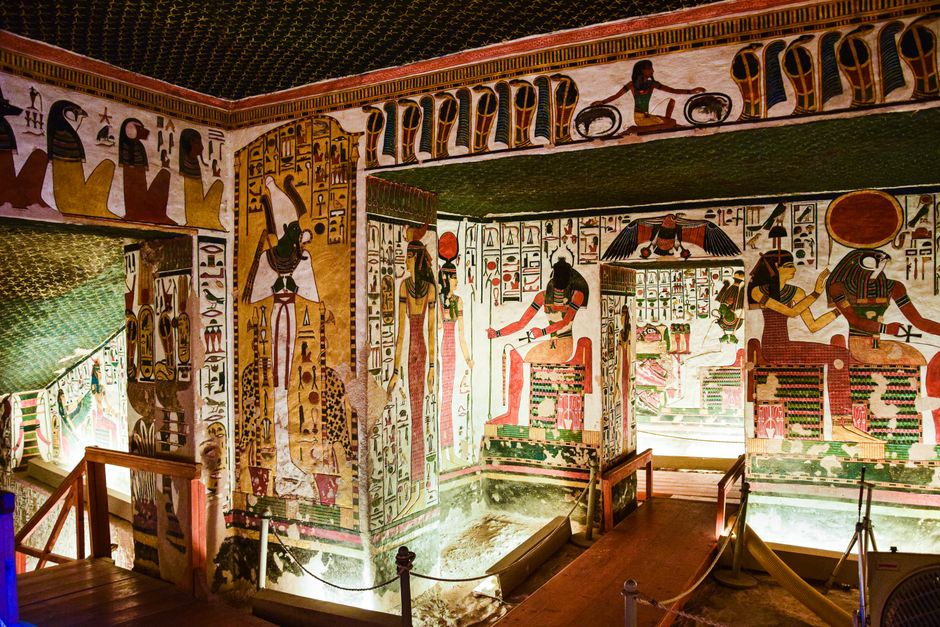
Luxor's East & West Banks: This is where you need two days minimum. The East Bank (Karnak and Luxor Temples) is about monumental power. Karnak's Hypostyle Hall is a forest of stone that makes you feel insect-small. The West Bank is the realm of the dead: the Valley of the Kings, where Tut's tomb still takes your breath away, and the temple of Hatshepsut, which looks like it was designed by a modern architect.
Abu Simbel: The long drive from Aswan is a haul. It's also 100% worth it. Seeing Ramses II's temple, originally carved from a mountain and moved piece-by-piece to escape the rising Nile, is an engineering marvel that humbles you twice over.
Where to Stay: Budget, Mid-Range, and Luxury
Location is everything. Staying on the Nile in Luxor or with a pyramid view in Giza costs more. It's also worth more. Waking up to that view? Priceless.
Luxury & Character ($$$)
Giza/Cairo: For the full "Mummy" fantasy, a room with a pyramid view at the historic Mena House or the new GEM-adjacent hotels is the dream. Book at least 6-8 months out. I'm not exaggerating.
Nile Cruise: Top-tier dahabiyas or luxury cruisers like Sanctuary Sun Boat. All-inclusive, guided, impeccable service. This is the splurge.
Mid-Range & Boutique ($$)
Luxor: So many great boutique hotels in converted old mansions on the West Bank. You get peace, charm, and a sense of place. The east bank has more modern, chain-style options with river views.
Aswan: The Old Cataract Hotel for its Agatha Christie history and epic terrace. Or one of the many Nubian guesthouses on Elephantine Island for a culturally rich experience.
Budget & Hostels ($)
Cairo: Plenty of hostels and basic hotels in Downtown (Zamalek is a bit nicer). You're paying for location, not frills. Check reviews for cleanliness.
Everywhere: Guesthouses are your friend. Basic but clean, often family-run. You'll eat breakfast on the roof and get advice no guidebook has.
How to Get Around Egypt
You're not just driving. Accept this. The distances are huge and the options varied.
By Air
Main Gateway: Cairo International (CAI). For southern sites, flying to Luxor (LXR) or Aswan (ASW) saves you a 10-hour train or car ride. Domestic flights are cheap and efficient. Book EgyptAir or the decent low-cost carrier, Air Cairo.
Trains & Buses
The overnight sleeper train from Cairo to Luxor/Aswan (The Watania Sleeping Train) is an experience. It's not the Orient Express—it's functional, a bit bumpy, but you save a day and a hotel night. For day trains, first-class only. Buses connect cities but are less comfortable for long hauls.
Private Drivers & Guides
For day trips (Cairo to Alexandria, Luxor's West Bank), hiring a driver and a licensed guide is the way to go. It's not that expensive split between a few people, and the context a good guide provides turns rocks into stories. Our guide in Luxor, Mahmoud, showed us a hidden ostracon in a tomb that changed how we saw the artisans. Worth every penny.
Entrance Fees, Passes & Reservations
The bureaucracy nobody wants to deal with. Let's get it over with.
- Site Tickets: Each major site has its own ticket. Prices have risen but are still reasonable by global standards. The GEM will be the most expensive, probably around $30-40 for international visitors.
- The Cairo Pass/Luxor Pass: If you're a history fiend planning to see EVERYTHING in Cairo/Luxor, these all-inclusive passes can save money and time (skip-the-line privilege). Do the math based on your itinerary.
- Photography Tickets: Want to use your "big camera" inside a museum or tomb? You'll often need a separate, pricier photography ticket. Phone photos are usually okay with a standard ticket. They're strict about this.
- Timed Entry: Absolutely required for the GEM, Tutankhamun's tomb, and the Great Pyramid interior. Book online as soon as humanly possible.
Packing Essentials & Gear Recommendations
I overpacked my first time. Underpacked my second. Here's what you actually need.
Clothing Strategy
Light, loose, breathable natural fabrics (linen, cotton). Covering your shoulders and knees is respectful, especially at mosques. A wide-brimmed hat and sunglasses aren't accessories—they're armor. Even in winter, the sun is intense.
Footwear
Sturdy, broken-in walking shoes with good grip for temple stones and desert sand. Sandals for the boat. Blisters on ancient cobblestones? Misery.
The Non-Negotiables
Water & Electrolytes: Carry a reusable bottle. The dry air here tricks you. You're dehydrating faster than you feel. We packed electrolyte tabs and they were a lifesaver.
Power Bank & Universal Adapter: Outlets are Type C (European). You'll be taking a thousand photos. Your phone will die.
Small Bills (EGP): For tips (baksheesh), buying water, small souvenirs. The hassle of trying to break a 200-pound note for a 10-pound purchase is real.
Accessibility Information
Honest framing: Egypt is challenging for mobility issues. Ancient sites were not built with ramps in mind. But more is possible than most assume.
Improved Sites: The GEM is fully modern and accessible. The new Egyptian Museum in Cairo (Tahrir) is decent. Major temples like Karnak have flat, compacted sand paths, though they can be long and tiring.
Challenging Sites: The Pyramids area is sandy and uneven. Tombs in the Valley of the Kings involve steep descents on ramps. Nile cruises often have narrow stairs between decks.
Best Advice: Contact specialized tour operators who can arrange private access vehicles and guides who know the terrain. Don't assume facilities will be available.
Sample 5-Day and 10-Day Itineraries
These assume you're flying between cities to maximize time. Adjust if you're taking the train or cruise.
5-Day Highlights (The Renaissance Taster)
Day 1-2 Cairo: Land in Cairo. Hit the GEM on Day 1 (jetlag be damned, the excitement will carry you). Day 2: Pyramids of Giza and Saqqara. Fly to Luxor in the evening.
Day 3 Luxor East Bank: Karnak Temple (go early) and Luxor Temple (magical at night).
Day 4 Luxor West Bank: Valley of the Kings (Tut's tomb requires a separate ticket!), Temple of Hatshepsut. Fly back to Cairo.
Day 5 Cairo: Islamic Cairo, Khan el-Khalili bazaar, depart. It's a whirlwind. You'll be exhausted. And you'll wanna come back.
10-Day Deep Dive (The Nile Journey)
Day 1-3 Cairo: As above, but add the Egyptian Museum in Tahrir and Coptic Cairo. More breathing room.
Day 4 Fly to Aswan: Check into your Nile cruise boat (dahabiya or cruiser). Visit the Philae Temple, Unfinished Obelisk.
Day 5 Abu Simbel: Very early morning trip (fly or convoy). Monumental. Return to boat, sail north.
Day 6-7 Nile Sailing: Stops at Kom Ombo (crocodile god temple), Edfu (Horus temple). Days of watching river life, reading, pure relaxation.
Day 8-9 Luxor: Disembark. Two full days to explore East and West Banks thoroughly.
Day 10: Fly from Luxor back to Cairo for final departure. This is the pace that lets Egypt sink into your bones.
Family-Friendly Tips
Kids can love this place. Or hate it. Depends on preparation. The heat and historical focus can be tough.
Engage Their Imagination: Turn it into a treasure hunt. "Find the scarab beetle carving!" "Count the baboons on the wall!" Our guide did this for my niece and it was a game-changer.
Mix It Up: Temple, then pool. Museum, then felucca ride on the Nile. Balance history with downtime.
Food: Kids usually love koshari (pasta, rice, lentils), taameya (Egyptian falafel), and fresh fruit juices. Familiar pizza and pasta are available everywhere too.
Rules, Safety & Cultural Etiquette
This section matters. Read it. Most "danger" in Egypt is hassle and scams, not crime.
Cultural Respect
Dress modestly. It shows respect and honestly attracts less unwanted attention. A simple "La, shukran" (No, thank you) is your shield against persistent vendors. Be firm but polite. Haggling in markets is expected; start at half the asking price and meet in the middle. Don't get angry—it's a dance.
Safety & Scams
Petty scams are the main issue. "Your ticket isn't valid here, you need another from that office over there..." (it's a fake office). Only buy tickets from official booths. "Let me show you a secret spot!" (then demand money). Be wary of "helpful" strangers at major sites. Use licensed guides booked through your hotel or a reputable company.
Honestly, Egyptians are overwhelmingly kind and hospitable. But in tourist zones, a few bad apples know how to work the system.
Health & Water
Don't drink the tap water. Not even to brush your teeth. Bottled water is cheap and everywhere. Avoid ice in cheap local joints. Stick to cooked foods and peel-your-own fruits to avoid "Pharaoh's Revenge." I learned this the hard way on day two of my first trip. Not fun.
Nearby Attractions & Hidden Gems
Everyone does the big three. Try these to feel like an explorer.
Saqqara & Dahshur: South of Giza. Saqqara has the Step Pyramid, the first ever. Dahshur has the Bent Pyramid and the Red Pyramid (you can go inside with almost no crowd). It feels like discovering pyramids all over again.
Abydos & Dendera: North of Luxor. A long day trip, but worth it for temple fanatics. Abydos has the most beautifully preserved reliefs in Egypt. Dendera's ceiling has the famous zodiac. You'll have them mostly to yourself.
Siwa Oasis: Way out in the Western Desert. It's a journey, but you'll find palm forests, salt lakes, and a unique Berber culture. It's another world entirely.
FAQ About Visiting Egypt
The questions I get asked most. Some obvious. Some not.
Is Egypt safe for tourists?
Yes, the main tourist trail (Cairo, Nile Valley, Luxor, Aswan) is heavily secured and safe. Political demonstrations are rare and far from tourist areas. The biggest risks are traffic (chaotic) and scams (annoying). Use common sense.
How many days do you need?
Seven to ten days minimum to do Cairo and a Nile cruise justice. Less than that and you're just scratching the surface and spending half your time in transit.
Can I visit the GEM and the old Egyptian Museum?
Yes, for now. The old museum in Tahrir Square is still open, housing a massive collection. But the star pieces, especially all of Tut's treasure, are moving to the GEM. The old museum will likely become a dedicated museum to Egyptian civilization over time. In 2026, see the GEM.
Are Nile cruises worth it?
Absolutely. They're the most relaxing and efficient way to see the riverside temples. It's not just a hotel transfer; it's a core part of the experience. Watching rural Egypt glide by from the sundeck is unforgettable.
How much should I budget per day?
For a comfortable mid-range experience with guides, nice hotels, and a cruise, budget $150-$250 per person per day, not including international flights. You can do it cheaper with hostels and trains, or way more for pure luxury.
Do I need a guide?
For the major sites, 100% yes. A good, licensed Egyptologist turns a pile of stones into a gripping story. For just wandering markets and neighborhoods, you can go solo.
What about the heat?
It's no joke. Start your days at dawn. Return to your hotel or boat for a long lunch and siesta during the peak heat (12-4 PM). Go out again in the late afternoon. This is the local rhythm for a reason.
Can I take photos everywhere?
Mostly yes outdoors. Inside museums and tombs, check the rules. Often, a "no flash" photography ticket is available for an extra fee. Video sometimes costs even more. Guards will shout if you break the rules.
Is haggling required?
In markets and with taxi drivers (not metered), yes. In fixed-price shops, malls, and restaurants, no. Embrace the haggle as a social interaction, not a battle. And never start haggling for something you don't actually want.
Final Thoughts
Egypt in 2026 isn't just a trip. It's witnessing a turning point. It's the awe of standing before Ramses in a hall so vast it swallows sound, then stepping outside to see the Pyramids—the same view pharaohs saw—now framed by the glass of a 21st-century marvel.
It's the profound silence of a tomb in the Valley of the Kings, and the raucous, joyful chaos of a Nile market. It's the taste of sweet mint tea at sunset on a felucca.
This renaissance is about connection. The past is being presented with new clarity, and the present is more welcoming than ever. You'll come for the history, but you'll leave remembering the people, the river, and the light.
Book your GEM tickets the minute you can. Pack that hat. Drink the water. Embrace the beautiful, overwhelming, magnificent chaos of it all.
See you on the Nile.


No comments:
Post a Comment