
Best Time to Visit Fuvahmulah: A Month-by-Month Guide to Perfect Travel
Introduction
Imagine stepping onto an island so unique it feels like a secret whispered by the Indian Ocean. Fuvahmulah, a solitary atoll rising from the deep, is not just a destination; it is a chameleon of experiences, its soul shifting with the monsoon winds. Timing your journey here is not about mere convenience; it is the key that unlocks entirely different worlds. Arrive in the dry northeast monsoon, and you are greeted by a Fuvahmulah of impossible blues, where the sun-drenched beaches of Thundi and the freshwater lake, Bandaara Kilhi, shimmer under a relentless, benevolent sky. Come with the southwest monsoon, and you witness a dramatic, verdant transformation—a Fuvahmulah of pounding surf, emerald-canopied forests, and a raw, untamed energy that speaks to the adventurer's heart. This guide is your compass through these seasonal personas. We have weighed the crystalline clarity of the water against the vibrancy of the rain-washed foliage, balanced the serenity of empty shores with the buzz of local festivals, and measured the luxury of space against the practicality of budget. From the whisper-quiet lanes of January to the festive drumbeats of December, every month paints Fuvahmulah in a new light. Your perfect visit depends on which version of this extraordinary island you wish to meet—whether you seek underwater spectacles, cultural immersion, solitary reflection, or simply the sweet spot where value and beauty perfectly align. Let us navigate the turning seasons of this singular island city, where a freshwater heart beats beside a saltwater soul.
Fuvahmulah Weather Overview by Season
Fuvahmulah's climate is a tropical symphony conducted by two dominant monsoons, creating four distinct seasonal movements. The Dry Season (Iruvai – Northeast Monsoon, December to March) is the island's golden hour. Skies are a vast, cloudless dome of cerulean, humidity drops to a comfortable 70-75%, and the ocean settles into a placid, mirror-like state. Temperatures are balmy, averaging 28-30°C (82-86°F), with cooling breezes. Rainfall is a rare, brief visitor. The Wet Season (Hulhangu – Southwest Monsoon, May to October) is a dramatic contrast. This is when Fuvahmulah dons its cloak of lush, dripping green. The southwest winds bring robust waves, frequent rainfall (especially from June to August), and higher humidity, often above 80%. Temperatures remain steady around 27-29°C (81-84°F), but the feel is warmer, the air thick with the scent of wet earth and blooming frangipani. The shoulder seasons of Spring (April) and Autumn (November) are periods of transition. April sees the dry season's grip loosening, with building humidity and occasional afternoon thunderstorms. November is the relief—the heavy rains retreat, the winds pivot, and the island emerges refreshed, sparkling clean, and bursting with life, offering a sublime mix of green landscapes and returning blue skies.
Month-by-Month Breakdown
January
Weather Snapshot: High: 30°C (86°F), Low: 26°C (79°F). Rain probability: Low. The heart of the dry season, January offers pristine conditions with gentle northeast breezes and minimal cloud cover. The sun is strong but tempered by the constant sea wind. Humidity is at its annual low, making exploration exceptionally comfortable. The ocean is a flat, tranquil pane of glass, visibility extending to dizzying depths.
Crowd Levels: Peak season is in full swing. You'll share the island with discerning travelers and divers seeking perfect conditions. While never overcrowded, the best guesthouses and dive slots require advance booking. The atmosphere is one of relaxed, sun-drenched luxury.
Key Events: New Year's Day is observed quietly. Republic Day (January 1st) sees local ceremonial flag-hoisting, a modest but proud display of national identity.
Hotel Price Ranges: $$$$ (Premium rates apply). Expect to pay top dollar for beachfront villas and established dive resorts. Budget options are scarce and book up months in advance.
Best Activities: This is prime time for tiger shark diving—the giants are abundant, and the water clarity is supernatural. Snorkeling in the lagoon is sublime. Cycle around the island's perimeter road under endless blue skies. Birdwatching at Bandaara Kilhi is rewarding, with migratory species still present.
Perfect for: Luxury seekers and serious divers who prioritize flawless weather and ocean conditions above all else.
February
Weather Snapshot: High: 31°C (88°F), Low: 26°C (79°F). Rain probability: Very Low. Arguably the driest, sunniest month. The heat intensifies slightly, but the low humidity and steady breeze keep the air feeling fresh. Rain is almost unheard of; you can confidently plan every day for outdoor adventure.
Crowd Levels: Still at peak, with a similar clientele to January. The island buzzes with a quiet energy focused on the sea. You'll find companionship at popular sites but solitude is still possible on the more remote stretches of sand.
Key Events: Typically a quiet month culturally, allowing for uninterrupted immersion in the natural environment.
Hotel Price Ranges: $$$$ (Premium rates). No relief from high-season pricing. Last-minute deals are a fantasy; planning is paramount.
Best Activities: Unmatched conditions for all water sports. Join a multi-day diving safari to explore remote thilas (sea mounts). Kayak across the serene freshwater lakes. Take a guided nature walk through the dense, dry-season forests of the island's interior.
Perfect for: Sun worshippers and water sports enthusiasts who want guaranteed sunshine and calm seas.
March
Weather Snapshot: High: 31°C (88°F), Low: 27°C (81°F). Rain probability: Low to Moderate. The dry season begins its slow fade. Heat and humidity start a subtle climb. The very end of the month might see a brief, intense afternoon shower—a dramatic and welcome spectacle that cools the air and releases the scent of petrichor from the earth.
Crowd Levels: Peak season begins to taper off slightly in the latter half. Families with school holidays have departed, leaving a more dedicated crowd of travelers. A slight sense of space returns.
Key Events: A peaceful month, ideal for those seeking a blend of good weather and a slightly more laid-back vibe than January or February.
Hotel Price Ranges: $$$ (High, but potential for late-month softening). Early March commands peak prices, but some properties may offer transitional rates as the month closes.
Best Activities: Last call for the most reliably calm seas. Night diving is spectacular under clear skies. Fishing charters yield impressive catches like yellowfin tuna. Explore the historical Buddhist ruins and cemeteries, comfortably, under the sun.
Perfect for: Travelers who want excellent dry-season conditions but prefer a slightly less crowded and intense atmosphere.
April
Weather Snapshot: High: 31°C (88°F), Low: 27°C (81°F). Rain probability: Moderate. The inter-monsoonal period. Days often start blazingly sunny, but towering cumulus clouds build in the afternoon, potentially erupting in short, powerful thunderstorms. The sea begins to stir, losing its glassy calm. Humidity is noticeably higher.
Crowd Levels: Shoulder season begins. Tourist numbers drop significantly, creating a more intimate experience. You'll have popular spots largely to yourself, and interactions with locals feel more personal.
Key Events: Ramadan is observed (dates vary yearly). While tourists are not expected to fast, it's crucial to be respectful: avoid eating, drinking, or smoking in public during daylight hours. The evenings come alive with a special, communal energy.
Hotel Price Ranges: $$ (Moderate). A significant drop from peak season. Excellent value can be found, and negotiation for longer stays becomes possible.
Best Activities: Witness the incredible natural phenomenon of the "Fuvahmulah Green"—the island's vegetation explodes in vibrant color after rains. Surfing begins to pick up on the southern reefs. Visit local cafes after sunset to experience the festive Iftar atmosphere.
Perfect for: Culturally curious travelers and value-seekers who don't mind afternoon showers and enjoy a more authentic, slower-paced island life.
May
Weather Snapshot: High: 30°C (86°F), Low: 27°C (81°F). Rain probability: High. The southwest monsoon establishes itself. Expect frequent rainfall, often in heavy bursts, interspersed with brilliant sunshine. The sea becomes rougher, with a strong swell on the western and southern sides. Humidity is high, wrapping the island in a warm, moist embrace.
Crowd Levels: Officially off-season. Visitors are few and far between—mostly adventurous backpackers and hardcore surfers. The island belongs to its residents again, and the pace of life is genuinely local.
Key Events: Eid al-Fitr, marking the end of Ramadan, is a major celebration. If your visit coincides, you'll experience a beautiful, family-oriented holiday with special prayers, feasts, and gift-giving. It's a privileged glimpse into Maldivian culture.
Hotel Price Ranges: $ (Budget-friendly). The lowest prices of the year. Many smaller guesthouses may close for renovation, but those open offer incredible deals.
Best Activities: Surfing is at its prime, with consistent swell. Photography is dramatic, with moody skies and lush, rain-soaked landscapes. Explore the interior wetlands, now full and teeming with life. Cozy up in a café with a book during a tropical downpour.
Perfect for: Surfers, photographers, and adventurous souls on a tight budget who are unfazed by rain and seek deep cultural immersion.
June
Weather Snapshot: High: 29°C (84°F), Low: 27°C (81°F). Rain probability: Very High. The wettest month. Prolonged periods of rain are common, though they rarely last all day. Winds are strong, and the ocean is a dramatic spectacle of whitecaps and powerful waves. The air is perpetually fresh and clean.
Crowd Levels: Off-season persists. You may go days without seeing another tourist. This solitude is profound, offering a rare sense of having a tropical island entirely to oneself.
Key Events: A quiet month for events, allowing for total focus on the elemental power of the monsoon season.
Hotel Price Ranges: $ (Budget-friendly). Rock-bottom rates continue. Ensure your chosen accommodation has reliable power and weatherproof entertainment options.
Best Activities: Storm watching from the safety of Thundi beach is awe-inspiring. Indoor activities shine: visit the Fuvahmulah Museum, learn traditional Maldivian cooking from a local family, or practice Dhivehi language skills. When the rain breaks, trek through the jungle-like interior, which is at its most lush and impenetrable.
Perfect for: Writers, artists, and contemplative travelers seeking extreme solitude and the raw, dramatic beauty of nature's power.
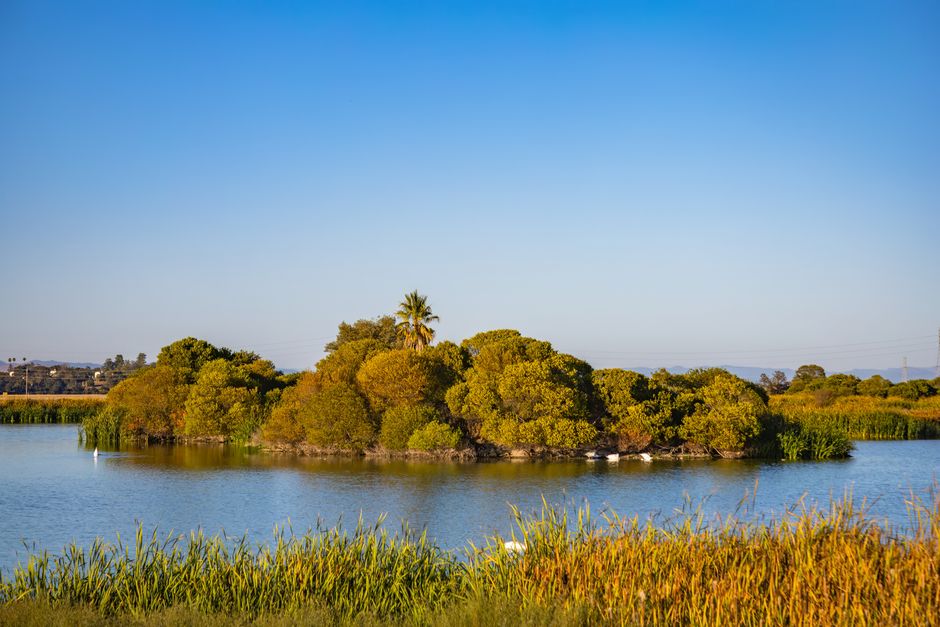
July
Weather Snapshot: High: 29°C (84°F), Low: 26°C (79°F). Rain probability: High. Similar to June, with persistent rain and strong winds. However, you might notice slightly more frequent sunny windows. The ocean remains turbulent, a playground for powerful marine forces.
Crowd Levels: The quietest of the quiet. The island feels wonderfully isolated. Service is personal, and you'll be remembered by shopkeepers and café owners.
Key Events: Independence Day (July 26th) is a national holiday. In Fuvahmulah, it's marked with a subdued sense of pride, perhaps a small parade or community gathering—a humble, heartfelt celebration.
Hotel Price Ranges: $ (Budget-friendly). Exceptional value remains. This is the time for long-term stays for those who can work remotely.
Best Activities: Focus on land-based adventures. Circumnavigate the entire island on foot along the coastal road—a challenging but rewarding trek. Birdlife is abundant and active. Visit the local market when the fishermen bring in their catch despite the swell, a testament to island resilience.
Perfect for: Digital nomads and long-term budget travelers looking for an ultra-affordable, deeply local immersion in a stunning, stormy setting.
August
Weather Snapshot: High: 29°C (84°F), Low: 26°C (79°F). Rain probability: High. The monsoon holds firm, but a subtle change is in the air. Rainfall may become more intermittent, with longer periods of sunshine breaking through. The sea is still rough but begins to show hints of calming.
Crowd Levels: Very low, though a slight uptick is possible if European summer holidays bring a few brave families. The overall atmosphere remains one of serene isolation.
Key Events: A culturally quiet period, perfect for uninterrupted exploration of the island's natural rhythms.
Hotel Price Ranges: $ to $$ (Budget to Moderate). Prices begin their very gradual climb towards the end of the month as the shoulder season approaches.
Best Activities: Whale shark sightings increase in the channel waters. Dolphin watching trips can be thrilling in the dynamic sea. The rainforest-like interior is a paradise for botanists and nature lovers. Enjoy the vibrant green scenery without breaking a sweat under the often-clouded sun.
Perfect for: Marine life enthusiasts (whale sharks!) and nature lovers who appreciate hyper-green landscapes and dynamic weather.
September
Weather Snapshot: High: 29°C (84°F), Low: 26°C (79°F). Rain probability: Moderate to High. The monsoon's fury begins to wane. You'll experience a mix: glorious, sunny days alternating with brief, intense showers. The sea starts to settle, especially on the eastern side. Humidity remains high.
Crowd Levels: Shoulder season returns. A trickle of travelers seeking post-summer deals arrives. It's still wonderfully quiet, but you'll start to see more activity at the harbor and main guesthouses.
Key Events: A transitional month, focused on the changing environment rather than cultural events.
Hotel Price Ranges: $$ (Moderate). Excellent value persists, with more accommodation options reopening. A sweet spot for price-conscious travelers.
Best Activities: Ideal for a mixed-bag adventure. You can surf in the morning and snorkel in a calmer lagoon in the afternoon. The island's famous freshwater lakes are full and stunning. Fishing starts to improve as the water clears. It's a month of delightful unpredictability.
Perfect for: Flexible travelers who enjoy variety and want to experience both the tail end of the monsoon's drama and the first hints of the dry season's calm.
October
Weather Snapshot: High: 29°C (84°F), Low: 26°C (79°F). Rain probability: Moderate. A true shoulder month. The southwest monsoon retreats, and the northeast winds begin to stir. Weather is variable but generally improving, with more sun than rain. The ocean becomes noticeably calmer, and underwater visibility begins to improve dramatically.
Crowd Levels: Shoulder season is in full swing. A steady stream of divers and savvy tourists returns, drawn by improving conditions and lower prices. A pleasant, social atmosphere develops.
Key Events: Tourism Day (October 3rd) might see small local events promoting Maldivian culture to visitors.
Hotel Price Ranges: $$ (Moderate). Prices are reasonable and stable. Good availability allows for spontaneous trip planning.
Best Activities: Diving conditions become excellent, especially for pelagic action. The island is still lush from the rains, providing breathtaking backdrops for photography. Cycling becomes enjoyable again with less rain. It's arguably the best month for landscape variety.
Perfect for: Divers and photographers seeking the "best of both worlds": lush, green scenery and clear, improving sea conditions.
November
Weather Snapshot: High: 30°C (86°F), Low: 26°C (79°F). Rain probability: Low to Moderate. The dry season reasserts itself with confidence. Sunshine dominates, humidity drops pleasingly, and rainfall is brief and sporadic. The sea transforms into a tranquil, azure pool. The island is clean, green, and sparkling.
Crowd Levels: Nearing peak season. Tourist numbers swell significantly as word spreads of the perfect conditions. Bookings for December start to fill up. The energy is upbeat and anticipatory.
Key Events: Republic Day (November 11th) is celebrated with more fanfare, including potential cultural shows, parades by school children, and community festivities in the capital area.
Hotel Price Ranges: $$$ (High). Prices climb towards peak levels. Early November may still offer slight shoulder value, but by month's end, premium rates are in effect.
Best Activities: All ocean activities are superb. Tiger shark diving hits its stride. Sailing and snorkeling are effortless in the calm seas. Attend any Republic Day events for a dose of local color. Enjoy long, sunset walks on bone-dry beaches.
Perfect for: Travelers who want near-perfect dry season conditions but wish to avoid the absolute peak crowds and prices of December-January.
December
Weather Snapshot: High: 30°C (86°F), Low: 26°C (79°F). Rain probability: Low. Dry season perfection. Consistent sunshine, low humidity, and gentle breezes. The ocean is at its most inviting—clear, warm, and calm. Evening temperatures are blissfully cool, perfect for al fresco dining.
Crowd Levels: Peak season climax. The island is at its busiest, with a festive international mix. While still not a mass-tourism destination, you'll feel the presence of other travelers keenly. Advance planning is essential for everything.
Key Events: The Christmas and New Year period is celebrated in tourist resorts and by the local Christian community. Expect festive decorations, special dinners, and a joyous, celebratory atmosphere that blends Maldivian warmth with holiday spirit.
Hotel Price Ranges: $$$$ (Premium rates). The most expensive time of year, especially over the Christmas and New Year's weeks, which often require mandatory gala dinners at extra cost.
Best Activities: Celebratory diving and snorkeling in world-class conditions. Luxury picnics on deserted sandbanks. Romantic sunset cruises. Enjoying festive meals and the unique blend of a tropical Christmas. It's a month for indulgence and celebration.
Perfect for: Honeymooners, families on holiday breaks, and those seeking a festive, glamorous tropical escape with guaranteed idyllic weather.
Peak vs. Shoulder vs. Off-Season Analysis
Choosing your season in Fuvahmulah is choosing the narrative of your adventure. Peak Season (Dec-Mar) is the island's polished premiere. You pay a premium ($$$$) for a guaranteed script: endless sunshine, glassy seas, and seamless service. Crowds are relative but present, creating a social, resort-like vibe at key sites. This is the time for flawless execution—if your dream is perfect underwater photos of tiger sharks or worry-free beach days, this is your window. The con is cost and a lack of spontaneity; everything must be booked ahead. Shoulder Seasons (Apr & Sep-Nov) offer the director's cut—more nuance, better value. Weather is a compelling mix of sun and storm, landscapes are vividly alive, and prices drop significantly ($$). Crowds thin, allowing for intimate encounters with both place and people. You trade absolute predictability for richer texture and authenticity. The risk? A planned dive day might be weathered out, but you'll gain an unforgettable experience of a lightning storm over Bandaara Kilhi. Off-Season (May-Aug) is the raw, unedited version. This is Fuvahmulah for the purist and the budget traveler ($). You will have vast stretches of coastline entirely to yourself, and prices are a fraction of peak rates. The island reveals its dramatic, verdant heart, and cultural immersion is profound. The trade-off is fundamental: the sea is often untamable for diving, rain dictates daily plans, and some services close. It's not a holiday of convenience but one of deep connection and awe-inspiring natural drama. Your priority—postcard perfection, balanced value, or adventurous solitude—directs your seasonal choice.
Best Time for Specific Traveler Types
Best for Budget Travelers: Target the deep off-season, June through August. While you'll battle the elements, you'll conquer costs. Accommodation is at its cheapest, and the lack of crowds means you're not competing for resources. Embrace the rain as part of the adventure; the lush, empty island is your reward. Shoulder months like April and September offer a milder climate with still-excellent prices. Best for Honeymooners: For guaranteed sunshine and romantic, calm seas, December to February is idyllic. The weather sets a perfect stage for private beach dinners and stunning photos. For a more unique, secluded, and affordable romance, consider November or March—you'll capture most of the dry-season magic with slightly more privacy and better value. Best for Families: Stick to the dry, predictable window of December or April (if avoiding Ramadan). Calm seas are safe for kids to snorkel and swim, and easy weather minimizes travel hiccups. The Christmas period in December offers festive fun, while April's lower crowds are less stressful. Best for Culture Seekers: Plan your visit around cultural touchpoints. April/May (Ramadan & Eid) and November (Republic Day) offer authentic insights. The off-season (May-Aug) also provides unfiltered daily life, as the community isn't focused on tourism. Best for Outdoor Adventurers: Your season depends on your sport. Divers need the dry season (Jan-Apr, Nov-Dec) for calm seas and clarity. Surfers chase the southwest monsoon (May-Sep). Hikers and birdwatchers will find the wet season (Jun-Sep) gloriously lush and teeming with life, despite the mud.
Money-Saving Timing Strategies
To experience Fuvahmulah's magic without financial strain, timing is your most powerful tool. Flight Booking: International flights to Malé are cheapest from February to June (excluding Easter) and August to November. For the domestic transfer to Fuvahmulah (flight or ferry), book the moment you confirm your international tickets, especially in peak season. Last-minute domestic hops are exorbitant. Consider the ferry from Malé—it's a long (12+ hour) but incredibly cheap adventure, offering a true Maldivian experience (schedule varies seasonally). Accommodation Hacks: The single biggest saving is traveling in the off-season (May-Aug). Prices can be 50-70% lower. Even in shoulder seasons, email guesthouses directly for long-stay discounts (a week or more). Many family-run places offer better rates than online platforms for direct bookings. Flight Price Patterns: Domestic flight prices with Maldivian airlines are static but seats fill fast. The new, smaller carriers may have promotional fares; sign up for their newsletters. Local Transportation & Activities: On the island, walking and cycling are free and the best way to explore. For tours, band together with other travelers you meet to split the cost of a private boat or guide. Eat at local "hotaa" (cafés) instead of tourist-oriented restaurants—the food is authentic, delicious, and a fraction of the price. Bring reusable snorkel gear to avoid rental fees. Finally, be flexible: if a guesthouse offers a discount for a different week, take it. A slight shift in dates can yield significant savings.
Festival & Events Calendar
Fuvahmulah's cultural rhythm is tied to the Islamic calendar and national pride, offering subtle but meaningful moments for visitors. January 1st – Republic Day: A national holiday marking the first republic. Expect small, formal ceremonies. Ramadan (Dates Vary – Islamic Lunar Calendar): The holy month of fasting. While challenging for tourists needing daytime sustenance, it's a profound cultural period. Respect is paramount. The evenings are magical, with families gathering for Iftar. Eid al-Fitr (Following Ramadan): A joyous 3-day festival marking Ramadan's end. Families dress in new clothes, share lavish meals, and children receive gifts. Visitors may be invited to celebrate—a rare honor. July 26th – Independence Day: Celebrates independence from British protection. In Fuvahmulah, look for community events, perhaps a parade, traditional music (Bodu Beru), and the national flag displayed proudly on buildings and vehicles. November 11th – Republic Day: The second, more significant Republic Day, commemorating the establishment of the current republic. Celebrations are more vibrant, with potential for school performances, cultural shows, and sporting competitions. Tourism Day (October 3rd): A minor event, but some local councils may organize small exhibitions or demonstrations of traditional crafts. Visiting during these events requires planning: accommodation may book up locally for Eid, and services slow during Ramadan. However, they offer an unparalleled window into the heart of Maldivian society, transforming a beach holiday into a culturally rich journey.
Practical Monthly Packing Guides
Packing for Fuvahmulah is less about fashion and more about tactical preparation for its microclimate. Dry Season (Dec-Apr): Sun protection is non-negotiable. Pack high-SPF reef-safe sunscreen, a wide-brimmed hat, and UV-protection sunglasses. Light, breathable linen or cotton clothing in light colors is ideal. A light sweater or pashmina is essential for breezy evenings and air-conditioned rooms. Swimwear, quick-dry towels, and a high-quality rash guard for sun protection while snorkeling are musts. Sturdy sandals and water shoes for rocky shores complete the list. Wet Season (May-Oct): Waterproof everything. A lightweight, packable rain jacket is your best friend. Quick-dry clothing is crucial—you will get wet, either from rain or humidity. Pack multiple swimsuits as nothing dries fully. Waterproof bags or dry sacks for electronics are essential. Anti-chafe balm and strong insect repellent are vital in the humid, lush conditions. Footwear should include sturdy, grippy sandals that can handle mud and slippery paths. A compact umbrella is useful for sudden downpours. Year-Round Essentials: Regardless of season, pack a modest outfit for visiting local islands (covering shoulders and knees). A basic first-aid kit with seasickness pills, antiseptic, and bandages is wise. A universal power adapter (Type D & G plugs are common) and a power bank are key. Finally, bring a sense of adaptability—the island's weather can change in an instant, and your willingness to go with the flow is the most important item in your suitcase.
Sample 7-Day Itineraries by Season
Spring (April) Itinerary – The Green & Blue: Day 1-2: Arrive, settle into a guesthouse near the lakes. Cycle to Bandaara Kilhi and Dhadimagi Kilhi for birdwatching and a freshwater swim. Day 3: Take a morning diving or snorkeling trip (conditions permitting); expect afternoon thunderstorms, so plan a museum visit or café relaxation. Day 4: Explore the northern agricultural fields and forests, vibrant green from recent rains. Day 5: Boat trip to a nearby sandbank, hoping for a sunny window. Day 6: Learn about local life with a visit to the harbor and a traditional cooking demonstration. Day 7: Last-minute souvenir shopping and a farewell sunset at Thundi Beach. Summer (July) Itinerary – The Monsoon Immersion: Day 1-2: Embrace the rain. Storm-watch from your veranda, visit the Fuvahmulah Museum, and practice Dhivehi phrases. Day 3: Trek the interior jungle trails during a dry spell, seeking out exotic flora. Day 4: Join a local fisherman (if they go out) for an exhilarating, wet ride and learn handline fishing. Day 5: Focus on photography—capture the dramatic skies and saturated landscapes. Day 6: Indulge in a full day of reading, writing, or yoga in your accommodation. Day 7: If the sea allows, a cautious snorkel in the more sheltered lagoon, followed by a hearty Maldivian curry. Autumn (October) Itinerary – The Best of Both Worlds: Day 1-2: Dive or snorkel with the returning pelagic life. The water is clearing, and action is high. Day 3: Hike around the island's perimeter, enjoying the lingering greenery and improving weather. Day 4: Kayak across the freshwater lakes, now full and stunning. Day 5: Take a cultural tour of the island's historical sites and mosques. Day 6: Charter a boat for a full-day fishing and picnic expedition. Day 7: Relax on the now-calm beaches of Thundi and Fuhgiri. Winter (January) Itinerary – The Classic Escape: Day 1-3: Dedicate to diving. Multiple tiger shark dives, channel dives for pelagics, and a serene night dive. Day 4: A luxury picnic on a private sandbank arranged by your guesthouse. Day 5: Cycle the entire island loop, stopping at every beach cove for a swim. Day 6: A sunset dolphin cruise followed by a private beach barbecue. Day 7: A leisurely morning snorkel in the house reef, followed by souvenir shopping and departure.
Conclusion
Fuvahmulah defies a single "best" time. Its genius lies in its seasonal duality. The optimal moment for your journey hinges on the conversation you wish to have with this extraordinary island. If your soul craves solar certainty, crystalline seas, and the pinnacle of underwater spectacle, let the dry northeast monsoon (December to March) be your guide. If your spirit is drawn to raw, untamed nature, cultural authenticity, and the profound luxury of solitude—all on a modest budget—then answer the call of the southwest monsoon (May to August). For the discerning traveler who seeks the golden mean, the shoulder months of April and September through November offer a compelling compromise: vibrant landscapes, manageable costs, and a taste of both climatic worlds. Ultimately, Fuvahmulah rewards intentionality. Whether you come for the flawless blue or the dramatic green, for the festive crowd or the empty shore, you are choosing a specific version of paradise. Plan according to your personal priorities—weather, budget, activity, or crowd preference—and you will find your perfect window. This unique island city, with its freshwater heart and saltwater soul, awaits to reveal a different facet of its beauty to each seasonal pilgrim. Your chapter in its story is waiting to be written.
FAQ - Best Time to Visit Fuvahmulah
What is the absolute worst time to visit Fuvahmulah?
There is no objectively "worst" time, as it depends on your goals. However, for the classic Maldivian beach and dive holiday, the peak of the wet season (June and July) is the most challenging. Persistent heavy rain, strong winds, and rough seas can severely limit water activities and transportation. If your dream is sunbathing and calm snorkeling, this period would be disappointing. Conversely, for a surfer or a writer seeking stormy drama, it could be perfect.
Is it worth visiting during the rainy season?
Absolutely, if you adjust your expectations. You trade beach time for an incredibly lush, green, and crowd-free island at rock-bottom prices. The rain is often intermittent, allowing for exploration, and the cultural immersion is deeper. It's ideal for nature lovers, photographers seeking moody scenes, budget travelers, and anyone wanting to experience Fuvahmulah's powerful, elemental side away from the tourist trail.
When is the best time for tiger shark diving?
The prime window for reliable tiger shark sightings and optimal diving conditions is during the dry northeast monsoon, from December through April. The calm, clear seas provide excellent visibility, and the sharks are consistently present at the famous cleaning stations. January to March is often considered the peak of the peak for this specific activity.
How far in advance should I book my trip?
For peak season (Dec-Mar), book at least 4-6 months in advance, especially for flights from Malé to Fuvahmulah and popular dive resorts. For shoulder seasons, 2-3 months is sufficient. For the off-season, you can often book a month or less in advance, but confirm your chosen guesthouse is open, as some close for maintenance during the low tourist period.
Are there any times to avoid for cultural reasons?
The holy month of Ramadan requires significant cultural sensitivity. While you can visit, eating, drinking, or smoking in public during daylight hours is frowned upon. Many local restaurants are closed until evening, and the pace of life slows. If a seamless, unrestricted culinary experience is important, it's best to avoid Ramadan. The dates change yearly based on the lunar calendar, so check carefully.
What is the seaweed/sargassum situation like on the beaches?
Fuvahmulah's beaches, particularly the iconic Thundi, are generally clean and free from major sargassum influxes due to its unique oceanic currents and island structure. However, during the southwest monsoon (May-Oct), stronger winds and waves can bring some debris and seaweed onto the windward (south/west) sides. The leeward (north/east) beaches typically remain clear year-round.
Can I visit Fuvahmulah on a weekend


No comments:
Post a Comment