
Guadeloupe National Park: The Ultimate Visitor's Guide | Tips, Trails & Things to Know
Introduction
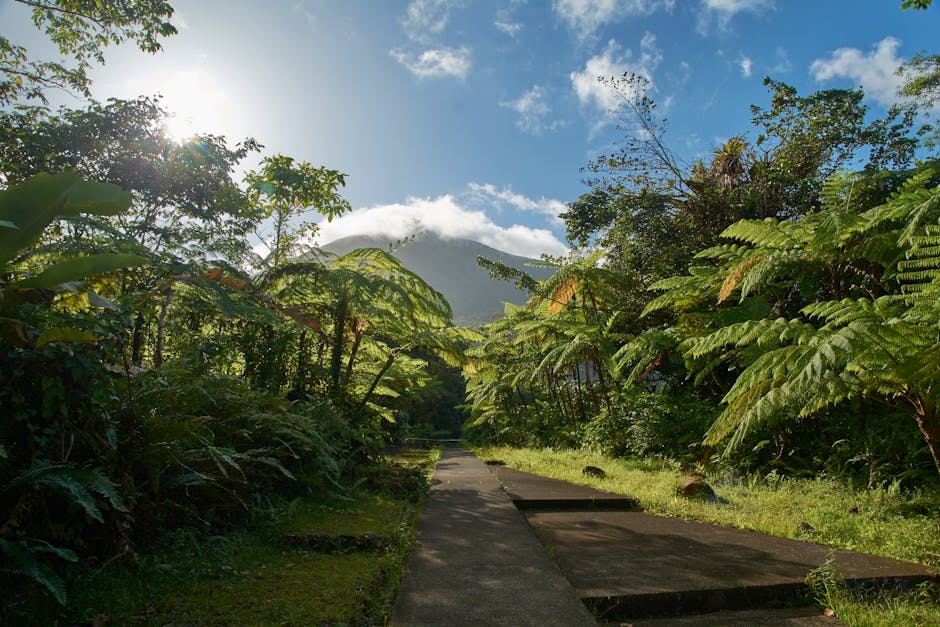
Imagine a place where the roar of the ocean meets the whisper of a primeval rainforest, where mist-shrouded volcanic peaks give way to cascading waterfalls and turquoise bays. Welcome to Guadeloupe National Park (Parc National de la Guadeloupe), a breathtaking UNESCO Biosphere Reserve that protects the wild, beating heart of the "Butterfly Island." Unlike any other national park in the United States system, this French-administered gem is a Caribbean jewel, encompassing over 74,100 acres across the twin islands of Basse-Terre and Grande-Terre. Its significance is profound, safeguarding one of the most biodiverse ecosystems in the Lesser Antilles, from the cloud forests atop the active La Grande Soufrière volcano (the highest peak in the Lesser Antilles at 4,813 feet) down to vibrant coral reefs along its marine periphery.
The park is a living tapestry of ecological wonders. Hike through lush, fern-carpeted rainforests echoing with the calls of the endemic Guadeloupe woodpecker. Feel the earth's power at steaming fumaroles and sulfur vents. Discover hidden waterfalls plunging into cool, jade-colored basins. With an elevation range from sea level to 4,813 feet, the park offers an astonishing variety of landscapes and microclimates within a compact area. It attracts approximately 800,000 visitors annually, drawn by its unique blend of tropical adventure and natural splendor. This comprehensive guide is your key to unlocking its secrets. We'll cover the best times to visit, top trails and drives, essential fees and permits, where to stay, and crucial insider tips to ensure your journey into this Caribbean wilderness is unforgettable, safe, and deeply rewarding.
Quick Park Facts
- Year Established: 1989 (as a French National Park)
- Size: 74,100 acres (30,000 hectares), including a marine protected area.
- Annual Visitors: Approximately 800,000.
- Highest Elevation: La Grande Soufrière volcano at 4,813 feet (1,467 meters).
- Lowest Elevation: Sea level along the Caribbean coast.
- Entrance Fee: The park itself has no entrance fee. Some specific sites, like the Carbet Falls access road or guided tours, may have small charges (typically €3-€5 per vehicle).
- Lodging & Camping: No lodges or cabins inside the park. 2 official campgrounds (Matouba and Amandier) and several designated backcountry shelters (gîtes d'étape). Numerous hotels and guesthouses in gateway towns.
- Pets Policy: Dogs are generally not allowed on park trails to protect wildlife. They may be permitted in some parking areas if leashed. Check specific site regulations.
- Nearest Airports: Pointe-à-Pitre International Airport (PTP), approximately 1 hour from the park's main entrances.
- Gateway Towns: Saint-Claude (south), Gourbeyre, Basse-Terre (the capital), and Vieux-Habitants.
- Accessibility Highlights: Several short, paved trails like the "Trace des Pas du Roy" and parts of the Carbet Falls area offer accessible experiences. The main Maison du Parc (Park House) in Saint-Claude is wheelchair accessible.
Best Times to Visit Guadeloupe National Park
Guadeloupe enjoys a tropical climate with a drier "Carême" (Lent) season and a wetter "Hivernage" (winter) season. Timing your visit is key to matching your desired experience.
Dry Season (December to May)
This is the peak tourist season. Expect temperatures from 75°F to 85°F (24°C-29°C) at the coast, cooler in the mountains. Rainfall is less frequent, making trails less muddy and river crossings safer. Skies are clearer, offering spectacular views from La Soufrière. This is the ideal time for challenging summit hikes and coastal exploration. However, it's also the busiest period, especially around holidays. Accommodation prices are at their highest, and popular trailheads fill early.
Wet Season (June to November)
Characterized by higher humidity, temperatures from 78°F to 90°F (26°C-32°C), and daily, often intense, afternoon showers. The rainforest is at its most vibrant and dramatic, with waterfalls in full flow. Crowds are significantly thinner, and lodging is more affordable. The downsides: trails can be slippery and treacherous, leeches are present, and cloud cover often obscures mountain vistas. This period also coincides with the Atlantic hurricane season (peak Aug-Oct), which can disrupt travel plans. Always monitor weather forecasts closely.
Shoulder Seasons (Late May & November)
For the best balance, target the shoulder months of late May or November. You'll often enjoy good weather with fewer crowds and lower prices. The landscape remains lush from recent rains, but the risk of major storms is lower. These windows offer excellent value and a more tranquil experience of the park's wonders.
Top Things to Do in Guadeloupe National Park
From scenic drives to heart-pumping hikes, the park offers a wealth of activities for every type of adventurer.
Iconic Scenic Drives
La Route de la Traversée (The Crossing Route - D23): This 16-mile engineering marvel cuts east-west across the heart of Basse-Terre's rainforest. Driving it takes about 1 hour without stops, but plan for half a day to explore. It offers breathtaking vistas, picnic areas, and direct access to major trailheads like the Cascade aux Écrevisses and the Chutes du Carbet. The dense canopy creates a magical, tunnel-like effect.
La Route du Volcan (The Volcano Road - D11): This winding road climbs from Saint-Claude to the La Savane à Mulets parking lot at 3,900 feet, the starting point for the La Soufrière hike. The 45-minute drive itself is an attraction, with dramatic views of the valley and changing vegetation from tropical forest to sparse, high-altitude "elfin woodland."
Best Hiking Trails
Easy Trails:
Trace des Pas du Roy: A flat, 0.6-mile paved loop near the Maison du Parc. It's a botanical garden walk through lush rainforest, perfect for families and wheelchairs.
Cascade aux Écrevisses: A 10-minute walk from the Route de la Traversée leads to this beautiful, easily accessible waterfall and swimming hole. It's the park's most popular spot for a quick, refreshing dip.
Moderate Trails:
Chutes du Carbet (Second Fall): A well-maintained 2.1-mile round-trip hike with about 656 feet of elevation gain. It leads to the base of the magnificent second waterfall, a 360-foot cascade plunging into a misty basin. Allow 1.5-2 hours.
La Soufrière via le Chemin des Dames: The most common route up the volcano. A 3.7-mile round-trip, strenuous climb with 1,500 feet of elevation gain. The path is steep and often muddy, but chains and stairs aid the final ascent to the lunar-like crater rim. Allow 3-4 hours.
Strenuous Trails:
La Grande Randonnée 1 (GR®1) - Sections: The multi-day GR®1 trail circles the island. The section from Matouba to the Col du Dos de l'Âne is a challenging, full-day trek through remote, pristine rainforest, offering solitude and deep immersion in nature.
Trace de la Pointe des Châteaux to Grande Vigie: While outside the core park zone on Grande-Terre, this coastal hike showcases the park's marine protected area with dramatic cliffs and pounding surf, a stark contrast to the rainforest.
Wildlife Viewing Hotspots
The park is a sanctuary for endemic species. Look for the Guadeloupe woodpecker (the island's symbol) in forested areas. The raccoon (local "racoon") is common but should not be fed. Agoutis (large rodents) and iguanas are often spotted. The humid forest around the Carbet Falls and the higher slopes of La Soufrière are excellent birding areas. Remember, there are no large predatory mammals like bears or big cats.
Ranger-Led Programs
The "Parc National" offers guided outings with certified "Accompagnateurs en Montagne" (Mountain Guides). These are highly recommended for safety and insight, especially for the La Soufrière ascent or canyoning. Book through the Maison du Parc. Seasonal programs may include night walks, botanical tours, and educational talks about the volcano's geology.
Photography Hotspots
1. La Soufrière Crater Rim: For otherworldly landscapes of steaming fumaroles at sunrise.
2. Chutes du Carbet: Capture the power of the falls; early morning light avoids harsh contrast.
3. Cascade aux Écrevisses: For lush, intimate rainforest scenes with soft, diffused light.
4. Route de la Traversée Lookouts: Panoramic shots of misty rainforest valleys.
5. Grande Vigie Cliff (Grande-Terre): For dramatic seascapes and coastal erosion formations at golden hour.
Where to Stay
Accommodation within the park boundaries is limited to camping and basic shelters, but surrounding communities offer a wide range of options.
Campgrounds & Shelters
Camping de la Matouba & Camping de l'Amandier: The park's two main campgrounds. They are basic, first-come-first-served sites with toilets and water. Ideal for budget travelers and adventurers. The park also maintains several gîtes d'étape (rustic mountain shelters with bunks) along the GR®1 trail, which must be reserved in advance through the park office.
Gateway Communities
Saint-Claude & Matouba: The closest towns to the La Soufrière trailhead. Offer a range of guesthouses ("gîtes") and small hotels. Perfect for early morning volcano hikes.
Basse-Terre (the capital): A larger town with more hotel options, restaurants, and services, located on the southwest coast.
Vieux-Habitants & Bouillante: Coastal towns north of Basse-Tarre, offering seaside hotels, vacation rentals, and easy access to both the park and the Caribbean Sea. Prices range from budget-friendly gîtes ($) to upscale eco-lodges ($$$). Book well in advance for the dry season.
How to Get to Guadeloupe National Park
Accessing the park requires flying to Guadeloupe and renting a car for maximum flexibility. Pointe-à-Pitre International Airport (PTP) is the main gateway, located on Grande-Terre. From here, it's about a 1 to 1.5-hour drive to the park's core on Basse-Terre via the modern N1/N2 highways. Renting a car at the airport is straightforward; a small, sturdy vehicle is sufficient for main roads, but a 4x4 is not necessary for standard park access. There is no reliable public transportation system to reach trailheads inside the park. Some tour operators in major towns like Sainte-Anne or Gosier offer day trips, but having your own vehicle is highly recommended. Driving distances: from Pointe-à-Pitre to Saint-Claude ~25 miles (1 hour); from Saint-François (east coast) to the park ~40 miles (1.5 hours).
Entrance Fees, Passes & Reservations
Guadeloupe National Park does not charge a general entrance fee, making it an exceptional value. However, there are small fees for parking or accessing certain specific sites. For example, the road leading to the Chutes du Carbet parking area costs approximately €5 per vehicle. There are no timed entry reservations required for the park itself. The primary costs for your visit will be transportation, accommodation, and potentially hiring a certified guide for certain activities like the volcano ascent or canyoning, which is strongly advised for safety. The French National Parks pass ("Carte Pro Parc") is available for frequent visitors but is not necessary for most tourists. Always carry some cash (Euros) for small, on-site fees.
Packing Essentials & Gear Recommendations
Packing correctly is crucial for comfort and safety in this tropical environment. Footwear: Sturdy, broken-in hiking boots with excellent grip are non-negotiable for muddy, rocky, and often slippery trails. Clothing: Embrace moisture-wicking, quick-dry layers. A lightweight, long-sleeved shirt and pants protect from sun, insects, and scratchy vegetation. Always pack a high-quality, lightweight rain jacket regardless of the season. Daypack Essentials: Carry at least 2 liters of water per person and a way to purify more (filter/purification tablets). Include high-energy snacks, a basic first-aid kit, a headlamp, a whistle, a detailed map (digital and paper), and a fully charged phone. Sun & Insect Protection: Reef-safe sunscreen, a wide-brimmed hat, sunglasses, and reliable insect repellent are mandatory. Safety: While there are no bears, a small personal first aid kit is wise. For photography, a waterproof bag or case for your gear is essential due to sudden downpours and waterfall mist.
Accessibility Information
Guadeloupe National Park offers several accessible experiences, though the rugged, volcanic terrain limits extensive development. The Maison du Parc (Park House) in Saint-Claude is fully wheelchair accessible, featuring exhibits, a film, and helpful staff. The Trace des Pas du Roy botanical trail is a paved, flat loop perfect for wheelchairs and strollers, offering a genuine rainforest immersion. The parking and viewing area for the Cascade aux Écrevisses is also accessible, though the final path to the water's edge is a short, slightly uneven descent. Accessible restrooms are available at these main sites. Service animals are permitted, but given the challenging trails and potential wildlife interactions, careful planning is required. For specific needs, contacting the Maison du Parc ahead of your visit is recommended to get the most current information and assistance.
Sample 3-Day and 5-Day Itineraries
3-Day Highlights Itinerary
Day 1: The Volcano. Base in Saint-Claude. Drive the Route du Volcan early. Hike La Soufrière (allow 4-5 hours). Relax sore muscles at a nearby thermal spring in the afternoon.
Day 2: Rainforest & Waterfalls. Drive the scenic Route de la Traversée. Stop for a swim at Cascade aux Écrevisses. Hike to the Second Chute du Carbet. Enjoy a picnic lunch at a designated site along the route.
Day 3: Coast & Culture. Explore the coastal town of Basse-Terre, visit the Fort Louis Delgrès. In the afternoon, take an easy walk on the Trace des Pas du Roy or drive to a black-sand beach like Plage de Malendure for snorkeling in the park's marine reserve.
5-Day In-Depth Itinerary
Days 1-2: Follow the 3-day itinerary for Soufrière and Carbet.
Day 3: Remote Rainforest. Tackle a more strenuous section of the GR®1 trail, such as from Matouba, or book a guided canyoning adventure in the Moreau or Corossol river gorges.
Day 4: Northern Basse-Terre. Explore the less-visited northern coast. Visit the Jardins Botaniques de Deshaies (Botanical Gardens), then hike the coastal Trace des Falaises near Pointe Noire for dramatic views.
Day 5: Marine Park & Departure. Dedicate the morning to the park's marine component. Take a boat tour from Bouillante or Malendure to the Pigeon Island (Cousteau Reserve) for world-class snorkeling among protected coral reefs before your flight.
Family-Friendly Tips
Guadeloupe National Park is a fantastic classroom for children. Start at the Maison du Parc for engaging, kid-friendly exhibits. The park offers a Junior Ranger-style activity booklet (often in French) to keep young explorers engaged on trails. The best easy trails for kids are the paved Trace des Pas du Roy and the short walk to Cascade aux Écrevisses (supervise closely near water). The beach at Plage de Malendure offers calm, shallow snorkeling where kids can see colorful fish in the marine park. Choose accommodations with pools for post-hike relaxation. Pack plenty of familiar snacks, child-sized rain gear, and water shoes for rocky streams and beaches.
Rules, Safety & Leave No Trace
Weather Safety: Conditions change rapidly, especially on La Soufrière. Start hikes early to avoid afternoon clouds and thunderstorms. Heed all closure signs; rivers can become impassable torrents after rain. Trail Safety: Stay on marked trails. The volcanic rock can be sharp and unstable. Inform someone of your plans. Wildlife: Do not feed or approach any animals. Store food securely. There are no dangerous mammals, but respect all creatures. Leave No Trace: Pack out all trash. Do not remove plants, rocks, or shells. Use designated toilets or bury human waste 6-8 inches deep and 200 feet from water. Permits: No permit is needed for day hiking. Overnight stays in park shelters (gîtes) or backcountry camping require a free permit obtained from the Maison du Parc, primarily for safety tracking.
Nearby Attractions
Extend your Caribbean adventure by exploring these nearby gems, all within a 2-hour drive of the park. On Basse-Terre, visit the Jardins Botaniques de Deshaies, a stunning 17-acre garden created by comedian Michel Galabru. The Memorial ACTe in Pointe-à-Pitre is a profound and world-class museum dedicated to the history and memory of slavery. For beach time, the southern coast of Grande-Terre offers famous stretches like Plage de la Caravelle near Sainte-Anne. The islands of Les Saintes (Terre-de-Haut) are a short ferry ride from Trois-Rivières, offering picturesque fishing villages, Fort Napoleon, and spectacular views back to La Soufrière.
FAQ About Visiting Guadeloupe National Park
How many days do you need in Guadeloupe National Park?
We recommend a minimum of 2-3 full days to experience the major highlights: one for La Soufrière, one for the Route de la Traversée and Carbet Falls, and another for coastal or deeper rainforest exploration.
Can you see the park in one day?
Yes, but it will be a glimpse. A one-day itinerary could include driving the Route de la Traversée, visiting Cascade aux Écrevisses, and doing one short hike, like the walk to the first viewpoint of Carbet Falls.
Are there bears or dangerous animals in the park?
No. There are no large predatory mammals like bears, mountain lions, or venomous snakes. The main wildlife concerns are mosquitoes and the potential for slippery trails. The raccoons are curious but should not be fed.
Is Guadeloupe National Park dog-friendly?
Generally, no. To protect the fragile ecosystem and endemic wildlife, dogs are prohibited on the vast majority of park trails. They may be allowed in parking areas if leashed. Always check specific site regulations.
What is the closest airport to the park?
Pointe-à-Pitre International Airport (PTP) is the main airport, located on Grande-Terre about 1 to 1.5 hours by car from the park's core area on Basse-Terre.
Do I need a reservation or permit to visit?
No reservations are needed for day visits. The park does not charge an entrance fee. A permit is required only for overnight stays in the park's mountain shelters (gîtes) or for backcountry camping, which is free and obtained from the Maison du Parc.
When does the park close?
The park is open 24/7, year-round. However, specific sites, parking areas, and the Maison du Parc have their own operating hours. It is not advisable to hike after dark. Always aim to be back at your vehicle well before sunset.
Is it safe to hike La Soufrière without a guide?
While many experienced hikers do it independently, hiring a certified guide is strongly recommended. They provide invaluable knowledge about the rapidly changing weather, volcanic activity, and trail conditions, significantly enhancing safety.
What should I do if it rains?
Rain is part of the experience! Have a good rain jacket and protect your gear. Many activities, like driving the Route de la Traversée or visiting the Maison du Parc, are still excellent in the rain. Waterfalls are more spectacular. Just avoid river crossings during heavy downpours.
Conclusion
Guadeloupe National Park is a realm of elemental power and serene beauty, where fire meets water and earth embraces sky. It offers a uniquely Caribbean wilderness experience, from the sulfuric whispers of an active volcano to the tranquil embrace of a rainforest pool. It challenges the body with its steep, muddy trails and rewards the spirit with vistas of unparalleled lushness. As you plan your journey, remember that this is a fragile ecosystem. Tread lightly, respect its rhythms, and come prepared for adventure. Whether you stand in awe before a thundering waterfall, swim in a crystal-clear basin, or simply breathe in the humid, fragrant air of the rainforest, your visit will leave an indelible mark. So pack your sense of wonder alongside your rain gear, and set out to discover the unforgettable magic of Guadeloupe National Park.


No comments:
Post a Comment