
Japan Sumo Wrestling: Tournament Guide: The Ultimate Visitor's Guide 2026 | Tips, Schedules & Things to Know
Why Visit a Sumo Basho in 2026? The Thunder in the Ring Awaits
Look, I know everyone talks about shrines and sushi. But here's the thing: nothing, and I mean nothing, prepares you for the visceral, earth-shaking reality of sumo. It's not just a sport. It's a living, breathing piece of Japanese culture where ancient ritual collides with raw, explosive power. Honestly, it feels like stepping into a different time. The air is thick with incense and anticipation. The gyoji referee's voice cuts through the silence like a ritual chant. And then—in a blur of flesh and fury—it's over. Sometimes in seconds.
That moment, that pure, concentrated clash, is why you need to see it live. Watching on TV? It's like listening to a symphony through a tin can. You miss the scale, the sound, the sheer presence of these modern-day titans. For 2026, with travel fully back in swing, snagging tickets to a Grand Sumo Tournament—a "basho"—should be at the top of your list. It's an experience that grabs you by the collar and doesn't let go. This guide is gonna walk you through everything: when to go, how to get tickets, what the heck is happening, and how to not look like a total rookie in the stands. Trust me on this.
At a Glance: Sumo Tournament Quick Facts
The boring stuff first—because you'll need it to plan. But even the facts here have personality.
- The Tournaments: 6 per year. Three in Tokyo (Jan, May, Sept), and one each in Osaka (March), Nagoya (July), and Fukuoka (Nov). That's your calendar right there.
- Duration: 15 days each. Action runs from roughly the second Sunday to the third Sunday of the month. Every single day matters.
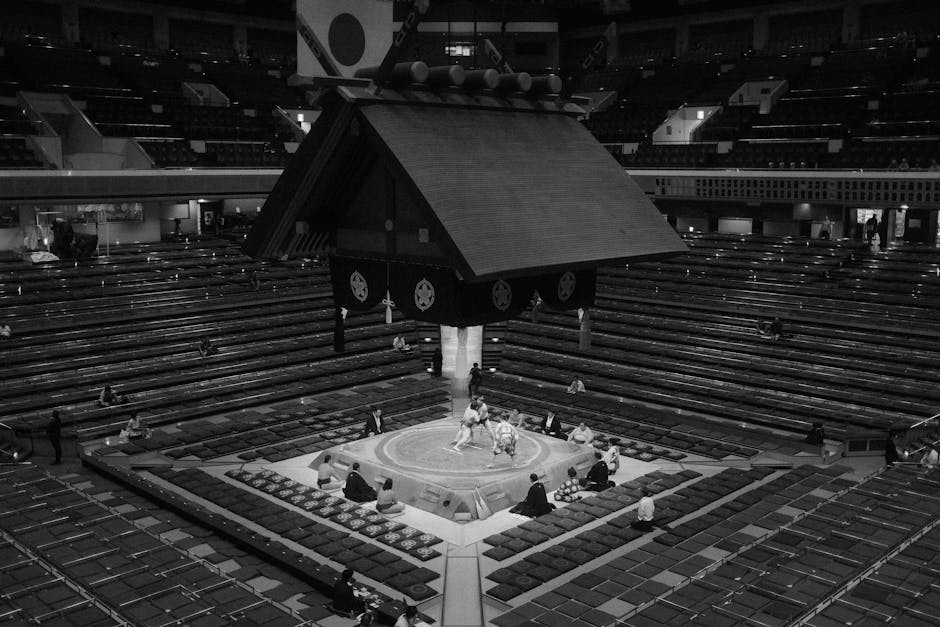
- The Venues: Not just arenas. Hallowed ground. Tokyo's Ryogoku Kokugikan is the spiritual home—a purpose-built sumo cathedral. The others have their own, slightly more chaotic, charm.
- Ticket Prices: Wildly variable. From about 3,800 yen for basic arena seats (you'll need binoculars) to over 150,000 yen for a front-row box. There's a sweet spot. We'll find it.
- Daily Schedule: Lower divisions start early (like, 8:30 AM early). The big guns—the top division or "Makuuchi"—hit the ring around 2:30 PM. The very best bouts, the Yokozuna and Ozeki, go on after 4:30 PM. Plan your arrival accordingly.
- Nearest Airports: For Tokyo (Haneda/Narita), Osaka (Kansai/Itami), Nagoya (Chubu Centrair). You're flying into major hubs.
- The Vibe: Part solemn ceremony, part rowdy sporting event. You'll hear polite applause and then someone screaming "NOKOTTA!" (He's still in!). It's a beautiful mix.
Best Time to Visit a Sumo Tournament
If you can only come once, aim for the September tournament in Tokyo. Here's why I'm adamant about this: the weather has finally broken from the brutal summer humidity, the city feels energized, and it's the start of the "Aki" (Autumn) Basho, which often has fantastic storylines as wrestlers push for promotion. But honestly? Any tournament is a win.
January & May (Tokyo)
January is the grand opener, the Hatsu Basho. The atmosphere is electric with New Year energy. But fair warning: Tokyo in January is cold. The arena is heated, but getting there? Bundle up. May is lovely weather-wise, but it's Golden Week holiday time in Japan. Domestic crowds are huge. Like, "book-everything-six-months-ago" huge.
March (Osaka)
Osaka's tournament has a different flavor. The locals are more... vocally enthusiastic. It's a bit more relaxed, a bit less formal than Tokyo. The downside? It's still chilly, and Osaka's venue, the Prefectural Gymnasium, feels more like a classic sports arena than a sumo hall. A solid choice if you're doing the Kansai circuit anyway.
July (Nagoya)
No joke. Nagoya in July is a furnace. It's oppressively hot and humid. The sumo world calls this the toughest tournament for the wrestlers because of the climate. For you? It means the arena can feel a bit stuffy unless you're in well-ventilated seats. That said, the passion is real, and seeing the rikishi endure adds a layer of respect. Drink lots of water. More than you think.
September & November (Tokyo & Fukuoka)
My personal favorites. September, as I said, is prime time in Tokyo. November in Fukuoka (Kyushu) is fantastic—mild autumn weather, amazing food in the city, and a cozy, regional vibe to the tournament. It's a bit off the standard tourist trail, which can be a huge plus.
Shoulder Season Secret: Honestly, the first week of any tournament, especially weekdays. The crowds are thinner, tickets are (slightly) easier, and the sumo is just as intense. The final weekend is pure madness—in a fun way—but if you wanna avoid the peak frenzy, go on a Wednesday.
Top Things to Do & See at a Basho
Everyone asks what they can't miss. The real question is: how deep do you wanna go? Because just watching the bouts is one thing. Soaking up the whole bizarre, wonderful universe around them? That's the next level.
The Rituals Are the Show
Don't just wait for the clash. The pre-bout ceremonies are where the soul of sumo lives. Watch the wrestlers perform the "shiko" leg stomps—it's not just warming up, it's to drive evil spirits from the ring. See them toss salt for purification. The slower, more elaborate the entrance ceremony (like the Yokozuna's "dohyo-iri" with the massive rope belt), the higher the rank. These moments are hypnotic. They build the tension until the whole place is ready to burst.
Food in the Arena: A Surprisingly Delicious Affair
You're gonna be there for hours. You'll get hungry. And arena food in Japan is a whole different ball game. At the Kokugikan, you can order proper "bento" lunch boxes, steaming bowls of "chanko-nabe" (the sumo wrestler's stew!), and even cold beer delivered right to your seat by nimble vendors. It's an experience in itself. Try the chanko-nabe. It's hearty, delicious, and feels thematic. Just don't expect to eat like a sumo wrestler and then move easily in those tight arena seats.
Between Bouts: People Watching & Souvenirs
When the lower divisions are on, wander the concourse. The people-watching is unparalleled. You'll see elderly super-fans with meticulously kept record books, families explaining the sport to wide-eyed kids, and maybe even a former wrestler, now an elder, moving with a slow, dignified gait. The souvenir shops sell everything from wooden "tegata" plaques with a wrestler's handprint (a fantastic, authentic souvenir) to cute plush toys of the rikishi. It's a scene.
The Morning Practice Viewing
Here's a pro-tip that most casual visitors miss. Many of the sumo stables, or "heya," allow visitors to watch their morning practice. It's free (though a small donation is polite). You'll sit on the floor in a sparse training room and watch the brutal, repetitive grind of practice up close. The sound of bodies slamming together, the coach's shouts—it's raw and unforgettable. You need to be respectful, quiet, and follow the rules (no flash photography, usually no moving once seated). Check which stables are accepting visitors during tournament time; it changes.
Where to Sit: Budget, Mid-Range, and Splurge
Your seat defines your experience. Front-row boxes are a dream, but you're gonna pay for it. And honestly? They're not always the "best" for a first-timer. Let's break it down.
The Splurge: Tamari Seats (Box Seats) - $$$$
What they are: Flat, cushioned areas on the floor, right up against the ring. You sit on the floor, Japanese-style, in a tatami-mat box for four people. You buy the whole box, even if there are two of you.
The Reality: You are right there. You'll feel the impact. You might get sprayed with salt. It's incredibly immersive. But here's the thing: sitting cross-legged or on your knees for 4+ hours is a special kind of torture if you're not used to it. Your legs will fall asleep. I've seen tourists in sheer agony by day's end. Also, your view can be blocked when people in front lean forward at the crucial moment. Worth it for the bragging rights? Maybe once. But it's a physical challenge.
The Sweet Spot: 2nd Floor Arena Seats (Chair Seats) - $$
This is where I tell most people to aim. You're in an actual chair. You have a raised, unobstructed view of the entire ring. You can see the patterns of the matches unfold. The atmosphere is still fantastic, and you're surrounded by passionate fans. The "S" and "A" sections on the sides are great. Avoid the "B" sections directly behind the wrestlers—you'll be staring at their backsides most of the time. No joke.
The Budget Play: 3rd Floor Balcony - $
Look, these are cheap for a reason. The wrestlers look like ants. You'll absolutely need binoculars. But the energy up there is often the most raucous and fun. It's where the die-hard, budget-conscious fans hang out, and they know their sumo. If you're on a tight budget or just wanna sample the vibe for a few hours, it's a totally valid option. Don't let anyone shame you for it. Just bring optics.
How to Get Tickets (The 2026 Battle Plan)
This is the hardest part. The good seats sell out fast, often to fan clubs and corporate sponsors before the public even gets a look. But don't panic. You have options.
The Official Route: Lawson Ticket or Online
Tickets usually go on sale about a month before the tournament. You'll need to navigate a Japanese ticketing site (Lawson Ticket, Pia, etc.) or, for some tournaments, the official sumo association's English site. It's a competitive online scramble. Have your dates and credit card ready the second sales open. Set an alarm. Be prepared for frustration.
The Guaranteed (But Pricier) Route: Official English Agencies
Companies like Voyagin or Japan Experience often get blocks of tickets to sell as part of tour packages or standalone. You'll pay a premium, sometimes a hefty one. But for guaranteed peace of mind, especially for a prime tournament, it can be worth the markup. I've used them for the January tournament when I couldn't risk missing out. No regrets.
The Day-Of Gamble: Tickets at the Arena
A limited number of same-day tickets are sold at the box office. For weekdays or the first few days, you might get lucky. For weekends or the final days? You'll see a line forming at dawn. Honestly, I wouldn't bank your whole trip on this unless you're extremely flexible. But it's a known strategy.
Etiquette & Spectator Tips: Don't Be "That" Visitor
This section matters. Sumo is steeped in respect. You don't need to know every rule, but a few basics will make you feel more comfortable and keep you from annoying the locals.
- Arrive and stay: It's considered rude to leave your seat while a bout is in progress. Wait for the break between matches. Same for returning to your seat. The ushers will literally stop you at the entrance tunnels if wrestlers are in the ring. Just wait.
- Applaud, don't boo: Booing or loud jeering is very rare. Even if your favorite loses, polite applause is the norm. The only loud shouts are encouragements like "Nokotta!" or "Osu!"
- Photos are fine, but... No flash photography. Ever. It's distracting and dangerous for the wrestlers. Also, during the sacred Yokozuna ring-entering ceremony, just put the camera down and watch. It's a moment to absorb, not just capture.
- The throw cushion phenomenon: If a huge underdog beats a Yokozuna or Ozeki, the crowd might erupt and throw their seat cushions into the ring. It's a wild, celebrated tradition. If it happens, just go with it! But don't start it yourself.
Packing Essentials for a Day at the Sumo
I overthought my first time. Underprepared my second. Here's what you actually need for a comfortable day.
Clothing Strategy
Dress in layers. The arena can be warm from body heat but then you'll step outside into a Tokyo winter or Nagoya summer. Comfortable shoes are a must—you'll be walking and standing in lines. You don't need to dress up, but neat, casual clothing is respectful.
The Non-Negotiables
Cash: Many food vendors and souvenir stalls inside are cash-only. Don't get caught needing a bento and only having a credit card.
Binoculars: Even if you have good seats, they're fun for watching the wrestlers' intense facial expressions up close or spying on the stablemasters in their fancy kimonos. For balcony seats, they're mandatory.
Patience: This is a long, slow burn of a day. It's not an NBA game with constant buzzer action. Embrace the lulls. They're part of the atmosphere.
One Weird Tip
Bring a small, foldable seat cushion. The chair seats are... firm. A little extra padding for a 4-hour sit makes a world of difference. Your back will thank you. I learned this the hard way.
Sample Itineraries: Tokyo Basho Edition
These assume you're basing yourself in Tokyo. Adjust for other cities, but the rhythm is similar.
The One-Day Blitz (First-Timers)
Morning (10:30 AM): Arrive at Ryogoku. Soak up the atmosphere outside the Kokugikan. See the statues, maybe visit the small sumo museum inside if there's time.
Noon (12:00 PM): Enter the arena. Grab a bento and a beer. Watch the lower divisions. Appreciate the skill—these guys are future stars.
Afternoon (2:30 PM - 6:00 PM): The top division begins. This is your main event. Watch the rituals, the drama, the building intensity.
Evening (6:30 PM+): Head to a "chanko-nabe" restaurant in Ryogoku (there are several) for a post-tournament feast. You've earned it.
The Two-Day Deep Dive
Day 1: Follow the One-Day Blitz, but get cheaper seats. Get the overall experience.
Day 2: Go for a morning practice viewing at a stable (requires advance research). Then, return to the arena for the final bouts of the tournament day (from about 4 PM). The energy on the last few days is electric, with championships on the line. You'll appreciate the stakes so much more now that you've seen the practice grind.
Family-Friendly Tips
Kids can be mesmerized by sumo... or bored out of their minds. Depends on the kid and your prep. Honestly, the long sitting is the biggest hurdle.
Best bets: Go for the cheaper balcony seats so you don't stress about them fidgeting. Explain the basic rules—first to touch the sand or step out loses. Make a game of predicting the winner based on their pre-bout rituals. The weird shapes and the dramatic falls are often funny to them.
Timing: Don't try to do a full day. Arrive around 3 PM, catch the top division action for 2-3 hours, and then leave. It's a perfect sampler without testing their patience to the limit.
Rules, Safety & Respect
Let's be clear. This is a safe event. But there are cultural lines you just don't cross.
Do Not Call Out to the Wrestlers
They are in a zone of intense concentration. Yelling their name, trying to get a photo as they walk by—it's a major faux pas. They are not theme park characters. They are athletes performing a sacred rite. Observe quietly as they pass. A local once gave me a sharp look for even raising my camera too quickly near a walking rikishi. Lesson learned.
The Ring is Sacred
Never, ever throw anything into the ring unless the entire crowd is doing the cushion thing. And even then, aim for the center, not at anyone. The "dohyo" is sanctified by Shinto priests. Treat it with that level of respect.
Leaving No Trace
Just be tidy. Take your trash with you from your seat to the bins. It's simple but appreciated.
Nearby Attractions & Hidden Gems
If you're in Ryogoku for sumo, you're in a fascinating historical district. Don't just bolt after the final bout.
The Edo-Tokyo Museum: Right next door. It's a stunning, immersive museum that explains the history of the city. It's currently closed for renovation but slated to reopen—check for 2026 dates. If it's open, it's a perfect pairing.
Smaller Sumo Stables: Wander the backstreets of Ryogoku. You might spot wrestlers on bicycles (a surreal sight) or see the simple wooden facades of the training stables. It's a glimpse into their cloistered world.
Yokoami-cho Park: A peaceful spot for a stroll, with a memorial hall related to the Great Kanto Earthquake. A somber but important contrast to the vitality of the sumo arena.
FAQ About Visiting a Sumo Tournament
The questions I get asked most. Some obvious. Some not.
How many days of the tournament should I see?
One full day is perfect for most people. Two if you're a super-fan or want to see a morning practice. More than that? You're probably in the sumo journalism business.
Can I meet a wrestler or get an autograph?
Extremely unlikely. They are focused and protected. Your best bet is the handprint "tegata" plaques as a souvenir. After a tournament day, you might see them leaving, but they move quickly and don't stop for fans. Respect their space.
Is there an English audio guide or commentary?
Sometimes you can rent a radio with English commentary at the arena. It's hit or miss. I recommend doing a little homework on the basic rules and top wrestlers beforehand. It makes everything more engaging.
What if I need to leave my seat urgently?
Wait for a break between bouts, then go quickly. The ushers will help. It's not a prison, but moving during the action is seriously frowned upon.
Are there vegetarian food options in the arena?
It's limited. You might find vegetable tempura bento or rice balls. The famous chanko-nabe is usually meat or fish-based. Plan ahead and eat a bigger meal outside if you have dietary restrictions.
Is it okay to cheer for a specific wrestler?
Absolutely! Just do it politely. Clap, say their name (or their shikona, fighting name) in encouragement. The Japanese fans do. It's part of the fun.
What's with the guy with the fan and the fancy clothes?
That's the "gyoji," the referee. His fan is used to point to the winner. His outfit's color and the style of his hat denote his rank, just like the wrestlers. If he gets the call wrong, he's expected to resign. No pressure.
Best month for a first-timer?
I'll say it again: September in Tokyo. The conditions are just right. But honestly, any tournament you can get tickets to is the best one.
Final Thoughts
Planning a sumo trip feels like a mission. The tickets, the timing, the rules—it can seem daunting. But here's the truth: the moment you walk into that hall, smell the air, hear the first ceremonial drumbeat, it all melts away. You're not just a tourist anymore. You're a witness.
You'll feel the collective gasp when a giant is toppled. You'll see the flicker of pain on a wrestler's face as he bows out after a loss. You'll taste the salty, savory chanko-nabe that fuels them. It's raw, it's beautiful, and it's profoundly human.
Book those tickets the second they go on sale. Pack your patience. Bring binoculars. And when the last bout ends and the crowd erupts—whether in cushion-throwing chaos or respectful applause—you'll know. You'll have gotten under the skin of Japan in a way no temple or museum can provide.
See you in the stands. I'll be the one with the extra cushion.


No comments:
Post a Comment