
Kuala Lumpur Unbound: Your Ultimate Guide to Mastering the City's Electric Pulse
Introduction: The First Breath of a Concrete Jungle
The first hit is always the humidity. It wraps around you like a warm, damp towel the moment you step from the plane's conditioned air, a visceral welcome to the tropics. Then, the symphony begins: the distant, rhythmic thrum of the KLIA Ekspres train gliding on its track, the staccato beeps of payment terminals, the melodic call of the azan weaving through the urban cacophony. Your nostrils fill with the layered perfume of the city—frangipani blossoms undercut by diesel fumes, and the unmistakable, tantalizing scent of sizzling garlic, chili, and shallot from a thousand unseen woks.
This is Kuala Lumpur. Not just a city you visit, but an organism you feel. Its rhythm is a unique polyrhythm—a fusion of colonial history, breakneck modernity, and deep-rooted Malay, Chinese, and Indian traditions. It's in the way a gleaming stainless-steel skyscraper casts its shadow on a century-old Chinese shophouse, in the quiet devotion of a man praying in a mosque nook beside a roaring stock exchange.
City travel is transformative because it demands you to adapt, to read the street's subtle cues, to move with its current. Kuala Lumpur offers a masterclass. It's less about ticking off postcard sites and more about learning its language: the nod of a *mamak* stall owner, the specific crush of a 5:30 PM LRT carriage, the golden hour when the Petronas Towers don't just stand but seem to ignite.
This guide is your decoder ring. We will move beyond the brochures to help you navigate efficiently, safely, and with profound authenticity. You'll master the transportation chessboard, decode neighborhoods by their vibe, eat where the heart of the city beats, and move with a confidence that turns obstacles into adventures. Consider this an invitation to step off the tourist treadmill and into the city's living, breathing bloodstream. Let's discover Kuala Lumpur through the eyes of those who know its secrets.
Pre-Trip Planning: Architecting Your Urban Adventure
True exploration begins long before you land. Forget generic lists; deep research is about mapping the city's character. Kuala Lumpur is a constellation of distinct districts, each with its own gravitational pull. Pinpoint them: the gritty, artsy soul of Chow Kit and Kampung Baru; the polished financial heartbeat of KLCC and Bukit Bintang; the historic whispers of Merdeka Square and Brickfields; the leafy, café-dotted serenity of Bangsar and Damansara Heights.
Investigate the city's temporal rhythm. Is your visit syncing with Thaipusam at the Batu Caves, a spectacle of piercing devotion? Or the dizzying retail carnival of the Mega Sales Carnival? Check local event listings on sites like Time Out KL or KLue to catch a pop-up market in TREC or a traditional *wayang kulit* (shadow puppet) performance.
Build your budget architecture with precision. A daily budget can range from a lean RM120 (street food, hostel dorms, public transport) to a lavish RM500+. Allocate for accommodation tiers: hostels (RM30-80/night), boutique stays (RM200-400), luxury sanctuaries (RM500+). Street food is a glorious RM5-15 per meal; a fine dining experience starts at RM150. Factor in a MyRapid Touch 'n Go card (RM10, plus top-up) as your transport lifeline.
Safety preparation is non-negotiable. Secure travel insurance that explicitly covers urban medical emergencies and theft. Register with your embassy online for alerts. Digitally fortify yourself: install a VPN on your devices, photocopy your passport and visa, and store digital copies in a secure cloud.
Cultural pre-learning is the ultimate sign of respect. Understand that Malaysia is a predominantly Muslim nation; modesty is valued. Learn the basic context: the significance of the *Bumiputera* policy, the 1969 racial riots, and the economic boom of the 90s that birthed the Petronas Towers. This history is the bedrock under the pavement you'll walk on.
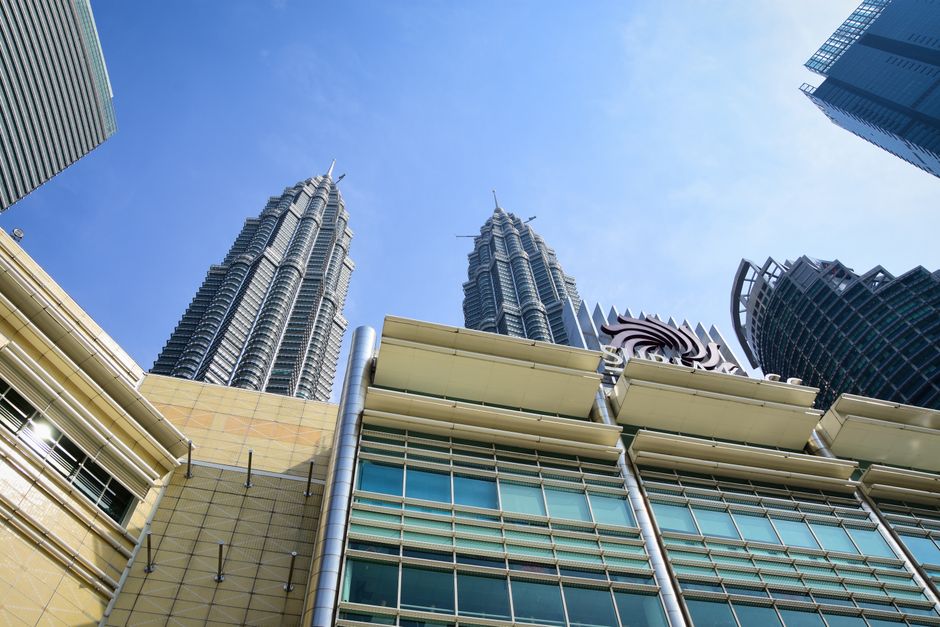
Choosing Accommodation: Finding Your Urban Anchor
Your choice of bed is your choice of Kuala Lumpur experience. The location strategy is paramount. Proximity to a major LRT/MRT hub like Bukit Bintang, KL Sentral, or Pasar Seni is a superpower, granting you 30-minute access to almost anywhere. For authentic immersion, consider staying in a quieter residential neighborhood like Sri Hartamas or Section 17 in Petaling Jaya—you'll trade walkability for a profound sense of local life, breakfasting at a *kopitiam* with neighbors.
Accommodation types tell a story. Seek boutique hotels in converted shophouses in Chinatown, where the walls hum with history. Social hostels with rooftop bars in Bukit Bintang offer instant camaraderie and skyline views. An Airbnb in a local apartment block in Bangsar South drops you into the daily rhythm of KL professionals. The luxury towers of KLCC place you in the shimmering heart of the business district, with infinity pools mirroring the clouds.
Budget considerations are clear-cut. Dorm beds start at RM30. A clean, mid-range hotel room with a window averages RM150-250. Splurge-worthy stays with iconic Petronas Towers views begin at RM400 per night.
Use booking tactics aligned with your vibe. Bukit Bintang is for nightlife seekers and solo travelers. KLCC suits families and luxury travelers. Brickfields (Little India) offers sensory overload and incredible vegetarian food. Bangsar is perfect for digital nomads and café hoppers.
Safety factors are subtle. Read recent reviews mentioning street noise at night and well-lit entrances. Verify that your chosen area is well-connected for late returns. A secure location often has a 24-hour convenience store nearby—a beacon of light and necessity.
Transportation Within the City: Mastering the Urban Flow
To move through Kuala Lumpur with grace is to understand its circulatory system. The city's veins are its rails.
Public Transport Mastery
The LRT, MRT, Monorail, and KTM Komuter networks are your best friends. They are air-conditioned, efficient, and bypass the infamous traffic. The key is the Touch 'n Go card—a rechargeable smart card you tap at gates and on buses. Buy one at any station (RM10 for the card, plus top-up). Google Maps is surprisingly accurate for transit directions, but also download the official MyRapid app for live updates.
Ride-Sharing Culture
Grab is king here (Uber and Lyft have exited). It's often cheaper and always more reliable than traditional taxis. Use it during peak heat, heavy rain, or late at night. For traditional taxis, insist on using the meter ("*Meter, please*"). If refused, walk away and book a Grab. Ride-sharing etiquette: sit in the front if you're solo, it's considered polite.
Active Exploration
Some neighborhoods are best explored on foot. Wander the covered five-foot ways of Chinatown, or get lost in the labyrinth of Little India. For longer green stretches, use bike-sharing services like LinkBike in KLCC Park. Be warned: dedicated bike lanes are rare, and pedestrian sidewalks can be uneven or abruptly end.
Cost-Saving Passes
For intensive sightseeing, the MyCity Pass (unlimited rail travel for 1/3/5/7 days) can be economical. For most, simply topping up the Touch 'n Go card as needed is sufficient and flexible.
Night Transport & Scam Avoidance
The LRT and Monorail typically stop around midnight. After that, Grab is your safest bet. Avoid unmarked "private taxis" soliciting at tourist spots. A common scam involves taxi drivers claiming your destination is "closed" or "far" to take you to a commission-paying shop instead. Have your destination's address saved in your phone to show them.
Must-Have Essentials While Exploring: The Daily Kit
Your daypack is your command center. Digitally, arm yourself with offline maps on Google Maps or Maps.me—screenshot your hotel's location and key addresses. Physically, dress for a sauna crossed with a monsoon: moisture-wicking clothing is essential. Always carry a light rain jacket or umbrella; storms arrive with theatrical suddenness.
Footwear is critical. Choose broken-in walking shoes that can handle slick pavements, cobblestone alleys, and hours of standing. Your daily survival kit must include a reusable water bottle (refill at mall water coolers), high-SPF sunscreen, a portable power bank (you'll be using your phone constantly), and a pack of tissues (many public restrooms don't supply toilet paper).
Connectivity is oxygen. Buy a local prepaid SIM (like Hotlink or Celcom) at the airport or any mall—data is cheap and fast. Essential apps to pre-download: Grab, Google Translate (with Malay offline pack), WhatsApp (the universal communicator), and a food delivery app like foodpanda for weary evenings.
For safety, a cross-body anti-theft bag with slash-proof straps is wise. Distribute cash between your bag, wallet, and a hidden money belt. Keep photocopies of your passport separate from the original.
Food and Dining Tips: A Symphony for the Senses
Eating in Kuala Lumpur is the city's truest conversation. Street food is the heart of its cuisine. Navigate safely by following the locals: choose stalls with high turnover (the food is fresh) and where you can see the cooking temperature is high. Observe crowd density—a queue is the best review.
Understand the restaurant hierarchy. Tourist-trap red flags include touts with menus, "special tourist prices," and locations directly opposite major attractions. For authenticity, walk one block away, or head to a bustling *kopitiam* (coffee shop) or a *pasar malam* (night market) like the one in Taman Connaught.
You must taste the signatures that define the city: a plate of smoky, wok-hei-infused *char kway teow* in Petaling Street; a hearty, coconut-rich *nasi lemak* for breakfast; the complex, tangy broth of *asam laksa*; and the succulent *satay* with peanut sauce at Jalan Alor. For a true local experience, join the late-night *mamak* culture for *roti canai* and *teh tarik* after midnight.
Meal timing follows a tropical logic. Lunch can be late (1-3 PM), and dinner stretches until 10 PM, with supper (*makan malam*) even later. Many smaller shops close between 3-5 PM.
For dietary restrictions, learn key phrases: "*Saya vegetarian*" (I am vegetarian), "*Tidak ada daging?*" (No meat?). Hindu vegetarian eateries in Brickfields are a safe haven. Payment is often cash-only at street stalls and older establishments; modern cafes and malls accept cards. Tipping is not expected as a 10% service charge is usually added to bills.
Budgeting & Money Management: The Financial Pulse
Your currency strategy should be agile. Exchange a small amount at the airport for immediate costs, then find better rates in the city center (e.g., Bukit Bintang or Mid Valley Megamall). ATMs are ubiquitous, but be aware of your bank's foreign transaction fees (usually RM10-12 per withdrawal). Always carry cash—RM50-100 in smaller notes—as many hawker stalls and older shops are cash-only.
Digital payments are surging. Contactless cards (Visa/Mastercard) work in malls and chains. Local mobile payment apps like Touch 'n Go eWallet and GrabPay are widely accepted at street vendors and via QR codes. Adopting them can feel like getting a local secret handshake.
Tipping culture is straightforward. A 10% service charge is legally added to most restaurant and hotel bills, so no extra tip is required. For exceptional service, rounding up or leaving small change is appreciated. Taxi drivers do not expect tips, but you can round up the fare for convenience.
Track your expenses with apps like Trail Wallet. Anticipate hidden costs: the 10% service charge + 6% SST tax on meals, the RM2 fee to use some public toilets in malls, and the tourist tax (RM10 per night) charged by accommodations.
Sightseeing and Experiences: Beyond the Postcard
Your itinerary architecture must be geographical. Cluster attractions: do Merdeka Square, the KL City Gallery, and Central Market in one morning. Pair the Batu Caves with a meal in nearby Little India. This minimizes costly and time-consuming cross-city dashes.
For major landmarks, strategy beats crowds. Visit the Petronas Towers at opening (9 AM) for the Skybridge, or book the last entry for sunset. Buy tickets online in advance. The Batu Caves are most magical in the early morning light, before the tour buses arrive and the monkeys become overly bold.
Seek hidden gems known only to locals. Find the rooftop bar at *Heli Lounge Bar* (a functioning helipad by day). Discover the underground music scene at *Ruang* in Chow Kit. Get lost in the textile wonderland of *Kazmir* in Kampung Baru. Hunt for street art in the back alleys of *Kwai Chai Hong* in Chinatown.
Tour selection is an art. Join a free walking tour (tip generously) for orientation. Then, dive deeper with specialized tours: a food tour in Kampung Baru, a heritage tour of the Sultan Abdul Samad Building, or a self-guided audio walk through the Lake Gardens.
Master timing. Golden hour bathes the KL Tower in a fiery glow. The fountains at KLCC Park perform a light show every evening. Visit popular spots like Jalan Alor on a weekday to avoid the weekend crush. Book popular cultural venues like the Islamic Arts Museum or a show at *Dewan Filharmonik Petronas* well in advance.
Safety Tips: Navigating with Confidence
Neighborhood awareness is your first layer of defense. While KL is generally safe, exercise increased caution in areas like Chow Kit after dark, known for petty crime. Be extra vigilant in crowded tourist zones like Bukit Bintang and Pasar Seni, where pickpockets and bag-snatchers on motorbikes operate.
Personal security is about smart habits. Wear your cross-body bag on the side away from the road. Never place your phone on an outdoor café table. Distribute money and cards between different pockets. When using an ATM, shield your PIN and be aware of your surroundings.
Night navigation requires planning. Stick to well-lit, populated streets in nightlife districts like Changkat. Always use official Grab cars to get home. Avoid unlit shortcuts through parks or back alleys, no matter how tempting.
Program emergency numbers into your phone: 999 (general emergency), 112 from a mobile. Know the location of the tourist police booth in Bukit Bintang. Keep your embassy's address and contact number saved.
Digital safety is crucial. Avoid conducting banking on public Wi-Fi; use your mobile data or a VPN. Consider an RFID-blocking wallet or sleeve for your cards. Health-wise, stick to bottled or filtered water. On days with a high API (Air Pollutant Index), those with respiratory issues may want to limit prolonged outdoor activity.
Cultural Etiquette: The Unspoken Language of Respect
Social norms are the city's soft infrastructure. Greetings are modest; a slight bow of the head with hands lightly clasped (*salam*) is common in Malay contexts. A simple handshake is fine in most others. Queueing is generally respected. On public transport, keep your voice at a moderate level and offer your seat to the elderly.
Dress codes are context-specific. When visiting mosques (like the beautiful Masjid Jamek) or temples, cover shoulders and knees. Remove your shoes before entering homes and prayer halls. In upscale dining establishments, smart casual is expected.
Build a language bridge. Beyond "*terima kasih*" (thank you) and "*selamat pagi*" (good morning), learn "*Boleh saya beli ini?*" (Can I buy this?), "*Di mana tandas?*" (Where is the toilet?), and "*Sedap!*" (Delicious!). The effort is always rewarded with smiles.
Interaction protocols matter. Always ask permission before photographing people, especially in markets or religious settings. Haggling is expected in street markets (Pasar Seni, Central Market) but not in fixed-price shops. Start at 50-60% of the asking price and negotiate with good humor. In crowded spaces, be patient; personal space is often smaller here.
In sacred spaces, observe silence, follow posted rules, and mimic what locals do. Environmental consciousness is growing; many places charge for plastic bags. Carry a reusable tote and refill your water bottle to minimize your footprint.
Technology and Apps: Your Digital Toolkit
Your smartphone is your most powerful travel tool. For navigation, Google Maps is indispensable for walking and transit. Complement it with Citymapper or the official MyRapid app for real-time bus and train schedules specific to KL.
Language barriers dissolve with Google Translate. Use the camera function to instantly translate menus, signs, and labels. Download the offline Malay language pack for when you're without data.
Mobility is at your fingertips. Grab is your ride-hailing, food delivery, and even grocery shopping app. For bike-sharing, use the LinkBike or any other dockless bike app's map to locate available bicycles.
Food tech enhances your journey. Use apps like foodpanda or GrabFood to explore menus and have meals delivered. For restaurant reviews and discoveries, look to local blogs and Instagram over international review sites.
Book experiences seamlessly on platforms like Klook for discounted attraction tickets and unique tours. For communication, WhatsApp is universal. Exchange numbers with new friends or tour guides via WhatsApp—it's the default SMS.
Capturing Memories: More Than a Snapshot
Photography ethics are paramount. Your lens is a guest. Always ask before pointing it at a person's face. Respect strict no-photo zones in religious sites. Avoid intrusive selfie sticks at solemn memorials or during prayers.
For visual storytelling, seek unique vantage points. Capture the skyline from the rooftop of *Troika Sky Dining*, or the street life from a *kopitiam* stool. Protect your gear: never leave it unattended, and use a non-descript bag.
Written reflection deepens the experience. Keep a travel journal. Use voice memos to capture the sounds of a market or your immediate feelings after an encounter. Blogging prompts like "What surprised me today?" or "A flavor I can't describe" can unlock deeper insights.
Social sharing comes with responsibility. Consider geotagging a neighborhood rather than a specific, fragile hidden gem to protect it from overtourism. Strive for realistic representation—share the chaotic, humid, overwhelming moments alongside the beautiful ones. Engage with and credit local creators and guides.
For souvenirs, collect textures and stories. A recipe card from a cooking class, a bus ticket, a leaf from the Botanical Gardens. These hold more memory than any mass-produced trinket.
Conclusion: The City is Yours
You began with the sensory overload of arrival, the humid embrace, the symphony of unfamiliar sounds. Now, you possess the score. You can navigate the LRT with a local's nonchalance, identify the perfect *roti canai* stall by scent alone, and know which alleyway leads to a secret mural. You understand that preparation is the scaffold upon which spontaneity builds its most beautiful moments.
This guide has armed you with strategies, but the true magic lies in their application with respect and open curiosity. Travel responsibly. Support the *mamak* stall, the family-run *kedai* (shop), the independent guide. Leave neighborhoods better than you found them, carrying out nothing but memories and leaving behind only goodwill.
Whether you are a solo adventurer finding courage in a crowded night market, a couple sharing a silent moment as the twin towers light up, a family navigating the joyful chaos of a water park, or a business traveler claiming an hour for exploration between meetings—Kuala Lumpur has a rhythm for you. Claim it.
Now, imagine your final morning. You're at a café window, the city waking up in a haze of gold and steam. The traffic begins its familiar hum, a vendor sets up his cart. You take a sip of local coffee, not as a bewildered newcomer, but as someone who has learned the city's language. You are connected, confident, and ready for whatever the day brings. The ultimate discovery was never just Kuala Lumpur—it was your own capability to navigate, adapt, and belong.
Book the ticket. Embrace the unexpected. Let the city's pulse become your own. And when you return, share your stories. The adventure awaits.


No comments:
Post a Comment