
Easter in Kyoto: Your Complete Guide to Cherry Blossoms, Holy Week, and Spring Magic
Introduction: A Symphony of Petals and Prayer
Imagine the soft crunch of gravel underfoot as you walk the Philosopher's Path. The air is cool and carries the faint, sweet scent of sakura—a fragrance like crushed almonds and spring rain. Above you, a canopy of pale pink blossoms trembles in the breeze, each gust sending a flurry of petals dancing like confetti onto the still waters of the canal. This is Kyoto in spring. Now, layer upon this ancient, poetic scene the resonant chime of a cathedral bell, calling the faithful to a sunrise service. Smell the rich, buttery aroma of hot cross buns from a boutique bakery in Pontocho. Feel the unique, vibrant energy of a city where millennia-old Shinto rites and the solemn pageantry of Holy Week unfold simultaneously beneath a canopy of awakening life.
Easter in Kyoto is a travel experience of profound duality and breathtaking beauty. It is a time when the universal themes of renewal and hope find expression in both the explosive bloom of cherry trees and the quiet reverence of Christian observance. The season gifts you with mild, golden days perfect for exploration, and nights that still hold a crisp, clean chill. You are not just visiting a city; you are stepping into a living tapestry where East and West, nature and spirit, tradition and celebration are woven together in a pattern more intricate than any kimono silk.
This comprehensive guide is your key to unlocking that magic. We will navigate the practicalities—the capricious spring weather, the crowd dynamics, the cost considerations—so you can plan with confidence. More importantly, we will immerse you in the sensory details: where to find the most ethereal blossom views, how to partake in a truly unique Easter celebration, and how to craft an itinerary that balances iconic sights with hidden spring moments. We'll provide packing lists, lodging advice, and cultural tips to ensure your journey is as seamless as it is soul-stirring.
Prepare to discover a Kyoto where every temple gate frames a painting of spring, where the echo of a Gregorian chant might meet the scent of incense from a nearby shrine, and where your Easter holiday becomes an unforgettable story of cultural confluence and natural wonder. Let's begin.
Is Easter a Good Time to Visit Kyoto?
The short answer is a resounding yes, but with important caveats. Easter offers a compelling, multifaceted reason to visit Japan's cultural heart. However, its timing—often aligning with both peak international holiday travel and Japan's own cherished cherry blossom season—creates a specific travel landscape you must be prepared for.
To help you decide, here's a balanced look at the pros and cons:
- ✔ Unbeatable Scenery: With luck and timing, you witness Kyoto's most famous spectacle: the cherry blossoms in full, glorious bloom. Even if the peak has passed, spring paints the city in vibrant greens and other floral displays.
- ✔ Perfect Climate: The harsh winter cold has receded, and the humid summer heat is yet to arrive. Days are mild and sunny, ideal for long walks through gardens and temple complexes.
- ✔ Unique Cultural Fusion: Experience Easter celebrations—from solemn church services to festive hotel brunches—within a deeply Japanese context. It's a rare blend of traditions.
- ✔ Festive Energy: The city shakes off its winter slumber. Markets buzz, gardens hold special night illuminations, and a palpable sense of celebration is in the air.
- ❌ Significant Crowds: This is peak season. Iconic sites like Kiyomizu-dera and Arashiyama will be packed with both international tourists and Japanese holidaymakers. Patience and early starts are non-negotiable.
- ❌ Premium Prices: Flight and accommodation costs soar. Budget options disappear months in advance, and you'll pay a premium for convenience and luxury.
- ❌ Weather Gambles: Spring is famously fickle. A warm, sunny day can swiftly turn to a chilly, persistent drizzle. The famous blossoms are also at the mercy of wind and rain.
- ❌ Booking Battles: Spontaneity is not your friend. The best hotels, sought-after restaurants, and even some special event tickets require reservations far ahead of time.
Kyoto Weather During Easter
Spring in Kyoto is a season of gentle transformation, a daily negotiation between winter's last breath and summer's first whisper. During the Easter period (late March to late April), you can expect a climate that is largely pleasant but demands respect and preparation.
The average daytime temperatures range from a comfortable 15°C to 20°C (59°F to 68°F). This is perfect weather for exploring—warm enough to shed layers under the midday sun, but rarely hot. Nights and early mornings retain a distinct chill, often dipping to 5°C to 10°C (41°F to 50°F). The atmospheric difference is profound; a crisp, almost crystalline morning gives way to a soft, golden afternoon.
Rain is a defining character of the season. Kyoto sees increased rainfall in April, with an average of about 12 rainy days in the month. These are not typically torrential downpours, but rather soft, misty showers or longer periods of drizzle that can last half a day. They amplify the colors of the moss gardens and make the cherry blossom petals glisten, but they also necessitate practical planning.
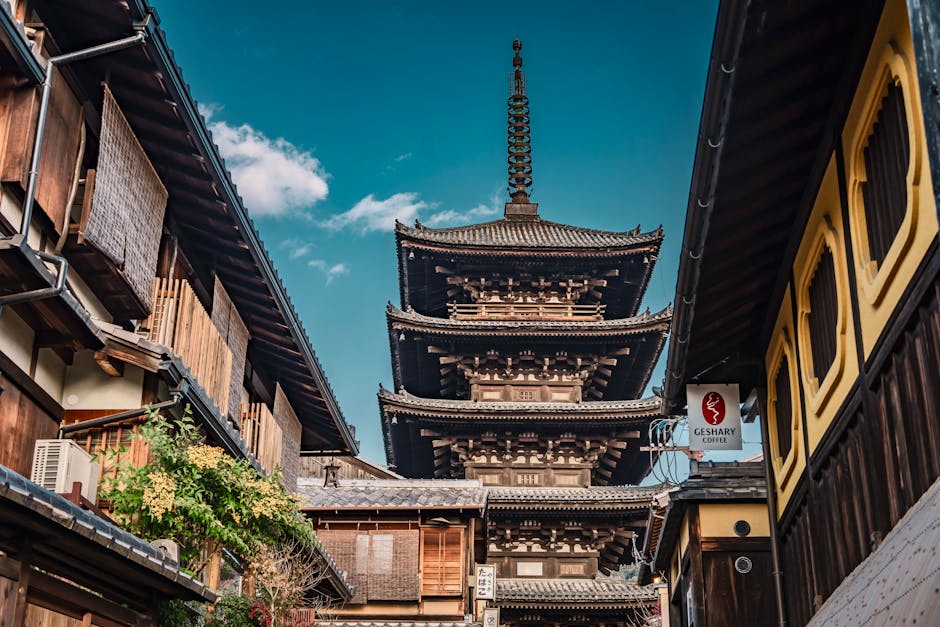
Packing Tips: The key is layers. Pack a mix of short-sleeve shirts, light sweaters, and a versatile, packable down jacket or a trench coat. A compact, sturdy umbrella is essential—consider a stylish one, as you'll use it often. Water-resistant shoes with good traction are worth their weight in gold for navigating slick temple stones and garden paths. Don't forget a scarf for cooler evenings and a small backpack to stow layers as the day warms.
Cherry Blossoms & Seasonal Highlights
The million-dollar question: Will you see cherry blossoms at Easter? The answer hinges on the whims of nature and the variable date of Easter itself. In Kyoto, the average peak bloom (mankai) typically occurs around the last week of March and the first week of April. An early Easter (late March) may catch the tail end of peak bloom at some famous spots. A late Easter (mid to late April) will likely find the iconic Somei Yoshino varieties having shed their petals, entering the beautiful "spring snow" or leafing-out phase.
But do not despair. Kyoto's spring floral calendar is a sequential masterpiece. If the main cherry blossoms have passed, you are entering the season of late-blooming varieties (yaezakura) and other stunning displays. The magnificent wisteria tunnels at the Byodoin Temple's garden in Uji or at Jonangu Shrine begin their lavender-hued cascade in late April. The azaleas at Heian Shrine explode in a riot of pink, red, and white in mid to late April, creating a breathtaking carpet of color against the shrine's vermilion buildings.
Best Viewing Spots: For cherry blossoms, the Philosopher's Path offers a serene, canal-side walk. Maruyama Park is the classic party spot, centered around a magnificent weeping cherry tree lit beautifully at night. For a more curated garden experience, Ninnaji Temple is famous for its late-blooming, multi-petaled cherries. To escape the worst crowds, venture to Daigoji Temple in the southeast, a vast complex with stunning hillside blossom views.
Embrace the season you are given. A late Easter visit means fewer crowds at the most famous cherry spots and the chance to witness the equally stunning, but less hyped, second act of Kyoto's spring floral symphony.
Easter Events & Things to Do
Celebrating Easter in Kyoto is an exercise in delightful cultural juxtaposition. While not a national holiday, the Christian community and the hospitality industry create a number of special experiences that allow you to observe the holiday meaningfully.
Religious Celebrations: The heart of Easter observance lies in Kyoto's Christian churches. The St. Francis Xavier Cathedral (Kawaramachi) and the Kyoto Catholic Church hold solemn and beautiful Holy Week services. A multilingual Easter Sunday Mass is a profound experience, filled with hymns and prayers that feel both familiar and entirely new within the Japanese context. Attending a service offers a glimpse into the country's small but vibrant Christian community.
Festive Brunches & Events: Major international hotels, such as The Ritz-Carlton, Kyoto, the Hyatt Regency, and the Hotel Okura, host elaborate Easter Sunday brunches. These are lavish affairs with decorated egg displays, chocolate sculptures, special menus featuring both Western and Japanese spring delicacies, and often, Easter egg hunts for children. Some bakeries and patisseries, like those in the Daimaru department store, sell special Easter-themed pastries and chocolates.
Spring Cultural Festivals: Easter often overlaps with traditional Japanese spring festivals (matsuri). The Miyako Odori, the "Dance of the Capital" performed by the geiko and maiko of the Gion Kobu district, runs throughout April. This is a breathtaking showcase of music, dance, and exquisite kimono. Many temples and shrines hold special spring night illuminations (yozakura or light-ups), where gardens and cherry trees are artistically lit, creating an ethereal, otherworldly atmosphere after dark.
Seek out the simple joys: a picnic (hanami) under a flowering tree with seasonal sakura mochi (pink rice cake), a stroll through the Toji Temple market on the 21st of the month, or a visit to the Kyoto Botanical Gardens to see their extensive spring collections. Easter in Kyoto is about weaving the holiday's themes into the rich, existing fabric of spring.
Crowd Levels & Costs
Be prepared: Easter week in Kyoto is busy. It sits at the intersection of international Easter holidays, the tail end of the Japanese school spring break, and the peak of cherry blossom tourism from across Asia and the world. Popular districts like Higashiyama, Gion, and Arashiyama will be dense with visitors. Queues for famous temples, restaurants, and even taxis can be long.
This high demand directly impacts cost. Hotel prices are at their annual peak. A mid-range hotel room that might cost ¥15,000 per night in February can easily double or triple to ¥30,000-¥45,000 per night during Easter week. Ryokans (traditional inns) in prime locations book out almost a year in advance and command premium rates. Budget options are scarce; hostels and business hotels fill quickly.
Flight costs follow a similar pattern. Prices from Europe, North America, and Australia begin to climb 4-6 months out. Being flexible with your travel dates by a few days—arriving just before or after the official Easter weekend—can yield significant savings. Consider flying into Osaka's Kansai International Airport (KIX) or even Itami Airport (ITM), as they sometimes have better availability and deals than direct flights to Tokyo, from which you would take the Shinkansen.
The golden rule is: book early. For Easter travel, you should secure your flights and accommodation at least 4-5 months in advance, if not more. This is not the trip for last-minute deals. Planning ahead is the single most effective way to manage both cost and stress.
Best Places to Visit in Kyoto During Easter
To navigate the spring crowds and experience the best of the season, strategic site selection is key. Here are the top places, categorized for easy planning.
Parks & Gardens (For Blossoms & Spring Walks)
Philosopher's Path (Tetsugaku-no-Michi): This two-kilometer stone path along a canal is the quintessential spring walk. Lined with hundreds of cherry trees, it offers moments of relative tranquility, especially early in the morning. The dappled light and falling petals create a truly cinematic experience.
Maruyama Park: For the full hanami (flower viewing) party atmosphere, this is the place. Centered around a giant, weeping cherry tree spectacularly lit at night, the park is filled with groups picnicking on blue tarps. It's lively, bustling, and utterly joyful.
Heian Shrine Gardens: While the shrine itself is a Meiji-era reconstruction, its sprawling strolling gardens are a spring highlight. Visit in mid to late April for the jaw-dropping display of thousands of blooming azaleas in the garden's southern section—a sea of vibrant color.
Cultural & Historical Spots
Kiyomizu-dera Temple: The iconic wooden stage offers one of Kyoto's most famous views, especially stunning when framed by cherry blossoms. Go at opening time to beat the worst crowds. The temple's own cherry and maple trees make it a year-round gem.
St. Francis Xavier Cathedral: Located near the Kamo River, this modernist cathedral is the center of Catholic life in Kyoto. Attending an Easter service here connects you to the holiday's spiritual core in a uniquely Japanese setting.
Nijo Castle: The castle grounds are planted with a diverse array of cherry trees, including many late-blooming varieties. The combination of the imposing castle architecture, the sprawling gardens, and the delicate blossoms is powerfully evocative.
Shopping Areas
Nishiki Market: "Kyoto's Kitchen" is a sensory feast in spring. Look for seasonal treats like sakura-flavored sweets, fresh bamboo shoots (takenoko), and special pickles. It's a great place to experience the culinary side of the season.
Shin-Kyogoku & Teramachi Arcades: These covered shopping streets offer everything from quirky souvenirs to traditional crafts. In spring, shops will feature seasonal goods, from cherry blossom-themed stationery to light spring kimonos (hitoe).
Daimaru or Takashimaya Department Stores: Their basement food halls (depachika) are wonderlands. Around Easter, you'll find beautifully decorated chocolate eggs, special pastries, and exquisite gift boxes perfect for edible souvenirs.
Day Trips
Nara: Just a 45-minute train ride away, Nara Park is also spectacular in spring. The ancient Todai-ji Temple and its friendly, free-roaming deer are framed by blooming trees, offering a different but equally magical atmosphere.
Uji: Famous for matcha green tea and the stunning Byodoin Temple (featured on the 10-yen coin). In late April, the temple's garden becomes home to magnificent wisteria trellises, their fragrant purple blooms creating a scene of serene beauty.
Ohara: A rural northern suburb of Kyoto, Ohara offers a quieter, more rustic spring. The thatched-roof houses of the village and the serene Sanzen-in Temple, with its moss garden and shady trees, provide a peaceful respite from the city crowds.
Suggested 3–5 Day Easter Itinerary
This flexible itinerary balances iconic sights, seasonal highlights, and Easter-specific activities, with strategies to mitigate crowds.
Day 1: Eastern Hills & Evening Magic
Start early at Kiyomizu-dera (be there at 6:00 AM if possible). Walk down through the preserved streets of Ninenzaka and Sannenzaka. After lunch, explore Maruyama Park and the adjacent Chion-in Temple. In the evening, return to Maruyama Park or visit Kodai-ji Temple for their spectacular night illumination (light-up).
Day 2: Philosopher's Path & Cultural Immersion
Begin at Ginkaku-ji (the Silver Pavilion) and walk the entire Philosopher's Path south. Detour to Honen-in and Eikando temples for quieter beauty. In the afternoon, attend a Miyako Odori dance performance in Gion. For dinner, explore Pontocho Alley.
Day 3: Day Trip to Nara or Uji
Escape the city. Choose between the deer and grand temples of Nara (Todai-ji, Kasuga Taisha) or the tea fields and sublime wisteria of Uji (Byodoin, Ujigami Shrine). Both offer a change of pace and deep historical atmosphere.
Day 4 (Easter Sunday): Celebration & Reflection
Attend a sunrise or morning Easter Mass at St. Francis Xavier Cathedral. Afterwards, indulge in a lavish Easter brunch at a luxury hotel. Spend a relaxed afternoon at Heian Shrine Gardens for the azaleas or take a rickshaw ride through the quieter lanes of Arashiyama.
Day 5: Final Explorations & Souvenirs
Visit Fushimi Inari Taisha early to walk through the iconic torii gates in the morning light. Then, head to Nishiki Market for final tasting and souvenir shopping. Pick up some sakura tea or beautifully packaged local sweets before your departure.
Travel Tips for Easter in Kyoto
Book Extremely Early: Reiterating the most critical tip: secure flights and accommodation 4-5 months in advance. For top-tier ryokans or hotels, 6-8 months is safer.
Master Public Transport: Purchase an IC card (ICOCA or Suica) for seamless travel on buses and subways. Buses get extremely crowded; the subway is often faster. For longer stays, consider a Kyoto City Bus & Subway Pass. Use Google Maps for real-time transit routing.
Practice Cultural Etiquette: When attending church services, dress modestly. During temple visits, observe quiet reverence. At hanami picnics in public parks, be tidy and take all your trash with you. A simple bow and a smile go a long way.
Learn Key Phrases: While not necessary for Easter-specific greetings, knowing basic Japanese is polite. "Fukkatsu-sai omedeto" (復活祭おめでとう) means "Happy Easter," but a simple "Konnichiwa" (Hello) and "Arigato gozaimasu" (Thank you) will be deeply appreciated.
Embrace Early Mornings & Late Evenings: The most popular sites are dramatically less crowded in the first and last hours of opening. This is the best time for photography and contemplation.
Where to Stay
Choosing the right district is crucial for your Easter experience. Here are the best areas:
Gion & Higashiyama (Traditional, Central): Staying here puts you in the heart of historic Kyoto, steps from Kiyomizu-dera, Yasaka Shrine, and Maruyama Park. It's ideal for immersion but can be noisy and very expensive. Best for: First-time visitors wanting the classic atmosphere. (Pros: Unbeatable location, ultra-authentic. Cons: Highest prices, crowds, limited dining for locals).
Downtown (Kawaramachi/Shijo): This is the bustling commercial heart. You're close to major shopping, the Nishiki Market, Pontocho Alley, and excellent transport links. It's vibrant and convenient. Best for: Travelers who want dining/nightlife options and easy transit. (Pros: Central hub, endless food choices, great transport. Cons: Less traditional feel, can be noisy).
Arashiyama (Scenic, Quieter): Located in Kyoto's western foothills, this area offers a more resort-like feel with the famous bamboo grove, river views, and mountain scenery. It's peaceful but farther from eastern attractions. Best for: Those seeking a relaxing, nature-focused stay. (Pros: Beautiful setting, distinct vibe, good for families. Cons: Remote from other sights, limited evening options).
Near Kyoto Station (Modern, Convenient): A practical choice with a huge range of hotels from budget to luxury. The station is the main transport nexus for trains, subways, and buses, including Shinkansen for day trips. Best for: Budget-conscious travelers and those taking multiple day trips. (Pros: Best transport access, variety of hotels, modern amenities. Cons: Lacks traditional charm, more generic urban feel).
What to Pack
Your Easter-in-Kyoto packing list should be built for comfort, style, and variable weather. Footwear is paramount: Bring your most comfortable, broken-in walking shoes. Water-resistant sneakers or stylish hiking shoes are ideal. Pack several pairs of moisture-wicking socks.
Layered clothing is your strategy. Include t-shirts, long-sleeve base layers, a couple of light sweaters or cardigans, and a versatile outer layer like a packable down jacket, trench coat, or soft-shell jacket. For Easter Sunday, if attending church, pack a modest outfit (a dress or skirt below the knee, or neat trousers with a blouse/collared shirt for all genders).
Always have a compact umbrella and/or a lightweight raincoat with you every day. A small crossbody bag or secure backpack is perfect for carrying layers, your umbrella, water, and souvenirs. Don't forget a power bank for your phone, as you'll be using maps and translation apps constantly. For a touch of fun, consider a spring-themed accessory like a cherry blossom print scarf.
Pros & Cons Summary
A quick-reference table to weigh your decision:
| 👍 Pros | 👎 Cons |
| Spectacular natural beauty (cherry blossoms, azaleas, wisteria) | Extremely high tourist crowds at all major sites |
| Pleasant, mild weather ideal for sightseeing | Significantly higher costs for flights and hotels |
| Unique fusion of Easter traditions and Japanese culture | Unpredictable spring rain showers |
| Vibrant festive energy with special events and illuminations | Need for very advanced planning and booking |
Final Verdict: Should You Visit Kyoto at Easter?
Visiting Kyoto for Easter is not for every traveler, but for the right one, it is a trip of a lifetime. Couples seeking a romantic and visually stunning getaway will find it magical, despite the crowds. Families with older children can enjoy the festive brunches and outdoor explorations, though the dense crowds may be challenging with very young kids. Solo adventurers and culture enthusiasts will thrive on the unique cultural overlay and the vibrant energy.
However, if you are severely budget-conscious, prefer solitary travel, or crave spontaneity, you may find the high costs, dense crowds, and need for rigid planning frustrating. For such travelers, visiting Kyoto in late autumn (for the fall colors) or in late winter (just before blossom season) might offer a more relaxed and affordable experience with its own distinct beauty.
Ultimately, Easter in Kyoto is for the traveler who sees beauty in confluence—who finds joy in the sound of an Easter hymn floating down a lane lined with a thousand-year-old temples, and who understands that the shared human celebration of renewal can be expressed in the delicate pink of a cherry blossom as powerfully as in the lighting of a Paschal candle. If that speaks to you, then yes, you should absolutely visit Kyoto at Easter. Prepare well, pack your patience and your umbrella, and open yourself to a springtime story you will tell for years to come.
FAQ: Best Time to Visit Kyoto for Easter
Q: Is Easter a busy time in Kyoto?
A: Yes, it is one of the busiest periods. Easter often coincides with peak cherry blossom season and international holidays, drawing massive crowds to popular sites. Expect long lines and crowded public transport.
Q: What's the weather like during Holy Week?
A: The weather is mild but unpredictable. Daytime temperatures are pleasant (15-20°C/59-68°F), but nights are cool. Be prepared for a mix of sunny days and sudden spring showers—always carry an umbrella.
Q: Are there Easter egg hunts for kids?
A: Yes, primarily at international hotels that host Easter Sunday brunches (e.g., The Ritz-Carlton, Hyatt Regency). These are often ticketed events, so booking in advance is essential.
Q: When should I book flights to get the best price?
A: For Easter travel, aim to book flights at least 4-6 months in advance. Prices only increase as the date approaches, and availability becomes very limited in the final two months.
Q: Can I see cherry blossoms during Easter?
A: It depends on the year. An early Easter (late March) has a good chance. A late Easter (mid-late April) may miss the main bloom but will catch late-blooming varieties, azaleas, or wisteria. Check bloom forecasts in February/March.
Q: What do locals do to celebrate Easter?
A: For Japan's small Christian community (about 1% of the population), it is a deeply religious holiday observed with church services. For most locals, it is not a traditional holiday, but many enjoy the spring weather, cherry blossom viewing (hanami), and seasonal foods.
Q: Is it expensive to travel during Easter week?
A: Yes, it is a premium travel period. Hotel rates can be double or triple the off-season price, and flights are at their peak. Budgeting 30-50% more than for a shoulder-season trip is a wise precaution.


No comments:
Post a Comment