
Navigating Marrakech Like a Local: Your Ultimate Guide to Mastering the City's Secrets
Introduction: The Red City's Pulse
The first breath of Marrakech is a spice-laden shock to the system. You descend from the plane into air thick with the scent of orange blossom and diesel, a prelude to the symphony awaiting. The drive into the city is a blur of ochre walls and palm tree silhouettes against a violet dusk. Then, you step into the medina, and the world contracts, expands, and ignites all at once.
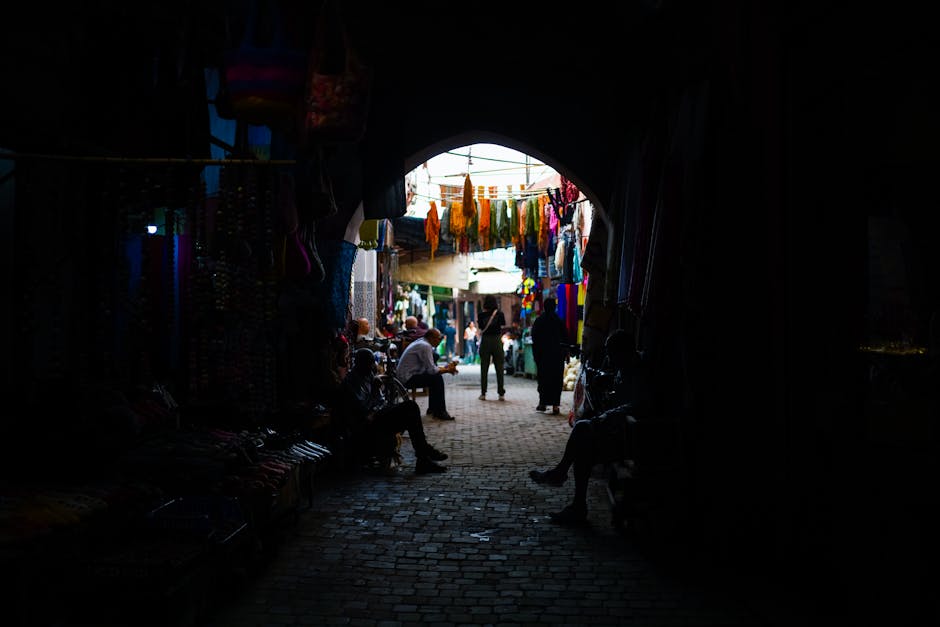
The sound is a relentless, beautiful cacophony: the syncopated clatter of donkey carts on cobblestones, the high-pitched call of the muezzin weaving with the drumbeat from a hidden Gnawa ceremony, the sizzle of snails bubbling in a vendor's pot, and the constant, melodic negotiation in Darija Arabic and French. Light filters through woven reed roofs in the souks, casting striped shadows on pyramids of saffron and cumin. Your fingertips brush against cool, intricate zellij tiles one moment and the supple leather of a babouche slipper the next.
City travel is transformative because it demands you to dance to its unique rhythm. Marrakech doesn't have a metro's hum or a grid of neon; its rhythm is the heartbeat of Djemaa el-Fna, transforming from a circus of snake charmers by day to a galaxy of food-stall steam by night. It's in the frantic energy of the souks and the profound silence of a riad courtyard, where the only sound is the trickle of a fountain.
This guide is your key to that rhythm. Its purpose is to move you beyond the postcard and into the pulse. We will equip you to navigate not just efficiently and safely, but with the intuition of someone who knows where to find the silent garden behind the unmarked door, which alley leads to the perfect tagine, and how to turn a potential scam into a genuine connection.
You will master the art of the Medina maze, decode transportation nuances, feast without fear, budget with precision, and capture memories that go deeper than any snapshot. Consider this your invitation to trade overwhelm for wonder. Let's discover Marrakech not as spectators, but as participants in its ancient, ever-unfolding story.
Pre-Trip Planning: Architecting Your Adventure
True exploration of Marrakech begins long before your flight lands. This is where you move from being a tourist to a traveler, building a framework that allows for spontaneous magic.
Deep Research & Neighborhood Mapping
Forget generic lists. Map the city by its character. The Medina is the historic, chaotic soul—a labyrinth of souks and riads. The Guéliz (Ville Nouvelle) is the early 20th-century French-built quarter, all art deco cafes and contemporary galleries. The Hivernage is the upscale district of luxury hotels and cocktail bars. Kasbah, south of the Medina, is residential, home to the royal palace and quieter streets. Sidi Ghanem is the industrial zone turned hipster haven for designer boutiques and concept stores.
Investigating Local Events
Align your visit with the city's heartbeat. The Marrakech International Film Festival (November) floods the city with glamour. Ramadan (dates vary) transforms the daily rhythm into nocturnal feasts and profound spirituality. The Popular Arts Festival (summer) brings folklore performances to Djemaa el-Fna. Check platforms like Marrakech Pocket or Time Out Marrakech for weekly events, from underground music in Guéliz to traditional weddings in the Agdal gardens.
Budget Architecture
Build your daily budget in tiers. A budget traveler can survive on 300-400 MAD ($30-$40) a day with a hostel dorm, street food, and walking. Mid-range comfort (riad, some taxis, restaurant meals) requires 800-1200 MAD. Luxury, with five-star palaces and private guides, starts at 2000+ MAD. Remember: the Medina is often cheaper for accommodation and food, while Guéliz commands higher prices for a Western experience.
Safety & Digital Preparation
Secure travel insurance that covers medical evacuation and theft in urban areas. Register with your embassy's smart traveler program. Digitally, install a VPN before you go. Photograph your passport, visa, and insurance docs, storing them in a secure cloud. Familiarize yourself with the location of your country's consulate in the Hivernage district.
Cultural Pre-Learning
Understand that Morocco is a Muslim country with a conservative heart under its tourist-friendly veneer. While Marrakech is liberal, dressing modestly (covering shoulders and knees) shows respect and minimizes unwanted attention. Learn a few key phrases: "As-salaam alaykum" (hello), "Shukran" (thank you), "La, shukran" (no, thank you). Read a brief history of the Almoravid and Saadian dynasties—it will make the monuments whisper secrets when you stand before them.
Choosing Accommodation: Your Urban Sanctuary
Where you sleep in Marrakech defines your experience. It's more than a bed; it's your retreat from the sensory storm, your first and last impression each day.
Location Strategy
For first-timers and immersion seekers, staying within the Medina walls is essential. You wake up to the call to prayer and are steps from the souks. Choose a riad near the northern gates (Bab Doukkala) for slightly quieter lanes. For a more relaxed, café-culture vibe with easier navigation, Guéliz is ideal. It's also closer to major bus stations and train links for day trips.
Accommodation Types
The classic Riad is a converted mansion with an interior courtyard garden, offering an oasis of calm. Boutique hotels in Guéliz provide chic, design-forward spaces. For budget travelers, hostels with rooftop terraces overlooking the Koutoubia Mosque offer incredible social value. Luxury seekers will find palatial resorts in the Hivernage or Palmeraie districts, complete with sprawling gardens and pools.
Budget Considerations
Dorm beds start around 80-120 MAD per night. A decent mid-range riad or hotel room will cost 400-800 MAD. For a truly splurge-worthy, five-star experience, expect to pay 1500 MAD+. Remember, many riads include a generous breakfast of pastries, fruit, and eggs—a significant cost saver.
Booking Tactics for Specific Vibes
Solo travelers seeking community should look to hostels in the Medina or southern Guéliz. Families might prefer a riad with a private suite or a hotel in Guéliz with more space and predictable dining. Digital nomads should prioritize Guéliz for its reliable cafes with Wi-Fi and co-working spaces like Clock Room.
Safety Factors
In the Medina, ensure your riad is accessible via a well-lit, main-ish alley. Read recent reviews mentioning nighttime safety. Many riads have 24-hour reception, a reassuring feature. In Guéliz, standard city precautions apply. Always use the safe in your room for passports and excess cash.
Transportation Within the City: Mastering the Flow
Moving through Marrakech is an art form, a constant choice between plunging into the current or finding a quicker channel. The city lacks a metro, so its transport tapestry is woven from different threads.
The Petit Taxi: Your Orange Chariot
These ubiquitous orange cars are the city's lifeblood. They are metered, but the meter is often "broken." Always agree on a price before getting in. A cross-city trip (Medina to Guéliz) should cost 20-30 MAD during the day. Insist on using the meter if you can. They carry a maximum of three passengers. Have small bills ready to pay the exact fare.
Grand Taxis & Inter-City Travel
These older, often cream-colored Mercedes sedans are for longer, shared journeys (e.g., to the airport or Essaouira). They depart from specific ranks (like Bab Doukkala) and leave when full (six passengers!). Negotiate your seat price in advance.
Active Exploration: On Foot & Two Wheels
Walking is the only way to truly know the Medina. Wear sturdy, closed-toe shoes for the uneven cobbles. For longer distances in Guéliz, bike rentals are available, and electric scooters are beginning to appear, though the chaotic traffic demands extreme caution.
Bus Network
The city bus system is extensive and cheap (4 MAD per ride). Key lines for tourists: Line 1 runs from the train station through Guéliz to the Koutoubia. Line 11 connects the Medina to the Majorelle Garden. Buses are often crowded but offer a true slice of local life.
Night Transport & Getting Home
Petit taxis are your best bet after dark. They are permitted to charge a 50% surcharge after 8:00 PM. If you're out late in Guéliz, have your riad/hotel call a reputable taxi for you to avoid overcharges. Walking alone in the Medina's back alleys after midnight is not recommended.
Avoiding Scams
The classic taxi scam is the "my meter is broken" line leading to an inflated price. Be polite but firm: state your destination and your price. Another is the "helpful local" who guides you to your riad and then demands an exorbitant fee. A simple, firm "Non, shukran" and walking away is the best response.
Must-Have Essentials While Exploring
Your daily kit in Marrakech isn't about convenience; it's about resilience and respect. Pack light, but pack smart.
Digital Navigation Toolkit
Download the Medina on Google Maps Offline. The GPS often works in the narrow alleys. Maps.me is another excellent offline alternative. Screenshot your riad's location and a pin on its map—the address alone is useless.
Physical Comfort & Clothing
Morocco is a modest country. Loose, breathable linen or cotton clothing that covers shoulders and knees is respectful and practical. A light scarf is multi-functional: a head cover for mosques, a shield from sun or dust, a shawl for cool evenings. Broken-in walking shoes are non-negotiable for the cobblestones.
Daily Survival Kit
Carry a reusable water bottle and refill it at your riad; buying bottled water is cheap but creates plastic waste. Pack hand sanitizer and tissues (public bathrooms often lack toilet paper). Sunscreen and a hat are mandatory, even in winter. A portable charger (power bank) is a lifesaver for a day of photo-taking and map-checking.
Connectivity
Buy a local SIM card at the airport (Maroc Telecom, Orange, Inwi). For around 100 MAD, you get data that will make your trip infinitely smoother. WhatsApp is the primary mode of communication for everyone, from tour guides to riad owners.
Safety Gear
An anti-theft cross-body bag with zipped compartments is ideal. Keep your phone in a front pocket or deep in your bag when in crowded souks. Carry a money belt for your passport and large bills, but keep daily spending money more accessible to avoid revealing it.
Food and Dining Tips: A Feast for the Senses
In Marrakech, eating is not a mere act of sustenance; it is theatre, archaeology, and communion. The city's history is served on a communal plate.
Street Food Navigation
The rule of thumb: eat where it's busy with locals. At Djemaa el-Fna, look for stalls with high turnover. Must-try street bites: Msemen (flaky, square pancakes), B'ssara (fava bean soup), Brochettes (grilled meat skewers), and the famous snails in spiced broth. Watch for cooking temperatures—food should be piping hot.
Restaurant Hierarchy
Avoid the touts with menus on Djemaa el-Fna's perimeter; they are often overpriced traps. For an authentic lunch, dive into the medina and find a tiny place packed with market workers. In Guéliz, follow the stylish locals to trendy spots like Nomad or Le Jardin. For a truly local experience, seek out a tajine restaurant in the Mellah (Jewish Quarter).
Culinary Specialties
Beyond the universal tagine, seek out Pastilla (savory-sweet pigeon pie), Tanjia (Marrakech's unique specialty: meat slow-cooked in a clay pot in the ashes of a public bath's furnace), and Rfissa (shredded msemen with chicken and lentils). For breakfast, you must try Khlii (preserved meat) with eggs.
Meal Timing & Culture
Lunch is typically from 1:00 PM to 3:00 PM. Dinner starts late, often after 8:00 PM, with many restaurants in Guéliz filling up around 9:30 PM. Many smaller shops close for a siesta in the early afternoon. Embrace the rhythm.
Dietary Restrictions
Vegetarians will find plenty of options—vegetable tagines, couscous, and lentil soups are staples. Vegans need to be more specific, asking "Bla lahm, bla smen, bla beid?" (No meat, no animal fat, no egg?). Nut allergies are challenging due to widespread use of argan and almond oils; carry a translated card explaining your allergy.
Payment & Tipping
Cash is king, especially in the medina. Carry small denominations. In Guéliz, cards are widely accepted. Tipping ("pourboire") is appreciated but not always expected. Rounding up the bill or leaving 10% in a restaurant is generous. For guides, 50-100 MAD per day is standard.
Budgeting & Money Management
Marrakech can be as expensive or as affordable as you make it. The key is intelligent allocation, knowing where to save and where to splurge.
Currency Strategy
The Moroccan Dirham (MAD) is a closed currency. You cannot get it outside Morocco, nor take it out. Exchange a small amount at the airport for your taxi, then find a bank or official exchange bureau in Guéliz for better rates. ATMs are widespread and offer the best official rate; check with your bank about foreign transaction fees.
Carrying Cash
Assume you will need cash for 70% of your transactions, especially in the Medina. Distribute it: a small amount in your wallet for daily spending, a reserve in your money belt, and a backup in your accommodation safe. Never flash large wads of bills.
Digital Payments
In Guéliz's modern establishments, contactless card payments are common. Mobile payment apps like HPS Wallet are gaining traction locally but are less useful for short-term tourists. Always have a cash backup.
Tracking Expenses
Use a simple app like Trail Wallet to log daily spending. Major categories: Accommodation, Food, Transport, Souvenirs, Experiences. You'll quickly see if your daily street food feast is funding that beautiful Berber carpet you've been eyeing.
Hidden Costs to Anticipate
Bathrooms in cafes often require a 2-5 MAD coin for the attendant. Some "guides" will demand payment after unsolicited help. Many museums have a small fee (20-70 MAD). Your riad may add a local city tax of a few dirhams per night. Budget a small contingency for these incidentals.
Sightseeing and Experiences: Beyond the Checklist
To see Marrakech is to engage with it on multiple levels—the monumental, the hidden, and the fleeting moment.
Itinerary Architecture
Cluster by district. Spend one full day deep in the Medina: Ben Youssef Madrasa, the souks, the Secret Garden, and Djemaa el-Fna. Another day for Guéliz & the Gardens: Majorelle Garden, YSL Museum, stroll Abdelaziz al-Fahouti street, and the Cyber Park. A third day for the Southern Monuments: Saadian Tombs, El Badi Palace, and the Mellah.
Landmark Strategy
For the Majorelle Garden, book tickets online in advance for a specific time slot to avoid the brutal queue. Visit the Ben Youssef Madrasa at opening (9 AM) to have the stunning courtyard to yourself. The Saadian Tombs are small; go late afternoon when tour groups have thinned.
Hidden Gems
Find the Maison de la Photographie for a stunning rooftop view over the medina. Seek out the Dar Cherifa literary café, a serene 16th-century riad. Explore the spice souk (Rahba Kedima) for photogenic mounds of color. For a panoramic view, head to the rooftop café at Café des Épices or the more local Le Grand Balcon du Café Glacier overlooking Djemaa el-Fna.
Tour Selection
Free walking tours (tip-based) start in Guéliz and offer great historical context. For deeper dives, book a food tour with a local to unlock the medina's culinary secrets. Consider a traditional hammam experience for cultural immersion (go to a local one, not just your hotel's spa).
Timing Mastery
Golden hour is magical at the Koutoubia Gardens or from a rooftop overlooking the medina. Djemaa el-Fna is two squares: by day (juice stalls, henna artists) and by night (food stalls, performers). Experience both. Most museums are closed on Tuesdays.
Safety Tips: Navigating with Confidence
Marrakech is generally safe, but its intense environment requires street-smart awareness. Your best defense is confidence and cultural respect.
Neighborhood Awareness
The Medina is safe but can feel intimidating in its maze-like alleys. Stick to main thoroughfares at night. The areas immediately outside the Medina walls, like near the bus station, can be sketchy after dark. Guéliz and Hivernage are generally very safe at all hours.
Personal Security & Theft Prevention
Pickpocketing is the main risk, especially in dense souk crowds. Keep your bag in front of you. Beware of motorbike snatch thieves; don't walk glued to the curb with your phone out. In cafes, never leave your phone or bag on the table unattended.
Night Navigation
Use official petit taxis. If a Medina alley feels too dark and empty, turn back and find a busier route. Most riads will send someone to escort you from a main square if you call ahead—use this service.
Emergency Preparedness
General Emergency: 19. Police: 190. Ambulance: 150. Tourist Police (Brigade Touristique): They have an office near Djemaa el-Fna and are trained to handle tourist issues. Keep your embassy's number (and address in Hivernage) saved in your phone.
Digital & Health Safety
Avoid using public Wi-Fi for banking. Your local SIM data is safer. Do not drink tap water. Stick to bottled or filtered water (your riad will provide). Eat cooked food and peeled fruit. Pharmacies are plentiful and well-stocked for minor ailments.
Cultural Etiquette: The Key That Unlocks Doors
Respect is the currency that buys you genuine interaction in Marrakech. A little effort goes an impossibly long way.
Social Norms & Greetings
Always greet with "As-salaam alaykum" before any question or transaction. Handshakes are common, but wait for a woman to extend her hand first. Close male friends may kiss on both cheeks. Public displays of affection between couples are frowned upon.
Dress Codes
Modesty is a sign of respect. Cover shoulders, cleavage, and knees. This applies to men as well—no short shorts. At religious sites like the Koutoubia Mosque (exterior only for non-Muslims) or the Saadian Tombs, be particularly mindful.
Language Bridge
Learn these essential phrases: "Bghit..." (I want...), "Chhal hada?" (How much is this?), "Zwin" (Beautiful/Good), "Allah y'awnek" (response to "thank you," meaning "God help you"). Even a butchered attempt will earn you smiles and better prices.
Interaction Protocols
Always ask permission before photographing people. A smile and a gesture to your camera is enough. In the souks, haggling is expected—start at about 1/3 of the asking price and negotiate with good humor. If you're not interested, a firm but polite "La, shukran" is better than lingering.
Sacred Spaces & Environmental Consciousness
Lower your voice at religious and historical sites. Morocco has banned plastic bags, so reuse your own. Many riads have water filters to reduce plastic bottle use—support them. Be mindful of water usage in this arid country.
Technology and Apps: Your Digital Toolkit
Let your smartphone be your bridge, not your barrier. The right apps turn a labyrinth into a navigable adventure.
Navigation Arsenal
Google Maps (with offline areas downloaded) is indispensable. MAPS.ME is often more detailed for pedestrian medina alleyways. For bus routes, ask locals for line numbers, as digital apps for buses are not fully reliable.
Language Tools
Google Translate is your best friend. Download the French and Arabic offline packs. Use the camera function to instantly translate menus or signs. The voice conversation mode can help in complex situations.
Mobility & Ride-Hailing
Uber does not operate in Marrakech. Careem, a regional app, offers taxi booking but is not always faster than hailing one. Hec.ma is a local taxi app, but it's in French/Arabic. Often, it's just as easy to flag a cab.
Food Tech & Experience Booking
Use Instagram to find trendy spots—search location tags like #MarrakechFood. For high-end restaurant reservations, TheFork is used. For experiences and tours, platforms like GetYourGuide or Viator offer vetted options with reviews.
Communication
WhatsApp is universal. Your riad, your tour guide, your new local friend will all use it. Ensure your local SIM is activated with data. It's how you'll confirm pick-up times, ask for directions back to your riad, and share photos.
Capturing Memories: Beyond the Selfie
In a city this visually overwhelming, the challenge is to capture its essence, not just its image.
Photography Ethics
Respect trumps the perfect shot. No photograph is worth making someone feel like a zoo animal. A smile and a gesture asking for permission is the rule. In the souks, some vendors will ask for a small fee if you photograph their stall—respect that. Do not photograph military installations or inside certain religious spaces.
Visual Storytelling
For the iconic skyline shot with the Koutoubia, head to the rooftop of Café de France on Djemaa el-Fna. Capture the steam rising from food stalls at dusk. Focus on details: the hands of a craftsman, the geometry of a zellij tile, the light slicing through a souk corridor. Keep your gear discreet and secure.
Written & Sensory Reflection
Keep a notes app or journal for fleeting impressions: the exact scent of a spice stall (cumin, dried roses, chili), the texture of a centuries-old wall, the snippet of a conversation. Record a 30-second voice memo in a bustling square to capture the ambient soundscape.
Social Sharing & Souvenir Alternatives
Geotag thoughtfully. Consider tagging just "Marrakech, Morocco" instead of that hidden ceramicist's tiny alley. Support local creators by buying their art or crafts directly. The best souvenirs are often intangible: the recipe for a tagine learned in a cooking class, the melody of a Gnawa song, the memory of a shared mint tea with a shopkeeper.
Conclusion: Becoming Part of the Rhythm
As your final morning dawns, you'll sit at a café window, watching the city stir. The muezzin's call, once foreign, now feels like a familiar thread in the daily tapestry. The maze of the medina, once intimidating, now holds known shortcuts and friendly faces. You sip your coffee not as a stranger, but as someone who has learned the steps to the dance.
This guide has armed you with strategies—from pre-trip mapping to navigating nocturnal alleyways—but its ultimate goal was to hand you the confidence to embrace the beautiful, chaotic, generous pulse of Marrakech. You now know that preparation is the scaffold upon which spontaneity is built, that respect is a universal language, and that the best discoveries often lie just beyond the well-trodden path.
Whether you are a solo soul-searcher finding clarity in a riad courtyard, a couple sharing a sunset on a dusty rooftop, a family weaving through history in the souks, or a digital nomad typing away in a Guéliz café, Marrakech has a layer for you to uncover. Travel responsibly. Spend your dirhams in family-owned shops. Listen more than you speak. Leave places as you found them, or better.
The final call to action is simple: Book the ticket. Pack your scarf and your sense of wonder. Step into the heat and the noise and the light. Let Marrakech change you. And then, share your story, so others may find their own rhythm in the Red City's eternal, enchanting beat.


No comments:
Post a Comment