
Easter in Mauritius: Your Complete Guide to Cherry Blossoms, Holy Week, and Spring Magic
Introduction: A Season of Awakening
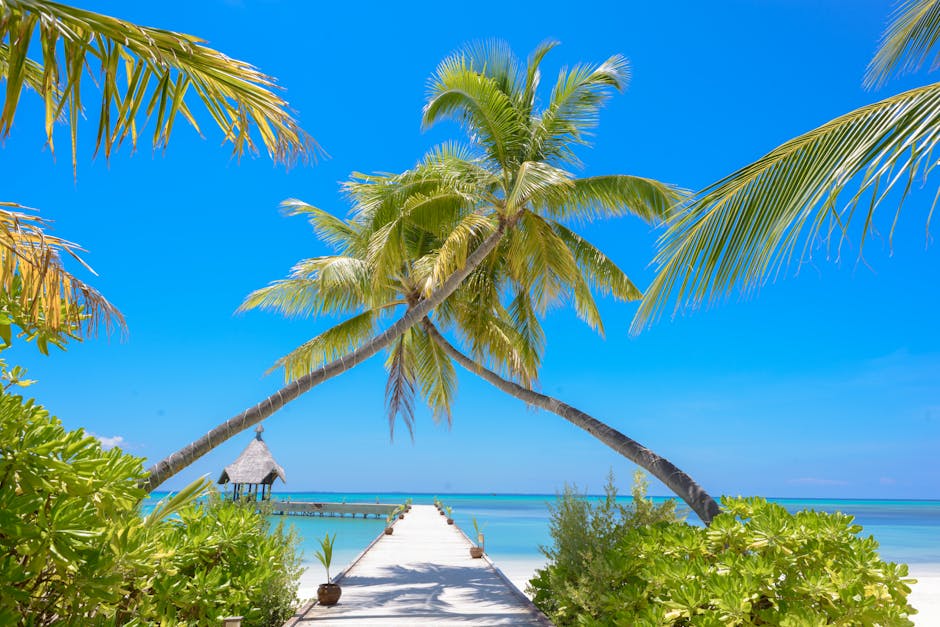
Imagine the soft, golden light of a Mauritian dawn filtering through a canopy of flamboyant trees, their branches not yet in full fiery bloom but adorned with tender new leaves. The air, no longer heavy with summer's humidity, carries a crisp, clean scent of rain-washed earth and the intoxicating perfume of frangipani and bougainvillea. This is Mauritius in spring, a season that finds its crescendo in the sacred and celebratory days of Easter. The island, a vibrant tapestry of cultures, undergoes a subtle yet profound transformation, blending the solemnity of Holy Week with the joyous rebirth of nature.
Easter in Mauritius is not merely a date on the calendar; it is a sensory experience. In the coastal towns, you'll hear the rhythmic crash of the Indian Ocean against reefs, now swimmable in pleasantly warm, crystal-clear waters. In the central highlands, around Curepipe and Moka, a different spectacle unfolds. While the famed cherry blossoms of the Northern Hemisphere have a unique Mauritian cousin, the island's own "cherry" trees, the Prunus cerasoides, and a profusion of jacarandas, flamboyants, and orchids begin their glorious display, painting the landscapes in soft pinks, vibrant purples, and lush greens.
This guide is your key to unlocking this magical season. We will navigate the balmy, unpredictable spring weather, lead you to hidden gardens and solemn processions, and help you plan amidst the holiday crowds. You will discover where to find the most spectacular floral displays, how to partake in authentic Easter traditions, and where to savor a legendary seaside brunch. We'll provide practical itineraries, packing tips, and cultural insights to transform your trip from a simple vacation into a profound seasonal pilgrimage.
Prepare to step into a Mauritius where spirituality meets natural splendor, where the call to prayer mingles with the scent of salt and blossoms, and where Easter is not just observed but deeply, beautifully felt. Your journey into the heart of a Mauritian spring begins here.
Is Easter a Good Time to Visit Mauritius?
The short, resounding answer is yes, provided you are prepared for what the season entails. Easter offers a unique window into the island's soul, presenting a blend of climatic comfort and cultural depth that is unavailable during the peak summer or winter seasons. It's a time of transition, bursting with life and local color, making it an exceptionally rewarding period for the discerning traveler.
However, an honest assessment is crucial. Let's weigh the pros and cons:
- ✔ Pros: Exquisite spring weather with warm days and cool nights. Lower humidity than peak summer. The landscape is explosively green and flowering. Unique cultural and religious events offer authentic immersion. Ideal conditions for hiking, exploring, and outdoor dining.
- ❌ Cons: Domestic and international tourist crowds, especially over the long weekend. Significantly higher prices for flights and premium accommodation. "Spring showers" can be brief but intense, occasionally disrupting outdoor plans. Some smaller, local shops may close for the Good Friday and Easter Sunday holidays.
For the traveler who values vibrant atmosphere, cultural richness, and natural beauty over absolute solitude and budget travel, Easter in Mauritius is an unparalleled choice.
Mauritius Weather During Easter
Easter in Mauritius falls in the heart of the Southern Hemisphere's autumn, but the island's tropical location means it feels more like a perfect, mild summer elsewhere. The oppressive heat and humidity of January and February have given way to a more benevolent climate. Average daytime temperatures hover between a delightful 25°C to 28°C (77°F to 82°F) along the coast.
Nights are comfortably cool, especially in the central plateau, where temperatures can dip to a refreshing 17°C to 19°C (63°F to 66°F). This is the time for light cardigans and evening strolls under a blanket of stars. Rain is a defining feature of the season. These are not all-day downpours but dramatic, brief "spring showers" that arrive with little warning, drench the earth in a passionate burst, and then retreat, leaving the air washed clean and the foliage glittering.
What to expect is a dynamic, lively atmosphere. Mornings often dawn clear and bright, with a crispness that invigorates. By afternoon, puffy cumulus clouds build over the mountains, potentially culminating in a spectacular, short-lived thunderstorm. The sea remains warm and inviting, typically around 27°C (81°F), perfect for swimming and snorkeling in the sheltered lagoons.
Packing Tips: The key is layers. Pack light cotton and linen for the day, but include a light jacket, a sweater, and a versatile pashmina for cooler evenings and air-conditioned spaces. A compact, sturdy umbrella and a lightweight, packable raincoat are non-negotiable. Don't forget sun protection—the autumn sun is still strong.
Cherry Blossoms & Seasonal Highlights
While Mauritius does not have the iconic Japanese sakura, it boasts its own breathtaking springtime floral symphony that coincides beautifully with Easter. The star, often mistaken for cherry blossoms, is the Prunus cerasoides, or Himalayan Cherry tree. In the cooler highlands, these trees erupt in clusters of delicate, pale pink and white flowers around March and April, creating ethereal, cloud-like canopies.
The best viewing spots are in the elevated towns of the central plateau. The Gardens of Curepipe and the streets of Moka and Quatre Bornes are often lined with these blossoming trees. For a dedicated botanical experience, the Sir Seewoosagur Ramgoolam Botanical Garden in Pamplemousses is a wonderland, with its giant water lilies, towering palms, and seasonal flowerbeds in full riot. Don't miss the spectacular jacaranda trees, which drape entire avenues in a breathtaking violet haze during this period.
Timing is delicate. An early Easter (late March) might catch the very beginning of the bloom, while a late Easter (mid-to-late April) could see the flowers at their peak or just starting to fall, creating a picturesque "flower snow" effect. Beyond blossoms, this is the season for vibrant hibiscus, fragrant ylang-ylang, and the stunning flame-red flowers of the flamboyant trees, which begin their show as autumn progresses. Easter itself is a highlight, with many hotels and public gardens creating elaborate floral displays and themed decorations.
Easter Events & Things to Do
The celebration of Easter in Mauritius is a profound cultural event, reflecting its diverse heritage. The week begins with solemnity. On Good Friday, a public holiday, the island grows quiet. Many attend church services, and it's traditional to eat vegetarian food. In coastal villages like Cap Malheureux, you might witness poignant processions or prayers by the sea.
Easter Sunday is a day of jubilation. The sound of gospel music spills from churches. The highlight for many visitors and locals alike is the legendary Easter Brunch. Nearly every major hotel and many fine restaurants host extravagant spreads—think champagne, fresh seafood towers, roasted meats, and decadent dessert tables, often set in stunning gardens or with ocean views. For families, larger resorts organize elaborate Easter egg hunts, often with a tropical twist, hiding treats amongst palm trees and beach shrubs.
Explore local markets like the Floreal Square Craft Market or the Port Louis Central Market, which buzz with energy as families shop for fresh produce, local sweets, and new clothes for the holiday. This is also a perfect time for nature-based activities: hike to the summit of Le Morne Brabant for panoramic views, snorkel in the Blue Bay Marine Park, or take a scenic drive through the tea plantations of Bois Chéri, all under the kind embrace of the autumn sun.
Crowd Levels & Costs
Easter is one of the busiest travel periods in Mauritius, driven by both international visitors and local families taking advantage of the school holidays and long weekend. The week leading up to Easter and the weekend itself see a significant spike in tourist volume, particularly at popular attractions, airports, and on the roads. Be prepared for a lively, bustling atmosphere rather than one of secluded tranquility.
This demand directly impacts costs. Hotel prices, especially for 4- and 5-star beach resorts in areas like Trou aux Biches, Flic en Flac, and Belle Mare, can be 30-50% higher than in the preceding weeks. Average nightly rates for a luxury property can easily exceed €400-€600. Flight prices from Europe, South Africa, and Asia also peak. The key to managing cost is early planning.
To secure reasonable prices, you should aim to book your flights and accommodation at least 4 to 6 months in advance. Consider staying in smaller guesthouses or inland hotels for better value. Traveling in the week immediately after Easter Sunday can sometimes yield slightly lower rates as the peak demand subsides, while the pleasant weather and seasonal beauty remain.
Best Places to Visit in Mauritius During Easter
Parks & Gardens for Spring Walks
Embrace the season's essence in Mauritius's green spaces. The SSR Botanical Garden is a must-visit; its alleys of palms and seasonal flower displays are sublime. The Domaine de Labourdonnais offers a beautiful orchard estate perfect for a stroll, followed by a tasting of their artisanal rums and jams. In the highlands, the Gardens of Curepipe provide a cool, serene escape with potential cherry blossom sightings.
Cultural & Historical Spots
Attend an Easter service to feel the community's spirit. The iconic Notre-Dame Auxiliatrice Chapel in Cap Malheureux, with its red roof against the blue sea, is profoundly moving. The St. Louis Cathedral in Port Louis holds large, solemn masses. For cultural diversity, visit the Ganga Talao (Grand Bassin), a sacred Hindu lake where Mauritian Hindus celebrate Maha Shivaratri (often around February/March); the serene atmosphere is timeless.
Shopping Areas for Easter Treats & Crafts
Skip the malls and head to markets. The Port Louis Central Market is a sensory overload of spices, textiles, and souvenirs. For Easter treats, seek out local pâtisseries for intricately decorated chocolate eggs and "gâteaux de Pâques." The Caudan Waterfront in Port Louis offers a more upscale shopping experience with local designer boutiques and craft shops.
Day Trip Destinations
Take a scenic drive to the Black River Gorges National Park for hiking and breathtaking viewpoints like the Alexandra Falls. The charming village of Chamarel is home to the surreal Seven Coloured Earths and the majestic Chamarel Waterfall. For a coastal escape, the secluded beaches of Le Morne or the wild, southeastern coast around Blue Bay offer stunning scenery perfect for a spring picnic.
Suggested 5-Day Easter Itinerary
Day 1: Arrival & Coastal Immersion. Arrive in Mauritius and settle into your accommodation on the west or north coast. Unwind with an evening stroll on the beach like Flic en Flac or Trou aux Biches, watching the sunset paint the sky in pastels. Enjoy a relaxed seafood dinner.
Day 2: Botanical Wonders & Cultural Port Louis. Morning visit to the SSR Botanical Garden in Pamplemousses. Afternoon exploration of Port Louis: the Aapravasi Ghat, the Central Market, and the Champ de Mars racecourse (if races are on). Dine at the Caudan Waterfront.
Day 3: Highlands & Holy Week Atmosphere. Drive into the central highlands. Visit the Gardens of Curepipe and the town for potential blossom sightings. Continue to the sacred crater lake of Ganga Talao. In the evening, if it's Good Friday, experience the quiet, solemn atmosphere in a coastal village.
Day 4: Easter Sunday Celebration. Attend a sunrise church service (like the iconic red-roofed chapel at Cap Malheureux). Indulge in a lavish Easter brunch at your hotel or a renowned restaurant. Spend the afternoon relaxing on the beach or by the pool, perhaps joining a family-friendly egg hunt.
Day 5: Natural Beauty & Departure. Final morning activity: a hike at Le Morne Brabant, a snorkeling trip to Île aux Cerfs, or a visit to the Seven Coloured Earths in Chamarel. Enjoy a final Mauritian lunch before preparing for your departure, filled with the scents and sights of spring.
Travel Tips for Easter in Mauritius
Book Early: Secure flights and hotels 4-6 months in advance to avoid exorbitant prices and limited choices.
Transportation: Renting a car provides the most flexibility, but book it early. Taxis are plentiful but negotiate fares beforehand. Public buses are inexpensive but can be extremely crowded during the holiday period.
Cultural Etiquette: If attending church services, dress modestly (covered shoulders and knees). During Good Friday processions, maintain a respectful and quiet demeanor. Always ask permission before photographing people in religious settings.
Local Phrases: A little effort goes a long way. "Bonnes Pâques" (Happy Easter), "Merci" (Thank you), "S'il vous plaît" (Please). The multicultural population also speaks English widely, but French and Creole are the lingua franca.
Where to Stay
North Coast (Grand Baie, Trou aux Biches): Pros: Vibrant nightlife, excellent restaurants, water sports, family-friendly beaches. Best for those who want convenience and action. Hotel types: All-inclusive resorts, boutique hotels, self-catering apartments.
West Coast (Flic en Flac, Tamarin): Pros: Spectacular sunsets, long sandy beaches, great for dolphin watching and snorkeling. A slightly more relaxed vibe than the north. Hotel types: Large beach resorts, charming guesthouses.
East Coast (Belle Mare, Poste Lafayette): Pros: Secluded, postcard-perfect beaches with turquoise lagoons, quieter and more upscale atmosphere. Best for couples and relaxation. Hotel types: Luxury 5-star resorts and villas.
South Coast (Bel Ombre, Le Morne): Pros: Dramatic, wild scenery, world-class kitesurfing, proximity to the Black River Gorges. Best for adventure seekers and nature lovers. Hotel types: Eco-lodges, luxury resorts integrated with nature.
Central Plateau (Curepipe, Moka): Pros: Cooler climate, proximity to botanical gardens and cultural sites, authentic local living. Best for travelers focused on culture and inland exploration. Hotel types: Business hotels, quaint B&Bs.
What to Pack
Your suitcase should be prepared for all of spring's moods. Essential clothing includes light, breathable fabrics (linen, cotton) for daytime, paired with a light jacket, cardigan, or pashmina for cooler evenings. Comfortable walking shoes are crucial for garden explorations and cobblestone streets.
Rain gear is non-negotiable—a compact umbrella and a lightweight, packable raincoat will save the day. For beach time, swimwear, a sun hat, and high-SPF sunscreen are essential. If you plan to attend church services, pack modest attire: a shawl to cover shoulders and a skirt or trousers that cover the knees.
Finally, bring a sense of adventure and perhaps a festive accessory—a pastel-colored scarf or a spring-themed piece of jewelry—to join in the celebratory spirit.
Pros & Cons Summary
👍 Pros:
• Beautiful spring scenery with flowering trees and lush landscapes.
• Pleasant, mild weather ideal for all outdoor activities.
• Unique cultural and religious events for an authentic experience.
• Warm sea temperatures perfect for swimming and water sports.
• Vibrant, festive atmosphere across the island.
👎 Cons:
• Peak tourist crowds, especially at popular sites and beaches.
• Significantly higher prices for flights and accommodation.
• Unpredictable spring showers can disrupt outdoor plans.
• Some local services and shops may close for the public holidays.
• Requires very early planning and booking.
Final Verdict: Should You Visit Mauritius at Easter?
Visiting Mauritius at Easter is a decision that promises rich rewards for the right traveler. Couples seeking a romantic getaway with stunning scenery and luxurious brunches will find it idyllic. Families can enjoy the perfect blend of kid-friendly activities (egg hunts, beach time) and cultural exposure. Solo adventurers and culture enthusiasts will be thrilled by the depth of local traditions and the vibrant atmosphere.
However, if you are a budget-conscious backpacker seeking rock-bottom prices and solitude, or a traveler who dislikes crowds intensely, you might find the Easter period challenging. The premium costs and bustling energy are inherent to the season. For you, the weeks just before or after Easter may offer a better balance of good weather and relative calm.
Ultimately, Easter in Mauritius is for those who wish to experience the island not just as a tropical paradise, but as a living, breathing community celebrating renewal. It is for those who don't mind trading absolute quiet for the resonant hum of life, and who understand that the most memorable journeys are often those woven into the fabric of local time and tradition. It is a spellbinding chapter in the island's annual story, waiting for you to turn the page.
FAQ: Best Time to Visit Mauritius for Easter
Is Easter a busy time in Mauritius?
Yes, it is one of the peak travel periods. The combination of international tourists and local school holidays creates a lively, crowded atmosphere at popular destinations, airports, and on the roads, especially over the long weekend.
What's the weather like during Holy Week?
Expect warm, pleasant days (25-28°C) and cool, comfortable nights, especially inland. Brief but intense "spring showers" are common, so always have an umbrella handy. The sea remains warm and inviting for swimming.
Are there Easter egg hunts for kids?
Absolutely. Most large resorts and many family-friendly hotels organize elaborate Easter egg hunts, often on Easter Sunday morning. Some public gardens or malls may also host community events.
When should I book flights to get the best price?
To secure the best fares, book your international flights at least 4 to 6 months in advance. Prices will only climb as the holiday approaches, and availability will become very limited.
Can I see cherry blossoms during Easter?
You can see the beautiful Himalayan Cherry trees (Prunus cerasoides) blooming in the central highlands. The timing depends on the specific date of Easter, but late March to April is the typical bloom period for these pink and white flowers.
What do locals do to celebrate Easter?
Many Mauritians attend church services, with Good Friday being a solemn day of prayer and vegetarian meals. Easter Sunday is festive, marked by family gatherings, special meals (often featuring seafood or lamb), and for some, attending the lavish hotel brunches.
Is it expensive to travel during Easter week?
Yes, travel is significantly more expensive. Flight prices are at a premium, and hotel rates, particularly for beachfront properties, can be 30-50% higher than in the off-peak seasons. Early booking is essential to manage costs.


No comments:
Post a Comment